Journal Boards
Owner of Behalf of Isparta University of Applied Sciences, Eğirdir Fisheries Faculty




 Web
Web
Editor-in-Chief
 Web
Web
Journal Board Members
Web
Web

 Web
Web
Layout Editors
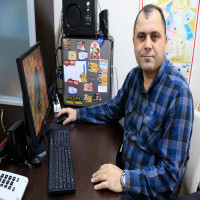
 Web
Web
Section Editors
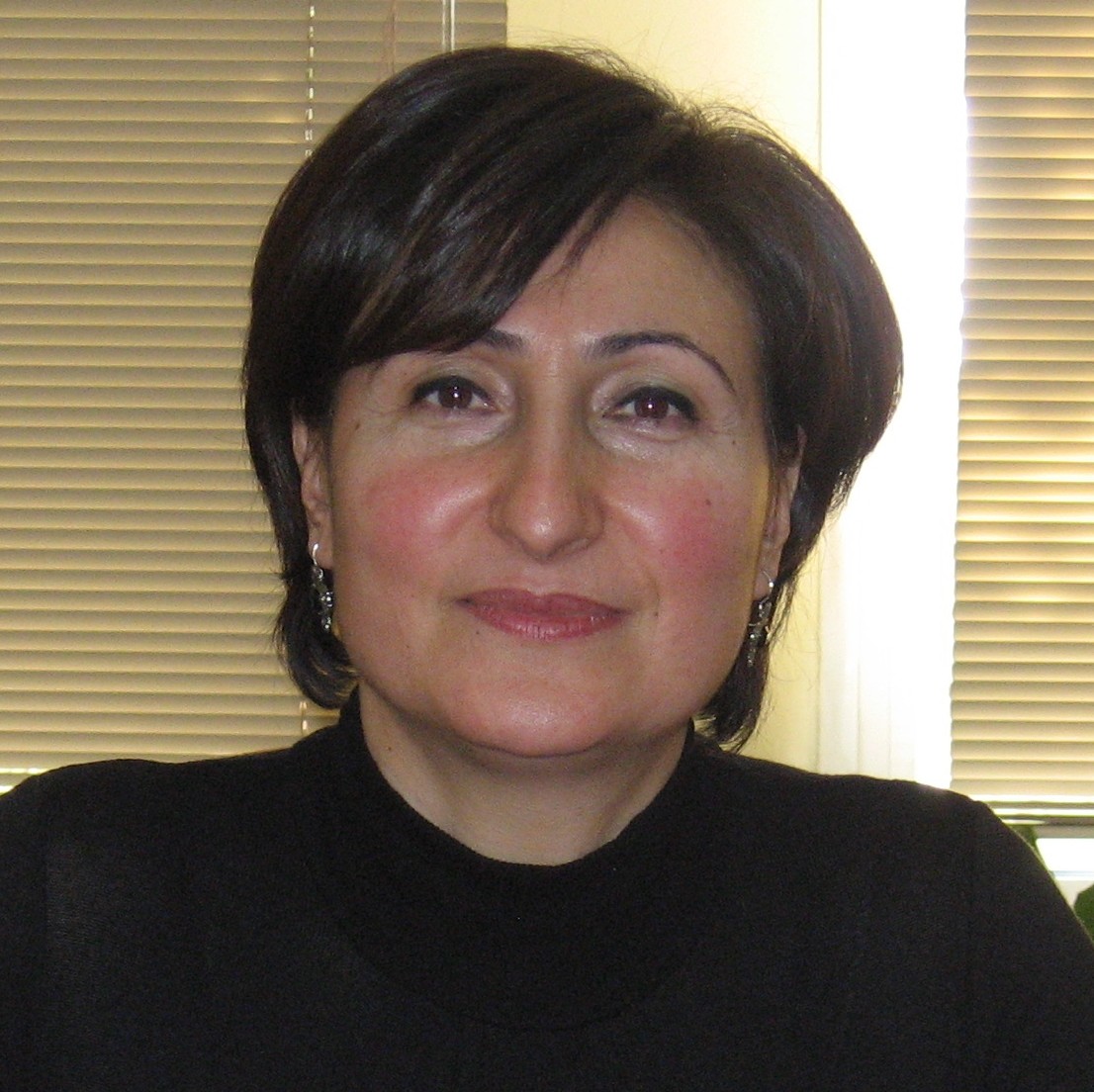
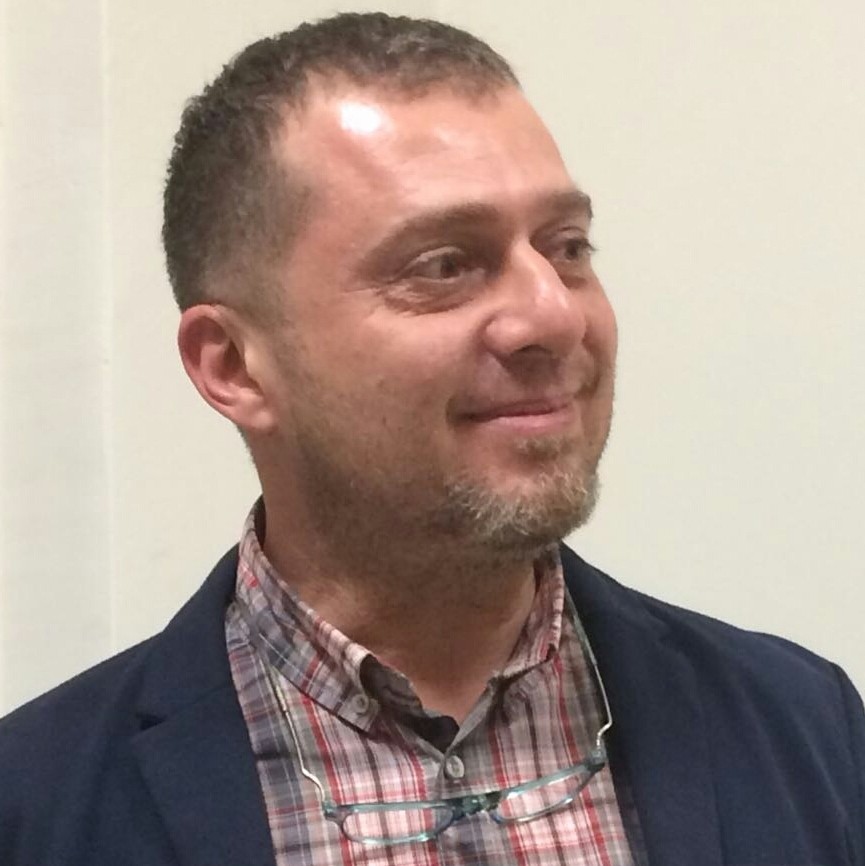
Prof. Dr. Ercüment Genç is a full professor at the Department of Fisheries and Aquaculture Engineering, Faculty of Agriculture, Ankara University. He has been actively involved in the field of responsible aquaculture since 1995, with a particular emphasis on sustainable production systems and species-specific health management.
Since December 2014, he has served as a member of the National Committee on Registration of Aquatic Genetic Resources, contributing expert evaluations on aquatic biodiversity and genetic conservation. He is also affiliated with the Agriculture and Food Ethics Association and is an active member of the Chamber of Agricultural Engineers in Ankara.
His main research interests include fish and shrimp aquaculture, the use of immune stimulants, functional nutrition, liver and intestinal histopathology, and biosecurity in aquaculture systems. He has also conducted extensive work on the implementation of biofloc technology as a sustainable approach to nutrient recycling and water quality management in intensive aquaculture.
ORCID ID: 0000-0001-7474-2208
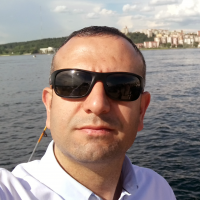
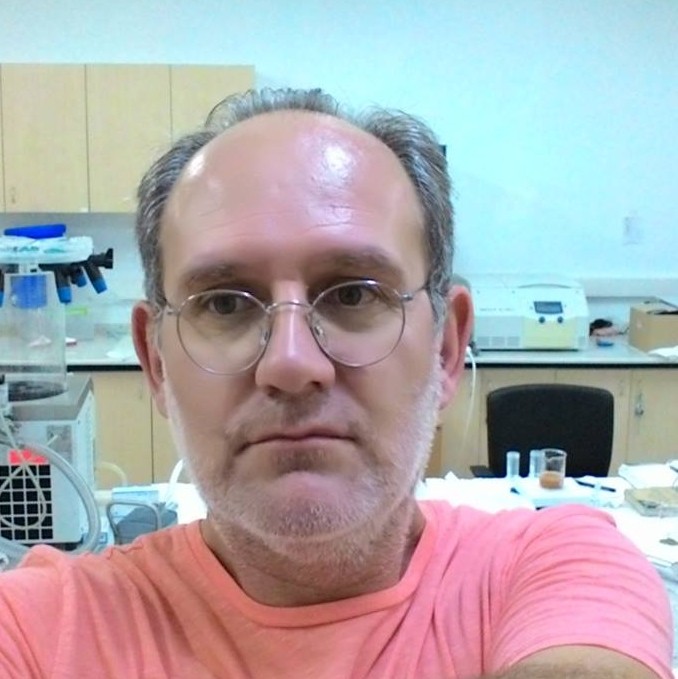
Laith A. Jawad obtained a degree (M.Sc.) in fish taxonomy from the Zoology Department, University of Bristol, the UK in 1980. He continued as a fish taxonomist at Basrah University, Iraq, where he worked for more than 20 years before he immigrated to New Zealand in 1997. During this time, he started the biochemical taxonomy of fishes of Iraq and published over 595 scientific papers and book reviews in leading scientific journals. He is the author and co-author of several textbooks in biology published in Arabic. In 2016, he contributed five chapters to a book about coastal fishes,” Coastal fishes, habitat, behaviour and conservation”, published by Nova Publishers, Canada. He served as fish biodiversity and consultant at the Ministry of Agriculture and Fisheries in Oman for the period 2008-2012 during which he co-authored two papers describing two new fish species to science from the Omani waters and reported over 90 fish species as a new record to the Omani waters. He wrote a book about the dangerous fishes of the eastern and southern Arabian Peninsula that has been published by Springer, Germany. He authored a guide to the fishes of the southern coasts of Oman, which was published by the Ministry of Agriculture and Fisheries, Muscat, Oman in 2018. He also published over 100 papers on the fish fauna of Oman, Iraq, Kuwait, and Saudi Arabia. In 2013, he broadens his scientific contact and started to collaborate with over 50 scientists from over 40 countries around the world in research dealing with different aspects of fish taxonomy and ichthyology. Recently, he edited the three books for Springer in Germany and Switzerland and published in 2021 by Springer. These are: (1) The Arabian seas: Biodiversity, Environment Challenges and Conservation Measures; (2) Tigris and Euphrates Rivers: their environment from headwaters to mouth; and (3) Southern Iraq’s Marshes: their environment and conservation.
Web
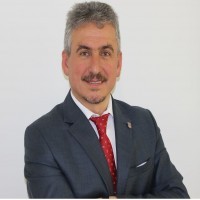
He completed his undergraduate studies in the Fisheries Technology Engineering Program at Karadeniz Technical University, Sürmene Faculty of Marine Sciences; his master’s degree in the Department of Fisheries Technology Engineering; and his Ph.D. in the Aquaculture Department of the Graduate School of Natural and Applied Sciences at Ege University. He received the titles of Research Assistant in 1996, Assistant Professor in 2002, Associate Professor in 2011, and Professor in 2016. He is currently serving as a faculty member in the Department of Aquaculture, Division of Aquaculture, at Muğla Sıtkı Koçman University, Faculty of Fisheries. His areas of expertise include aquaculture, fish nutrition, feed technology, alternative feed ingredients, organic fish farming, and fisheries economics.
Editorial Board
Ege Üniversitesi Su Ürünleri Fakültesi'nde Lisans ve Lisansüstü eğitimini 1984 -1995 yılları arasında tamamladı. Avlama Teknolojisi Anabilim Dalında görevli. 1999 yılında 5 aylık JICA bursu ile Japonya'da ve 2012 yılında 3 aylık YÖK bursu ile University of Florida'da misafir araştırıcı olarak bulundu. Yapay resif teknolojileri, avcılık teknolojisi ve son on yıldır akustik telemetri ile balık hareketlerinin izlenmesi konusunda çalışmalar yürütüyor.
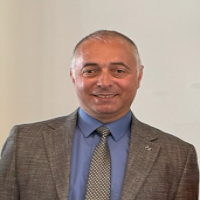
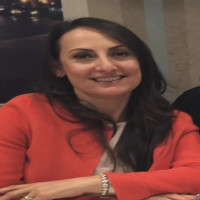
Laith A. Jawad obtained a degree (M.Sc.) in fish taxonomy from the Zoology Department, University of Bristol, the UK in 1980. He continued as a fish taxonomist at Basrah University, Iraq, where he worked for more than 20 years before he immigrated to New Zealand in 1997. During this time, he started the biochemical taxonomy of fishes of Iraq and published over 595 scientific papers and book reviews in leading scientific journals. He is the author and co-author of several textbooks in biology published in Arabic. In 2016, he contributed five chapters to a book about coastal fishes,” Coastal fishes, habitat, behaviour and conservation”, published by Nova Publishers, Canada. He served as fish biodiversity and consultant at the Ministry of Agriculture and Fisheries in Oman for the period 2008-2012 during which he co-authored two papers describing two new fish species to science from the Omani waters and reported over 90 fish species as a new record to the Omani waters. He wrote a book about the dangerous fishes of the eastern and southern Arabian Peninsula that has been published by Springer, Germany. He authored a guide to the fishes of the southern coasts of Oman, which was published by the Ministry of Agriculture and Fisheries, Muscat, Oman in 2018. He also published over 100 papers on the fish fauna of Oman, Iraq, Kuwait, and Saudi Arabia. In 2013, he broadens his scientific contact and started to collaborate with over 50 scientists from over 40 countries around the world in research dealing with different aspects of fish taxonomy and ichthyology. Recently, he edited the three books for Springer in Germany and Switzerland and published in 2021 by Springer. These are: (1) The Arabian seas: Biodiversity, Environment Challenges and Conservation Measures; (2) Tigris and Euphrates Rivers: their environment from headwaters to mouth; and (3) Southern Iraq’s Marshes: their environment and conservation.