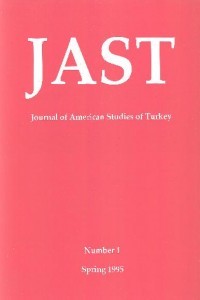
Research Article
BibTex RIS Cite

Year 2025, Issue: 64, 23 - 37, 30.12.2025

Abstract

References

  • Bauman, Zygmunt. Liquid Modernity. Polity, 2000.
  • Bishop, Kyle William. American Zombie Gothic: The Rise and Fall (and Rise) of the Walking Dead in Popular Culture. McFarland, 2010.
  • ---. “The New American Zombie Gothic: Road Trips, Globalisation, and the War on Terror.” Gothic Studies, vol. 17, no. 2, Nov. 2015, pp. 42–56.
  • Bonaime, Ross. “The Last of Us Review: Everything a Great Adaptation Should Be.” Collider, 10 Jan. 2023, www.collider.com/the-last-of-us-hbo-review.
  • Boudreaux, Armond. “The Last of Us, Hobbes, and the State of Nature.” The Last of Us and Philosophy: Look for the Light, edited by Charles Joshua Horn, John Wiley & Sons, 2025, pp. 58–64.
  • Broderick, Mick. “Surviving Armageddon: Beyond the Imagination of Disaster.” Science Fiction Studies, vol. 20, no. 3, 1993, pp. 362–82.
  • Brown, Jennifer. Cannibalism in Literature and Film. Palgrave Macmillan, 2013.
  • Cawelti, John G. The Six-Gun Mystique Sequel. Bowling Green State U P, 1999.
  • Curtis, Claire P. Postapocalyptic Fiction and the Social Contract: “We’ll Not Go Home Again.” Lexington Books, 2010.
  • “Endure and Survive.” The Last of Us, created by Craig Mazin and Neil Druckmann, season 1, episode 5, HBO, 10 Feb. 2023.
  • Evans, Anne-Marie. “Eat, Live, Remember: Food and the Post-Apocalyptic Novel.” The Routledge Companion to Literature and Food, edited by Lorna Piatti-Farnell and Donna Lee Brien, Routledge, 2018, pp. 460–69.
  • Glawson, Stephen. “Post-Apocalyptic Cinema: What the Future Tells Us about Today.” Film Matters, vol. 5, no. 2, 2014, pp. 79–83.
  • Hills, Matt. “Cult Cinema and the ‘Mainstreaming’ Discourse of Technological Change: Revisiting Subcultural Capital in Liquid Modernity.” New Review of Film and Television Studies, vol. 13, no. 1, Dec. 2014, pp. 100–21.
  • Hobbes, Thomas. Leviathan. 1651. Project Gutenberg, www.gutenberg.org/files/3207/3207-h/3207-h. htm.
  • IMDb. “The Last of Us (TV Series) Ratings.” IMDb, 2023, www.imdb.com/title/tt3581920/ratings/.
  • “Infected.” The Last of Us, created by Craig Mazin and Neil Druckmann, season 1, episode 2, HBO, 22 Jan. 2023.
  • “Kin.” The Last of Us, created by Craig Mazin and Neil Druckmann, season 1, episode 6, HBO, 19 Feb. 2023.
  • Lavigne, Carlen. Post-Apocalyptic Patriarchy: American Television and Gendered Visions of Survival. McFarland, 2018.
  • “Left Behind.” The Last of Us, created by Craig Mazin and Neil Druckmann, season 1, episode 7, HBO, 26 Feb. 2023.
  • “Long, Long Time.” The Last of Us, created by Craig Mazin and Neil Druckmann, season 1, episode 3, HBO, 29 Jan. 2023.
  • “Look for the Light.” The Last of Us, created by Craig Mazin and Neil Druckmann, season 1, episode 9, HBO, 12 Mar. 2023.
  • Lyon, David. “Liquid Surveillance: The Contribution of Zygmunt Bauman to Surveillance Studies.”
  • International Political Sociology, vol. 4, no. 4, Dec. 2010, pp. 325–38.
  • Nicholson, Rebecca. “The Last of Us Review – One of the Finest TV Shows You Will See This Year.” The Guardian, 16 Jan. 2023, www.theguardian.com/tv-and-radio/2023/jan/16/the-last-of-us-review-one- of-the-finest-tv-shows-you-will-see-this-year.
  • Paffenroth, Kim. Gospel of the Living Dead: George Romero’s Visions of Hell on Earth. Baylor UP, 2006.
  • “Please Hold to My Hand.” The Last of Us, created by Craig Mazin and Neil Druckmann, season 1, episode 4, HBO, 5 Feb. 2023.
  • Poniewozik, James. “Review: The Last of Us Is a Zombie Thriller about Single Parenting.” The New York Times, 12 Jan. 2023, www.nytimes.com/2023/01/12/arts/television/the-last-of-us-review.html.
  • Rotten Tomatoes. “The Last of Us.” Rotten Tomatoes, 2023, www.rottentomatoes.com/tv/the_last_of_ us.
  • Rousseau, Jean-Jacques. Discourse on the Origin of Inequality. 1755. Translated by G. D. H. Cole, ISN, www.files.ethz.ch/isn/125494/5019_Rousseau_Discourse_on_the_Origin_of_Inequality.pdf.
  • Simpson, Philip L. “The Zombie Apocalypse Is upon Us! Homeland Insecurity.” We’re All Infected: Essays on AMC’s the Walking Dead and the Fate of the Human, edited by Dawn Keetley, McFarland, 2015, pp. 28–40.
  • Sontag, Susan. “The Imagination of Disaster.” Commentary, vol. 40, no. 4, 1965, pp. 42–48. Tallerico, Brian. “HBO Confidently Adapts Breakthrough Video Game The Last of Us.” RogerEbert.com, 10 Jan. 2023, www.rogerebert.com/streaming/the-last-of-us-tv-review.
  • Tally Jr., Robert T. The Fiction of Dread: Dystopia, Monstrosity, and Apocalypse. Bloomsbury, 2023. Turner, Frederick Jackson. The Frontier in American History. 1920. Project Gutenberg, www.gutenberg. org/cache/epub/22994/pg22994-images.html.
  • “When We Are in Need.” The Last of Us, created by Craig Mazin and Neil Druckmann, season 1, episode 8, HBO, 5 Mar. 2023.
  • “When You’re Lost in the Darkness.” The Last of Us, created by Craig Mazin and Neil Druckmann, season 1, episode 1, HBO, 15 Jan. 2023.
  • Whissel, Kristen. “Tales of Downward Mobility: Life of Pi and Virtual Camera Movement in Liquid Modernity.” Film Criticism, vol. 47, no. 1, Oct. 2023.

Survival Politics: Liquid Modernity and the State of Nature in The Last of Us

Year 2025, Issue: 64, 23 - 37, 30.12.2025

Abstract

Post-apocalyptic narratives offer bleak visions of the future in which catastrophic events have rendered life almost impossible. Yet these same narratives also create imaginative spaces for exploring new social formations and ways of restructuring communities around the imperative of survival. These stories frequently negotiate between two opposing ideologies: a model of individual survival based on willpower and self-reliance, and a collectivist model grounded in unity and collaboration. Drawing on Hobbes’ notion of the state of nature and Bauman’s theory of liquid modernity, this paper examines how the first season of The Last of Us (2023–), HBO’s acclaimed adaptation of the popular video game, constructs its post-apocalyptic landscape through competing visions of individualism and collective action. Following a man and a teenage girl as they navigate a post-apocalyptic United States, the series reflects contemporary ideological anxieties surrounding both the urgency of survival and the long-term possibility (or impossibility) of rebuilding a functional community. Ultimately, The Last of Us dramatizes the political and moral complexities of survival in an uncertain and fluid world.

References

  • Bauman, Zygmunt. Liquid Modernity. Polity, 2000.
  • Bishop, Kyle William. American Zombie Gothic: The Rise and Fall (and Rise) of the Walking Dead in Popular Culture. McFarland, 2010.
  • ---. “The New American Zombie Gothic: Road Trips, Globalisation, and the War on Terror.” Gothic Studies, vol. 17, no. 2, Nov. 2015, pp. 42–56.
  • Bonaime, Ross. “The Last of Us Review: Everything a Great Adaptation Should Be.” Collider, 10 Jan. 2023, www.collider.com/the-last-of-us-hbo-review.
  • Boudreaux, Armond. “The Last of Us, Hobbes, and the State of Nature.” The Last of Us and Philosophy: Look for the Light, edited by Charles Joshua Horn, John Wiley & Sons, 2025, pp. 58–64.
  • Broderick, Mick. “Surviving Armageddon: Beyond the Imagination of Disaster.” Science Fiction Studies, vol. 20, no. 3, 1993, pp. 362–82.
  • Brown, Jennifer. Cannibalism in Literature and Film. Palgrave Macmillan, 2013.
  • Cawelti, John G. The Six-Gun Mystique Sequel. Bowling Green State U P, 1999.
  • Curtis, Claire P. Postapocalyptic Fiction and the Social Contract: “We’ll Not Go Home Again.” Lexington Books, 2010.
  • “Endure and Survive.” The Last of Us, created by Craig Mazin and Neil Druckmann, season 1, episode 5, HBO, 10 Feb. 2023.
  • Evans, Anne-Marie. “Eat, Live, Remember: Food and the Post-Apocalyptic Novel.” The Routledge Companion to Literature and Food, edited by Lorna Piatti-Farnell and Donna Lee Brien, Routledge, 2018, pp. 460–69.
  • Glawson, Stephen. “Post-Apocalyptic Cinema: What the Future Tells Us about Today.” Film Matters, vol. 5, no. 2, 2014, pp. 79–83.
  • Hills, Matt. “Cult Cinema and the ‘Mainstreaming’ Discourse of Technological Change: Revisiting Subcultural Capital in Liquid Modernity.” New Review of Film and Television Studies, vol. 13, no. 1, Dec. 2014, pp. 100–21.
  • Hobbes, Thomas. Leviathan. 1651. Project Gutenberg, www.gutenberg.org/files/3207/3207-h/3207-h. htm.
  • IMDb. “The Last of Us (TV Series) Ratings.” IMDb, 2023, www.imdb.com/title/tt3581920/ratings/.
  • “Infected.” The Last of Us, created by Craig Mazin and Neil Druckmann, season 1, episode 2, HBO, 22 Jan. 2023.
  • “Kin.” The Last of Us, created by Craig Mazin and Neil Druckmann, season 1, episode 6, HBO, 19 Feb. 2023.
  • Lavigne, Carlen. Post-Apocalyptic Patriarchy: American Television and Gendered Visions of Survival. McFarland, 2018.
  • “Left Behind.” The Last of Us, created by Craig Mazin and Neil Druckmann, season 1, episode 7, HBO, 26 Feb. 2023.
  • “Long, Long Time.” The Last of Us, created by Craig Mazin and Neil Druckmann, season 1, episode 3, HBO, 29 Jan. 2023.
  • “Look for the Light.” The Last of Us, created by Craig Mazin and Neil Druckmann, season 1, episode 9, HBO, 12 Mar. 2023.
  • Lyon, David. “Liquid Surveillance: The Contribution of Zygmunt Bauman to Surveillance Studies.”
  • International Political Sociology, vol. 4, no. 4, Dec. 2010, pp. 325–38.
  • Nicholson, Rebecca. “The Last of Us Review – One of the Finest TV Shows You Will See This Year.” The Guardian, 16 Jan. 2023, www.theguardian.com/tv-and-radio/2023/jan/16/the-last-of-us-review-one- of-the-finest-tv-shows-you-will-see-this-year.
  • Paffenroth, Kim. Gospel of the Living Dead: George Romero’s Visions of Hell on Earth. Baylor UP, 2006.
  • “Please Hold to My Hand.” The Last of Us, created by Craig Mazin and Neil Druckmann, season 1, episode 4, HBO, 5 Feb. 2023.
  • Poniewozik, James. “Review: The Last of Us Is a Zombie Thriller about Single Parenting.” The New York Times, 12 Jan. 2023, www.nytimes.com/2023/01/12/arts/television/the-last-of-us-review.html.
  • Rotten Tomatoes. “The Last of Us.” Rotten Tomatoes, 2023, www.rottentomatoes.com/tv/the_last_of_ us.
  • Rousseau, Jean-Jacques. Discourse on the Origin of Inequality. 1755. Translated by G. D. H. Cole, ISN, www.files.ethz.ch/isn/125494/5019_Rousseau_Discourse_on_the_Origin_of_Inequality.pdf.
  • Simpson, Philip L. “The Zombie Apocalypse Is upon Us! Homeland Insecurity.” We’re All Infected: Essays on AMC’s the Walking Dead and the Fate of the Human, edited by Dawn Keetley, McFarland, 2015, pp. 28–40.
  • Sontag, Susan. “The Imagination of Disaster.” Commentary, vol. 40, no. 4, 1965, pp. 42–48. Tallerico, Brian. “HBO Confidently Adapts Breakthrough Video Game The Last of Us.” RogerEbert.com, 10 Jan. 2023, www.rogerebert.com/streaming/the-last-of-us-tv-review.
  • Tally Jr., Robert T. The Fiction of Dread: Dystopia, Monstrosity, and Apocalypse. Bloomsbury, 2023. Turner, Frederick Jackson. The Frontier in American History. 1920. Project Gutenberg, www.gutenberg. org/cache/epub/22994/pg22994-images.html.
  • “When We Are in Need.” The Last of Us, created by Craig Mazin and Neil Druckmann, season 1, episode 8, HBO, 5 Mar. 2023.
  • “When You’re Lost in the Darkness.” The Last of Us, created by Craig Mazin and Neil Druckmann, season 1, episode 1, HBO, 15 Jan. 2023.
  • Whissel, Kristen. “Tales of Downward Mobility: Life of Pi and Virtual Camera Movement in Liquid Modernity.” Film Criticism, vol. 47, no. 1, Oct. 2023.
There are 35 citations in total.

Details

Primary Language English
Subjects North American Language, Literature and Culture, Radio-Television, Communication and Media Studies (Other)
Journal Section Research Article
Authors

Sotirios Bampatzimopoulos

Submission Date March 26, 2025
Acceptance Date December 19, 2025
Publication Date December 30, 2025
Published in Issue Year 2025 Issue: 64

Cite

MLA Bampatzimopoulos, Sotirios. “Survival Politics: Liquid Modernity and the State of Nature in The Last of Us”. Journal of American Studies of Turkey, no. 64, 2025, pp. 23-37.

JAST - Journal of American Studies of Turkey