Research Article
Issue Editorial Board
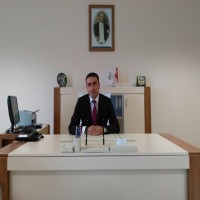




Cihan Ertan graduated from Akdeniz University, Department of Sociology and received both his Master and PhD degrees from the same university. His PhD thesis was entitled “The Body and the Practice of Tattooing as a Tool of Meaning Production”. He is currently working as an Associate Professor at the department of Sociology in Düzce University, Türkiye. His main research interests are cultural studies, sociology of the body, and gender.
Issue Reviewers
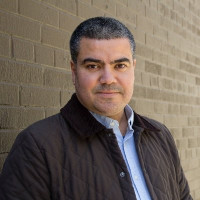

Anadolu Üniversitesi Sosyoloji Bölümü’nde öğretim üyesidir. Yemek sosyolojisi, gıda ve beslenme sosyolojisi, gıda çalışmaları, tüketim sosyolojisi, gastronomi, yemek ve kültür temel ilgi alanlarıdır. Orta sınıf ve dışarıda yemek, fast food, kahve kültürü ve tüketimi, beslenme ve toplumsal eşitsizlikler, beslenmenin sosyolojik boyutları üzerine makaleleri, “Beslencenin Sosyolojisi” başlığı ile bir kitabı bulunmaktadır. Son dönemde yoğunlaştığı konular arasında afet sonrası sahra mutfakları ve kırsal gıda güvencesizliği yer almaktadır.

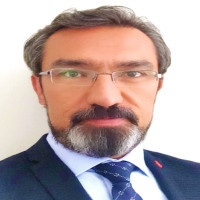
2012-2023 yılları arasında Adalet Bakanlığı bünyesinde çeşitli Ceza İnfaz Kurumlarında Psikolog olarak görev yaptıktan sonra Trabzon Üniversitesi Psikoloji Bölümüne Dr.Öğretim Üyesi olarak atanmış olup akademik çalışma alanı Uygulamalı Psikoloji, Adli Psikoloji ve Bağımlılıktır.




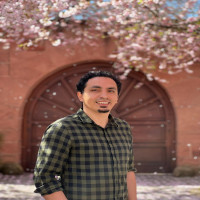
Doktorasının Almanya'da bulunan Martin Luther Universtaet-Halle-Wittenberg'de tamamlamıştır. Çanakkale Onsekiz Mart Üniversitesi Felsefe Bölümü'nde öğretim üyesidir.
Aim & Scope
The Journal of Muhakeme aims to publish rigorous scientific studies in all fields of Sociology, Psychology, and Philosophy after a meticulous peer-review process. The publication of articles is intended to contribute to research in these disciplines and facilitate the dissemination of scientific products to readers. The journal aspires to reach a wider audience by using an open-access system. Becoming one of the most respected journals in the fields of Sociology, Psychology, and Philosophy in Turkey and worldwide is among our primary objectives. The Journal of Muhakeme aims to be comprehensive and, therefore, welcomes national and international articles in these fields without any restrictions. Despite the existence of individual journals in the relevant fields, the absence of a dedicated journal encompassing the closely related areas adds uniqueness to the Journal of Discernment.
One of the main goals of The Journal is to take its place among the international indexes as soon as possible..
The Journal of Muhakeme aims to encompass a broad spectrum of the disciplines of Sociology, Psychology, and Philosophy. The journal places a strong emphasis on theoretical and applied research in these fields that can contribute to the existing literature. It endeavors to promote the intersection and integration of these disciplines and remains open to a wide variety of research approaches. Consequently, the Journal of Muhakeme keeps its doors open to studies conducted from diverse perspectives and methodologies within the fields of Sociology, Psychology, and Philosophy.
Author Guidelines
· Articles submitted to the journal via the Article Tracking System which is accessed by authors’ personal accounts signed in with their e-mail addresses and passwords. After the submission, the peer review process can be followed using the same tracking system. Authors should wait for all peer-review reports to be completed before making any corrections, because there is only one chance to submit edited version to the system.
· Title: The title should be in consistent with the content and describe the article well. It should be typed in APA (6th ed.) format.
· Authors’ names and contact details: Authors’ details such as their name, title, institution and contact details should not be included in the article. These details accessed through the system will be added by the editors.
· Abstract and key words: The abstract should be clear and concise, and key words should consist of minimum 3, maximum 5 words. The abstract and key words should be typed both in Turkish and English using APA (6th ed.) format.
· Body text: The body text should be typed in APA (6th ed.) format and pages should not be numbered.
· Information in the footnotes should be typed in APA (6th ed.) format with 10-pt at the bottom of the page.
· Headings and subheadings: Throughout the article headings and subheadings can be used as necessary and they can be numbered.
· Tables: All tables should be inserted as colored or black-white and details should be typed APA (6th ed.) format.
· Figures: Figures should be inserted with the correct resolution. Information about figures should be typed in APA (6th ed.) format.
· In-text citations and references: All citations and references should be typed in APA (6th ed.) format.
Ethical Principles and Publication Policy
OUR JOURNAL POLICY ON ARTICLE SIMILARITY REPORT AND SIMILARITY RATE
Candidate articles must be sent with an originality report obtained from an academic plagiarism prevention program (For example: Ithenticate, intihal.net, etc.). This rate is accepted up to 20%. Studies with a similarity rate of over 20% will be returned at the pre-check stage.
Code of Ethics for Authors
Authors guarantee that their work is original, and when they include the ideas, language, images, graphics and tables of other researchers in their work, they must indicate this as a citation. Quoting without specifying the source is a cause of plagiarism.
Each author mentioned in the study is equally responsible for the content of the study. It is unacceptable that the name of the researcher is not included even though he/she has contributed to the study, or that his/her name is unfairly included even though he/she has not contributed to the study.
Authors must remain faithful to the findings of their research. Changing the findings, making up findings and conclusions, and conducting research based on them is out of the question. Tampering with data and materials, deleting them, removing them, or skipping the interpretation of difficult data is a confidence breaker.
Simultaneous submission of the study to journals is not possible. Authors cannot submit their previously published works to the journal.
Code of Ethics for Referees
Referees should be aware that the evaluation process is confidential and should not be shared with outside third parties.
Referees must submit an objective, unbiased, scientific, understandable and constructive evaluation report regarding the study within the specified period.
Referee reports will also include an evaluation of the scientific quality of the article (the subject addressed, the method used or the appropriate use of relevant literature). This evaluation, whether positive or negative, must be made about the content.
If it is understood that the study is plagiarized or has been previously published elsewhere, referees should notify the editor.
OUR JOURNAL POLICY ON CO-AUTHORITY
The studies to be included in our journal may have been prepared by one or more authors. In studies with more than one author, the names of the authors should be listed in line with their contributions to the work, and the wet signatures of all authors should be included in the "Copyright transfer form" and these signatures should be in accordance with the order of the authors in the study. The Copyright Transfer form will be requested later from the authors of the articles decided to be published. When sending an article, do not send it.
ETHICS COMMITTEE APPROVAL
In line with ULAKBİM 2020 criteria, ethics committee approval must be obtained for research conducted in all fields, including Social Sciences, on clinical and experimental humans and animals, and this approval must be stated and documented in the article. The board name, date and issue number information regarding the ethics committee approval received should be included in the method section of the article and on the first/last page of the article.
Studies requiring ethics committee approval are listed below:
1. All kinds of qualitative or quantitative research in which interview, focus group study, observation, experiment, survey and interview techniques are used and data are collected accordingly,
2. Situations in which humans or animals are used for experimental and other scientific purposes,
3. Clinical studies conducted on humans and animals,
4. Retrospective studies in accordance with the personal data protection law.
In case reports sent to the journal, it is important to include information that the volunteer/consent form has been signed.
Price Policy
Our journal does not charge any fee during or after the article submission process. It is a free scientific peer-reviewed journal.
Indexes



Journal Boards
Genel Yayın Yönetmeni
Alan Editörleri
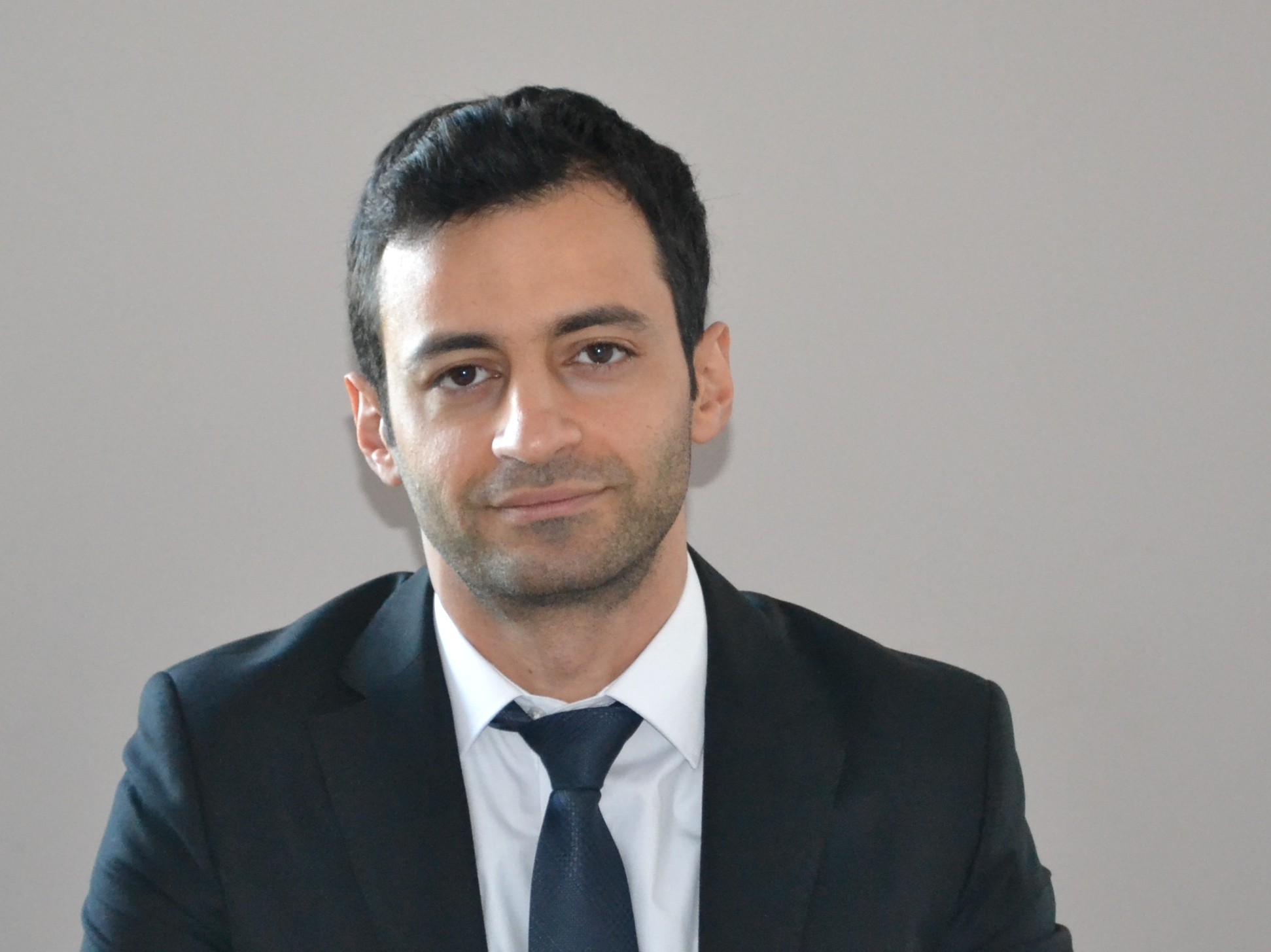
Cihan Ertan, Akdeniz Üniversitesi Fen - Edebiyat Fakültesi Sosyoloji Bölümü'nden mezun olmuş, yüksek lisans ve doktora derecelerini, Akdeniz Üniversitesi Sosyal Bilimler Enstitüsü Sosyoloji Anabilim Dalı'ndan almaya hak kazanmıştır. Doktora derecesini, "Beden ve Bir Anlam Üretme Aracı Olarak Dövme"' başlıklı çalışmasıyla elde etmiştir. 2005 - 2016 yılları arasında Akdeniz Üniversitesi Fen - Edebiyat Fakültesi Sosyoloji Bölümü'nde Araştırma Görevlisi olarak görev yapan Ertan, 2017 Düzce Üniversite'sine geçmiş ve halen Düzce Üniversitesi Fen - Edebiyat Fakültesi Sosyoloji Bölümü'nde Öğretim Üyeliği yapmaktadır.
Yazım ve Dil Editörü
Teknik Editör
Yayın Kurulu
Dr. Maja Kerneža, Doçent ve Araştırmacı, Maribor Üniversitesi, Slovenya
Alan: Sloven Dili ve Edebiyatı Didaktiği
Eğitim
2020: Yüksek Lisans Derecesi, Sloven Dili Profesörü, Primorska Üniversitesi, Beşeri Bilimler Fakültesi, Slovenya
2016: Bilim Doktorası, Eğitim Bilimleri Doktora Derecesi, Maribor Üniversitesi, Eğitim Fakültesi, Slovenya
2010: Lisans Derecesi, Sınıf Öğretmeni, Maribor Üniversitesi, Eğitim Fakültesi, Slovenya
İş Deneyimi
2025 – günümüz: Doçent, Maribor Üniversitesi, Eğitim Fakültesi, Slovenya
2019 – günümüz: Araştırmacı, Maribor Üniversitesi, Doğa Bilimleri ve Matematik Fakültesi, Slovenya
2021 – 2025: Öğretim Görevlisi, Maribor Üniversitesi, Eğitim Fakültesi, Slovenya
2017 – 2021: Yardımcı, Maribor Üniversitesi, Eğitim Fakültesi, Slovenya
2014 – 2016: Özel Bir Kurumda Araştırmacı ve Program Geliştirici
2011 – 2013: Sınıf Öğretmeni, Jože Hudales İlkokulu, Jurovski Dol, Slovenya
Ana Araştırma Alanları:
İlköğretim, edebi didaktik, okuryazarlık, çizgi romanlar, yeni okuryazarlıklar, dijital okuryazarlık, dijital öğrenme ortamları, yapay zeka, STEM eğitimi.
Araştırma Deneyimi:
Araştırma Programı: Toplum 5.0 (Endüstri 4.0) için Eksik Mesleklerin Dijital Yeniden Yapılandırılması
Proje Katılımı: DigComp PP: Özel İhtiyaçlar Alanında Dijital Yeterlilikler
Proje Katılımı: UTRINKI: Sürdürülebilir Bir Gelecek İçin Dijital Eğitim Dönüşümü – Öğrenciler, Sürdürülebilirlik ve Bilgisayar Bilimi
Proje Katılımı: RAČek: Anaokulları ve İlkokullarda 1. ila 5. Sınıflarda STEM Setlerinin Entegrasyonu Yoluyla Bilişimsel Düşünmenin Geliştirilmesi
Proje Katılımı: INTREF: Mülteci Çocukların Sosyokültürel Uyum Sağlaması
Proje Katılımı: Digi-School: Yenilikçi Dijital Okul Modeliyle Öğrencilerin Okul Başarısını Artırmak İçin Modüller ve Uygulamalar
Proje Katılımı: Yenilikçi Pedagoji 1:1
Proje Katılımı: E+ Valiant: Sanal İnovasyon ve Destek Ağları
Proje Katılımı: SESHOME: Engelli Öğrencilerin Evde Eğitimini Destekleme
Proje Katılımı: ECOFAR: Genç Eko-Çiftçilerin Ortak VET Müfredatı, Gelişmiş Yeterlilik Profili, Değerlendirme Standardı ve Sürdürülebilir İşbirliği Senaryoları Yoluyla Yönetim ve Girişimcilik Becerilerinin Geliştirilmesi
Son Yayınlar:
Ljubljana Manifestosu Işığında Çocuk Edebiyatı Didaktiği: Gelişmiş Okuma ve Empati Yeteneğinin Geliştirilmesi: http://dx.doi.org/10.18690/um.ff.1.2025.13
Eğitimde Akıllı Sistemlerin Rolünü Yeniden Düşünmek: http://dx.doi.org/10.1007/978-3-031-81261-3_24
DALL-E Aracını Kullanarak Bilim ve Mühendislik Projesi: İlkokul Öğrencilerinin İletişim Becerilerini Keşfetmek: Bir Pilot Çalışma: http://dx.doi.org/10.1007/978-3-031-81261-3_23
INTREF Proje Çerçevesinde Mülteci Çocukların Eğitimi: http://dx.doi.org/10.33225/pec/24.82.658
Şüpheyi Kucaklamak: Eğitimde Yapay Zeka Çağında Eleştirel Düşünme: https://futurity-publishing.com/international-conference-on-science-innovations-and-global-solutions-archive