-
The research examines the influence of year, sowing date, sweet corn genotype (Zea mays L. saccharata Sturt.), and irrigation norm on productive traits and sugar content in sweet corn kernels. The experiment was set up in a completely randomized block design with four replications. In both years, sowing was done in two periods: end of April - beginning of May and mid-July. Three hybrids (Enterprise, Union, and Sweet Nugget) were observed under three irrigation treatments: full norm (100%), reduced norm (50%) and natural wetting (control). Combined analysis of variance (pooled ANOVA) showed a statistically significant effect on all examined yield and sugar content parameters, as well as their higher-order interactions. Hybrid Enterprise stood out as the most productive, with the highest values of ear weight, kernel weight (up to 272.13 g) and kernel yield (up to 16.25 t ha-1 in the first year and up to 13.66 t ha-1 in the second year), especially in the second sowing date with full or reduced irrigation norm, with a shelling percentage over 70%. The highest content of total sugars (39.71% in the first year and 40.39% in the second year) was achieved in the Sweet Nugget hybrid in the first sowing date under natural moisture conditions, where a slight water deficit stimulates sugar concentration. The obtained results highlight the advantages of the Enterprise hybrid for high yield under irrigation conditions and the Sweet Nugget hybrid for kernel quality (sweetness), and underscore the importance of factor interactions.
We hereby confirm that the submitted manuscript is original and has not been previously published or simultaneously submitted for consideration in any other journal. This research did not involve humans or animals. All experimental procedures were carried out in accordance with the ethical standards of relevant institutions and international guidelines for research in agriculture. The authors declare that there is no conflict of interest that could affect the objectivity and interpretation of the research results. All authors contributed significantly to the research and preparation of the manuscript. Their contribution includes conceptualization, experimental work, data analysis and writing of the paper. All authors read and approved the final version of the manuscript. This research was not funded by any organization that could influence the results and interpretation of the data.
-
-
The research presented in this article is part of the research project number 451-03-66/2024-03/200216; 451-03-65/2024-03/200116; 451-03-66/2024-03/200088 funded by the Ministry of Science, Technological Development, and Innovation of the Republic of Serbia.
| Primary Language | English |
|---|---|
| Subjects | Plant Biotechnology in Agriculture |
| Journal Section | Research Article |
| Authors | |
| Project Number | - |
| Submission Date | February 6, 2025 |
| Acceptance Date | January 29, 2026 |
| Publication Date | February 13, 2026 |
| DOI | https://doi.org/10.17557/tjfc.1633490 |
| IZ | https://izlik.org/JA69JZ65ZH |
| Published in Issue | Year 2026 Volume: 31 Issue: 1 |
Manuscripts submitted to the Turkish Journal of Field Crops must be based on well-defined experimental research conducted in accordance with appropriate experimental designs with adequate replication. Studies should be carried out under controlled field and/or greenhouse conditions, where treatments, experimental factors, and management practices are clearly described and allow for valid statistical analysis.
The journal does not consider for evaluation manuscripts that rely solely on:
samples collected from natural populations or habitats, or
materials obtained from farmers’ fields or commercial production areas,
when such studies lack a planned experimental design and replication. Accordingly, papers that primarily present and discuss analytical results derived from these types of samples, without controlled experimental implementation, fall outside the scope of the journal.
The Turkish Journal of Field Crops prioritizes research that ensures reproducibility, statistical rigor, and clear interpretation of treatment effects under experimentally controlled agronomic conditions.
This publication policy statement outlines policy and procedures relative to Turkish Journal of Field Crops.
1. General Policy
All material intended for publication by the Society should be written in English. Manuscripts for the Journal should be sent to the Editor in Chief.
2. Editor in Chief
Editor in Chief is nominated by the Governing Board and serves a 3-year term. The Editor in Chief makes recommendations to the Governing Board to appointment of the editors and serves as a Chairman of the Editorial Board.
3. Editorial Board
Editorial Board consisting of the Editor in Chief and Editors prepares the Journal. Editorial Board develops procedures for manuscript submission, review and referee criteria, acceptance, release and publication. The Editor in Chief delegates editorial functions to other members of the Editorial Board. The Editor in Chief also processes review and interpretive papers and handles the appeal procedure for rejected manuscripts. The Editor in Chief may write editorials or solicit manuscripts on special topics.
4. Editor
Editors are appointed for specific subject matter areas and are responsible for the technical and intellectual content of the journal in these areas. They supervise the registering of manuscripts and other record keeping activities and direct the work of the assigned referees Editors in reviewing and evaluating manuscripts submitted to Turkish Journal of Field Crops.Editors are responsible for obtaining a minimum of two reviews for each manuscript assigned to them. Each review is an evaluation of the intellectual content of the manuscript for publication. The fallowing steps will be followed for prompt reviews.
a.Editors are expected to act as primary reviewer for papers close to their area of expertise.
b.Editors are encouraged to contact prospective reviewers and request return of the reviewed paper within two weeks.
c.Editors are advised to read papers carefully before sending them out for review. Editor is encouraged to be one of the primary reviewers. Two quality reviews of manuscript is the goal.
5. Manuscript Handling
Three copies of manuscripts should be submitted to the receipt of the Editor in Chief. The Editor notifies the corresponding author of the receipt of the manuscript, sends a permission to print and reprint form to the author, assigns registration number to the manuscripts. The registration number must be used in all correspondence regarding the manuscript. The Editor in Chief assigns manuscripts to the Editors on the basis of subject matter. The Editors in turn assign manuscripts to the referees and reviewers.
If they recommend publication without change and the Editor agrees, the manuscript and reviewers report are
sent to Editor in Chief for concurrence.
6. Referee Assignment by the Editor in Chief
The editor in Chief could also assign manuscripts to the editors and two referees. If two referees accept, the manuscript is accepted for publication after the approval of the editor.
If the reviewers and the Editor find the manuscript could be published after some revision, the manuscript is returned to the author to obtain a satisfactory revision. If a revised manuscript is not returned by the author the first released manuscript must be submitted to the editor to receive additional consideration for the Journal.
If the reviewers and Editor recommend that a manuscript to be rejected, the manuscript and reviewers comments are sent to the Editor in Chief. If the Editor in Chief concurs that the manuscript should be rejected, the manuscript is released to the author. The author of a manuscript rejected has the option of appealing the release to the Editor in Chief. In appealing the release, the author must provide the Editor in Chief with a clean copy of the released version of the manuscript. All editorial correspondence and a letter are stating
7. Notes
Short papers covering experimental techniques, apparatus and observations of unique phenomena are published as notes. Review procedures for notes are the same as those for regular articles. The format for notes less than two printed pages is less formal than that for full length articles.
8. Letters to the Editor
Our journal accepts criticism. These criticisms will be carefully reviewed by the editorial board. According to the criticism or new ideas reported to us, we may make adjustments in journal's publication policies. However, in accordance with the decision we have taken and the law on the protection of personal data, these notes will remain between you and the Editorial Board and will not be published in our journal.
Publication Contribution
After the referee evaluations and last editing;
If a manuscript is qualified to publication in the official Journal of Society (Turk J Field Crops ISSN1301-1111 E-ISSN: 3023-6657) as a contribution to publication costs 400 USD should be paid as decided by the General Body of the Association.
Notice: Payment of the publication contribution is the responsiblity of the corresponding author. If the publication charge is not paid in time, the manuscript will not be published in the journal.
The printing charges may kindly be sent to bank account of Society of Field Crops Science.
Notice: Payment of the publication contribution is the responsiblity of the corresponding author. If the publication charge is not paid in time, the manuscript will not be published in the journal.
For payments in currencies other than Turkish Lira, bank account details will be sent via email.
Branch code: 3499
Bank account no: 313744
IBAN: TR250006400000134990313744
Türkçe, İngilizce
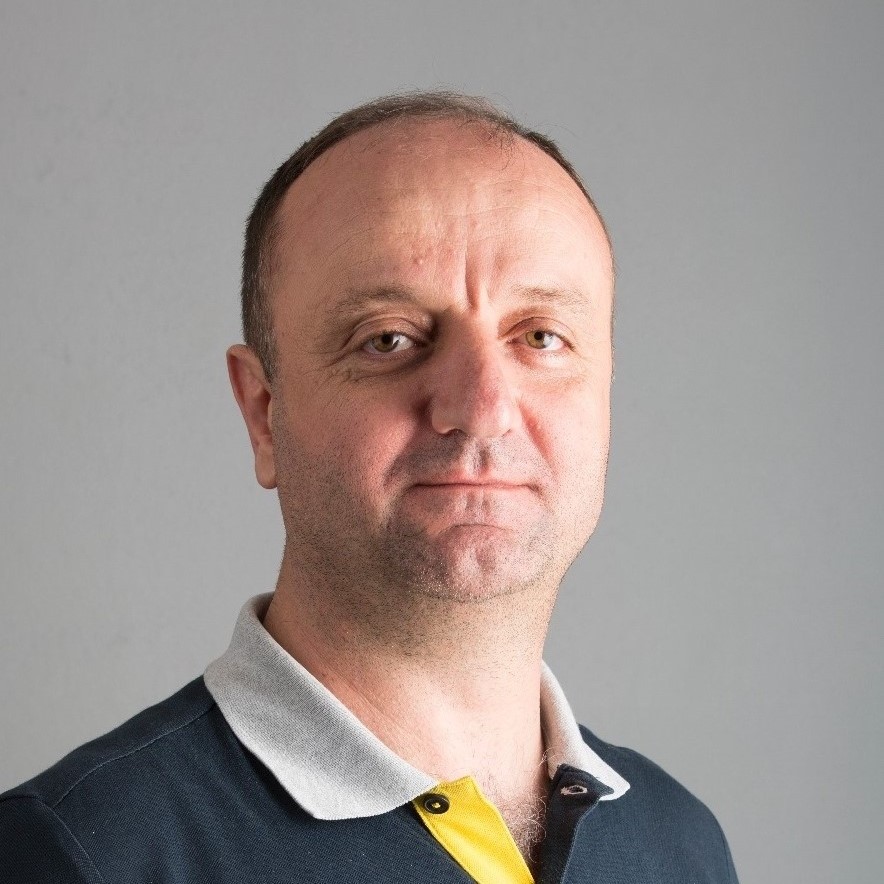
Prof. Dr. Kenan TURGUT lisans eğitimini 1984 yılında Çukurova Üniversitesi Ziraat Fakültesi Tarla Bitkileri Bölümünde, Yüksek Lisans Eğitimini ise 1988 yılında Ankara Üniversitesi Fen Bilimleri Enstitüsü Tarla Bitkileri Anabilim Dalında tamamladı. Doktorasını 1993 yılında İngiltere Leicester Üniversitesi Botanik Bölümünde Bitki Biyoteknolojisi alanında tamamladı. Doktora sonrasında, 1994 yılında Akdeniz Üniversitesi Ziraat Fakültesi Tarla Bitkileri Bölümünde Yardımcı Doçent, 1996 yılında Doçent ve 2002 yılında Profesör kadrosuna atanmıştır. Prof. Dr. Kenan TURGUT’un İngiltere Leicester Üniversitesi kısa dönem bilimsel ziyaretleri British Council (1997) ve TÜBİTAK – Royal Society (1998) tarafından desteklenmiştir. Avrupa Biyoteknoloji Federasyonunun (EFB) daveti ve desteğiyle 17-26 Haziran 2002 tarihlerinde Oxford Üniversitesinde organize edilen “EU Workshop Course on Biotechnology Ethics and Public Perception of Biotechnology” çalıştayına katıldı. ABD Tarım Bakanlığı ve Missouri Üniversitesinin desteğiyle 28 Ağustos – 8 Eylül 2017 tarihlerinde Missouri Üniversitesi tarafından organize edilen “Biotechnology Regulation Immersion” çalıştayına davetli olarak katıldı. Prof. Dr. Kenan TURGUT tıbbi ve aromatik bitkilerde agronomi, ıslah ve biyoteknoloji çalışmaları yürütmektedir. BAP projeleri yanında 3 adet TÜBİTAK 1001 projesi, 1 adet TÜBİTAK SANTEZ ve 1 adet TAGEM Ar-Ge projesini başarıyla tamamladı. Bu projeler sonucunda, yetmişin üzerinde araştırma makalesi yayınladı. Islah çalışmaları sonucunda geliştirmiş olduğu 5 ticari çeşit Tarım ve Orman Bakanlığı TTSM tarafından tescil edilerek milli çeşit listesinde yayınlandı. Acta Horticulturae (2009) “Proceedings of First International Medicinal and Aromatic Plants on Culinary Herbs” kitabının ortak editörlüğünü yaptı. Ortak editörlüğünü yaptığı, “Medicinal and Aromatic Plants of Turkey” kitabı 2023 yılında Springer Yayınevi tarafından yayınlandı. Ayrıca, 2012-2024 yılları arasında Güney Agripark Ar-Ge Şirketine bilimsel danışmanlık yapmıştır.
Mehdi Rahimi was born in Shiraz, Iran, in 1978. He is an Associate Professor in the Department of Biotechnology, Institute of Science and High Technology and Environmental Sciences, Graduate University of Advanced Technology, Kerman, Iran. His research interests are in the areas of plant breeding (classical breeding, biometry, abiotic stress, molecular breeding, genomics, gene expression). He received his Ph.D. in plant breeding at Tarbiat Modares University during 2008-2013 and M.Sc. in plant breeding at University of Guilan during 2004-2007 and his B.Sc. in agronomy and plant breeding from Shiraz University.
Cukurova University, Faculty of Agriculture, Adana, Türkiye
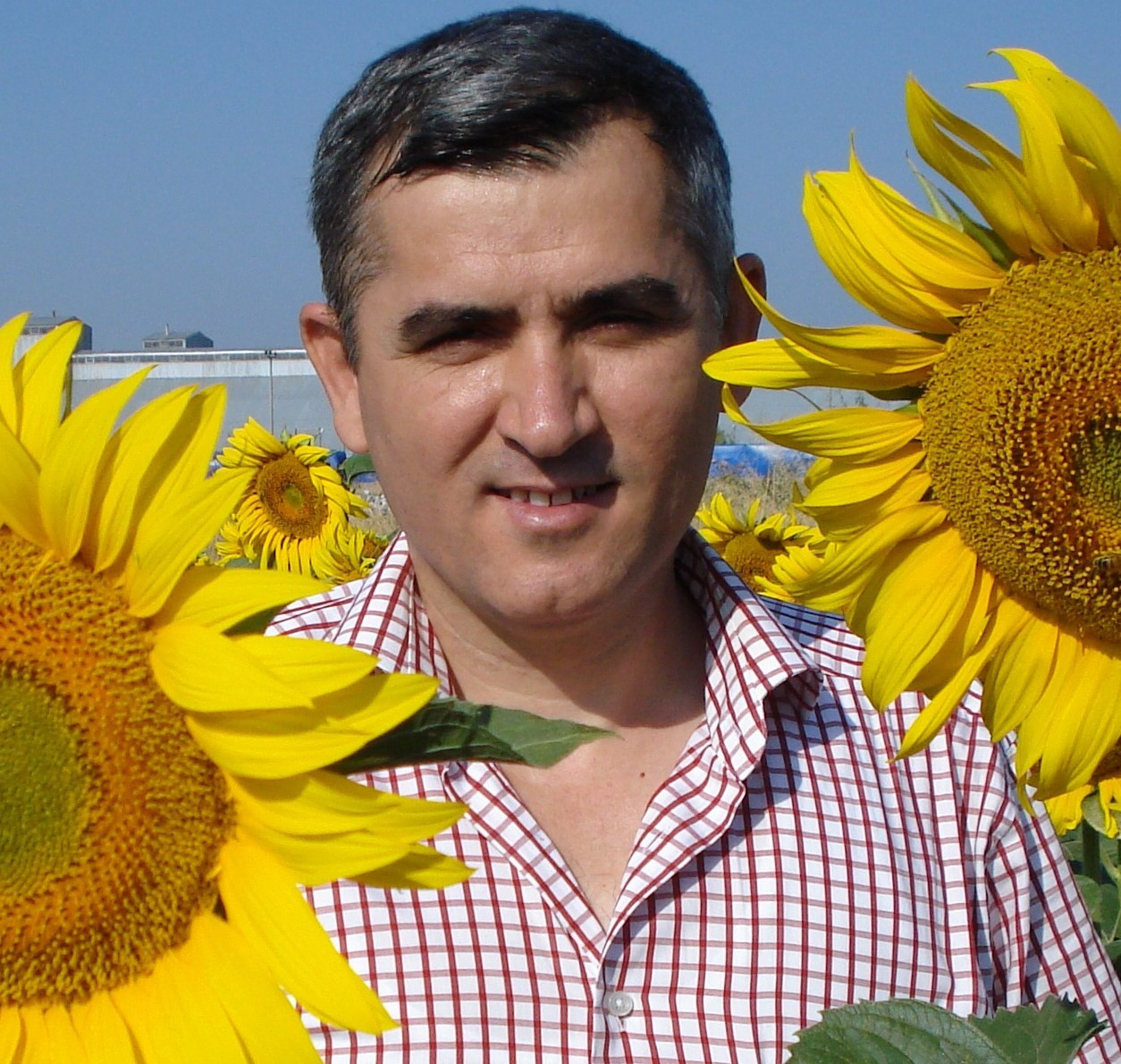
Tekirdağ ili Saray İlçesi Beyazköy kasabasında 1966 yılında doğmuştur. Ortaokul ve Lise öğrenimini Kepirtepe Öğretmen Lisesi ve üniversite öğrenimini de 1983-1987 yılları arasında, Uludağ Üniversitesi Ziraat fakültesi Tarla Bitkileri bölümünde tamamladıktan sonra askerlik görevini yedek subay olarak 1988-89 yıllarında Siirt Pervari Askerlik Şube Başkanı olarak yapmıştır. 1990 yılı Mayıs ayında Tarım ve Köyişleri Bakanlığında Aksaray Tarım İl Müdürlüğü Çiftçi Eğitim ve Yayım Şubesinde II. Tarımsal Yayım ve Uygulamalı Araştırma Projesi’nde (II. TYUAP) Tarla Bitkileri Konu uzmanı ve ilin yayım projelerinin programlanması, planlanması ve yönetiminden sorumlu eleman olarak görev yapmıştır.
1994 yılında Trakya Tarımsal Araştırma Enstitüsü’ne tayin olup, Genetik ve Islah bölümünde ve Ülkesel Ayçiçeği projesinde çalışmaya başlamıştır. 1996-1998 yılları arasında ABD’deki Nebraska Üniversitesinde ‘‘Ayçiçeği Islahı ve Genetiği’ konusunda master eğitimi tamamladıktan sonra, 2002-2013 yılları arası enstitüde Teknik ve İdari işler Müdür Yardımcılığı, İdari işler Koordinatörlüğü ve Ülkesel Yağlı tohumlar Araştırmaları koordinatörlüğü ve Ülkesel Ayçiçeği proje liderliğini yürütmüştür. Bu projede ayçiçeğinde hibrit ıslahı ve üretimi, hastalıklara, zararlılara ve orobanşa dayanıklılık ve diğer ıslah yöntemleri konusunda çalıştı. Bu Ülkesel proje sırasında yurt içinde ve dışında ayçiçeğinde 25 adet hibrit çeşit ve 40 dan fazla ebeveyn hattı geliştirmiştir. Rusya, Ukrayna, Romanya, Macaristan ve İtalya da birçok ayçiçeği çeşidi tescil edilmiş olup, halen ekilmektedir. 1999-2001 yıllarında Trakya Üniversitesi Tekirdağ Ziraat Fakültesi Tarla Bitkileri bölümünde Ayçiçeği Islahı ve Genetiği Konusunda doktora eğitimini tamamlamıştır. 2004 yılında ABD Tarım Bakanlığı ve North Dakota Üniversitesi Fargo Ayçiçeği Araştırma Merkezinde “Moleküler Ayçiçeği Islahı” konusunda post doktora yapmıştır. 2011 yılında ise, Üniversite dışından Endüstri bitkileri alanında Doçent ünvanını almıştır.
2013 Kasım ayında enstitüden ayrılarak akademik hayatına başlayarak, Trakya Üniversitesi Havsa Meslek Yüksek Okulu Bitkisel Üretim bölümüne Doçent, 2014 yılı Mart ayından itibaren de, Trakya Üniversitesi Bitki Islahı Uygulama ve Araştırma Merkezi Müdürü olarak görevimi sürdürmektedir. 2016 Kasım ayında da, 2014 Temmuz ayından beri kurucusu olduğu ve halen Bölüm Başkanı olarak görev yaptığı, Trakya Üniversitesi Mühendisilik Fakültesi Genetik ve Biyomühendislik Bölümüne Profesör olarak atanmıştır.
Kurucu başkanı olduğu Türkiye Bitki Islahçıları Derneği başkanlığını uzun yıllar yürütmüştür. Yine Kurucu üyesi olduğu Türkiye Bitki Islahçıları Alt Birliği’nde 2014-2016 yıllarında Başkan olarak hizmet etmiştir.
2011 yılında Kamu Çalışanları Vakfı – Edirne şubesi tarafından Edirne ilinde Yılın Kamu Çalışanı; Türk Ziraat Yüksek Mühendisleri Birliği tarafından 2012 yılında Araştırma Alanında En Başarılı Ziraat Mühendisi; Türkiye Bitki Islahçıları Birliği tarafından da 2017 Yılında En başarılı Bitki Islahçısı seçilmiştir.
2014 yılında Trakya Teknoparkta Trakya Genetik ArGe Şti (Tragen) şirketini Doç Dr Necmi Beşer ile birlikte kurmuştur. Şu anda tohumculukta özel sektör yetkisinde bir ARGE şirketi olarak yağlık ve çerezlik ayçiçeği, çerezlik kabak, buğday, arpa, yulaf, tritikale, çeltik, mısır, yem bezelyesi, nohut ve mercimek te halen TÜBİTAK ve KOSGEB projeleri de dahil olmak üzere, çeşit geliştirme ve ıslah çalışmaları ve diğer ARGE çalışmalarını yürütmektedir. Tragen ArGe şirketi bugüne kadar sektörde oldukça yeni olmasına rağmen, birçok konuda öncü olarak, bugüne kadar 2 adet nohut, 1 mercimek, 1 adet Çerezlik ayçiçeği hibriti ve 1 adet ekmeklik buğday çeşidi geliştirerek şirket adına tescil ettirmiş ve 1 adet yem bezelyesi, 1 arpa ve 2 çerezlik kabak ve 1 adet de ekmeklik buğday geliştirerek üretim izni alınmıştır.
Uluslararası alanda ise, 2010 yılından beri FAO Avrupa Ayçiçeği Araştırma Koordinatörü olarak ülkemizi temsil etmektedir. Yine Bulgaristan da kurulan Karadeniz ülkelerinin katıldığı Karadeniz Biyoteknoloji Derneğinde yönetim kurulu üyesi ve merkezi Fransa Paris de bulunan Dünya Ayçiçeği Derneğinde ise, ülkemizden ilk defa 2008 yılında seçilerek halen yönetim kurulu üyeliği ve 2012-2016 yılları arasında da Yönetim Kurulu Başkanı olarak görev yapmıştır. Uluslar arası Bilim camiasına katkılarından dolayı 2015 yılında Moldova Bilimler Akademisi Üniversitesi Fahri Doktora ünvanı verilmiştir. 2022 yılında da Dünya Ayçiçeği Derneği tarafından her dört yılda bir verilen ve ayçiçeğinin Nobel ödülü olarak sayılan Pustovoit Ödülüne layık görülmüştür. Gerek ülkesel, gerekse uluslararası alanda birçok derneğin üyesi olup, aktif olarak görev yapmaktadır. Ayçiçeği ve yağlı tohumlar konusunda ulusal ve uluslararası bilimsel dergilerde 300 e yakın fazla makale, kitaplarda editör, bölüm yazarlığı, ulusal ve uluslarası bilimsek toplantılarda bildirileri olup, çalışma konularıyla ilgili birçok televizyon programlarına ve gerek ülkemizde, gerekse dünyanın farklı ülkelerinde düzenlenen kırka yakın bilimsel toplantıya, davetli konuşmacı olarak katılmış, birçok uluslararası dergide de halen editör ve hakem olarak görev yapmaktadır. Bugüne kadar 16 adet yüksek katılımlı uluslaraarası kongre ve konferansın organizasyonunu gerçekleştirilmiştir. Evli ve iki çocuk babası olup, çok iyi derecede İngilizce ve orta derecede Fransızca bilmektedir.
01.03.1966 doğumlu (resmi)
Lisans: Cumhuriyet Üniversitesi, Ziraat Fakültesi, Tarla Bitkileri Bölümü (1990)
Yüksek Lisans: Gaziosmanpaşa Üniversitesi, Fen Bilimleri Enstitüsü, Tarla Bitkileri Anabilim Dalı (1994)
Doktora: Ege Üniversitesi, Fen Bilimleri Enstitüsü, Tarla Bitkileri Anabilim Dalı (2000)
PROF. DR. MEHMET SİNCİK’İN ÖZGEÇMİŞİ
1972 yılında Bursa’da doğdu. İlk, orta ve lise öğrenimini Bursa’da tamamladıktan sonra, 1990 yılında Bursa Uludağ Üniversitesi Ziraat Fakültesi Tarla Bitkileri Bölümü’nü kazandı. 1995 yılında lisans öğrenimini tamamlayarak, Bursa Uludağ Üniversitesi Fen Bilimleri Enstitüsü Tarla Bitkileri Anabilim Dalı’nda yüksek lisans eğitimine başladı. 1996 yılında aynı Anabilim Dalı’na araştırma görevlisi olarak atandı. 1998 yılında yüksek lisansını tamamladı ve aynı yıl, Bursa Uludağ Üniversitesi Fen Bilimleri Enstitüsü Tarla Bitkileri Anabilim Dalı’nda doktora eğitimine başladı. 2004 yılında doktora eğitimini tamamlayan araştırıcı; 2010 yılında Doçent ve 2015 yılında Profesör unvanlarını almıştır. Halen Bursa Uludağ Üniversitesi Ziraat Fakültesi Tarla Bitkileri Bölümü’nde öğretim üyesi olarak görev yapmaktadır. Evli ve üç çocuk babasıdır.
1986 yılı Ziraat Fakültesi Tarla Bitkileri Bölümü Lisans
1988 yılı Fen Bilimleri Tarla Bitkileri Anabilim Dalı Yüksek Lisans
1993 Yılı Fen Bilimleri Tarla Bitkileri Anabilim Dalı Doktora
1995 yılı Dr. Öğretim Üyesi
2000 yılı Doçent
2006 yılı Profesör
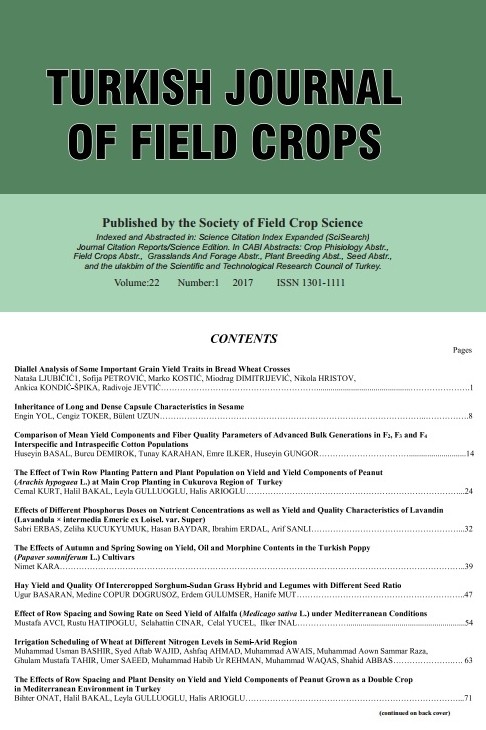
Turkish Journal of Field Crops is published by the Society of Field Crops Science and issued twice a year.
Owner : Prof. Dr. Behçet KIR
Ege University, Faculty of Agriculture, Department of Field Crops
Editor in Chief : Prof. Dr. Emre ILKER
Address : 848 sok. 2. Beyler İşhanı No:72, Kat:3 D.313 35000 Konak-Izmir, TURKEY
Email : turkishjournaloffieldcrops@gmail.com contact@field-crops.org