Etik İlkeler ve Yayın Politikası
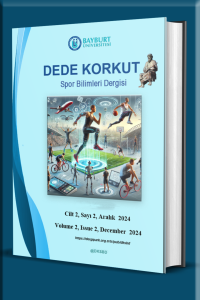
Bayburt Üniversitesi Dede Korkut Spor Bilimleri Dergisi, Türkiye ve dünyada spor bilimleri alanına katkı sağlamayı amaçlayan bu alandaki özgün araştırmaların yayımlandığı bilimsel ve hakemli bir dergidir. Dergi Ocak ve Temmuz aylarında (1 ocak 2026 itibariyle) süreli yayın modelinde yayınlanmaktadır. Dergide yayın politikası gereğince, spor bilimlerinin tüm alanlarıyla ilgili nicel - nitel araştırma, inceleme ve derleme makalelerine yer verilmektedir. Derginin yayın dili Türkçe ve İngilizce’dir.
Dergiye gönderilen makalelerin başka bir yerde yayınlanmamış veya yayınlanmak üzere eş zamanlı olarak başka bir dergiye gönderilmemiş olması gerekmektedir. Bayburt Üniversitesi Dede Korkut Spor Bilimleri Dergisi, yayınlanmak üzere kabul edilen makalelerin tüm yayın haklarına sahiptir. Dergiye gönderilecek makalelerin dergipark bünyesinde yer alan https://dergipark.org.tr/en/pub/dksbd adresi kanalıyla dergi sistemine yüklenmesi gerekmektedir. Editörlere, Yayın Kurulu üyelerine veya dergi iletişim e-posta adresine gönderilen makaleler resmi başvuru yapılmış olarak kabul edilmez ve değerlendirmeye alınmaz. Çok yazarlı makalelerde makale yayınlanmak üzere dergiye gönderildikten sonra yazarlardan hiçbiri, tüm yazarların yazılı izni olmadan yazar listesinden silinemez. Ayrıca süreç başladıktan sonra hiçbir isim, yazar olarak eklenemez ve yazar sırası değiştirilemez.
Dergiye gönderilen tüm makaleler Yayın Kurulu'nca ön değerlendirilmeye alınır.
Ön değerlendirmede, makaleler:
a) Yayın etiği,
b) Dergi yayın ilkeleri,
c) Bilimsel açıdan özgünlük ve güncellik,
d) Spor bilimleri alan yazınına katkı,
e) Dergi yazım kuralları ve makale şablonuna uygunluk kriterleri açısından denetlenir.
Ön değerlendirmeyi geçen makaleler, konu alanında uzman en az iki hakemin değerlendirmesine sunulur. Makalelerin değerlendirilmesi sürecinde çift taraflı kör hakemlik sistemi uygulanmaktadır. Yazar(lar)la hakemler arasındaki iletişim sadece editörler aracılığıyla sağlanmaktadır. Hakemlerden gelecek raporlar doğrultusunda makalenin yayınlanmasına, hakem raporları çerçevesinde düzeltilmesine ya da makalenin ret edilmesine karar verilebilir. Makalelerinin hakem süreci hakkında yazarlar en kısa sürede bilgilendirilir. Yazarın hakem raporlarına itirazı veya hakemlerden gelen raporların birbiriyle çelişmesi durumunda makale yeni bir hakeme (üçüncü hakeme) yönlendirilir. Son hakem raporları doğrultusunda makalenin yayımlanıp yayımlanmayacağına ilişkin nihai karar verilir. Düzeltme istenen makalelerin, yazarlar tarafından gerekli düzeltmeler yapılarak, en kısa süre içerisinde Yayın Kuruluna ulaştırılması gerekmektedir. Yazarın hakem değerlendirme raporlarına uygun bir zaman dilimi içerisinde cevap vermemesi durumunda ilgili makale bir sonraki sayıya bırakılabilir. Gerekçesiz bir şekilde yazar(lar)ın hakemler tarafından kendilerinden istenilen düzeltmeleri bir yayın dönemi içerisinde gerçekleştirmemeleri durumunda ise makale ile ilgili karar dergi editör kuruluna aittir.
Yayına kabul edilen makalelerin basılması için, dergi web sayfamızda yer alan “Yayın Hakları Devir Formu’nun makalede ismi yer alan tüm yazar tarafından imzalanmasının yanı sıra makaleye ilişkin “Etik Onam Belgesi” ile birlikte dergi sistemi aracılığı ile tarafımıza iletilmiş olması gerekmektedir. ULAKBİM TR Dizin kuralları gereği, makalelerde yer alan tüm yazarların ORCID numaralarının makalenin son şekline eklenerek gönderilmesi gerekmektedir. ORCID numarası eksik yazarlara ait makalelere DOI numarası verilmez ve erken görünüm olarak yayına açılmaz.
Aşağıda dergi yayın politikası açısından yazarların, dergi editörlerinin, hakemlerin ve yayıncının etik sorumlulukları, rolleri ve görevlerini içeren temel ilke ve kurallar yer almaktadır. Bu ilke ve kurallar ‘Yayın Etiği Komitesi’nin (Committe on Publication Ethics - COPE (https://publicationethics.org/)) yönergesi esas alınarak belirlenmiştir.
Yazarlara ait etik sorumluluklar
Bayburt Üniversitesi Dede Korkut Spor Bilimleri Dergisi’ne gönderilen makalelerin spor bilimleri alanında özgün çalışmalar olması gerekmektedir.
Makalelerde yararlanılan tüm kaynaklar (yazarlar, çevrimiçi sayfalar, kişisel görüşmeler, vb.) doğru ve dergi yazım kurallarına uygun bir şekilde gösterilmelidir.
Dergiye gönderilen makalelere ilişkin Yayın Hakları Devir Formu (https://dergipark.org.tr/tr/download/journal-file/35644) sorumlu yazar tarafından imzalandıktan sonra taratılarak dergi sistemi aracılığı ile ilk gönderim esnasında tarafımıza iletilmelidir.
Makaleye fikren katkıda bulunmayan kişiler yazar olarak belirtilmemelidir.
Yayınlanma başvurusu yapılan makaleyle ilgili çıkar çatışması-çıkar birliği olan kişileri editörlere bildirmelidir.
Yazarların, hakem sürecindeyken çalışmalarına ilişkin ham verileri editör kuruluna iletmesi istenebilir. Bu durumda yazarların ham verilerini editörler kuruluyla paylaşmaları beklenmektedir. Yazarlar, yayımlanan bir makaleye ilişkin verileri 5 yıl süreyle saklamakla yükümlüdür.
Yazar(lar) kullanılan verilerin kullanım haklarına, araştırma/analizlerle ilgili gerekli izinlere sahip olduklarını veya deney yapılan deneklerin rızasının alındığını gösteren belgeye sahip olmalıdır. Dergiye gönderilen aday makalelerin editör kurulumuzca değerlendirmeye alınabilmesi için araştırmaya ilişkin “Etik Onam Belgesi”nin mevcut olması ve dergi sistemi aracılığı ile tarafımıza iletilmesi gerekmektedir.
Yazar(lar), değerlendirme ve erken görünüm aşamasındaki ya da elektronik ortamda yayımlanmış makaleleriyle ilgili herhangi bir hata fark ettiklerinde bilgi vermek, düzeltmek ya da geri çekmek için editörle zamanında iletişime geçmelidir. Yazar(lar)dan erken görünüm süresi ya da dergipark sisteminin editörlere değişiklik yapma olanağı sunduğu süreler içerisinde dergi sistemi yada dergi e posta adresimiz aracılığı ile makaleleri ile ilgili düzeltme ya da yayından çekme taleplerini iletmeleri gerekmektedir. Bu süreçlerin aşılması durumunda oluşabilecek tüm sorumluluk yazar(lar)a aittir.
Değerlendirme süreci tamamlanan makalenin ORCID ID numaraları da dâhil olmak üzere yayınlanacak onaylanmış son hali yazarlardan istenmektedir. Gelen belge incelenerek dizgi oluşabilecek oluşabilecek bir hatanın önlenmesi amacıyla yayın öncesi son kontrol için sayfa numarası verilmiş şekli ile makale tekrar yazar(lar)a iletilmektedir. Yazar(lar)ın son onayı alındıktan sonra makale erken görünüme açılmaktadır.
Yazar(lar), veri toplama sürecinde etik ilkelere özen gösterdiklerinin kanıtlarını (başkalarının ölçek, anket, fotoğraf gibi belgelerinin kullanılması için kendilerinden izin alınması gibi) makale içinde sunmalıdır. Makalelerde araştırma ve yayın etiği ile fikir ve sanat eserleri için telif hakları düzenlemelerine uyulduğu mutlaka belirtilmelidir.
Dergi editörlerine ait etik sorumluluklar
Editörler, hakemlerin, yazar(lar)ın, araştırmacı, uygulayıcı ve okuyucuların bilgi gereksinimlerini karşılamalı, gerektiğinde dönüt vermeli, yayın sürecinde düzeltme, açıklama gerektiren konularda şeffaflık ilkelerine göre hareket etmelidir.
Editör, yayımlanan makalelerin dergi okuyucularının bilgi ve becerileriyle uyumlu olabilmesi için çaba sarf etmelidir.
Editörler, makalelerin yayımlanmasına karar verirken, makalelerin özgün olmasına, bilimsel alan yazına, okuyucu, araştırmacı ve uygulayıcılara katkı sağlamasına özen göstermelidir.
Editörler, makalelerle ilgili olumlu ya da olumsuz karar verirken, makalelerin özgün değeri, alana katkısı, araştırma yönteminin geçerli ve güvenirliği, anlatımın açıklığı ile derginin amaç ve kapsamını göz önünde tutmalıdır.
Editörler, başvurusu yapılan makalelerin önemli sorunu olmadığı sürece ön değerlendirme aşamasına almalı, olumlu hakem önerilerini göz önünde bulundurmalı, ciddi sorun olmadıkça önceki editör(ler)ce verilen kararları değiştirmemelidir.
Editör, hakem değerlendirme sürecinin çift taraflı kör hakemlik ile sürdürüldüğünden emin olmalı ve yazarlara hakemleri, hakemlere de yazarları ifşa etmemelidir.
Editörler, makaleleri hakemlerin uzmanlık alanlarını dikkate alarak göndermeli, gelen makaleye göre konu alanı uzmanlarına ulaşarak hakemlik talebinde bulunmalı, değerlendirmelerin yansız ve bağımsız bir şekilde yapılmasını desteklemelidir. Editörler, dergi hakem havuzunun geniş bir yelpazeden oluşması ve güncel tutulması için sürekli bir arayış içinde olmalıdır.
Editörler, makalenin yansız değerlendirilmesi için editörler, hakemler ve yazar(lar) arasındaki çıkar çatışması-çıkar birliği olup olmamasını göz önüne almalıdır.
Editörler, akademik görgü kurallarına uymayan ve bilimsel olmayan değerlendirmeleri engellemelidir.
Editörler, dergi yayın süreçlerini yayın politikaları ve kılavuzlara uygun işletilmesini sağlamalı, süreçte görev alanları yayın politikaları konusundaki gelişmelerden bilgilendirmeli, gerektiğinde eğitim programı hazırlamalıdır.
Editörler, yayın sürecinde görev alan herkesle etkili bir iletişim içinde olmalı, belirli aralıklarla toplantılar düzenlemelidir.
Editörler, değerlendirilen makalelerdeki kişisel verilerin korunmasını sağlamalı; yazar, hakem ve okuyucuların bireysel verilerini korumalıdır.
Editörler; makalelerde insan ve hayvan haklarının korunmasına özen göstermelidir. Makalenin katılımcılarının açık onayının belgelendirilmesini önemsemeli, etik kurul onayı ve deneysel araştırmalarda alınması gerekli izinlerin alınıp alınmadığını denetlemelidir.
Editörler; görevi kötüye kullanmaya karşı önlem almalıdır. Görevi kötüye kullanmaya yönelik yakınmalar olduğunda, nesnel bir soruşturma yaparak, konuyla ilgili bulguları paylaşmalıdır.
Editörler, makalelerdeki hata, tutarsızlık ya da yanlış yönlendirmelerin ve hakemlerden gelen düzeltmelerin takibini yapmalıdır.
Editörler, yayınlanan makalelerin fikri mülkiyet hakkını korumalıdır, ihlal olması durumunda derginin ve yazar(lar)ın haklarını savunur. Ayrıca yayımlanan makalelerin içeriğinin başka yayınların fikri mülkiyet haklarını ihlal etmemesi konusunda gerekli önlemleri almalı; özgünlük-benzerlik denetimini yapmalıdır (Turnitin, intihalnet, İthenticate; %20).
Editörler, Dergide yayımlanan makalelere yönelik tutarlı eleştirileri dikkate almalı, eleştirilen makalelerin yazar(lar)ına yanıt hakkı tanımalıdır.
Editörler olumsuz sonuçları içeren çalışmaları da göz önünde bulundurmalıdır.
Editörler, Dergiye iletilen talep ve şikayetleri inceleyip ve gerekli açıklamaları yapmalıdır.
Hakemlere ait etik sorumluluklar
Hakemler yalnız uzmanlık alanı ile ilgili makaleleri değerlendirmeyi kabul etmelidir.
Hakemler makaleleri yansız ve nesnel olarak değerlendirmelidir.
Değerlendirmelerde gizlilik kurallarına uyulmalıdır. Değerlendirme raporları içerisinde hakem kimliklerini ifşa edecek bir veriye yer verilmemeli; makalenin yazar(lar)ı ile hakem raporu haricinde başka bir iletişim kanalı ile iletişim kurulmamalıdır. Bu ilke gereğince inceledikleri makaleleri yayın öncesinde üçüncü kişilerle ya da her hangi bir iletişim platformunda paylaşmamalı, yayın öncesinde makalede yer alan hiçbir veriyi kullanmamalı ve değerlendirme sürecinden sonra yok etmelidir. Gerekiyorsa, ancak makalenin yayınlanma süreci tamamlandıktan sonra ilgili makaleyi kullanmalıdır.
Hakemler makaleye ilişkin doldurdukları hakem değerlendirme formunu dikkatlice ve detaylı şekilde doldurmalıdır. Ayrıca kendilerine gönderilen belge üzerinde istedikleri değişiklikleri açık ve anlaşılır bir şekilde not etmelidir.
Hakem(ler) incelediği makaleye ilişkin ret kararı verecek ise editör kurulu ve makale yazar(lar)ının makalenin neden ret edildiğini nesnel ve bilimsel açıdan ortaya koyan raporunu sistem üzerinden göndermelidir. Düzeltme ile giderilebilecek durumlarda doğrudan ret verilmemeli, detaylı bir düzeltme raporu hazırlayarak yazar(lar)a yayın sürecinde ışık tutmalıdır.
Uyruk, cinsiyet, dinsel inanç, siyasal inanç ve ticari kaygılar, değerlendirmenin yansızlığını bozmamalıdır.
Hakemler, çıkar çatışması-çıkar birliği olduğunu anladıklarında, makaleyi değerlendirmeyi reddederek, editörlere bilgi vermelidir.
Hakemler, değerlendirmelerini akademik görgü kurallarına uygun biçimde, yapıcı bir dille yapmalı; hakaret, küçümseme ve düşmanlık içeren öznel yorumlardan kaçınmalıdır.
Hakemler değerlendirmesini kabul ettikleri makaleyi süresi içinde değerlendirmelidir.
Savunmasız ve Riskli Gruplar Üzerine Yapılan Araştırmalarda Dikkat Edilmesi Gereken Hususlar ve İlgili Yayın İlkeleri
Savunmasız ve Riskli gruplarla yapılan araştırmaların WMA Helsinki Bildirgesinin bu grupları kapsayan 16, 17, 18, 19 ve 20. maddelerine uygun olarak yürütülmüş olması ve yetkili bir resmi kurum tarafından etik kurul kararıyla onaylanmış olması gereklidir. Bu doğrultuda:
Helsinki Bildirgesi Madde 16. Tıbbi uygulamalarda ve tıbbi araştırmalarda, girişimlerin çoğu risk ve yük taşır. İnsanlar üzerindeki tıbbi araştırmalar, ancak, amacın taşıdığı önem, üzerinde araştırma yapılan kişilerin maruz kalacakları risklere ve üstlenecekleri yüklere ağır bastığında yapılmalıdır.
Helsinki Bildirgesi Madde 17. İnsanlar üzerinde yapılan tüm tıbbi araştırmalar öncesinde, araştırmada yer alacak kişilere ve gruplara yönelik öngörülebilir riskler ve yükler titizlikle değerlendirilmeli; bu riskler ve yükler, söz konusu kişilerin ve araştırma konusu olan hastalık ya da etmenden etkilenen diğer birey veya grupların araştırmadan sağlayabilecekleri yararlarla karşılaştırılarak karar verilmelidir.
Riskleri en düşük düzeyde tutacak önlemler alınmalıdır. Riskler, araştırmacı tarafından sürekli olarak izlenmeli, değerlendirilmeli ve kayıt altına alınmalıdır.
Helsinki Bildirgesi Madde 18. Hekimler, risklerin yeterince değerlendirildiğine ve bunların tatmin edici biçimde yönetilebileceğine kani olmadıkları sürece insanlar üzerinde yapılan araştırmalarda yer almamalıdırlar.
Risklerin potansiyel yararlara ağır bastığının görüldüğü durumlarda ya da kesin sonuçlara ilişkin yeterli kanıtlar elde edildiğinde, hekimler çalışmaya devam etme, çalışmayı değiştirme ya da hemen durdurma seçeneklerini değerlendirmelidir.
Helsinki Bildirgesi Madde 19. Kimi gruplar ve kişiler özellikle savunmasız durumdadır ve bu grup ve kişilerin araştırmacılarca istismar edilme ya da ek zarar görme olasılıkları daha fazla olabilir. Savunmasız durumda bulunan tüm grup ve bireylere özel koruma sağlanmalıdır.
Helsinki Bildirgesi Madde 20. Savunmasız durumdaki bir grupla yapılacak tıbbi araştırma, ancak, araştırmanın bu grubun sağlık gereksinimlerine ya da önceliklerine karşılık geleceği ve araştırmanın bu konumda olmayan başka bir grupla yapılmasının mümkün olmadığı durumlarda haklı çıkarılabilir. Ek olarak, söz konusu grup araştırmadan elde edilen bilgilerden, uygulamalardan ya da girişimlerden yararlanabilmelidir.
Savunmasız ve Riskli gruplarla yapılan araştırmalara ilişkin dergimiz yayın ilkeleri ise şu şekildedir:
- Çalışmanın yürütüldüğü grubun/bireylerin ihtiyaç ve önceliklerine cevap verilmesi temel önceliğimizdir.
- Çalışmanın bu grup ve kişiler dışında mutlak olarak yürütülememesi durumu gözetilir.
- Bu çalışmalarda yer alan gönüllülerin korunması için alınan ek önlemler mutlaka belgelenmelidir.
- Bu tarz çalışmalarda editör kurulumuz temel etik ilkeler çerçevesinde ek değerlendirme yapabilir. Değerlendirme sürecinde gerekli görüldüğü durumlarda editör kurulumuzca etik kurul izinlerine ilave olarak bilgi ve belge talep edilebilir.
Makaleleri Geri Çekme Politikası
Bayburt Üniversitesi, Dede Korkut Spor Bilimleri Dergisi, yazarların eser içeriklerinin bütünlüğünü sağlamak konusunda hassasiyet göstermektedir. Bir bilimsel eserin yayınlanıp yayınlanmayacağı ve ne zaman yayınlanacağı noktasında birincil sorumluluk editöre aittir. Bu kararı verirken, Editör'e, derginin yayın kurulunun politikaları rehberlik eder ve bu süreç intihal ile ilgili yürürlükte olan yasal gerekliliklerle sınırlandırılır. Yayınlanan makaleler mümkün olduğunca güncel, kesin ve değiştirilmemiş olarak kalacaktır. Bununla birlikte, yayınlanmasından sonra makale geri çekilmeyi veya belirli bir dergiden çıkartmayı gerektiren bazen kaçınılmaz koşullar ortaya çıkabilir. Bu sadece kabul edilen eserlerin ilk sürümlerini temsil eden "Basım'daki Eser" için kullanılır.
Basım aşamasında herhangi bir eser, birden fazla beyan, sahte belge, intihal veya verilerin sahte kullanımı veya benzeri durumlar gibi mesleki etik kodların ihlali anlamına geldiği takdirde, editörün takdirine bağlı olarak eser geri çekilebilir.
Birden fazla gönderim, sahte yazarlık iddiaları, intihal, hileli veri kullanımı ve benzeri iddialar gibi mesleki etik kodların ihlali bir eserin geri çekilmesine neden olacaktır. Bazen, gönderme veya yayın sırasında oluşan hataları düzeltmek için de yazarlarca bir geri çekme olabilir. Bu hususlarda yazar/lar eserlerini geri çekebilirler.
Arşivleme Politikası
Bayburt Üniversitesi Dede Korkut Spor Bilimleri Dergisi, iştirak eden kütüphanelerin dağıtılan arşivleme sistemi oluşturması amaçlı, kütüphanelerin koruma ve restorasyon amaçlı kalıcı arşivler yaratmasına izin vermek için LOCKSS sistemi kullanmaktadır. LOCKSS sistemi konusunda detaylı bilgi için Linki TIKLAYINIZ.
LOCKSS Programı, "çok sayıda kopyanın güvenliğini sağlama" ilkesi üzerine kurulmuş, açık kaynaklı uçtan uca dijital koruma yazılımı kullanan bir sistemdir.
Etik dışı bir durumla karşılaşıldığında
Bayburt Üniversitesi Dede Korkut Spor Bilimleri Dergisi’nde yukarıda bahsedilen etik sorumluluklar ve bunların dışında etik olmayan bir davranış veya içerikle karşılaşırsanız lütfen zekaicakir@bayburt.edu.tr adresine e-posta yoluyla tarafımıza bildiriniz.