AJP aims to understand and explain the relationship between philosophy and life and to produce international scientific publications that will discuss how life and thought have influenced each other throughout history.
The purpose of the study to be handled in line with the specified themes should be clearly stated both in the abstract and in the introduction of the study. After that, according to the way the subject is handled, this purpose should be discussed by justifying it in the development section and the conclusion section.
Studies in which only theoretical ideas are discussed and do not consider the intertwining of life and thought will not be evaluated.
- Quotations and Footnotes: Direct quotations shorter than five lines in quotation marks: ‘Quote’ in quotation marks. Quotations longer than five lines should be written 1 cm from the right and left of the line, 1.15 line spacing and 10 pt. Footnotes should be written in 10 pt, 3 pt before and after the paragraph, single line spacing and justified.
Ethical Principles
11. AJP uses various plagiarism detection programs (iThenticate and intihal.net) to determine the similarity rate for all articles. Authors must absolutely avoid plagiarism. The similarity rate of the articles must not exceed 20%. The process of studies that do not comply with research publication ethics or carry a risk of plagiarism is terminated at any stage.
12. When authors discover a significant error or inaccuracy in their published articles, it is the author's obligation to immediately inform the journal editor or publisher and cooperate with the editor to retract or correct the article.
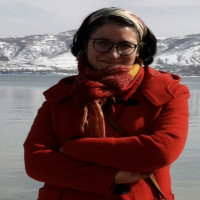
Dr. Almasa Mulalić has been involved in the educational process of teaching English for the past fifteen years at both primary and university levels. After completing her undergraduate and postgraduate studies in Malaysia, she decided to continue her career in her homeland. In 2006, Dr. Mulalić successfully defended her master's thesis and earned a degree in Teaching English as a Second Language (TESL). She continued her interest in the field of linguistics during her doctoral studies and successfully defended a dissertation that explored the relationship between teaching methods, learning styles, and academic success. Dr. Mulalić has published a significant number of authored and edited books, book chapters, scientific research papers in recognized journals, scientific projects, and papers presented and/or published in local and international conference proceedings in the fields of linguistics, literature, and teaching methodology. She has also mentored twelve master's students who successfully defended their theses, as well as two PhD students. Dr. Mulalić began her career as an English language instructor in 2006 in Malaysia at University Tenaga Nasional. Prior to joining IUS, she worked as an assistant and teacher, and at IUS she advanced from the position of Senior Assistant to the position of Assistant Professor, which was awarded to her in 2014, and in 2019, she was promoted to Associate Professor. Over the past years, Dr. Mulalić has been involved in many activities such as conference preparation committees, lectures, postgraduate studies, teaching councils, etc. Dr. Mulalić is currently a member of the Senate at IUS and Dean of the Faculty of Education.
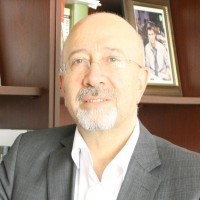
Prof. Dr. A. Kadir ÇÜÇEN, 1961 yılında Erzurum'da doğdu. İlk, orta ve lise tahsilini İzmit'te tamamladı. 1985 yılında Ankara Üniversitesi, Dil ve Tarih-Coğrafya Fakültesi'nin Felsefe Bölümü'nü bitirdikten sonra Yüksek Lisans ve Doktora çalışmalarını Amerika Birleşik Devletleri'nde tamamladı. Doktora çalışmasını Alman felsefeci Martin Heidegger'in varlık kuramı üzerinde yaptı. 1993 yılında Türkiye’ye döndü. 1995'de Yardımcı Doçent ve 1997'de Doçent ve 2003’de Profesör oldu. Prof. Dr. A. Kadir ÇÜÇEN’in Mantık, Heidegger'de Varlık ve Zaman, Felsefeye Giriş, Orta Çağ Felsefesi Tarihi, Bilgi Felsefesi, Klasik Mantık, Liseler İçin Felsefe Ders Kitabı ve Liseler İçin Mantık Ders Kitabı adlı kitapları vardır. Yurt içinde çok sayıda sunduğu bildiri ve yazdığı makalelerinin yanı sıra Rusya ve ABD’inde Heidegger üzerine iki bildirisi; Rusya, Fransa ve ABD’inde yayınlanmış birer makalesi bulunmaktadır. 1999 yaz dönemi TÜBA burslusu olarak ABD’nin Duquesne Üniversitesi'nde teknoloji felsefesi üzerine araştırma yaptı. Halen Uludağ Üniversitesi, Fen-Edebiyat Fakültesi, Felsefe Bölümü'nde öğretim üyesi olarak çalışmaktadır. Evli ve bir çocuk baba¬sıdır.
Kırıkkale Üniversitesi İnsan ve Toplum Bilimleri Fakültesi Felsefe Bölümü Öğretim Üyesi
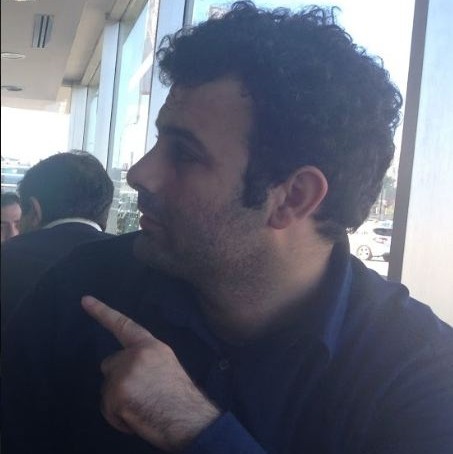
Fatih Özgökman 1974 yılında Türkiye'de doğmuştur. ilk, orta ve lise eğitimini Türkiye'de tamamlamıştır. Daha sonra 1993'te Gazi Üniversitesi İlahiyat Fakültesine girmiştir. Lisans eğitiminden sonra Ankara Üniversitesi Sosyal Bilimler Enstitüsü Felsefe ve Din Bilimleri Bölümünde Master yapmaya başlamış ve aynı enstitüde doktora programına devam etmiş ve Din Felsefesinde Doktora derecesi almıştır. Kilis 7 Aralık Üniversitesi Felsefe Bölümünde iki yıl yardımcı doçent olarak çalışmıştır. Halen Çanakkale On Sekiz Mart Üniversitesi Felsefe Bölümünde doçent olarak çalışmaktadır. 2017 Şubat ayında ÜAK tarafından Doçentlik ünvanını almaya hak kazanmıştır. Yayınlanmış üç kitabı vardır. İyi derecede İngilizce ve çok iyi derecede Arapça bilmektedir.