Whoever seeks and produces, regardless of the field, holds the control of time in their hands. The rest, having accepted their role as consumers, have made waiting a habit. This also means that those who discover and create live as they wish and shape the lives of others. It can be said that developed societies are those who work, search, examine, question, and evaluate.
On the other hand, the rapid development and gradual miniaturization of communication tools have made access to documents and information easier. At the same time, this situation has allowed for reaching larger audiences, reducing the time within the supply-demand order while increasing the mass. Thus, mass communication tools have made the interaction between individuals and communities more functional and powerful. With each passing day, humans are becoming more dependent on shrinking communication devices and increasingly trying to solve their problems through them.
The advancement of civilizations in the production economy has also led to the progress of systematic thinking. Consequently, beyond merely working, working functionally, and beyond merely using time, using it efficiently has become an important issue. This has become extremely significant in the classification, definition, and determination of the function of matter divided into smaller parts.
Social sciences are also a field where the concept of truth is constantly debated, as every individual has managed to broaden the definition of “human.” Therefore, being able to exist in these fields is a value in itself. However, having accurate knowledge of the literature, understanding the purpose, scope, and limitations, and reaching the right methodology are what bring conscious individuals to the forefront in these areas.
Among living civilizations, Turkish civilization is one of those that has contributed most to the accumulation of humanity. In this accumulation, which is characterized by the dominant traits of nobility, humility, cleanliness, and purity, there remain many things for both the world and the region to gain. Although it has gone through periods of stagnation from time to time, when harmony between ideals and structure is achieved, the Turkish nation can easily attain achievements that surprise almost everyone. It is believed that achieving such harmony requires being more selfless, more disciplined, and more vigilant, especially in the social sciences.
Just as introverted societies cannot progress, introversion is unimaginable for nations like the Turkish nation, which is extremely open to developments, always looking outward, and never indifferent to any form of dynamism. It should be considered the primary duty of Turkish scholars to observe every form of movement in the universe, especially those cultures that have possessed added value since ancient times.
Hars Akademi Journal has chosen the Göktürk alphabet letter Eb / B—which may signify tent, house, camp, homeland, country, or world—as its logo, symbolizing a significant concept within Turkish civilization. The purpose of this choice is to demonstrate that the Turkish society, which has never taken a step back from integration with the world, has always lived by its universal values.
Hars Akademi Journal aims to support studies in the fields of culture, art, and architecture both within and outside the country, accepting the core values of Turkish culture as its foundation.
We wish for Hars Akademi Journal to contribute to Turkish culture and invite the support of all interested parties as authors, readers, and reviewers.
Hars Akademi Journal is an international peer-reviewed journal that covers research, reviews, compilations, and articles in the fields of culture, art, and architecture. The journal is published to provide publication opportunities for academics, researchers, and artists working in these fields and to contribute to science, art, and culture. While the main language of the journal is Turkish (Turkey Turkish, Azerbaijani Turkish, Kazakh Turkish, Kyrgyz Turkish, Uzbek Turkish, and others), it also supports German and English. The journal, which began publication in June 2018, is published twice a year, in June and December.
AUTHOR GUIDELINES
Articles are directly forwarded to referees through the DergiPark system. To ensure author-referee confidentiality, the manuscript must not contain any marks, symbols, or documents identifying the author(s). Therefore, neither the file name nor the text should include the author’s name(s). The publication process begins after the Copyright Transfer Form is completed and signed by the author(s) and submitted along with the manuscript file and title page.
The article must be formatted according to the principles stated in the Writing Rules section on the Hars Akademi journal website and placed into the provided template. The article should be sent only after being placed into the template.
Layout Template
https://dergipark.org.tr/tr/download/journal-file/35151
Hars Akademi is published twice a year, in June and December. The submission deadlines are June 1 for the June issue and December 1 for the December issue. This may vary for special/supplementary or commemorative issues.
In addition, authors cannot submit articles for publication in consecutive issues. In such cases, the most recently submitted article will not be processed.
The editor may make necessary formal and linguistic edits to the articles submitted to the journal. The author must then continue the process based on the file received from the language editor.
Page Layout
Manuscripts should be prepared using Microsoft Word with the following page setup:
Paper Size: A4, Portrait
Top Margin: 2.5 cm
Bottom Margin: 2.5 cm
Left Margin: 3 cm
Right Margin: 2.5 cm
Font: Times New Roman
Style: Normal
Size (main text): 10 pt
Size (footnotes): 8 pt
Tables/figures: 8 pt
Paragraph Spacing: Before 6 pt, After 0 pt (0 pt before and after in tables and figures)
First Line Indent: 1 cm
Line Spacing: 1.15
Manuscripts should include the following sections in order: abstract, keywords, English abstract, English keywords, introduction, main text, conclusion, references, and appendices (if any). Section and subsection headings should not be numbered.
Title
The article title, consisting of a maximum of 10–12 words, should be written in 12-point, uppercase, bold, and centered letters. The title must be provided in both Turkish and English. The English title should appear in 12-point, uppercase, bold, and centered font below the Turkish abstract and above the English abstract.
Author Information
(After the review process) The author(s)’ name(s) should appear under the title (without academic titles), centered, bold, with only the first letters capitalized. In a footnote attached to the title, the author’s academic title, institution, city (and country, if outside Turkey), and email address should be provided.
Academic Titles
Professor (Prof. Dr.), Associate Professor (Doç. Dr.), Assistant Professor (Dr. Öğr. Üyesi), Lecturer (Öğr. Gör.), Research Assistant (Arş. Gör.).
Abstract
Both Turkish and English abstracts should be written in 9-point font, between 100–200 words, indented 1 cm from the right and left margins. Keywords should consist of 3–5 words; except for proper nouns, the first letters should be lowercase and separated by commas. Under the Turkish abstract, “Anahtar Sözcükler” should be listed, and under the English abstract, “Keywords” should be listed.
Tables
Tables should be single-spaced and written in 8-point font. The table title should be left-aligned, bold, with only the first letter capitalized.
Captions Under Visuals and Photographs
Captions under photographs or visuals should be written in 8-point font, single-spaced. These should be numbered as (URL 1), (URL 2), etc. The same numbering should be used in the references section, including access dates:
URL 1. https://dergipark.org.tr/tr/pub/hars [Accessed: 30.09.2025].
URL 2. https://dergipark.org.tr/tr/pub/hars/writing-rules [Accessed: 30.09.2025].
Abbreviations
Abbreviations used in articles should comply with the spelling rules of the Turkish Language Association (TDK).
References
Primary sources should be prioritized over secondary ones to enhance research quality and accessibility. Authors are responsible for the accuracy of all references. Unused sources should not be listed in the references.
Citations must be accurate and compatible with the main text. Long quotations that overshadow the author’s arguments should be avoided. Common knowledge does not require citation.
References for articles submitted to Hars Akademi must follow the APA (American Psychological Association) 6th Edition format. The references section should be titled “Kaynakça,” in 9-point font, justified, bold, and with 1.15 line spacing.
In-Text Citations
Two types of citations exist: direct and indirect. Direct quotations must remain unchanged, enclosed in quotation marks, and italicized. Quotations exceeding 40 words should be formatted as indented blocks (1 cm from both sides).
Deletions within a quotation should be indicated with an ellipsis in square brackets ([…]), and insertions or explanations should also be enclosed in square brackets ([]).
Each quotation must be followed by a source citation in APA style, including the author’s surname, publication date, and page number:
(Türk 2018: 64)
(Nâzım Hikmet 1932: 15)
(Yılmaz, Türk 1999: 10)
(Türk 2017 a: 24)
(Türk 2017 b: 71)
If two works by the same author from the same year are cited, they should be labeled “a,” “b,” “c,” etc.
For multiple sources, list them alphabetically by author surname: (Maden 2016; Türk 2017; Yılmaz 2008).
If a source is cited through another author, use “Akt.” (Trans.).
Footnotes
Footnotes are used for explanations or additional references and should be numbered consecutively. Font size: 8 pt.
In biographical footnotes, an asterisk (*) should be used instead of a number. The author’s name and surname need not be repeated. The author’s title, department, institution, and email address should be provided.
If the research is derived from another study or project, this should be stated in a footnote at the beginning.
Footnote bibliographic entries should follow these formats:
• Book: Author’s name, Title, Date, Place, Publisher, Page.
• Article: Author’s name, “Title,” Journal Name, Year, Volume, Issue, Date, Page.
• Thesis/Seminar/Paper: Author’s name, Date, Title, Type, University/Institute, City.
Multiple sources should be separated by semicolons (;).
All footnote sources must also appear in the reference list.
WRITING REFERENCES
Book and journal titles must be italicized.
Books
Single Author:
Surname, Name (Year). Title. Place: Publisher.
Tanpınar, Ahmet Hamdi (1969). Edebiyat Üzerine Makaleler. İstanbul: Millî Eğitim Bakanlığı Yayınları.
Çelik, Yakup (2006). Şubat Yolcusu – Attilâ İlhan’ın Şiiri. Ankara: Akçağ Yayınları.
Multiple Authors:
Surname, Name; Surname, Name (Year). Title. Place: Publisher.
Eyuboğlu, Sabahattin; İpşiroğlu, Mazhar Şevket (1972). Avrupa Resminde Gerçek Duygusu. İstanbul: İstanbul Üniversitesi Edebiyat Fakültesi Yayınları.
Edited Books:
Surname, Name (Ed.) (Year). Title. Place: Publisher.
Korkmaz, Ramazan (Ed.) (2007). Yeni Türk Edebiyatı El Kitabı (1839–2000) (4th ed.). Ankara: Grafiker Yayınları.
Translated/Prepared Works:
Surname, Name (Year). Title, (Trans./Ed. Name Surname). Place: Publisher.
Forster, Edward Morgan (1985). Roman Sanatı (Trans. Ünal Aytür). İstanbul: Adam Yayınları.
Journal Articles:
Surname, Name (Date). “Title,” Journal Name, Vol., No., pp.
Türk, Hatem (2013). “Ahanda’dan Karacaahmet'e 80 Yıllık Bir Şiirin Öyküsü,” Karadeniz Sosyal Bilimler Dergisi, 5(9), pp. 87–102.
Online Journals:
Türk, Hatem (June 2018). “Türkçü Bir Kadın Hareketi: Ayşe Dergisi,” Hars Akademi, No. 1, pp. 39–56. https://dergipark.org.tr/en/download/article-file/496074 [Accessed: 23.12.2019].
Theses:
Surname, Name (Year). Title. Type of Thesis. City: University, Institute.
Türk, Hatem (2010). Hasan Hüseyin Korkmazgil’in Hayatı, Edebî Kişiliği ve Eserleri Üzerine Bir Araştırma. PhD Dissertation. Erzurum: Atatürk University, Institute of Social Sciences.
Encyclopedia Entries:
Surname, Name (Ed.) (Year). “Entry Title,” Encyclopedia Name (Vol. No). City: Publisher.
Tural, Sadık (Ed.) (2007). “Regü, Şükrü Enis,” Türk Dünyası Edebiyatçıları Ansiklopedisi (Vol. 7). Ankara: Atatürk Kültür Merkezi Yayını.
Conference Papers:
Surname, Name (Date). “Paper Title,” Paper Presented at Conference Name, University, City.
Türk, Hatem (08–09 March 2018). “Türkçü Bir Kadın Hareketi: Ayşe Dergisi,” Paper presented at II. National Women’s Symposium, Giresun University, Giresun.
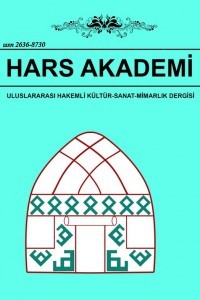
Hars Akademi International Journal of Culture, Art, and Architecture, which began publication in June 2018, is published twice a year in June and December. The journal’s abbreviated name is Hars Akademi. The journal adheres to research and publication ethics and follows the Committee on Publication Ethics (COPE) guidelines, including the “Code of Conduct and Best Practice Guidelines for Journal Editors” and “Code of Conduct for Journal Publishers.”
Hars Akademi aims to support studies in the fields of culture, art, and architecture, taking the fundamental values of Turkish culture as its foundation. The journal welcomes all submissions examining topics that constitute and contribute to culture, including architecture, language, literature, history, geography, sociology, fine arts, and folkloric elements such as clothing.
All parties involved in the publication process (authors, editorial board, and reviewers) are required to make decisions in accordance with ethical behavior standards. To ensure high ethical standards, Hars Akademi has developed international guidelines for all parties and expects adherence. As a publisher, Hars Akademi takes its supervisory role seriously and acknowledges its ethical and other responsibilities.
Copyright
The views and scientific responsibilities expressed in articles accepted for publication belong to the authors; Hars Akademi cannot be held responsible. Authors must agree to waive their copyright and transfer the copyright of their work to Hars Akademi upon submission for evaluation. This is done by completing the “Copyright Transfer Form” electronically and submitting it with the manuscript through the DergiPark system.
International Standards for the Editorial Board
Editorial board members and editors are expected to voluntarily adhere to international standards outlined by COPE (https://publicationethics.org/). The board must maintain confidentiality regarding all submitted manuscripts and strive to meet the needs of both authors and readers. They should work to enhance the journal’s quality, emphasize scientific integrity and originality, and be prepared to publish corrections, retractions, clarifications, or apologies when necessary. The final decision on publication rests with the journal editor.
International Standards for Authors
All authors submitting to Hars Akademi are expected to comply with COPE’s ethical principles. Authors must confirm the originality of their work. Plagiarism, fabrication, falsification, redundant publication, and other unethical practices are strictly prohibited. Authors must not harm participants physically or legally, must avoid psychological abuse, ensure confidentiality, and identify any sponsors supporting the research.
Authors must avoid including names in the manuscript or file names and must properly cite all sources. If a significant error is discovered in a published work, authors must immediately inform the editor and cooperate in correcting or retracting the manuscript. Authors must disclose any conflicts of interest. Manuscript submissions and all processes are conducted electronically. Manuscripts must not have been published elsewhere or be under consideration by another journal; however, unpublished conference presentations may be submitted with appropriate footnote disclosure. Authors must follow the journal’s writing guidelines; non-compliance may result in editorial intervention or deferral to the next issue.
Plagiarism
Plagiarism reports are generated by DergiPark. Manuscripts exceeding a 20% similarity threshold will be returned to the author.
International Standards for Reviewers
Reviewers, upon accepting the invitation, are expected to voluntarily comply with COPE’s ethical principles. They must maintain confidentiality, alert the editorial board to any reasons for rejecting a manuscript, and evaluate the manuscript objectively based on originality, significance, and relevance. Reviewers must disclose any conflicts of interest. The editor carefully monitors submitted manuscripts to prevent misconduct, and authors are responsible for corrections or retractions if misconduct is identified.
The journal employs a double-blind peer review system. Reviewers complete requested information on evaluation forms, which is never shared with authors. Manuscripts are sent to reviewers without alterations except for formatting. Identifying information about authors is removed to ensure confidentiality. Manuscripts receiving positive reports from two reviewers proceed to publication; in case of disagreement, a third reviewer may be consulted. Reviewers may be reassigned if they fail to complete evaluations in the allotted time. Reviews for translations, reports, interviews, and similar submissions are also conducted by reviewers. Based on reviewer feedback, decisions may be: accept, accept with revisions, revise and resubmit, or reject. Authors must complete required revisions before publication.
Approval Policy
Authors must follow ethical and legal standards and inform participants about:
• The study and its purpose; participation is voluntary and participants may withdraw at any time without penalty.
• Procedures and methods; contact information for questions.
• Potential risks and benefits; confidentiality measures.
Artificial Intelligence Policy
1. Author Responsibilities: AI tools cannot be listed as authors. Authors must disclose AI use transparently and detail its scope. Originality, accuracy, and scientific evaluation remain the author’s responsibility. Direct inclusion of AI-generated content in the main text is prohibited.
2. Editor and Reviewer Responsibilities: Submission of manuscripts to AI platforms is strictly forbidden and considered unethical. Editors and reviewers must enforce ethical procedures if AI use is suspected and verify author disclosures. AI tools may only be used with explicit journal approval within defined limits.
3. Permitted AI Use: AI may be used for conceptual diagrams, visual explanations, and data visualization, ensuring accurate and clear representation.
4. Prohibited AI Use: AI cannot be used to write core manuscript sections (abstract, introduction, discussion) or generate research findings, analyses, citations, or references; these must be completed by authors.
5. Sanctions for Violation: Undisclosed or improper AI use will result in manuscript rejection. Post-publication detection may lead to corrections or retraction. Repeated or serious violations may prevent future submissions.
Open Access Policy
Hars Akademi is an open-access journal. Users or institutions may freely access, read, download, copy, search, and link to full-text content without prior permission from the publisher or author. Content and visuals may be used with proper citation.
Dergimizde makale gönderimi, değerlendirme ve yayın süreçleri tamamen ücretsizdir. Gönderilen veya yayımlanmak üzere kabul edilen makaleler için herhangi bir ücret talep edilmemektedir. Yayın politikamız gereği, sponsorluk ve reklam kabul edilmemekte olup dergimizin tüm giderleri Yayıncı tarafından karşılanmaktadır.
1976'da Ankara’da doğdu. 2000 yılında Eskişehir Osmangazi Üniversitesi, Fen-Edebiyat Fakültesi, Türk Dili ve Edebiyatı Bölümünden mezun oldu. Yüksek lisans eğitimini, Gazi Üniversitesi/ Sosyal Bilimler Enstitüsü/ Türk Dili ve Edebiyatı bölümünde “Tanzimat Sonrası Edebiyat Teorileri ve Şahabettin Süleyman’ın Sanat-ı Tahrir ve Edebiyatı” başlıklı tezi hazırlayarak 2005 yılında tamamladı. 2018 yılında Atatürk Üniversitesi/ Türkiyat Araştırmaları Enstitüsü/ Yeni Türk Edebiyatı anabilim dalında doktor/(Dr) unvanını aldı. Doktora tezi “Edebî Çevre ve Konu Olarak Atatürk Dönemi Türk Edebiyatında Ankara (1920-1938)” başlığını taşımaktadır.
Dr. Haydar TÜRK
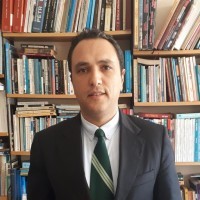
1976 yılında Sivas’ta doğdu. Ortaöğrenimini 1992 yılında Sivas Gazi Lisesi’nde tamamladı. Yabancı dil eğitimi ve üniversiteye hazırlık amacıyla bulunduğu Berlin’de, 2005 yılında Berlin Teknik Üniversitesi Mimarlık Bölümü’nden lisans ve yüksek lisans dereceleri ile mezun olarak Yüksek Mühendis Mimar unvanını aldı.
2016 yılında Anadolu Üniversitesi Sosyoloji Bölümü’nden ikinci lisans diplomasını elde etti. Doktora çalışmalarına Selçuk Üniversitesi Mimarlık Bölümü Bina Bilgisi Anabilim Dalı’nda başlayan Türk, 2022 yılında Konya Teknik Üniversitesi’nde tamamladığı tez çalışması ile Doktor unvanını aldı.
Meslek yaşamına 2011 yılında Sivas Belediyesi İmar ve Şehircilik Müdürlüğü’nde başlayan Dr. Türk, 2017 yılından bu yana aynı kurumda İmar ve Şehircilik Müdürü olarak görevini sürdürmektedir.
Evli ve iki çocuk babası olan Dr. Haydar Türk, Almanca ve İngilizce dillerini çok iyi düzeyde bilmektedir.
Prof. Dr. Ramazan SEVER, 1968 yılında Malatya İlinin Yeşilyurt ilçesinde dünyaya geldi. Temel eğitimi Malatya’da, lise eğitimini Muğla’da, yükseköğrenimini ise 1994 yılında Erzurum Atatürk Üniversitesi Kazım Karabekir Eğitim Fakültesi (KKEF) Coğrafya Eğitimi Bölümünde tamamladı. Sever, 1996 master, 2001 yılında doktora öğrenimini bitirdi ve aynı yıl yardımcı doçentlik (Doktor Öğretim Üyeliği) kadrosuna atandı. Sever, 2006 yılında Çoruh Havzası Enerji Yatırım Projeleri ve Çevresel Etkileri adlı çalışması ve diğer eserleriyle Coğrafya (Beşerî Coğrafya) Doçent, 2011 yılında da Karlıova ilçesinin Beşerî ve İktisadi Coğrafyası adlı temel eseriyle profesörlük unvanını aldı. Sever, 17 yıl Atatürk Üniversitesi KKEF’de hizmet verdikten sonra yaklaşık 10 yıl Giresun Üniversitesi Eğitim Fakültesi Sınıf Eğitimi Ana Bilim Dalı’nda öğretim üyesi ve Giresun Üniversitesi’nin çeşitli birimlerde uzun süre yöneticilik yaptı. Sever, halen İnönü Üniversitesi Eğitim Fakültesi Temel Eğitim Bölümü Sınıf Eğitimi Ana Bilim Dalı’nda görevini sürdürmektedir. Yayımlanmış çok sayıda eseri bulunan Sever’in başlıca çalışma ve araştırma konuları arasında; coğrafya eğitimi, coğrafya okuryazarlığı, sınıf ve sosyal bilgiler eğitimi, öğretim teknolojileri ve materyal geliştirme, çevre sorunları ve çevre eğitimi, afetler ve afet yönetimi vb. gibi konular yer alır.
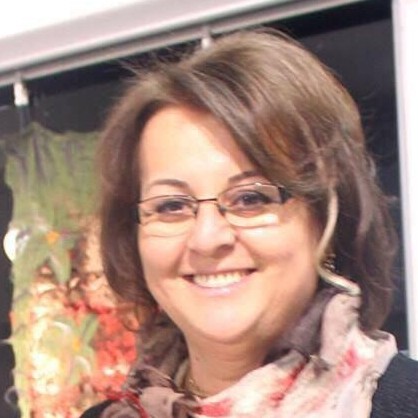
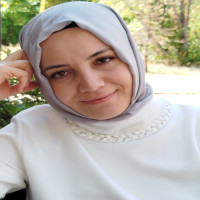
Prof. Dr. H. Nurgül Begiç, Ankara’da doğdu. 1986 yılında Gazi Üniversitesi Mesleki Eğitim Fakültesi El Sanatları Bölümü’nden mezun oldu. Mezuniyetinin ardından Alaşehir Kız Meslek Lisesi ve Çumra Kız Meslek Lisesi’nde El Sanatları öğretmeni olarak görev yaptı. 1994 yılında Selçuk Üniversitesi Mesleki Eğitim Fakültesi El Sanatları Bölümü’nde öğretim görevlisi olarak akademik hayata adım attı.
1995 yılında Konya’da tanıştığı keçe ustası Mehmet Girgiç ile birlikte başlayan sanatsal yolculuğu, onu Türk keçeciliğinin hem usta hem de akademisyen düzeyinde en önemli temsilcilerinden biri haline getirdi. Mehmet Girgiç’in atölyesinde 10 yıl boyunca yamaklık, çıraklık ve kalfalık yaptı. Geleneksel ustalık zincirine bağlı kalarak, ustasından icazetini (kalfalık belgesini) Konya İl Kültür Müdürü huzurunda sözlü olarak aldı. Daha sonra Akhisar’da düzenlenen törende keçe ustası Orhan Patoğlu tarafından “chat kuşağı” bağlanarak temsili ustalık süreci tamamlandı. Böylelikle, Türkiye’de usta icazeti alan ilk kadın keçe ustası oldu. O tarihten bu yana 31 yıldır kesintisiz biçimde keçeciliği sürdüren Begiç, hem kendi üretimlerini hem de öğrencilerini bu geleneksel sanatın devamlılığı için seferber etmektedir.
Selçuk Üniversitesi’nde görev yaptığı yıllarda Türkiye’nin ilk donanımlı keçe atölyesini kurdu. Yüksek lisans tezini “Konyalı Keçe Sanatçısı Mehmet Girgiç ve Eserleri” başlığıyla tamamladı. Ardından Hacettepe Üniversitesi Türk Halkbilimi Bölümü’nde başladığı doktora çalışmalarını “Gelenekteki Değişim: Keçecilik Sanatı” başlıklı tezle bitirdi. Bu çalışma kapsamında Anadolu coğrafyasındaki pek çok keçe ustasını ziyaret ederek teknikleri, motifleri ve yapım süreçlerini belgeledi; keçe geleneğinin tarihsel gelişimi ve günümüzdeki dönüşümünü bilimsel olarak kayıt altına aldı.
Prof. Dr. Begiç’in akademik üretimleri arasında “Geçmişten Günümüze Konya Keçeciliği” (Konya Büyükşehir Belediyesi) ve “Türk Keçecilik Sanatı” (Atatürk Kültür Merkezi Yayınları) adlı eserler, Türk el sanatları literatüründe temel kaynaklar arasında yer almaktadır. Ayrıca çok sayıda makale, kitap bölümü ve bildirisiyle keçe sanatının kültürel miras boyutunu ortaya koymuştur.
Sanatsal üretimlerini akademik çalışmalarla birleştiren Begiç, yurtiçi ve yurtdışında pek çok etkinlikte Türk keçeciliğini temsil etmiştir. Avrupa Birliği projeleri kapsamında İrlanda’da keçe yurt yapımı çalışmalarına katılmış, ABD’de (Chicago Türk Haftası), Almanya’da (Texel Art Fuarı), Belçika’da (Yunus Emre Enstitüsü) ve farklı ülkelerde atölye, workshop ve sergiler düzenlemiştir. Çalışmaları yalnızca bireysel sanatçı kimliğiyle değil, aynı zamanda Türk kültürünü dünyaya tanıtan bir temsilci olarak da dikkat çekmiştir.
Türkiye’de de Akhisar’da ilk keçe müze–shop girişimini hayata geçirmiş, “Ustalara Saygı” çalıştaylarıyla 60 yaş üstü keçe ustalarını görünür kılmış, usta–çırak zincirinin değerini belgeleyen etkinlikler düzenlemiştir. Orta Asya’da (Türkmenistan, Kırgızistan) ve Umman’da verdiği konferanslarla Türk keçeciliğinin kültürel ve sanatsal yönlerini uluslararası platformlarda paylaşmıştır.
Akademik kariyerinde, Çankırı Karatekin Üniversitesi Moda ve Tekstil Tasarımı Bölümü’nün kurucu başkanlığını üstlenmiş, “Çankırı El Sanatları Bağlamında Keçe Ürünler” başlıklı BAP projesi ile modern keçe atölyesi kurmuştur. Ardından İzmir Demokrasi Üniversitesi Güzel Sanatlar Fakültesi Geleneksel Türk Sanatları Bölümü’nün kurucu başkanı olmuş ve burada da keçe atölyesini kurarak sürdürülebilir bir eğitim modeli geliştirmiştir. Bugüne kadar yüzlerce öğrenci yetiştirmiş; öğrencilerinin önemli bir kısmı geçimini keçecilikten sağlamaktadır.
Son yıllarda Kültür ve Turizm Bakanlığı’nın Kültür Yolu Festivalleri kapsamında etkinlikler gerçekleştirmiştir. 2025 Çanakkale Kültür Yolu Festivali’nde “Dünya Keçeciliği ve Türk Keçeciliği” başlıklı çalıştay ve sergi düzenlemiş; aynı festivalde “Gelenekteki Değişim ve Keçecilik Sanatı” konulu konferans vermiştir.
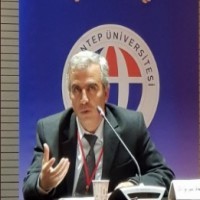
1976’da Giresun’un Tirebolu ilçesinde doğdu. İlk ve orta öğrenimimi Giresun’da tamamladı. 1997’de Ankara Üniversitesi Dil ve Tarih-Coğrafya Fakültesi Tarih Bölümü’nden mezun oldu. Ankara Üniversitesi Sosyal Bilimler Enstitüsü Yakınçağ Tarihi Anabilim Dalı’nda “II. Meşrutiyet Döneminde İkdam Gazetesi (1908-1909)” adlı tezle yüksek lisans (2000) ve “Osmanlı Devleti’nde Tercümanlık ve Babıâli Tercüme Odası” adlı tezle doktora (2007) derecelerini aldı. 2007’den beri Giresun Üniversitesi Fen-Edebiyat Fakültesi Tarih Bölümü’nde görev yapmaktadır. Osmanlı diplomasisi, Türk modernleşmesi, Türk eğitim tarihi ve azınlıklar hakkında çalışmalarımı sürdürmektedir.
Çeşitli bildiri ve makaleleri dışında Giresun Rumları ve Gayrimüslim Bir Belediye Başkanı: Kaptan Yorgi Konstantinidi Paşa (3. bs., Libra Kitabevi, İstanbul 2012), Osmanlı Bürokrasisinde Yahudiler (Ahmet Yadi ile birlikte, Libra Kitabevi, İstanbul 2013), Babıâli Tercüme Odası (Libra Kitabevi, İstanbul 2013) ve Osmanlı Devleti’nde Engelliler ve Engelli Eğitimi: Sağır Dilsiz ve Körler Mektebi (Libra Kitabevi, İstanbul 2013), (Ayhan Yüksel ile birlikte ) Harşıt Nahiyesi Nüfus Defteri, (Arı Sanat Yay., İstanbul 2014, (III. Baskı) 175 s.), (Levent Küçük ile birlikte) Osmanlı Bürokrasisinde Ahıskalı Devlet Adamları, (İstanbul 2015, Libra Kitap, 167 s.), Nişan Antreasyan, Fındık Ziraati ve Ticareti (Yay. Haz. Sezai Balcı-Mevlüt Kaya, Gece Kitaplığı Yay., İstanbul 2015, 115 s.), (Mustafa Balcıoğlu ile birlikte) Rothschildler ve Osmanlı İmparatorluğu, (Erguvanî Yay., Yedinci Baskı, Ankara 2017, 536 s.) adlı kitapları bulunmaktadır.
Sanatçı/ Akademisyen 2004 yılında Atatürk Üniversitesi Güzel Sanatlar Fakültesi, Geleneksel Türk Sanatları bölümünü kazandı. 7 Temmuz -7 Ekim 2007 tarihleri arasında İtalya/Floransa Palozzo Spınellı L’arte E Il Restouro Assocıazıone No Profit Enstitüsünde çizim ve decorasyon dersleri aldı. 2008 yılında tezhip anasanat dalında lisans öğrenimini tamamlayarak aynı yıl Atatürk Üniversitesi, Sosyal Bilimler Enstitüsü, Geleneksel Türk Sanatları Bölümünde yüksek lisansa başladı. 2013 yılında Gazi Üniversitesi, Güzel Sanatlar Enstitüsü, Geleneksel Türk Sanatları bölümünde Sanatta Yeterlik programına yerleşerek 2017 yılında tamamladı. 2013-2018 yılları arasında Gaziosmanpaşa Üniversitesi, Güzel Sanatlar Fakültesi, Geleneksel Türk Sanatları Bölümünde Öğr. Gör. ve Dr. Öğr. Üyesi olarak görev yaptı. 2019 yılından bu yana İzmir Demokrasi Üniversitesi Güzel Sanatlar Fakültesi, Geleneksel Türk Sanatları Bölümünde görev yapan sanatçı halen İzmir Demokrasi Üniversitesi, Güzel Sanatlar Fakültesi, Geleneksel Türk Sanatları bölümünde Doç. Dr. olarak çalışmalarına devam etmektedir.
Prof. Dr. Vüsale Musalı - 1981 Bakü doğumlu. 1997-2001 yıllarında Bakü Devlet Üniversitesinde Lisans, 2001-2004 yıllarında aynı üniversitede Yüksek Lisans Eğitimi aldı. 2006 senesinde "XV-XVII. Yüzyıl Türk Tezkireciliği" konusunda doktora tezini savundu.
2001 yılında Azerbaycan Milli Bilimler Akademisi Elyazmaları Enstitüsünde araştırma görevlisi olarak işe başladı. 2004-2011 yılları arasında Bakü Devlet Üniversitesinde Yard. Doç. Dr., 2012-2014 yılları arasında Doçent olarak görev yapmıştır.
2009-2014 yılları arasında AMEA Elyazmaları Enstitüsü "Metinlerin Yayına Hazırlanması" bölümünde çalışmıştır. 2014 yılı itibariyle T.C. Kastamonu Üniversitesi Fen Edebiyat fakültesi Çağdaş Türk lehçeleri ve Edebiyatları bölümünde öğretim üyesidir.
2012 yılında Doçent, 2017 yılında Profesör oldu.
Türk Tezkireciliği, Azerbaycan Edebiyatı, Osmanlı - Azerbaycan Edebi İlişkileri, Oryantalizm konusunda araştırmalar yapmaktadır.
vusalemusali@kastamonu.edu.tr
tezkireshinas@gmail.com
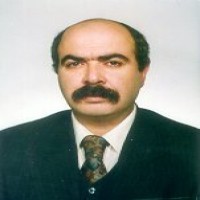
İlk ve orta öğretimini Gaziantep’de Yüksek öğrenimini ise (1995) Erzurum Atatürk Üniversitesi Fen-Edebiyat Fakültesi Türk Dili ve Edebiyatı bölümünde tamamladı. (1998) Yüksek Lisans çalışmasını aynı bölümde Yeni Türk Edebiyatı alanında; doktora eğitimini ise (2010) Dicle Üniversitesi Ziya Gökalp Eğitim Fakültesinde Türk Edebiyatı Eğitimi alanında yaptı. Aynı Yıl Yardımcı Doçent unvanlını aldı. 2011-2012 yıllarında Arizona Üniversitesinde (ABD) çocuk edebiyatı alanında post doktora çalışmasında bulundu. 2018’de Doçent, 2024’de Profesörlük unvanını aldı. Üniversitelerde birçok idari görevlerde bulunan Kaya halen Gaziantep Üniversitesi Gaziantep Eğitim Fakültesi Türkçe ve Sosyal Bilimler Bölümünde öğretim üyesi olarak çalışmaktadır.
Selim Hilmi Ozkan is Professor of History at the Yildiz Technical University. He is currently working on the Ottoman diplomacy and Ottoman foreign policy. His most recent publications include “Reasons for Migration of Armenians in the Ottoman Empire before 1915”, African and Asian Studies, 19, 3, (2020), 282-305; and “Arms Smuggling across Ottoman Borders in the Second Half of the 19th Century” Journal of Balkan and Near Eastern Studies, 18, 3, (2016), 297-312. He is currently working on a book project: Migrations and Migration Routes from Cebel-i Lebanon to United States of America End of Nineteenth Centuries.
Articles published in Hars Academy International Peer-Reviewed Culture, Art, and Architecture Journal are licensed under a Creative Commons Attribution 4.0 International License.