Volume: 4 Issue: 1 , 1/31/26

Year: 2026

Review

Research Article

Erratum

The purpose of Laodikeia Rehabilitation Sciences is; To help achieve the goals of supporting studies conveying the latest developments in the field of science, improving practice, contributing to knowledge sharing, and ensuring the continuation of education and research by publishing clinical research, review articles, case reports and letters to the editor in the field of health and rehabilitation.

The scope of Laodikeia Rehabilitation Sciences; It is a journal for all health professionals and researchers. It accepts articles prepared on topics related to the fields of health and rehabilitation for evaluation.

The journal's writing rules and guidelines published by Uniform Requirements for Manuscripts Submitted to Biomedical Journals - International Committee of Medical Journal Editors (http://www.icmje.org) and Committee on Publication Ethics (COPE) (https://publicationethics.org) It was prepared taking into account the policies.

Writing rules
Articles must be prepared in accordance with ICMJE - Recommendations for the Conduct, Reporting, Editing and Publication for Scholarly Work in Medical Journals (http://www.icmje.org). Authors must prepare articles in accordance with CONSORT. STROBE guidelines should be used for original research studies, PRISMA guidelines for systematic reviews and meta-analysis, and ARRIVE guidelines for experimental animal studies.
Turkish articles should be based on the Turkish Dictionary of the Turkish Language Association. English articles and English abstracts must be evaluated by a language expert before being sent to the journal. If the editor or field editors deem necessary, they may request the proofreader's certificate for the English article or English summary.
Original Article: It consists of research that provides basic or clinical information on a current and important subject, expands and advances previous studies, or brings a new approach to a classical subject. Original articles should not exceed 4000 words and the number of references should not exceed 40.
Case Report: Describes interesting facts, new ideas and techniques. Figures, tables and references should be at least sufficient to explain and support the text. The number of words should not exceed 2000 and the number of references should not exceed 20.
Editorial Comment: The Editorial Board may invite an author who is an expert in education and clinical practices to write an informative article or comment on a particular subject. The number of words should not exceed 1000 and the number of references should not exceed 10.
Invited Review/Systematic Review/Meta-Analysis: Systematic reviews and meta-analyses are prepared directly, while invited reviews are prepared by invited authors. It should be prepared to include current literature on all possible topics regarding health and rehabilitation sciences and clinical practices. It is particularly preferred that the authors have published publications on that subject. The number of words should not exceed 6000 and the number of references should not exceed 100.
Letter to the Editor: If the letter is a comment on an article published in the journal, the article to which it is dedicated (number and date) should be stated as the source. The response to the letter is given by the editor or the author(s) of the article, again by publishing it in the journal. The number of words in letters is limited to 500 and the number of references is limited to five.

Articles submitted for publication in the journal;
• The writing page should be A4 size and should be written with the PC compatible Microsoft Word program.
• “Times New Roman” font should be used, 12 point font, and all parts of the article should be 1.5 line spacing.
• There should be a 2.5 cm space on each side of the page.
• Pages (in the lower right corner) and lines should be numbered.
• The main headings of the article (Introduction, Method, Results, Discussion, References) should be stated in capital letters and bold font.
• Subheadings should be written in capital letters and bold font.
• Numerical values ​​given in the text are marked with a comma (,); in Turkish articles; Dots (.) should be used in English articles. In these given numerical values, two more digits of the number should be given after the comma or dot, excluding the p and r values ​​(Example: 13.31 or 15,21); p and r values ​​should be written with three digits after the comma/period.
• Abbreviations are given in parentheses at the first occurrence of the word and that abbreviation is used throughout the text. For internationally used abbreviations, you can refer to the 'Scientific Spelling Rules' resource.

Title Page
The title of the article should be short but descriptive of the content and compatible with the purpose. Abbreviations should not be used in the title. The article title must be written in Turkish and English. All Turkish and English titles should be written in capital letters and bold font. In addition, a short 40-character title of the article should be stated on the title page in Turkish and English. The word count of the article (excluding title page, references, tables, figures) should be written.
All authors' full names, surnames (written in capital letters) and academic titles, the institution they work for, contact information, Open Researcher and Contributor ID (ORCID) numbers, and the full name and address of the institution or institutions where the study was conducted should be stated. Parent numbering should be used for each author. The contact information of the author responsible for the communication must also be provided. The title page should include contact information for each author, including address, current email address, and telephone number.

summaries
Each article must contain Turkish and English abstracts.
Turkish Abstract and Keywords
The Turkish abstract should start on a separate page and should not exceed 250 words. The Turkish summary section should include the purpose of the study, the applied method, the most important findings and the conclusion. The abstract should have the title "Abstract" and be divided into subheadings "Purpose", "Method", "Results" and "Discussion". The p value should be stated in the “Results” section. In Turkish article summaries, comma (,) should be used for decimal numbers.
Keywords should not be less than 3 or more than 5. Keywords should be selected from the "Turkish Science Terms" list (http://www.bilimterimleri.com). Words outside the list can be used for a new concept that is not yet included in this list. Each of the keywords must start with a capital letter; They should be separated by commas and written in alphabetical order. If the article is in Turkish, the keywords in the English abstract should be listed in accordance with the alphabetical order of the Turkish keywords.

English Abstract and Keywords
The English abstract should start on a separate page and should not exceed 300 words. In the English summary, dots (.) should be used for decimal numbers. The English abstract should be divided into subheadings “Purpose”, “Methods”, “Results” and “Conclusion”. The English abstract and keywords must be exactly the same as the Turkish abstract and keywords. Keywords should be chosen from "MeSH (Medical Subject Headings)" terms.
For a new concept that is not yet included in the MeSH list, words outside the list can be used. Each of the keywords must start with a capital letter; They should be separated by commas and written in alphabetical order. If the article is in English, Turkish keywords will be listed according to the alphabetical order of English keywords.

Sections of a Research Paper
In Turkish articles, the article text consists of "Introduction", "Material and Method", "Findings" and "Discussion" sections. In English articles, there are “Introduction”, “Materials and Methods”, “Results” and “Discussion” sections. Abbreviations can be used for expressions that repeat more than once in the text. The explanation of the abbreviation should be stated at the first mention in the text.

Entrance
It should contain a summary of basic information obtained from previous publications on the topic of study.
The necessity and purpose of conducting the study should be briefly stated.

Method
The clinical, technical or experimental methods in the study should be clearly stated. Appropriate resources should be given for the method. In this section, authors must state that they conducted their studies on humans in accordance with the principles of the Declaration of Helsinki, that they received approval from the relevant ethics committee (the name of the ethics committee, date and protocol number should be written) and that informed consent was obtained from the participants.
The method section should include the subheading “Statistical analysis”. If animal elements are used in the study, the authors must state that they protect animal rights in line with the principles of the Guide for the Care and Use of Laboratory Animals (http://www.nap.edu/catalog/5140.html) and that they have received approval from the relevant ethics committee.
A statement stating that publication approval has been obtained for photographs that may reveal the identity of the participants should be included in this section. If any statistical program is used for statistical analysis, the name of the software program used, version number, location, date and company information should be written. Information about statistical analysis methods and sample size calculation should be presented with justifications and supported with sources when necessary.

Results
The results should not contain any interpretations that are not based on numerical data. Data presented in tables should be avoided from being repeated in the text, and the most important results should be emphasized.

Argument
The discussion should begin with information about the most important results obtained in the study. The results obtained from the study should be interpreted and correlated with the results of previous studies. In the discussion, the limitations of the study and its contribution to the literature and clinical practices should be stated. It should be avoided to repeat the findings in the "Results" section and tables in detail in the discussion section. Data not obtained in the research should not be discussed.

The following headings should be added with their explanations after the discussion section:
• Supporting Organization: If there are supporting organizations, they should be specified.
• Conflict of Interest: If there is a conflict of interest, it should be stated.
• Author Contributions: Authors' contributions to the article should be stated. Contributions should be grouped under the headings of idea/concept, design, supervision/consultancy, resources and funding, materials, data collection and/or processing, analysis and/or interpretation, literature review, article writing, critical review.
• Explanations: If the article has been previously presented in the form of an abstract and/or a paper, information about the scientific meeting at which it was presented, the place of presentation, date and, if published, the publication in which it was published should be stated in the "Remarks" section.
• Acknowledgments: Information about individuals and/or organizations who do not meet the criteria of being an author but provided support during the research (reading the article, writing, technical support, language and statistical support, etc.) should be stated in the "Acknowledgments" section as briefly and concisely as possible.

resources
References should be placed immediately after the main text of the article. “VANCOUVER” writing style should be used in the text and list writing of the sources. When using resources, care should be taken to ensure that resources older than 10 years do not exceed 15% of the total number of resources. References should be numbered in Arabic numbers in the order in which they appear in the text, table descriptions and figure captions, within round brackets "()" before the period, at the end of the sentence or the name referred to in the sentence.
If more than one reference number is specified, the numbers should be separated by a comma and a space. If there are more than two consecutive numbers, they should be written with a hyphen between the smallest and largest numbers. Examples: (2, 5, 7); (3-7).
In the references list, the issue and volume number of the journal cited must be written. When writing page numbers, only the changing digits of the starting and ending page numbers should be written. Examples: 45-8 instead of 45-48, 219-22 instead of 219-222.
References should be arranged in the language in which the article was taken and as seen in the examples below:
• Articles in magazines
Tkacova R, Toth S, Sin DD. Inhaled corticosteroids and survival in COPD patients receiving long-term home oxygen therapy. Respir Med 2006;100(3):385-92.
• Additional number (Supplement)
Solca M. Acute pain management: Unmet needs and new advances in pain management. Eur J Anaesthesiol 2002;19(Suppl 25):3-10.
• Article in early view (E-pub)
Butterly SJ, Pillans P, Horn B, Miles R, Sturtevant J. Off-label use of rituximab in a tertiary Queensland hospital. Intern Med J doi: 10.1111/j.1445-5994.2009.01988.x
• Book
Bilgehan H. Clinical Microbiology. 2nd Edition. Izmir: Bilgehan Printing House; 1986:137-40.
• Book section
McEwen WK, Goodner IK. Secretion of tears and blinking. In: Davson H (ed). The Eye. Vol. 3, 2nd ed. New York: Academic Press; 1969:34-78.
• Internet article
Abood S. Quality improvement initiative in nursing homes: The ANA acts in an advisory role. Am J Nurs [serial on the Internet] 2002 [cited 12 Aug 2002]. Available from: www.nursingworld.org/AJN/2002/june/wawatch.htm
• Website
Cancer-pain.org [homepage on the Internet]. New York: Association of Cancer Online Resources [updated 16 May 2002; cited 9 July 2002]. Available from: www.cancer-pain.org

Tables
Tables should be prepared in Microsoft Word file format, placed at the end of the article, each on separate pages, and numbered in the order in which they appear in the main text. The total number of tables and figures should be at most 6. Font size should be 10 points in the table title, content and notes sections of tables.
A short title should be written for each column heading in tables. The first letter of each word in the columns of the tables must be capitalized. The table number and title should be located at the top of the table; The table number should be written in bold font and separated from the table title with a period (.). (Example: Table 1. Sociodemographic characteristics of the participants).
Vertical lines should not be used in tables. There should only be horizontal lines before and after the first line and at the end of the table. P values ​​in the table should be indicated with *, **. Notes and explanations of abbreviations used in the table should be written at the bottom of the table. When writing the explanation of abbreviations, the abbreviation should be written first, and the clear version of the abbreviation should be written after the colon (:). Abbreviations must be separated from each other by commas. The units of the variables used in the table should be stated in parentheses. Units covering a certain range should be expressed numerically with the range slice. In the decimal numbers given in the table, in Turkish articles, comma (,); Period (.) should be used in English articles. In the decimal numbers given in the tables, two digits should be written after the comma or period (Example: 31,12 or 20.10). Values ​​other than average, percentage and median values ​​(p, r, etc.) should be written as three digits after the comma/period.

shapes
Figure captions should be placed on a separate page after the tables. Figures must be uploaded as a separate file in high quality JPEG, TIFF, PNG format. Photos used in the article should be clear. Photographs and figures should be numbered in the order in which they appear in the text. In photographs containing human elements, authors must obtain written permission from the person and take precautions to conceal their identity. The permission text must be sent to the journal with the article. In the first paragraph of the "METHOD" section, information regarding publication approval should be given.

Article Submission Format
Articles will be uploaded in Microsoft Office Word file format in two copies, both with and without author names, after registering as a user to the Journal's electronic article submission system. All institutions mentioned in the Word file without author names (including the institution where ethics committee approval was obtained) must be closed with an "X" and this text must be uploaded to the "Full Text" file, and the text with the author and institution names must be uploaded to the file titled "Additional File".
Article Evaluation Process: The journal's publication process is governed by the International Committee of Medical Journal Editors (ICMJE), World Association of Medical Journal Editors (WAME), Council of Science Editors (CSE), Committee on Publication Ethics (COPE), Association of European Science Editors (EASE) and National Information. Complies with Standards Organization (NISO) guidelines. The author can follow the evaluation process of the article through the Journal's electronic article submission system. Manuscripts sent to the journal will first be evaluated by the technical editor in terms of compliance with the journal guidelines. Manuscripts that do not comply with the journal's guidelines will be re-sent to the author with requests for technical corrections. Articles will be evaluated by at least two external referees who are experts in the relevant field, and referee reports will be notified to the author responsible for communication. In articles requiring revision, the author must respond verbatim to the referee comments and upload the revised version of the article. This process is repeated until the editorial board approves the article.

Publishing Rights Transfer Agreement
Conflict of Interest Declaration Form


General Information
Laodicea Journal of Rehabilitation Sciences, the official publication of Pamukkale University Faculty of Physiotherapy and Rehabilitation, is an open-access, free, scientific publication published electronically and in print in accordance with the principles of independent, impartial and double-blind refereeing. The magazine is published once a year in December. The writing language is Turkish and English.
The journal publishes original research, invited reviews, systematic review and meta-analysis studies, interesting case reports and letters to the editor. The aim of the journal is to publish original studies of the highest scientific, ethical and clinical value regarding health and rehabilitation.
Laodicea Rehabilitation Sciences ensures that the articles it publishes must not have been previously published or submitted for publication elsewhere and must not have commercial concerns. It undertakes that the article to be published has been indirectly or explicitly approved by all authors and the responsible person at the place where the work was carried out, and that if accepted, it will not be published elsewhere in the same form in Turkish, English or any other language.

ETHICAL RESPONSIBILITY
Editor and Field Editors
Editors and field editors have ethical duties and responsibilities based on the "COPE Code of Conduct and Best Practice Guidelines for Journal Editors" and "COPE Best Practice Guidelines for Journal Editors" published as open access by the Committee on Publication Ethics (COPE).
Editors and field editors:
• Ensuring that every article published in the journal is published in accordance with the journal publication policies and international standards,
• Improving the quality, originality and readability of the journal,
• Conducting business processes in a transparent manner without compromising intellectual property rights and ethical standards,
• They are responsible for taking precautions against relationships and conflicts of interest that may arise between authors, referees and third parties in order to complete the impartial and independent evaluation processes of the articles.
Editors make positive or negative decisions based on the importance of the studies, their original value, validity, clarity of expression, and the aims and objectives of the journal. They implement the "Blind Review and Evaluation Process" policies included in the journal publication policies. In this context, editors ensure that the evaluation process of each study is completed fairly, impartially and on time, without conflict of interest. An external, independent editor may be invited to manage the evaluation processes of articles written by the journal's editor or editorial board members.
referees
Manuscripts sent to Laodicea Rehabilitation Sciences go through a double-blind peer review process. To ensure an unbiased review process, each submission is reviewed by at least two independent reviewers who are experts in their field. Referees are obliged to keep information regarding the manuscript confidential. In case of a conflict of interest, the referees notify Laodicea Rehabilitation Sciences about this issue.
Referees cannot use the work sent to them for any purpose until the evaluation process is completed and published. Referees should use a polite and constructive language when evaluating the article and avoid bad comments and expressions. Referees are responsible for evaluating the article in a timely manner and paying attention to ethical rules.

writers
The scientific content of the articles and their compliance with ethical rules are the responsibility of the author(s). Research protocols of experimental and clinical studies and case reports must be approved by the ethics committee in accordance with international agreements (World Medical Association Declaration of Helsinki "Ethical Principles for Medical Research Involving Human Subjects" www.wma.net).
Research that has received ethics committee approval and is conducted in accordance with the Declaration of Helsinki is accepted into the journal. In studies conducted with human elements, authors must state in the "METHOD" section of the article that they conducted the study in accordance with these principles and that they received "informed consent or consent forms" from the ethics committees of their institutions and the people who participated in the study. Authors should be able to document informed consent or consent forms from patients or participants when necessary. Information regarding the participant's approval, the name of the ethics committee and the ethics committee approval number should also be stated in the "METHOD" section of the manuscript. For studies that do not require ethics committee approval, an exemption certificate obtained from ethics committees appropriate to the design and content of the study or an informational statement written by the responsible author (for meta-analysis, systematic review, invited review) must be uploaded to the system. If animal elements were used in the study, the authors state in the "METHOD" section of the article that they protect animal rights in their studies in line with the principles of the Guide for the Care and Use of Laboratory Animals (http://www.nap.edu/catalog/5140.html) and that they have received approval from the ethics committees of their institutions. must specify. Each person listed as an author must meet all four of the authorship criteria recommended by the International Committee of Medical Journal Editors (ICMJEwww.icmje.org) and shown below:
• Must contribute to the planning of the study, collection of data or analysis and interpretation of data,
• Must contribute to the preparation or revision of the article draft,
• Must read and accept the final version of the article to be sent to the journal and published,
• Must agree with other authors that questions regarding the accuracy or integrity of any part of the work have been appropriately investigated and resolved, and must be accountable for the work in all its aspects.
The scientific content of the articles and their compliance with ethical rules are the responsibility of the authors. All studies will be scanned by the journal's technical editorial board using licensed similarity detection software (CrossCheck by iThenticate/intihal.net). The similarity rate in the content of the article, other than the contents of references, tables and figures, should not be over 20% and there should be no similarity with the authors' previous works. Articles with a similarity rate above 20% are rejected without being sent to the referee. If plagiarism, citation manipulation and data forgery/fabrication are suspected or detected, the editorial board will follow and act in accordance with COPE guidelines. The author responsible for communication is the author who carries out all kinds of correspondence from the presentation stage of the article to its printing. Contact writer:
• Ethics committee approval certificate,
• Copyright transfer form (Must be signed. Author names cannot be added and the order of authors cannot be changed later, except for those who have signed this form.)
• Author contribution form
• Conflict of interest form
• The broadcasting rights agreement documents must be scanned and uploaded to the system.
Quotations, tables, figures, etc. previously published in the article, books or magazines. If available, authors must obtain written permission from the copyright owner and authors of the relevant article, table, figure, survey and scale (survey/scales for which special permission or certificate is required for use in validity and reliability studies); must send the permission letter along with the article and indicate this in the article. For photographs that may reveal the identity of the patients, signed permissions of the patient or their legal representative must be added and it must be stated in the "METHOD" section that these permissions have been obtained. If the papers presented at scientific meetings have been previously presented and/or published in abstract form, they must be stated on the title page.

Copyright
All copyrights of the articles published in our journal belong to Pamukkale University Faculty of Physiotherapy and Rehabilitation.

Disclaimer
The statements or opinions in the articles published in Laodicea Rehabilitation Sciences reflect the views of the authors, not the views of the editors, editorial board or publisher. The editors, the editorial board and the publisher do not accept any responsibility or liability for such material. The final responsibility for the published content lies with the authors.

No fee is charged from the author or his/her institution under any name.

Baş Editör

Emre Baskan
Assoc. Prof. Dr. Emre BASKAN Pamukkale Üniversitesi Fizyoterapi ve Rehabilitasyon Fakültesi

Geriatrics and Gerontology, Neurology and Neuromuscular Diseases, Health Sciences, Sports Science and Exercise, Physiotherapy, Rehabilitation

Editör Yardımcısı

Fatih Tekin
Assoc. Prof. Dr. Fatih TEKİN Pamukkale Üniversitesi, Fizyoterapi ve Rehabilitasyon Fakültesi
Physiotherapy, Rehabilitation

Alan Editörleri

Default avatar
Prof. Dr. Suat EREL PAMUKKALE ÜNİVERSİTESİ, FİZİK TEDAVİ VE REHABİLİTASYON YÜKSEKOKULU
Health Sciences
Emine Aslan Telci
Prof. Dr. Emine ASLAN TELCİ PAU. Fizik Tedavi ve Rehabilitasyon Yüksekokulu
Health Sciences
Fatih Tekin
Assoc. Prof. Dr. Fatih TEKİN Pamukkale Üniversitesi, Fizyoterapi ve Rehabilitasyon Fakültesi
Physiotherapy, Rehabilitation
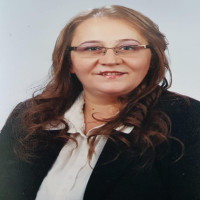
Nilufer Çetişli Korkmaz
Prof. Dr. Nilufer ÇETİŞLİ KORKMAZ Pamukkale University, Faculty of Physiotherapy and Rehabilitation
Geriatrics and Gerontology, Neurology and Neuromuscular Diseases, Motor Control, Physical Medicine and Rehabilitation, Physiotherapy, Rehabilitation, Allied Health and Rehabilitation Science (Other)
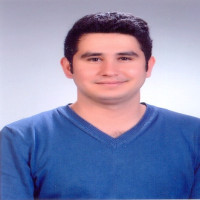
Default avatar
Asst. Prof. Dr. Umut ERASLAN Pamukkale Üniversitesi Fizyoterapi ve Rehabilitasyon Fakültesi
Physiotherapy, Rehabilitation
Default avatar
Prof. Dr. Orçin ATALAY Fizyoterapi ve Rehabilitasyon Fakültesi
Rehabilitation
Default avatar
Prof. Dr. Filiz ALTUĞ Pamukkale Üniversitesi
Rehabilitation
Default avatar
Prof. Dr. Ali KİTİŞ PAMUKKALE ÜNİVERSİTESİ FİZYOTERAPİ VE REHABİLİTASYON FAKÜLTESİ
Hand Surgery, Social Work, Health Sciences, Physiotherapy, Occupational Therapy, Rehabilitation
Default avatar
Prof. Dr. Erdoğan KAVLAK Pamukkale Üniversitesi

Pamukkale Üniv. FTR fakültesi, Pediatrik nöro- rehabilitasyon ve Fizyoloji

Medical Physiology, Health Sciences, Physiotherapy, Rehabilitation
Default avatar
Asst. Prof. Dr. Güzin KARA Pamukkale Üniversitesi

Pamukkale Üniversitesi Sağlık Bilimleri Fakültesi Fizyoterapi ve Rehabilitasyon doktora programından 2019 yılında mezun oldum.

Neurology and Neuromuscular Diseases, Physiotherapy, Rehabilitation

Dil Editörleri

Default avatar
Prof. Dr. Orçin ATALAY Fizyoterapi ve Rehabilitasyon Fakültesi
Rehabilitation
Default avatar
Professional Nermin KART HARRAN ÜNİVERSİTESİ
Neurology and Neuromuscular Diseases, Autonomic Nervous System, Physical Medicine and Rehabilitation, Physiotherapy

Teknik Editörler

Fatih Tekin
Assoc. Prof. Dr. Fatih TEKİN Pamukkale Üniversitesi, Fizyoterapi ve Rehabilitasyon Fakültesi
Physiotherapy, Rehabilitation
Default avatar
Assoc. Prof. Dr. Ayşe ÜNAL ALANYA ALAADDİN KEYKUBAT ÜNİVERSİTESİ, SAĞLIK BİLİMLERİ FAKÜLTESİ, FİZYOTERAPİ VE REHABİLİTASYON BÖLÜMÜ
Physiotherapy, Rehabilitation

Teknik Editör Yardımcıları

Default avatar
Asst. Prof. Dr. Gülsüm TIKAÇ SİİRT ÜNİVERSİTESİ
Physiotherapy
Default avatar
Res. Assist. İzgi GÜVEN PAMUKKALE ÜNİVERSİTESİ
Physiotherapy
Default avatar
Res. Assist. Sinem YENİL PAMUKKALE ÜNİVERSİTESİ
Physiotherapy

Yayın ve Danışma Kurulu

Hasan Hallaceli
Prof. Dr. Hasan HALLACELİ MUSTAFA KEMAL ÜNİVERSİTESİ
Rehabilitation
Default avatar
Assoc. Prof. Dr. İsmail SARACOGLU KÜTAHYA SAĞLIK BİLİMLERİ ÜNİVERSİTESİ
Pain, Physiotherapy, Rehabilitation
Default avatar
Prof. Dr. Sevgi ÖZKAN PAMUKKALE ÜNİVERSİTESİ
Obstetrics and Gynocology Nursing
Default avatar
Prof. Dr. Filiz ALTUĞ Pamukkale Üniversitesi
Rehabilitation
Tuba Can Akman
Asst. Prof. Dr. Tuba CAN AKMAN PAMUKKALE ÜNİVERSİTESİ
Physiotherapy
Default avatar
Prof. Dr. Ummuhan BAŞ ASLAN PAMUKKALE ÜNİVERSİTESİ
Health Sciences, Physiotherapy
Nilufer Çetişli Korkmaz
Prof. Dr. Nilufer ÇETİŞLİ KORKMAZ Pamukkale University, Faculty of Physiotherapy and Rehabilitation
Geriatrics and Gerontology, Neurology and Neuromuscular Diseases, Motor Control, Physical Medicine and Rehabilitation, Physiotherapy, Rehabilitation, Allied Health and Rehabilitation Science (Other)
Mücahit Öztop
Asst. Prof. Dr. Mücahit ÖZTOP BURDUR MEHMET AKİF ERSOY UNIVERSITY
Physiotherapy
Nuriye Özengin
Prof. Dr. Nuriye ÖZENGİN BOLU ABANT İZZET BAYSAL ÜNİVERSİTESİ
Physiotherapy
Default avatar
Assoc. Prof. Dr. Feride YARAR Pamukkale Üniversitesi
Rehabilitation
Uğur Cavlak
Prof. Dr. Uğur CAVLAK BİRUNİ ÜNİVERSİTESİ

1. Adı, Soyadı: Uğur CAVLAK

2. Doğum Yeri / Tarihi: Adana / 13.08.1966.

3. Unvanı: Prof. Dr.(Fizyoterapist)

4. Öğrenim Durumu:

Derece Alan Üniversite Yıl
Lisans Fizyoterapi Rehabilitasyon Hacettepe
Üniv. 1989
Y. Lisans Fizyoterapi Rehabilitasyon Hacettepe
Üniv. 1992
Uğur CAVLAK
Lumbal
Bölge Patolojilerinde Halk Sağlığı Eğitimi Danışman: Prof. Dr. Hülya Kayıhan
Doktora Fizyoterapi Rehabilitasyon Hacettepe
Üniv. 1996
Uğur CAVLAK
Çocuk Islahevinde Ve Aile Ortamında Yaşayan Erkek Çocuklarda Fiziksel Uygunluk Ve Ruhsal Özelliklerinin İncelenmesi Üzerine Bir Çalışma Danışman: Prof. Dr. Hülya Kayıhan


5. Akademik Unvanlar:

Yardımcı Doçentlik: Fizyoterapi Rehabilitasyon, 1997- Eylül1999.

Doçentlik: Fizyoterapi Rehabilitasyon, 2001- Ocak 2008

Profesörlük: Fizyoterapi Rehabilitasyon, Pamukkale Üniversitesi, Ocak 2008.

6. Yönetilen Yüksek Lisans ve Doktora Tezleri

6.1. YÜKSEK LİSANS TEZLERİ
1. EMEL PEKÇETİN: Zihinsel Engelli Çocuklarda Gross Motor Fonksiyon Ve Motor Performansın Değerlendirilmesi, PAÜ Sağ. Bil. Ens. FTR AB., 2003.

2. MUSTAFA AHMET DİRİK: Geriatriklerde Mobilite Yeteneği, Günlük Yaşam Aktiviteleri, Depresyon Düzeyi ve Mental Düzeyin Belirlenmesi, PAÜ Sağ. Bil. Ens. FTR AB., 2004.

3. ORÇİN TELLİ ATALAY: Diyabetik Hastalarda Ağrı Eşiği Ve Toleransının İncelenmesi, PAÜ Sağ. Bil. Ens. FTR AB.,2004.

4. EMRE BASKAN: Sağlıklı Quadriceps Femoris Kasının Kuvvetlendirilmesinde Kullanılan Yöntemlerin Karşılaştırılması, PAÜ Sağ. Bil. Ens. FTR AB., 2004.

5. FADİME DOYMAZ: Sağlıklı Bireylerde Fiziksel Özelliklerin Gövde Ve Alt Ekstremite Kas Enduransına Etkilerinin İncelenmesi, PAÜ Sağ. Bil. Ens. FTR AB., 2006.

6. NAİLE GÜNEY: Hemiplejik Serebral Paralizili Çocuklarda Etkilenmemiş Ekstremitelerin Fiziksel Parametrelerinin İncelenme, PAÜ Sağ. Bil. Ens. FTR AB., 2006.

7. HATİCE AKTAŞ: Farklı Yaş Gruplarında Bel Ağrısı Olan Bireylerin Ağrı, Depresyon Ve Yaşam Kalitesi Açısından Sağlıklı Bireylerle Karşılaştırılması, PAÜ Sağ. Bil. Ens. FTR AB., 2007.


8. FERİDE BEYDEMİR YARAR: The Impact On Famıly Scale'ın (Aile Etki Ölçeği) Türkçe'ye Uyarlanması, Geçerlilik Ve Güvenilirliği, PAÜ Sağ. Bil. Ens. FTR AB., 2008.

9. İSMAİL UYSAL: Farklı Hemisfer Lezyonu Olan İnmeli Hastalarda Kognitif Yetenek, Fiziksel Fonksiyon, Depresif Semptomlar ve Yaşam Kalitesinin Karşılaştırılması, PAÜ Sağ. Bil. Ens. FTR AB., 2008.


10. İRFAN UYSAL: Yaşlılarda Denge Ve Yürüme Fonksiyonlarının Çömelme (Squat) Ve Eğimli Çömelme (Decline Squat) Testleri İle İlişkisinin İncelenmesi, PAÜ Sağ. Bil. Ens. FTR AB., 2012

11. GÜZİN KARA: Nörolojik Özürlü Bireylerin Ev Güvenliğinin İncelenmesi, PAÜ Sağ. Bil. Ens. FTR AB., 2013.

12. GÖNÜL KILAVUZ: Sağlıklı Genç Erkeklerde Denge Yeteneği Ve Alt Ekstremite Performans Düzeyi Arasındaki İlişkinin İncelenmesi, PAÜ Sağ. Bil. Ens. FTR AB., 2013.
13. AHMED AHMED AL SAKKAF: Uluslararası Fonksiyonellik, Özür ve Sağlık Sınıflandırması Kodlama (ICF) Sisteminin Serebral Palsili Çocuklarda Uygulanarak Etkinliğinin Belirlenmesi. PAÜ Sağ. Bil. Ens. FTR AB., 2017.

14. FETTAH SAYGILI: İnmeli Bireylerde Üst Ekstremite Pozisyonunun Denge ve Yürüyüşe Olan Etkisinin İncelenmesi: Karşılaştırmalı Bir Çalışma, PAÜ Sağ. Bil. Ens. FTR AB., 2018.


6.2. DOKTORA TEZLERİ

1. ORÇİN TELLİ ATALAY: Serbest Yürüyüşün Orta Yaş Ve Üzeri Bireylerde Fiziksel Ve Kognitif Fonksiyonlar, Emosyonel Statü Ve Yaşam Kalitesi Üzerine Etkilerinin İncelenmesi, PAÜ Sağ. Bil. Ens. FTR AD., 2009.

2. EMRE BASKAN: Elektrik Stimülasyonu Ve İzometrik Egzersizin Sağlıklı Quadrıceps Femoris Kasının İzokinetik Kuvvetine Etkilerinin Karşılaştırılması, PAÜ Sağ. Bil. Ens. FTR AB., 2009.

3. TUBA CAN AKMAN: Bakas Caregiving Outcomes Scale'in (Bakas Bakım Verme Etki Ölçeği) Türkçe'ye Uyarlanması, Geçerlilik Ve Güvenirliliği, PAÜ Sağ. Bil. Ens. FTR AB., 2010.

4. FERİDE BEYDEMİR YARAR: Uluslararası Fonksiyonellik, Özür Ve Sağlık Sınıflandırması Kodlama Sisteminin Farklı Özür Gruplarında Uygulanması: Uygulayıcılar Arası Farklılık, PAÜ Sağ. Bil. Ens. FTR AB., 2011.

5. ARZU ERDEN: Türkiye'deki Fizyoterapi Öğretim Elemanlarının Ve Son Sınıf Öğrencilerinin Fizyoterapi Eğitimi İle İlgili Memnuniyet Düzeylerinin İncelenmesi, PAÜ Sağ. Bil. Ens. FTR AB., 2015.

6. ÖZDEN BASKAN: Kronik Bel Ağrısı Olan Kadınlarda Klinik Pilates Etkinliği: Randomize Kontrollü Bir Çalışma, PAÜ Sağ. Bil. Ens. FTR AB., 2016.


7. Yayınlar

7.1 Uluslararası Hakemli Dergilerde Yayınlanan Makaleler (SCI & SSCI & Art
And Humanities)

1. Cimbiz A, Bayazit V, Hallaceli H, Cavlak U. The effect of combined therapy (spa and physical therapy) on pain in various chronic diseases. Complement Ther Med. 2005 Dec;13(4):244-50.

2. Gard G, Cavlak U, Sunden BT, Ozdincler AR. “Life-views and Ethical Viewpoints Among Physiotherapy Students in Sweden and Turkey-A Comparative Study”. Advances in Physiotherapy 2005; 7:20-31.

3. Dirik A, Cavlak U, Akdag B. Identifying the relationship among mental status, functional independence and mobility level in Turkish institutionalized elderly: gender differences. Arch Gerontol Geriatr. 2006 May-Jun;42(3):339-50.

4. Calik BB, Yagci N, Cavlak U. Upper extremities function in patients undergoing hemodialysis treatment. Neurosciences (Riyadh). 2006 Jul;11(3):180-6.

5. Telli O, Cavlak U. Measuring the pain threshold and tolerance using electrical stimulation in patients with Type II diabetes mellitus. J Diabetes Complications. 2006 Sep-Oct;20(5):308-16.

6. Yagci N, Cavlak U, Aslan UB, Akdag B. Relationship between balance performance and musculoskeletal pain in lower body comparison healthy middle aged and older adults. Arch Gerontol Geriatr. 2007 Jul-Aug;45(1):109-19.

7. Cavlak U, Aslan UB, Gursoy S, Yagci N, Yeldan I. Attitudes of physiotherapists and physiotherapy students toward euthanasia: a comparative study. Adv Ther. 2007 Jan-Feb;24(1):135-45.

8. Doymaz F, Cavlak U. Relationship between thigh skinfold measurement, hand grip strength, and trunk muscle endurance: differences between the sexes. Adv Ther. 2007 Nov-Dec;24(6):1192-201.

9. Aslan UB, Cavlak U, Yagci N, Akdag B. Balance performance, aging and falling: a comparative study based on a Turkish sample. Arch Gerontol Geriatr. 2008 May-Jun;46(3):283-92.

10. Kitis A, Altug F, Cavlak U, Akdag B. Comparison of the physical and non-physical functioning between the patients with multiple sclerosis and healthy subjects. Neurosciences (Riyadh). 2008 Jan;13(1):29-36.

11. Cavlak U, Yagci N, Bas Aslan U, Ekici G. A new tool measuring health-related quality of life (HRQOL): the effects of musculoskeletal pain in a group of older Turkish people. Arch Gerontol Geriatr. 2009 Sep-Oct;49(2):298-303.

12. Bas Aslan, U., U. Cavlak., N. Yagci, ve Baskan E, “Reliability and Validity of the Turkish version of the CDC Hrqol-4 scale in Patient with Chronic Low Back Pain” Pak J Med Sci. 2010;26(4):875-879.

13. Baskan E, Cavlak U, Yıldız HH. “Comparison of electrical stimulation and isometric training on isokinetic strenth of knee extensors: A randomized clinical trial”. Pak J Med Sci 2011;27(1):11-15.

14. Akdag B, Cavlak U, Cimbiz A, Camdeviren H. Determination of pain intensity risk factors among school children with nonspecific low back pain. Med Sci Monit. 2011 Feb;17(2):PH12-5.

15. Baydar CL, Hallaçeli H, Baydar ML, Günal I, Uzün I, Oyar O, Cavlak U. Does scapular elevation occur with glenohumeral flexion and abduction? A study through open magnetic resonance imaging and autopsy. Eklem Hastalik Cerrahisi. 2011;22(1):39-42.

16. Altug F, Acar F, Acar G, Cavlak U. The influence of subthalamic nucleus deep brain stimulation on physical, emotional, cognitive functions and daily living activities in patients with Parkinson's disease. Turk Neurosurg. 2011;21(2):140-6.

17. Altuğ F, Acar F, Can T, Acar G, Cavlak U. The effects of epilepsy surgery on physical functioning, emotional status and health - related quality of life. Pak J Med Sci. 2011 Oct-Dec;27: 5990–995.

18. Atalay OT, Cavlak U. “The impact of unsupervised regular walking on Health: A sample of Turkish Middle-aged and Older Adults”. Eur Rev Aging Phys Act. 2012;9:71-79.

19. Calik BB, Kitis A, Cavlak U, Oguzhanoglu A. “The Impact of Attention Training on Children with Low Vision: A Randomized Trial”. Tur J Med Sci 2012; 42 (Sup 1):1186-1193.

20. Taspinar F, Aslan UB, Sabir N, Cavlak U. Implementation of matrix rhythm therapy and conventional massage in young females and comparison of their acute effects on circulation. J Altern Complement Med. 2013 Oct;19(10):826-32.

21. Aslan Telci E, Yagci N, Can T, Cavlak U. The impact of chronic low back pain on physical performance, fear avoidance beliefs, and depressive symptoms: A comparative study on Turkish elderly population. Pak J Med Sci. 2013;29(2):560-4.

22. Taspinar F, Taspinar B, Cavlak U, Çelik E. Determining the pain-affecting factors of university students with nonspecific low back pain. J Phys Ther Sci. 2013 Dec;25(12):1561-4.

23. Hallaçeli H, Uruç V, Uysal HH, Ozden R, Hallaçeli C, Soyuer F, Ince Parpucu T, Yengil E, Cavlak U. Normal hip, knee and ankle range of motion in the Turkish population. Acta Orthop Traumatol Turc. 2014;48(1):37-42.

24. Yağci N, Duymaz T, Cavlak U. How does pain localization affect physical functioning, emotional status and independency in older adults with chronic musculoskeletal pain? J Phys Ther Sci. 2014 Aug;26(8):1189-92.

25. Kavlak E, Altuğ F, Cavlak U, Kavlak HA, Senol H. Expectations from rehabilitation of children with Cerebral Palsy: The agreement between the physiotherapists and mothers. J Phys Ther Sci. 2014 Aug;26(8):1209-13.

26. Kavlak E, Belge F, Unsal C, Uner AG, Cavlak U, Cömlekçi S. Effects of pulsed electromagnetic field and swimming exercise on rats with experimental sciatic nerve injury. J Phys Ther Sci. 2014 Sep;26(9):1355-61.

27. Altuğ F, Acar F, Acar G, Cavlak U. The effects of brain stimulation of subthalamic nucleus surgery on gait and balance performance in Parkinson disease. A pilot study. Arch Med Sci. 2014 Aug 29;10(4):733-8.

28. Işık Eİ, Altuğ F, Cavlak U. “Reliability and validity of Four Step Square Test in older adults. Turkish Journal of Geriatrics. 2015,18(2):151-155.

29. Altuğ F, Kavlak E, Kurtca MP, Ünal A, Cavlak U. Comparison of pain intensity, emotional status and disability level in patients with chronic neck and low back pain. J Back Musculoskelet Rehabil. 2015;28(3):505-8.

30. Altuğ F, Ünal A, Kilavuz G, Kavlak E, Çitişli V, Cavlak U. Investigation of the relationship between kinesiophobia, physical activity level and quality of life in patients with chronic low back pain1. J Back Musculoskelet Rehabil. 2016 Aug 10;29(3):527-31.

31. Yarar F, Cavlak U, Calik BB. Applying the International Classification of Functioning, Disability, and Health in children with low vision: differences between raters. Turk J Med Sci. 2016 Dec 20;46(6):1694-1699.

32. Tekin F, Kavlak E, Cavlak U, Altug F. Effectiveness of Neuro-Developmental Treatment (Bobath Concept) on postural control and balance in Cerebral Palsied children. J Back Musculoskelet Rehabil. 2018;31(2):397-403.

33. Telci EA, Yarar F, Cavlak U, Atalay OT. Comparison of musculoskeletal pain distribution, quality of life and hopelessness level in mothers with disabled children in different ambulation levels. J Back Musculoskelet Rehabil. 2018;31(2):305-313.


7.2 Uluslararası Diğer Hakemli Dergilerde Yayınlanan Makaleler

1. Altuğ F, Kitiş A, Tunçkır S, Cavlak U, Şahiner T. “Hemiparetik Hastalarda Mental Durum, Mobilite ve Depresyon Düzeylerinin Günlük Yaşam Aktiviteleri Üzerine Etkisi”. Fizyoterapi Rehabilitasyon 2002; 13(3): 135–139.

2. Yağcı N, Gürsoy S, Cavlak U, Er S, Koçaker A. “Huzurevinde Yaşayan Yaşlılarda 6 Haftalık Yürüme Programının Fiziksel Performansa Etkileri,” Fizyoterapi Rehabilitasyon 2003;14(3), 121-125.

3. Yagci, N., O. Telli., B. Basakci, Calik, ve U. Cavlak, “Analyzing of Rotational and Angular Deviations of Lower Extremities in Nursery School Children Based on a Turkish Sample: Gender Differences” J. Med. Sci., 5(4), 344-49 (2005). (Science Citation Index’e girmemektedir)

4. Kavlak E, Cavlak U, Sahiner T. Indirect effect of electrical stimulation of tibialis anterior on gastro-soleus muscles in children with spastic hemiplegic cerebral palsy. Neurosciences (Riyadh). 2005 Oct;10(4):291-6.

5. Bas Aslan U, Celik E, Cavlak U, Akdag B. “Evaluation of Interrater and Intrarater Reliability of Beighton and Horan Joint Mobility Index”. Fizyoterapi Rehabilitasyon 2006;17(3):113-119.

6. Cımbız A, Cavlak U, Sari M, Hallaceli H, Beydemir F. “A New Clinical Design Measuring the Vertical Axial Rotation Through Tibial Shaft Resulting from Passive Knee and Subtalar Joints Rotation in Healthy Subjects: A Reliability Study”. J Med Sci. 2006;6(5):751-757.

7. Bas Aslan, U., A.N. Oymak., N. Yagci, ve U. Cavlak, “Treatment Of Chronic Low Back Pain By Two Combined Rehabilitation Programs: Comparison Of Phonophoresis And Ultrasound” Sport Medicine Journal, Vol III No:3, 11, 668-671, (2007). (Science Citation Index’e girmemektedir)

8. Bas Aslan U, Cavlak U. “Attitudes Towards Euthanasia Among University Students: A Sample Based on Turkish Population”. J Med Sci 2007; 7(3): 396-401.

9. Altuğ F, Cavlak U, Buker N, Kitis A. “The Effects of Physical and Non-Physical Functioning on One-Leg Standing Balance in Population of Institutionalized Adults”. Sport Medicine Journal 2008; 16: 1013–1019.

10. Büker N, Aslan E, Altuğ F, Kitis A, Cavlak U. “The Effects of Two Different Physiotherapy Methods on Hamstring Muscles Flexibility”. Sport Medicine Journal 2008; 16: 974–977.

11. Büker N, Altuğ F, Kitiş A, Cavlak U. “Şehirde ve Kırsal Kesimdeki Yaşlıların Ev Güvenliğinin İncelenmesi”. TAF Prev Med Bull. 2008; 7(4): 297–300.

12. Cavlak, U., N. Yagci, U. Bas Aslan, ve G. Ekici, “ A new tool measuring health-related quality of life(HRQOL): The effect of musculoskeletal pain in a group of older Turkish people” Archives of Gerontology and Geriatrics, 49(2), 298-303, (2009).

13. Sagmanlı, S., N. Yagci, U. Cavlak, ve A. Cetin, “Relationship between Pain Intensity, Depressive Symptoms, Disability Level, and Physical Functioning in Chronic Low Back Pain Patients: Gender Differences” J. Med. Sci.,9(6): 257-263, (2009).

14. Ekici, G., U. Cavlak, N. Yağcı, U. Baş Aslan, T. Can Güler, ve V. Çobankara, “Factors Affecting Pain and Fatigue in Females with Chronic Widespread Pain” Fizyoterapi Rehabilitasyon.; 20(2):64-69, (2009) (Science Citation Index’e girmemektedir).

15. Cavlak U, Telli O, Baskan E, Altuğ F. “An Analysis Study Describing Physical Fitness Level Of Overweight Subjects”. Journal of Romanian Sports Medicine Society.2009; No: 17, 1046–1049.

16. Beydemir F, Cavlak U, Yolacan S, Ekici G. “Reliability and Validity of Turkish Version of the Impact on Family Scale: Assessment of Depressive Symptoms and Quality of Life in Mothers with Cerebral Palsied Children”. J Med Sci 2009;9(4):175-184.

17. Ekici, G., U. Cavlak, N. Yağcı, U. Baş Aslan, T. Can Güler, ve V. Çobankara, “Comparison of Emotional Status and Physical Activity between Women with Chronic Widespread Pain and Fibromyalgia”, Ağrı Dergisi, 22(2), 61-67 (2010)

18. Korkmaz NC, Cavlak U, Telci EA. “Musculoskeletal Pain, Associated Risk Factors and Coping Strategies in School Teachers”. Scientific Research and Essays 2011;6(3):649-657.

19. Gotlib J, Cabak A, Cavlak U, Janev S, Kunicka I, Lourido BP, Bialoszewski D. “Analysis of satisfaction studying physiotherapy among students from selected European countries in their final year”. Fizjoterapia 2011;19(4):26-36.

20. Altuğ F, Ciobanu D, Matei C, Acar F, Cavlak U. “Assessment of Daily Living Activity and Quality of Life in Patients with Parkinson Disease”. Romanian Journal of Physical Therapy 2012; Vol. 18(NR30), 41-47.

21. Can, T., N. Yagci, U. Cavlak, “The Effects Of Urinary Incontinence On Depressive Symptoms And Quality Of Life In Women Of Reproductive Age” Fizyoterapi Rehabilitasyon. 3(2): 83-89, (2012) (Science Citation Index’e girmemektedir)

22. Güner S., N. Yagci, U. Cavlak, L. Özçakar, “Comparison of the effects of laterally wedged insole with subtalar strapping and in-shoe lateral wedged insoles in women with knee osteoarthritis” Journal of Romanian Sport Medicine, 9(3): 2160-2165, (2013) (Science Citation Index’e girmemektedir)

23. Telci Aslan E., N. Yagci, T. Can, U. Cavlak, “The impact of chronic low back pain on physical performance, fear avoidance beliefs, and depressive symptoms: A comparative study on Turkish elderly population” Pak j Med Sci, 29(2): 560-564, (2013).

24. Erden A, Altuğ F, Cavlak U. “Impact of Body Mass Index and Gender on Medial Longitudinal Arch Drop in Young Healthy Population”. Sport Medicine Journal 2013; IX: 2(34), 2076–2082.

25. Altuğ F, Büker N, Kavlak E, Kitiş A, Cavlak U. “Relationship between Disability, Pain Intensity and Quality of Life in Patients with Chronic Neck Pain” Romanian Journal of Physical Therapy 2013; Vol. 19 (NR31), 69-73.

26. Lokmaoğlu, R., N. Yagci, U. Cavlak, “Analysis Of Pain Threshold And Tolerance Of Super League Soccer Players” Journal of Romanian Sport Medicine, 9(4): 2271-2275, (2014) (Science Citation Index’e girmemektedir).

27. Yağcı, N., T. Duymaz, U. Cavlak, “How Does Pain Localization Affect Physical Functioning, Emotional Status and Independency in Older Adult with Chronic Musculoskeletal Pain?” J Phy Ther Sci, 26(8):1189-1192,(2014).

28. Altuğ F, Kılavuz G, Ünal A, Kavlak E, Çeliker Ö, Cavlak U. “ Deep Brain Stimulation Surgery Early Term Results of Gait Characteristics on Parkinson's Disease: Case Report” Rawal Medical Journal 2014, 39(4): 464-466.

29. Atalay OT, Taspinar B, Taspinar F, Cavlak U. “Assessment of Physical Activity Levels and Nicotine Dependence Among University Students”. Medicina Sportiva 2014;x(4):2441-46.

30. Altuğ F, Ünal A, Kılavuz G, Kavlak E, Acar F, Cavlak U. “Investigation of the Effect of Deep Brain Stimulation Surgery on Mobility, Emotional Status and Quality of Life in Patient with Dystonia: Case Report”. Çukurova Med J 2015; 40(2): 358-363.

31. Altuğ F, Akman T, Büker N, Cavlak U. "Effects of Two Different Muscle Strength Training Technique on Balance and Performance in Healthy Young People" Rawal Medical Journal, 2015,40(2):137-144.

32. Altuğ F, Ünal A, Çıtışlı V, Kavlak E, Kara G, Cavlak U. "Retrospective Evaluation in Spinal Cord Injuries: A Sample at Universty Hospital in Turkey" Rawal Medical Journal 2015,40(2):183-186.

33. Ünal A, Altuğ F, Kavlak E, Kara G, Cavlak U. “Comparison of Balance in Hemiparetic Patients with Right and Left Hemispheric Lesion”. International Journal of Therapeutic Applications. 2015, Volume 27: 1-7.

34. Altuğ F, Gür KE, Aslan UB, Cavlak U. “Fizyoterapistlerin Ön Çapraz Bağ Yaralanmasında Akut Ağrıya Yönelik Tedavi Tercihleri” Türkiye Klinikleri J Health Sci 2017; 2(1):23-9.

35. Erden A, Cavlak U, Turhan K. “Türkiyede fizyoterapi eğitimi”. Türk Fizyoterapi ve Rehabilitasyon Dergisi 2017;28(2):73-84.

36. Ünal A, Yalman A, Altuğ F, Cavlak U. “Effectiveness of Deep Brain Stimulation on Early Onset Dystonia: A Case Report” Open Journal of Parkinson's Disease and Treatment. 2017, June 10, Pages: 027–029.

37. Kilavuz G, Cavlak U. “Analysing the Relationship between Physical Parameters and Balance Ability in Healthy Young Males: An Experience with SportKAT 550.” Journal of Sport and Kinetic Movement 2017; 1(29):37-44.

38. Ünal A, Altuğ F, Kılavuz G, Kara G, Cavlak U. “Expectations of Patients with Hemiparesis from Physiotherapy Programme: Concordance Among Patients, Patients’ Caregiver and Physiotherapists” European Journal of Physiotherapy. 2018, DOI: 10.1080/21679169.2018.1447012. (ESCI kapsamına girmektedir)

39. Duray M, Şimşek Ş, Altuğ F, Cavlak U. “The Investigation of the Effect of Proprioceptive Training on Balance in Patients with Chronic Neck Pain” Ağrı Dergisi. 2018. DOI: 10.5505/agri.2018.61214. (ESCI kapsamına girmektedir)


7.3 Uluslararası Bilimsel Toplantılarda Sunulan ve Bildiri Kitabında (Proceeding)
Basılan Bildiriler

1. Altuğ F, Kitiş A, Tunçkır S, Cavlak U, Şahiner T. “Comparison of Activities of Daily Living, Mobility Level, Mental Status and Depression Level in Hemiparethic Patients”. 3rd. World Congress in Neuro- Rehab., 2-6 April,2002, Venice / ITALYA. (Poster- Yayın)

2. Cavlak U, Altuğ F, Telci O, Baskan E. “An Analysis of Physical Fitness Level of Overweight Subjects”. 13th Balkan Sports Medicine Congress (Uluslararası Katılımlı), 29 Nisan –2 May 2004. Yunanistan. (Poster- Yayın)

3. Cavlak U, Özdinçler AR, Baskan E, Ersoz B, Altuğ F. “How Do People With Multiple Sclerosis Describe Their Disease?” 20 th Congress of the European-Committee-for-Treatment-and-Research-in-Multiple- Sclerosis/9th Annual Meeting of Rehabilitation in MS. Vienna, AUSTRIA, OCT 06–09, 2004. MULTIPLE SCLEROSIS Volume: 10 Issues: 7032 Pages: S146-S146 Supplement: Suppl. 2 Published: SEP 2004. (Poster)

4. Yağcı, N., U. Cavlak, ve S. Çıtaker, “Evaluation Of Upper Extremity Motor Performance In Mentally Retarded Subjects,” .7th International congress of sports Medicine Associated of Greece, 13th Balkan Sports Medicine Congress, Drama/ Greece, 64-65, 2004.

5. Altuğ F, Büker N, Kitiş A, Cavlak U. “Huzurevinde Yaşayan Yaşlılarda Mental ve Moral Durum ve Yürüme Hızına Etkilerinin İncelenmesi”. 1. Ulusal Geriatrik Fizyoterapi Kongresi Uluslararası Katılımlı. 23–25 Eylül 2005. İzmir. (Poster)

6. Cavlak U, Altuğ F, Soyuer F, Özdinçler AR, Dereli E. “An Analyzing Study on Post- Stroke Pain”. 10–11 February 2006. Belgium. (Poster)

7. Bas Aslan, U., U. Cavlak., N. Yagci, ve B. Akdag, “The Effect of Musculoskeletal Pain at Lower Limbs on Physical Mobility among Ambulatory Elderly People” IPTOP 3rd Congress of the International Association of Physical Therapists Working with older people, 199, İstanbul, 2006.

8. Yarar F, Cavlak U. “Assessment of Socio-physchological Determinants of Turkish Mothers of Children with Cerebral Palsy”. European Academy of Childhood Disability 22nd Annual Meeting, 26-29 Mayıs 2010, Brussels-Belgium.

9. Altuğ F, Büker N, Kavlak E, Cavlak U. “Assessing Hand Grip Strength Of Upper Extremities: A Comparative Study”. Euro-Hand Oslo 2011.Combined XVI th. FESSH Congress and Xth EFSHT Congress. 26 – 28 May 2011. Oslo- Norveç. (Poster)

10. Altuğ F, Acar F, Can T, Acar G, Cavlak U. “The Effects of Epilepsy Surgery on Physical Functioning, Emotional Status and Health - Related Quality of Life”. The 4nd International Conference. “Physical Exercises- A Complex and Modern Way to Promote Healthy Living”. 21–23 October 2011. Craıova – Romanıa. (Poster- Yayın)

11. Altuğ F, Acar F, Can T, Cavlak U. Assessing the Balance Performance in Patients with Parkinson's Disease”. The 4nd International Conference. “Physical Exercises- A Complex and Modern Way to Promote Healthy Living”. 21–23 October 2011. Craıova – Romanıa. (Poster- Yayın)

12. Yagci, N., E. Telci, ve B. Calık, U. Cavlak, “Effectiveness Of Spinal Manipulative Therapy On Chronic Nonspecific Low Back Pain” Pain in Europe VII 7th Congress of the European Federation of IASP® Chapters (EFIC®) Hamburg/Germany, 2011.

13. Telci, E., N. Yagci, T. Can, U Cavlak, “Impact of Chronic Low Back Pain on Back Muscles Performance, Fear Beliefs, and Depressive Symptoms: Comparative Study of Turkish Elderly” Pain in Europe VII 7th Congress of the European Federation of IASP® Chapters (EFIC®) Hamburg/Germany, 2011.

14. Yagci, N., T. Duymaz, U. Cavlak, “The Relationship Between Aerobic Capacity And Dynamic Balance In Older Adult With Chronic Musculoskeletal Pain” 15th World Congress of Pain Clinicians – WSPC Granada/ Spain, 2012.

15. Yagci, N., ve U. Cavlak, “Musculoskeletal Pain And Quality Of Life In Women Living In Different Areas: A Comparative Study” 15th World Congress of Pain Clinicians – WSPC Granada/ Spain, 2012.

16. Altuğ F, Mateı C, Acar F, Cavlak U. “Assessment of Daily Living Activity and Quality of Life in Patients with Parkinson's Disease”. International Conference Physical Education and Sports in the Benefit of Health. 25-26 May 2012. Oradea - Romanıa. (Poster- Yayın)

17. Kavlak E, Altuğ F, Büker N, Cavlak U, Kavlak HA. “Değişik Özür Seviyesine Sahip Serebral Palsi’li Çocuk Annelerinin Bel- Boyun Problemleri ve Yaşam Kalitesi”. 4. Uluslararası 'Cerebral Palsy' ve Gelişimsel Bozukluklar Kongresi, 6-7 Aralık 2013 Sabancı Center Konferans Merkezi – İstanbul. (Sözel Bildiri)

18. Cavlak U., N Yagci, “The Impact Of Lower Limbs Musculoskeletal Pain On Balance And Walking Speed In Older Adults” 8th Congress of the European Federation of IASP® Chapters (EFIC®) - Pain In Europe VIII Florence, Italy, 2013.

19. Kavlak E, Altuğ F, Pekesen M, Ünal A, Çeliker Ö, Cavlak U. “Investigation of Deep Brain Stimulation Surgery Early Term Results of Gait Characteristics on Parkinson's Disease: Case Report”. 18. Th. International Congress of Parkinson’s Disease and Movement Disorders. 8-12 June 2014. Stockholm- SWEDEN.

20. Altuğ F, Ünal A, Pekesen M, Kavlak E, Cavlak U, Acar F. “Investigation of the Effect of Deep Brain Stimulation Surgery on Mobility, Emotional Status and Quality of Life in Patient with Dystonia: Case Report”. 18. Th. International Congress of Parkinson’s Disease and Movement Disorders. 8-12 June 2014. Stockholm- SWEDEN.

21. Altuğ F, Ünal A, Çıtışlı V, Kavlak E, Cavlak U. “Retrospective Evaluation in Spinal Cord Injuries: A Sample at University Hospital in Turkey” 10th Asian Congress of Neurological Surgeons. 9-12 September 2014. Astana- Kazakhstan.

22. Güner, S., N. Yagci, L. Özçakar, U. Cavlak, “Is lateral wedged insole effective in knee pain?” 4th Biannual International Multidisciplinary Pain Congress, Eindhoven, Holland, 2014.

23. Yagci, N., U. Cavlak, E. Baskan, “A Physical Therapy Program for Older Adults with Chronic Spinal Pain” 4th Biannual International Multidisciplinary Pain Congress, Eindhoven, Holland, 2014.

24. Erden A., Cavlak U., "Analysing final year physiotherapy students and teaching staff feedback related physiotherapy education ", International Teacher Educational Conference, Sharajah, UAE, 5-7th Feb 2014, pp.993-993

25. Baskan E., N Yagci, U. Cavlak, “Relationships among Chronic Musculoskeletal Pain, Cognitive Status and Body Awareness in Older Adults” 11th EUGMS Congress, Oslo, Norway, 2015.

26. Altuğ F, Işık Eİ, Cavlak U. “Reliability and Validity of Four Step Square Test in Older Adults”. 9th World Congress of the International Society of Physical and Rehabilitation Medicine (ISPRM).19-23 June 2015 Berlin- Germany.

27. Kara G, Cavlak U, Altuğ F. “Home Safety of Individuals with Neurological Disorders: A Turkish Sample”. 9th World Congress of the International Society of Physical and Rehabilitation Medicine (ISPRM).19-23 June 2015 Berlin- Germany.

28. Ünal A, Altuğ F, Kavlak E, Cavlak U. “Comparison of Balance in Hemiparetic Patients with Right and Left Hemispheric Lesion”. 9th World Congress of the International Society of Physical and Rehabilitation Medicine (ISPRM).19-23 June 2015 Berlin- ALMANYA.

29. Uysal I, Cavlak U. Half Squat For Older Adults And its Relatıonshıp Wıth Balance Abılıty And Walkıng Parameters.9th World Congress of the International Society of Physical and Rehabilitation Medicine (ISPRM).19-23 June 2015 Berlin- ALMANYA.

30. Can Akman T, Cavlak U, Korkmaz N. Impact Of Caregıvıng The Patıents Wıth Neurologıcal Dıseases On The Prımary Caregıvers. 9th World Congress of the International Society of Physical and Rehabilitation Medicine (ISPRM).19-23 June 2015 Berlin- ALMANYA.

31. Kavlak E, Belge F, Unsal C, Uner G, Cavlak U, Çömlekçi S. Effects of pulse electromagnetic field and swimming exercise on rat with experimental siatic nerve injury.9th World Congress of the International Society of Physical and Rehabilitation Medicine (ISPRM).19-23 June 2015 Berlin- ALMANYA.

32. Kılavuz G, Cavlak U. Analysing the relationship between balance ability and performance level of lower limb healthy young males.9th World Congress of the International Society of Physical and Rehabilitation Medicine (ISPRM).19-23 June 2015 Berlin- ALMANYA.

33. Yagci N., E.Baskan, U. Cavlak, “General Health Status Views of Older Adults: Gender Differences in Turkish Sample” The 12th Congress of the European Union Geriatric Medicine Society (EUGMS), Lisbon, Portugal, 2016.

34. Cavlak U. “Çalışanın bel sağlığı: Bel okulu eğitimi” Uluslararası İş Sağlığı ve Güvenliği Kongresi, İstanbul-Türkiye. 6-7 Aralık 2017.

35. Unal A, Duray M, Altug F, Cavlak U. “Impact of stroke on balance ability and postural sway: A comparative study”. 10th World Congress for Neurorehabilitation. Mumbai-India.7-10 February, 2018.

36. Cavlak U, Duray M, Simsek S, Altug F. “Effects of gaze direction recognition exercise on pain intensity, balance and disability level in patients with chronic neck pain”. 10th World Congress for Neurorehabilitation. 7-10 February, 2018. Mumbai-India. (Sözel bildiri)

37. Tekin F, Kavlak E, Cavlak U, Altuğ F. “Effectiveness of Neurodevelopmental Treatment (Bobath Concept) on Postural Control and Balance in Cerebral Palsied Children. 29th. EACD Conference. 17-20 May 2017. Amsterdam, NETHERLANDS.

38. Kara G, Altuğ F, Cavlak U. “A Comparison of Balance in Hemiparetic Patients with Right and Left Hemispheric Lesion”. 4. th International Conference on Neurodegenerative Disorders and Stroke. 05-07 July 2017, Frankfurt – GERMANY

39. Gülşen Ç, Altuğ F, Türkmenoğlu YO, Cavlak U. “Effects of Modic Changes in Lumbar Spine on Pain Intensity, Disability and Quality of Life” Türk Nöroşirürji Derneği (World Federation of Neurosurgical Societies) WFNS XVI. Word Congress of Neurosurgery. August 20-25, 2017, İstanbul.

40. Ünal A, Yağcı N, Altuğ F, Doğruel Y, Cavlak U. “Investigation of Anxiety and Pain Levels of Patients After Lumbar Surgery” 10th Congress of the European Federation of Pain, EFIC –Copenhagen, Denmark 6 – 9 September, 2017.

41. Altuğ F, Kabul EG, Aslan UB, Cavlak U. “Treatment Preferences Of Physiotherapists' For Acute Pain In Anterior Cruciate Ligament Injury” 10th Congress of the European Federation of Pain, EFIC –Copenhagen, Denmark 6 – 9 September, 2017.

42. Şimsek Ş, Duray M, Altuğ F, Çubukcu M, Cavlak U. “Effect of the Gaze Direction Task on Pain Intensity, Range of Motion and Isometric Muscle Endurance in Chronic Neck Pain” 10th Congress of the European Federation of Pain, EFIC –Copenhagen, Denmark 6 – 9 September, 2017.

43. Yagci N., U. Cavlak, E. Baskan, M. Oztop, “Low Back Pain Risk Among Older Turkish Adults” 13th Congress of the European Union Geriatric Medicine Society (EUGMS), Nice, France, 2017.

44. Erden A, Cavlak U: Analysis of changes in satisfaction levels of final year students and lecturers with respect to changing physical conditions of Pamukkale University Physical and Rehabilitation School. ICERI 2017, 16-18 Nowember 2017, Seville, Spain. (Sözel Bildiri)

45. Kara G, Altuğ F, Kavaklıoğlu K, Cavlak U. “Estimating of Balance Status in Hemiparetics: An Artificial Neural Network Implementation” 1st International Congress on Physiotechnotherapy (ICPTT). 9-13 Mayıs 2018, Saraybosna/Bosna-Hersek. (Sözel Bildiri)

46. Saygılı F, Cavlak U. “İnmeli Bireylerde Kas Tonusu Değişikliklerine Bağlı Olarak Gelişen Üst Ekstremite Pozisyonlarının Denge ve Yürüyüşe Etkisinin İncelenmesi: Karşılaştırmalı bir Çalışma.” 1. Uluslararası Sağlık Bilimleri ve Yaşam Kongresi, 2-5 Mayıs 2018, Burdur-Türkiye. (Sözlü Bildiri)

47. Kırmaci I, Sagdic E, Gündüz M, Adiguzel H, Ergen HI, Uzun M, Cavlak U, Ergun N: Risk levels analysis of low back pain of Sanko University Personnels and Students. Int. Conference Innovative (Eco) Technology Entrepreneurship and regional development. March 20,2018. Kaunas, Poland.

48. Altug F, Isik EI, Cavlak U. “Four Step Square Test in older adults: Gender differences”. ”. 12th World Congress of the International Society of Physical and Rehabilitation Medicine (ISPRM 2018). 8-12 Temmuz 2018. Paris-Fransa.

49. Altug F, Unal A, Tikac G, Al Sakkaf A, Cavlak U. “The Effects of Matrix Rhythm Therapy on hand functions in hemiparetic individuals: A Preliminary Report”. 12th World Congress of the International Society of Physical and Rehabilitation Medicine (ISPRM 2018). 8-12 Temmuz 2018. Paris-Fransa.


7.4 Yazılan Uluslararası Kitaplar Veya Kitaplarda Bölümler
-

7.5 Ulusal Hakemli Derilerde Yayınlanan Makaleler

1. Cavlak U, Yağcı N, Böbeci M. “Denizli İlinde Çalışan Diş Hekimlerinde Görülen Kas İskelet Sistemi Problemlerinin İncelenmesi” Diş hekimliği'nde Klinik, 2002;15(3):113-16.

2. Büker N, Karaduman A, Altuğ F, Cavlak U. “Farklı Yaş Gruplarındaki Yaşlı Adayları ve Yaşlılarda Postural Değişikliklerin İncelenmesi”. II. Ulusal Yaşlılık Kongresi Kongre Kitapçığı 9–12 Nisan 2003. Denizli.

3. Yağcı, N, Cavlak U, Şahin G. “ İşitme Engellilerde Denge Yeteneğinin İncelenmesi Üzerine Bir Çalışma,” KBB-Forum Elektronik Kulak Burun Boğaz ve Baş Boyun Cerrahisi Dergisi, 3(2), 45-50 (2004).

4. Cavlak U, Yağcı N, Kul N. “Kadınlarda Hamilelik Süresince ve Doğum Sonrasında Görülen Kas-iskelet Sistemi Ağrısının İncelenmesi,” Jinekoloji ve Obstetrik Dergisi, 19, 159-165 (2005).

5. Büker N, Aslan E, Altuğ F, Cavlak U. “Hekimlerde Kas-İskelet Sistemi Problemlerinin Analizi”. Dumlupınar Üniversitesi, Fen Bilimleri Enstitüsü Dergisi, 2006, 10, 163–71.

6. Altuğ F, Yağcı N, Kitiş A, Büker N, Cavlak U. “Evde Yasayan Yaslılarda Yasam Kalitesini Etkileyen Faktörlerin İncelenmesi”. Yaşlı Sorunları Araştırma Dergisi, 2009 (1): 48–60.

7. Aslan Telci E, Bas Aslan U, Cavlak U. “Sağlıklı Quadriceps Femoris Kasında Hand-Held Dinamometrenin Intrarater ve Interrater Güvenirliği: Kas Kuvvetinin Etkisi”. Marmara Üniversitesi Sağlık Bilimleri Enstitüsü Dergisi (MÜSBED) 2011;1(2):124-28.

8. Altuğ F, Yılmaz A, Coşkun ME, Cavlak U. “Servikal Disk Protez ve Peek Cage Uygulaması Yapılan Hastalarda Ağrı, Özürlülük Seviyesi ve Yaşam Kalitesinin İncelenmesi” J Kartal TR. 2013; 24(1):25-31.

9. Erden A, Altuğ F, Cavlak U. “Sağlıklı Kişilerde Vücut Farkındalık Durumu ile Ağrı, Emosyonel Durum ve Yaşam Kalitesi Arasındaki İlişkinin İncelenmesi” Kartal Eğitim ve Araştırma Hastanesi Tıp Dergisi. 2013;24(3):145-150.

10. Altuğ F, Ünal A, Kavlak E, Çıtışlı V, Cavlak U. “Düşük Abdominal Kas Enduransının Kronik Bel Ağrısına Etkisi”. Türk Nöroşirurji Dergisi. 2016; 26(1): 31-35.

Health Sciences
Default avatar
Prof. Dr. Orçin ATALAY Fizyoterapi ve Rehabilitasyon Fakültesi
Rehabilitation
Default avatar
Prof. Betül TAŞPINAR İzmir Demokrasi Üniversitesi, Sağlık Bilimleri Fakültesi, Fizyoterapi ve Rehabilitasyon Bölümü, İzmir
Physiotherapy
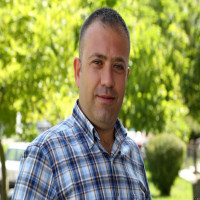
Ferdi Başkurt
Prof. Dr. Ferdi BAŞKURT SÜLEYMAN DEMİREL ÜNİVERSİTESİ
Physiotherapy, Rehabilitation
Default avatar
Assoc. Prof. Dr. Ayşe ÜNAL ALANYA ALAADDİN KEYKUBAT ÜNİVERSİTESİ, SAĞLIK BİLİMLERİ FAKÜLTESİ, FİZYOTERAPİ VE REHABİLİTASYON BÖLÜMÜ
Physiotherapy, Rehabilitation
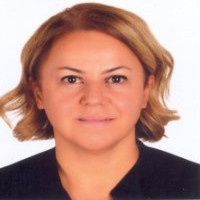
Fatma Ünver
Prof. Dr. Fatma ÜNVER PAMUKKALE ÜNİVERSİTESİ, FİZİK TEDAVİ VE REHABİLİTASYON YÜKSEKOKULU, FİZYOTERAPİ BÖLÜMÜ
Health Sciences, Physical Activity and Health, Physiotherapy
Emre Baskan
Assoc. Prof. Dr. Emre BASKAN Pamukkale Üniversitesi Fizyoterapi ve Rehabilitasyon Fakültesi
Geriatrics and Gerontology, Neurology and Neuromuscular Diseases, Health Sciences, Sports Science and Exercise, Physiotherapy, Rehabilitation
Default avatar
Asst. Prof. Dr. Aziz DENGIZ MUS ALPARSLAN UNIVERSITY
Pain, Physiotherapy, Rehabilitation
Esra Akı
Prof. Dr. Esra AKI HACETTEPE ÜNİVERSİTESİ
Health Sciences, Physiotherapy, Occupational Therapy
Default avatar
Assoc. Prof. Dr. Raziye ŞAVKIN PAMUKKALE ÜNİVERSİTESİ

1989 yılında Denizli’de doğdu. İlk, orta ve lise öğrenimini Denizli’de tamamladı. 2007 yılında Hacettepe Üniversitesi, Fizik Tedavi ve Rehabilitasyon Yüksekokulunda lisans eğitimine başladı. 2009-2010 Bahar döneminde Polonya Varşova Üniversitesinde (Józef Piłsudski University of Physical Education in Warsaw) Erasmus Öğrencisi olarak öğrenim gördü. 13.06.2011 tarihinde Hacettepe Üniversitesi Fizik Tedavi ve Rehabilitasyon Yüksekokulu’ndan mezun oldu. Mezuniyetinin aynı yılında, 2011 yılında Pamukkale Üniversitesi, Sağlık Bilimleri Enstitüsü, Fizik Tedavi ve Rehabilitasyon Anabilim Dalı’nda yüksek lisans eğitimine başladı. 02.01.2012 tarihinde Pamukkale Üniversitesi Fizik Tedavi ve Rehabilitasyon Yüksekokulu’nda Araştırma Görevlisi olarak göreve başladı. 07.07.2014 tarihinde Pilates Eğitiminin Vücut Kompozisyonuna Etkisi adlı tezi ile yüksek lisans eğitimini tamamladı. Yüksek lisans tezi Journal of Sports Medicine and Physical Fitness (SCIE) dergisinde yayınlandı. 21.02.2019 tarihinde Pamukkale Üniversitesi, Sağlık Bilimleri Enstitüsü Fizyoterapi ve Rehabilitasyon Anabilim Dalında Preoperatif Nöromusküler Elektrik Stimülasyonunun Fast-Track Diz Artroplastisi Sonrası Hastaların Quadriceps Kas Kuvvetine ve Fonksiyonel Durumuna Etkisi adlı tezi ile doktora eğitimini tamamladı. Doktora tezi, 2017 yılından itibaren Pamukkale Üniversitesi Hastanesi Ortopedi ve Travmatoloji Anabilim Dalında multidisipliner bir ekiple diz artroplasti cerrahilerinde Fast-Track/Hızlı İyileşme/Enhanged Recovery Protokolünün uygulanmaya başlatılmasında öncü rol oynadı ve tez sonuçları Acta Orthopaedica Belgica (SCIE) dergisinde yayınlandı. 23.02.2021 tarihinde Pamukkale Üniversitesi Fizik Tedavi ve Rehabilitasyon Yüksekokuluna doktoralı öğretim üyesi kadrosuna atandı. 11.08.2022 tarihinde Fizyoterapi ve Rehabilitasyon Bilim alanında Doçent unvanı almaya hak kazandı. Halen Pamukkale Üniversitesi Hastanesi Ortopedik ve Travmatolojik Rehabilitasyon ünitesinde çalışmalarına devam etmekte olup lisans ve yüksek lisans (Fizik Tedavi ve Rehabilitasyon Anabilim dalı ile İş ve Uğraşı Tedavisi Anabilim dallarında) düzeyinde dersler vermektedir. Evli ve iki çocuk annesi olup, İngilizce bilmektedir.

Physiotherapy
Default avatar
Asst. Prof. Dr. Ayça ARACI ALANYA ALAADDİN KEYKUBAT ÜNİVERSİTESİ
Physiotherapy
Default avatar
Prof. Dr. Nazan TUĞAY SANKO UNIVERSITY, FACULTY OF HEALTH SCIENCES, DEPARTMENT OF PHYSICAL THERAPY AND REHABILITATION
Physiotherapy
Default avatar
Asst. Prof. Dr. Hande ŞENOL PAMUKKALE ÜNİVERSİTESİ, TIP FAKÜLTESİ, TEMEL TIP BİLİMLERİ BÖLÜMÜ, BİYOİSTATİSTİK ANABİLİM DALI
Health Sciences
Default avatar
Asst. Prof. Dr. Meryem BUKE VAN YÜZÜNCÜ YIL ÜNİVERSİTESİ
Physical Activity and Health, Physiotherapy, Rehabilitation
Default avatar
Asst. Prof. Dr. Serbay ŞEKERÖZ VAN YÜZÜNCÜ YIL ÜNİVERSİTESİ
Physiotherapy, Rehabilitation
Default avatar
Asst. Prof. Dr. Özden BASKAN İSTANBUL RUMELİ ÜNİVERSİTESİ
Obstetrics and Gynaecology, Physical Medicine and Rehabilitation, Physiotherapy, Podiatry, Rehabilitation
Elif Gur Kabul
Asst. Prof. Dr. Elif GUR KABUL UŞAK ÜNİVERSİTESİ
Pain, Rheumatology and Arthritis, Physiotherapy, Rehabilitation
Pediatric Rheumatology, Rheumatology and Arthritis, Health Sciences, Physiotherapy, Occupational Therapy, Rehabilitation
Default avatar
Prof. Dr. Ali KİTİŞ PAMUKKALE ÜNİVERSİTESİ FİZYOTERAPİ VE REHABİLİTASYON FAKÜLTESİ
Hand Surgery, Social Work, Health Sciences, Physiotherapy, Occupational Therapy, Rehabilitation
Default avatar
Prof. Dr. Ummuhan BAŞ ASLAN PAMUKKALE ÜNİVERSİTESİ
Physiotherapy
Default avatar
Assoc. Prof. Dr. Numan DEMIR HACETTEPE ÜNİVERSİTESİ
Physiotherapy

Editör Kurulu

Emre Baskan
Assoc. Prof. Dr. Emre BASKAN Pamukkale Üniversitesi Fizyoterapi ve Rehabilitasyon Fakültesi
Geriatrics and Gerontology, Neurology and Neuromuscular Diseases, Health Sciences, Sports Science and Exercise, Physiotherapy, Rehabilitation
Default avatar
Prof. Dr. Orçin ATALAY Fizyoterapi ve Rehabilitasyon Fakültesi
Rehabilitation
Fatih Tekin
Assoc. Prof. Dr. Fatih TEKİN Pamukkale Üniversitesi, Fizyoterapi ve Rehabilitasyon Fakültesi
Physiotherapy, Rehabilitation