
Volume
10
,
Issue
1
2026
5
Articles
Publication Type
Research Article
 |
March 30, 2026
|
Page
1-16
|
March 30, 2026
|
Page
1-16
Hybrid Decision Support Model Integrating Decision Trees and AHP for Basketball Player Evaluation
|
March 30, 2026
|
Page
1-16
Research Article
|
March 30, 2026
|
Page
17-27
Therapeutic Recreation: A Bibliometric Analysis with Vosviewer
|
March 30, 2026
|
Page
17-27
Research Article
|
March 30, 2026
|
Page
28-37
Obesity Prevalence, Physical Activity, Screen Exposure and Psychological Well-Being: A Study on Early Adolescents
|
March 30, 2026
|
Page
28-37
Research Article
|
March 30, 2026
|
Page
38-47
The Relationship Between Digital Addiction and Leisure Management: An Example of University Students
|
March 30, 2026
|
Page
38-47
Research Article
|
March 30, 2026
|
Page
48-61
Validity and Reliability Study of The Sports Technology Adaptation Scale
|
March 30, 2026
|
Page
48-61

Prof. Dr.
İrfan YILDIRIM
MERSIN UNIVERSITY, FACULTY OF SPORTS SCIENCE, DEPARTMENT OF RECREATION







Physical Activity and Health, Physical Fitness, Sports Nutrition, Sports and Recreation
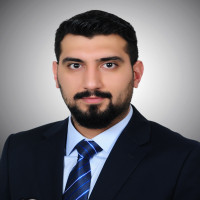
Assoc. Prof. Dr.
İlkay DOĞAN
GAZİANTEP ÜNİVERSİTESİ, TIP FAKÜLTESİ
Biostatistics, Statistical Analysis, Statistical Data Science

Prof. Dr.
Gözde ERSÖZ AY
MARMARA ÜNİVERSİTESİ, SPOR BİLİMLERİ FAKÜLTESİ
Sport and Exercise Psychology, Physical Activity and Health, Sports and Recreation, Exercise and Sports Psychology, Sport and Leisure Management
MÇ
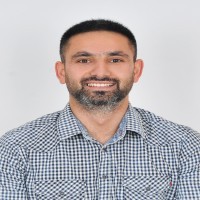
Asst. Prof. Dr.
Erkan GÜVEN
MERSİN ÜNİVERSİTESİ
Sports Training, Exercise Physiology, Physical Activity and Health
Turkish Journal of Sports Science is an open-access interdisciplinary academic periodical publishing high quality, original research and review articles. It encourages new scientific research by sharing innovations, applications and current information in sports sciences with readers and researchers
The journal accepts articles of a high standard on various aspects of the physical education and sport sciences; Physical Education and Sport, Movement and Training Sciences, Exercise Physiology, Sport Anatomy, Biomechanics and Kinesiology, Nutrition in Sport, Sport Philosophy, Sport Sociology, Exercise and Sport Psychology, Sport Health Sciences, Sport Management Sciences, Recreation, Sport Tourism and other interdisciplinary perspectives.
Turkish Journal of Sports Science is a peer-reviewed journal published two times (June, December) a year since 2017. Beginning in 2026, the Turkish Journal of Sports Science will be published three times annually, with issues scheduled for release in March, July, and November.
The Sample Article Template has been updated as of January 1, 2026. All subsequent publications will be published using the updated template.
The language of the journal is Turkish and English.
General Guidelines for Authors
Language of Publication
The publication language of the Türkiye Journal of Sports Sciences (TUSBİD) is Turkish and English.
Publication Frequency
As of 2026, the journal will be published three times a year, in March, July, and November.
Originality and Simultaneous Submission
Manuscripts submitted to the journal must not have been previously published, accepted for publication, or simultaneously submitted to another journal.
Ethical Principles and Author Responsibility
Authors confirm that their manuscripts have been conducted in accordance with the Declaration of Helsinki, COPE guidelines, and relevant national and international ethical standards for research involving humans and animals. All ethical and legal responsibility rests with the author(s).
Ethics Committee Approval
For studies involving humans or animals, approval from an appropriate ethics committee is mandatory. The name of the ethics committee, approval number, and date must be clearly stated in the manuscript.
Studies Presented at Scientific Meetings
If a manuscript is derived from a study previously presented as an oral presentation, poster, or abstract at a scientific congress or meeting, this information must be clearly indicated on the title page.
Funding and Thesis Information
If the study was supported by any institution or organization, or if it was derived from a doctoral or master’s thesis, this information must be stated on the title page.
Authorship and Author Order
After a manuscript has been submitted for publication, no author names may be removed or added, and the order of authors may not be changed without the written consent of all authors.
Plagiarism Screening
All manuscripts submitted to the journal must be accompanied by a plagiarism similarity report (e.g., iThenticate) uploaded as a supplementary file. Excluding references, quotations, and standard methodological expressions, manuscripts are expected to have an overall similarity score below 15% and a single-source similarity score below 3%.
Double-Blind Peer Review
To ensure a proper double-blind peer review process, identifying information such as author names and institutional affiliations must not appear in the main text. Such information should be provided only on the title page.
Manuscript Template and Formatting Compliance
The journal’s manuscript template was updated in 2026. All manuscripts published from the March 2026 issue onwards must be prepared in accordance with the updated template. Manuscripts that do not comply with the journal’s formatting and template requirements will not be considered for review.
Files to be Submitted Along with the Article
1. Title Page
2. The Copyright Agreement Form
3. Plagiarism Report
Publication Ethics
Turkish Journal of Sports Science is an open-access interdisciplinary academic periodical publishing high quality, original research and review articles. It encourages new scientific research by sharing innovations, applications and current information in sports sciences with readers and researchers. Articles submitted to the Turkish Journal of Sports Sciences must not have been previously published elsewhere or sent for publication. Studies submitted to the Turkish Journal of Sports Science must comply with ethical and scientific standards.The scientific, ethical, and legal responsibilities of the published articles belong to the author(s) and do not reflect the views of the editor, editorial board, and editorial board members. Turkish Journal of Sports Science, has adopted the International Ethical Publishing Principles published by the Committee on Publication Ethics (COPE), Directory of Open Access Journals (DOAJ), Open Access Scholarly Publishers Association (OASPA) and International Council of Medical Journal Editors (ICMJE). In addition, the Turkish Journal of Sports Science applies the publication principles determined by DergiPark under the roof of TÜBİTAK ULAKBİM. The guidelines prepared in accordance with these principles are presented below:
Ethical Responsibilities of the Publisher
Turkish Journal of Sports Science is a journal published in the field of Sport Sciences with the management of publication board or editorial board since 2017. The journal advocates for the publication of scientific studies in adherence to ethical principles and operates on a non-profit basis.
• The publisher must use its communication power without any individual interest and correctly guide its target audience.
• It protects the ownership and copyright of every work published within its organisation and undertakes the task of archiving every published product.
• The publisher provides open, electronic and free access to the journal on the journal's web page.
• Publisher guarantees editorial independence, respect the peer review process and disclaims being involved in editorial decisions.
• Publisher guarantees to publish the volume and issues on a timely basis.
• The publisher guarantees to maintain the integrity of the scientific work.
• Publisher conducts the relationship rules between publisher, editors and third-parties in any contract, protects intellectual property and copyright, respects privacy and supports editorial independence.
• People should not hesitate to contact the publisher when encountering an unethical situation.
The Responsibilities of Editorial Board of Turkish Journal of Sports Science
The Editorial Board of the Turkish Journal of Sports Science is responsible for every article submitted to the Journal and even all processes after its publication, the Editorial Board knows this responsibility. This responsibility is based solely on the public interest in decisions on journal-related matters; it requires making decisions independently without considering personal benefits. The relationship between the Publisher and the Editorial Board is based on the principle of independence, and all decisions made by the editors are independent of the publisher and other persons and organizations.
• Editorial Board is strives to continuously improve the journal and increase its publication quality.
• Turkish Journal of Sports Science editors are responsible for implementing and carrying out the publication policies of the journal.
• Applying double-blind peer review method and evaluation process policies adopted by the journal, keep the identity information of the reviewers confidential, providing with objective and timely evaluation for each article.
• Turkish Journal of Sports Science editors are responsible for assigning the manuscripts to reviewers who have expertise in the related research fields.
• Turkish Journal of Sports Science editors carry out the editorial review of the submitted manuscript entirely based on its scientific merit regardless of the author's gender, age, sexual orientation, race, citizenship, ethnic background, religion, political view, and institutional affiliation.
• Turkish Journal of Sports Science editors, editorial board members, and editors' assistants may not expose any information publicly about the submitted manuscript to anyone except the corresponding author and the publisher.
• Turkish Journal of Sports Science editors are responsible for the peer-review process of the manuscripts and make the last decision on which manuscripts will be published based on the reviewers’ and editorial board members’ comments.
• The Editorial Board protects the copyright of the authors of the articles published in the Turkish Journal of Sports Science.
• The Editor and Editorial Board should pay attention to the protection of human and animal rights in the articles and reject the article in the absence of ethics committee approval.
• Turkish Journal of Sports Science editors are responsible for tracking reviewers' and editorial misconduct. When ethical complaints have been presented concerning the submitted or published manuscripts, Turkish Journal of Sports Science editors should take measures in line with the journal's policies.
Responsibilities of Referees
Turkish Journal of Sports Science applies the principle of two-way blind reviewing in the article evaluation process. The reviewers cannot communicate directly with the authors, and the manuscript evaluation forms and correction requests are sent to the author(s) through the editor and/or editorial board via the Dergipark management system. Ethical responsibilities of reviewers:
• Reviewers should only accept manuscripts related to their area of expertise.
• They should evaluate all manuscripts fairly, based on their content, without regard to the author's gender, race, ethnicity, religion, citizenship or political values.
• Reviewers should refuse to evaluate the manuscript and inform the editor if there is a conflict of interest/conflict of interest with the authors.
• Referees should use academic and constructive language while evaluating the manuscripts and should avoid insulting personal comments.
• The referees should send their opinions on the articles they accept for evaluation to the editor and editorial board within the deadline given to them.
• Keep all information about the manuscript confidential.
Turkish Journal of Sports Science reviewers can state the following four decisions for the submitted manuscripts:
• Accept for Publication
• Revisions Required (Accept with minor revisions: Revisions are checked by the editors)
• Resubmit for Review (Major revisions: It will be reviewed for the second round)
• Reject (It is not recommended for publishing)
Based on the reviewers' decisions third or fourth reviewer can be assigned. In such a case, the same process of review will be performed.
Ethical Principles for Authors
Authors have an important role in the academic publishing process and must ensure the accuracy and integrity of scientific information by strictly following ethical guidelines and editorial policies. Authors' responsibilities include:
• Authors should guarantee that their work is their own and original. It should not have been previously published elsewhere and should be submitted only to Turkish Journal of Sports Science.
• Authors should submit their manuscripts only to one journal at a time. Authors should be aware that submitting the same article to more than one journal at the same time creates unethical publishing behaviour and it is unacceptable.
• Authors must confirm that the Publisher retains all the copyrights unconditionally and indefinitely to distribute the published manuscripts.
• Material taken from other sources (including their own published writings) should be clearly indicated and appropriate permissions should be obtained.
• Author(s) must refer to the sources that they use during the production of the article appropriately in the light of ethical principles.
• Authors must ensure that their work does not violate the rights of others, especially privacy and intellectual property rights.
• Authors should ensure that the data they present are accurate and not manipulated.
• Authors should clearly indicate any actual or potential conflicts of interest when submitting their manuscript.
• Author(s) must provide information regarding ethics committee approval of their articles which require quantitative or qualitative data collection such as experiment, survey, scale, interview, observation, focus group study with the name of the ethics committee name, decision date and issue in the first and last pages and in the method part. They must also submit an ethics committee approval document to the system.
• If the research is on humans and animals, it must be pointed out that the research was conducted in accordance with the international declarations, guides etc. (Helsinki Declaration).
• Authors should notify the editor immediately when they become aware of errors or inaccuracies in their work, whether or not it has been published.
• In case information about the article or raw data is requested from the authors during the evaluation process, the requested information must be provided by the author(s) to the editor.
• Authors must accurately state their authorship status of the manuscript. The individuals who does not contribute to the article must not be included in the article as author(s); changing the author order of the article or adding new authors or excluding an author must not be offered after submitting the article. During submission, the names of the authors must be uploaded to the system by the correspondent author. The Journal Editor Committee do not make any changes on the system.
RESEARCH ETHICS
In the scope of the protection of human and animal rights, the Turkish Journal of Sports Science adopts the exact convenience principle of national and international ethical rules and principles. The authors are responsible for the compliance of the manuscripts with the ethical rules.
• The research team and participants should be fully informed about the aim, methods, possible uses and requirements of the research and risks of participation in research.
• Research participants should participate in the research voluntarily, not under any coercion.
• The research team and participants should be fully informed about the aim, methods, possible uses and requirements of the research and risks of participation in research.
• Any possible harm to participants must be avoided. The research should be planned in such a way that the participants are not at risk.
• The independence of research must be clear; and any conflict of interest or must be disclosed.
• In experimental studies with human subjects, written informed consent of the participants who decide to participate in the research must be obtained. In the case of children and those under wardship or with confirmed insanity, legal custodian’s assent must be obtained.
• If the study is to be carried out in any institution or organization, approval must be obtained from this institution or organization.
• In studies with human subject, it must be noted in the method’s section of the manuscript that the informed consent of the participants and ethics committee approval from the institution where the study has been conducted have been obtained.
In the articles evaluated in Turkish Journal of Sports Science Ethics Committee Approval is needed for the following items:
• Research conducted in qualitative or quantitative approaches which require data collection from the participants using survey, interview, focus group study, observation, and/or experiment techniques,
• Using humans or animals (including material/data) with experimental or other scientific aims,
• Clinical research on humans,
• Research on animals (Experimental animals: Mice, Rats etc...)
• Retrospective studies in accordance with the law on the protection of personal data.
Other Actions Contrary to Scientific Research and Publication Ethics
Higher Education Institutions Scientific Research and Publication Ethics Directive (Click here to access the Directive)
Acts against scientific research and publication ethics are as follows:
Plagiarism: Presenting the original ideas, methods, data or works of others as one's own work in whole or in part without citation in accordance with scientific rules,
• Forgery: Using non-existent or falsified data in scientific research,
• Distortion: Falsifying research records or data obtained, showing devices or materials not used in the research as if they were used, falsifying or shaping the results of the research in line with the interests of the persons and organisations receiving support,
• Repeat publication: Presenting duplicate publications as separate publications in academic appointments and promotions,
• Slicing: Dividing the results of a research into parts in a way that disrupts the integrity of the research and inappropriately and publishing them in more than one number and presenting these publications as separate publications in academic appointments and promotions,
• Unfair authorship: Including people who have not made active contributions among the authors or not including people who have made active contributions, changing the order of authors in an unjustified and inappropriate manner, removing the names of those who have made active contributions from the work in subsequent editions, using his/her influence to have his/her name included among the authors even though he/she has not made active contributions,
Research Management Plan And Involving Vulnerable Groups
Vulnerable groups research must be conducted in accordance with the WMA Helsinki Declaration, Articles 19 and 20, and approved by an ethics committee decision by the legal authority.
Protective measures: In studies involving vulnerable groups, special safeguards should be put in place to protect the rights of participants. These measures should aim to ensure the physical and emotional well-being of participants.
Procedure for consent: Consent must be obtained from participants in a manner appropriate to the nature of the research and the participant’s situation. In particular, consent must be obtained from parents, legal guardians or an appropriately authorized person in the case of underage participants or persons with limited abilities.
Informed consent: Participants should be given full informed consent that includes information about the purpose of the research, the procedures, the potential risks and benefits. Participants should have full access to all information before participating in the research.
Confidentiality: The confidentiality and privacy of participants from vulnerable groups must be carefully protected. Participants’ personal data must be treated confidentially and used only in the context of the research.
Duty to report: Researchers are obliged to report any suspicion of abuse, exploitation or neglect to the competent authorities. This reporting is essential to ensure the safety and welfare of participants.
Ethics committee approvals: For research involving vulnerable groups, you must obtain the necessary approvals from ethics review committees. These approvals ensure that the research meets ethical standards and protects the rights of participants.
Scientific Quality: The scientific quality of research conducted with vulnerable groups must be in accordance with the standards of the Helsinki Declaration, ICH, and the Human Rights and Biomedicine Convention. This means that the research must be well-designed, the research protocol must be properly implemented, and the methods for compiling and analyzing the data must be valid.
Social Benefit: The fundamental criterion is that the interests of the volunteers who participate in the research should take precedence over the social and scientific benefits. It is expected that research conducted with vulnerable groups will provide social benefits.
Plagiarism Policy
The submitted work must have a similarity rate of 15% or less. Similarity report is obtained from “ http://www.ithenticate.com ”. If the study is produced from a "Thesis (Master/Ph.D."), the author must be specified in the Title Page Form. In addition, the extended version of the "presentations presented in congresses" should be specified in the Title Page form when sending. Block similarity will not be accepted within the text of the article.
Copyright Policy
All publishing rights of the works accepted for publication belong to the institution publishing the journal. However, the works published in the journal can be used, copied, reproduced and adapted, provided that they are non-commercial, properly cited and comply with the licensing terms mentioned above. The opinions and suggestions in the published studies are the sole responsibility of the authors. No royalties are paid for the articles published in the journal. The author(s) agrees that:
• The manuscript submitted is his/her/their own original work and has not been plagiarized from any prior work,
• All authors participated in the work in a substantive way and are prepared to take public responsibility for the work,
• All authors have seen and approved the manuscript as submitted,
• The manuscript has not been published and is not being submitted or considered for publication elsewhere,
• The text, illustrations, and any other materials included in the manuscript do not infringe upon any existing copyright or other rights of anyone
This Copyright Agreement Form must be signed/ratified by all authors.
Conflicts of Interest
• Authors should declare any (institutional, financial, personal and academic) conflict of interest at the time of submission.
• Referees should inform the journal editor and withdraw from the article process in case of any (institutional, financial, personal and academic) conflict of interest that prevents them from evaluating the article.
• In order to prevent conflicts of interest in the article evaluation process, our journal pays attention to the fact that referees and authors do not work in the same institution.
• In order to prevent conflicts of interest in the evaluation process of the articles sent to our journal by our board members (Editor, Editorial board member, etc.), the roles of the authors in our journal are suspended until the process of the relevant article is completed and they are not allowed to see the process.
• The editors of our journal do not take part in decisions regarding articles written by themselves or their family members.
Complaints & Appeals Policy
Editors must examine the complaints from authors, reviewers or readers and respond to them in an explanatory and enlightening manner. Complaints about any published material will only be accepted within 2 months of the date of first publication. In case of any complaint and/or appeal, authors are required to send their complaints to the editorial office via tsbdergisi@gmail.com e-mail address together with their justifications.
Our journal is an open access journal, no fee is charged for the journal. No processing or submission fee is charged under any name for articles submitted to the journal or accepted for publication. Our journal does not accept sponsorship and advertisement in accordance with its publication policies. All expenses of our journal are covered by the publisher.








Scientific Publication Coordinator
İY
Prof. Dr.
İrfan YILDIRIM
MERSIN UNIVERSITY, FACULTY OF SPORTS SCIENCE, DEPARTMENT OF RECREATION
Physical Activity and Health, Physical Fitness, Sports Nutrition, Sports and Recreation
Editor-in-Chief
Prof. Dr.
İrfan YILDIRIM
MERSIN UNIVERSITY, FACULTY OF SPORTS SCIENCE, DEPARTMENT OF RECREATION
Physical Activity and Health, Physical Fitness, Sports Nutrition, Sports and Recreation
Associate Editors
ND
Assoc. Prof. Dr.
Nevzat DEMIRCI
Mersin Üniversitesi Spor Bilimleri Fakültesi
Physical Training, Sports and Physical Activity For Disabled
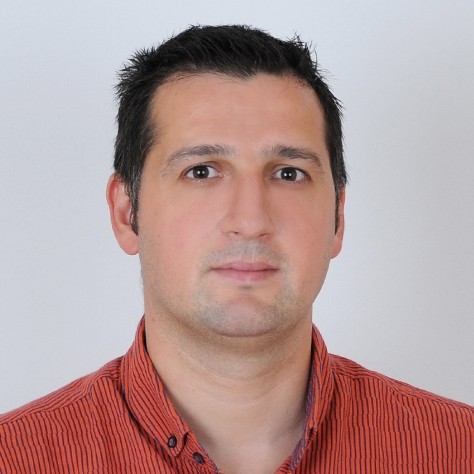
Assoc. Prof. Dr.
Yasin ERSÖZ
Mersin Üniversitesi
Sports Science and Exercise, Sports Training, Exercise Physiology, Motor Control
Editorial Board
IZ

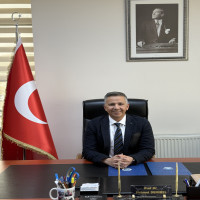
Prof. Dr.
Mehmet DEMIREL
Necmettin Erbakan Üniversitesi
Physical Training and Sports Pedagogy, Sports and Recreation, Tourism
HS
KE
Dr.
Karl Eromosele EIMUHI
Department of Human Kinetics & Sports Science, University of Benin
Sports Training, Kinantropometri
LB

Assoc. Prof. Dr.
Mustafa Can KOÇ
İstanbul Gelişim Üniversitesi, Spor Bilimleri Fakültesi
Sports and Recreation
AD
Dr.
Amıt DHAR
ICFAI University Tripura
Physical Training and Sports, Physical Activity and Health, Sports Nutrition
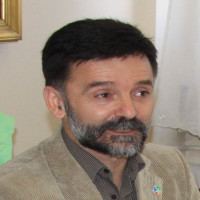
Prof. Dr.
Dusan MITIC
University of Belgrade Faculty of Sport and Physical Education
Sports and Recreation
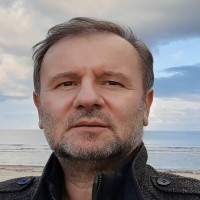
Prof. Dr.
Orhan BAS
SAMSUN UNIVERSITY, SCHOOL OF MEDICINE
Anatomy, Kinantropometri, Medical Education
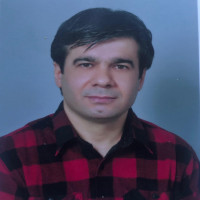
Prof. Dr.
Nurtekin ERKMEN
FACULTY OF SPORT SCIENCES, SELCUK UNIVERSITY, TÜRKİYE
Sports Science and Exercise, Sports Training, Exercise Physiology, Motor Control
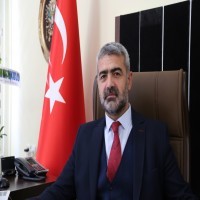
Prof. Dr.
Serkan HAZAR
SIVAS CUMHURIYET UNIVERSITY
Sports Training, Exercise Physiology, Physical Activity and Health, Physical Fitness, Biomechanics in Sports Science, Sports Science and Exercise (Other)
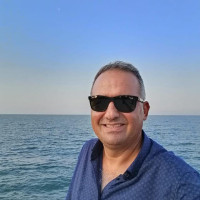
GG
Prof. Dr.
Gianpiero GRECO
University of Bari
Sport and Exercise Nutrition, Sports Medicine, Development of Physical Education and Education Programs, Sports Law, Sport and Exercise Psychology, Physical Training and Sports Pedagogy, Physical Training, Sports and Physical Activity For Disabled, Physical Activity and Health, Physical Fitness, Sports Science and Exercise (Other)
OA
Dr.
Oluwabusayo Odunayo AKINBIOLA
Obafemi Awolowo University
Sports Medicine, Exercise Physiology, Physical Activity and Health, Kinantropometri, Biomechanics in Sports Science
ML
Prof. Dr.
Gözde ERSÖZ AY
MARMARA ÜNİVERSİTESİ, SPOR BİLİMLERİ FAKÜLTESİ
Sport and Exercise Psychology, Physical Activity and Health, Sports and Recreation, Exercise and Sports Psychology, Sport and Leisure Management
Language Editors
MÇ
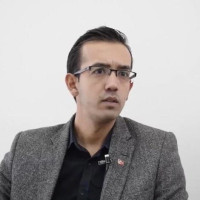
Statistical Editor
Assoc. Prof. Dr.
İlkay DOĞAN
GAZİANTEP ÜNİVERSİTESİ, TIP FAKÜLTESİ
Biostatistics, Statistical Analysis, Statistical Data Science
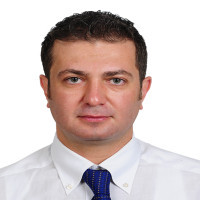
Prof. Dr.
Sinan SARAÇLI
BALIKESİR ÜNİVERSİTESİ, TIP FAKÜLTESİ
Deep Learning, Biostatistics, Statistical Analysis
Scientific Committee
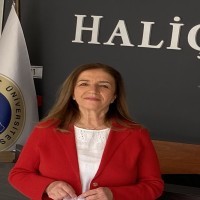
Prof. Dr.
Aysel PEHLIVAN
HALIC UNIVERSITY, SCHOOL OF PHYSICAL EDUCATION AND SPORTS
Sport and Exercise Nutrition, Sports Science and Exercise, Physical Fitness, Sports Nutrition
Prof. Dr.
Khaled EBADA
Faculty of Physical Education, Port Said University, Port Said, Egypt
Sports Science and Exercise, Sports Training
Assoc. Prof. Dr.
Wonyoung KIM
Wichita State University
Sociology of Sports, Sports and Recreation, Sport and Leisure Management
EA
Assoc. Prof. Dr.
Elif Nilay ADA
MERSİN ÜNİVERSİTESİ
Education, Development of Physical Education and Education Programs, Physical Training and Sports, Physical Training and Sports Pedagogy
BK
Asst. Prof. Dr.
Berrak KOCAMAN
Uşak Üniversitesi
Curriculum and Instration , Curriculum Development in Education, Curriculum Evaluation in Education, Program Design, Learning Theories, Curriculum Design Instructional Theories, Psychological Foundations of Education
AB

Prof. Dr.
Funda KOÇAK
ANKARA ÜNİVERSİTESİ, SPOR BİLİMLERİ FAKÜLTESİ, SPOR YÖNETİCİLİĞİ BÖLÜMÜ
Sociology of Sports, Sports Activity Management, Sports and Recreation
Prof. Dr.
İhsan SARI
SAKARYA UYGULAMALI BİLİMLER ÜNİVERSİTESİ, SPOR BİLİMLERİ FAKÜLTESİ, BEDEN EĞİTİMİ VE SPOR BÖLÜMÜ
Sport and Exercise Psychology, Exercise and Sports Psychology
YS
IT
Prof. Dr.
Ilhan TOKSOZ
Trakya Üniversitesi, Edirne , Türkiye
Sport and Exercise Psychology, Sports Science and Exercise, Exercise and Sports Psychology
Prof. Dr.
Mutlu TÜRKMEN
Bayburt Üniversitesi
Education, Sociology, Transportation and Traffic, Sports Science and Exercise, Sports and Recreation, Sport and Leisure Management, Religion, Society and Culture Studies, Tafsir
Prof. Dr.
Kerem Yıldırım ŞIMŞEK
Eskişehir Teknik Üniversitesi
Sports and Recreation, Recreation Management

Prof. Dr.
Hüseyin ÜNLÜ
Aksaray Üniversitesi
Sport and Exercise Psychology, Sports Science and Exercise, Physical Training and Sports Pedagogy, Physical Activity and Health, Exercise and Sports Psychology
Prof. Dr.
Özkan IŞIK
BALIKESİR ÜNİVERSİTESİ,SPOR BİLİMLERİ FAKÜLTESİ
Sports Medicine, Sports Science and Exercise, Sports Training, Physical Activity and Health

Prof. Dr.
Daniel CHAGAS
Institute of Physical Education and Sports, Rio de Janeiro State University
Development of Physical Education and Education Programs, Motor Control
AB
Prof. Dr.
Alper BAŞER
AFYON KOCATEPE ÜNİVERSİTESİ, FEN-EDEBİYAT FAKÜLTESİ
Early Modern Balkan History, Early Modern Ottoman History
IZ
Assoc. Prof. Dr.
Cenab TÜRKERI
Cukurova University, Institute of Medical Sciences
Sports Science and Exercise, Sports Training, Physical Activity and Health, Physical Fitness, Biomechanics in Sports Science
ND
Prof. Dr.
Nizami DURAN
Hatay Mustafa Kemal Üniversitesi
Public Health Nutrition, Rural Clinical Health, Medical Microbiology, Health Sciences Education and Development of Programs: Medicine, Nursing and Health Sciences
SM
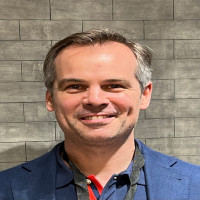
Assoc. Prof. Dr.
Jerónimo GARCÍA-FERNÁNDEZ
Sevilla University
Physical Fitness, Customer Relationship Management, Sport and Leisure Management
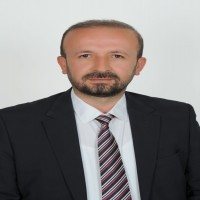
Prof. Dr.
Baki YILMAZ
Ankara Yıldırım Beyazıt Üniversitesi Spor Bilimleri Fakültesi Spor Yöneticiliği
Sports Science and Exercise
LN
Editing
Asst. Prof. Dr.
Erkan GÜVEN
MERSİN ÜNİVERSİTESİ
Sports Training, Exercise Physiology, Physical Activity and Health
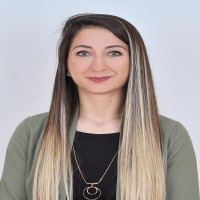
Res. Assist. Dr.
Gizem AKARSU TAŞMAN
MERSIN UNIVERSITY, SCHOOL OF PHYSICAL EDUCATION AND SPORTS
Sports Training, Exercise Physiology, Physical Activity and Health, Sports Nutrition