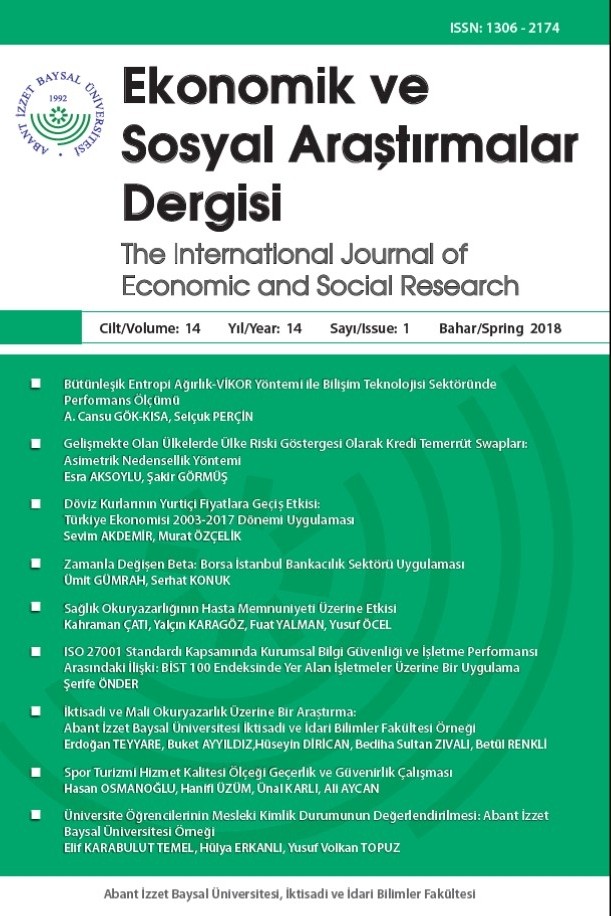
Araştırma Makalesi
BibTex RIS Kaynak Göster

Örgütsel Körlük Algısının Örgütsel Sessizlik Üzerindeki Etkisi

Yıl 2025, Cilt: 21 Sayı: 2, 497 - 507, 29.12.2025

Öz

Bu çalışama da amaç örgütsel körlük algısının örgütsel sessizlik üzerindeki etkisini ortaya koymak ve çeşitli demografik değişkenlere göre örgütsel körlük ve sessizlik algılarına yönelik farklılıkları ortaya koymaktır. Çalışmanın örneklemini 456 kişi oluşturmaktadır. Çalışma veri toplama araçları olarak; demografik bilgi formu, örgütsel körlük ve örgütsel sessizlik ölçekleri kullanılmıştır. Verilerin analiz edilmesinde t testi, Anova testi, korelasyon analizi ve çoklu regresyon analizi kullanılmıştır. Verilerin analiz edilmesinde SPSS paket programı kullanılmıştır. Kamu çalışanlarının örgütsel sessizlik algıları özel sektöre, bekar bireylerin evli bireylere göre örgütsel körlük düzeyleri daha yüksek olduğu tespit edilmiştir. Ayrıca geliri iyi olan bireylere geliri düşük bireylere göre daha fazla örgütsel sessizlik düzeyine sahip olduğu görülmüştür. Örgütsel körlük algısı örgütsel sessizlik eğiliminin %9’unu açıkladığı bulgulanmıştır. Çalışma da örgütsel körlük ve sessizlik algısının çeşitli demografik değişkenlere göre farklılık arz ettiği sonucuna ulaşılmıştır. En önemli sonuç ise örgütsel körlüğün örgütsel sessizlik üzerinde önemli bir belirleyici olmasıdır.

Kaynakça

  • Akçin, K., Erat, S., Alniaçik, Ü., Çiftçioğlu, A. B. (2017). Effect of perceived organizational support on organizational silence and task performance: A study on academicians. Journal of Global Strategic Management, 11(1), 35-43.
  • Alvesson, M., Spicer, A. (2012). A Stupidity‐Based theory of organizations. Journal of management studies, 49(7), 1194-1220.
  • Bastug, G., Pala, A., Yilmaz, T., Duyan, M., Gunel, I. (2016). Organizational Silence in Sports Employees. Journal of Education and Learning, 5(4), 126-132.
  • Brinsfield, C. T. (2013). Employee silence motives: Investigation of dimensionality and development of measures. Journal of Organizational Behavior, 34(5), 671-697.
  • Budak, O., Filiz, M. (2023). Sağlık bölümlerinde okuyan öğrencilerin karanlık üçlü kişilik özellikleri ile sağlık farkındalık düzeyi arasındaki ilişkinin değerlendirilmesi. Sinop Üniversitesi Sosyal Bilimler Dergisi, 7(2), 1271-1300 . DOI: 10.30561/sinopusd.1253090
  • Cetin, T. (2014). Organizational justice as a predictor of organizational silence. Educational Research and Reviews, 9(21), 1190-1202.
  • Cohen, L., Lawrence, M., Keith, M. (2000). Research Methods in Education. 5th ed. London: Routledge Falmer.
  • Çavuşoğlu, S., Köse Tuncer, S. (2019). Örgütsel sessizlik ölçeği’nin Türkçeye uyarlanması. Abant İzzet Baysal Üniversitesi Sosyal Bilimler Enstitüsü Dergisi, 19(2), 365-387.
  • Dyne, L. V., Ang, S., Botero, I.C. (2003). Conceptualizing employee silence and employee voice as multidimensional constructs. Journal Of Management Studies, 40(6), 1359-1392.
  • El Abdou, R., A Hassan, H., M Badran, F. (2023). Organizational silence as perceived by Staff Nurses and its relation to their self-efficacy. Egyptian Journal of Health Care, 14(1), 656-669.
  • Gambarotto, F., Cammozzo, A. (2010). Dreams of silence: Employee voice and innovation in a public sector community of practice. Innovation, 12(2), 166-179.
  • Gürbüz, S., Şahin, F. (2014). Sosyal bilimlerde araştırma yöntemleri. Ankara: Seçkin Yayıncılık, 271.
  • Jalonen, H. (2023). Ignorance in organisations–a systematic literature review. Management Review Quarterly, 1-42.
  • Jesevičiūtė-Ufartienė, L., Brusokaitė, G., Widelska, U. (2020). Relationship between organisational silence and employee demographic characteristics: the case of Lithuanian teachers. Engineering Management in Production and Services, 12(3), 18-27. doi: 10.2478/emj-2020-0016
  • Martin, A. E., Phillips, K. W. (2017). What “blindness” to gender differences helps women see and do: Implications for confidence, agency, and action in male-dominated environments. Organizational Behavior and Human Decision Processes, 142, 28-44.
  • Morrison, E. W. (2014). Employee voice and silence. Annu. Rev. Organ. Psychol. Organ. Behav., 1(1), 173-197.
  • Morrison, E. W., Milliken, F. J. (2000). Organizational Silence: A Barrier to Change and Development in a Pluralistic World. The Academy of Management Review, 25(4), 706–725. https://doi.org/10.2307/259200
  • Seymen, O. A., Kılıç, T., Kinter, O. (2016). Örgütsel körlüğün ayrıntılı kavramsal analizi ve ölçümü: geliştirilen bir ölçek yardımıyla değerlendirme. Eurasian Social Sciences Journal, 1, 212-222.
  • Shojaie, S., Matin, H.Z., Barani, G. (2011). Analyzing the infrastructures of organizational silence and ways to get rid of it. Procedia-Social and Behavioral Sciences, 30, 1731-1735.
  • Strebel, P. (1996). Why do employees resist change?. Harvard business review, 74(3), 86.
  • Sun, Y., Xia, H. (2018). Research on perceptions of organizational politics and its influence on employee silence. Open Journal of Business and Management, 6(2), 250-264.
  • Tabachnick, B.G., Fidell L.S. (2001). Using Multivariate Statististics. Allyn and Bacon A Pearson Education Company Boston, U.S.A., 966 pp.
  • Dallı, T.H. Sezgin, F. (2022). Predicting teacher organizational silence: The predictive effects of locus of control, selfconfidence and perceived organizational support. Research in Educational Administration Leadership, 7(1), 39-79.
  • Vakola, M., Bouradas, D. (2005). Antecedents and consequences of organisational silence: an empirical investigation. Employee relations, 27(5), 441-458.
  • Yavuz, M. (2010). The effects of teachers' perception of organizational justice and culture on organizational commitment. African Journal of Business Management, 4(5), 695.
  • Yildiz, E. (2013). Enigma of silence in organizations: what happens to whom and why?. Beykent Üniversitesi Sosyal Bilimler Dergisi, 6(2), 30-44.

The Impact of Organizational Blindness Perception on Organizational Silence

Yıl 2025, Cilt: 21 Sayı: 2, 497 - 507, 29.12.2025

Öz

This study aims to elucidate the influence of organizational blindness perception on organizational silence and reveal variations in organizational blindness and silence perceptions based on various demographic variables. The study sample comprises 456 participants. Data collection instruments include a demographic information form, organizational blindness, and organizational silence scales. Data were analyzed using t-tests, ANOVA, correlation analysis, and multiple regression analysis with the SPSS software package. It was observed that the organizational silence perceptions of public sector employees were higher than those in the private sector, and the levels of organizational blindness were higher for unmarried individuals compared to married individuals. Additionally, individuals with higher income demonstrated higher levels of organizational silence than those with lower income. The perception of organizational blindness explained 9% of the variance in organizational silence tendencies. The study concludes that organizational blindness and silence perceptions vary based on various demographic variables. Importantly, organizational blindness emerges as a significant determinant of organizational silence.

Kaynakça

  • Akçin, K., Erat, S., Alniaçik, Ü., Çiftçioğlu, A. B. (2017). Effect of perceived organizational support on organizational silence and task performance: A study on academicians. Journal of Global Strategic Management, 11(1), 35-43.
  • Alvesson, M., Spicer, A. (2012). A Stupidity‐Based theory of organizations. Journal of management studies, 49(7), 1194-1220.
  • Bastug, G., Pala, A., Yilmaz, T., Duyan, M., Gunel, I. (2016). Organizational Silence in Sports Employees. Journal of Education and Learning, 5(4), 126-132.
  • Brinsfield, C. T. (2013). Employee silence motives: Investigation of dimensionality and development of measures. Journal of Organizational Behavior, 34(5), 671-697.
  • Budak, O., Filiz, M. (2023). Sağlık bölümlerinde okuyan öğrencilerin karanlık üçlü kişilik özellikleri ile sağlık farkındalık düzeyi arasındaki ilişkinin değerlendirilmesi. Sinop Üniversitesi Sosyal Bilimler Dergisi, 7(2), 1271-1300 . DOI: 10.30561/sinopusd.1253090
  • Cetin, T. (2014). Organizational justice as a predictor of organizational silence. Educational Research and Reviews, 9(21), 1190-1202.
  • Cohen, L., Lawrence, M., Keith, M. (2000). Research Methods in Education. 5th ed. London: Routledge Falmer.
  • Çavuşoğlu, S., Köse Tuncer, S. (2019). Örgütsel sessizlik ölçeği’nin Türkçeye uyarlanması. Abant İzzet Baysal Üniversitesi Sosyal Bilimler Enstitüsü Dergisi, 19(2), 365-387.
  • Dyne, L. V., Ang, S., Botero, I.C. (2003). Conceptualizing employee silence and employee voice as multidimensional constructs. Journal Of Management Studies, 40(6), 1359-1392.
  • El Abdou, R., A Hassan, H., M Badran, F. (2023). Organizational silence as perceived by Staff Nurses and its relation to their self-efficacy. Egyptian Journal of Health Care, 14(1), 656-669.
  • Gambarotto, F., Cammozzo, A. (2010). Dreams of silence: Employee voice and innovation in a public sector community of practice. Innovation, 12(2), 166-179.
  • Gürbüz, S., Şahin, F. (2014). Sosyal bilimlerde araştırma yöntemleri. Ankara: Seçkin Yayıncılık, 271.
  • Jalonen, H. (2023). Ignorance in organisations–a systematic literature review. Management Review Quarterly, 1-42.
  • Jesevičiūtė-Ufartienė, L., Brusokaitė, G., Widelska, U. (2020). Relationship between organisational silence and employee demographic characteristics: the case of Lithuanian teachers. Engineering Management in Production and Services, 12(3), 18-27. doi: 10.2478/emj-2020-0016
  • Martin, A. E., Phillips, K. W. (2017). What “blindness” to gender differences helps women see and do: Implications for confidence, agency, and action in male-dominated environments. Organizational Behavior and Human Decision Processes, 142, 28-44.
  • Morrison, E. W. (2014). Employee voice and silence. Annu. Rev. Organ. Psychol. Organ. Behav., 1(1), 173-197.
  • Morrison, E. W., Milliken, F. J. (2000). Organizational Silence: A Barrier to Change and Development in a Pluralistic World. The Academy of Management Review, 25(4), 706–725. https://doi.org/10.2307/259200
  • Seymen, O. A., Kılıç, T., Kinter, O. (2016). Örgütsel körlüğün ayrıntılı kavramsal analizi ve ölçümü: geliştirilen bir ölçek yardımıyla değerlendirme. Eurasian Social Sciences Journal, 1, 212-222.
  • Shojaie, S., Matin, H.Z., Barani, G. (2011). Analyzing the infrastructures of organizational silence and ways to get rid of it. Procedia-Social and Behavioral Sciences, 30, 1731-1735.
  • Strebel, P. (1996). Why do employees resist change?. Harvard business review, 74(3), 86.
  • Sun, Y., Xia, H. (2018). Research on perceptions of organizational politics and its influence on employee silence. Open Journal of Business and Management, 6(2), 250-264.
  • Tabachnick, B.G., Fidell L.S. (2001). Using Multivariate Statististics. Allyn and Bacon A Pearson Education Company Boston, U.S.A., 966 pp.
  • Dallı, T.H. Sezgin, F. (2022). Predicting teacher organizational silence: The predictive effects of locus of control, selfconfidence and perceived organizational support. Research in Educational Administration Leadership, 7(1), 39-79.
  • Vakola, M., Bouradas, D. (2005). Antecedents and consequences of organisational silence: an empirical investigation. Employee relations, 27(5), 441-458.
  • Yavuz, M. (2010). The effects of teachers' perception of organizational justice and culture on organizational commitment. African Journal of Business Management, 4(5), 695.
  • Yildiz, E. (2013). Enigma of silence in organizations: what happens to whom and why?. Beykent Üniversitesi Sosyal Bilimler Dergisi, 6(2), 30-44.
Toplam 26 adet kaynakça vardır.

Ayrıntılar

Birincil Dil Türkçe
Konular Kamu Yönetimi, Politika ve Yönetim (Diğer)
Bölüm Araştırma Makalesi
Yazarlar

Yalçın Karagöz 0000-0001-5642-6498

Mustafa Filiz 0000-0002-7445-5361

Gönderilme Tarihi 28 Mart 2024
Kabul Tarihi 7 Mart 2025
Yayımlanma Tarihi 29 Aralık 2025
Yayımlandığı Sayı Yıl 2025 Cilt: 21 Sayı: 2

Kaynak Göster

APA Karagöz, Y., & Filiz, M. (2025). Örgütsel Körlük Algısının Örgütsel Sessizlik Üzerindeki Etkisi. Ekonomik ve Sosyal Araştırmalar Dergisi, 21(2), 497-507.

İletişim Adresi: Bolu Abant İzzet Baysal Üniversitesi İktisadi ve İdari Bilimler Fakültesi Ekonomik ve Sosyal Araştırmalar Dergisi 14030 Gölköy-BOLU

Tel: 0 374 254 10 00 / 14 86 Faks: 0 374 253 45 21 E-posta: iibfdergi@ibu.edu.tr

ISSN (Basılı) : 1306-2174 ISSN (Elektronik) : 1306-3553