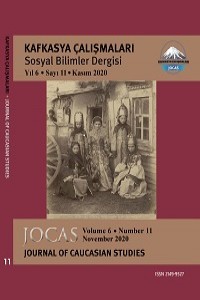
Kafkasya Çalışmaları – Sosyal Bilimler Dergisi
(JOCAS), Dergipark UDS yazılımı kullanmaktadır. Dergiye makale yüklemek için
öncelikle kayıt olmanız gerekmektedir. Kaydınızı
gerçekleştirdikten sonra sistem üzerinden Makale Gönder başlığı altından makalenizi sisteme
yükleyebilirsiniz. Tüm editör ve çift kör hakemlik süreçleri internet tabanlı,
şifre ile korunan bu sistem üzerinden yürütülmektedir. Bu yazarlara, hakemlere
ve editörlere daha hızlı erişim imkanı veren bir sistemdir. Makalenin hakem ve
yayın aşamaları ile ilgili sürecini kullanıcı panelinizden takip edebilirsiniz.
Dergimiz kör hakemlik sistemi kullandığı için
makale içerisinde yazarla ilgili herhangi bir isim veya kurum bilgisi yer
almamalıdır.
Dergiye gönderilen makalelerin daha önceden
yayınlanmamış olması veya aynı anda başka bir derginin değerlendirme sürecinde
olmaması gerekmektedir. Konferans ve sempozyum bildirileri ise bu hususun
bildirilmesi şartıyla dergimizde yayınlanabilir.
Ön
Değerlendirme
Kafkasya Çalışmaları - Sosyal Bilimler Dergisi'ne
orijinal makale, çeviri ve kitap tanıtımı türünde yazılar gönderilebilir.
Dergiye gönderilen bütün yazılar önce editörler
tarafından ön değerlendirmeye tabi tutulur. Derginin yayın kapsamına girmeyen,
içerik ve biçimsel koşullar açısından akademik yazı formatına uymayan yazılar
hakemlik süreci başlatılmadan geri çevrilir veya bazı değişiklikler
istenebilir. Editoryal incelemenin sonucu yazara bildirilir. Hiçbir makale
olumlu hakem raporu olmadan editörler tarafından yayına kabul edilemez.
Farklı dillerde hakemli akademik dergilerde
yayınlanmış makalelerin çevirileri derginin yayın kapsamına uygun görülürse,
derginin dil editörleri tarafından kontrol edilir ve yapılan çevirinin uygun
bulunması halinde yayınlanır.
Hakem
Değerlendirmesi
Kafkasya
Çalışmaları – Sosyal Bilimler Dergisi’ne yayınlanması amacıyla gönderilen her
makale aşağıda belirtilen hakem değerlendirme sürecinden geçer. Sürecin her
aşamasında, hakemlerin ve yazarların isimlerinin saklı tutulduğu çift-kör
hakemlik sistemi uygulanır. Bu sistemde hem hakemlerin hem de yazarların
kimlikleri karşı tarafa bildirilmez. Editör değerlendirmesinden geçen eserler
iki hakem tarafından anonim şekilde incelenir. Bu süreç ve gerektiği takdirde,
makale yazarlarına önerilen değişiklik ve düzenlemeler internet sistemi
üzerinden yapılmaktadır. Yayınlanan makale eserin en son, kesin ve referans
gösterilebilir halidir.
Ön değerlendirme aşamasını geçen makaleler Editör
ve/veya Yayın Kurulu tarafından belirlenen iki hakeme gönderilir. Uzmanlık
alanları göz önünde bulundurularak gerek derginin yayın ve danışma kurulu
üyeleri, gerekse dışarıdan akademisyenler hakem olarak atanabilir.
Değerlendirme
sürecinin temel amaçları:
- Dergiye gönderilen makalenin özgün bir çalışma olduğunun, daha önce
tamamen ya da kısmen başka bir yerde yayınlanmadığının ya da başka bir yerde
yayınlanmak üzere değerlendirme sürecinde olmadığının;
- Makalenin etik standartlara uyumunun;
-
Kafkasya Çalışmaları dergisinin amaç, kapsam ve okuyucu kitlesine hitap
ettiğinin;
- Özgün araştırma sonuçları sunduğunun;
- Gönderilen değerlendirme ya da benzeri türde bir
makale ise anlaşılır bir eleştirel bakış açısı ve bahsi geçen başlıklarla
ilgili temel kaynak eserlerin değerlendirmesini içerdiğinin;
- Yöntem ve teknik açıdan sağlam bir temele
dayandığının tespit edilmesidir.
Hakemler makaleyi kabul edebilir, reddedebilir
veya yazarlardan biçime ve/veya öze yönelik düzeltme yapmalarını
isteyebilirler. Bir makalenin yayına kabul edilebilmesi için en az iki hakemin
olumlu görüş bildirmesi gerekmektedir. Hakem raporlarından birinin olumlu,
diğerinin olumsuz olması durumunda makale üçüncü bir hakeme gönderilir.
Hakem veya hakemlerin düzeltme istemeleri
durumunda, yazar hakemler tarafından yapılan eleştiri ve önerileri göz önünde
bulundurarak istenen düzeltmeleri en geç 30 gün içerisinde tamamlayarak
makaleyi tekrar gönderir. Bir ay içerisinde gönderilmeyen makaleler için
hakemlik süreci yeniden başlatılır. Hakemler aynı makale için birden fazla kez
düzeltme isteyebilirler. Yayına kabul edilmeyen makaleler yazarlarına iade edilir.
Hakem raporları dergi editörlüğü tarafından 5 yıl
süreyle saklanır.
Yazarlar hakemlerin olumsuz görüşlerine,
istedikleri değişiklik ve düzeltmelere kendi argümanlarını ortaya koymak
koşuluyla itiraz edebilirler. Bu itiraz Yayın Kurulu tarafından incelenir ve
gerekli görülürse farklı hakem görüşüne başvurulur.
Çalışmaların yayınlanabilmesi için yazarların, hakemlerin ve Yayın Kurulu'nun görüş ve önerilerini dikkate alarak gerekli değişiklikleri yapması gerekir.
Hakemler tarafından olumlu görüş bildirilerek
yayınlanma aşamasına gelen tüm makaleler için son değerlendirme Yayın Kurulu
tarafından yapılır. Yayın Kurulu tarafından “yayınlanabilir” kararı verilen
makaleler yayın sırasına alınır.
Kafkasya Çalışmaları – Sosyal Bilimler Dergisi’ne
makale gönderen yazarlar, hakem değerlendirme koşullarını ve sürecini kabul
etmiş sayılırlar.
Açık Erişim Beyannamesi
Kafkasya Çalışmaları - Sosyal Bilimler Dergisi
açık erişimli bir dergidir. Bu, derginin yayınlanan tüm içeriğinin kişi ya da
kurumlara ücretsiz ve herhangi bir kısıtlama olmadan sunulduğu anlamına gelir.
Bu dergide yayınlanan tüm makaleler yayınlandığı günden itibaren erişime
açıktır. Takipçiler yayıncı ya da yazardan izin almadan makaleleri okuyabilir,
kaydedebilir, kopyalayabilir, dağıtabilir, basabilir, arama yapabilir, tam
metinlere bağlantı verebilir veya yasal amaçlara uygun başka şekillerde
kullanabilirler. Bu Budapeşte Açık Erişim Girişimi’nin açık erişim tanımı ile uyumludur.
Telif
Hakkı Bildirimi
Bu dergide eserlerini yayımlayan
yazarlar aşağıdaki şartları kabul etmiş sayılırlar:
1- Yazar eserin telif hakkını elinde
tutar ve ilk yayınlama hakkını Kafkasya Çalışmaları dergisine verir. Eser,
yazarının belirtilmesi ve ilk yayınının bu dergide yapılması koşuluyla
paylaşılmasına olanak veren Creative Commons Atribution
lisansı altında
lisanslanır.
2- Yazar, eserin dergide yayınlanmış
versiyonunun tam yetki vermeden dağıtımı (örneğin, kurumsal bir veri bankasına
gönderilmesi ya da bir kitapta yayınlanması) için ayrı sözleşme düzenlemeleri
yapabilir.
3- Yazarların eserlerini dergide
yayınlandıktan sonra internet üzerinden (örneğin, kurumsal veri tabanında ya da
kendi web sitelerinde) paylaşmaları teşvik edilir. Bu, esere daha yaygın şekilde
erişilmesini ve daha çok atıf almasını sağlayabilir.
Kontrol
Listesi
Lütfen Kafkasya
Çalışmaları dergisine makale gönderirken aşağıdaki listeyi kontrol
ediniz.
1. Eser daha
önce yayınlanmamış olmalı (özet ya da ders notu veya tez olarak yayınlanmış olanlar
hariç) ya da başka bir yayının değerlendirme sürecinde olmamalıdır.
2. Makalenizin MLA
Referanslama Kurallarına uyduğunuzu kontrol ediniz.
3. Kafkasya Çalışmaları dergisinde her
makale Türkçe ve İngilizce özetiyle birlikte yayınlanır. Bu nedenle yazarlardan
özetlerini iki dilde hazırlamaları istenmektedir.
4. Makalelerin
alıntı kataloglarında (indeksler) kaydedilebilmeleri için en fazla 5 anahtar
kelimeyle sunulmaları gerekmektedir. Makale özeti ardından içeriğini yansıtan
beş anahtar kelime sunulmalıdır.
5. Makalenizde
sıra ile başlık, Türkçe ve İngilizce özet (en çok 200 kelime), 5 anahtar
kelime, ana metnin bölümleri, teşekkürler, notlar, kaynakça ve varsa ekler
bulunmalıdır. “Giriş”, “Sonuç” gibi başlıklar kullanıp kullanmama, çalışmanın
türüne ve konunun gereğine bağlıdır. Belli bir düzen sağlamak amacıyla ana, ara
ve alt başlıklar kullanılabilir. Fakat makalenin bir sonuç paragrafı
bulunmalıdır. “Sonuç” araştırmanın amaç ve kapsamına uygun olmalı, ana
çizgileriyle ve öz olarak verilmelidir. Metinde sözü edilmeyen hususlara sonuç
bölümünde yer verilmemelidir.
6. Kafkasya Çalışmaları dergisi
Türkçe, İngilizce ve Rusça makaleler yayınlamaktadır. Makaleyi yazdığınız dil
anadiliniz değilse, eserinizi göndermeden önce bir dil editörünün kontrolünden
geçiriniz.
7. Gönderilen
makaleler yazar(lar) ya da bağlı oldukları kurumlara dair herhangi bir bilgi
içermemelidir. Hakem değerlendirmesi nedeniyle yazarın adı makalede yer
almamalıdır. Lütfen, makalenizi göndermeden önce her türlü kişisel bilgiyi ve
tanınmaya sebep olacak metadatayı (mesela yazar adı) siliniz. (Bunu MS Word’de
şu şekilde yapabilirsiniz: https://support.office.com/tr-tr/article/Belgeleri-denetleyerek-gizli-verileri-ve-ki%C5%9Fisel-bilgileri-kald%C4%B1rma-356b7b5d-77af-44fe-a07f-9aa4d085966f)
8. İnternet
sisteminde sorun olma ihtimaline karşı, makalenizi gönderdikten sonraki 7 gün
içinde editörden ulaştığına ve değerlendirmeye alındığına dair cevap
almazsanız, lütfen jocasdergi@gmail.com adresinden iletişime geçiniz.
DOSYA ÖZELLİKLERİ
Makaleler Word (doc, docx) formatında, en fazla
7500 sözcük veya boşluklu 70 000 vuruş (yaklaşık 20 sayfa) olmalıdır.
Sayfa yapısı makale değerlendirme için
gönderilirken A4 ebadında, kenar boşlukları sağdan, soldan, üstten ve alttan
2,5 cm, metin 12 punto, dipnotlar 10 punto, iki yana hizalı ve tek satır
aralığında olmalı; sayfa numarası sayfanın sağ altına verilmelidir
3 satırı geçen doğrudan alıntılar ana metinde soldan
1 cm içeride hizalanmalı, ve 10 punto büyüklüğünde yazılmalıdır.
Derginin sayfa düzeni C5 Envelope [162x229]
formatındadır, bu nedenle şekil ve tablolar bu durum göz önünde bulundurularak
hazırlanmalıdır. Gönderilen makaledeki resim, fotoğraf, şekil ya da grafiklerin
renkli olması durumunda bunların yayınlanması konusu editörler ile
görüşülmelidir.
Times New Roman, Arial veya Calibri yazı
karakterleri kullanılmalı, satır sonunda heceleme yapılmamalıdır.
Paragrafların ilk satırı 0.5 cm. içeriden
başlamalıdır.
Noktalama işaretleri kendilerinden önceki
kelimelere bitişik yazılmalı ve sonra bir harflik boşluk bırakılmalıdır.
REFERANSLAMA
İLKELERİ
Kafkasya Çalışmaları – Sosyal Bilimler Dergisi MLA Referanslama Sistemini
kullanmaktadır. Bu nedenle makalelerdeki metin içi alıntıların ve kaynakçanın
bu sisteme göre düzenlenmesi gerekmektedir.
MLA formatı metin içi alıntılarda yazar-sayfa
yöntemini benimser. Bu doğrudan ya da dolaylı alıntının yapıldığı eserin
yazarının soyadının ve sayfa numarasının metin içinde, eserin tam referans
bilgisinin de Kaynakça’da soyadına göre alfabetik olarak sıralanarak sunulması
anlamına gelir. Yazarın adı ya metin içinde ya da alıntılamanın ardından
parantez içinde yer alabilir, ancak sayfa numaraları her zaman parantez içinde
sunulmalıdır. Örnekler:
Bu sayılan özellikleri ve bulundukları toplumlar
içinde kendilerini “farklı” olarak görmeleri ve sınırlarını korumaları
sebepleriyle Adığe ve Abazalar “klasik diaspora” (Brubaker; Safran) ya da
“kurban diaspora” (Cohen, 1-4) tanımlarına uymaktadırlar. Ancak diasporalar
artık bu klasik tanımlar dışında daha değişken ve çeşitliliğe sahip gruplar
olarak görülmektedir (Pattie 54).
Özellikle son dönemde değişen politik durumlar, artan ve
ucuzlayan iletişim ve seyahat imkânlarıyla diasporada yetişen nesiller
gerçekten geri dönebileceklerini fark etmişler ve ulusaşırı göçmenler (Tsuda,
Introduction) olarak iki ve ya daha fazla yerde yaşamaya başlamış (Vertovec) ve
ulusaşırı göç devrelerine katılmışlardır (Stefansson).
Kaynakça
Dergide Makale:
Bal, Harun, Nese Algan ve Muge Manga. “Geçiş Ekonomilerinde
Ekonomik Büyüme Farklılıkları”. Çukurova Üniversitesi İktisadi ve İdari
Bilimler Fakültesi Dergisi 19.1 (2015): 123-142 .
Brubaker, Rogers. “The ‘Diaspora’ Diaspora.” Ethnic
and Racial Studies, Vol. 28.1 (2005): 1-19.
Vertovec, Steven. “Transnationalism and Identity”. Journal
of Ethnic and Migration Studies, 27.4 (2001): 573-582
Kitap:
Besleney, Zeynel Abidin. Türkiye'de Çerkes Diasporasının
Siyasi Tarihi, İstanbul Bilgi Üniversitesi Yayınları, 2016.
Cohen, Robin. Global Diasporas: An Introduction.
Londra: Routledge. 2008.
Derleme Kitapta Bölüm:
De Souza, Roger-Mark. “No Place Like Home: Returnee
R&R (Retention and Rejection) in the Caribbean Homeland.” The Experience
of Return Migration: Caribbean Perspectives. Ed. Robert B. Potter, Dennis
Conway ve Joan Phillips. Hants Ashgate Publishing Limited. 2005. 135-156.
Stefansson, Anders H. Homecomings to the future: from
diasporic mythographies to social projects of return. Homecomings:
Unsettling paths of return, 2004. 2-20.
Tez:
Doğan, Setenay Nil. Formations of Diaspora
Nationalism: The Case of Circassians in Turkey, Sabancı Üniversitesi,
doktora tezi. 2009.
Bildiri/Konferans Makalesi:
Düvell, Franck. “The Emergence of a New Global Migration
Order: Towards a New Russian-Turkish Migration Systems?” 9th Turkmis Workshop
-Towards New Migration Systems, Patterns and Policies in Eurasia: The Case of
Turkey and the Russian Federation Konferansında sunum; Oxford Üniversitesi,
25 Kasım 2013. http://www.compas.ox.ac.uk/fileadmin/files/events/Events_2013/9_TurkMiS_The_Emergence_of_a_New_Global_Migration_Order_Towards_a_New_Russian_Turkish_Migration_Systems.pdf.
20 Ağustos 2016.
İnternet Sayfası:
Rusya Dış İşleri Bakanlığı,
http://www.turkey.mid.ru/rus/cons_Memo_entering_ Turkey.html 30 Ağustos 2016.
Aynı yazardan iki eser:
Tsuda, Takeyuki. Introduction: Diasporic Return and
Migration Studies. Ed. Takeyuki Tsuda Diasporic Homecomings: Ethnic Return
Migration in Comparative Perspective. Stanford, California: Stanford
University Press, 2009a. 1-20.
____ Why Does the Diaspora Return Home? The Causes of
Ethnic Return Migration. Ed. Takeyuki Tsuda
Diasporic Homecomings: Ethnic Return Migration in Comparative
Perspective. Stanford, California: Stanford University Press, 2009b. 21-43.