
Editor-in-Chief
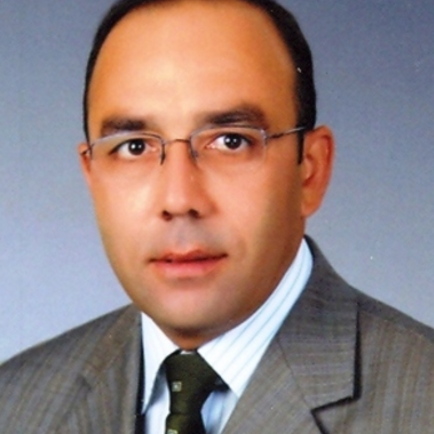
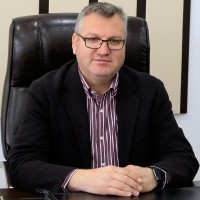
Prof. Ramazan Bayındır, who graduated from Gazi University, Department of Electrical Education in 1992, received his master's degree in 1998 and his PhD in 2002 from the Graduate School of Science of the same university. In 2013, he conducted postdoctoral research in Electrical and Computer Engineering at the University of Wisconsin-Milwaukee, USA. Prof. Bayındır continues his academic career at Gazi University, Faculty of Technology, Department of Electrical and Electronics Engineering and has research in renewable energy, microgrids, and smart grids. He has over 350 publications and 6 books in these fields. He has been a member of the Editorial Board of TÜBITAK Turkish Journal of Electrical Engineering & Computer Sciences and has been involved in scientific/organisational roles in international conferences, such as ICRERA, icSmartGrid, PEMC and POWERENG for many years. He is an IEEE senior member and PEMC Executive Committee member. Prof. Bayındır served as vice dean, director of vocational school and head of department at Gazi University. Between 2020 and 2024, he worked as Vice-Rector, specifically responsible for quality assurance systems. In this process, he took an active role in corporate data management, process improvement, ISO 9001:2015 certification studies and quality-oriented corporate coordination processes. He has produced academic studies on quality assurance in higher education, institutional accreditation and continuous improvement, and took part in external evaluations as Team Leader within the scope of THEQC's Institutional Accreditation Program. In January 2026, he was elected by the Inter-university Council as a THEQC Council Member.
Associate Editor/Co-Editor
Prof. Dr. Levent Altıntaş is a faculty member at the Department of Veterinary Pharmacology and Toxicology within the Faculty of Veterinary Medicine at Ankara University. He completed his undergraduate education at Ankara University Faculty of Veterinary Medicine between 1994 and 1999. He obtained his PhD degree from the Institute of Health Sciences in Pharmacology and Toxicology between 2000 and 2006. He began his academic career as a research assistant and served in this role from 2006 to 2013. In 2013, he was awarded the title of Associate Professor. Since 2022, he has been serving as a full professor. His primary research areas include veterinary pharmacology and toxicology. His studies focus on drug mechanisms, toxicological analyses, and pharmacological applications in animal health. He has authored numerous scientific publications indexed in national and international databases. His publications have received citations in major databases such as Web of Science and Scopus. He teaches courses at undergraduate, graduate, and doctoral levels. He also supervises doctoral theses, contributing to postgraduate education. He has undertaken active roles in various academic and administrative committees within the university. He contributes to the academic community through editorial duties and leadership roles in scientific organizations.
Editorial Board
Prof. Dr. Rahmi Deniz Özbay is the Dean of the Faculty of Business Administration at Istanbul Commerce University and has been serving as a Professor in the Department of Economics at the same university since 2022. He also served as Vice Rector at Istanbul Commerce University between 2023 and 2024. He spent most of his academic career at Marmara University, where he worked as a faculty member in the Department of Economics from 1992 to 2022. He held the title of Associate Professor between 2011 and 2016 and was later promoted to Professor. He completed his undergraduate studies in Business Administration at Marmara University, Faculty of Economics and Administrative Sciences (1983–1987), his master’s degree at the Social Sciences Institute (1990–1992), and his PhD at the same institute in 2003. His master’s thesis focused on Ottoman public finance in the second half of the nineteenth century, and his doctoral dissertation examined state labor employment in the nineteenth-century Ottoman Empire. His research area is primarily economic history within the broader field of social sciences and humanities.




Dean of the Faculty of Economics and Business Administration at the Lebanese University
Full Professor
Accreditation to Supervise Research (HDR)
Expert in Higher Education Quality & Accreditation
Coordinator of the Sub-Network on Employability at the Mediterranean Universities Union - UNIMED, The Sub-Network on Employability at UNIMED includes 21 Universities from 11 countries on both sides of the Mediterranean.
http://www.uni-med.net/fr/sous-reseau-employabilite/Board
Former Director of the Mutual Fund of Lebanese University Professors
Founder of the Centre MINE (Centre for Careers, Innovation and Entrepreneurship) at the Lebanese University;
Co-Founder of MILES (Momentum Incubator for Lebanese Startups) at the Lebanese University
Researcher in Finance - Innovation - Management at the Socio-Economic Institute of Firms and Organizations, Research Center associated to the IAE of Lyon, University Jean Moulin, Lyon III
Former Chairman "Finance and Financial Institutions" Department at the Faculty of Economics and Business Administration, Branch III
Trainer on Participative learning and Innovative teaching methodologies [from the International Training Centre (ITC) at the International Labor Organization (ILO), Torino, Italy]
Expert, Member of the Technical Committee Specialized in the programs study at the Directorate General of Higher Education at the Ministry of Education and Higher Education, Lebanon



Prof. Dr. Hüsamettin Ekici is a veterinarian and academic specializing in veterinary pharmacology and toxicology. He received his PhD in 2011 and was promoted to Professor in 2024, reflecting his sustained scientific contributions. He currently serves as Head of Department and Editor-in-Chief of an international scientific journal. At Kırıkkale University, he holds key positions within the Scientific and Technological Research Center, including Board Membership, Head of Residue Analysis Laboratory, Head of Experimental Animal Laboratory, and Vice Chair of the Local Ethics Committee. He is also an active member of HADMEK, the Veterinary Specialization Board, the National Red Meat Council (representing the Turkish Veterinary Medical Association), and the Veterinary Education Accreditation Committee. Additionally, he serves as a TÜRKAK External Technical Expert, GLP Inspector, and Halal Accreditation Lead Technical Expert, contributing to national and international accreditation and regulatory processes, including commissions under the Ministry of Agriculture and Forestry.
Since September 1998, Francesc Pedró has been a professor of educational policy in the Department of Political and Social Sciences at Pompeu Fabra University (Barcelona), a position to which he has returned after twenty years at the OECD and UNESCO (2005-2025).
He was Director of the UNESCO International Institute for Higher Education in Latin America and the Caribbean (UNESCO IESALC) between 2019 and 2025. Previously, he led the education policy advisory service, including national policy reviews and international comparative studies in the education sector at UNESCO in Paris (France) since 2010. Before that, he worked at the OECD's Center for Educational Research and Innovation (CERI), where, as a senior policy analyst, he was responsible for projects such as the Teaching and Learning International Survey (TALIS) and the New Millennium Learners Project. He also led reviews of educational research in OECD countries and the Systemic Innovation in Education project.
He graduated in education from the Autonomous University of Barcelona and obtained a doctorate with a thesis on comparative education from the UNED (Madrid). He subsequently undertook postdoctoral studies in Comparative Public Policy at the Institute of Education, University of London (United Kingdom).
He taught at the UNED (Madrid), the Ramon Llull University (Barcelona), and the Open University of Catalonia (Barcelona), the first European public university to offer its courses exclusively online, where he was vice-chancellor from its founding in 1994 until 1998. He became the vice-rector for teaching quality at UPF until 2005, when he moved to the OECD.
His most recent books are: Working out Change: Systemic Innovation in Education and Training (2009), Are the New Millennium Learners Making the Grade? Technology Use and Educational Performance in PISA (2010), Inspired by Technology, Driven by Pedagogy (2010), Tecnología y Educación: lo que funciona y por qué (2011), Connected Minds: Technology and Today’s Learners (2012), Le numérique: une chance pour l'école (2013), Tecnologías para la transformación de la educación (2017), Promising Education Policy Levers. Govenance, leadership, and assessment (2018) and Guidelines for Education Policy Reviews (2020).
Theodor currently works at the University of Augsburg and at Evaluation Agency Baden-Württemberg (Heidelberg). He does research in evaluation, governance and quality management in higher education. He also works in philosophy of science, epistemology and ethics. Recent projects concerned performance indicators, digital competences and learning and teaching spaces in higher education. A new project (HORIZON-RIA) is "European youth in education and in transition to the labour market" (2025-27).
Dr Kethamonie Naidoo is an independent higher education quality assurance specialist. She was until 2024, the CEO and Executive Director of the Quality Assurance Authority (QAA) in Mauritius. Prior to that, she served as Director of Accreditation at the Council on Higher Education (CHE) in South Africa for more than a decade, where she led the conceptualisation of the new Quality Assurance Framework (QAF) and the Higher Education Qualifications Sub-Framework (HEQSF) alignment project. She spent many years in university executive management, responsible for portfolios of academic development, support and planning; quality assurance; equal opportunities; and counselling. She has also worked as a management consultant in higher education and business management. Her postgraduate qualifications include a DEd, MBA (cum laude), MA (Hons), BEd, BA, UDE and Diploma in Special Education. She served on the Advisory Board of the international forum, Improving University Teaching (IUT) for more than a decade, and is currently on the Editorial Board of the international journal, Quality in Higher Education. She also served as the South African Quality Assurance ambassador on the joint AU/EU project on the Harmonisation of Quality Assurance in Africa (HAQAA) which produced the African Standards and Guidelines (ASG) on Quality Assurance.


Prof. Dr. Mustafa YİPEL completed his undergraduate studies at the Faculty of Veterinary Medicine, Selçuk University, in 2006, and his doctoral studies in the Department of Veterinary Pharmacology and Toxicology at the Institute of Health Sciences, Ankara University, in 2012. In 2013, he was appointed as an Assistant Professor in the Department of Pharmacology and Toxicology at the Faculty of Veterinary Medicine, Hatay Mustafa Kemal University, and in 2016, he was appointed as an Assistant Professor in the Department of Pharmacology and Toxicology at the Faculty of Veterinary Medicine, Tekirdağ Namık Kemal University. He was promoted to Associate Professor in 2018, appointed as an Associate Professor at the Department of Pharmacology and Toxicology, Faculty of Veterinary Medicine, Hatay Mustafa Kemal University in 2020, and appointed as a Professor in 2024.
His main research area is human/animal/environmental toxicology (wildlife toxicology, experimental in vivo toxicological models, pollutant/contaminant/residue/toxin analysis/monitoring human/animal health and ecotoxicological risk assessment, etc.)
JOB POSITION: Vice-Rector for Internationalization and Quality Evaluation University Professor
2007 – present: University Professor – Ph.D. supervisor
2006 – 2007: University Professor
2002 – 2006: University Associate Professor
1998 – 2002: University Lecturer
1994 – 1998: University Assistant
1992 – 1994: University Junior Assistant
Transilvania University of Brasov, Romania, www.unitbv.ro.
Faculty of Mechanical Engineering, Department of Mechanical Engineering/ Chair of Precision Mechanics and Mechatronics (until 2011).
Teaching lectures, laboratory and project activities, scientific research. Business or sector: education and scientific research.

QUALIFICATIONS
Ph.D. in Economics, University of Granada, Spain (dissertation)
M.A. in Public Administration, University of Granada, Spain
M.A. in Management Sciences, University of Granada, Spain
B.A. in Business Studies, University of Granada, Spain
HONORS
Fulbright Scholar at Columbia University, New York, USA. 2003–2004 (24 months). (more...)
RESEARCH INTERESTS
economics of education; labor economics; university efficiency; applied microeconomics; financial education
Dr. Fabrizio Trifiró is an international expert in quality assurance and international education. He is the Programme Director of the Education World Forum, the largest annual gathering of ministers of education, and Senior TNE and Quality Assurance Advisor for Times Higher Education. He sits on the Board of Directors of the International Network of Quality Assurance Agencies in Higher Education, and is an independent Governor of Wrexham University.
Fabrizio worked for over 10 years with the UK Quality Assurance Agency for Higher (QAA), where he led the quality assurance of TNE, strategic international engagement with other quality assurance bodies, and the international student experience. More recently, he led on international stakeholder engagement and the recognition of TNE qualifications for UK ENIC, the national qualification recognition body. In 2022, he supported the Office for Students (OfS) in England as an independent consultant in developing their international engagement strategy to support their oversight of English TNE.
Fabrizio is a senior consultant with the Hong Kong Council for the Accreditation of Academic and Vocational Qualifications (HKCAAVQ) and acts as a reviewer for a range of international quality assurance bodies.
Fabrizio holds an integrated Master’s degree in Philosophy and an MA in Human Rights and Humanitarian Interventions from the University of Bologna (Italy), a MSc in Comparative and Cross-Cultural Research Methods from the University of Sussex, and a PhD in Political Theory from the University of London. He was a post-doctoral fellow at Trinity College Dublin researching the emergence of a global civil society.
Mary Catharine Lennon, PhD, is a global higher education strategist and executive leader known for
advancing quality assurance, regulatory coherence, and evidence-informed policy across diverse
systems. She specializes in leading complex, multi-stakeholder processes, steering sector-wide
consultations, and driving system-level change. Dr. Lennon has held senior roles in research,
strategy, and international engagement, including serving as Interim Chief Executive Officer of
INQAAHE, a global association of quality assurance agencies spanning more than 140 countries.
Her professional experience includes leadership positions focused on regulatory policy,
international collaboration, and system-level strategy, alongside oversight of major research and
special project portfolios.
Professor Macfarlane is a social philosopher of higher education who has developed conceptual frameworks for interpreting academic practice, ethics, and leadership. Applying a mix of empirical and philosophical enquiry, he has helped to define key concepts including academic integrity, academic citizenship, intellectual leadership, and student performativity. His research focuses on the micro or individual level but is framed by the way academic identity is being re-shaped by the changing conditions affecting university life. His major works include Freedom to Learn (2016), Intellectual Leadership in Higher Education (2012), Researching with Integrity (2009), The Academic Citizen (2007) and Teaching with Integrity (2004).
Managing Editor

Statistical Editor
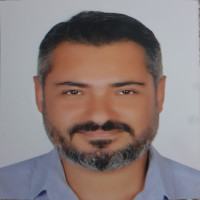
Assoc. Prof. Dr. Resul Telli is a scholar specializing in international economics, with research focusing on regional development, digital transformation, and sustainability. In addition, through his role at the Higher Education Quality Council of Turkey (YÖKAK), he has developed expertise in quality assurance, institutional accreditation, and external evaluation processes in higher education, actively contributing to institutional quality enhancement practices. His work adopts an interdisciplinary perspective that integrates international economics with quality culture and institutional capacity building in higher education systems.
Language Editor
Proofreader
Production Editor/Layout Editor
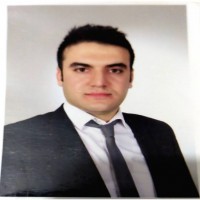
Dr. Oğuz TAŞDEMİR, Assistant Professor, completed his undergraduate studies in 2010 at the Department of Electrical -Electronics Engineering Department in 2010 and received his Master’s degree from the Institute of Natural Sciences at Nevşehir Hacı Bektaş Veli University in 2020 and his Ph.D. from the Institute of Natural Sciences at Gazi University in 2024. Dr. Oğuz TAŞDEMİR worked as an Instructor in the Department of Electrical and Energy Engineering at the Kaman Vocational School of Kırşehir Ahi Evran University and is currently serving as a faculty member in the Department of Electrical and Electronic Engineering at the Faculty of Engineering, Kırşehir Ahi Evran University. His primary areas of expertise include renewable energy sources, microgrids, energy efficiency, power systems, meta-heuristic algorithms, and industrial applications. He has also served as a reviewer for numerous national and international scientific journals. Dr. Taşdemir, who has completed numerous national projects and serves as Deputy Coordinator at the Energy Management Coordination Office of Kırşehir Ahi Evran University, previously served as Department Chair of the Electrical and Energy Department at the Kaman Vocational School of Kırşehir Ahi Evran University, and as an Electrical and Electronics Maintenance Engineer at Petlas A.Ş. and Pakpen A.Ş.
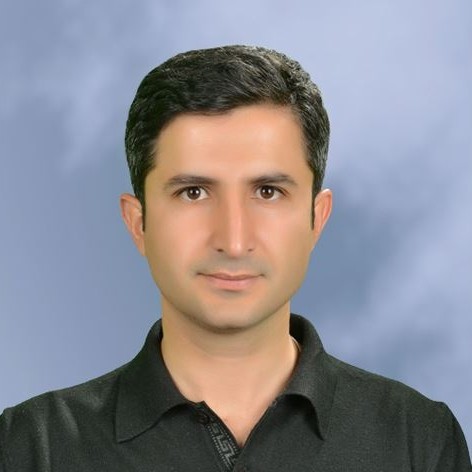
Dr. Mehmet Rıda Tür is an academic specializing in electrical and electronics engineering. He completed his undergraduate and graduate studies in relevant engineering fields and focuses primarily on energy systems, renewable energy technologies, and smart grid applications. Throughout his academic career, he has served at various universities and contributed to his field through scientific research, projects, and publications. His work continues to center on energy efficiency, sustainable energy policies, and advanced engineering applications.
Technical Editor

Çiğdem Sazak Turgut is a researcher working in the fields of information systems, software development, and digital transformation. Her academic studies particularly focus on image processing, data analysis, and information systems; she produces articles, conference papers, and projects at both national and international levels in these areas.
In addition to her scientific work, she actively takes part in application-oriented software development processes and has experience in the design, development, and sustainability of institutional information systems.
Since 2024, she has been serving as the Information Systems Coordinator at the Council of Higher Education Quality (YÖKAK), where she leads the development of institutional software infrastructures, management of data processes, and digital transformation initiatives.
Advisory Board


Address: Turkish Higher Education Quality Council, Üniversiteler, 06800 Çankaya/Ankara / Telephone: 0312 266 38 22 - 0312 266 39 31/32 / Email: dergi@yokak.gov.tr