Synthesis and characterization of microwave-assisted ring-opening polymerization of PLA-PEG-PLA triblock copolymers in the presence of Zn(Oct)2 catalyst
Öz
Polyethylene glycol (PEG) and poly(L-lactic acid) (PLA)-based triblock copolymers have attracted significant attention for biomedical and technical textile applications due to their biodegradable and biocompatible properties. In this study, PLA–PEG–PLA triblock copolymers were synthesized via microwave-assisted ring-opening polymerization (mROP) in the presence of zinc octoate (Zn(Oct)2) catalyst. While maintaining a constant monomer feed ratio (LA/PEG = 70:30 w/w), the effects of various Zn(Oct)2 catalyst amounts (0.2, 0.4, 0.6, 3.0 and 6.0 wt%) on the structural, thermal, and physicochemical properties of the synthesized polymers were systematically investigated. Analytical techniques including FTIR, DSC, 1H NMR, GC-MS, and GPC analyses revealed that copolymers synthesized with 0.6 wt% Zn(Oct)2 exhibited the most controlled structure, characterized by a low polydispersity index (PDI) (1.54), high conversion rate (99.5%), homogeneous molecular structure (Mn = 5.642 g/mol, Mw = 8.685 g/mol), low glass transition temperature (Tg = –19.9 °C), and a distinct melting temperature (Tm = 64.3 °C). Unlike the studies reported in the literature, the present work systematically examined the effects of using different amounts of Zn(Oct)2 concentrations (0.2–6.0 wt%) on properties such as polymerization time, conversion, molecular weight distribution, and PDI in the microwave-assisted ring-opening polymerization of PLA-PEG-PLA copolymers. In this respect, the study clearly demonstrated both the advantage of the microwave system over conventional production methods and the low toxicity and high controlled chain formation potential of the Zn(Oct)2 catalyst compared to the currently used Sn(Oct)2.
Anahtar Kelimeler
Poly(L-lactic acid) Polyethylene glycol Zn(Oct)2 Microwave irradiation Ring-opening polymerization
Kaynakça
- 1. Garlotta, D., A literature review of poly(lactic acid), Journal of Polymers and the Environment, 9 (2), 63–84, 2001.
- 2. Uzunoğlu T., Altınten A., PMMA/PLA/Clay biodegradable nanocomposite synthesis and characterization, Journal of the Faculty of Engineering and Architecture of Gazi University, 39 (4), 2163-2175, 2024.
- 3. Drumright, R. E., Gruber, P. R., Henton, D. E., Polylactic acid technology, Advanced Materials, 12 (23), 1841–1846, 2000.
- 4. Jiménez, A., Peltzer, M., Ruseckaite, R., Poly(lactic acid) science and technology: processing, properties, additives and applications, Royal Society of Chemistry, No. 12, 2015.
- 5. Balla, E., Daniilidis, V., Karlioti, G., Kalamas, T., Stefanidou, M., Bikiaris, N. D., Vlachopoulos, A., Koumentakou, I., & Bikiaris, D. N., Poly(lactic Acid): A Versatile Biobased Polymer for the Future with Multifunctional Properties-From Monomer Synthesis, Polymerization Techniques and Molecular Weight Increase to PLA Applications. Polymers, 13 (11), 1822, 2021.
- 6. Naser, A. Z., Deiab, I., Darras, B. M., Poly (lactic acid)(PLA) and polyhydroxyalkanoates (PHAs), green alternatives to petroleum-based plastics: a review. RSC advances, 11 (28), 17151-17196, 2021.
- 7. Mooney, D. J., Baldwin, D. F., Suh, N. P., Vacanti, J. P., Langer, R., Novel approach to fabricate porous sponges of poly(D,L-lactic-co-glycolic acid) without the use of organic solvents, Biomaterials, 17 (14), 1417–1422, 1996.
- 8. Bendix, D., Chemical synthesis of polylactide and its copolymers for medical applications, Polymer Degradation and Stability, 59, 129–135, 1998.
- 9. Yılmaz M., Yılmaz N.F., Kılıç A., Mazı H., Investigation of Manufacturability of in-situ crosslinked Polylactic Acid (PLA) and Peroxide composite in additive manufacturing method, Journal of the Faculty of Engineering and Architecture of Gazi University, 39 (2), 859-867, 2024.
- 10. Bikiaris, N. D., Klonos, P. A., Christodoulou, E., Barmpalexis, P., & Kyritsis, A., Plasticization Effects of PEG of Low Molar Fraction and Molar Mass on the Molecular Dynamics and Crystallization of PLA-b-PEG-b-PLA Triblock Copolymers Envisaged for Medical Applications. The Journal of Physical Chemistry B, 129 (13), 3514-3528, 2025
- 11. Alexis, F., Factors affecting the degradation and drug-release mechanism of poly(lactic acid) and poly[(lactic acid)-co-(glycolic acid)], Polymer International, 54 (1), 36–46, 2005.
- 12. Arslan R., Akyol E., Dalkılıç A.S., Investigation of the usage of nano-Titanium dioxide Produced with Polyethylene glycol and Alginate additives as nanofluid, Journal of the Faculty of Engineering and Architecture of Gazi University, 40 (1), 331-341, 2025.
- 13. Ergene B., Ispartalı H., Karakılınç U., Impact behavior of PET-G parts produced by fused deposition modelling depending on layer height and test temperature, Journal of the Faculty of Engineering and Architecture of Gazi University, 38 (3), 1345-1359, 2023.
- 14. Jedliński, Z., Kurcok, P., Walach, W., Janeczek, H., Radecka, I., Polymerization of lactones, 17. Synthesis of ethylene glycol-L-lactide block copolymers, Die Makromolekulare Chemie: Macromolecular Chemistry and Physics, 194 (6), 1681–1689, 1993.
- 15. Wan, Y., Chen, W., Yang, J., Bei, J., Wang, S., Biodegradable poly(L-lactide)-poly(ethylene glycol) multiblock copolymer: synthesis and evaluation of cell affinity, Biomaterials, 24 (13), 2195–2203, 2003.
- 16. Bikiaris, N. D., Klonos, P. A., Kyritsis, A., & Barmpalexis, P., Structural and thermodynamical investigation in triblock copolymers of polylactide and poly (ethylene glycol), PLA-b-PEG-b-PLA, envisaged for medical applications. Materials Today Communications, 38, 107799, 2024.
- 17. Xiao, R. Z., Zeng, Z. W., Zhou, G. L., Wang, J. J., Li, F. Z., & Wang, A. M., Recent advances in PEG–PLA block copolymer nanoparticles. International Journal of Nanomedicine, 5, 1057–1065, 2010.
- 18. Kubisa P, Lapienis G, Biela T. Star-shaped copolymers with PLA–PEG arms and their potential applications as biomedical materials. Polymers for Advanced Technologies, 32, 3857–3866, 2021.
- 19. Ghasemi, R., Abdollahi, M., Emamgholi Zadeh, E. et al. mPEG-PLA and PLA-PEG-PLA nanoparticles as new carriers for delivery of recombinant human Growth Hormone (rhGH). Sci Rep 8, 9854. 2018.
- 20. Ding, Y., Feng, W., Lu, B., Wang, P., Wang, G., Ji, J., PLA-PEG-PLA tri-block copolymers: Effective compatibilizers for promotion of the interfacial structure and mechanical properties of PLA/PBAT blends. Polymer, 146, 179-187, 2018.
- 21. Li, S., Vert, M., Synthesis, characterization, and stereocomplex-induced gelation of block copolymers prepared by ring-opening polymerization of L(D)-lactide in the presence of poly(ethylene glycol), Macromolecules, 36 (21), 8008–8014, 2003.
- 22. Auras, R. A., Lim, L. T., Selke, S. E., Tsuji, H., Poly(lactic acid): Synthesis, Structures, Properties, Processing and Applications, John Wiley and Sons, 2010.
- 23. Leenslag, J. W., Pennings, A. J., Synthesis of high-molecular-weight poly(L-lactide) initiated with tin 2-ethylhexanoate, Makromol. Chem., 188, 1809–1814, 1987.
- 24. Libiszowski, J., Kowalski, A., Duda, A., Penczek, S., Kinetics and mechanism of cyclic esters polymerization initiated with covalent metal carboxylates, 5. End-group studies in the model ε-caprolactone and L,L-dilactide/Tin(II) and zinc octoate/butyl alcohol systems, Macromolecular Chemistry and Physics, 203 (10-11), 1694–1701, 2002.
- 25. Mazarro, R., Gracia, I., Rodríguez, J. F., Storti, G., Morbidelli, M., Kinetics of the ring-opening polymerization of D,L-lactide using zinc(II) octoate as catalyst, Polymer International, 61, 265–273, 2012.
- 26. Deng, X., Liu, Y., Yuan, M., Li, X., Liu, L., Jia, W. X., Preparation and characterization of poly-DL-lactide-poly(ethylene glycol) microspheres containing λDNA, Journal of Applied Polymer Science, 86 (10), 2557–2566, 2002.
- 27. Tan, C. H., Ahmad, A., Anuar, F. H., Investigation of the synthesis of poly-D, L-lactide-co-poly(ethylene glycol) flexible thermoplastic, International Journal of Polymer Analysis and Characterization, 21 (2), 104–111, 2016.
- 28. Wu, Y., Li, L., Chen, S. et al. Synthesis, characterization, and crystallization behaviors of poly(D-lactic acid)-based triblock copolymer. Sci Rep 10, 3627, 2020.
- 29. Wang, Z. Y., Zhao, Y. M., Wang, F., Syntheses of poly(lactic acid)-poly(ethylene glycol) serial biodegradable polymer materials via direct melt polycondensation and their characterization, Journal of Applied Polymer Science, 102 (1), 577–587, 2006.
- 30. Zhang, Y., Wang, X. L., Wang, Y. Z., Qu, M. H., Microwave-assisted single-step synthesis of poly(L-lactic acid)-poly(ethylene glycol) copolymers, Journal of Macromolecular Science, Part A: Pure and Applied Chemistry, 46 (6), 631–635, 2009.
- 31. Li, G., Zhao, N., Bai, W., Chen, D. L., Xiong, C. D., Microwave-assisted ring-opening polymerization of poly(glycolic acid-co-lactic acid) copolymers, e-Polymers, 10 (1), 051, 2010.
- 32. Singla, P., Kaur, P., Mehta, R., Berek, D., Upadhyay, S. N., Ring-opening polymerization of lactide using microwave and conventional heating, Procedia Chemistry, 4, 179–185, 2012.
- 33. Xu, G., Chen, S., Yan, X., Yang, C., Chen, Z., Synthesis and hydrophilic performance of poly(lactic acid)-poly(ethylene glycol) block copolymers, American Journal of Analytical Chemistry, 7 (3), 299, 2016.
- 34. Baimark, Y., Rungseesantivanon, W., Prakymoramas, N., Synthesis of flexible poly(L-lactide)-b-poly(ethylene glycol)-b-poly(L-lactide) bioplastics by ring-opening polymerization in the presence of chain extender, e-Polymers, 20 (1), 423–429, 2020.
- 35. Gadomska-Gajadhur, A., Ruskowski, P., Biocompatible catalysts for lactide polymerization—Catalyst activity, racemization effect, and optimization of the polymerization based on design of experiments, Organic Process Research and Development, 24 (8), 1435–1442, 2020.
- 36. Guo, J., Liu, X., Liu, M., Han, M., Liu, Y., Ji, S., Effect of molecular weight of poly(ethylene glycol) on plasticization of poly(L-lactic acid), Polymer, 223, 123720, 2021.
- 37. Kricheldorf, H. R., Weidner, S. M., Syntheses of polylactides by means of tin catalysts, Polymer Chemistry, 13, 1618–1647, 2022.
- 38. Khattab, M., Abdel Hady, N., Dahman, Y., Green biodegradable polylactide-based polyurethane triblock copolymers reinforced with cellulose nanowhiskers, Journal of Functional Biomaterials, 14 (3), 118, 2023.
- 39. Punyodom, W., Limwanich, W., Meepowpan, P., Thapsukhon, B., Ring opening polymerization of ε caprolactone initiated by tin(II) octoate/n hexanol: DSC isoconversional kinetics analysis and polymer synthesis, Designed Monomers and Polymers, 24 (1), 89–97, 2021.
- 40. Wang, H. L., Zhang, Y., Tian, M., Zhai, L. F., Wei, Z., Shi, T. J., Preparation and degradability of poly(lactic acid)-poly(ethylene glycol)-poly(lactic acid)/SiO2 hybrid material, Journal of Applied Polymer Science, 110, 3985–3989, 2008.
- 41. Rashkov, I., Manolova, N., Li, S. M., Espartero, J. L., Vert, M., Synthesis, characterization, and hydrolytic degradation of PLA/PEO/PLA triblock copolymers with short poly(L-lactic acid) chains, Macromolecules, 29, 50–56, 1996.
- 42. Zhang, C., Liao, L., Gong, S., Microwave-assisted synthesis of PLLA–PEG–PLLA triblock copolymers, Macromolecular Rapid Communications, 28 (4), 422–427, 2007.
Mikrodalga destekli halka-açılma polimerizasyonu ile Zn(Oct)2 katalizörü varlığında PLA-PEG-PLA üçlü-blok kopolimerlerinin sentezi
Öz
Polietilen glikol (PEG) ve poli(L-laktik asit) (PLA) esaslı üçlü-blok kopolimerler, biyobozunur ve biyouyumlu özellikleri nedeniyle biyomedikal ve teknik tekstil uygulamalarında büyük ilgi görmektedir. Bu çalışmada, PLA-PEG-PLA üçlü-blok kopolimerleri mikrodalga destekli halka-açılma polimerizasyonu (mROP) yöntemi ile çinko oktoat (Zn(Oct)2) katalizörü varlığında sentezlenmiştir. Monomer besleme oranı sabit tutularak (ağırlıkça LA/PEG=70:30), farklı Zn(Oct)2 katalizör miktarlarının (ağırlıkça %0,2; %0,4; %0,6; %3 ve %6) sentezlenen polimerlerin yapısal, termal ve fizikokimyasal özellikleri üzerindeki etkileri araştırılmıştır. FTIR, DSC, 1H-NMR, GC-MS ve GPC analizleri sonucunda %0,6 oranında Zn(Oct)2 varlığında sentezlenen ürünlerin, düşük polidispersite indeksi (PDI) (1,54), yüksek dönüşüm oranı (%99,5), homojen moleküler yapı (Mn=5.642 g/mol, Mw=8.685 g/mol), düşük camsı geçiş sıcaklığı (Tg:–19,9 °C) ve erime sıcaklığı (Te:64,3°C) ile en kontrollü yapıya sahip kopolimerleri verdiğini ortaya koymuştur. Literatürde yer alan çalışmalardan farklı olarak, mikrodalga destekli halka-açılma polimerizasyonu ile PLA-PEG-PLA kopolimerlerinin sentezlenmesinde farklı miktarlarda Zn(Oct)2 (%0,2-%6,0) kullanımının sistematik olarak polimerizasyon süresi, dönüşüm, moleküler ağırlık dağılımı ve PDI gibi özellikler üzerindeki etkileri detaylı olarak incelenmiştir. Bu yönüyle çalışma, hem mikrodalga sisteminin konvensiyonel üretim yöntemleri üzerindeki avantajını, hem de Zn(Oct)2 katalizörünün mevcutta kullanılan Sn(Oct)2’a göre düşük toksisite ve yüksek kontrollü zincir oluşumu potansiyelini açıkça göstermiştir.
Anahtar Kelimeler
Poli(L-laktik asit) Polietilen glikol Zn(Oct)2 Mikrodalga ışınımı halka-açılma polimerizasyonu
Teşekkür
Bu çalışma kapsamında gerçekleştirilen analizler için CHT Turkey Kimya Polimer ARGE Laboratuvarı, CHT Turkey Kimya Enstrümental Analiz Laboratuvarı ve İstanbul Teknik Üniversitesi Analiz Laboratuvarına teşekkür ederiz.
Kaynakça
- 1. Garlotta, D., A literature review of poly(lactic acid), Journal of Polymers and the Environment, 9 (2), 63–84, 2001.
- 2. Uzunoğlu T., Altınten A., PMMA/PLA/Clay biodegradable nanocomposite synthesis and characterization, Journal of the Faculty of Engineering and Architecture of Gazi University, 39 (4), 2163-2175, 2024.
- 3. Drumright, R. E., Gruber, P. R., Henton, D. E., Polylactic acid technology, Advanced Materials, 12 (23), 1841–1846, 2000.
- 4. Jiménez, A., Peltzer, M., Ruseckaite, R., Poly(lactic acid) science and technology: processing, properties, additives and applications, Royal Society of Chemistry, No. 12, 2015.
- 5. Balla, E., Daniilidis, V., Karlioti, G., Kalamas, T., Stefanidou, M., Bikiaris, N. D., Vlachopoulos, A., Koumentakou, I., & Bikiaris, D. N., Poly(lactic Acid): A Versatile Biobased Polymer for the Future with Multifunctional Properties-From Monomer Synthesis, Polymerization Techniques and Molecular Weight Increase to PLA Applications. Polymers, 13 (11), 1822, 2021.
- 6. Naser, A. Z., Deiab, I., Darras, B. M., Poly (lactic acid)(PLA) and polyhydroxyalkanoates (PHAs), green alternatives to petroleum-based plastics: a review. RSC advances, 11 (28), 17151-17196, 2021.
- 7. Mooney, D. J., Baldwin, D. F., Suh, N. P., Vacanti, J. P., Langer, R., Novel approach to fabricate porous sponges of poly(D,L-lactic-co-glycolic acid) without the use of organic solvents, Biomaterials, 17 (14), 1417–1422, 1996.
- 8. Bendix, D., Chemical synthesis of polylactide and its copolymers for medical applications, Polymer Degradation and Stability, 59, 129–135, 1998.
- 9. Yılmaz M., Yılmaz N.F., Kılıç A., Mazı H., Investigation of Manufacturability of in-situ crosslinked Polylactic Acid (PLA) and Peroxide composite in additive manufacturing method, Journal of the Faculty of Engineering and Architecture of Gazi University, 39 (2), 859-867, 2024.
- 10. Bikiaris, N. D., Klonos, P. A., Christodoulou, E., Barmpalexis, P., & Kyritsis, A., Plasticization Effects of PEG of Low Molar Fraction and Molar Mass on the Molecular Dynamics and Crystallization of PLA-b-PEG-b-PLA Triblock Copolymers Envisaged for Medical Applications. The Journal of Physical Chemistry B, 129 (13), 3514-3528, 2025
- 11. Alexis, F., Factors affecting the degradation and drug-release mechanism of poly(lactic acid) and poly[(lactic acid)-co-(glycolic acid)], Polymer International, 54 (1), 36–46, 2005.
- 12. Arslan R., Akyol E., Dalkılıç A.S., Investigation of the usage of nano-Titanium dioxide Produced with Polyethylene glycol and Alginate additives as nanofluid, Journal of the Faculty of Engineering and Architecture of Gazi University, 40 (1), 331-341, 2025.
- 13. Ergene B., Ispartalı H., Karakılınç U., Impact behavior of PET-G parts produced by fused deposition modelling depending on layer height and test temperature, Journal of the Faculty of Engineering and Architecture of Gazi University, 38 (3), 1345-1359, 2023.
- 14. Jedliński, Z., Kurcok, P., Walach, W., Janeczek, H., Radecka, I., Polymerization of lactones, 17. Synthesis of ethylene glycol-L-lactide block copolymers, Die Makromolekulare Chemie: Macromolecular Chemistry and Physics, 194 (6), 1681–1689, 1993.
- 15. Wan, Y., Chen, W., Yang, J., Bei, J., Wang, S., Biodegradable poly(L-lactide)-poly(ethylene glycol) multiblock copolymer: synthesis and evaluation of cell affinity, Biomaterials, 24 (13), 2195–2203, 2003.
- 16. Bikiaris, N. D., Klonos, P. A., Kyritsis, A., & Barmpalexis, P., Structural and thermodynamical investigation in triblock copolymers of polylactide and poly (ethylene glycol), PLA-b-PEG-b-PLA, envisaged for medical applications. Materials Today Communications, 38, 107799, 2024.
- 17. Xiao, R. Z., Zeng, Z. W., Zhou, G. L., Wang, J. J., Li, F. Z., & Wang, A. M., Recent advances in PEG–PLA block copolymer nanoparticles. International Journal of Nanomedicine, 5, 1057–1065, 2010.
- 18. Kubisa P, Lapienis G, Biela T. Star-shaped copolymers with PLA–PEG arms and their potential applications as biomedical materials. Polymers for Advanced Technologies, 32, 3857–3866, 2021.
- 19. Ghasemi, R., Abdollahi, M., Emamgholi Zadeh, E. et al. mPEG-PLA and PLA-PEG-PLA nanoparticles as new carriers for delivery of recombinant human Growth Hormone (rhGH). Sci Rep 8, 9854. 2018.
- 20. Ding, Y., Feng, W., Lu, B., Wang, P., Wang, G., Ji, J., PLA-PEG-PLA tri-block copolymers: Effective compatibilizers for promotion of the interfacial structure and mechanical properties of PLA/PBAT blends. Polymer, 146, 179-187, 2018.
- 21. Li, S., Vert, M., Synthesis, characterization, and stereocomplex-induced gelation of block copolymers prepared by ring-opening polymerization of L(D)-lactide in the presence of poly(ethylene glycol), Macromolecules, 36 (21), 8008–8014, 2003.
- 22. Auras, R. A., Lim, L. T., Selke, S. E., Tsuji, H., Poly(lactic acid): Synthesis, Structures, Properties, Processing and Applications, John Wiley and Sons, 2010.
- 23. Leenslag, J. W., Pennings, A. J., Synthesis of high-molecular-weight poly(L-lactide) initiated with tin 2-ethylhexanoate, Makromol. Chem., 188, 1809–1814, 1987.
- 24. Libiszowski, J., Kowalski, A., Duda, A., Penczek, S., Kinetics and mechanism of cyclic esters polymerization initiated with covalent metal carboxylates, 5. End-group studies in the model ε-caprolactone and L,L-dilactide/Tin(II) and zinc octoate/butyl alcohol systems, Macromolecular Chemistry and Physics, 203 (10-11), 1694–1701, 2002.
- 25. Mazarro, R., Gracia, I., Rodríguez, J. F., Storti, G., Morbidelli, M., Kinetics of the ring-opening polymerization of D,L-lactide using zinc(II) octoate as catalyst, Polymer International, 61, 265–273, 2012.
- 26. Deng, X., Liu, Y., Yuan, M., Li, X., Liu, L., Jia, W. X., Preparation and characterization of poly-DL-lactide-poly(ethylene glycol) microspheres containing λDNA, Journal of Applied Polymer Science, 86 (10), 2557–2566, 2002.
- 27. Tan, C. H., Ahmad, A., Anuar, F. H., Investigation of the synthesis of poly-D, L-lactide-co-poly(ethylene glycol) flexible thermoplastic, International Journal of Polymer Analysis and Characterization, 21 (2), 104–111, 2016.
- 28. Wu, Y., Li, L., Chen, S. et al. Synthesis, characterization, and crystallization behaviors of poly(D-lactic acid)-based triblock copolymer. Sci Rep 10, 3627, 2020.
- 29. Wang, Z. Y., Zhao, Y. M., Wang, F., Syntheses of poly(lactic acid)-poly(ethylene glycol) serial biodegradable polymer materials via direct melt polycondensation and their characterization, Journal of Applied Polymer Science, 102 (1), 577–587, 2006.
- 30. Zhang, Y., Wang, X. L., Wang, Y. Z., Qu, M. H., Microwave-assisted single-step synthesis of poly(L-lactic acid)-poly(ethylene glycol) copolymers, Journal of Macromolecular Science, Part A: Pure and Applied Chemistry, 46 (6), 631–635, 2009.
- 31. Li, G., Zhao, N., Bai, W., Chen, D. L., Xiong, C. D., Microwave-assisted ring-opening polymerization of poly(glycolic acid-co-lactic acid) copolymers, e-Polymers, 10 (1), 051, 2010.
- 32. Singla, P., Kaur, P., Mehta, R., Berek, D., Upadhyay, S. N., Ring-opening polymerization of lactide using microwave and conventional heating, Procedia Chemistry, 4, 179–185, 2012.
- 33. Xu, G., Chen, S., Yan, X., Yang, C., Chen, Z., Synthesis and hydrophilic performance of poly(lactic acid)-poly(ethylene glycol) block copolymers, American Journal of Analytical Chemistry, 7 (3), 299, 2016.
- 34. Baimark, Y., Rungseesantivanon, W., Prakymoramas, N., Synthesis of flexible poly(L-lactide)-b-poly(ethylene glycol)-b-poly(L-lactide) bioplastics by ring-opening polymerization in the presence of chain extender, e-Polymers, 20 (1), 423–429, 2020.
- 35. Gadomska-Gajadhur, A., Ruskowski, P., Biocompatible catalysts for lactide polymerization—Catalyst activity, racemization effect, and optimization of the polymerization based on design of experiments, Organic Process Research and Development, 24 (8), 1435–1442, 2020.
- 36. Guo, J., Liu, X., Liu, M., Han, M., Liu, Y., Ji, S., Effect of molecular weight of poly(ethylene glycol) on plasticization of poly(L-lactic acid), Polymer, 223, 123720, 2021.
- 37. Kricheldorf, H. R., Weidner, S. M., Syntheses of polylactides by means of tin catalysts, Polymer Chemistry, 13, 1618–1647, 2022.
- 38. Khattab, M., Abdel Hady, N., Dahman, Y., Green biodegradable polylactide-based polyurethane triblock copolymers reinforced with cellulose nanowhiskers, Journal of Functional Biomaterials, 14 (3), 118, 2023.
- 39. Punyodom, W., Limwanich, W., Meepowpan, P., Thapsukhon, B., Ring opening polymerization of ε caprolactone initiated by tin(II) octoate/n hexanol: DSC isoconversional kinetics analysis and polymer synthesis, Designed Monomers and Polymers, 24 (1), 89–97, 2021.
- 40. Wang, H. L., Zhang, Y., Tian, M., Zhai, L. F., Wei, Z., Shi, T. J., Preparation and degradability of poly(lactic acid)-poly(ethylene glycol)-poly(lactic acid)/SiO2 hybrid material, Journal of Applied Polymer Science, 110, 3985–3989, 2008.
- 41. Rashkov, I., Manolova, N., Li, S. M., Espartero, J. L., Vert, M., Synthesis, characterization, and hydrolytic degradation of PLA/PEO/PLA triblock copolymers with short poly(L-lactic acid) chains, Macromolecules, 29, 50–56, 1996.
- 42. Zhang, C., Liao, L., Gong, S., Microwave-assisted synthesis of PLLA–PEG–PLLA triblock copolymers, Macromolecular Rapid Communications, 28 (4), 422–427, 2007.
Ayrıntılar
| Birincil Dil | Türkçe |
|---|---|
| Konular | Polimer Bilimi ve Teknolojileri |
| Bölüm | Araştırma Makalesi |
| Yazarlar | |
| Gönderilme Tarihi | 19 Haziran 2025 |
| Kabul Tarihi | 29 Ağustos 2025 |
| Erken Görünüm Tarihi | 19 Şubat 2026 |
| Yayımlanma Tarihi | 19 Şubat 2026 |
| DOI | https://doi.org/10.17341/gazimmfd.1722242 |
| IZ | https://izlik.org/JA98TT94HU |
| Yayımlandığı Sayı | Yıl 2026 Cilt: 41 Sayı: 1 |
Kaynak Göster
Amaç ve Kapsam
Gazi Üniversitesi Mühendislik-Mimarlık Fakültesi Dergisi, uluslararası özgünlüğünü ortaya koyan, ilgili literatüre katkısı belirli, somut sonuçları analitik, deneysel ve sayısal yöntemlerle kanıtlanmış özgün bilimsel araştırma çalışmalarını yayımlamayı amaçlamaktadır. Bunların dışında, veri analizi, durum değerlendirme, teknoloji tanıtımı, rutin mühendislik faaliyetleri/çalışmaları vb. içerikli makaleler değerlendirmeye alınMAmaktadır.
Gazi Üniversitesi Mühendislik Mimarlık Fakültesi Dergisi, Mühendislik ve Mimarlık alanlarında uluslararası özgünlük taşıyan uygulamalı ve teorik, bilimsel derinliğe sahip nitelikli araştırma ve DAVETLİ tarama makalelerini yayınlamaktadır. Öncelikli Mühendislik alanları: Makine, İnşaat, Elektrik-Elektronik, Malzeme, Kimya, Endüstri mühendislikleridir. Bu alanların dışındaki diğer mühendislik alanlarından sunulan makaleler, konusuna göre Editörlük tarafından değerlendirilmektedir. Mimarlık alanında, sosyal içerikli olmayan, hesaplamalı, sayısal ve SCI kapsamına girebilecek çalışmalara öncelik verilmektedir.
Gazi Üniversitesi Mühendislik-Mimarlık Fakültesi Dergisi; Mühendislik ve Mimarlık alanlarında aşağıda nitelikleri açıklanmış yazıları TÜRKÇE olarak kabul etmektedir.
Araştırma Makalesi: Orijinal bir araştırmayı bulgu ve sonuçlarıyla yansıtan yazılardır. Çalışmanın özgün ve mutlaka uluslararası bilime katkısı olmalıdır.
Tarama Makalesi: Yeterli sayıda bilimsel makaleyi tarayıp, konuyu bugünkü bilgi ve teknoloji düzeyinde özetleyen, değerlendirme yapan ve bulguları karşılaştırarak yorumlayan yazılardır. Tarama Makaleleri sadece DAVETLİ olarak kabul edilmektedir.
https://dergipark.org.tr/tr/download/journal-file/10664https://dergipark.org.tr/tr/download/journal-file/10664
Yazım Kuralları
Başvuru yapılan eserlerde yazarlarla ilgili bilgiler hariç, diğer tüm bölümler "Makale Hazırlama" bölümünde verilen detaylar göz önünü alınarak hazırlanmalıdır. Tablolar ve Şekiller eserin metin bölümünde bahsedildiği paragraftan sonra dergi formatına uygun olarak hazırlanmalıdır. Başvurularda iletişimde bulunulacak yazar ve diğer yazarlara ilgili iletişim bilgileri (adres, e-posta ve telefon) kapak sayfasında verilmelidir. Eser "Kapak Sayfası", "Makale Kontrol Listesi Formu ve Makale Metni", "Genişletilmiş İngilizce Özet" ve "Telif Hakkı Devir Formu" olmak üzere dört ayrı dosyadan oluşmalıdır.
Yazım Kılavuzu için TIKLAYINIZ
Kapak Sayfası: Eserin başlığının ilk harfi büyük ve diğerleri küçük harflerle sayfaya ortalı olarak yazılmalı, başlık metne uygun, kısa ve açık olmalıdır. Başlığın altına, eserin yazar ya da yazarlarının adı - soyadı ve ORCID numaraları ile posta ve e-posta adresleri yazılmalıdır. Taslak forma, Kapak Sayfası bağlantısına tıklayarak ulaşabilirsiniz.
Makale Kontrol Listesi Formu: Eserin metin bölümünün dergi yazım kurallarına uygunluğunun kabul edildiğini gösteren formdur. Metnin önüne "Makale Kontrol Formu" doldurularak verilmelidir. Forma, Kontrol Listesi Formu bağlantısına tıklayarak ulaşabilirsiniz. Dergi formatına uygun olmayan veya kontrol listesi doldurulmamış olan başvurulan değerlendirilmeye alınmayacaktır.
Makale Metni: Eserler "Makale Hazırlama" bölümünde verilen detaylar göz önünü alınarak hazırlanmalıdır. Makale Kontrol Formundan hemen sonra Makale Metni başlamalıdır. Makale metni en az 15 sayfa ve en fazla 20 sayfa olarak YAZIM KURALLARINA uygun olarak hazırlanmalıdır.
Genişletilmiş İngilizce Özet: Eserin daha geniş bir okur kitlesine ulaşabilmesi amacıyla zorunludur. Genişletilmiş İngilizce Özet içerisinde Grafik / tablo özeti ve eserin amacı, teorisi ve yöntemleri gibi farklı başlıkları bulunmaktadır. Bir sayfayı geçmemelidir. Grafik / tablo özeti, makalenin içeriğini kısaca özetlemektedir. Yazarlar makalede açıklanan çalışmayı açıkça temsil eden görseller ve veriler sağlamalıdır. Görüntü, 96 dpi'lik normal ekran çözünürlüğü kullanılarak 6 × 14 cm (h x w) boyutunda okunabilir olmalıdır. Tablo düzenlenebilir olmalıdır. Grafik / tablo özetinde Times New Roman 9 punto yazı karakteri kullanılmalıdır. Taslak forma, Genişletilmiş İngilizce Özet bağlantısına tıklayarak ulaşabilirsiniz.
Telif Hakkı Devir Formu: Yazıların telif hakkı devri, dergi internet sayfasında sunulan form doldurulup imzalanmak suretiyle alınır. İmzalı Telif Hakkı Devir Formu’nu göndermeyen yazarların yayınları değerlendirmeye alınmaz. Forma, Telif Hakkı Devir Formu bağlantısına tıklayarak ulaşabilirsiniz.
Benzerlik Oranı Dosyası: Makalenizin referanslar bölümü dahil Tam Metni "iThenticate" veya "Turnitin" programları ile taranmalıdır. İlgili programdan alacağınız benzerlik oranı sonucunun PDF formatında sistemimize yüklenilmesi gerekmektedir.
Her yazı, konusu ile ilgili en az iki hakeme gönderilerek şekil, içerik, özgün değer, uluslararası literatüre ve bilime/teknolojiye katkı bakımından incelettirilir. Hakem görüşlerinde belirtilen eksikler tamamlandıktan sonra, dergide yayınlanabilecek nitelikteki yazılar, son baskı formatına getirilir ve yazarlardan makalenin son halinin onayı alınır. Dergide basıldığı haliyle makale içinde bulunabilecek hataların sorumluluğu yazarlara aittir.
Kabul edilen makaleler, dergi web sayfasından ücretsiz olarak on-line ve basılı şekilde yayınlanmaktadır.
Etik İlkeler ve Yayın Politikası
Gazi Üniversitesi Mühendislik Mimarlık Fakültesi Dergisi yayın kuralları gereğince, Etik Kurul İzni/yasal/özel izin gerektiren çalışmalarda, Etik Kurul İzninin nereden, hangi kapsam, hangi tarih ve sayı numarasında alındığını belirten ifadeyi, makalenin Dergiye sunulması esnasında makale içerisinde mutlaka belirtilmesi gerekmektedir.
Etik Kurul izni gerektiren araştırmalar aşağıdaki gibidir.
· Anket, mülakat, odak grup çalışması, gözlem, deney, görüşme teknikleri kullanılarak katılımcılardan veri toplanmasını gerektiren nitel ya da nicel yaklaşımlarla yürütülen her türlü araştırmalar
· İnsan ve hayvanların (materyal/veriler dahil) deneysel ya da diğer bilimsel amaçlarla kullanılması,
· İnsanlar üzerinde yapılan klinik araştırmalar,
· Hayvanlar üzerinde yapılan araştırmalar,
· Kişisel verilerin korunması kanunu gereğince retrospektif çalışmalar,
Ayrıca;
· Olgu sunumlarında “Aydınlatılmış onam formu”nun alındığının belirtilmesi,
· Başkalarına ait ölçek, anket, fotoğrafların kullanımı için sahiplerinden izin alınması ve belirtilmesi,
· Kullanılan fikir ve sanat eserleri için telif hakları düzenlemelerine uyulduğunun belirtilmesi
Bununla Birlikte, Gazi Üniversitesi Mühendislik Mimarlık Fakültesi Dergisi, aşağıda belirtilen uluslararası Yayın Etiği İlkelerine bağlı olup, bu ilkeleri uygulamaktadır.
Our publication ethics and publication malpractice statement is mainly based on the Code of Conduct and Best-Practice Guidelines for Journal Editors (Committee on Publication Ethics (COPE), 2011).
Editors' responsibilities
Publication decisions
The editor is responsible for deciding which of the papers submitted to the journal will be published. The editor will evaluate manuscripts without regard to the authors' race, gender, sexual orientation, religious belief, ethnic origin, citizenship, or political philosophy. The decision will be based on the paper’s importance, originality and clarity, and the study’s validity and its relevance to the journal's scope. Current legal requirements regarding libel, copyright infringement, and plagiarism should also be considered.
Confidentiality
The editor and any editorial staff must not disclose any information about a submitted manuscript to anyone other than the corresponding author, reviewers, potential reviewers, other editorial advisers, and the publisher, as appropriate.
Disclosure and conflicts of interest
Unpublished materials disclosed in a submitted paper will not be used by the editor or the members of the editorial board for their own research purposes without the author's explicit written consent.
Reviewers' responsibilities
Contribution to editorial decisions The peer-reviewing process assists the editor and the editorial board in making editorial decisions and may also serve the author in improving the paper.
Promptness Any selected referee who feels unqualified to review the research reported in a manuscript or knows that its prompt review will be impossible should notify the editor and withdraw from the review process.
Confidentiality
Any manuscripts received for review must be treated as confidential documents. They must not be disclosed to or discussed with others except as authorized by the editor.
Standards of objectivity
Reviews should be conducted objectively. Personal criticism of the author is inappropriate. Referees should express their views clearly with supporting arguments.
Acknowledgment of sources
Reviewers should identify cases in which relevant published work referred to in the paper has not been cited in the reference section. They should point out whether observations or arguments derived from other publications are accompanied by the respective source. Reviewers will notify the editor of any substantial similarity or overlap between the manuscript under consideration and any other published paper of which they have personal knowledge.
Disclosure and conflict of interest
Privileged information or ideas obtained through peer review must be kept confidential and not used for personal advantage. Reviewers should not consider manuscripts in which they have conflicts of interest resulting from competitive, collaborative, or other relationships or connections with any of the authors, companies, or institutions associated with the papers.
Authors' duties
Reporting standards
Authors of original research reports should present an accurate account of the work performed as well as an objective discussion of its significance. Underlying data should be represented accurately in the paper. A paper should contain sufficient detail and references to permit others to replicate the work. Fraudulent or knowingly inaccurate statements constitute unethical behavior and are unacceptable.
Data access and retention
Authors could be asked to provide the raw data of their study together with the paper for editorial review and should be prepared to make the data publicly available if practicable. In any event, authors should ensure accessibility of such data to other competent professionals for at least ten years after publication (preferably via an institutional or subject-based data repository or other data center), provided that the confidentiality of the participants can be protected and legal rights concerning proprietary data do not preclude their release.
Originality, plagiarism and acknowledgment of sources
Authors will submit only entirely original works, and will appropriately cite or quote the work and/or words of others. Publications that have been influential in determining the nature of the reported work should also be cited. The similarity report should be uploaded in PDF format by using a plagiarism software which determines the similarity rates such as iThenticate/Academic Paradigms, LLC-Check For Plagiarism/Grammarly-Plagiarism Checker. The report must be not exceeded the rate of 20%.
Multiple, redundant or concurrent publication
In general, papers describing essentially the same research should not be published in more than one journal. Submitting the same paper to more than one journal constitutes unethical publishing behavior and is unacceptable. Manuscripts which have been published as copyrighted material elsewhere cannot be submitted. In addition, manuscripts under review by the journal should not be resubmitted to copyrighted publications. However, by submitting a manuscript, the author(s) retain the rights to the published material. In case of publication they permit the use of their work under a CC-BY license [https://creativecommons.org/licenses/by/4.0/legalcode], which means material subject to Copyright and Similar Rights that is derived from or based upon the Licensed Material and in which the Licensed Material is translated, altered, arranged, transformed, or otherwise modified in a manner requiring permission under the Copyright and Similar Rights held by the Licensor.
Authorship of the paper
Authorship should be limited to those who have made a significant contribution to the conception, design, execution, or interpretation of the reported study. All those who have made significant contributions should be listed as co-authors. The corresponding author ensures that all contributing co-authors and no uninvolved persons are included in the author list. The corresponding author will also verify that all co-authors have approved the final version of the paper and have agreed to its submission for publication.
Disclosure and conflicts of interest
All authors should include a statement disclosing any financial or other substantive conflicts of interest that may be construed to influence the results or interpretation of their manuscript. All sources of financial support for the project should be disclosed.
Fundamental errors in published works
When an author discovers a significant error or inaccuracy in his/her own published work, it is the author’s obligation to promptly notify the journal editor or publisher and to cooperate with the editor to retract or correct the paper in form of an erratum.
References
Committee on Publication Ethics (COPE). (2011, March 7). Code of Conduct and Best-Practice Guidelines for Journal Editors. Retrieved from http://publicationethics.org/files/Code_of_conduct_for_journal_editors_Mar11.pdf
Open Access Statement
International Journal of Assessment Tools in Education (IJATE) adheres to the Budapest Open Access Initiative and defines its Open Access policy according to the definition developed in the original BOAI:
By “open access” to [peer-reviewed research literature], we mean its free availability on the public internet, permitting any users to read, download, copy, distribute, print, search, or link to the full texts of these articles, crawl them for indexing, pass them as data to software, or use them for any other lawful purpose, without financial, legal, or technical barriers other than those inseparable from gaining access to the internet itself. The only constraint on reproduction and distribution, and the only role for copyright in this domain, should be to give authors control over the integrity of their work and the right to be properly acknowledged and cited. [See, http://www.budapestopenaccessinitiative.org/boai-10-recommendations]
IJATE views open-access to academic publications and research as an immutable part of academic endeavor. The publisher recognizes the essence of public good provided by the journal and hence accepts its responsibility as a public service to academic and intellectual betterment.
The publisher is committed to the open access to all academic endeavor and as such, accepts its duty to make published content permanently available and freely accesible by all sections of worldwide academic community. The publisher does not charge any pecuniary fees for processing, submission, and publication of manuscripts. The publisher commits to the free and universal access to its published content in perpetuity.
The publisher via its host providing institution Dergipark uses Lockss for the archiving and preservation of its online content.
All copyright, re-publishing and re-using rights, all intellectual property rights, without any exception, belongs to the authors of the published manuscript.
Ücret Politikası
Gazi Üniversitesi Mühendislik Mimarlık Dergisi Yayın Kuralları gereğince, yazarlardan makale gönderim, basım ve yayın ücreti alınmamaktadır. Dergimizde makale gönderimi ücretsizdir.
Dizinler








Dergi Kurulları
İmtiyaz Sahibi (Yeni)

Genel Yayın Yönetmeni (Yeni)

Editör (Yeni)



Editör Yardımcıları (Yeni)


Bölüm Editörleri (Yeni)

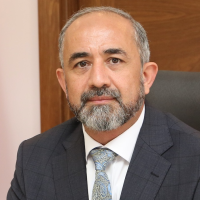
ODTÜ Gaziantep Mühendislik Fakültesi Makine Mühendisliği Bölümü’nden 1991 yılında Bölüm ve Fakülte derecesi ile Lisans diploması almıştır. Aynı yıl Ankara’da ODTÜ Makine Mühendisliği Bölümü’nde Yüksek Lisans eğitimine başlamıştır. 1992 Mart ayında Gazi Üniversitesi Makine Mühendisliği Bölümü’nde araştırma görevlisi olarak akademik hayata giriş yapmıştır. Yüksek Lisansı Gazi Makine Mühendisliği Bölümü’nde Şubat 1995’te tamamlamıştır. YÖK doktora bursu ile 1995 yılında Almanya Clausthal Teknik Üniversitesi Malzeme Bilimi ve Mühendisliği Bölümü’nde doktora eğitimine başlamış ve Mayıs 1999 tarihinde tamamlamıştır.
Doktora sonrası yurda dönerek Kütahya Dumlupınar Üniversitesi’nde Ocak 2000 yılında Doktor Öğretim üyesi (Yrd. Doç.) unvanı ile çalışmalarına devam etmiştir. 2008 yılında Doçent unvanını almış ve Haziran 2013 yılında Gazi Üniversitesi Makine Mühendisliği Bölümünde göreve başlayana kadar Kütahya Dumlupınar Üniversitesi’nde toplam 14 yıl görev yapmıştır.
Yüksek lisans tezinde “Gaz Atomizasyonu ile Metal Tozu Üretimi Değişkenlerinin Araştırılması” ve Doktora tezinde “Production, Consolidation and Investigation of PM Al-Mg-Sc Alloys” konularında araştırmalar yapmıştır. Çalışma konuları Makine Mühendisliği ve Malzeme Bilimi/Mühendisliği alanında olup Toz Metalurjisi, Üretim Teknolojileri, Malzeme Tasarım ve Davranışları, Makine tasarımı ve Makine elemanları konularındadır. Özellikle gaz atomizasyonu ve plazma atomizasyon yöntemleri ile metal tozu üretimi alanında araştırma projeleri yaparak önemli bilgi birikimi elde etmiştir. Bu konularda halen endüstriyel projelere danışmanlık hizmeti vermektedir. Toz Metalurjisi ve Eklemeli İmalat konularında araştırma çalışmalarına devam etmektedir.






Prof. Dr. Cengiz Kahraman
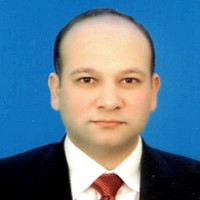
Prof. Kahraman, 1965 yılında Üsküdar’da doğdu. 1983 Yılında Kuleli Askeri Lisesi’nden mezun oldu. 1984 yılında İstanbul Teknik Üniversitesi Endüstri Mühendisliği Bölümü’nde yükseköğrenimine başladı. 1988 yılında mezun olduğu bu bölümde araştırma görevlisi olarak çalışmaya başladı. İTÜ’den 1988’de Endüstri Mühendisliği lisans derecesini, 1990’da endüstri mühendisliği yüksek lisans derecesini ve 1996 yılında endüstri mühendisliği doktora derecesini aldı. Prof. Kahraman, İstanbul Teknik Üniversitesi’nden 1996 yılında yardımcı docent, 1998 yılında docent, 2003 yılında profesör ünvanlarını aldı. Prof. Dr. Cengiz Kahraman’ın başlıca çalışma alanları arasında mühendislik ekonomisi, kalite yönetimi, çok ölçütlü karar verme, istatistiksel karar verme ve bulanık karar verme konuları yer alıyor. Prof. Kahraman 320’dan fazla uluslararası indeksli makaleye, 220’den fazla uluslararası bildiriye, 100’den fazla uluslararası kitap içi bölümüne imza attı. 25 adet uluslararası kitapta editörlük ve çok sayıda uluslararası dergiye ait özel sayılarda konuk editörlük yaptı. Hâlen, biri baş editörlük olmak üzere, 20’den fazla uluslararası derginin editöryal kurulunda yer alıyor. Uluslararası çapta pek çok bilimsel konferans da düzenleyen Cengiz Kahraman, 2004-2007 yılları arasında İTÜ İşletme Fakültesi Dekan Yardımcılığı, 2007-2010 yılları arasında ise İTÜ Endüstri Mühendisliği Bölüm Başkanlığı yaparak üniversitede idari görevler de gerçekleştirdi. 2017 yılında Turkishtime dergisi tarafından yayımlanan araştırma sonuçlarına göre, “Bilim dünyasına yön veren ilk 100 Türk” listesinin 40. sırasında yer alan Prof. Dr. Cengiz Kahraman, 2018 yılında da TÜBİTAK Bilim ödülünü kazandı.




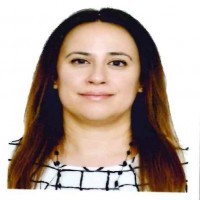
Doç. Dr. Dilşad Dolunay ESLEK KOYUNCU, Gazi Üniversitesi Mühendislik-Mimarlık Fakültesi Kimya Mühendisliği Bölümü’nde Lisans eğitimini tamamlayarak 2005 yılında mezun olmuştur. Gazi Üniversitesi Fen Bilimleri Enstitüsü Kimya Mühendisliği Programı’ndan 2008 yılında Yüksek Lisans ve yine aynı programdan 2015 yılında Doktora derecelerini almıştır. 2022 yılında Doçent unvanı alan Koyuncu’nun Kimyasal Reaksiyonlar ve Katalizörler, Temiz ve Yenilenebilir Enerji Teknolojileri, Hidrojen Üretimi, Ayırma İşlemleri ve Atıksu Arıtımı, Çevresel ve Sürdürülebilir Süreçler, Malzeme Üretimi ve Karakterizasyonu konularına yönelik çalışmaları bulunmaktadır.



Dr. Yılmaz, 2018 yılında Gebze Teknik Üniversitesi Malzeme Bilimi ve Mühendisliği Bölümü'nden doktora derecesini almıştır. Yüksek lisans ve lisans derecelerini sırasıyla İstanbul Teknik Üniversitesi'nden (2012) ve Yıldız Teknik Üniversitesi'nden (2010) almıştır. Türkiye Bilimsel ve Teknolojik Araştırma Kurumu'ndan (TÜBİTAK) kazandığı burs ile Nottingham Üniversitesi İleri Üretim Teknolojileri Araştırma Grubu'nda bir yıl çalışmıştır.
Gebze Teknik Üniversitesi'nde 6 yıl araştırma görevlisi olarak çalıştıktan sonra (2012-2018), ALUTEAM'da (Alüminyum Test, Eğitim ve Araştırma Merkezi) Doktor Öğretim Üyesi (2018-2023) olarak çalışmıştır. 2023 yılından beri Bursa Uludağ Üniversitesi Makine Mühendisliği Bölümü'nde Doçent olarak görev yapmaktadır.
Araştırma ilgi alanları arasında eklemeli imalat, kaplama sistemleri, yüzey modifikasyonları, alüminyum ve alaşımları, biyomalzemeler ve mekanik testler yer almaktadır. 50'tan fazla bilimsel yayını (dergi makaleleri, kitap bölümleri, projeler ve konferans makaleleri) bulunan Dr. Yılmaz aynı zamanda Katmanlı Üretim Derneği (TAMA) Genel Sekreteri'dir.
Yayın Danışma Kurulu (Yeni)

1992 yılında Orta Doğu Teknik Üniversitesi (ODTÜ) Gaziantep Mühendislik Fakültesi Makina Mühendisliği Bölümü’nden mezun olan Prof. Dr. Türkay Dereli, lisansüstü çalışmalarını tamamlayarak 1998 yılında Gaziantep Üniversitesi Endüstri Mühendisliği Bölümü’nde Yardımcı Doçent (Dr. Öğretim Üyesi) olarak çalışmaya başlamıştır. 2002 yılında Doçent unvanını alan Prof. Dr. Türkay Dereli, 2007 yılında Profesörlük kadrosuna atanmıştır. Endüstriyel ve güncel araştırma projeleri ile ulusal ve uluslararası konferans organizasyonlarında görev almıştır. Türkiye’deki ilk yenilik merkezi ile bilişim ve hızlı prototipleme laboratuvarlarının Gaziantep’te kurulması için çalışmıştır. Çok sayıda özgün makale, tebliğ ve kitapları yayınlanmıştır. Web of Science kayıtlarına göre; SCI/SCI-E/SSCI indeksli dergilerde 70’in üzerinde eseri yayınlanmış olup h-indeks sayısı 22 olan Prof. Dr. Türkay Dereli’nin bu yayınlarına 1500’e yakın atıf verilmiştir. Google Scholar kayıtlarına göre ise h-indeks sayısı 30 olup, verilen atıfların sayısı 3000’in üzerindedir. Yapay zekânın özellikle üretim sistemlerinde uygulanması üzerine bilimsel çalışmaları bulunan Prof. Dr. Türkay Dereli’nin son yıllardaki çalışmaları ‘Teknoloji ve Toplum’ üzerine yoğunlaşmaya başlamıştır. 2012-2015 yılları arasında Gaziantep Üniversitesi’nde Bilim, Sanayi ve Teknoloji politikalarından sorumlu Rektör Yardımcısı ve 2015-2020 yılları arasında İskenderun Teknik Üniversitesi (İSTE) Kurucu Rektörü olarak görev yapan Prof. Dr. Türkay Dereli, 2020-2025 yılları arasında Hasan Kalyoncu Üniversitesi Rektörlüğü vazifesini yürütmüştür.
DILHAN M. KALYON, PhD
Institute Professor, Chemical Engineering and Materials Science
Founding Director, Highly Filled Materials Institute
Stevens Institute of Technology
Hoboken, New Jersey 07030
(201) 216-8225
dkalyon@research.stevens.edu
Dr. Dilhan M. Kalyon is Institute Professor and the Director of the Highly Filled Materials Institute at Stevens Institute of Technology. He obtained his MEng and PhD degrees in chemical engineering from McGill University in Canada, in 1977 and 1980, respectively and his BEng degree from METU in Ankara in 1975. Upon graduation from McGill he joined Stevens Institute of Technology, where he has served at the International Programs Office (1980-1984), and at the Departments of Chemistry and Chemical Engineering, Chemical, Biomedical and Materials Engineering and Chemical Engineering and Materials Science as an Assistant Professor (1984-1987), Associate Professor (1987-1990), Professor (1990-1999), Institute Professor (1999-), Joint Affiliate Professor of Biomedical Engineering (2009-2014), the Founding Director of Highly Filled Materials Institute (1989-) and Interim Vice Provost (August 2019- July 2020) and Vice Provost of Research and Innovation of Stevens (July 2020- November 2022).
Professor Kalyon’s expertise is in the rheology, simulation and processing of complex fluids including polymers, biopolymers, and energetic, ceramic, magnetic and composite materials processed using extrusion, molding and coating techniques, especially involving suspensions filled with rigid particles at concentrations which approach their maximum packing fraction. His research is multi-disciplinary in nature and integrates mathematical modeling and simulation, experimental studies using industrial-scale processing equipment, and analysis of microstructural distributions and ultimate properties of processed articles. Overall, he has received over 180 contracts and grants from various companies and government organizations. Currently, he is the principle investigator of a major DoD project (2022-2024).
Professor Kalyon and his co-workers have developed various comprehensive technologies in the areas of novel biomaterials, new methods of fabrication of tissue engineering scaffolds, disposal of very toxic chemicals, mitigation of EMF, mixing, on-line rheology and microstructural analysis of concentrated suspensions. The developments include processable magnetic composites with high relative permeability and means of magnetic shielding, disposal methods for medical waste and highly toxic chemicals, materials and processes for on-site molding of replacements for cranial bones removed during neurosurgery, new method for manufacturing of nanofibers with nanoparticles, functionally-graded tissue engineering constructs including bone graft substitutes for arthrodesis, x-ray diffraction based characterization method for the particle size distribution of crystalline solids, novel foodstuffs and methods of manufacturing them, new methods of manufacturing of energetic materials with desired structural distributions, novel intumescent materials, nanocomposites with carbon nanototubes and method for the control of rheology and injectability of ceramic bone cement precursors. Some of these developments are patented, and some are being pursued by Stevens as new patents and opportunities for commercialization.
Prof. Kalyon has received the Thomas Baron award in fluid-particle systems of the American Institute of Chemical Engineers (2008), the International Research award of Society of Plastics Engineers (2008), the Harvey N. Davis Distinguished Teaching Assistant Professor award (1987), Exemplary Research Award of Stevens (1992), Henry Morton Distinguished Teaching Full Professor award (2000), Honorary M. Eng. degree, honoris causa (1994), the Davis Memorial award for Research Excellence (2009) and the Faculty Appreciation award (2017) and the Schaefer School Research Funding Award (2024) from Stevens Institute of Technology, the Founder’s award of JOCG Continuous Extrusion and Mixing Group (2004), and various fellowships including DuPont Central Research and Development Fellowship (1997), Exxon Education Foundation Fellowship (1990) and Unilever Education Fellowship (1991). He was elected Fellow of the Society of Plastics Engineers (2004) and Fellow of American Institute of Chemical Engineering (2006). He is also a member of the NY Academy of Sciences (member of the Steering Committee of Chemical Engineering Discussion Group), Biomedical Engineering Society, Society of Rheology, Polymer Processing Society, American Institute of Physics, and American Society of Engineering Education. Prof. Kalyon served as a member of the Research and Development Council of New Jersey (2020-2023), and as a director of the educational non-profit FABSIT (2008-).