Erzurum Technical University Journal of Social Sciences Institute (ETUSBED) aims to host scientific publications containing researches related to social sciences, and to bring together national and international literature with theoretical and methodological research that will contribute to social and human sciences. Thus, it is to contribute to the development of social sciences in the face of world problems with new perspectives and approaches.
Erzurum Technical University Journal of Social Sciences Institute (ETUSBED) is academic, scientific and research-based; It is a journal where original and qualified articles, book reviews and reviews are published. The studies submitted for publication in the journal must be "Research Papers", "Translation", "Book Evaluation", "Discussion", "Conversation" and "Conference/Seminar Texts" that concern social and human sciences. The publication language of the journal is Turkish. Studies written in English are also accepted for publication.
Dear Foreign Authors:
ETUSBED attaches special importance to foreign publications and can take particular interest in the studies. Please do not hesitate to contact the editors about even the slightest problem you encounter.
Ethical Principles and Publication Policy
The ethical principles and rules in ETUSBED (Erzurum Teknik Üniversitesi Sosyal Bilimler Ensitüsü Dergisi/ Erzurum Technical University Social Sciences Journal) have been prepared according to the guidelines of the
Committee on Publication Ethics' (COPE (https://publicationethics.org)).
Council of Science Editors (CSE)
Committee on Publication Ethics (COPE)
European Association of Science Editors (EASE)
It is formatted in accordance with the National Information Standards Organization (NISO) guidelines.
It is conducted in accordance with the principles of Transparency and Best Practice in Academic Publishing (DOAJ Best practice).
ETÜSBED follows the flowchart proposed by Dergipark and which is in line with the processes of other directories.
In addition to this flowchart, both language and spelling compliance/proofreading are checked.
AUTHOR(S)
* The author(s) should not submit a study that they have published or submitted for publication in any other journal to the ETÜSBED.
* Although the author(s) are expected to submit original works to ETÜSBED, they should cite all sources utilized in their studies in accordance with ethical principles.
* The author(s) should indicate the people who contributed to the study. It should not be recommended that people who do not contribute to the study (especially for the study about to be published) should not be added as authors.
* If the author(s) have any conflict of interest or community of interest regarding the study, this situation must be reported to the editor(s).
* The author(s) should cooperate with the editor(s) (such as informing, withdrawing or correcting the study) about the errors they notice in their published, previewed or evaluated studies.
* The author(s) should upload the ethics committee approval they have obtained for research requiring ethics committee approval to the system during the article application. In addition, the author(s) should provide a citation on the first and last page of the study and in the method section. You can also access the Tr Index Ethical Principles Flowchart by clicking here.
* If the author(s) are requested to provide raw data about their research, they are obliged to send the necessary data and information to the editorial board and scientific board.
REFEREE(S)
All manuscripts submitted to the Journal of ETÜSBED are evaluated by double blind refereeing. This review process aims for an unbiased, objective and independent evaluation process, while the information of the author(s) and referee(s) will remain confidential.
* Referee(s) should only accept studies related to their field of expertise.
* Referee(s) should evaluate the study in accordance with scientific principles, impartiality and confidentiality.
* Referee(s) are required to fill out the Referee Evaluation Form and state their opinions about the study in detail in the Opinions on the Article section under this form.
* Referee(s) should refuse the evaluation by informing the editor when they realize that there is a conflict of interest or conflict of interest.
* Reviewer(s) should make their evaluations in an academic language. Personal comments containing hostility and insults should be avoided. Reviewer(s) who make unscientific comments may be asked to reconsider and correct their comments. Despite this, referee evaluations that do not meet the required standards will not be taken into consideration.
* Referee(s) are required to complete the work under review within the specified time frame and comply with the ethical responsibilities stated above.
EDITOR(S)
General Duties and Responsibilities
* The editor(s) should endeavor to meet the information needs of reviewers, authors and readers about the process.
* The editor(s) should strive to ensure that the publication quality and process of ETÜSBED are carried out and developed following the determined rules.
* The editor(s) should enable processes to improve the quality of studies within the framework of publication policies, respect freedom of thought, and strive to ensure academic integrity.
* The editor(s) should protect the personal data of authors, referees, and readers within the framework of the publication policy of the ETÜSBED.
* The editor(s) must protect the intellectual property rights of all manuscripts submitted to ETÜSBED. In case of violation, they should defend the rights of the study and the author(s).
* The editor(s) should constantly update the referee pool and send the manuscripts to referees according to their areas of expertise.
* The Editor(s) should communicate effectively with everyone involved in the review of all manuscripts submitted to ETÜSBED and take precautions against misconduct.
*The Editorial Board follows the relevant flowchart of COPE to minimize peer review manipulation. If there is a suspicion of peer review manipulation after publication, the Editorial Board will follow COPE's appropriate flowchart.
Relations with Reader(s)
* The editor(s) should pay attention to ensure that the studies published in the Journal of ETÜSBE contribute to the scientific literature and are original.
* The editor(s) are obliged to provide explanatory and informative answers, considering the feedback.
Relations with Author(s)
* The editor(s) should organize the publication policy and writing rules on sample templates in line with the expectations of the authors.
* The editor(s) should provide the necessary information to the authors upon their request in a way that will not affect the refereeing process.
* Unless there are serious problems with the manuscript, the editor(s) should advance the process by considering the referee's suggestions.
Relations with Referee(s)
* The editor(s) should ask the reviewers to evaluate articles appropriate to their knowledge and expertise.
* The editor(s) are responsible for providing helpful resources such as information, guides, and forms that reviewers will need.
* The editor(s) should create a database of reviewers and update this database according to the performance of the reviewers.
* The editor(s) should remove referees from the database who behave in a manner far from academic language and do not comply with the specified deadlines.
* The editor(s) should encourage the reviewers to evaluate the manuscript impartially and scientifically.
UNETHICAL BEHAVIORS
All manuscripts submitted to ETÜSBED are scanned with iThenticate (http://www.ithenticate.com) software program in the pre-control phase. Studies with a similarity rate of less than 25%, which comply with the spelling rules and receive the approval of the language editor, are included in the evaluation process. In addition, if the following unethical behaviors are detected, the study will be rejected.
* The presence of people who have not contributed intellectually among the authors of the study.
* Failure to indicate if the study is produced from any of the studies such as master's / doctorate/project / academic presentation.
* The study is divided into parts and converted into more than one study.
* Failure to declare the conflict of interest or conflict of interest of the study.
* Interfering with the refereeing process of the study.
* Citation Manipulation: Manipulation by the author, another journal, or other publication by citing, self-citing, or incorporating chunks of citations into the study for the purpose of manipulation.
Conflict of Interest Statement
The conflict of interest form should be filled out in cases with multiple authors or in cases that may create a conflict of interest and should be added when the article is uploaded.
ICMJE Form is used as a form. Click to download....
All authors need to sign ONE form. A single file with the signatures of all authors must be uploaded to the system.
Declaration of Financial Support
ETÜSBED requests information about the financial support received by the authors and shares information about the financial support such as the institution and project number on the last page of the article.
Disclaimer
Statements or opinions expressed in the articles published in the journal do not represent the views of the editors, editorial board and/or publisher, but those of the author(s).
Hiçbir ad altında yazar veya kurumundan ücret alınmaz.
Dergide makale yayını ve makale süreçlerinin yürütülmesi ücrete tabi değildir. Dergiye gönderilen ya da yayın için kabul edilen makaleler için işlemle ücreti ya da farklı bir gerekçeyle herhangi bir ücret alınmaz.
Derginin süreç takibi, yayınlanması ve arşivlemesi TÜBİTAK tarafından ücretsiz olarak sunulan Dergipark platformu üzerinden ücretsiz olarak yaplımaktadır.
Derginin Doi ücretleri Dergipark tarafından karşılanmaktadır.
Derginin ihtiyaç duyduğu bazı ücretli uygulamaları Erzurum Teknik Üniversitesi sağlamaktadır.
Derginin ekibi akademisyenler olup makale işlemleri için ücret talep etmemektedir.
Dergi hiçbir şekilde reklam almamakta, dergi sayfasında bulunan grammarly veya mybib gibi web sayfalarını tavsiye mahiyetinde ve tercihe bağlı olarak önermektedir. Derginin bu ve benzeri sitelerle hiçbir sponsorluk veya tanıtım gibi çıkar ilişkili bir bağlantı kurmamaktadır.
ETUSBED Budapeşte Açık Erişim Deklarasyonunu imzalamıştır.
Bk. http://www.budapestopenaccessinitiative.org/list_signatures/
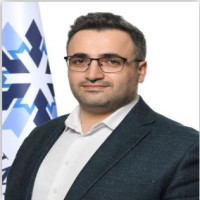
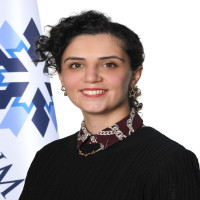
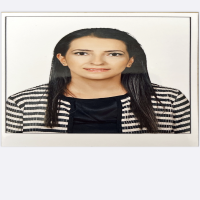
Kübranur ÇEBİ KARAASLAN got her bachelor's, master's and doctorate degrees in the department of econometrics. She was appointed as an assistant professor at Erzurum Technical University, Department of Econometrics in 2021. She became an associate professor in 2022. Her main research interests are discrete choice model, categorical data, count data, microeconometrics, happiness economics, household expenditures, consumer behavior.
Skills & expertise
Applied Statistics • Microeconometrics • Data Analysis Discrete Choice Modeling • Survey Methodology and Data Analysis • Statistical Analysis. Tobit • Logistic Regression • Count Data • G*Power • Gompit Statistical Power and Power Analysis Quantile Regression
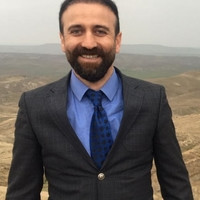
Orta Doğu Teknik Üniversitesi Siyaset Bilimi ve Kamu Yönetimi bölümünden 2009 yılında mezun oldu. Bir diğer lisans mezuniyetini 2010 yılında Anadolu Üniversitesi İktisat bölümünden aldı. 2012 yılında İngiltere’nin Southampton Üniversitesi’nde Yönetim Bilimleri alanında pre-master yaptı. Eylül 2013’te İngiltere’nin Sheffield Üniversitesi’nde Siyaset Bilimi alanında yüksek lisans derecesi aldı. Yine Sheffield Üniversitesi’nde Prof. Dr. Jonathan Joseph ve Prof. Dr. John M. Hobson danışmanlığında yürüttüğü doktora çalışmalarını Eylül 2018’de tamamlayarak Siyaset Bilimi alanında ‘doktor‘ unvanını almaya hak kazandı. Sheffield Üniversitesi’nden doktora derecesini almasının ardından akademik kariyerine Mart 2019’da Erzurum Teknik Üniversitesi‘nde ‘Öğretim Görevlisi‘ olarak başladı. Ağustos 2020’de aynı üniversitenin Siyaset Bilimi ve Kamu Yönetimi bölümüne ‘Dr. Öğr. Üyesi‘ olarak atandı. Bu dönemde Siyaset Bilimi Ana Bilim Dalı Başkanlığı görevini yerine getirdi. Ağustos 2023’te Siyaset Bilimi alanında ‘doçent‘ unvanına sahip oldu. Ocak 2024 itibariyle Erzurum Teknik Üniversitesi Toplumsal Katkı ve Eşitlik Politikaları Koordinatörü olarak görev almaktadır. Siyaset teorisi, siyaset felsefesi, uluslararası siyaset, siyasal iletişim, siyasal pazarlama, halkla ilişkiler, eleştirel söylem çalışmaları, hegemonya, propaganda, toplumsal cinsiyet ve kültürel çalışmalar başlıca akademik çalışma alanlarıdır. Siyaset, sosyoloji, felsefe, uluslararası ilişkiler ve ekonomi alanlarındaki köşe yazıları çeşitli gazete ve dergilerde yer bulmaktadır. İleri seviyede İngilizce, başlangıç, seviyesinde Almanca bilmektedir.
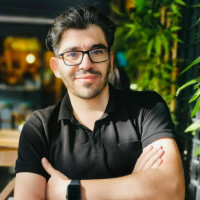
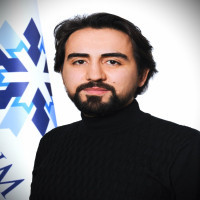
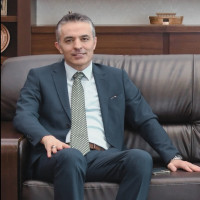
Kadir Deligöz was born in Erzurum in 1989. He holds master’s and doctorate degrees from the Department of Production Management and Marketing, Atatürk University. He is currently working as an Assistant Professor at the Faculty of Economics and Administrative Sciences, Atatürk University. Deligöz has published many books, book chapters, articles, and papers. Deligöz is married with a daughter.
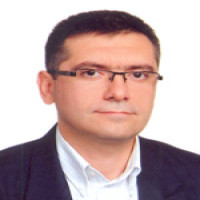
1989 yılında Erzurum’da doğdu. İlk ve orta öğrenimini Erzurum’da tamamladı. 2011 yılında Atatürk Üniversitesi Edebiyat Fakültesi Türk Dili ve Edebiyatı Bölümü’nden mezun oldu. 2011 yılında başladığı Atatürk Üniversitesi Sosyal Bilimler Enstitüsü Eski Türk Edebiyatı Anabilim Dalı’nda Yüksek Lisans eğitimini İsmâil Hakkı Halvetî ve Tefsir Günlüğü adlı teziyle 2014 yılında; aynı yıl başladığı Atatürk Üniversitesi Türkiyat Araştırmaları Enstitüsü Eski Türk Edebiyatı Anabilim Dalı doktora programını 2017 yılında Tellizâde Vehbî ve Urfî-i Şîrâzî Dîvânı Şerhi adlı çalışmasıyla tamamladı. 2012-2013 yılları arası Trakya Üniversitesi Türk Dili ve Edebiyatı Bölümü’nde, 2013-2017 yılları arası Erzurum Teknik Üniversitesi Türk Dili ve Edebiyatı Bölümü’nde Araştırma Görevlisi olarak çalıştı. 2018-2021 yılları arasında Erzurum Teknik Üniversitesi Türk Dili ve Edebiyatı Bölümü’nde Doktor Öğretim Üyesi olarak görev yapan Gözitok, halen aynı üniversitede Doçent unvanıyla bilimsel çalışmalarına devam etmektedir.
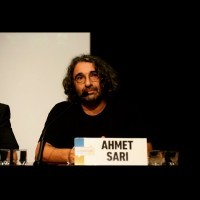
Ahmet Sarı, Atatürk Üniversitesi Alman Dili ve Edebiyatı Bölümünde Prof. Dr. olarak görev yapmaktadır. Sarı, Alman kültürü ve edebiyatı üzerine çalışmalar yapmaktadır.
varlık felsefesi, metafizik, Mantık
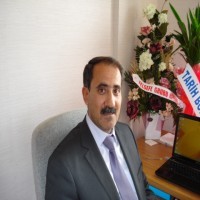
1984 yılında Ankara Üniversitesi Dil ve Tarih Coğrafya Fakültesi Ortaçağ Tarihi Kürsüsü’nden mezun oldu. Aynı Yıl mezun olduğu Fakülte’de Asistan olarak göreve başladı. 1988 yılında Yüksek Lisansını, 1995 yılında ise Doktora eğitimini tamamladı.
1989-1990 yılları arasında Mısır Arap Cumhuriyeti’nde burslu olarak ňaraştırma ve incelemelerde bulundu.
1995-1998 yılları arasında Sivas Cumhuriyet Üniversitesi’nde, 1998- 2003 yılları arasında ise Afyon Kocatepe Üniversitesi’nde, Yardımcı Doçent olarak Ortaçağ devri Türk - İslam tarihine ait Lisans ve Yüsek Lisans derslerini yürüterek akademik faaliyetlerini devam ettirdi.
2003 yılından itibaren Gazi Üniversitesi Fen-Edebiyat Fakültesi’nde öğretim üyesi olarak akademik faaliyetlerini devam ettiren Süleyman Özbek; 2008-2010 yıllarında Bosna Hersek Cumhuriyeti, Tuzla Üniversitesi’nde ve 2010-2011 yıllarında ise Suriye Arap Cumhuriyeti, Haleb Üniversitesinde misafir öğretim üyesi olarak Türk Tarihi ve Türk Kültürü dersleri verdi.
2013 yılında Doçent, 2019 yılında profesör payesini alan Süleyman Özbek Halen Hacı Bayram Veli Üniversitesi Edebiyat Fakültesinde akademik çalışmalarını devam ettirmektedir.
Gökhan Tunç, 2002 yılında Ankara Üniversitesi, Dil ve Tarih-Coğrafya Fakültesi Türk Dili ve Edebiyatı Bölümünde lisans; 2006 yılında, Bilkent Üniversitesi Türk Edebiyatı Bölümünde yüksek lisans eğitimini tamamladı. 2011 yılında hazırladığı “Millî Mücadele’nin Türk Romanına Yansıması” adlı teziyle Ankara Üniversitesi Sosyal Bilimler Enstitüsünden doktor unvanını aldı. Adam Öykü, Atatürk Üniversitesi Türkiyat Araştırmaları Enstitüsü Dergisi, Bilig, Edebiyat Otağı, Erdem, Folklor ve Edebiyat, Hece, Karadeniz Araştırmaları, Kardeş Kalemler, Kebikeç, Millî Folklor, Şehriyar, Tübar, Turkish Studies, Türk Edebiyatı, Uluslararası Sosyal Araştırmalar, Yeni Türk Edebiyatı Araştırmaları gibi dergilerde yazıları yayımlandı. 2011 yılında Kadim Yayınlarından Çağdaş Mesnevinin Peşinde: Nâzım Hikmet’in Ferhad ile Şirin’i ve Sezai Karakoç’un Leylâ ile Mecnun’u adlı kitabı; 2018 yılında Ötüken Yayınlarından Rüzgâra Karşı Duran Şair: Etkilenme Endişesi Kavramı ve Yahya Kemal’in Türk Şiirine Etkisi ve Hece Yayınlarından Kavramlar ve Kuramlarla Modern Türk Şiiri İncelemeleri adlı kitapları yayımlandı. Hüseyin Cahit Yalçın’ın eski harflerle yayımlanan Hayâl İçinde adlı romanını bir inceleme ile birlikte yeni harflere aktardı. Ayrıca İş Bankası Kültür Yayınlarından yayımlanan Asfalt Ovalarda Yürüyen Abdal: Behçet Necatigil adlı kitabı yayına hazırladı. Anadolu Üniversitesi tarafından yayımlanan Türk Klasikleri serisinin genel yayın yönetmenliğinde bulundu. Tunç, 2003 yılında Bilkent Üniversitesi, Türk Edebiyatı Bölümünden Melih Cevdet Anday Onur Ödülü’nü; 2011 yılında yayımlanan Çağdaş Mesnevînin Peşinde: Nâzım Hikmet’in Ferhad ile Şirin’i ve Sezai Karakoç’un Leylâ ile Mecnun’u adlı kitabıyla İLESAM tarafından yılın edebî tenkit ödülünü; 2021 yılında Şiir ve Bellek: Modern Türk Şiirinde Bellek Metaforları kitabıyla Söylem Filoloji ve Mehmet H. Doğan ödülünü aldı. Hâlen Anadolu Üniversitesi Edebiyat Fakültesi Türk Dili ve Edebiyatı Bölümünde öğretim üyeliği görevini sürdürmektedir.
2008 yılında Erzurum Mecidiye Anadolu Lisesinden mezun olmuştur. Aynı yıl Bursa Uludağ Üniversitesi Maliye Bölümünü kazanmıştır. 2012 yılında maliye bölümünden mezun olduktan sonra ertesi yıl Bursa Uludağ Üniversitesi Sosyal Bilimler Enstitüsü Maliye Ana Bilim Dalında yüksek lisans programına başlamış olup 2013 yılında araştırma görevlisi olarak atanmıştır. 2015 yılında ise yüksek lisans programından mezun olmuştur. Aynı yıl Bursa Uludağ Üniversitesi Sosyal Bilimler Enstitüsü Maliye Ana Bilim Dalında doktora programına başlamış olup 2023 yılında mezun olmuştur. Halen görevine Dr. Öğretim Üyesi olarak devam etmektedir. Mali hukuk başta olmak üzere bir çok interdisipliner alanda çalışmalar yapmakta olup özellikle tebligat hukuku ve ihale hukuku ile ilgili yayınları bulunmaktadır.