Research Article
Book Review
Issue Editorial Board
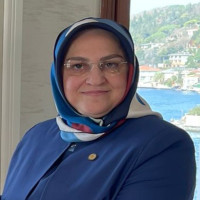

CURRICULUM VITAE
Prof. Dr. Vildan Coşkun was born in Istanbul. She graduated first in her class from Zeytinburnu Imam Hatip High School in 1987 and enrolled in the Department of Turkish Language and Literature at Boğaziçi University the same year, graduating with honors in 1992.
Between 1992 and 1993, she worked as an English teacher at the Ministry of National Education. In 1993, she won a scholarship for master’s and doctoral studies at the Center for Islamic Studies (ISAM), where she also served as a researcher. She completed her master’s degree at the Istanbul University Social Sciences Institute between 1992 and 1994. In 1994–1995, she studied academic English at the University of Pennsylvania (USA) and worked on translations from Ottoman Turkish to English.
She earned her PhD at Istanbul University Social Sciences Institute between 1994 and 2000, spending part of her doctoral research at Harvard University Houghton Library. During this period, she also worked part-time at the Middle East Section of Harvard Law School Library and at the Aga Khan Library Visual Collection.
In 2000, she became a researcher at ISAM and an author for the TDV Encyclopedia of Islam. Between 2002 and 2004, she pursued postdoctoral research on Ottoman Literature and Architecture at the Aga Khan Program, Harvard University. From 2004 to 2010, she continued her work as a researcher and TDV Encyclopedia author at ISAM. In 2010, she served as a part-time Turkish lecturer at Istanbul Sabahattin Zaim University, contributing to the establishment of TÖMER and teaching courses. She became an associate professor in 2013, founded the Department of Turkish Language Teaching at the same university, and served as its chair for two years. She also taught courses in Children’s Literature. Between 2012 and 2015, she was a member of YADOT (Association for Teaching Turkish to Foreigners).
Since 2015, she has been a professor of Classical Turkish Literature at the Department of Turkish Language and Literature, Faculty of Arts and Sciences, Sakarya University. She also serves as Advisor to the Rector at Düzce University.
Her academic work includes four books, numerous articles (two in English), encyclopedia entries (some in English), and about ten translations (Turkish-English). She has participated in and led projects supported by TÜBİTAK, Sakarya University, and Boğaziçi University, and has conducted research and academic activities abroad through Erasmus and other programs. She has conducted academic work in the USA, France, Macedonia, Bosnia and Herzegovina, and Jordan, and visited multiple cities in Turkey for academic purposes, including Ankara, Erzurum, Siirt, Batman, Tokat, Mardin, and Düzce.
Languages: Ottoman Turkish, English, Arabic, Persian (intermediate), French (basic)
Personal: Mother of two children.
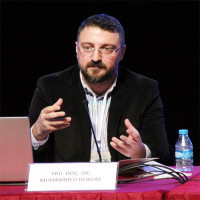






 Web
Web
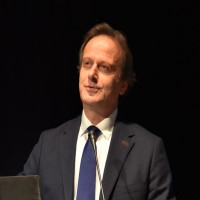
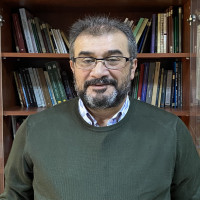
Yılmaz Daşcıoğlu
Isparta-Yalvaç’ta doğdu. İlk ve ortaöğrenimini doğum yerinde yaptıktan sonra İstanbul Üniversitesi Edebiyat Fakültesi Türk Dili ve Edebiyatı bölümünü bitirdi. (1985)
1993 yılından bu yana Sakarya Üniversitesi Fen-Edebiyat sonradan İnsan ve Toplum Bilimleri Fakültesi Türk Dili ve Edebiyatı Bölümü’nde öğretim üyesi olarak çalışmaktadır. Halen Sakarya ve FSMVU’de dersler vermektedir.
Çalışmaları daha ziyade Batılılaşma etkisinde gelişen Türk edebiyatı ve modern Türk şiiri üzerinde yoğunlaşmış bulunan Yılmaz Daşcıoğlu’nun kitap olarak yayınlamış eserleri şunlardır:
İlk ve Orta Dereceli Okullar İçin Türkçe Sözlük (1985),
Mihrace (Şiirler, 1991),
Abdülhak Hâmid Tarhan (İnceleme ve seçmeler, 1999),
Mektuplarla Tevfik Fikret ve Çevresi (Fatih Andı ve Hüseyin Yorulmaz’la birlikte, 1999),
Kartpostallarla Tevfik Fikret ve Çevresi (Fatih Andı ve Hüseyin Yorulmaz’la birlikte, 1999),
Türk Şiirinde Bir Garip Adam Orhan Veli Kanık (Biyografi, 2005),
Ahmet Hâşim, Bize Göre ve Diğer Yazıları (Yayına hazırlama, 2005),
Ahmet Rasim, Şehir Mektupları (Yayına hazırlama, 2005),
Dar Vakitlerde Geniş Zamanlar Behçet Necatigil’in Şiiri (İnceleme, 2006),
Kader Hep Erken Zaman Hep Geç Cahit Zarifoğlu’nun Şiiri (İnceleme, 2008, 2. Baskı 2020),
Dalgalı Suda Gölge ve Sûret 19. Yüzyıl Türk Edebiyatında Bireyleşme Üzerine (2014),
Leylâk Kalkışması (Şiirler, 2015)
Bitmeyen Başlangıçlar Şiir Üstüne Denemeler (Deneme-İnceleme, 2019)
Akıp Gidenin Cazibesi Kurmacanın, Popülerin ve Nesrin İzinde Yazılar (Deneme-İnceleme, 2021)
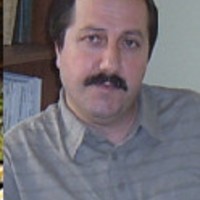
Bayram Ali KAYA, 1962 yılında İstanbul Zeytinburnu’nda doğdu, doğumlu ilk ve orta öğrenimini bu ilçede tamamladı.
1985 yılında İstanbul Üniversitesi Edebiyat Fakültesi Türk Dili ve Edebiyatı Bölümü’nden mezun oldu.
1985-1987 yılları arasında İslâm Ansiklopedisi Genel Müdürlüğü’nde, 1987-1994 yılları arasında ise T.C. Devlet Arşivleri Genel Müdürlüğü, Başbakanlık Osmanlı Arşivi Daire Başkanlığı’nda görev yaptı.
Trakya Üniversitesi Sosyal Bilimler Enstitüsü’nde başladığı “17. Yüzyıl Dîvân Şairlerinden Neşâtî, Hayatı, Edebî Kişiliği, Eserleri ve Hilye-i Enbiyâsı’nın Tenkitli Metni” adlı çalışma ile 1991 yılında yüksek lisansını; yine aynı enstitüde başladığı “Azmî-zâde Hâletî, Hayatı, Edebî Kişiliği, Eserleri ve Dîvânı’nın Tenkitli Metni” adlı çalışma ile de 1996 yılında doktorasını tamamladı.
KAYA, 2000-2003 yılları arasında Kuzey Kıbrıs Türk Cumhuriyeti Yakın Doğu Üniversitesi Türk Dili ve Edebiyatı Bölümü’nde misafir öğretim üyesi olarak görev yaptı.
2007 yılında doçent, 2013 yılında ise profesör unvanını aldı. Anabilim Dalı, Bölüm Başkanlığı, Dekanlık gibi birçok idari görevde de bulunan KAYA, belli dönemlerde İstanbul Medeniyet Üniversitesi, Fatih Sultan Mehmet Vakıf Üniversitesi’nde alanıyla ilgili dersler de verdi.
21 Temmuz 2023 tarihinde otuz yıldır görev yapmakta olduğu Sakarya Üniversitesi İnsan ve Toplum Bilimleri Fakültesi Türk Dili ve Edebiyatı Bölümü’nden kendi isteğiyle emekliye ayrıldı.
Hâlen İstanbul Sabahattin Zaim Üniversitesi İnsan ve Toplum Bilimleri Fakültesi Türk Dili ve Edebiyatı Bölümü’nde öğretim üyesi olarak görev yapmakta olan KAYA, evli ve üç çocuk babasıdır. Bilimsel dergilerde yayımlanmış birçok makalesi bulunan KAYA’nın şu kitapları bulunmaktadır.
1) Neşâtî (Şûle Yay., İstanbul 1988),
2) Azmî-zâde Hâletî Dîvânı (Harvard Üniversitesi Yakındoğu Dilleri ve Medeniyetleri Bölümü Yay., Cambridge 2003),
3) Halk Şiirinden Seçmeler (Metropol Yay., İstanbul 2005),
4) Mesnevî’den Seçmeler (Metropol Yay., İstanbul 2005), Defter-i Dervîşân (Sezai Küçük ile birlikte, Zeytinburnu Belediyesi Yay., İstanbul 2010),
5) Tekke Kapısı (Zeytinburnu Belediyesi Yay., İstanbul 2012),
6) Osman Nevres Dîvânı (Kesit Yay., İstanbul 2017);
7) Necâtî Bey’in Poetikası (Akademik Kitaplar, İstanbul 2020),
8) Neşâtî, Hilye-i Enbiyâ (Vakıfbank Yay., İstanbul 2022).
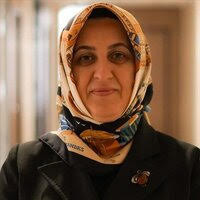
Boğaziçi Üniversitesi Türk Dili ve Edebiyatı bölümünü bitiren Günyüz, aynı üniversitede yüksek lisans tezi olarak Bursalı Talip Divanı Edisyon Kritik ve İstanbul Üniversitesi Sosyal Bilimler Enstitüsü’nde doktora tezi olarak Ahmedi Divanı’nın Tahlili üzerine çalıştı.
Yayın dünyasında sırasıyla editör, genel yayın yönetmeni ve CEO olarak görev yaptı. Yayıncılık çalışmaları boyunda 2000’in üzerinde kitabın yayın sürecinin içinde yer aldı. 2017-2022 yılından beri İbn Haldun Üniversitesi, Karşılaştırmalı Edebiyat bölümünde Dr. Öğretim Üyesi olarak görev yaptı. Halen aynı üniversitede ders vermeye devam ediyor.
Yazdığı resimli çocuk kitapları Doğu’dan Batı’ya 25 dile çevrilmiştir. (Almanca, Azerice, Arnavutça, Arapça, Boşnakça, Bulgarca, Çince, Farsça, Fransızca, Fince, Gagavuzca, İngilizce, İspanyolca, Kazakça, Korece, Moğolca, Nepalce, Özbekçe, Portekizce, Slovenyeca, Sırpça, Ukraynaca) 2022 yılında Çocuk Edebiyatı Okumaları, Kök Metinler, Metinlerarası İlişkiler, Karşılaştırmalı Okumalar adlı akademik kitabı yayınlandı.
Bir dönem Basın Yayın Birliği Derneği yönetim kurulu başkanlığı görevini yürütmüştür.
Uluslararası YATEDAM/TURLA (Yurtdışı Telif Danışmanlık Merkezi) projesi koordinatörlüğü, Kültür Bakanlığı TEDA (Kültür ve Turizm Bakanlığı Türk Kültür, Sanat ve Edebiyat Eserlerinin Dışa Açılımını Destekleme Projesi) Danışma ve Değerlendirme Kurulu üyeliği, İstanbul Yazım Merkezi proje koordinatörlüğü, TÜBİTAK Popüler Bilim Yayın Danışma Kurulu üyeliği, 6. Ulusal Yayın Kongresi Düzenleme Kurulu üyeliği, Okuma Kültürü Çalıştay Başkanlığı, MÜSİAD Mesleki Eğitim Çalıştay başkanlığı gibi özellikle yayıncılık ve eğitim alanında birçok ulusal ve uluslararası çalışmada yer aldı. MEB Bakan Müşaviri olarak görev yaptı. ÇOKGENÇ (Çocuk ve Gençlik Kültürü Derneği) Yönetim Kurulu başkanı olarak özellikle okuma kültürünün yaygınlaşması, çocuklara ve gençlere yönelik kültür, sanat ve edebiyat içeriklerinin kalitelerinin artırılması, bu alanlarda çalışanlara akademik destek sağlanması hususunda ulusal ve uluslararası projeler yönetmektedir. Türkiye’yi gezerek öğretmenlere nitelikli edebiyat okur yazarlığı üzerine seminer vermekte, uluslararası toplantılarda Türk yayıncılığının lobi gücünü artıracak programlar düzenlemektedir. Günyüz’ün bir diğer çalışma alanı ise liderliktir. Özellikle edebiyat dünyasında kadın liderliği konusunda çalışmalar yürütmektedir.

Professor Dr. Zeynep Tarım, a faculty member of the Department of History at Istanbul University Faculty of Letters, completed her bachelor's and master's degrees at the Department of History at Marmara University (1987) and her doctoral program at the Department of Art History at Istanbul University (1995). She began her career in the Department of Fine Arts and continued it in the Department of History after 1997. She was a visiting scholor at Harvard University for four semesters between 2000 and 2002, and participated in the postdoctoral program at Harvard University's Aga Khan Program for Islamic Architecture for two semesters in 2006-2007. In 2013, she spent a semester as a visiting researcher at SOAS in London, conducting research in the manuscripts section of the British Library. He has also participated in various academic projects in Greece and Hungary. He has taught courses on Ottoman cultural history, visual sources of Ottoman history, palaces and cities, palace organization, miniatures as sources of cultural history, palaces of West Asia, cultural identity and cities, Ottoman manuscripts, and travelogues, and has supervised theses on these topics. He has focused on Ottoman miniatures, Ottoman state ceremonies, the characteristics and use of the Ottoman palace, and its relationship with the city as elements that shaped and influenced the cultural environments of the Ottoman period, and has publications in this field.
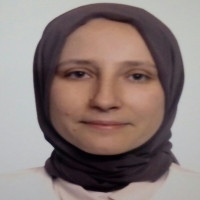
Hatice Uğur graduated from Boğaziçi University, Department of History in 2000. In 2003, she completed her master’s degree in history at Boğaziçi University with a thesis titled “Understanding Afrika-yi Osmani in the Late Ottoman Period: The Case of Zanzibar”, which was published as “A Sultanate in Ottoman Africa: Zanzibar” (Kure Publications, 2005). She completed her doctoral studies at the Institute of African Studies, Department of History, Leipzig University with her thesis titled “East Africa's Entangled Worlds in Ottoman Sources, 1879-1915”. Uğur has published several studies on Ottoman Africa and the interactions between the Ottomans, East Africa and the Western Indian Ocean regions in the 19th century. She is currently a faculty member at Marmara University, Institute of Middle East and Islamic Countries. She will also be a visiting researcher at the Department of African Studies at Humboldt University, during 2024-2025, where she will study the Afro-Ottoman legacy in late Ottoman and early Republican societies and examine Africans in the post-imperial Ottoman Empire within the broader concept of global African diaspora.
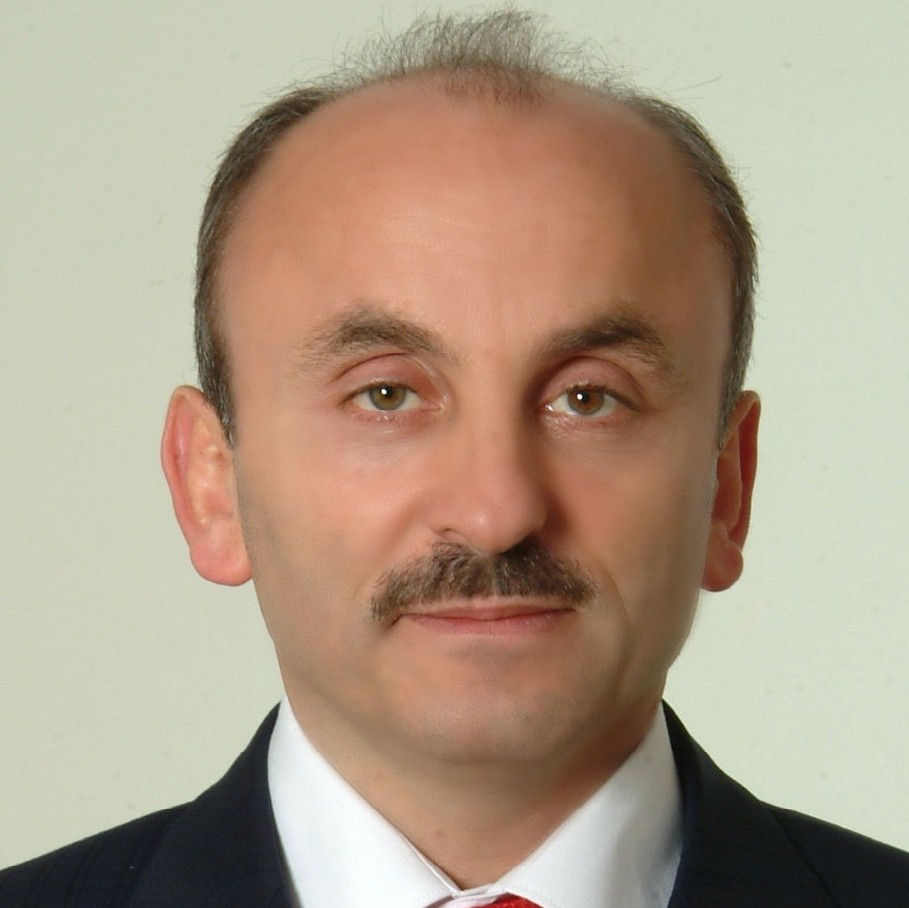



KİŞİSEL BİLGİLER
Adı / Soyadı: Melinda Botalić
Doğum Tarihi: 1981
Doğum Yeri: Doboj/Bosna-Hersek
Medeni Durumu: Evli
e-posta: melindabotalic@gmail.com
KISA ÖZGEÇMİŞ:
İlk öğrenimini Doboy’da, orta öğrenimini ve liseyi Gračanica’da tamamladım. 1999-2000 yılları arasında Gazi Üniversitesi TÖMER’ini bitirdim. 2000 - 2001 yılları arasında ise İstanbul Üniversitesi İngilizce hazırlık derslerini gördüm. Tuzla Üniversitesi Felsefe Fakültesi Türk Dili ve Edebiyatı Bölümü’nü 2006 ’te bitirdim. 2012 yılında Sarayevo Üniversitesi Felsefe Fakultesi Türk Dili ve Edebiyatı Bölümü’nde “XX yüzyıl Türk şiirinde Birinci yeni hareketi: Orhan Veli Kanık, Oktay Rifat Horozcu ve Melih Cevdet Anday” konu başlıklı Yüksek Lisans Tezi’mi tamamladım. 2013 yılı Güz döneminde aynı üniversitede doktoraya başladım. 2017’de ‘Erendiz Atasü ve Füruzan Hikayelerinin Toplumsal Cinsiyet Açısından İncelenmesi’ adlı doktora tezi savundum.
MESLEKİ GEÇMİŞ:
2008-2017 yıllar arasında Tuzla Üniversitesi Felsefe Fakultesi Türk Dili ve Edebiyatı Bölümü’nde kadrolu araştırma görevlisi, 2017-2022 doktor öğretim üyesi olarak çalıştım. 2022'den itibaren doçent doktor olarak çalışmaktayım.
VERDİĞİ DERSLER:
Türk Edebiyatına Giriş, Yeni Türk Edebiyatı, Çağdaş Türk Edebiyatı, Tercümeler
İLGİ ALANLARI:
Türk Edebiyatı, Metin İncelemesi, Edebi Tercüme
KİTAP YAYINLARI:
1. Botalić, Melinda (2021), Rod i moć – Pripovjedački opus savremene turske spisateljice Erendiz Atasü
Makale YAYINLARI ve KONGRE BİLDİRİLERİ:
1. Sümbüllü, Yusuf Ziya, Melinda Botalić (2011), “Bosniak Cultural Heritage: Cultural Characteristics of Traditional Knockers and Gates”, Human, Volume 1 Issue 2, Tuzla, 13-17.
2. Sümbüllü, Yusuf Ziya, Melinda Botalić (2012), “An Interview About Saddle-Making, One of The Traditional Handicrafts in Bosnia and Herzegovina”, Human, Volume 2 Issue 2, Tuzla, 67-70.
3. Botalić, Melinda (2013), “Teme u poeziji pokreta Prvi novi”, Uluslararası Türk Dili ve Edebiyatı Kongresi, UTEK’13, Bildırı Kitabı 1, Sarajevo
4. Botalić, Melinda, Nadira Žunić (2014), “Nova turska književnost u književnokritičkim osvrtima Muse Ćazima Ćatića”, Uluslararası Türk Dili ve Edebiyatı Kongresi, UTEK’14, Sarajevo, 592-607.
5. Žunić, Nadira, Melinda Botalić (2014), “Komunikacija između poslovica na bosanskom i turskom jeziku, društveno-kulturno-književni pristup”, Uluslararası Türk Dili ve Edebiyatı Kongresi, UTEK’14, Sarajevo, 674-691.
6. Botalić, Melinda (2014), “Odraz društvenog i kulturnog života Osmanlija u prazničnim kasidama”, POF, 63/2013, Sarajevo, 191-206.
7. Botalić, Melinda (2014), “Slika žene u zbirci pripovjedaka Erendiz Atasü Postoje i žene”, PISMO, Časopis za jezik i književnost, Godište 12, Sarajevo, 204-222.
8. Žunić. Nadira, Melinda Botalić (2015), “Ahmet Hamdi Tanpınar’ın Acıbadem’deki Köşk Hikayesinde Bireysel Kimlik Oluşumu”, II. Uluslararası Türk Kültütü Araştırmaları Sempozyumu (TÜKAS), Sarajevo, 464-475.
9. Botalić, Melinda, Nadira Žunić (2015), “Füruzan’ın Parasız Yatılı ve Erendiz Atasü’nün Kadınlar da Vardır Hikayelerinin Cinsiyet Açısından İncelenmesi”, II. Uluslararası Türk Kültütü Araştırmaları Sempozyumu (TÜKAS), Sarajevo, 317-328.
10. Botalić, Melinda, Mirza Bašić (2017), “Ko se krije iza subjekta: odnos roda / spola i jezika u pripovijetkama turskih spisateljica Erendiz Atasü i Füruzan“, DHS – Društvene i humanističke studije. Časopis Filozofskog fakulteta u Tuzli, II/2, Tuzla, 154–176.
11. Botalić, Melinda (2018), “Determiniranost žene biologijom i univerzalizacija u pripovjetkama turske spisateljice Erendiz Atasü”, Zbornik radova 7. međunarodnog naučno-stručnog skupa Obrazovanje, jezik, kultura:tendencije i izazovi, Filozofski fakultet Univerziteta u Zenici, Zenica, 411-418.
12. Botalić, Melinda (2019), “Fuzûlî – pjesnik osmanske turske književnosti u recepciji Muse Ćazima Ćatića”, Gračanički glasnik – Časopis za kulturnu historiju, 131-137.
13. Botalić, Melinda, Edina Ustavdić (2019), “Muškarac zarobljen u “muškoj kutiji”- (Pre)moć muškog roda oslikana u pripovijetkama “Pjesma za Redifu” Füruzan i „Ima jedna crkva u Harputu“ Erendiz Atasü, DHS – Društvene i humanističke studije. Časopis Filozofskog fakulteta u Tuzli 4, 1 (7), Tuzla, 105-118.
14. Ustavdić, Edina, Melinda Botalić (2019), „Utjecaj sredine na muške rodne uloge u romanu Čast (Iskender) Elif Šafak“, DHS – Društvene i humanističke studije. Časopis Filozofskog fakulteta u Tuzli 4, 2 (8), Tuzla, 153-166.
15. Botalić, Melinda, Suada Srabović (2020), “Poetika turskog pokreta prvi novi”, Gradovrh, Tuzla, 73-80.
16. Botalić, Melinda (2021), „Bosnalı Şair Musa Çazim Çatiç'in Denemelerinde Türk Edebiyatı Şairleri“, Erzurum Teknik Üniversitesi Sosyal Bilimler Enstitüsü Dergisi, Issue 12, Erzurum, 96-104.
17. Botalić, Melinda, Lejla Oener (2021), „Posrnule žene u pripovijetkama turske spisateljice Füruzan”, Anali Filološkog fakulteta XXXIII (2), Beograd, Srbija, 225-245.
18. Botalić, Melinda, Lejla Oener (2021), „Uskufî’nin Alhamiyado Şiirlerinin Edebi Değeri”, , I. Uluslararası Balkanlarda Türk Dili ve Edebiyatı Araştırmaları Sempozyumu (BALTES), Izmir, 281-295.
19. Çınarcı, Mehmet Nuri, Melinda Botalić (2022), „Türkçe Mesnevi Şerhlerinin Kaynakları“, DHS – Društvene i humanističke studije. Časopis Filozofskog fakulteta u Tuzli 3(20), Tuzla, 57-84.
20. Botalić, Melinda, Nadira Žunić (2024), „Psihoanalitički pristup pripovjetkama Vlsnica kuće, Ljetna noć i Putovanje vozom Ahmeta Hamdija Tapinara“, DHS – Društvene i humanističke studije 1(25). Časopis Filozofskog fakulteta u Tuzli, Tuzla 451-464.
21. Botalić, Melinda, Nadira Žunić, Kadira Alić (2024), „Čitanje Tanpinarovih pripovjedaka iz perspektive psihoanalitičke književne kritike“, Saznanje 2/2024, Zenica 778-793.
YABANCI DİL:
Türkçe, İngilizce
BİLGİSAYAR BİLGİSİ:
Word, Excel, Power Point vb.

Victoria Rowe Holbrook is a graduate of Harvard and Princeton and a member of the Columbia University Society of Fellows. She has taught at five universities: Columbia as a Mellon Fellow, Ohio State as a tenured Associate Professor for eighteen years, Bosphorus, Koç, and Bilkent as a visiting professor, and Istanbul Bilgi University as a full-time lecturer for fourteen years. She resigned from Ohio State and more recently from Bilgi due to dissatisfaction with working conditions, and has returned to self-employment as a translator. She is the author of The Unreadable Shores of Love: Turkish Modernity and Mystic Romance, translated into Turkish by Erol Köroğlu and Engin Kılıç as Aşkın Okunmaz Kıyıları: Türk Modernitesi ve Mistik Romans; writings bridging literary, philosophical, and religious thought; and English translations from Turkish and Persian, including The White Castle by Nobel Prize-winner Orhan Pamuk; The New Cultural Climate in Turkey: Living in a Shop Window by Nurdan Gürbilek; the Ottoman Turkish philosophical verse romance Beauty and Love by Galip, with a companion volume new edition of Galip’s text; Listen: Commentary on the Spiritual Couplets of Mevlana Rumi by Kenan Rifai; and O Humankind: Surah Ya-Sin, a collection of commentary written on the thirty-sixth chapter of the Quran in Arabic, Persian, and Turkish over the span of a thousand years, edited by Cemalnur Sargut. She is now working on a book about Platonism in the rest of the world.
Aim & Scope
The Journal of Social and Cultural Research (JSCR), which generally includes multi-disciplinary academic studies, is open to all kinds of national and international contributions. The journal publishes articles in Turkish and English; in addition to articles, reviews and introductory articles are also included.
In the scope of the journal, academic studies across all disciplines within the social sciences are covered, including field studies, family studies, research on social issues, women's studies, social work, sociology, history, literature, cultural history, linguistics, and art history.
Library of Congress/LCC Subject Category: P, HQ, D, DR, N, NA
Author Guidelines
Do not forget to use the template below while preparing your article!!!
Article writing templates:
Click here for the single-author article writing template written in English.
Click here for the article writing template with 2 or more authors written in English.
Click for the book review template.
Click for sample reference illustrations.
APA 7 citation system must be used in the articles.
Articles to be sent to our journal should be submitted with the user account opened through DergiPark.
Research articles and reviews of scientific books are published in Turkish or English.
Articles should have an introduction at the beginning and a conclusion at the end.
Articles should not exceed 30 pages and 10 thousand words, including all tables, figures, references (bibliography) and appendices.
Articles should be prepared in A4 paper size, using Cambria font in MS Word program.
Main headings and sub-headings should be arranged in 11 point bold.
The text should be written in 11 pt. 6 nk paragraphs and single line spacing.
At the beginning of the articles, there should be Turkish and English abstracts
Abstracts should be between 200-250 words and include the purpose, scope, method and short results of the article.
Abstracts should be written in 9 font size, 0 pt paragraphs and single line spacing.
Minimum 3 and maximum 5 Turkish and English keywords should be written under the abstracts.
The introduction part should include the purpose, scope, method and research design of the study as an expanded version of the abstract.
All manuscripts that pass the review process and are accepted for publication should be accompanied by an extended English abstract of 750-1000 words. (For the articles written in Turkish)
https://publicationethics.org/guidance/guideline/retraction-guidelines
Ethical Principles and Publication Policy
The publication policy of the Journal of Social and Cultural Research is based on the improvement and dissemination of information in an impartial and respectful manner. The processes applied in line with this policy directly affect the quality of the studies submitted by authors and affiliated institutions. Peer-reviewed studies support and materialize the scientific method. Therefore, all the parties taking part in the process (authors, readers, researchers, publishers, reviewers, editors) should comply with the ethical principles.
Journal of Social and Cultural Research expects all its parties to take on the following ethical responsibilities as part of the publication ethics.
The ethical duties and responsibilities listed below are based on the guidelines and policies published as open access by the Committee on Publication Ethics (COPE).
The publication of an article in a peer-reviewed journal is essential for the development of a coherent and respected knowledge network. Peer-reviewed articles support and develop scientific methods. Therefore, it is important for all relevant parties involved in the publishing process, including authors, journal editors, reviewers, and publishing agencies, to agree on the expected ethical behaviors and standards.
1. Ethical Principles
• Authorship of the Paper:
Authorship should be limited to those who have made a significant contribution to the conception, design, execution, or interpretation of the reported study. All those who have made significant contributions should be listed as co-authors. Where there are others who have participated in certain substantive aspects of the research project, they should be acknowledged or listed as contributors. The corresponding author should ensure that all appropriate co-authors and no inappropriate co-authors are included in the paper and that all co-authors have seen and approved the final version of the paper and have agreed to its submission for publication.
• Conflicts of Interest:
Authors: All authors should disclose in their manuscript any financial or other substantive conflict of interest that might be construed to influence the results or interpretation of their manuscript. All sources of financial support for the project should be disclosed.
Reviewers: Referees should inform the journal editor about the evaluation process if they suspect any conflict of interest in the article they are evaluating, and refuse article evaluation if necessary. In order to prevent conflict of interest, people in the institutions where the article authors are working cannot referee the article.
Editors: Editors should not have personal or financial conflicts of interest with articles.
• Data Access and Retention:
Authors are asked to provide the raw data in connection with a paper for editorial review, and should be prepared to provide public access to such data, if practicable, and should in any event be prepared to retain such data for a reasonable time after publication.
• Data Fabrication and Falsification:
Fabrication and/or falsified experimental results, including the manipulation of images.
• Duplicate / Multiple Submission(s):
Manuscripts that are either found to have been submitted elsewhere or published elsewhere. If authors have used their own work, either previously submitted or published, as the basis for a submitted manuscript, they are required to cite the previous work. They also need to indicate how novel contributions are offered in their submitted manuscript, over and above those of the previous work.
• Intellectual Property
Authors certify that their submitted manuscript (and any supporting items) are their own intellectual property and the copyright has not been transferred to others.
Authors certify that the manuscript contains no plagiarism, no fabrication, no falsification, no manipulated citations and that the manuscript conforms to JSS authorship policies.
All manuscripts, revisions, drafts, and galleys remain the intellectual property of the author(s). Except as stated in the agreed license, the author(s) retain the copyright to their work.
Authors, reviewers, and editors agree to keep all communications, comments, or reports from reviewers or editors confidential.
Reviewers and editors agree to keep all manuscripts, revisions, and drafts confidential, with the exception of the final published galley(s).
• Correction, Retraction, Expression of Concern
Editors may make corrections if they detect minor errors in the published article that do not affect the findings, interpretations, or results.
Editors may retract the article in case of major errors/violations that invalidate the findings and results.
Editors may issue a statement of concern if there is a possibility of abusive research or publication by the authors, if there is evidence that the findings are unreliable and the authors' institutions have not investigated the incident, or if the potential investigation seems unfair or inconclusive. The COPE guideline is taken into account with regard to the correction, retraction, and expression of concern.
• Publication of Studies Based on Surveys and Interviews
Aiming to establish ethical assurance in scientific periodicals, JSCR adopts the principles of the "Code of Conduct and Best Practice Guidelines for Journal Editors" and the "Code of Conduct for Journal Publishers" published by the Committee on Publication Ethics (COPE). In this scope, the following aspects should be adhered in the studies submitted to the journal:
Ethics committee approval should be obtained for research conducted in all the disciplines that require ethics committee approval, and this approval should be stated and documented in the article.
In studies that require ethics committee approval, information about the approval (committee name, date and issue number) may be included in the method section of the study. However, in case reports, information about the informed consent and the signed consent form should be included in the Article Information Form at the end of the article.
The studies that require ethics committee approval are as follows:
All kinds of research conducted with qualitative or quantitative approaches that require data collection from participants through surveys, interviews, focus group works and other interview techniques.
Use of humans for studies conducted on humans,
Retrospective studies in accordance with the law on the protection of personal data,
Also;
A statement confirming that an "informed consent form" has been received in case reports,
Obtaining permission from the owners for the use of scales, surveys or photographs belonging to others,
A statement confirming that copyright regulations are met for the intellectual and artistic works used.
• Policy of Publishing Additional or Special Issues
A special issue can be published in our journal once a year upon the request of the Editorial Board. The publication processes of the articles sent to be included in the special issue are the same as the standard processes.
1. Additional or Special issue: An issue published in addition to the regular issues of a periodically published journal. It may consist of conference papers or a series of articles focusing on a specific topic.
2. Page numbering in the additional or special issue is different from the regular issues.
3. The print run of the additional or special issue cannot be more than one third of the regular issue. The special issues containing conference paper abstracts are not included in this scope.
4. Ratios of case reports, compilations and research articles (excluding conference paper abstracts) published in the additional or special issue will be included in the ratios of articles published in other issues.
5. The issues published as a tribute are not accepted as an additional or special issue. Their page numbering and organization are the same as the regular issues.
Click for the Journal's Plagiarism Action Plan and Measures.
Other ethical violations include:
a) Not specifying the supporting individuals, institutions or organizations and their contributions in the publications made as a result of research conducted with support.
b) Using theses or studies that have not yet been submitted or have not been accepted as a source without the permission of the owner,
c) Not complying with ethical rules in research on humans, not respecting patients' rights in publications,
ç) Violating the provisions of the relevant legislation in biomedical research and other research related to humans,
d) Sharing the information in a work that has been assigned for review with others before it is published without the explicit consent of the author,
e) Misusing resources, spaces, facilities and equipment provided or allocated for scientific research,
f) Deliberately making a false and ungrounded allegation about ethical violation,
g) Publishing the data obtained from surveys conducted as part of a scientific study without the explicit consent of the participants, or without the permission of the relevant institution if the study is conducted in an institution,
h) Harming ecological balance in research,
ı) Failing to obtain written permissions from authorities that are required for starting research activities or experiments,
i) Conducting research activities or experiments in violation of the related legislation or the provisions on research and experiments in the international conventions to which Turkey is a party,
j) Disregarding the obligation to inform and warn the relevant authorities about possible harmful practices related to the scientific research.
k) Not using the data and information obtained from other individuals or institutions in scientific studies to the extent and as permitted, not respecting the confidentiality of this information and not ensuring its protection,
l) Making false or misleading statements regarding scientific research and publications in academic appointments and promotions.
Ethical Guidelines for Authors
• Studies must be original and based on research.
• It must be ensured that all the persons mentioned as authors/co-authors have contributed to the article. It is against scientific ethics to show persons who have not made any academic contribution as additional authors or to rank the authors by non-scientific criteria such as title, age and gender, regardless of the order of contribution.
• In the articles with multiple authors, it should be clearly stated to what extent the authors have contributed to which stage of the article.
• The article should not be sent to different journals at the same time and should not have been sent to another journal before. If it is found to have been sent to another journal, the publication process will be cancelled.
• It is assumed that the authors who submit articles to the journal have read and accepted the publication and writing principles of the journal, and the authors are deemed to have committed to these principles.
• The citations and bibliography should be complete.
• Plagiarism and fake data should be avoided.
• The similarity rate obtained as a result of the similarity checks should not exceed 15% in order to initiate the peer review process.
• An article may be included in a maximum of 2 PRE-REVIEW processes. The article will be rejected if the feedback conveyed to the author is not revised.
• Authors should not resubmit the same studies previously rejected in our journal. In such a case, the studies will be rejected.
• The corresponding author must inform the journal editor in case of any conflict of interest.
In this scope, WAME can be referred: https://www.wame.org/conflict-of-interest-in-peer-reviewed-medical-journals
Ethical Guidelines for Peer Reviewers
• Peer reviewers should be aware that they play a critical role in the academic quality of the article to be published in the journal, and they should engage in the peer review process with the responsibility of improving academic quality.
• Peer reviewers should only accept to review articles for which they have the expertise to make an appropriate assessment. They should also respect the confidentiality of the blind peer review process and keep the details of the article confidential at all costs.
• After the review process, any information about the reviewed article should not be shared with others under any circumstances.
• Peer reviewers should only evaluate the accuracy of the content of the articles and their compliance with academic criteria. Any difference of opinions between the article's argument and the peer reviewer should not affect the review process.
• Peer review reports should be objective and measurable. Libelous, derogatory or accusatory expressions should definitely be avoided.
• Peer reviewers should avoid superficial or inaccurate statements in their peer review reports. In reviews with negative results, a complete justification should be presented on the aspects that led to the negative result.
• Peer reviewers should review the articles within the time period allotted to them. If they are not going to review the article, they should notify the journal within a reasonable time.
Ethical Guidelines for Editors
• Editors should accept articles that will contribute to the relevant areas specified in the journal policy.
• Editors should not have any conflict of interest with accepted or rejected articles.
• Editors have full responsibility and authority to accept or reject an article.
• It is editors' responsibility to keep the names of peer reviewers and authors mutually confidential.
• Only the articles that will contribute to the relevant field should be accepted.
• If an error is detected, editors should support the correction or retraction of the error.
• It is the duty of editors to complete the pre-review, peer review, editing and publishing processes of the articles submitted to the journal in a timely and appropriate manner.
• Editors should not assign people who do not contribute to the journal as editorial board members or associate editors.
2. Publication Policy
Any manuscript that is considered to be published in JSCR must meet the following criteria:
• Originality
• Not containing ethical violations
• Having clear messages for the scientific community
• Expressing the extent of the article's contributions to researchers in the field and its relevance to social sciences
• Current fields and topics drawing the interest of researchers in the field of social sciences
• Having structural and logical integrity
• Research results that are based on scientific evidence
• Coherence of the scientific method
Review of the Articles
Articles can be submitted to the JSCR by registering in the "Article Management System" on https://dergipark.org.tr/tr/pub/skad. Articles sent by e-mail will not be taken into consideration.
Pre-Review and Plagiarism Checking
The journal's compliance with the writing rules is examined and a similarity check is made to prevent plagiarism. A similarity software is used in the checking process. The overall similarity rate should be less than 15% and the similarity rate from a single source should be maximum 3%. If the similarity rate is more than 15%, the study is either rejected or sent back to the author to reduce the similarity rate. The pre-review is completed within a maximum of 30 days.
Editor/Field Editor Review
After the study passes the stages of pre-review and similarity checking, it is reviewed by the relevant editor/field editor in terms of subject, scope, language use and academic competence. This review is completed within a maximum of 30 days.
Peer Review Process (Double-Blind Peer Review)
Studies that pass the pre-review and editorial review undergo a confidential double-blind peer review process. Within the double-blind strategy, the identity of the peer reviewer is concealed from the author submitting publications to the journal. Similarly, the peer reviewers do not know who wrote the article they are reviewing. In other words, the peer review process is conducted by keeping both authors and peer reviewers anonymous to each other. The reports are also stored in the Article Management System.
Author's Revision
Authors take into account the feedback, criticisms and recommendations of the reviewer and the Editorial Board. In case of any disagreement, they have the right to appeal with their justifications. Authors edit the article as per the reports and upload the final version of the article to the system.
Field Editor Review
The field editor checks whether the author has made the requested corrections in the text. If there is a “Major Revision” requirement in the peer review reports, they send the article to the relevant peer reviewer. If there is "Acceptance" or "Minor Revision" requirement and the revisions are completed, they can submit the article for language checks (The checking process is completed within a maximum of 7 days.). If they detect that the corrections have not been made, they re-send the article to the author. They may reject the article if the author does not make the corrections again. Articles that are not accepted for publication are not deleted from the system. Their processes and files are stored in the system.
Turkish Language Checks
Studies that pass the peer-review process are examined by the Turkish Language Editor and if necessary, corrections are requested from the author. The checking process is completed within a maximum of 15 days.
English Language Checks
Studies that pass the Turkish language control are reviewed by the English Language Editor and if necessary, corrections are requested from the author. The checking process is completed within a maximum of 15 days.
Editorial Board Review
The articles that pass technical, academic and linguistic reviews are examined by the Editorial Board and the final publication status is determined. In case of any objection from the members, the Board decides by majority of votes.
Typesetting and Layout Process
The journal undertakes the typesetting and layout processes of the studies decided to be published by the Editorial Board.
Language
JSCR publishes articles written in Turkish and English. Turkish language articles should also include English abstracts. Turkish abstracts are not required in English language articles. If the article is written in a language other than English, an extended English summary should be added after the bibliography. The extended summary should be in line with the rules of writing applied in the article and should not be more than 750 words.
Change of Authorship
JSCR accepts article authors according to the statement on the Title Page of the article. Therefore, it is the responsibility of authors to submit the final version of the full author list. Requests for any change of authorship after the submission of the article (e.g removal/addition of authors, change of order, etc.) are subject to editorial approval. The Editorial Board will investigate such cases and act according to the COPE flowcharts.
Requests for a change of authorship should be conveyed to the Editor with an official letter stating the reasons for the change. The letter should be signed by all the authors and include their confirmation of the change of authorship. If the request is approved by the Editorial Board, the authors are required to submit a new Copyright Agreement Form according to the final author list.
Objections and Appeals
The Editorial Board of the journal deals with objections and appeals within the scope of COPE guidelines. Authors can contact the Editorial Office directly for their objections and appeals. When needed, an impartial representative will be appointed for issues that cannot be resolved by the Editorial Board. The Editor-in-Chief will make the final decision in the decision-making processes regarding objections and appeals.
Disclaimer
The opinions expressed in the articles published in the journal are those of the author(s). They do not purport to reflect the opinions or views of the JSCR and its Editor-In-Chief, Editors, Editorial Board or Publisher. The Editor-in-Chief, Editors, Editorial Board and Publisher assume no responsibility or liability for such cases. The sole responsibility for the published content lies with the authors.
Complaints and Appeals
Journal of Social and Cultural Research handles complaints and appeals by following the below procedure. Complaints, including but not limited to the long delays in handling studies and publication ethics, are initially handled by the Editor-in-Chief of the Journal of Social and Cultural Research. The Editor-in-Chief examines complaints and appeals together with Area Editors and Editorial Board if applicable. If anything occurs about complaints and appeals please contact skad@sakarya.edu.tr.
Complaints about the Content of a Paper
The Editor-in-Chief examineses the complaints of the author(s), and the reports of reviewers and make a decision about:
- The confirmation of the rejection of the paper,
- The appeal of the author should be considered,
- A fresh opinion from an independent reviewer is needed.
The final decision of the Editor-in-Chief is notified to the author(s). The explanation of the consequences of the appeal is shared with the author(s) if necessary. This is the final decision of Journal of Social and Cultural Research.
Complaints about Processes
The complaints about processes are handled by the Editor-in-Chief. Long delays in handling studies are examined by editors of Journal of Social and Cultural Research and any necessary issues are shared with the Editor-in-Chief. The Editor-in-Chief evaluates the complaints, and when necessary, information is shared with the authors.
Complaints about Ethics
The Editor-in-Chief considers complaints about publication ethics of the author’s or reviewer’s conduct. The Editor-in-Chief follows the publication ethics which are published on the Journal of Social and Cultural Research website. The editorial board of Journal of Social and Cultural Research examines the concern of complainants or reviewers. The details and progress of the examination are shared with the complainant(s) clearly. The Editor-in-Chief or Assistant Editors provide feedback to the complainant(s) on the manner of action and the final decision.
Price Policy
• JSCR does not request any fees for article submission, reviewing and editing processes, page-layout and publication (page or color fees).
• JSCR does not pay any fees to authors, reviewers, editors and editorial board members.
• All papers on JSCR are free to read and download.
• JSCR sign on to the Budapest Open Access Initiative (BOAI), which promotes free access to research literature, and has adopted the Open Access Principles that clarified in this initiative.
• All papers on JSCR are archived with LOCKSS (Lots Of Copies Keep Stuff Safe) system through TÜBİTAK ULAKBİM DergiPark.
• JSCR does not accept announcements, advertisements, sponsorships, etc. due to its publication policy.
• JSCR is an open-access journal that does not request any subscription fees.
• We do not offer a reprint service for those requiring professional-quality reproductions of papers.
• All expenses of JSCR are covered by Sakarya University.



The published articles in JSCR are licensed under a Creative Commons Attribution-NonCommercial 4.0 International License. JSCR complies with the Open Access Policy for the sharing of knowledge.