Owner
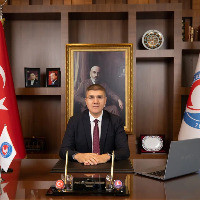
Prof. Dr. Hüseyin Dalgar was born in 1978 in Bucak, Burdur. He graduated top of his class from Süleyman Demirel University in 2000 with a degree in Business Administration. He completed his master’s in 2002 and his Ph.D. in 2006 at the same university. He became an associate professor in 2012 and a full professor in 2017.
Starting his career as a lecturer in 2003, Prof. Dalgar held various administrative roles at Bucak Hikmet Tolunay Vocational School and Burdur Mehmet Akif Ersoy University. Between 2017 and 2023, he served as vice-rector, leading significant projects.
In 2023, he was appointed as the Rector of Burdur Mehmet Akif Ersoy University by a Presidential decree. Prof. Dalgar has authored around 40 articles and papers, along with 3 books during his academic career.
Journal Manager
Editor-in-Chief

Associate Editors

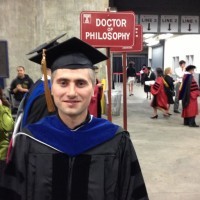
Originally from Istanbul, Turkey, I hold a B.Sc. in Physics from Sakarya University (2009) and an M.Sc. in High Energy Physics from Texas A&M University (2013). My academic journey includes a six-month Erasmus exchange at the University of Rzeszow. As a recipient of a full scholarship from the Turkish Ministry of Education, I pursued my Ph.D. at Texas A&M University focusing on supersymmetry searches and detector development for the CMS experiment at CERN
Section Editors
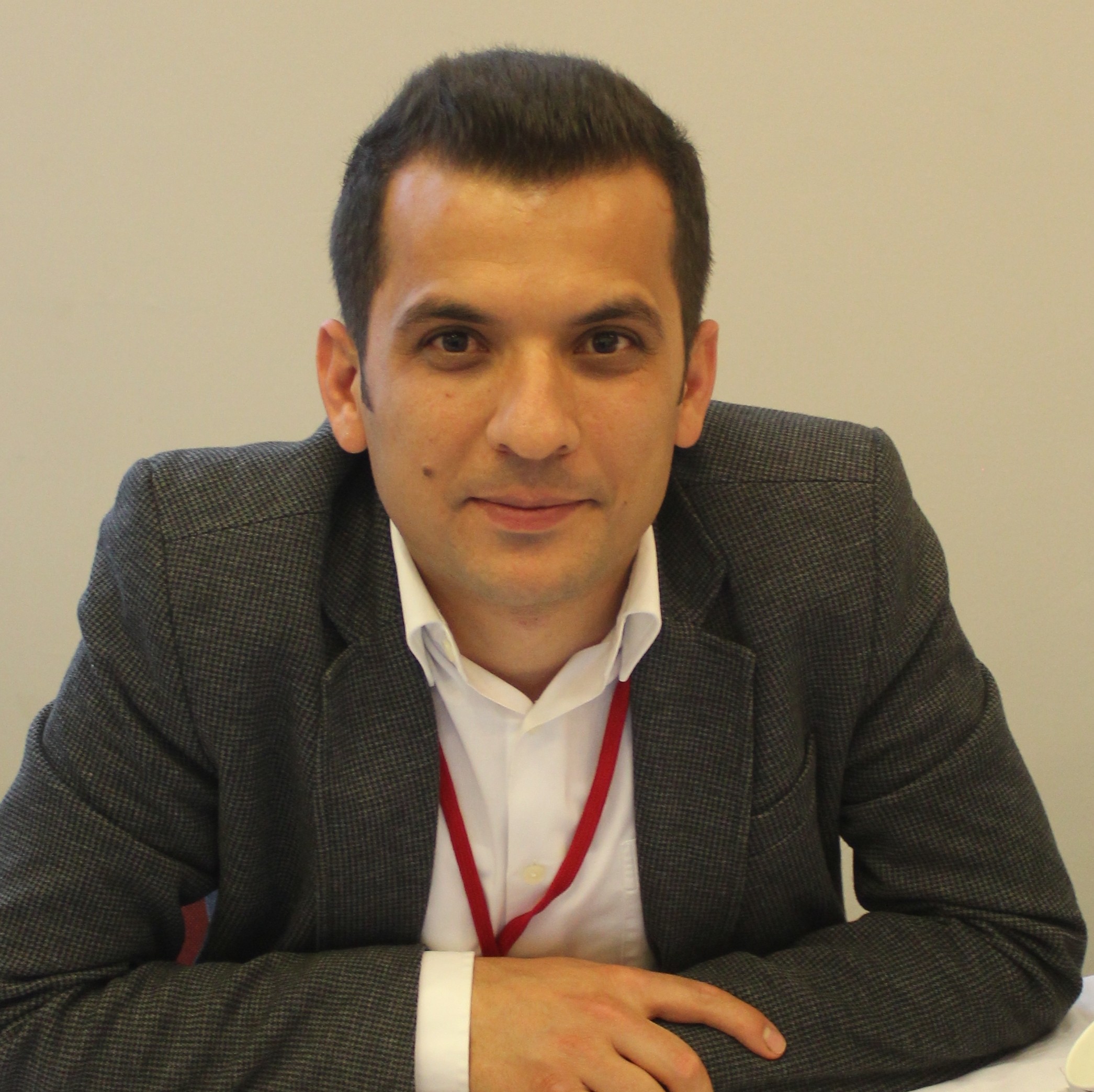
Prof. Dr. Sadık Çoğal, 2006'da Dokuz Eylül Üniversitesi Kimya Öğretmenliği Bölümü’nden lisans derecesini aldı. Yüksek lisansını 2009 yılında Ege Üniversitesi Fen Bilimleri Enstitüsü Güneş Enerjisi bölümünde ve doktorasını 2014 yılında Süleyman Demirel Üniversitesi Kimya Bölümünde tamamladı. Çoğal yüksek lisans çalışmalarını inorganik nanoparçacıklar ve güneş pillerindeki uygulamaları, doktorasını supra-moleküler yapıların sentezi ve güneş pillerindeki uygulamaları üzerine yapmıştır.
2008-2014 yılları arasında Burdur Mehmet Akif Ersoy Üniversitesi Fen-Edebiyat Fakültesi Kimya bölümünde Arş. Gör. daha sonra 2014-2019 yılları arasında Mühendislik-Mimarlık Fakültesi Polimer Mühendisliği Bölümünde Dr. Öğr. Üyesi olarak görev yapan Çoğal Nisan 2019’da aynı bölüme Doç. Dr. olarak atanmıştır. 2020 yılında Fen-Edebiyat Fakültesi Kimya Bölümü’ne geçen Çoğal, 2023 yılı Kasım ayında Prof. unvanını almıştır.
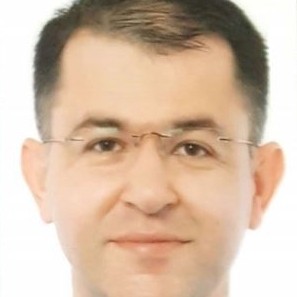
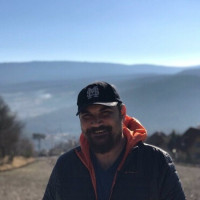
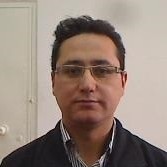
He was born in 1986 in Ankara. He completed part of his primary education at Ali Bey Kütükçü Primary School (Ankara), the remaining primary and secondary education at Seyranbağları Primary and Secondary School (Ankara), and his high school education at Oniki Haziran High School (Amasya). He graduated from Atatürk University Kazım Karabekir Faculty of Education, Department of Chemistry Education, which he started in 2003, with a non-thesis Master's degree in 2008. In 2008, he joined the group of Assoc. Prof. Dr. M. Serdar GÜLTEKİN and began his doctoral studies in Organic Chemistry, Department of Chemistry, Atatürk University, Institute of Science. In 2011, he started working as a lecturer at Düzce University, Kaynaşlı Vocational School. After completing his doctorate in 2013, he was appointed as an Assistant Professor in January 2015. He continued his duty as an Associate Professor between 2018-2023. He continues his duty at Düzce University, where he was appointed as a Professor as of January 2023.
English Language Editors

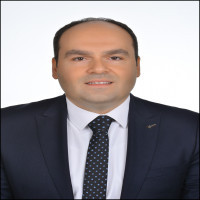
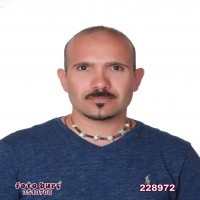
Experienced Full Professor with a demonstrated history of working in the higher education industry. Skilled in ornamental trees and shrubs, woody plant ecology, invasive alien plants, lecturing, research. Strong education professional with a Doctor of Science (dr.sc) focused on phytosociology, and Master of Science (MSc) in dendrology from Ss. Cyril and Methodius University in Skopje, Hans Em Faculty of Forest Sciences, Landscape Architecture and Environmental Engineering.
Technical Editors
Layout Editors
.
International Editorial Board
Sadık C. Artunç, FASLA, FCELA, PLA, PE is a professor who has recently returned to his fulltime faculty position after serving seventeen years as the Head of Department of Landscape Architecture at Mississippi State University (MSU) (January 2007 – December 2023). Prior to his tenure at MSU, he taught at the Robert S. Reich School of Landscape Architecture of Louisiana State University between 2007 - 1981. Sadık has dedicated his academic career to educating students in innovative, humanistic, and environmentally sensitive planning, design, and implementation and to serving as an enthusiastic advocate for the profession and education of professionals. With the highest standards of professional ethics, he has been a successful and very consistent role model for his students and colleagues.
A native of Turkey, Sadık is a naturalized citizen of the U.S.A. He has a B.S. and M.S. in forestry and forest engineering from the University of Istanbul, and a M.L.A. from the University of Michigan. He is a registered landscape architect in the U.S.A. and a registered forester and forest engineer in Turkey. His teaching involves design implementation and construction, site planning and design, and regional planning and design. His professional consulting involves large-scale planning and design with a focus mostly on recreation and tourism, resource planning, and design implementation/construction. He has worked on projects in the United States, Guatemala, Nicaragua, and Turkey. Prior to arriving in the United States in 1975, he worked in Turkey as a forester and forest engineer for the Ministry of Forestry, and later as a recreation planner in the Central Planning Office of the National Parks Service and, finally, as the planning director of the Uludağ (Olympus) National Park for the Department of National Parks in Bursa, Turkey.
Sadık has been an active member of various professional organizations and societies since 1981. Always a tireless and enthusiastic promoter of the profession of landscape architecture and ASLA, Sadık served at various leadership capacities and levels: the Louisiana Chapter president (1991); chapter trustee (1996–2001); and finally, as the national vice-president of membership (2002–2004), during which time ASLA membership had a tremendous growth in numbers. Sadık was nominated and ran for the office of President of ASLA in 2005. Sadık was inducted into the ASLA Council of Fellows in 2000. Most recently, he served as the President-elect, President, and Past-President of the CELA. During his three-year service which has been impacted by the COVID, the annual conference was cancelled in 2020, held the first ever virtual annual conference was held in 2021, and the first face-to-face and virtual (hybrid) conference was held in 2022. Also, during his term, the CELA Board of Directors enacted and endowed the Charles Fountain Scholarship for minority students studying landscape architecture.
His teaching, scholarly, and professional activities through ASLA, CELA, CLARB, LAAB, ECLAS, IFLA, and Turkish Society of Landscape Architecture (PEMAT and PEMDER) have contributed to an increased visibility and awareness of the profession. He has over one fifty hundred publications to his credit in refereed journals, proceedings of professional conferences, national registration exams, magazines, and book chapters. He has received twenty-one academic and professional awards during his academic and professional career from his students, his colleagues, and his peers.
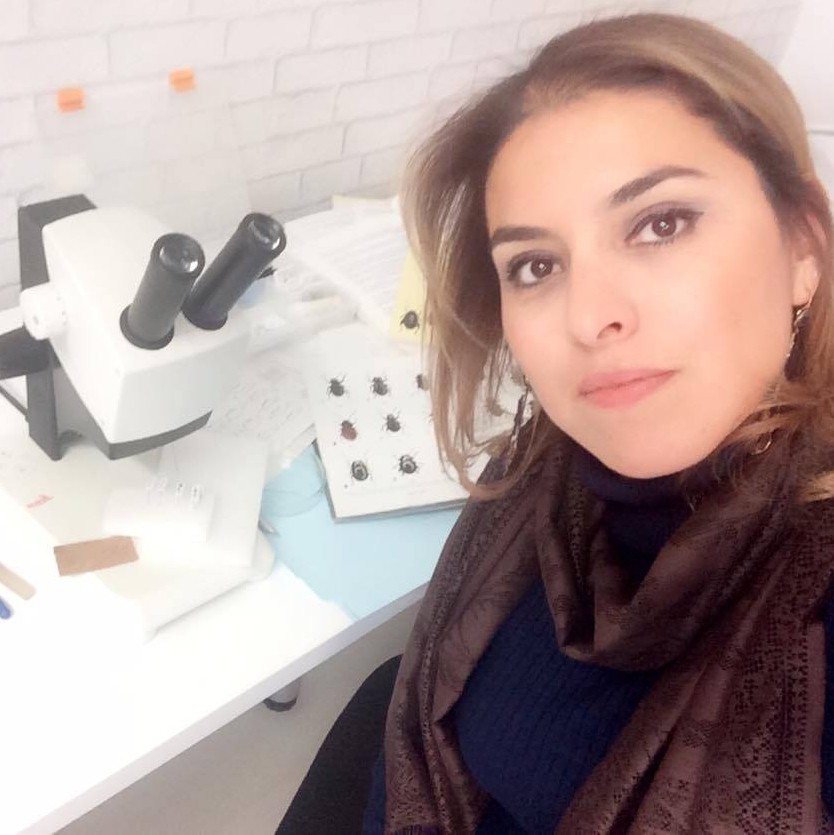
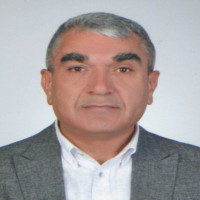
Prof. Dr. Oliver Gailing is Chair of the Department of Forest Genetics and Forest Tree Breeding at the University of Göttingen. He received the Diploma degree in Biology in 1994 from the University of Bochum and the Ph.D. degree in Plant Genetics from the University of Halle-Wittenberg, Germany, in 2000. In 2009, he was granted the venia legendi for Forest Genetics from the University of Göttingen. From 2009 to 2017 he was a Professor for Forest Genetics at Michigan Technological University, United States. Since 2017 he is Professor and Department Chair of Forest Genetics and Forest Tree Breeding at the University of Göttingen. He is also Honorary Professor at the Transsilvania University of Brasov, Romania (since 2018) and adjunct Professor at Michigan Technological University (since 2017). His research program focuses on population genetic of forest trees and on the study of evolutionary forces acting on plant populations and species during their history and on the evolution of adaptive and species-specific characters. Specifically, genetic structures and their spatial and temporal dynamics have been analysed in natural forest ecosystems based on molecular genetic markers. Dr. Gailing has coordinated and participated in numerous national and international projects (EVOLTREE, Hardwood Genomics, Sustainable energy pathways, IMPAC: Novel genotypes for mixed cropping, Barcoding sequences for community phylogenies). His research activities are documented in more than 200 peer-reviewed journal publications.
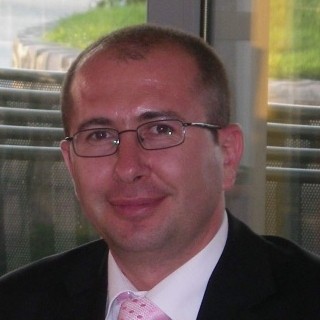

Professor Dr. Kemal Polat graduated from the Electrical-Electronics Engineering Department at Selcuk University with a B.Sc. degree in 2002 and from the Electrical-Electronics Engineering Department at Selcuk University with an M.Sc. degree in 2004. I completed my Ph.D. in Electrical and Electronic Engineering at Selcuk University in 2008. I completed my post-doctoral degree in the Department of Electrical and Computer Engineering at the University of Houston between 2015 and 2016. In my post-doctoral work, I designed mathematical modeling of memory performance by designing various experiments on visual memory. I am now working as a Professor in the Electrical and Electronic Engineering Department, Engineering of Faculty, Bolu Abant Izzet Baysal University, since September 2011.
I have 190 articles published in SCI journals and 80 international conference papers. My research interests include biomedical signal classification, control systems, electronics, statistical signal processing, visual memory, neuroscience, brain-computer interface, PPG signal, medical electronics, digital signal processing, pattern recognition, and classification. My Google h-index is 53. Dr. Polat is the associate editor of the Information Sciences at Elsevier (IF: 8.223). Dr. Polat has been the associate editor of the Chaos, Solitons, and Fractals at Elsevier (IF: 9.922) since 2022. I served as a BİDEB Advisory Board member in TUBITAK between 2020 and 2022. I am an IEEE senior member.
Professional

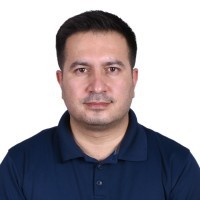
I am an Assistant Professor at the Faculty of Economy and Agribusiness at the Agricultural University of Tirana. My specialization lies in Environmental and Natural Resources Economics, Sustainable Rural Development, and the History of Economic Thought. PhD candidate at the University of Paul-Valéry Montpellier 3, France, where my research focused on socio-economic local development through the optimal use of natural resources, particularly in protected areas.
My research interests encompass a broad range of topics within environmental economics and sustainable development. I am particularly interested in community-based conservation, ecosystem services evaluation, and the implementation of nature-based solutions as I have authored and co-authored several research papers focusing on these topics.
I have extensive experience in research and project management. Currently, I part of two COST Action project respectively on the sustainable use of salt-affected lands and the Pan-European Network of Green Deal Agriculture and Forestry Earth Observation Science. My research work includes projects on community-based conservation, ecosystem services, and sustainable agricultural practices. I hold a position as a Scientific Coordinator for the Mediterranean Youth Task Force-Silva Mediterranean at FAO.
In addition to my academic and research roles, I am actively involved in international collaborations and have contributed to numerous conferences and publications. My dedication to continuous learning and professional development is demonstrated by my participation in various international training courses and workshops.
Through my professional connections and leadership roles in international projects, I am committed to advancing knowledge in my field and fostering sustainable development practices.

