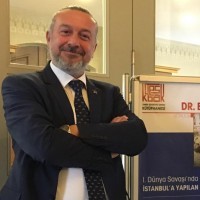
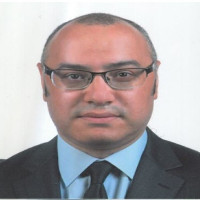
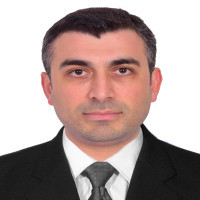
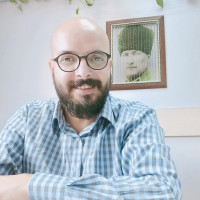
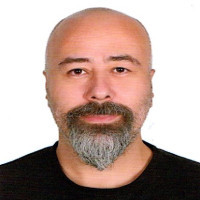
Prof. Dr.
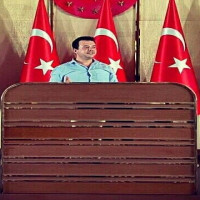
Muğla Sıtkı Koçman Üniv. Edebiyat Fakültesi Tarih Bölümü öğretim üyesi.
Milli Mücadele Tarihi, Türkiye Cumhuriyeti Tarihi, Şehir Tarihi, Muğla Tarihi alanında çalışmaları bulunmaktadır.
Web
Lisans 2000, İstanbul Üniversitesi
Yüksek Lisans 2006 Marmara Üniversitesi
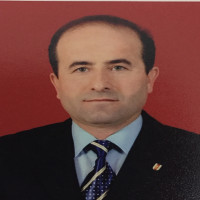
Doktora Marmara Üniversitesi 2011
Doçentlik 2015
Sakarya Uygulamalı Bilimler Üniversitesi
Emekli Hava Albay, 2007-2011 Hava Kuvvetleri Tarihçe Şube Müdürü, 2011-2013 TSK Astsubay Üst Karargah Hizmetleri Eğitim Merkezi Eğitim ve Kurs Kısım Amiri, 2013-2014 ATASE Türk Askeri Tarih Komisyonu Genel Sekreteri, 2014-2016 Hava Kuvvetleri Müzesi (Etimesgut) Komutanı, Milli Savunma Üniversitesi, Hava Harp Akademisi, Hava Harp Okulu, Atatürk Stratejik Araştırmalar Enstitüsü, Hava Astsubay Meslek Yüksek Okulu, SUSATAK'da Misafir öğretim görevlisi.
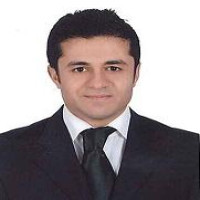
Dil ve Tarih Coğrafya fakültesi tarih bölümü mezunu. Türk inkilap tarihi enstitüsü'nde master ve doktıra eğitimi aldı. Kocaeli'nde yaşiyor
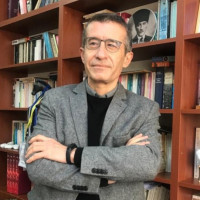
1962 yılında Manisa’nın Demirci ilçesinde doğdum. İlk ve orta öğrenimini
Demirci’de, yükseköğrenimini Erzurum Atatürk Üniversitesi Tarih Bölümü’nde tamamladı.
Yüksek lisansını Atatürk Üniversitesi’nde, doktorasını Dokuz Eylül Üniversitesi’nde bitirdim.
Bir süre Ordu/Aybastı İmam Hatip Lisesi’nde tarih öğretmenliği, Atatürk Üniversitesi, Dokuz
Eylül Üniversitesi ve Manisa Celal Bayar Üniversitelerinde öğretim üyesi olarak çalıştım. Şu
anda Manisa Celal Bayar Üniversitesi Fen Edebiyat Fakültesi Tarih Bölümü’nde görev
yapmaktayım.
Demirci Eğitim Fakültesi’nde dekan yardımcılığı, Köprübaşı, Kula, Ahmetli ve Salihli
Meslek Yüksekokullarında müdürlük görevlerinde bulundum.
Bugüne kadar yayımlanmış 9 kitap, editörlüğünü yaptığı 6 kitap, 38 kitap bölümü, 48 makale ve 42
sempozyum bildirisi, 11 proje olmak üzere, toplam 154 adet yayınını bulunmaktadır.
2013 yılında Boğaziçi Üniversitesi Fen Edebiyat Fakültesi Tarih Bölümü'nden ve 2017 yılında Eskişehir Anadolu Üniversitesi İktisat Fakültesi Uluslararası İlişkiler Bölümü'nden lisans dereceleri almıştır. 2015 yılında Boğaziçi Üniversitesi Atatürk Enstitüsü'nde 2015 Yüksek Lisans derecesi almış ve 2020 yılında yine Boğaziçi Üniversitesi Atatürk Enstitüsü'nden Ph.D (Doktora) derecesi almıştır. Türkiye Cumhuriyeti Tarihi, Tarım Tarihi, Toplumsal Tarih, Kültür Tarihi ve İktisat Tarihi uzmanlık alanlarıdır. İstanbul Üniversitesi AUZEF Coğrafya Bölümü'nde eğitim öğretimi devam etmektedir.
Doç. Dr. Yenal ÜNAL
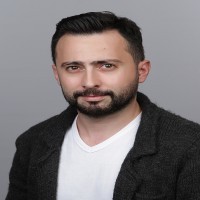
Yenal Ünal, 1981 yılında Konya Ereğlisi’nde doğdu. İlk, orta ve lise öğrenimini doğduğu ilçede tamamladı. Bir yıllık İngilizce hazırlık sınıfından sonra 2004 senesinde Ege Üniversitesi Edebiyat Fakültesi Tarih Bölümü’nü bitirdi. 2006 yılında aynı üniversiteden Prof. Dr. Ahmet Özgiray danışmanlığında “Ahmet Ferit Tek’in Hayatı, Siyasi Faaliyetleri ve Fikirleri” başlıklı teziyle yüksek lisans derecesini aldı. 2012 yılında Ankara Üniversitesi’nden Prof. Dr. Kurtuluş Kayalı danışmanlığında “Refik Halit Karay’ın Eserlerine Yansıyan Düşünce Dünyası” başlıklı teziyle doktora çalışmasını noktaladı. Temel ilgi alanını düşünsel, kültürel ve sosyal gelişmeler bağlamında 20. yüzyıl Türkiye ve Dünya Tarihi oluşturmaktadır. Bilgi Toplumu, Eğitim Tarihi ve Edebiyat Araştırmaları ilgi duyduğu diğer konulardır.
2005-2013 yılları arasında Kültür ve Turizm Bakanlığı’nda Kültür ve Turizm Uzmanı olarak görev yaptı. 2009 yılında “Bilgi Toplumuna Geçiş Sürecinde Halk Kütüphanelerinin İşlevleri ve yeni Rolleri: Adnan Ötüken İl Halk Kütüphanesi Örneği” başlıklı teziyle uzman unvanını aldı. Ünal, 2013’ten bu yana Bartın Üniversitesi Edebiyat Fakültesi’nde Türkiye Cumhuriyeti Tarihi Ana Bilim Dalı Başkanı olarak bilimsel çalışmalarına devam etmektedir. 2013 yılında Yardımcı Doçent; 2018 yılında Doçent olmuştur. Çeşitli akademik dergi, süreli yayın ve gazetelerde yayımlanmış onlarca yayını bulunmaktadır. Çok iyi derecede İngilizce, orta seviyede Almanca bilmektedir. Evli ve iki çocuk babasıdır.
Başlıca eserleri:
1) Ahmet Ferit Tek, Bilgeoğuz Yayınları, İstanbul, 2009.
2) Yakın Dönem Türk Tarihinde Refik Halid Karay, Yeditepe Yayınları, İstanbul, 2013.
3) Kuruluşunun 50. Yıl Dönümünde Bartın Limanı Tarihi, Yeditepe Yayınları, İstanbul, 2015.
4) Türkiye Cumhuriyeti Tarihi Araştırmaları, Gece Kitaplığı Yayınevi, Ankara, 2017.
5) Köy Esintileri, Gece Kitaplığı Yayınevi, Ankara, 2019.
6) Bartın Şehir Tarihi Üzerine Araştırmalar, Gece Kitaplığı Yayınevi, Ankara, 2020.
Dr.Öğr.Üyesi Zekeriya Türkmen
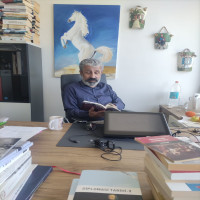
6 Mayıs 1964 tarihinde Bursa-Karacabey’de doğdu. İlköğrenimini Karacabey’de, ortaöğrenimini Sakarya Arifiye Öğretmen Lisesinde tamamladı. 23 Haziran 1986 tarihinde İstanbul Üniversitesi Edebiyat Fakültesi Tarih Bölümü ile İstanbul F.Y.O.’dan Öğretmen Teğmen olarak mezun oldu. Marmara Üniversitesi Sosyal Bilimler Enstitüsünde Yakınçağ Tarihi Anabilim dalı yüksek lisans programından (1990), aynı üniversitenin Türkiyat Araştırmaları Enstitüsü Yakınçağ Tarihi doktora programından (1996) mezun olduktan sonra uzun yıllar T.S.K.’ya bağlı eğitim kurumlarında (Elektronik Astsb. Hazırlama Okulu, Kuleli Askeri Lisesi, Genelkurmay Askeri Tarih ve Stratejik Etüt Başkanlığı, Kara Harp Okulu, Harp Akademileri, Harbiye Askeri Müze ve Kültür Sitesi Müzecilik Grup Başkanlığı, Milli Savunma Üniversitesi, Atatürk Stratejik Araştırmalar Enstitüsü ve Kuvvet Harp Enstitüleri) ve üniversitelerde (Hacettepe Ünv. Beykent, İstanbul 29 Mayıs Üniversitesi) Öğretmen, Öğretim Görevlisi/Üyesi, Bölüm Başkanı, Enstitü Müdürü, vd kadrolarda görev yaptı (1986-2016). 30 Ağustos 2016’da, 30 küsur yıllık hizmetten sonra T.S.K.dan Öğretmen Kıdemli Albay rütbesinden kadrosuzluk sebebiyle emekli oldu.
Çalışmalarını Yakınçağ Tarihi üzerine yoğunlaştırdı. Yakınçağ Osmanlı Tarihi, Osmanlı Askerî Teşkilat Tarihi, XIX-XX. Yüzyıl Siyasî Tarihi, Meşrutiyet Dönemi, Kurtuluş Savaşı, Cumhuriyet Tarihi ve Atatürk dönemi konularında çalışmalar yaptı. 2016 yılı itibariyle yayımlanmış 20 müstakil, 25 ortak yazarlı kitabı, ulusal/uluslararası akademik dergilerde ve bilimsel etkinliklerde sunulup yayımlanmış 120'nin üzerinde makale ve bildirisi bulunmaktadır. TRT ve özel radyo - tv.leri ile özel yayın kuruluşları için tarihî konularda hazırladığı senaryo metinleri ve belgeselleri yayımlanmıştır. Anıtkabir Atatürk ve Kurtuluş Savaşı Müzesinin hazırlanmasında Tarih ve Sanat Danışma Kurulu Başkanı olarak, Kurtuluş Savaşı Malıköy Tren İstasyonu Müzesi, Polatlı Mehmetçik ve Duatepe Anıtı, Makedonya Manastır Askerî İdadisi Atatürk Anı Odası, Makedonya Debre-i Bâlâ Atatürk Ata Evi, İstanbul'da Harbiye Askerî Müzesinde Türk Tarihiyle ilgili Panorama ve Diaramaların hazırlanması, Polatlı Kartaltepe Sakarya Meydan Muharebesi ve Türk Tarihi Tanıtım Merkezinin hazırlanması çalışmalarında görev alarak katkıda bulunmuştur. Almanya Türk-Unid ve Türk Askeri Tarih Komisyonu üyesi olan Dr. Türkmen, halen İstanbul 29 Mayıs Üniversitesi Edebiyat Fakültesi Tarih Bölümünde görev yapmakta olup, M.S.Ü. ATASAREN ve Kuvvet Harp Enstitülerinde alanıyla ilgili dersler vermektedir.
Atatürk İlkeleri ve Türkiye Cumhuriyeti Tarihi
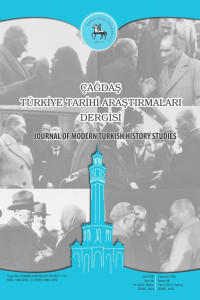
The aim of The Journal of Modern Turkish History Studies is to include scientific studies that deal with all aspects of the political, social, cultural and economic developments from the Ottoman modernization period to the Republic of Turkey, taking into account the characteristics of the period. It is to deal with what happened in this time period in a discussion ground and to share the work done with the public. The Journal of Modern Turkish History Studies will include articles from many different disciplines with a critical approach, in line with its purpose.
Recent Ottoman History and Republican Period Turkish History are the research subjects of The Journal of Modern Turkish History Studies. Articles in The Journal of Modern Turkish History Studies are published in Turkish, English, French and German.
Our journal publishes original research and review articles, translation, archival documents, book reviews and promotions, obituaries, symposium news, etc. The editor may make changes to the writing and language of the articles when necessary. The authors are responsible for the content of the articles.
ARTICLE WRITING GUIDELINES
Works submitted to our journal should be prepared according to “The Chicago Manual of Style (17th Edition, Notes and Bibliography)” citation and reference system.
The format of the article should be as specified below:
FORMAT:
Program: Microsoft Word
Paper Size: 210x297 mm
MARGINS:
Top: 2.5 cm
Bottom: 2.5 cm
Right: 2.5 cm
Left: 4 cm
TITLE / SUBTITLE:
Top: 2 cm
Bottom: 2 cm
TEXT:
Font: Times New Roman, 12 point
Paragraph Indentation: 1.25 cm
Paragraph Spacing: Before 0.6 nk
Line Spacing: Single
Text Quotes: Italics
FOOTNOTES:
Font: Times New Roman, 9 point
Line Spacing: Single
Hanging Indent: 0
The article can be written in Turkish or English. An abstract not exceeding 200 words, in both Turkish and English, should be included.
At the end of the article, a minimum of 750-1200 words of English Extended Abstract should be included.
Up to seven relevant keywords in Turkish and English describing the topic must be provided.
The author must indicate their academic title, the institution they work for, and their email address (in parentheses and italicized) along with their ORCID number by placing a corresponding footnote in the section of their name and surname found on the first page of the article.
Example:
Prof. Dr., Dokuz Eylul University, Atatürk Principles and History of Revolution Institute, (abc@deu.edu.tr), (ORCID: 0001-0000-0000-000X).
The main headings relevant to the topic in the article should be numbered as 1, 2, 3, etc., while subheadings should be numbered as 1.1, 2.1, 3.1, etc.
Maps or images intended to be added to the article should be included in the Word (.doc, .docx) document, and numbered separately, and should also be sent separately from the article.
Graphs should be prepared in Microsoft Office Excel (.xls) or Word (.doc, .docx) documents and should be incorporated into the document appropriately.
Citing Footnotes
Our journal uses the latest version of the Chicago footnote and bibliography style.
When citing a source for the first time, the author's full name should be written.
The title of the source work should be written in italics.
The publisher, place of publication, year, and page number of the source work should be provided.
Footnotes should be placed after punctuation marks and should be presented in Times New Roman font size 9.
Shortened Footnotes (for citations following the first reference)
Subsequent citations of the same source after the first reference are presented in a shortened form in the footnote. The abbreviation should remind the reader of the full title or direct them to the appropriate entry in the bibliography. The form of the abbreviation may vary depending on whether there are other sources interjected:
Example:
1 Şerafettin Turan, Mustafa Kemal Atatürk, (Ankara: Bilgi Yayınevi, 2004), 123. (Footnote presentation of the first citation.)
2 Turan, Mustafa Kemal Atatürk, 132.
3 Turan, 225.
4 Şevket Süreyya Aydemir, Suyu Arayan Adam (Istanbul: Remzi Kitabevi, 2024), 27.
5 Turan, Mustafa Kemal Atatürk, 152.
Italics and Quotation Marks
Whether in the text or the bibliography, books, journals, plays, and other singular sources (standalone sources) are written in italics. An article, book chapter, or section within a novel is shown in quotation marks.
Example:
In class, we read A Separate Peace (book title). The article titled “Your Brain on Drugs” in Time magazine was very impressive.
The expression “in the magazine” has not been italicized because it is not part of the publication's title.
His article titled “Death by Dessert” was published in The New York Times Magazine.
In this example, both “The” and “Magazine” are italicized because they are parts of the publication's name.
Block Quotes
Quotations exceeding 100 words are written as block quotes. Even if the quotation does not exceed 100 words, block quote format is applied when quoting two or more paragraphs.
Also, information presented in list format or text that has a specific arrangement, such as poetry, should also be shown as a block quote. Quotation marks are not used in block quotes. A block quote always starts on a new line. A blank line should be left before and after the block quote. The entire block should be indented 1.5 cm from both the left and right sides. The text of a block quote must be single-spaced and in 11 point font. Since the text of the block quote is distinct from the main text due to formatting, it does not need to be italicized.
Single-Authored Book
Footnote
1 Şerafettin Turan, Mustafa Kemal Atatürk, (Ankara: Bilgi Yayınevi, 2004), 123.
Bibliography
Turan, Şerafettin. Mustafa Kemal Atatürk. Ankara: Bilgi Yayınevi, 2004.
Two or Three-Authored Book
Footnote
1 Selim İlkin and İlhan Tekeli, İkinci Dünya Savaşı Türkiyesi (Istanbul: İletişim Yayınları, 2005), 324.
Bibliography
İlkin, Selim, and Tekeli, İlhan. İkinci Dünya Savaşı Türkiyesi. Istanbul: İletişim Yayınları, 2005.
Editor Instead of Author
Footnote
1 Baskın Oran, ed., Türk Dış Politikası (Istanbul: İletişim Yayınları, 2020), 252.
Bibliography
Oran, Baskın, ed. Türk Dış Politikası. Istanbul: İletişim Yayınları, 2020.
Translated Book
Footnote
1 Edward J. Erickson, Size Ölmeyi Emrediyorum!, trans. Tanju Akad, 4th ed. (Istanbul: Kitap Yayınevi, 2017), 25.
Bibliography
Erickson, Edward J. Size Ölmeyi Emrediyorum!, translated by Tanju Akad, 4th ed. Istanbul: Kitap Yayınevi, 2017.
Multi-Volume Book
Footnote
1 Şerafettin Turan, Türk Devrim Tarihi, vol. 3, 4th ed. (Ankara: Bilgi Yayınevi, 2018), 35.
Bibliography
Turan, Şerafettin. Türk Devrim Tarihi, vol. 3, 4th ed. Ankara: Bilgi, 2018.
Book Chapter
Footnote
1 Abdurrahman Çaycı, “Atatürk’ün Uygarlık Anlayışı” in Atatürk Konferansları -IV (1973-1974) (Ankara: Türk Tarih Kurumu, 1977), 117.
Bibliography
Çaycı, Abdurrahman. “Atatürk’ün Uygarlık Anlayışı.” In Atatürk Konferansları -IV (1973-1974), 117-129. Ankara: Türk Tarih Kurumu, 1977.
Chapter in an Edited Book
Footnote
Fevzi Çakmak, “Kemalist Milliyetçiliğin İdeoloğu: Recep Peker,” in Tek Parti Döneminde Türk Milliyetçiliğinin Farklılaşan ‘Yüz’leri (1923-1950), ed. Rukiye Saygılı (Ankara: Orion Kitabevi, 2022), 271.
Bibliography
Çakmak, Fevzi. “Kemalist Milliyetçiliğin İdeoloğu: Recep Peker.” In Tek Parti Döneminde Türk Milliyetçiliğinin Farklılaşan ‘Yüz’leri (1923-1950), edited by Rukiye Saygılı, 271-285. Ankara: Orion Kitabevi, 2022.
Article
Author's Full Name, “Article Title,” Journal Name vol. no, no. no (Publication Year): page, DOI or URL.
Footnote
1 Zeki Arıkan, “Mahmut Esat Bozkurt,” Çağdaş Türkiye Tarihi Araştırmaları Dergisi 3, 8 (June 1998): 217, https://dergipark.org.tr/tr/download/article-file/233251.
2 Arıkan, “Mahmut Esat,” 220.
Bibliography
Arıkan, Zeki. “Mahmut Esat Bozkurt.” Çağdaş Türkiye Tarihi Araştırmaları Dergisi 3, 8 (June 1998): 215-224. https://dergipark.org.tr/tr/download/article-file/233251.
Two-Authored Article
Footnote
1 Aziz Ogan and Arif Müfid Mansel, “Rhegion – Küçükçekmece Hafriyatı 1940-1941 Çalışmalarına Dair İlk Rapor,” Belleten 6, 21 (January 1942): 10.
Bibliography
Ogan, Aziz, and Mansel, Arif Müfid. “Rhegion – Küçükçekmece Hafriyatı 1940-1941 Çalışmalarına Dair İlk Rapor.” Belleten 6, 21 (January 1942): 1-18.
Newspaper/Magazine Article
Footnote
Kemal Salih Sel, “Yeni Gün’den Cumhuriyert’e,” Cumhuriyet, May 7, 1984, 1.
Bibliography
Sel, Kemal Salih. “Yeni Gün’den Cumhuriyert’e.” Cumhuriyet, May 7, 1984.
Thesis
Footnote
Yiğit Akın, “Not just a game: Sports and physical education in early republican Turkey (1923-1951)” (Master's Thesis, Boğaziçi University, 2003), 50.
Bibliography
Akın, Yiğit. “Not just a game: Sports and physical education in early republican Turkey (1923-1951).” Master’s Thesis, Boğaziçi University, 2003.
Web Content
Footnote
Fevzi Çakmak, “Türkiye İdman Cemiyetleri İttifakı (Türk Spor Kurumu),” Atatürk Ansiklopedisi, accessed October 19, 2024, https://ataturkansiklopedisi.gov.tr/bilgi/turk-idman-cemiyetleri-turk-spor-kurumu/.
Bibliography
Çakmak, Fevzi. “Türkiye İdman Cemiyetleri İttifakı (Türk Spor Kurumu).” Atatürk Ansiklopedisi, accessed October 19, 2024, https://ataturkansiklopedisi.gov.tr/bilgi/turk-idman-cemiyetleri-turk-spor-kurumu/.
Symposium Paper
Footnote
Fevzi Çakmak, “A Comparative Analysis of the Attitudes and Practices of Republican Governments towards the Celebrations of August 30 Victory Day,” International Symposium on the 100th Anniversary of the Great Offensive and the Commander-in-Chief's Battle, IV, ed. Gürsoy Şahin (Afyonkarahisar: Afyon Kocatepe University Publications, 2023), 2336.
Bibliography
Çakmak, Fevzi. “A Comparative Analysis of the Attitudes and Practices of Republican Governments towards the Celebrations of August 30 Victory Day.” In International Symposium on the 100th Anniversary of the Great Offensive and the Commander-in-Chief's Battle, IV, edited by Gürsoy Şahin, 2335-2364. Afyonkarahisar: Afyon Kocatepe University Publications, 2023.
Encyclopedia Entry
Footnote
Şerif Mardin, “The Roots of Kemalism,” Encyclopedia of the Republican Era Turkey (Istanbul: İletişim Publications, 1983), 1:87.
Bibliography
Mardin, Şerif. “The Roots of Kemalism.” In Encyclopedia of the Republican Era Turkey, 1:87-90. Istanbul: İletişim Publications, 1983.
Archival Sources
Footnote
“Invitation sent by İzmir Mayor Behçet Uz to the Prime Minister for the opening of the İzmir International Fair,” Republic Archive of the Presidency of the State Archives (BCA), 30.1.0.0/17.96.11., 19.07.1941.
The abbreviation BCA is used after the first footnote.
Second Use: BCA, 30.1.0.0/17.96.11.
Bibliography
“Invitation sent by İzmir Mayor Behçet Uz to the Prime Minister for the opening of the İzmir International Fair.” Republic Archive of the Presidency of the State Archives (BCA), 490.1/15.79.7.
Periodicals (Newspapers and Journals)
Example List:
III. Periodicals
Akşam
Cumhuriyet
Hürriyet
Tarih ve Toplum
Preparation of the Bibliography
The order of works to be added to the bibliography should be as follows:
1. Archival Sources
2. Official Publications
3. Research Works
4. Periodicals (Newspapers and Journals)
5. Articles
6. Internet Sources
7. Oral History Interviews
Bibliography Organization
Only sources cited in the text are included.
Bibliography entries are listed in alphabetical order based on the first author's last name.
If a source has multiple authors, only the first author's last name is listed first.
Multiple works by the same author are arranged alphabetically by title.
Bibliography entries must end with a period. This rule applies even if there is a web address at the end of the entry.
For details:
Publication Policy
• The Journal of Modern Turkish History Studies is a peer-reviewed journal published electronically twice a year (July-December) by Dokuz Eylul University Ataturk's Principles and Revolution History Institute.
• The Journal of Modern Turkish History Studies adopts open access policy.
• Articles submitted to The Journal of Modern Turkish History Studies are included in the evaluation process on the basis of their arrival dates through Dergipark.
• Recent Ottoman History and Republican Period Turkey History are the research subjects of the journal. The submitted works are expected to be original and to present new and noteworthy perspectives on the topic under consideration.
• Articles in the journal are published in Turkish, English, French and German languages.
• Submitting articles by the authors to the journal means that they accept the publication principles of The Journal of Modern Turkish History Studies.
• No fee is charged from the authors who submit articles to the journal and no royalties are paid to the authors. The copyright of the published articles belongs to The Journal of Modern Turkish History Studies
• Manuscripts submitted to the journal must not have been previously published elsewhere or sent elsewhere for publication.
• Authors whose articles were published in the journal
• Manuscripts sent to the journal are evaluated on the condition that they comply with the spelling rules. The evaluation period of the articles is on average three months.
• Articles sent to the journal are scanned in the https://www.ithenticate.com/ program. In order for the articles to be included in the evaluation process, a rate of less than 15% is sought, excluding references and citations.
• Extended abstract is requested for Turkish articles with a positive evaluation process. (Minimum 750 words)
Ethical Principles
• The Journal of Modern Turkish History Studies, criteria set by the Committee of Publication Ethics (COPE) https://publicationethics.org/ regarding ethical principles and values and YOK Scientific Research and Publication Ethics Directive (https://www. yok.gov.tr/Sayfalar/Corporate/legislation/science-arastirma-ve-etik-yonetmeligi.aspx) takes into account the determined principles.
• Ethics committee approval should be obtained for research that requires ethics committee approval, and this approval should be stated and documented in the article.
• Manuscripts sent to the journal but found to be against the rules of research and publication ethics during the evaluation process are rejected. If the said violation is detected after the publication process is completed, the article will be removed from publication.
Ethical Responsibility of Authors
• Compliance of the articles with scientific and ethical rules is the responsibility of the authors.
• The author must provide assurance that the article is original and has not been previously published elsewhere.
• Applicable copyright laws and agreements must be observed. Copyrighted material (for example, tables, figures, or large quotations) should be used with due permission and acknowledgment.
• The work of other authors, contributors or references should be used appropriately and cited in references.
• If an author detects a significant error or inaccuracy in his or her published article, it is the responsibility to immediately contact and cooperate with the editor for correction or retraction of these inaccuracies.
Editors' Ethical Responsibility
• It carries out the evaluation process of articles sent to the journal impartially, regardless of religion, language, race, gender, nationality, seniority or institutional affiliation.
• The referee does not share the evaluation process with third parties by keeping it confidential.
• Considers the COPE guideline in terms of compliance of the evaluation process with ethical standards.
• It provides the necessary cooperation and coordination for the completion of the evaluation process within the stipulated time.
• Implements information sharing with the Editorial Board regarding the evaluation and publication processes within the framework of COPE standards.
• Complies with the standards set by COPE when there is suspicion of duplicate publication, slicing, plagiarism, fabricated data, conflict of interest and unfair authorship regarding an article sent to the journal for publication or published in previous issues.
Ethical Responsibilities of Referees
• Must make evaluations impartially and confidentially.
• If he thinks that he is facing a conflict of interest during the evaluation process, he should refuse to review the study and inform the journal editor.
• In accordance with the principle of confidentiality, they must destroy the studies they have examined after the evaluation process. They can only use the final versions of the studies they have reviewed after they are published.
• Make the evaluation objectively only in relation to the content of the study. Nationality, gender, religious beliefs, political beliefs and commercial concerns should not be allowed to influence the evaluation.
• Make the assessment in a constructive and courteous language. Do not make derogatory personal comments that include hostility, slander and insults.
• They should perform the work they accept to evaluate in a timely manner and with the above ethical responsibilities.
Makale gönderim/süreç işlemleri ücretsizdir
1985 yılında Samsun'da doğdu. İlk ve orta öğrenimini Samsun Kazım Orbay İlköğretim Okulu’nda, lise eğitimini ise Samsun Huriye Süer Anadolu Lisesi’nde tamamladı. Muğla Üniversitesi Kamu Yönetimi bölümü ve Anadolu Üniversitesi Tarih bölümünde lisans eğitimlerini tamamladı.
Dokuz Eylül Üniversitesi Atatürk İlkeleri ve inkılap Tarihi Enstitüsü’nde tezli yüksek lisansını tamamlamasının ardından aynı üniversitenin çeşitli fakültelerinde görevlendirme ile Atatürk İlkeleri ve İnkılap Tarihi dersini verdi.
Ondokuz Mayıs Üniversitesi Lisansüstü Eğitim Enstitüsü'nde Türkiye Cumhuriyeti Tarihi alanında doktorasını tamamladı.
Yazarın Türk siyasi ve ekonomik tarihi alanlarında yayınlanmış makaleleri ve uluslararası sempozyumlarda sunulmuş çeşitli bildirileri vardır.
Yazarın müstakil, ortak yazar ve editör olmak üzere toplam 5 adet kitabı bulunmaktadır.
Samsun Büyükşehir Belediyesi'nde yaklaşık altı yıl tarihçi ve müze sorumlusu olarak görev yapan Yalçın, 2021-2023 arasında Ankara'da Cumhurbaşkanlığı Senfoni Orkestrası'nın tarihi serüveninin anlatıldığı CSO1826 Sergi Alanı'nda iki yıl Sanat Galerisi ve Müze Sorumlusu olarak görev yaptı. Yalçın Ondokuz Mayıs Üniversitesi'nde Atatürk İlkeleri ve İnkılap Tarihi Bölümü'nde Öğretim Görevlisi olarak çalışmakta ve Atatürk İlkeleri ve İnkılap Tarihi I-II ve Türk Demokrasi Tarihi I-II derslerini vermektedir.