Issue: 62 , 12/30/25

Year: 2025

Research Article

Research Article

17. İbnü’l-Arabî’de Nebevî Verâset

• Dokuz Eylül University Journal of Faculty of Theology (DEÜİFD) is a national academic journal published by Dokuz Eylül University Faculty of Theology in two issues in June 15 and December 15.
• The journal is open for article acceptance between January 1 - February 15 and July 1 - August 15.
• DEÜİFD aims to publish and share with the public studies such as articles, book reviews and symposium evaluations produced in the field of religious sciences. The Editorial Board of the journal conducts the acceptance procedure based on the scientific value of the work, regardless of the title of the researcher.
• Articles submitted for publication are subjected to double blind peer review by at least two referees. In addition, the Ithenticate program, which is used to detect plagiarism, confirms that the articles have not been published before and do not contain plagiarism. The similarity rate should be maximum 20%.
• Dokuz Eylül University Journal of Faculty of Theology publishes articles and symposium reviews in the field of religious sciences.

Readership
Target audience; Professionals who continue their research in the field of Basic Islamic Sciences and students, readers and institutions interested in this field. It aims to contribute to the spread of continuous professional development and research culture.
Fee Policy
The publication of articles in the journal and the execution of article processes are not subject to any fee. No processing or submission fee is charged for articles submitted to the journal or accepted for publication.
Copyright
The copyrights of the works published in our journal belong to their authors. Authors give permission for the intellectual work they submit to be published by our journal under the Creative Commons Attribution 4.0 International (CC BY 4.0) license.
Originality of Articles
Our journal does not accept papers previously published elsewhere.

SPELLING RULES

Formal Structure of Articles

1) Manuscripts submitted to the journal should not exceed 9.000 words in length, including references. Manuscripts should be as specified below:

Page Structure
Top: 1.20 cm
Left: 1.80 cm
Bottom: 1.20 cm
Right: 1.80 cm

Character:
Turkish: Garamound (Main Text 12 pt, Abstract 11 pt, Footnote 10 pt)
Arabic: Traditional Arabic (Main Text 13 font size, Footnote 11 font size)
Line Spacing: Single (Main Text and Footnote)
Paragraph Spacing: Main Text (0 pt before, 6 pt after), Footnote (3 pt before, 3 pt after)

2) Manuscripts should be written in Microsoft Word program in order to facilitate typesetting, editing and similar works and to ensure complete and flawless output.
3) Abstracts in Turkish and foreign languages should be attached at the beginning of the manuscript, provided that they do not exceed 150 (one hundred and fifty) words.
4) (5) keywords indicating the main theme of the manuscript and enabling it to be searched on the internet should be placed under the abstract.
5) Author Name, Institution and Orcid Number
Example
Prof. Dr. Name Surname
Dokuz Eylül University, Faculty of Theology, Izmir, Turkey
orcid.org/0001-0001-0001-0001

General Framework of the Article
Article Title (Lower case)
Abstract (150 words)
Keywords (5 words that reflect the title and content of the article from general to specific)
Abstract (150 words)
Keywords (5 words that reflect the title and content of the article from general to specific)
Body Text
Conclusion
Source

Click here to access the Article template, manuscripts must conform to our journal's Article Template in terms of format. 

Click here to access our Author Guide page, which includes the Duties and Responsibilities of Authors and the General Framework of the Article Content. 

click here to access our Referee Guide page which includes the Duties and Responsibilities of the Referees.

Publication Ethics Principles
Publication Ethics can be defined as a self-regulatory mechanism that insists on integrity on behalf of authors, reviewers and publishers to establish higher standards of editorial processing. Ethical standards for publication exist to ensure high-quality scientific publications, public trust in scientific findings, and respect for people's opinions.
• Honest researchers do not plagiarize.
• They do not misattribute sources.
• They do not hide objections they cannot refute.
• They do not distort opposing views.
• They do not destroy or hide data.

Peer-reviewed studies are studies that support and actualize the scientific method. At this point, it is of great importance that all parties involved in the publication process (authors, readers and researchers, publisher, referees and editors) comply with ethical principles. Dokuz Eylül University Journal of Faculty of Theology adheres to national and international standards in research and publication ethics. It complies with the Press Law, the Law on Intellectual and Artistic Works and the Directive on Scientific Research and Publication Ethics of Higher Education Institutions. Dokuz Eylül University Journal of Theology Faculty has adopted the International Ethical Publishing Principles published by the Committee on Publication Ethics (COPE), Directory of Open Access Journals (DOAJ). It is also committed to comply with the decisions of the Turkish Editors' Workshop.
• Press Law (National Legislation)
• Law on Intellectual and Artistic Works (National Legislation)
• Higher Education Institutions Scientific Research and Publication Ethics Directive (National Legislation)
• Transparency and Best Practice Principles in Academic Publishing (International Criteria)
• Turkey Editors' Workshop Decisions (National Criteria)

Replay
Republishing is the publication of the same article or substantially similar articles in more than one journal. The editor sends such an article back without review. The editor may then impose an embargo on the author who has attempted to republish for a certain period of time, make a public announcement in the journal in which the author has previously published (perhaps in a simultaneous announcement with the editor of the journal that published the previous article), or all of these measures together.

Simultaneous submission of the same work to more than one journal
Authors may not submit the same article to more than one journal at the same time. If the editor learns of possible simultaneous submission, he/she reserves the right to consult with the other editor(s) receiving the manuscript. In addition, the editor may return the manuscript without review or reject the manuscript without considering the reviews, or take this decision in discussion with the other editor(s) involved, and may decide not to accept submissions from authors for a certain period of time. It may also write to the authors' employers or take all of these measures together.

Control to Prevent Plagiarism
Plagiarism is presenting the ideas, methods, data, practices, writings, forms or works of others as one's own work in whole or in part without citing their owners in accordance with scientific rules.
Dokuz Eylül University Journal of Faculty of Theology screens all submitted articles to prevent plagiarism. Studies submitted for review are checked for plagiarism using Ithenticate software. The similarity rate is expected to be less than 20%. The main measure of similarity is the author's compliance with the rules of citation and citation. If the similarity rate appears to be 1%, but the citation and quotation are not done properly, plagiarism may still be in question. In this respect, citation and quotation rules should be known and carefully applied by the author. Journal of Dokuz Eylül University Faculty of Theology is based on ISNAD Citation System rules.
Plagiarism, duplication, false authorship/ denied authorship, research/data fabrication, article slicing, sliced publication, copyright infringement and concealment of conflict of interest are considered unethical behaviors. All articles that do not comply with accepted ethical standards are removed from publication. This includes articles that contain possible irregularities or improprieties detected after publication.

Forgery
Producing data that is not based on research, editing or modifying the work presented or published on the basis of untrue data, reporting or publishing them, and presenting a research that has not been conducted as if it has been conducted.
Falsifying research records and data obtained, showing methods, devices and materials that were not used in the research as if they were used, not evaluating data that do not comply with the research hypothesis, manipulating data and/or results to fit the relevant theory or assumptions, falsifying or shaping the research results in line with the interests of the persons and organizations supported.

Protection of Participants' Personal Data
Our journal requires that all research involving personal or sensitive data or materials relating to human participants that are not legally publicly available be subject to formal ethical review.

Handling Allegations of Research Misconduct
Our journal adheres to COPE's Ethical Toolkit for a Successful Editorial. The editors of Dokuz Eylul University Journal of Faculty of Theology will take measures to prevent the publication of articles in which plagiarism, citation manipulation, data falsification, data fabrication, and other research misconduct occur. In no case will the editors of the Journal of Dokuz Eylül University Faculty of Theology knowingly allow such misconduct to occur. In the event that journal editors become aware of any allegations of research misconduct related to an article published in their journal, they will follow COPE's guidelines regarding allegations.

Ethical Violation Notifications
Readers can send an e-mail to ilahiyat.dergi@deu.edu.tr if they notice a significant error or inaccuracy in an article published in our journal or if they have any complaints about the editorial content (plagiarism, duplicate articles, etc.). We welcome submissions and will respond quickly and constructively, as they provide an opportunity for improvement.

Correction, Retraction, Expression of Concern
Editors may consider publishing a correction if minor errors are identified in the published article that do not affect the findings, interpretations and conclusions. Editors should consider retracting the manuscript if there are major errors/violations that invalidate the findings and conclusions. Editors should consider issuing a statement of concern if there is a possibility of research or publication misconduct by the authors; there is evidence that the findings are unreliable and that the authors' institutions have not investigated the incident; or the potential investigation seems unfair or inconclusive. COPE guidelines are followed regarding correction, retraction or expression of concern.

Publication of Studies Based on Surveys and Interviews
Our journal adopts the “Code of Conduct and Best Practice Guidelines for Journal Editors” and “Code of Conduct for Journal Publishers” principles of the Committee on Publication Ethics (COPE) in order to provide ethical assurance in scientific periodical publishing. In this context, the following points should be followed in the studies submitted to the journal:
1) For research in all disciplines that require ethics committee approval (ethics committee approval must be obtained, this approval must be stated and documented in the article.
2) In studies requiring ethics committee approval, information about the permission (name of the committee, date and number) should be included in the method section and on one of the first/last pages of the article; in case reports, information on the signing of the informed consent form should be included in the article.

Special Issue Publication Policy
A special issue may be published once a year upon the request of the Editorial Board. Articles submitted for inclusion in the special issue are first subjected to a preliminary editorial review. Then, they are examined for compliance with the journal's spelling rules and similarity screening is performed to prevent plagiarism. After these stages, they are included in the peer review process using the double blind model.

Editorial Confidentiality Obligation
The editors of Dokuz Eylül University Journal of Theology Faculty treat all submitted manuscripts as confidential documents, which means that they will not disclose information about a manuscript to anyone without the authors' permission. During the manuscript review process, the following people have access to the manuscripts: Editors, Reviewers, Editorial Board Members. The only time details about a manuscript may be passed to a third party without the authors' permission is if the editor suspects serious research misconduct.

Allegations-Suspicions of Scientific Misconduct
There are different definitions of scientific misconduct. We address these issues on a case-by-case basis as the Journal of Dokuz Eylül University Faculty of Theology follows the guidance established by major publication ethics bodies. If the editor suspects or alleges an ethical violation, they are obliged to take action. This duty extends to both published and unpublished articles. The editor should not simply reject articles raising concerns about possible misconduct. They are ethically obliged to follow up on alleged cases. The editor should follow COPE flowcharts where appropriate. Editors should first seek a response from those suspected of misconduct. If they are not satisfied with the response, they should ask the relevant employer or organization to investigate. The editor should make all reasonable efforts to ensure that an appropriate investigation into the alleged misconduct is conducted; if this fails, the editor should make all reasonable attempts to insist on a resolution to the problem. This is an onerous but important task.
Our journal follows COPE's Ethical Toolkit for a Successful Editorial Office. Journal editors will take measures to prevent the publication of articles in which plagiarism, citation manipulation, data falsification, data fabrication, and other research misconduct have occurred. Under no circumstances will our journal or its editors knowingly allow such misconduct to occur. If the editors of the Journal of Dokuz Eylül University Faculty of Theology are aware of any allegations of research misconduct related to an article published in their journal, they will follow COPE's guidelines regarding allegations.
Reviewers should inform the Editor if they suspect research or publication misconduct. The Editor is responsible for taking the necessary action in accordance with COPE recommendations.
Dokuz Eylül University Journal of Theology Faculty is committed to following the COPE flowcharts when faced with allegations of misconduct in the following or similar matters.
• What to do when republication is suspected
• What to do when plagiarism is suspected
• What to do when fabricated data is suspected
• What to do when requesting a change of authorship
• What to do when an undisclosed conflict of interest is suspected
• What to do when unfair or gift authorship is suspected
• What to do when an ethical problem is suspected in an article
• What to do when directly notified of a suspected ethical violation by e-mail, etc.
• What to do when a suspected ethical violation is announced via social media

Complaint Procedure
This procedure applies to complaints about content, procedures or policies that are the responsibility of Dokuz Eylul University Journal of Theology Faculty or our editorial staff. Complaints can provide an opportunity and incentive for improvement and we aim to respond promptly, courteously and constructively.
The complaint must relate to content, procedures or policies that are the responsibility of Dokuz Eylül University Journal of Theology Faculty. Complaints should be emailed directly to ilahiyat.dergi@deu.edu.tr and will be treated confidentially. The editor responds to complaints immediately. The editor follows the procedure outlined in the COPE flowchart regarding complaints.
Complaints are reviewed by the relevant member of the editorial team and, if not resolved, the following processes are followed:
• If this initial response is deemed inadequate, the complainant may request that the complaint be escalated to a more senior member of the journal.
• If the complainant is not satisfied, the complaint may be forwarded to the editor-in-chief.
• A full response will be provided within two weeks, if possible.
COPE publishes a code of practice for editors of scientific journals. This will facilitate the resolution of disputes with editors, journals and publishers, but only after the journal's own complaints procedures have been exhausted.

Conflicts of Interest
A conflict of interest occurs when professional judgment about a primary interest may be influenced by a secondary interest (such as financial gain or personal competition). We believe that we need to know the competing interests of the authors in order to make the best decision about how to handle an article, and that readers need to know them if we publish the article.
Any interest, financial or otherwise, that could cause one to be conflicted in one's work, significantly impair one's objectivity, or give an unfair advantage to any person or organization. All sources of financial support received during the conduct of the research and preparation of the manuscript and the role of sponsors in the study should be disclosed. If there is no source of funding, this should also be indicated. Examples of potential conflicts of interest that should be disclosed include consultancies, salaries, grants. Potential conflicts of interest should be disclosed at the earliest possible stage.
Dokuz Eylül University Journal of Theology Faculty has a set process for handling submissions from editors, staff or editorial board members to ensure impartial review. Such submissions are first referred to other journals. If this is not possible, the author of the submission is suspended from the journal. These submissions are reviewed in a double blind process.
The editor should not be involved in decisions about papers written by him/herself or family members. Furthermore, such a paper should be subject to all the usual procedures of the journal.

Principles of Research Ethics
Our journal observes the highest standards in research ethics and adopts the international principles of research ethics defined below. It is the responsibility of the authors to ensure that manuscripts comply with ethical guidelines.
• The principles of integrity, quality and transparency should be ensured in the design, review of the design and conduct of the research.
• The research team and participants should be fully informed about the purpose of the research, its methods and possible anticipated uses, and the requirements and risks, if any, of participation in the research.
• Confidentiality of information provided by research participants and confidentiality of respondents must be ensured. The research should be designed to protect the autonomy and dignity of the participants.
• Research participants should take part in the research voluntarily and should not be under any coercion.
• Harm to participants should be avoided. The research should be planned in a way that does not put participants at risk.
• Research independence must be clear and explicit; any conflict of interest must be stated.
• In experimental studies with human subjects, written informed consent must be obtained from participants who decide to participate in the research. Consent must be obtained from the legal guardian of children and those under guardianship or with a confirmed mental illness.
• If the study will be carried out in any institution or organization, approval must be obtained from this institution or organization that the study will be conducted.
• In studies with a human element, it should be stated in the “method” section that “informed consent” has been obtained from the participants and ethics committee approval has been obtained from the institution where the study is conducted.

The publication of articles in the journal and the execution of article processes are not subject to any fee. No processing or submission fee is charged for articles submitted to the journal or accepted for publication.

Dokuz Eylül İlahiyat Fakültesi Adına İmtiyaz Sahibi

Muammer Erbaş
Prof. Dr. Muammer ERBAŞ DOKUZ EYLUL UNIVERSITY
Tafsir

Baş Editör

Emrah Dindi
Prof. Dr. Emrah DİNDİ Dokuz Eylül Üniversitesi
Religion, Society and Culture Studies

Editör Yardımcıları

Tolga Kaan Değirmenci
Res. Assist. Tolga Kaan DEĞİRMENCİ DOKUZ EYLÜL ÜNİVERSİTESİ, İLAHİYAT FAKÜLTESİ
Alawism Bektashism Studies, Studies of the Turkic World, Islamic Sects
Default avatar
Prof. Dr. Şenay ÖZGÜR YILDIZ Dokuz Eylül Üniversitesi
Islamic Arts, History of Architecture, Aesthetics in Architecture, Art History, Architectural, Turkish Islamic Arts (Other)
Psychology of Religion

Yayın Kurulu

Latif Tokat
Prof. Dr. Latif TOKAT SOCIAL SCIENCES UNIVERSITY OF ANKARA
Philosophy of Religion

2025 taririhinde Sinop Üniversitesi İlahiyat Fakültesi Temelİslam Bilimleri Arap Dili Anabilim Dalında Doçent oldu.

Linguistics, Arabic Language, Literature and Culture, Arabic Language and Rhetoric
Turkish Islamic Literature
Nodirkhon Khasanov
Prof. Dr. Nodirkhon KHASANOV Özbekistan Millî Üniversitesi

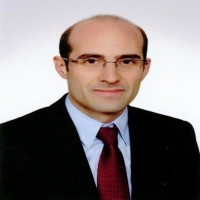
1971'de Özbekistan’ın başkenti Taşkent’te Türk dünyasının bülbülü, meşhur ozan, şair ve siyasetçi Dedehan Hasan’ın ailesinde dünyaya gelmiştir. 1994'te Taşkent Devlet Üniversitesi (bugünkü Mirza Uluğbey Özbekistan Milli Üniversitesi) Özbek Filolojisi Fakültesinden mezun olmuştur.
1995’de çalışmaya başladığı Özbekistan Cumhuriyeti Bilimler Akademisi Ali Şir Nevai Özbek Dili, Edebiyatı ve Folkloru Enstitüsünde 1999’da Prof. Dr. İbrahim Hakkul danışmanlığında “Sultan Ahmed Hazini’nin “Cevahir ül-ebrar min emvac il-bihar” eseri ve Yesevilik araştırmalarındaki ilmi-tarihi değeri” konusunda doktora (PhD) tezini vermiştir.
2001-2004’te aynı kurumda post doktora eğitimi görmüş, 2004’te bilimsel çalışmalarından dolayı Özbekistan Cumhuriyeti Bilimler Akademisi Başkanlığınca yılın genç akademisyeni ödülüne layık görülmüştür.
2011'de Özbekistan Cumhuriyeti Yüksek Atestasyon Komisyonu tarafından Doçent ünvanı verilmiştir. 2017 senesinde Özbek Dili, Edebiyatı ve Folkloru Enstitüsünde “Yesevilikle ilgili kaynaklar ve “Divan-ı Hikmet” incelemesi” konulu tez çalışması için Doctor of Sciences akademik derecesi verilmiştir.
2015-2020’de Karabük Üniversitesinde öğretim üyesi olarak çalışırken Araştırma Teknikleri, Türk Mitolojisi, Şiir Tahlilleri, Halk Edebiyatı, Metin Şerhi, Türk Tasavvuf Edebiyatı, Eski Türk Edebiyatına giriş, Tasavvuf Edebiyatı, Çağatay Edebiyatı, Özbek Edebiyatı, Özbek Türkçesi Metinleri, Çağatayca, Yesevi Hikmet Mektebi, Türkistan Milli uyanış edebiyatı gibi derslere girmiştir.
2018’de Karabük Üniversitesinde Profesör olarak atanmış, Karabük Üniversitesi Rektörlüğü nezdindeki Cengiz Aytmatov Türk Dünyası Uygulama ve Araştırma Merkezinde Müdür yardımcılığı yapmıştır (2018-2020).
Taşkent Devlet Doğu Bilimleri Üniversitesi Türkoloji Fakültesinde (2021-2022) "Türk edebiyatı" derslerine girmiştir.; 2023 yıl itibariyle Mirza Uluğbey Özbekistan Milli Üniversitesi Özbek Filolojisi Fakültesinde "Tasavvuf ve edebiyat", "Türk dünyası edebiyatı", "Çağatay Edebiyatı Tarihi" gibi derslere girmektedir.
Üniversitelerde doktora (5 adet) ve yüksek lisans (25 adet) tezlerine danışmanlık yapmıştır.
Avrupa (Sephis), Türkiye (yüksek öğretim kurumları destekli) ve Özbekistan (Özbekistan Bilimler Akademisi, Özbekistan Uluslararası İslam Akademisi, Özbekistan İslam Uygarlık Merkezi)’daki bilimsel projelerde çalışmıştır.
Türkiye, Özbekistan ve Kazakistan’da düzenlenen birçok uluslararası ve ulusal zirve, sempozyum, kurultay ve çalıştaylara katılarak bildiriler sunmuş, konferans ve seminerler vermiştir.
Türk Dil Kurumunda, Ankara Hacı Bayram Veli Üniversitesi Türk Kültürü ve Hacı Bektaş Veli Araştırma Dergisi, İnsan ve Toplum Bilimleri Araştırmaları, Sabahattin Zaim Üniversitesi Tasavvuf İlmi Araştırma Dergisi, Karabük Üniversitesi Karabük Türkoloji Uluslararası dergisi, Tereke Uluslararası Beşeri Bilimler ve Sanat Dergisi gibi dergilerde hakem ve yayın kurulu üyesi, Özbekistan Milli Üniversitesi Bilim Heyeti jüri üyesi, Alişir Nevai Taşkent Devlet Özbek Dili ve Edebiyatı Üniversitesi Seminer Bilim Heyeti üyesi, Biruni Şarkşinaslık Yazmalar Enstitüsü Yazmalar İnceleme Komisyonu üyesidir.
Türkiye-Özbekistan arasındaki ilim, eğitim ve kültür alanlarındaki ilişkilerin gelişmesine, Türkiye’nin Özbekistan’da tanıtılması hususunda, birçok Türkçe kitabın, eserin ve filmlerin Özbek Türkçesine çevrilerek yayınlanmasına katkıda bulunmuştur.
İstanbul’da Özbekistan ile Dostluğu Geliştirme Derneğini kurup, Özbekistan’dan yazar, düşünür ve akademisyenlerin Türkiye’ye gelip seminerler vermesine, Türkiye’deki gelişmeleri Özbekistan’a aktararak, Türkiye’yi tanıtmalarına, bu vesileyle iki ülke arasında bir kültür köprüsü olmaya çalışmıştır.
Halen Özbekistan Millî Üniversitesinde hizmet etmektedir. Evli, üç çocuk babasıdır. Ana dili dışında Türkiye Türkçesi ve Rusça bilmektedir.

South-East (Latest Uyghur/Uzbek) Turkic Dialects and Literatures, Sufism
Müfit Selim Saruhan
Prof. Dr. Müfit Selim SARUHAN ANKARA ÜNİVERSİTESİ, İLAHİYAT FAKÜLTESİ
Islamic Philosophy
Default avatar
Prof. Dr. Ahmet DAĞ ULUDAĞ ÜNİVERSİTESİ, İLAHİYAT FAKÜLTESİ
Artificial Reality, 21st Century Philosophy , Modern Philosophy

1983 yılında Trabzon/Sürmene’de doğdu. İlkokul, ortaokul ve liseyi Samsun’da okudu. 2002 yılında girdiği KTÜ Rize İlahiyat Fakültesi’nde bir dönem öğrenim gördükten sonra OMÜ İlahiyat Fakültesi’ne geçiş yaptı. 2006 yılında buradan mezun oldu. 2007 yılında OMÜ Sosyal Bilimler Enstitüsü’ne bağlı olarak Kelam Anabilim Dalı’nda Yüksek Lisans programına başladı. Hazırladığı “Kur’an-ı Kerim’e Göre Husün Kubuh Problemi” adlı tez çalışmasıyla 2010 yılında Yüksek Lisans mezunu oldu. Aynı yıl, aynı enstitüde doktora programına başladı. Doktora programı kapsamında “Bir Kelam Problemi Olarak Nübüvvet -Bâkıllânî ve Kâdî Abdülcebbâr Örneği- başlıklı tez çalışması ile Doktor unvanını aldı. Akademik kariyere dair bu kazanımların yanında 2006-2011 yılları arasında Diyanet İşleri Başkanlığı’na bağlı olarak Trabzon ve Samsun’da imam-hatiplik görevinde bulundu. 2011 yılında Şırnak Üniversitesi İlahiyat Fakültesi Kelam Anabilim Dalı’na Araştırma Görevlisi olarak atandı. İki yılı aşkın bir süre bu görevi yürüttükten sonra 2014 yılında Sinop Üniversitesi İlahiyat Fakültesi Kelam Anabilim Dalı’nda Yardımcı Doçentlik kadrosuna atandı. 2023 yılında Samsun Üniversitesi İlahiyat Fakültesi Kelam Anabilim Dalı’nda Doçentlik kadrosuna atandı. Halen bu görevini sürdüren yazar, Arapça ve İngilizce bilmekte olup, evli ve üç çocuk babasıdır.

Kalam
Zafer Erginli
Prof. Dr. Zafer ERGİNLİ Hitit Üniversitesi İlahiyat Fakültesi

Uludağ Üniversitesi İlahiyat Fakültesi'nde 1992 yılında lisansını tamamladı. Aynı Üniversitenin  Sosyal Bilimler Enstitüsü Tasavvuf Bilim Dalı'nda 1995 yılında Yüksek Lisans, 2001 yılında Doktora mezunu oldu. Millî Eğitim Bakanlığına bağlı okullarda 4 yıl öğretmenlik yaptıktan sonra, KTÜ İlahiyat Fakültesi'ne 1996 yılında Araştırma Görevlisi olarak girdi. 2008 yılında Doçent, 2014 yılında Profesör oldu. 2015-2018 yıllarında Gümüşhane Üniversitesi İlahiyat Fakültesi'nde Dekan olarak görev yaptı. 2019 yılında Hitit Üniversitesi İlahiyat Fakültesi'ne geçti. Hâlen aynı görevde olup çalışmalarını Arapça ve İngilizce ile yürütmektedir.

Sufism
Default avatar
Prof. Dr. Kamil KÖMÜRCÜ CUMHURİYET ÜNİVERSİTESİ, İLAHİYAT FAKÜLTESİ
Logic, Religion, Society and Culture Studies
Default avatar
Prof. Dr. Fatih KOCA Ankara Üniversitesi
Creative Arts and Writing, Religious Music
Mehmet Dirik
Prof. Dr. Mehmet DİRİK İZMİR KATİP ÇELEBİ ÜNİVERSİTESİ
Islamic Law
Studies in Eastern Religious Traditions
M. Hanefi Palabıyık
Prof. Dr. M. Hanefi PALABIYIK Dokuz Eylül Üniversitesi İlahiyat Fakültesi
Political and Civilization History of Islam, History of Muslim Turkish Countries and Societies, History of Islam
Emrah Dindi
Prof. Dr. Emrah DİNDİ Dokuz Eylül Üniversitesi
Religion, Society and Culture Studies
Süleyman Yıldız
Assoc. Prof. Süleyman YILDIZ İSTANBUL ÜNİVERSİTESİ, İLAHİYAT FAKÜLTESİ
Recitation of the Qur'an and Qiraat
Bayramali Nazıroğlu
Prof. Dr. Bayramali NAZIROĞLU RECEP TAYYİP ERDOĞAN ÜNİVERSİTESİ
Religion, Society and Culture Studies

Alan Editörleri

Ahmet Bağlıoğlu
Prof. Dr. Ahmet BAĞLIOĞLU DOKUZ EYLÜL ÜNİVERSİTESİ, İLAHİYAT FAKÜLTESİ
Religious Studies (Other), Islamic Sects, Islamic Studies (Other)
Default avatar
Prof. Dr. Osman BİLEN DOKUZ EYLÜL ÜNİVERSİTESİ
Philosophy of Religion, Ethics, Islamic Philosophy, History of Philosophy
Mustafa Hayta
Assoc. Prof. Dr. Mustafa HAYTA ÇUKUROVA ÜNİVERSİTESİ
Islamic Law
Tuğrul Kurt
Prof. Dr. Tuğrul KURT University of Vienna
Old Anatolian History, Political and Civilization History of Islam, History of Religion, Religion, Society and Culture Studies, Studies in Religious Traditions (Excl. Eastern, Jewish, Christian and Islamic Traditions), Studies in Eastern Religious Traditions, Christian Studies, Comparative Religious Studies, Jewish Studies, Religious Studies (Other), Tafsir
Kevser Özdoğan
Asst. Prof. Dr. Kevser ÖZDOĞAN ATATÜRK ÜNİVERSİTESİ
Political and Civilization History of Islam, History of Islam, History Methodology
Default avatar
Assoc. Prof. Dr. Enver DEMİRPOLAT FIRAT ÜNİVERSİTESİ, İLAHİYAT FAKÜLTESİ
Islamic Philosophy, Limnology
Default avatar
Assoc. Prof. Dr. İdris TÜRK PAMUKKALE ÜNİVERSİTESİ, İLAHİYAT FAKÜLTESİ
Sufism
Turgut Akyüz
Assoc. Prof. Dr. Turgut AKYÜZ GÜMÜŞHANE ÜNİVERSİTESİ İLAHİYAT FAKÜLTESİ
Philosophy of Logic, Logic, History of Logic
Default avatar
Assoc. Prof. Dr. Sema KÜSKÜ İzmir Katip Çelebi Üniversitesi, Sosyal ve Beşeri Bilimler Fakültesi, Türk-İslam Arkeolojisi Bölümü
Islamic Arts, History of Architecture, Art History, Urban in Art History
Default avatar
Prof. Dr. Osman DEMİR Ankara Hacı Bayram Veli Üniversitesi
Kalam
Kalam
Default avatar
Assoc. Prof. Dr. Mehmet Faruk ÇİFÇİ ABANT İZZET BAYSAL ÜNİVERSİTESİ, İLAHİYAT FAKÜLTESİ
Arabic Language and Rhetoric
Rafız Manafov
Assoc. Prof. Dr. Rafız MANAFOV Muş Alparslan Üniversitesi
Philosophy of Science, Philosophy of Religion, Islamic Philosophy
Default avatar
Prof. Dr. Yusuf CEYLAN DOKUZ EYLÜL ÜNİVERSİTESİ
Religious Education, Religion, Society and Culture Studies
Default avatar
Prof. Dr. Senem CEYLAN DOKUZ EYLÜL ÜNİVERSİTESİ
Language Studies, Translation Studies, Linguistics, Arabic Language, Literature and Culture, Arabic Language and Rhetoric
Zafer Duygu
Prof. Dr. Zafer DUYGU Dokuz Eylül Üniversitesi İlahiyat Fakültesi
History of Religion
Hüseyin Esen
Prof. Dr. Hüseyin ESEN DOKUZ EYLÜL ÜNİVERSİTESİ
Islamic Law
Veysel Gengil
Assoc. Prof. Dr. Veysel GENGİL DOKUZ EYLÜL ÜNİVERSİTESİ
Religion, Society and Culture Studies, Islamic Sects, Kalam, Tafsir
Himmet Konur
Prof. Dr. Himmet KONUR DOKUZ EYLÜL ÜNİVERSİTESİ, İLAHİYAT FAKÜLTESİ
Sufism
Default avatar
Asst. Prof. Dr. Abdülkadir PALABIYIK DOKUZ EYLÜL ÜNİVERSİTESİ
Hadith
Default avatar
Asst. Prof. Dr. Seyfullah PALALI Division of History of Islamic Arts, Dokuz Eylül University, Faculty of Theology, İzmir, Türkiye
Islamic Arts, Art History, Architectural
Mehmet Cem Sahın
Prof. Dr. Mehmet Cem SAHIN DOKUZ EYLÜL ÜNİVERSİTESİ
Sociology
Ahmet Taşkın
Res. Assist. Dr. Ahmet TAŞKIN DOKUZ EYLUL UNIVERSITY, FACULTY OF THEOLOGY
History of Religion, Christian Studies, Comparative Religious Studies
Fatih Toktaş
Prof. Dr. Fatih TOKTAŞ DOKUZ EYLÜL ÜNİVERSİTESİ
Islamic Philosophy, History of Philosophy (Other)
Default avatar
Prof. Dr. Mehmet TÜRKERİ Dokuz Eylül Üniversitesi
Philosophy of Value, Philosophy of Religion, Ethics, Islamic Philosophy, Applied Ethics
Default avatar
Res. Assist. Tuğba UYDAŞ DOKUZ EYLÜL ÜNİVERSİTESİ, İLAHİYAT FAKÜLTESİ
Tafsir
Default avatar
Assoc. Prof. Dr. Türkan UYMAZ DOKUZ EYLÜL ÜNİVERSİTESİ
Consumption and Everyday Life, Culture, Representation and Identity, Arts and Cultural Policy, Anthropology of Music, Sociology of Music, Music Therapy, Religious Music, Composition in Western Classical Music, Music Cognition, Music Education, Music Performance, Theories of Music, Musicology and Ethnomusicology, Composition in Turkish Folk Music, Interpretation in Turkish Folk Music, Composition in Turkish Classical Music, Interpretation in Turkish Classical Music, Music (Other), Turkish Music
Necdet Şengün
Prof. Dr. Necdet ŞENGÜN DOKUZ EYLÜL ÜNİVERSİTESİ, İLAHİYAT FAKÜLTESİ, İSLAM TARİHİ VE SANATLARI BÖLÜMÜ
Turkish Islamic Literature
Faruk Özdemir
Prof. Dr. Faruk ÖZDEMİR SİNOP ÜNİVERSİTESİ, İLAHİYAT FAKÜLTESİ, TEMEL İSLAM BİLİMLERİ BÖLÜMÜ, TEFSİR ANABİLİM DALI, TEFSİR BİLİM DALI
Tafsir
Default avatar
Prof. Dr. Veli ATMACA BURDUR MEHMET AKİF ERSOY ÜNİVERSİTESİ İLAHİYAT FAKÜLTESİ
Hadith
Nurullah Altaş
Prof. Dr. Nurullah ALTAŞ YALOVA ÜNİVERSİTESİ, İSLAMİ İLİMLER FAKÜLTESİ
Education, Religious Education, Philosophy, Social Work, Sociology, Religion, Society and Culture Studies, Islamic Studies (Other)
İhsan Çapcıoğlu
Prof. Dr. İhsan ÇAPCIOĞLU Ankara Üniversitesi İlahiyat Fakültesi Felsefe ve Din Bilimleri (Din Sosyolojisi) Anabilim Dalı.
Sociology of Religion, Psychology of Religion, Religion, Society and Culture Studies

Yabancı Dil Editörleri

Elif Hilal Karaman
Asst. Prof. Dr. Elif Hilal KARAMAN DOKUZ EYLÜL ÜNİVERSİTESİ
Women's Studies, Greek and Roman Period Archeology, Classical Greek and Roman History, History of Religion, Christian Studies
Default avatar
Assoc. Prof. Dr. Ferruh KAHRAMAN DOKUZ EYLÜL ÜNİVERSİTESİ
Tafsir

Yazım Editörleri

Taha Rıdvan Akay
Res. Assist. Taha Rıdvan AKAY DOKUZ EYLÜL ÜNİVERSİTESİ, İLAHİYAT FAKÜLTESİ
Hadith
Default avatar
Res. Assist. Süheyla AKSOY DOKUZ EYLUL UNIVERSITY, FACULTY OF THEOLOGY
Islamic Law
Default avatar
Asst. Prof. Dr. Hatice Kübra TEKDEMİR Dokuz Eylül Üniversitesi İlahiyat Fakültesi
Turkish Islamic Literature
Nisa Derya Demir
Asst. Prof. Dr. Nisa Derya DEMİR Dokuz Eylül Üniversitesi
Tafsir

Son Okuyucu

Yetgin Uluağaç
Res. Assist. Dr. Yetgin ULUAĞAÇ DOKUZ EYLÜL ÜNİVERSİTESİ
Religious Education, Philosophy of Education

Mizanpaj Editörü

Philosophy of Logic, Logic, History of Logic

İstatistik Editörü

Epistemology, Philosophy of Religion

Otomatik Oluşturulan Kurul - Başlığı Düzenleyiniz

Ahmet Bağlıoğlu
Prof. Dr. Ahmet BAĞLIOĞLU DOKUZ EYLÜL ÜNİVERSİTESİ, İLAHİYAT FAKÜLTESİ
1963 yılında Elazığ’da doğdu. İlk ve orta öğrenimini burada tamamladı. 1988 yılında Dokuz Eylül Üniversitesi İlahiyat Fakültesinden mezun oldu. 1989-1996 yılları arasında öğretmenlik yaptı. 1996 yılında Fırat Üniversitesi İlahiyat Fakültesi İslam Mezhepleri Tarihi Anabilim Dalına araştırma görevlisi olarak atandı. Fırat Üniversitesi Sosyal Bilimler Enstitüsünde XX. Yüzyıl Muğla İli Tarihi ve Dinî Coğrafyası isimli yüksek lisans tezini 1996 yılında bitirdi. 1997 yılında Ankara Üniversitesi Sosyal Bilimler Enstitüsüne doktora yapmak üzere görevlendirildi. Ayrıca alanında çalışmalar yapmak için 1999 yılında bir yıllığına Ürdün’e gitti. 2003 yılında Dürzîliğin Teşekkülü ve İnanç Esasları adlı doktora çalışmasını tamamlayarak doktor unvanını aldı. 2004 yılından itibaren Fırat Üniversitesi İlahiyat Fakültesi Temel İslam Bilimleri, İslam Mezhepleri Tarihi Anabilim Dalı Başkanlığına öğretim üyesi olarak atandı. 2018'de doçent, 2024'te ise profesör kadrosuna atandı. 2019'da Dokuz Eylül Üniversitesi İlahiyat Fakültesi'nde İslam Mezhepleri Tarihi Anabilim Dalı Başkanı olarak atanmış olup, hala bu görevini sürdürmektedir. Alanıyla ilgili kitapları ve muhtelif dergilerde birçok makalesi yayınlanmış olup evli ve üç çocuk babasıdır.
Religious Studies (Other), Islamic Sects, Islamic Studies (Other)
Default avatar
Prof. Dr. Osman BİLEN DOKUZ EYLÜL ÜNİVERSİTESİ
Philosophy of Religion, Ethics, Islamic Philosophy, History of Philosophy
Default avatar
Prof. Dr. Yusuf CEYLAN DOKUZ EYLÜL ÜNİVERSİTESİ
Religious Education, Religion, Society and Culture Studies
Default avatar
Prof. Dr. Senem CEYLAN DOKUZ EYLÜL ÜNİVERSİTESİ
Language Studies, Translation Studies, Linguistics, Arabic Language, Literature and Culture, Arabic Language and Rhetoric
Tolga Kaan Değirmenci
Res. Assist. Tolga Kaan DEĞİRMENCİ DOKUZ EYLÜL ÜNİVERSİTESİ, İLAHİYAT FAKÜLTESİ
Alawism Bektashism Studies, Studies of the Turkic World, Islamic Sects
Emrah Dindi
Prof. Dr. Emrah DİNDİ Dokuz Eylül Üniversitesi
Religion, Society and Culture Studies
Zafer Duygu
Prof. Dr. Zafer DUYGU Dokuz Eylül Üniversitesi İlahiyat Fakültesi
zaferduygu.com zaferduygu/youtube
History of Religion
Hüseyin Esen
Prof. Dr. Hüseyin ESEN DOKUZ EYLÜL ÜNİVERSİTESİ
Islamic Law
Bekir Esen
Res. Assist. Bekir ESEN DOKUZ EYLUL UNIVERSITY
Philosophy of Logic, Logic, History of Logic
Veysel Gengil
Assoc. Prof. Dr. Veysel GENGİL DOKUZ EYLÜL ÜNİVERSİTESİ
Religion, Society and Culture Studies, Islamic Sects, Kalam, Tafsir
Himmet Konur
Prof. Dr. Himmet KONUR DOKUZ EYLÜL ÜNİVERSİTESİ, İLAHİYAT FAKÜLTESİ
Sufism
Religion, Society and Culture Studies
Default avatar
Asst. Prof. Dr. Abdülkadir PALABIYIK DOKUZ EYLÜL ÜNİVERSİTESİ
Hadith
Default avatar
Asst. Prof. Dr. Seyfullah PALALI Division of History of Islamic Arts, Dokuz Eylül University, Faculty of Theology, İzmir, Türkiye
Islamic Arts, Art History, Architectural
Mehmet Cem Sahın
Prof. Dr. Mehmet Cem SAHIN DOKUZ EYLÜL ÜNİVERSİTESİ
Sociology
Ahmet Taşkın
Res. Assist. Dr. Ahmet TAŞKIN DOKUZ EYLUL UNIVERSITY, FACULTY OF THEOLOGY
History of Religion, Christian Studies, Comparative Religious Studies
Fatih Toktaş
Prof. Dr. Fatih TOKTAŞ DOKUZ EYLÜL ÜNİVERSİTESİ

1969’da İzmir’de doğan Fatih Toktaş, 1991’de Dokuz Eylül Üniversitesi İlahiyat Fakültesini bitirdi. 1996’da Prof. Dr. Mehmet Dağ danışmanlığında “Farabi’nin Eylemsel Felsefesinde Ahlak ve Siyaset İlişkisi” başlıklı teziyle yüksek lisansını tamamladı. 2001’de Prof. Dr. Mahmut Kaya danışmanlığında “Meşşâî Felsefeye Yöneltilen Eleştiriler” adlı teziyle de doktorasını yaptı. 1993-1994 akademik yılında Milli Eğitim Bakanlığı bursuyla Mısır’da yedi ay İslam Felsefesi ile ilgili çalışmalar yaptı. 18.06.1992 tarihinde Ondokuz Mayıs Üniversitesi İlahiyat Fakültesinde İslam Felsefesi Tarihi Anabilim dalında başladığı araştırma görevliliğini, 18.07.2005 tarihine kadar sürdürdü. Bu süreçte, Felsefe ve Din Bilimleri Bölüm dersleri arasında yer alan mantık, İslam Ahlak Tarihi gibi bazı dersler verdi. 2005-2006 öğretim yılının birinci döneminde Kırgızistan Osh İlahiyat Fakültesinde misafir öğretim üyesi olarak görev yapan Toktaş, 2006-2009 tarihleri arasında İzmir’de Din Kültürü ve Ahlak Bilgisi öğretmeni olarak çalıştı. 16.09.2009 tarihinde Dokuz Eylül Üniversitesi İlahiyat Fakültesinde Felsefe Tarihi Anabilim dalında yardımcı doçent olarak göreve başladı, 18.06.2012 tarihinde Felsefe doçenti ve 03.01.20018 tarihinde Felsefe profesörü unvanlarını aldı. İngilizce ve Arapça bilen Toktaş, Dokuz Eylül Üniversitesi İlahiyat Fakültesinde öğretim üyeliğini sürdürmektedir.

Islamic Philosophy, History of Philosophy (Other)
Default avatar
Prof. Dr. Mehmet TÜRKERİ Dokuz Eylül Üniversitesi
Philosophy of Value, Philosophy of Religion, Ethics, Islamic Philosophy, Applied Ethics
Default avatar
Res. Assist. Tuğba UYDAŞ DOKUZ EYLÜL ÜNİVERSİTESİ, İLAHİYAT FAKÜLTESİ
Tafsir
Default avatar
Assoc. Prof. Dr. Türkan UYMAZ DOKUZ EYLÜL ÜNİVERSİTESİ
Consumption and Everyday Life, Culture, Representation and Identity, Arts and Cultural Policy, Anthropology of Music, Sociology of Music, Music Therapy, Religious Music, Composition in Western Classical Music, Music Cognition, Music Education, Music Performance, Theories of Music, Musicology and Ethnomusicology, Composition in Turkish Folk Music, Interpretation in Turkish Folk Music, Composition in Turkish Classical Music, Interpretation in Turkish Classical Music, Music (Other), Turkish Music
Default avatar
Prof. Dr. Hakkı Şah YASDİMAN DOKUZ EYLÜL ÜNİVERSİTESİ
Studies in Eastern Religious Traditions, Christian Studies, Jewish Studies, Religious Studies (Other)
İlker Yenen
Res. Assist. İlker YENEN DOKUZ EYLÜL ÜNİVERSİTESİ, İLAHİYAT FAKÜLTESİ
Psychology of Religion, Religious Studies (Other)
Büşra Yılmaz
Res. Assist. Büşra YILMAZ DOKUZ EYLUL UNIVERSITY
Arabic Language, Literature and Culture, Modernist/Postmodernist Literature, Arabic Language and Rhetoric
Havva Özgün
Professional Havva ÖZGÜN Yazım Desteği Akademik Yayıncılık ve Danışmanlık
International Relations (Other)
Default avatar
Prof. Dr. Şenay ÖZGÜR YILDIZ Dokuz Eylül Üniversitesi
Islamic Arts, History of Architecture, Aesthetics in Architecture, Art History, Architectural, Turkish Islamic Arts (Other)
Kalam
Mustafa Bilal Öztürk
Assoc. Prof. Dr. Mustafa Bilal ÖZTÜRK DOKUZ EYLÜL ÜNİVERSİTESİ
Kalam
Psychology of Religion
Necdet Şengün
Prof. Dr. Necdet ŞENGÜN DOKUZ EYLÜL ÜNİVERSİTESİ, İLAHİYAT FAKÜLTESİ, İSLAM TARİHİ VE SANATLARI BÖLÜMÜ
Turkish Islamic Literature