Research Article
Aim & Scope
The Trout Journal of Atatürk University aims to publish studies of the highest scientific caliber in the field of all fields of fisheries and aquaculture.
The Trout Journal of Atatürk University publishes research, review, rare case reports, and short articles that will contribute to the literature on all fields of fisheries and aquaculture. The main purpose of the journal is to disseminate the scientific knowledge produced in the field of Population Dynamics, Aquaculture Fishing; Mollusc and Shellfish Breeding and Hunting, Food Processing, Food Biotechnology and Technology, Feed and Feed Technology, Biology, Veterinary, Biochemistry, Animal Science, Pharmacy, Environmental Engineering, Economics, Limnology, Ecology, Aquatic Toxicology, Fish Diseases, Environmental Engineering, Microbiology, Algal Biotechnology, Water Pollution, Wildlife, Global Warming, Climate Change, Sustainability, Genetics, Fish Nutrition and Biochemistry and Water Chemistry and Pollution, Conservation of Water Resources and Administration to a wide platform. In doing so, the journal aims to bring together researchers, educational practitioners and policy makers at a common intersection.
The target audience of the journal consists of researchers who are interested in or working in the field of all fields of fisheries and aquaculture.
Author Guidelines
You can access the Article Submission Guidelines here
You can access the Article Submission Guidelines video here
You can download the reference style for use in Mendeley and Zotero here.
For comprehensive information regarding the journal's policies on submission, peer-review, publication, and ethical standards, kindly visit the Policies page . Similarly, for detailed information about the journal, please visit the Aims and Scope page.
Manuscripts submitted for evaluation should be original and not previously presented or published in any electronic or print medium. If a manuscript was previously presented at a conference or meeting, authors should provide detailed information about the event, including the name, date, and location of the organization.
Authors are required to prepare manuscripts in accordance with the relevant guideline listed below:
• Randomized research studies and clinical trials: CONSORT guidelines (for protocols, please see the SPIRIT guidance)
• Observational original research studies: STROBE guidelines
• Studies on diagnostic accuracy: STARD guidelines
• Experimental animal studies: ARRIVE guidelines and Guide for the Care and Use of Laboratory Animals, 8th edition
• Nonrandomized evaluations of behavioral and public health interventions: TREND guidelines
• Case report: the CARE case report guidelines
• Genetic association studies: STREGA
• Qualitative research: SRQR guidelines
To find the right guideline for your research, please complete the questionnaire by Equator Network here.
The Trout Journal of Atatürk University encourages authors to follow the ‘Sex and Gender Equity in Research – SAGER – guidelines’ when preparing their manuscripts to promote the inclusion of sex and gender considerations in research. Before submission, authors can consult EASE Guidelines for Authors and Translators to produce clear, concise and accurate manuscripts that are easy to understand and free of common errors and pitfalls.
The style of manuscripts should follow the Publication Manual of the American Psychological Association (APA), Seventh Edition (2020). (APA 7)
Manuscripts can only be submitted through the journal’s online manuscript submission and evaluation system (https://dergipark.org.tr/en/pub/tjau). Manuscripts submitted via any other medium and submissions by anyone other than one of the authors will not be evaluated.
In addition to the manuscript files, authors are required to submit the following during the initial submission:
- Copyright Agreement and Acknowledgement of Authorship Form
PREPARATION OF THE MANUSCRIPT
Title page: A separate title page should be submitted with all submissions and this page should include:
• The full title (max 10 word) of the manuscript as well as a short title (running head) of no more than 50 characters,
• Name(s), affiliations, academic degree(s), and ORCID IDs of the author(s),
• Grant information and detailed information on the other sources of support,
• Name, address, telephone (including the mobile phone number), and email address of the corresponding author,
• Acknowledgment of the individuals who contributed to the preparation of the manuscript but who do not fulfill the authorship criteria,
• If the author(s) is a member of the journal’s Editorial Board, this should be specified in the title page.
Abstract: Abstract in English and Turkish should be submitted with all articles. Please check Table 1 below for word count specifications.
Keywords: Each submission must be accompanied by a minimum of three to a maximum of six keywords for subject indexing at the end of the abstract. The keywords should be listed in full without abbreviations.
Manuscript Types
Original Articles: Research articles provide new information based on original research. The acceptance of research articles is typically based on the originality and importance of the research. The main text of a Original Article should be structured with subheadings, including Introduction, Method, Results, Discussion, and Conclusion and Recommendations.
Please check Table 1 for the limitations for Original Articles. You can review the ethical principles flow chart for research articles here.
Review Articles
Review articles that are written by authors with extensive knowledge and expertise in a particular field and a strong track record of publication are welcomed. These authors may even be invited to contribute a review article to the journal. Review articles should provide a comprehensive overview of the current state of knowledge on a topic in the journal’s topic, and should include discussions and evaluations of relevant research.
Please check Table 1 for the limitations for Review Articles.
Case Reports
The journal has limited space for case reports and prioritizes publishing reports on rare cases or challenging conditions that provide new insights into diagnosis and treatment, offer novel therapies, or reveal knowledge not yet included in the literature. Interesting and educational case reports are also welcomed for publication. The text of a case report should include Introduction, Case Presentation, and Discussion sections. An unstructured abstract should also be included.
Please check Table 1 for the limitations for Case Reports.
Short Communications
Short Communications are brief, focused articles that present new scientific research or theories. These articles should be written in the same format as a full-length original research article, with sections for Introduction, Materials and Methods, Results, and Discussion. The total length of the article should not exceed 2500 words, with a 150-word abstract and a maximum of 3 display items (figures/tables). Please refer to Table 1 for the limitations for “Short Communications.”
Table 1. Limitations for each manuscript type
| Type of manuscript | Word limit* | Abstract | References | Tables | Figures |
| Original Article | 4000 | 250 | 35 | 6 | Max. 10 |
| Review Article | 5000 | 250 | 50 | 6 | Max. 15 |
| Case Report | 1500 | 250 | 35 | 6 | Max. 15 |
| Short Communications | 2500 | 150 | 35 | 3 | Max. 3 |
*Word limit should not include the abstract, references, tables, and figure legends.
Title Levels (Numbered in up to 4 levels)
First
Centered, bold, capital initial letters
The text starts with a new paragraph.
Second
Flush left, bold, initial letters uppercase
The text starts with a new paragraph.
Third
Flush left, bold, italic, initial letters uppercase
The text starts with a new paragraph.
Fourth
Bold, capital initial letters, end two points in a row
The text begins on the same line with the title and continues as a standard paragraph.
Tables
Tables should be included in the main document, after the reference list, and they should be numbered consecutively in the order they are referred to within the text. Each table should have a descriptive title placed above it, and any abbreviations used in the table should be defined below the table by footnotes (even if they are defined in the main text). Tables should be created using the "insert table" command of the Word processing software, and they should be arranged clearly to make the data easy to read and understand. The data presented in the tables should not be a repetition of the data presented in the main text, but should support and enhance the main text.
Figures and Figure Legends
Figures should be submitted as separate files in TIFF or JPEG format, and they should be embedded in the Word document. If a figure has subunits, be merged into a single image, the figures should be labeled (a, b, c, etc.) to indicate subunits. The minimum resolution of each figure should be 300 DPI, and the figures should be clear and easy to read. Figure legends should be listed at the end of the main document. Figures should be referred to within the main text, and they should be numbered consecutively in the order in which they are mentioned.
Abbreviations
All acronyms and abbreviations used in the manuscript should be defined at first use, both in the abstract and in the main text. The abbreviation should be provided in parentheses following the definition, and it should be used consistently throughout the paper.
Identifying products
When mentioning a drug, product, hardware, or software program in a manuscript, it is important to provide detailed information about the product in parentheses. This should include the name of the product, the producer of the product, and the city and country of the company.
For example, if mentioning a Discovery St PET/CT scanner produced by General Electric in Milwaukee, Wisconsin, USA, the information should be presented in the following format: "Discovery St PET/CT scanner (General Electric, Milwaukee, WI, USA)." Providing this information helps to ensure that the product is properly identified and credited.
Supplementary Materials
Supplementary materials, including audio files, videos, datasets, and additional documents (e.g., appendices, additional figures, tables), are intended to complement the main text of the manuscript. These supplementary materials should be submitted as a separate section after the references list. Concise descriptions of each supplementary material should be included to explain their relevance to the manuscript. Page numbers are not required for supplementary materials.
References
Both in-text citations and the references must be prepared according to the Publication Manual of the American Psychological Association (APA), Seventh Edition (2020).
While citing publications, preference should be given to the main source and latest, most up-to-date publications. Authors are responsible for the accuracy of references. In the main text of the manuscript, references should be cited by author’s name and the publication year in parenthesis. In the case of direct citations in the main text, only publication year should be stated in parenthesis after the name of the author. Please see below the examples. In the social science articles, page numbers should be stated after the publication year.
| Author type | Parenthetical citation | Narrative citation |
| One author | (Gonzalez, 2019) | Gonzalez (2019) |
| Two authors | (Gonzalez & Jones, 2019) | Gonzalez & Jones (2019) |
| Three or more authors | (Gonzalez et al., 2019) | Gonzalez et al. (2019) |
| Group author with abbreviation: First citation Subsequent citations | (American Psychological Association [APA], 2020) (APA, 2020) | American Psychological Association (APA, 2020) (APA, 2020) |
| Group author without abbreviation | (University of California, 2020) | University of California (2020) |
| No author | (“New drug,” 1993) Use an abbreviated version of the title |
Reference List
The reference styles for different types of publications are presented in the following examples.
Journal Article: Antunes B. M. M., Cayres S. U., Lira F. S., & Fernandes R. A. (2016) Arterial thickness and Immunometabolism: the mediating role of chronic exercise. Current Cardiology Reviews, 12(1), 47-51.
Journal Article with more than one author: Jerrentrup, A., Mueller, T., Glowalla, U., Herder, M., Henrichs, N., Neubauer, A., & Schaefer, J. R. (2018). Teaching medicine with the help of “Dr. House.” PLoS ONE, 13(3), Article e0193972. https://doi.org/10.1371/journal.pone.0193972
Turkish Article: Akın, Ü., Akın, A., ve Abacı, R. (2007). Öz-duyarlık Ölçeği: Geçerlik ve güvenirlik çalışması [Self-Compassion Scale: The Study of Validity and Reliability]. H. U. Journal of Education, 33(1), 1-10.
Books
By a Single Author: Kimmel, M. S. (2007). The gendered society. Oxford University Press.
By Two or More Authors: DiFonzo, N., & Bordia, P. (2007). Rumor psychology: Social and organizational approaches. American Psychological Association.
By a Corporate (Group) Author: American Sociological Association. (1975). Approaches to the study of social structure. Free Press.
Edited Book: Rhodewalt, F. (Ed.). (2008). Personality and social behavior. Psychology Press.
Book Chapter with Editor(s): McCormack, B., McCance, T., & Maben, J. (2013). Outcome evaluation in the development of person-centred practice. In B. McCormack, K. Manley, & A. Titchen (Eds.), Practice development in nursing and healthcare (pp. 190-211). John Wiley & Sons.
Dissertation or Thesis: Valentin, E. R. (2019, Summer). Narcissism predicted by Snapchat selfie sharing, filter usage, and editing (Thesis No: 19782) [Master's thesis, California State University Dominguez Hills]. CSU ScholarWorks. https://scholarworks.calstate.edu/concern/theses/3197xm925?locale=en
No Author: The universal declaration of human rights. (1974). U.S. Catholic Conference, Division of Latin America.
Web sites: Sparks, Dana. (2018, September 12). Mayo mindfulness: Practicing mindfulness exercises. Mayo Clinic.
In the seventh edition, up to 20 authors should now be included in a reference list entry. For sources with more than 20 authors, after the 19th listed author, any additional authors' names are replaced with an ellipsis (…) followed by the final listed author's name:
Author, A. A., Author, B. B., Author, C. C., Author, D. D., Author, E. E., Author, F. F., Author, G. G., Author, H. H., Author, I. I., Author, J. J., Author, K. K., Author, L. L., Author, M. M., Author, N. N., Author, O. O., Author, P. P., Author, Q. Q., Author, R. R., Author, S. S., . . . Author, Z. Z.
PRODUCTION
Once a manuscript has been accepted for publication, it goes through a copy-editing process by professional language editors to ensure that it is clear and well-written. This process may involve correcting grammar, punctuation, and formatting errors, as well as making changes to improve the overall clarity and readability of the manuscript.
After the copy-editing process is complete, the manuscript is published online as an "ahead-of-print" publication, which means that it is available to readers before it is included in a scheduled issue of the journal. This allows readers to access the latest research as soon as it becomes available.
Before the manuscript is officially published, the corresponding author is sent a PDF proof of the accepted manuscript for review. The corresponding author is asked to review the proof and approve it for publication within a specified time period, typically 2 days. This is an important step in the publication process, as it allows the author to catch any errors or make any final changes before the manuscript is published.
Ethical Principles and Publication Policy
Open Access Policy
The Trout Journal of Atatürk University is an open access publication.
All content published in the journal is licensed under the Creative Commons Attribution-NonCommercial-ShareAlike (CC BY-NC-SA) 4.0 International License. This license which permits third parties to share and adapt the content for non-commercial purposes by giving the appropriate credit to the original work. In case of adaptation (remix, transform, or build upon), the contributions should be distributed with the same license as the original.
All published content is available online, free of charge at https://dergipark.org.tr/en/pub/tjau.
Copyright Policy
The Trout Journal of Atatürk University requires each submission to be accompanied by a Copyright Agreement and Acknowledgement of Authorship form (available for https://dergipark.org.tr/en/pub/tjau). By signing this form, authors retain the copyright of their work and agree that the article, if accepted for publication by the Trout Journal of Atatürk University will be licensed under a Creative Commons Attribution-NonCommercial-ShareAlike (CC BY-NC-SA) 4.0 International License. This license which permits third parties to share and adapt the content for non-commercial purposes by giving the appropriate credit to the original work. In case of adaptation (remix, transform, or build upon), the contributions should be distributed with the same license as the original.
Authors retain the copyright of their published work in the Trout Journal of Atatürk University.
Self-Archiving Policy
Authors retain the right to self-archive their work on their institutional or personal websites, as well as in open access repositories, after publication. It is expected that authors appropriately acknowledge the original publication and include the DOI number when sharing their articles. Additionally, authors are requested to provide a link from the deposited version to the URL of the publisher's website. This requirement is intended to safeguard the integrity and authenticity of the scientific record, with the online published version on the publisher's website clearly identified as the definitive version of record.
Publication Fee Policy
The Trout Journal of Atatürk University is funded by the Atatürk University.
Authors are not required to pay any fees during the evaluation and publication process.
Advertising Policy
The Trout Journal of Atatürk University accepts digital advertisements on its website. These ads must be approved by the journal's Editorial Board and management, and must be clearly labeled as advertisements. Advertisers have no influence on editorial decisions or advertising policies.
Those interested in advertising in the journal should contact the Editorial Office.
Peer Review Process
Manuscripts submitted to The Trout Journal of Atatürk University will go through a double anonymized peer-review process where both authors and reviewers are anonymous to each other. Each submission will be reviewed by at least two external, independent peer reviewers who are experts in their fields in order to ensure an unbiased evaluation process.
Submissions will first go through a technical evaluation process during which the editorial office staff will ensure that the manuscript was prepared and submitted in accordance with the journal’s guidelines. Submissions that do not conform to the journal’s guidelines will be returned to the submitting authors with technical correction requests.
Submissions that conform to the journal’s guidelines will be assigned to the Editor in Chief who will assess each submission’s suitability to the journal in terms of scope and quality. Submissions that are not suitable for the journal can be rejected at this stage.
For papers that are suitable for the journal, the Editor in Chief will work with Editors who will recruit reviewers for the manuscript. Once assigned, Editors can decide to reject a manuscript, continue with the peer review process, or request revisions before further peer-review.
Editors will submit their recommendations that are based on reports submitted by the reviewers to the Editor in Chief. Revised manuscripts will be reassessed by the Editors who will aim to work with the original reviewers to make a new recommendation.
The Editor in Chief is the final authority in the decision-making process for all submissions.
In the event of delays, authors will be informed of the reason for the delay and given the opportunity to withdraw their manuscript.
Once the peer-review process is completed, the authors will receive anonymous peer-review reports along with the editorial decision on their manuscript. Peer-review reports will not be posted publicly in any medium. The submitted material is considered confidential and must not be used in any way until after its publication. If it is suspected that a reviewer has appropriated an author’s ideas or data, the Editorial Board will handle the matter in accordance with the relevant COPE’s guideline.
Authors can recommend peer-reviewers during submission. The handling editor is the sole authority to decide whether or not recommended peer-reviewers will be invited to evaluate the manuscript.
Peer reviewers are required to adhere to the principles of COPE's Ethical Guidelines for Peer-reviewers and these guidelines provide a framework for reviewers to follow in order to ensure the integrity and fairness of the peer review process. The Editorial Board follows COPE’s relevant flowchart to minimize peer review manipulation. If there is suspicion of peer review manipulation after publication, the Editorial Board will follow the appropriate flowchart of COPE.
Potential peer reviewers should inform the Editor of any possible conflicts of interest before accepting an invitation to review a manuscript. Informing the editor of any potential conflicts of interest allows them to make an informed decision about whether or not to invite the potential reviewer to participate in the review process. It also helps to ensure the integrity and transparency of the review process.
Communications between Editors and peer reviewers contain confidential information that should not be shared with third parties.
The Trout Journal of Atatürk University will recruit external editors to handle peer review processes of manuscripts submitted by members of the editorial board. If one of the editorial board sends an article; Atatürk University Coordinatorship of Scientific Journals searches for an expert in the field, outside Atatürk University and independent of the author's institution, and sends an editorial invitation for the article. The invited editor is asked to proceed with the double-blind reviewer evaluation process by creating a record in the system and to follow up. The invited editor is independent in his decision.
If an article's peer review is an exception to the journal’s usual policy, the type of the review it received will be displayed on the article to ensure the transparency and accountability of the review process.
Revisions
Submitting authors of manuscripts that require a “minor revision” or a “major revision” will receive the decision letter from the Editor in Chief. The decision letter will include the suggestions of the reviewers and editors along with a deadline to submit the revised and updated version of the manuscript.
When submitting a revised version of a paper, authors must submit a detailed “Response to the reviewers” that states point by point how each issue raised by the reviewers has been covered and where it can be found (each reviewer’s comment, followed by the author’s reply and line numbers where the changes have been made) as well as an annotated copy of the main document.
Revised manuscripts must be submitted within the time frame specified in the decision letter. If the revised version of the manuscript is not submitted within the allocated time, the revision option may be canceled. If the submitting author(s) believe that additional time is required, they should request an extension before the initial period is over.
Publication Ethics
The Trout Journal of Atatürk University aims to adhere to the guidelines and core practices set forth by several organizations, including the Committee on Publication Ethics (COPE) guidelines and the Principles of Transparency and Best Practice in Scholarly Publishing (joint statement by COPE, DOAJ, OASPA, WAME). These guidelines and recommendations are designed to promote transparency, integrity, and best practices in scholarly publishing. By adhering to these standards, the journal aims to ensure that the research it publishes is of high quality and meets the ethical standards of the scientific community.
The Trout Journal of Atatürk University also adheres to the WAME’s Recommendations on Publication Ethics Policies for Medical Journals. These recommendations provide guidance on how to handle conflicts of interest, how to deal with suspected research misconduct, and how to ensure the integrity and transparency of the peer review process. By following these recommendations, the journal helps to ensure that the research it publishes meets the highest ethical standards.
Authors are advised to use EASE Ethics Checklist for Authors to ensure that their manuscripts comply with ethical standards and practices.
All research involving animal subjects, veterinary records, or animal tissues must adhere to ethical guidelines and be reviewed and approved by an appropriate committee, such as an institutional animal care and use committee (IACUC) or an ethics committee, prior to its execution. In the Methods section of the manuscript submitted for publication in The Trout Journal of Atatürk University, authors should clearly mention the name of the ethics committee that reviewed and granted approval for the research, along with the ethics committee approval number and date. Furthermore, the journal may request authors to provide a copy of the ethics committee approval during the manuscript submission process. This stringent review process ensures that the research involving animals has been appropriately evaluated and authorized, and allows the journal to confirm that the study adheres to the ethical standards necessary for publication.
For studies involving animals, it is required to obtain approval of research protocols from an ethics committee. The ethics committee should review the research protocols to ensure that they are in compliance with relevant guidelines and regulations, such as the Guide for the Care and Use of Laboratory Animals (8th edition, 2011) and the International Guiding Principles for Biomedical Research Involving Animals (2012). These guidelines provide detailed information on how to conduct research involving animals in an ethical and humane manner, and are widely recognized as the standard for such research.
Authors should provide detailed information on the ethical treatment of animals in their manuscript, including the measures taken to prevent pain and suffering. They can use the ARRIVE checklist, which is designed to help authors provide this information in a clear and comprehensive manner.
In addition to the ethical treatment of animals, authors should also provide information on the measures taken to prevent pain and suffering. This is to ensure that the research is conducted in a humane manner, and to allow readers to verify that the research meets the relevant ethical standards.
If the manuscript reports the findings of a survey or interviews, the author must confirm that the participants gave their informed consent to participate in the study and for their personal details to be recorded if that is the case. If quotations or other attributable statements are included, these must be deidentified, or the manuscript must state that the person agreed to be named in the manuscript.
If a study is exempted from the ethics committee approval, the authors must present a statement from the ethics committee explaining the reason for the exemption. This is to ensure that the research was reviewed by an ethics committee and that the decision to exempt the study was made in accordance with the relevant guidelines and regulations.
If a manuscript is submitted to The Trout Journal of Atatürk University without ethics committee approval, the journal will review the manuscript according to the COPE’s Research, Audit and Service Evaluations guideline. This guideline provides guidance on how to handle manuscripts that do not have ethics committee approval, and allows the journal to assess the risks and potential ethical concerns associated with publishing the research.
If the journal determines that the lack of ethics committee approval is a significant concern, the manuscript may be rejected after editorial review. This is to ensure that the journal maintains high ethical standards and only publishes research that has been properly reviewed and approved by an ethics committee.
Plagiarism and Ethical Misconduct
All submissions are screened by a similarity detection software (Crossref Similarity Check Powered by iThenticate) multiple times during the peer-review and/or production processes.
When you are discussing others' (or your own) previous work, make sure that you cite the material correctly in every instance.
Authors are strongly recommended to avoid any form of plagiarism and ethical misconduct that are exemplified below.
• Citation manipulation: The practice of manipulating the number of citations received by an author, journal, or other publication through various means, such as self-citation, excessive citation of articles from the same journal, or the inclusion of honorary citations or citation stacking.
• Self- plagiarism (text-recycling): The practice of using overlapping sections or sentences from the author's previous publications without properly citing them. This is considered to be a form of plagiarism, as it involves using someone else's work (in this case, the author's own work) without proper attribution.
• Salami slicing: The practice of using the same data from a research study in several different articles. This is considered to be unethical, as it involves reporting the same hypotheses, population, and methods of a study in multiple papers.
• Data Fabrication: The addition of data that never occurred during the gathering of data or experiments. This is considered to be a form of research misconduct, as it involves presenting false or misleading information as if it were real data.
• Data Manipulation/Falsification: The practice of manipulating research data with the intention of giving a false impression. This can include manipulating images, removing outliers or "inconvenient" results, changing data points, and other forms of manipulation. This is also considered to be a form of research misconduct, as it involves presenting false or misleading information as if it were real data.
In the event of alleged or suspected research misconduct such as plagiarism, citation manipulation, or data falsification/fabrication, the Editorial Board will follow the appropriate COPE flowcharts to ensure that the allegations or suspicions are handled in a fair, transparent, and consistent manner.
AUTHORSHIP
All individuals listed as an author should meet the authorship criteria recommended by the International Committee of Medical Journal Editors (ICMJE). The ICMJE recommends that authorship is based on the following four criteria:
1. Substantial contributions to the conception or design of the work; or the acquisition, analysis, or interpretation of data for the work.
2. Drafting the work or reviewing it critically for important intellectual content.
3. Final approval of the version to be published.
4. Agreement to be accountable for all aspects of the work in ensuring that questions related to the accuracy or integrity of any part of the work are appropriately investigated and resolved.
In addition to being accountable for the parts of the work they have done, authors should also be able to identify which co-authors are responsible for specific other parts of the work to ensure that the contributions of all authors are accurately and appropriately acknowledged. Authors may use CRediT (Contributor Roles Taxonomy) to provide information about individual contributions at the time of submission. It is expected that all authors agreed upon their individual contributions as shared by the corresponding author. The authors’ contribution statement will be published with the final article and should accurately reflect contributions to the work.
Furthermore, authors should have confidence in the integrity of the contributions of their co-authors. This means that they should trust that their co-authors have conducted the research in an ethical and responsible manner, and that the data and results presented in the manuscript are accurate and reliable.
Individuals who do not meet all four of the authorship criteria should not be included as authors on the manuscript. However, they can still be acknowledged on the title page of the manuscript for their contributions to the research in order to recognize the contributions of these individuals and to provide transparency about who was involved in the research.
If the editorial board suspects a case of ghost, honorary or gift authorship, the submission will be suspended and the relevant COPE flowchart and COPE Policy on authorship and contributorship will be followed.
Change of Authorship
Any requests for changes to authorship, such as the removal or addition of authors, or changes in the order of authors, should be submitted to the editorial office with a letter stating the reasons for the change. The letter must be signed by all authors, including any who have been removed.
The journal’s Editorial Board will handle all requests for changes to authorship in a consistent and transparent manner, following the relevant COPE flowchart guidelines. These procedures are in place to protect the integrity of the research and the reputation of all involved authors.
Declaration of Interests
Authors must reveal any relationships or interests that may lead to an inappropriate influence or bias in their work. This should be done by disclosing any possible conflicts of interest through the online submission system while submitting their manuscript.
The Trout Journal of Atatürk University also requires and encourages individuals involved in the peer review process of submitted manuscripts to disclose any existing or potential competing interests that might lead to potential bias.
The Editorial Board will handle cases of potential competing interests of editors, authors, or reviewers within the scope of relevant COPE flowcharts.
The Role of Artificial Intelligence (AI) in Manuscript Preparation
The Trout Journal of Atatürk University follows the guidelines outlined by the Committee on Publication Ethics (COPE) with regards to the utilization of AI and AI-assisted technology in manuscript preparation. Authorship encompasses a range of tasks that can only be performed by humans, and authors are accountable for ensuring the article's originality and possessing the requisite qualifications for authorship. While AI can be employed for language corrections during the article writing process (and this should be explicitly stated in the article), it cannot be included as an author, as it is essential to maintain the originality and quality of the article.
The journal is committed to upholding existing copyright laws and recognized best practices in publication ethics. Due to ongoing legal uncertainties surrounding AI-generated visual content, the use of such material in our publications is generally not permitted—except in the following cases:
For images that are directly referenced in research on artificial intelligence, the description should state “Created by Artificial Intelligence.”
Authors must verify the accuracy and appropriateness of the images generated by AI, and clearly state the AI methodology used within the manuscript. Any AI-generated content must comply with scientific standards and ethical guidelines.
Financial Disclosure
The Trout Journal of Atatürk University requires authors to disclose any financial support they received to conduct their research. This information should be included in the funding statement, which should be provided when the manuscript is submitted to the journal.
The funding statement should include the name of any granting agencies, the grant numbers, and a description of each funder's role in the research. If the funder had no role in the research, this should be stated in the funding statement as well. This information is important for readers to understand the potential biases and conflicts of interest that may exist in the research.
Post-Publication Correction Requests and Retractions
All post-publication correction requests are subject to editorial review. The editorial board will review the request and determine whether the correction is necessary and appropriate. The decision to publish a correction will be based on the nature of the error, its potential impact on the article, and the availability of supporting evidence. The editorial board may also consult with the authors, reviewers, and other experts as needed to make its decision. If the correction request is approved, the article will be corrected in the journal's archive.
The Editorial Board reviews cases following journal policies and COPE guidelines.
If misconduct allegations are made by whistleblowers directly, the Editorial Board will follow the relevant COPE’s flowchart. The journal will act in accordance with the COPE's flowchart on how to respond to whistleblowers when concerns are raised about a published article on a social media site.
In some cases, an ombudsperson may be assigned to resolve claims that cannot be resolved internally.
To investigate potential ethical misconduct, the editorial board may share information with other editors-in-chief to conduct investigations more efficiently and effectively. If communication with the editor-in-chief is necessary, the editorial board will follow the relevant COPE's recommendations.
If necessary, the journal may also contact institutions to inform them of suspected misconduct by researchers and provide evidence to support these concerns, following COPE guidelines in the process.
In the event of ethical misconduct concerns, the editors will investigate the case according to COPE guidelines. If the investigation verifies the concern, the editors may issue a retraction notice. The retraction notice will be published in the journal and the article's record will be updated to reflect the retraction. The article will remain in the archives of the journal, but it will be clearly marked as retracted. The article's record will also be updated in the relevant indexes to reflect the retraction.
Withdrawal Requests
Withdrawal requests for an article are reviewed by the editorial board of the journal. To request the withdrawal of an article, the authors must send a letter signed by all authors stating their request and the reasons for withdrawal to the journal editor. The editorial board will then review the request and make a decision based on the reasons provided by the authors. If the request is approved, the article will be withdrawn from the journal and the authors will be notified of the decision. It is important to note that authors should not submit their work to another journal for evaluation until the withdrawal request has been approved. This is to avoid any potential conflicts of interest or duplication of publication.
Appeals and Complaint
The editorial board of the journal is responsible for addressing appeals and complaints in accordance with the guidelines and recommendations of the COPE. If an author has an appeal or complaint, they should contact the editorial office directly to discuss their concerns. The editorial board will review the case and make a decision based on COPE guidelines.
The editor-in-chief has the final authority in the decision-making process for all appeals and complaints. In some cases, an ombudsperson may be assigned to resolve claims that cannot be resolved internally. It is important to note that the journal follows a fair and transparent process for handling appeals and complaints, with the goal of preserving the integrity of the scientific record.
Preprint Policy
The Trout Journal of Atatürk University does not consider preprints as prior publication, which means that authors are allowed to present and discuss their findings on a non-commercial preprint server before submitting their work to the journal.
However, authors must provide the journal with the preprint server deposition of their article, along with its DOI, during the initial submission process.
If the article is accepted and published in the journal, it is the responsibility of the authors to update the archived preprint and link it to the published version of the article. This helps to ensure that readers can easily access the most up-to-date and accurate information.
Permission Policy
The journal's content is licensed under a Creative Commons Attribution-NonCommercial-ShareAlike (CC BY-NC-SA) 4.0 International License.
This license, which permits third parties to share and adapt the content for non-commercial purposes by giving the appropriate credit to the original work. In case of adaptation (remix, transform, or build upon), the contributions should be distributed with the same license as the original.
Disclaimer
The statements or opinions expressed in the manuscripts published in the journal reflect the views of the author(s) and not the views of the editors, editorial board, and/or publisher. The editors, editorial board, and publisher are not responsible for the content of the manuscripts and do not necessarily endorse the views expressed in them. It is the responsibility of the authors to ensure that their work is accurate and well-researched, and the views expressed in their manuscripts are their own. The editors, editorial board, and publisher simply provide a platform for the authors to share their work with the scientific community.
Price Policy
The Trout Journal of Atatürk University does not charge any article submission, processing, or publication fees.
Indexes










Journal Boards
Baş editör
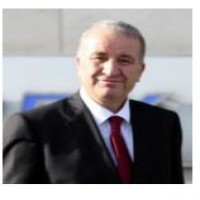
Prof. Dr. Telat Yanık, Atatürk Üniversitesi Ziraat Fakültesi Zootekni Bölümünden 1988’de mezun oldu. Su ürünleri alanında yüksek lisans ve doktorasını 1996 yılında tamamladı. Doçent unvanını 1998'de aldı. Atatürk Üniversitesi, Su Ürünleri Fakültesinde profesör olarak 2004 yılından beri öğretim üyesi olarak görev yapmaktadır.
Baş Editör Yardımcıları

Yardımcı Editorler
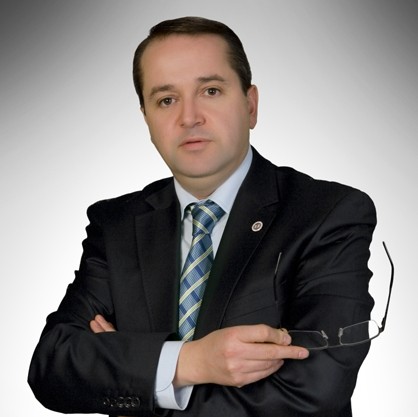
iruza Begham Mustafa is a Professor at the Department of Geography, Faculty of Arts and Social Sciences, University of Malaya. Her research focus is agriculture geography, environmental geography, and aquaculture. She has collaborated with local and international researchers and produced more than 150 publications, including in WOS-ISI journals, books, chapters, conference papers and posters. Most of her papers are published in reputable international journals such as the Journal of Ocean Engineering and Science (Q1, IF 4.803), Soil and Water Conservation Research (Q1, IF 7.481), International Review of Hydrobiology (Q1, IF 1.878), Soil Use and Management (Q3, IF 3.672), Acta Geophysica (Q3, 2.293), and Singapore Journal of Tropical Geography (Q3, IF 2.000).
She has also written chapters for many international books published by Springer, Routledge, Taylor & Francis, Pearson Learning Solutions, CRC Press and Emerging Technologies and Research. She has also published nine scientific books in her field of interest and specialization. The books entitled Akuakultur Udang Harimau (Tiger Shrimp Aquaculture) Geografi Pertanian (Agriculture Geography) and Geografi Tanih (Soil Geography), Metodologi Terpilih dalam Geografi (Selected Methodology in Geography) are published by the Universiti Malaya Press. Geografi Pohon Lontar is the most recent book published in 2023 by Dewan Bahasa dan Pustaka. The first-of-its-kind book about palmyra internationally covers the palm's geographical, botanical, and socio-cultural features. Her two books were also published by the International publisher, Springer Nature entitled Methodological Approaches in Physical Geography (2022) and Methodological Approaches in Integrated Geography (2023).
The research work has been funded by international and local research grant i.e High Impact Research Grant (HIR), University of Malaya Research Grant (UMRG), KPM Community Research Grant, FRGS, LRGS, and others, with cumulative research funding amounting to at least RM2 million. She has several intellectual property rights (IP), and 10 international and local post-graduates completed their studies under her supervision. She won Gold Medal for Innovation and Creativity Expo (2010), Silver Medal for Learning Improvement and Teaching Enhancement Research (Liter) in 2018, Bronze Medal for Malaysia Technology Expo in 2010, Bronze Medal for Bioinno Awards in 2010, Bronze Medal for PECIPTA in 2009 and Bronze Medal for Biomalaysia in 2009. She also received Anugerah Perkhidmatan Cemerlang in 2019 and Sijil Perkhidmatan Cemerlang in 2011, 2018 and 2021. She won Anugerah Cemerlang Universiti Malaya (ACUM) (Universiti Malaya Excellent Award) 2022 for Teaching (non-science).
She was also appointed as Visiting Fellow at Qinghai National University, China and Visiting Researcher at Aligarh Muslim University, India. She actively participated Theo Murphy High Flyers Think Tank of Australia entitled “Stressed ecosystems: better decisions for Australia (2011) and High Flyers Think Tank on Australia’s population: shaping a vision for our future (2012)” organized by the Australian Academy of Science (AAS). Between 2016-2021, she was also a Council Member of the International Geographical Union Commission on Commission Marginalization, Globalization, and Regional and Local Responses- C16.29, a member of the International Geographical Union for Commission on Geographical Education, a member of the Southeast Asian Geography Association (SEAGA) and the Centre for Global Geography Education (CGGE) training by Association of American Geography (AAG).
She is an Associate Fellow (AFMSA) of the Malaysian Scientific Association (MSA). She has served on the Editorial Board of the Malaysian Journal of Tropical Geography (MJTG), Editorial Board of Water Conservation Management (WCM), Editorial Board of Geology, Ecology and Landscapes (GEL), Trout Journal of Atatürk, Turkey, Annals of the national of Association of Geographers, India and the International Journal of Creative Industries (IJCREI). She is an active reviewer in ISI-WOS journal reviewer including top-tier journals, the Science of the Total Environment, Frontiers of Earth Science, Arabian Journal of Geosciences, Journal of Public Affairs, Quaestiones Geographiceae, Land Degradation & Development, Archives of Agronomy and Soil Science, Current Urban Studies and Natural Resources Forum and many others including local journal.
She also serves as Auditor for Malaysia Qualification Agency (MQA) since 2009 for Geography and Environmental subjects and had audited program in Universiti Kebangsaan Malaysia, Universiti Islam Antarabangsa, Universiti Teknologi MARA, Universiti Malaysia Sabah, Universiti Tun Hussein Onn Malaysia, Universiti Malaysia Kelantan, Universiti Pendidikan Sultan Idris, SEGi University, Universiti Tunku Abdul Rahman and many other university and private colleges.
She acted as the PhD thesis examiner for more than 10 candidates from the University of Madras, Chennai and Bharathidasan University, Tiruchirappalli, India; the University of Rajshahi, Bangladesh, Peshawar University in Pakistan and other Malaysian Universities. She had delivered lectures in many national and international seminars and conferences including in Switzerland, Austria, Turkey, Egypt, Australia, India, China, Singapore, Indonesia, Nepal, Cambodia, Vietnam, Brunei, Philippines, Bangladesh and Korea.




Carmen Georgeta NICOLAE is Professor and PhD Coordinator at the Faculty of Animal Productions Engineering and Management, University of Agronomic Sciences and Veterinary Medicine of Bucharest, Romania. Area of expertise and interest refers to aquaculture and fishery, animal husbandry, food products processing, quality of food products, environmental sustainability, management of specific activities of research and the livestock production. The experience in his field of expertise is reflected in the publication of 14 books or chapter in book, over 200 scientific articles in representative journals and conferences, 3 patents and 40 research projects. She is member of the editorial staff and reviewer of scientific journals and national and international events such as International Conference “Agriculture for life, life for agriculture”; International Virtual Conference on Advanced Research in Scientific Areas (ARSA 2016), Scientific Papers. Series D. Animal Science Journal; Prudent Journals; BioPublisher; Science Domain International Journals; Science Publishing Group Journals; Uttar Pradesh Journal of Zoology; Current Trends in Natural Sciences; Open Access Journal of Agriculture Research; MDPI Journals.
.

ORCID: https://orcid.org/0000-0002-5790-3089
Skills and expertise:
Aquaculture
Fish Biology
Fisheries Science
Ichthyology
Aquaculture Fisheries
Fish Ecology
Fisheries
Fisheries Management
Fisheries Biology
Fisheries Ecology
Aquatic Science
Fish Population Dynamics
Fisheries Sustainability
Aquatic Ecology
Marine Aquaculture
Fish Breeding
Aquaculture Management
Freshwater Fish Ecology
Fish Nutrition
Aquaculture Water Quality
Fish Diseases
Fish Morphology
Aquaculture Nutrition
Fish Taxonomy
Fish Toxicology
Water Quality
Fisheries Economics
Agriculture
Recirculating Aquacultural Systems
Environmental Science
Alan Editörleri
The field of my study is the behavioral physiology of fish. I focus on combining natural investigations with experimental data to clarify the features of fish behavior and physiological processes. I use various tools for data acquisition and analysis, including clinical biochemical parameters. Additionally, I work with big data on fish locomotor activity using the programming language.
Yayın Kurulu


Dilan Özmen Özgün, 1978 yılında Ağrı’nın Diyadin ilçesinde doğmuştur. İlk ve orta öğrenimini Ağrı’da tamamladıktan sonra, 2001 yılında Ankara Üniversitesi Eczacılık Fakültesi’nden mezun olmuştur. Atatürk Üniversitesi Eczacılık Fakültesi Farmasötik Kimya Anabilim Dalı’nda yüksek lisans ve doktora çalışmalarını tamamlamıştır.. 
2001-2010 yılları arasında Diyadin’de, 2010-2013 yılları arasında ise Ağrı merkezde serbest eczacı olarak çalışmıştır. Bu süre zarfında 13. Bölge Eczacı Odası Diyadin İlçe Temsilciliği ve Ağrı İl Temsilciliği ve Eczacı Odası Haysiyet Divanı üyeliği görevlerinde bulunmuştur. 2013-2022 yılları arasında Ağrı İbrahim Çeçen Üniversitesi Eczacılık Fakültesi’nde öğretim görevlisi olarak görev yapmış, 2022 yılından itibaren ise doktoe öğretim üyesi ünvanıyla görevine devam etmektedir. 
Akademik kariyerinde, farmasötik kimya alanında çeşitli araştırmalar yapmış ve bilimsel makaleler yayımlamıştır. Özellikle pirazolin türevi bileşikler ve antikanser etkileri üzerine çalışmaları bulunmaktadır. 
İyi derecede İngilizce bilen Dilan Özmen Özgün, evli ve iki çocuk annesidir. 
Atatürk Üniversitesi, Mühendislik Fakültesi, Çevre Mühendisliği Bölümü, Erzurum, Türkiye
ACADEMİC EXPERIENCE
Institution Country City Department Position Term
Karadeniz Technical University Turkey Trabzon Faculty of Forestry Prof. Dr. 2018-
Karadeniz Technical University Turkey Trabzon Faculty of Forestry Assoc.Prof. Dr. 2013-2018
Karadeniz Technical University Turkey Trabzon Faculty of Forestry Assist. Prof. Dr. 2011-2013
Tunceli University Turkey Tunceli Fisheries Faculty Assist. Prof. Dr. 2009-2011
Karadeniz Technical University Turkey Trabzon Fisheries Technology Engineering Research Assistant 1996-2009
Yüzüncü Yıl University Turkey Van Fisheries Research Assistant 1996-2000
Experimental design, water chemistry, water analysis for aquaculture. Chiefly Standard water analysis (COD, BOD, Nitrite, Nitrate, Phosphate, Ammonium, H2S, O2, CO2, etc.), Effluent water analysis and the other analysis with spectrophotometer, titration and other automatically test equipments (Merck laboratory analysis kit). Larviculture experiments of freshwater fish species. Livefeed culture for larval fish. Larval adaptation to rearing conditions and solutions for better survival, etc.
Marine and freshwater researches, fish egg and larvae. Experienced in calibrating and using the CTD Electronic Water Analysis Devices (YSI). Field-catching of freshwater fish.
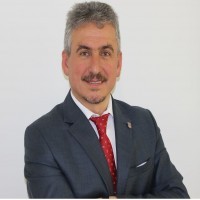
Lisans eğitimini Karadeniz Teknik Üniversitesi Sürmene Deniz Bilimleri Fakültesi Balıkçılık Teknolojisi Mühendisliği Programı’nda, yüksek lisansını ise Balıkçılık Teknolojisi Mühendisliği Anabilim Dalı’nda, Doktora eğitimini Ege Üniversitesi Fen Bilimleri Enstitüsü Su Ürünleri Yetiştiriciliği Anabilim Dalı’nda tamamlamıştır. 1996 yılında Asistan, 2002 yılında Yardımcı Doçent, 2011 yılında Doçent ve 2016 yılında Profesör unvanlarını almıştır. Halen Muğla Sıtkı Koçman Üniversitesi Su Ürünleri Fakültesi Su Ürünleri Yetiştiriciliği Bölümü, Yetiştiricilik ABD’da öğretim üyesi olarak görev yapmaktadır. Uzmanlık alanları arasında su ürünleri yetiştiriciliği, balık besleme, yem teknolojisi, alternatif yem hammaddeleri, organik balık yetiştiriciliği ve su ürünleri ekonomisi gibi konular yer almaktadır.
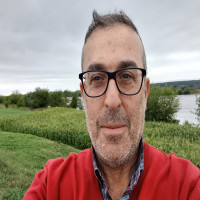
Prof. Dr. Nedim ÖZDEMİR
Muğla Sıtkı Koçman Üniversitesi, Su Ürünleri Fakültesi,
Temel Bilimler Bölümü, İçsular Biyolojisi Anabilim Dalı
Telefon:+90 252 2111900/+90 0532 6540593, onedim@mu.edu.tr ata.dadaoz@gmail.com
Eğitim Durumu:
Bölüm/Program Üniversite Yılı
Lisans Ziraat Fakültesi (Tarımsal Yapılar ve Sulama) Ankara Üniversitesi 1988
Yüksek Lisans Çevre Mühendisliği Fırat Üniversitesi 1994
Doktora Su Ürünleri Yetiştiriciliği Ege Üniversitesi 1998
Yrd. Doç.Dr. Ortaca Meslek Yüksek Okulu, Su Ürünleri Programı Muğla Üniversitesi 1999
Doç. Dr. Su Ürünleri Fakültesi, Temel Bilimler Bölümü Muğla Sıtkı Koçman Üniversitesi 2015
Prof. Dr. Su Ürünleri Fakültesi, Temel Bilimler Bölümü Muğla Sıtkı Koçman Üniversitesi 2024
Yüksek Lisans Tezi Konusu
Sulama Yapılan Uluova Tarım Arazisinde Tuzluluk Probleminin Araştırılması. Fırat Üniversitesi, Fen Bilimleri Enstitüsü, Çevre Mühendisliği Anabilim Dalı, Elazığ
Doktora Tezi Konusu
Köyceğiz Havzası’nın Sosyo-Ekonomik Yapısı İle Çevresel Sorunları ve DALKO (Dalyan Su Ürünleri Kooperatifi), Ege Üniversitesi Fen Bilimleri Enstitüsü, Su Ürünleri Yetiştiriciliği Anabilim Dalı, İzmir
Çalışma Kurumları ve Görevleri
Pozisyon Ünvanı Çalışma Yeri Yılı
Ziraat Mühendisi Tarımsal Sulama Teknikleri İle İlgili Bir Sulama Şirketi, Göktepe Şirketi, Ankara 1990-1991
İdareci Muş Meslek Yüksek Okulunda Fırat Üniversitesi, Elazığ 1991–1992
Araştırmacı Asistan Mühendislik Fakültesi Çevre Mühendisliği Bölümü, Fırat Üniversitesi, Elazığ 1992–1994
Öğretim Görevlisi Ortaca Meslek Yüksekokulu Su Ürünleri Programı Muğla Üniversitesi, Muğla 1994–1998
Yrd.Doç.Dr. Ortaca Meslek Yüksekokulu Su Ürünleri Programı Muğla Üniversitesi, Muğla 1998-2004
Yrd.Doç.Dr. Su Ürünleri Fakültesi, Temel Bilimler Bölümü, Muğla Sıtkı Koçman Üniversitesi, Muğla 2004- 2015
Doç.Dr. Su Ürünleri Fakültesi, Temel Bilimler Bölümü, Muğla Sıtkı Koçman Üniversitesi, Muğla 2015-2024
Prof. Dr. Su Ürünleri Fakültesi, Temel Bilimler Bölümü, Muğla Sıtkı Koçman Üniversitesi, Muğla 2024- February
Bilimsel Üyelikler:
1. WWF
2. Su Derneği
3. Uluslararası Stokholm Su Enstitüsü
4. Uluslararası Su Derneği (IWA)
5. Uluslararası Su Yönetim Enstitüsü (IWMI)
6. Avrupa Su Araştırma Derneği (EWRA)
7. Limnoloji Topluluğu
8. Dünya Aquaculture Topluluğu
9. Tatlısu Topluluğu
Dil Yeteneği:
İngilizce Yazma, konuşma ve gramer iyi seviyede
BİLİMSEL MAKALELER
A. SCI ve Uluslararası Yayınlanmış Makaleler:
A1. Döndü, M., Özdemir, N., Keskin, F., Demirak, A., Zeynalova, N., (2024). The effect of heavy metals mobility on their bioavailability in Güllük Lagoon, Aegean Sea. Regional Studies in Marine Science https://doi.org/10.1016/j.rsma.2024.103414 (SCI)
A2.Özdemir, N., Dokuyucu, A., Ceviz, N.A., Döndü, M., Demirak A. (2023). A comparative assessment of the lagoons with water quality indexes and based on GIS: A study of the Aegean Sea and Mediterranean Sea. Environmental Forensics, 1-16. https://doi.org/ 10.1080/15275922.2023.2218661 (SCI)
A3. Haciyeva, S. R., Gadirova, E., Sujayev, A., Özdemir, N., (2023). Degradation of Phenol in the System TiO2 Nanoparticles and N-Containing Compound. Journal of The Chemical of Society of Pakistan. 36-43, doi.org/10.52568/001192/JCSP/45.01.2023 (SCI)
A4. Galeeva, A.I., Özdemir, N., Mingazova, N.M., Dylevskiy, V.Y., Gilmanshin, I.R. (2023). Expanding The Functionality of The Universal Limnological and Ecological Classification (ULEC). International Research Journal. Natural Sciences, Biology, Biological Resources, ISNN: 2303-9868, Issue: No:2 (128). 2023, 1-16, https://doi.org/10.23670/IRJ.2023.128.64
A5. Çesko, C., Gashi, S., Arabacı, G., Palüzar, H., Durmishi, B., Bruçi, E., Fjolla, V., Özdemir, N., (2023). Investigation of The Effects of Pesticides on “Jonagold” Apple (Malus x domastica) Polyphenol Oxidase Enzyme Activity. Turkish Journal of agricultural and Forestry. Volume (47), No:1, 57-66
A6. Özdemir, N., Perktaş, M., Döndü M., (2022). Evaluation of Surface Water Quality Parameters by Multivariate Statistical Analyses in Northern Coastal Line of Gökova Bay (Muğla, Turkey). ADÜ Journal of Adnan Menderes University Agricultural Faculty, ISSN: 1304-7787, 2022; 19(1):81-91pp December 2022, -doi: 10.25308/aduziraat.1035712
A7. Galeeva, A.I., Mingazova, N.M., Özdemir, N., Gilmanshin, I.R. (2022). A Study of The Interdisciplinary Potential of Ulec on The Examples of Lakes in Russia, Abkhazia, and Turkey. International Research Journal. Natural Sciences, Biology, Biological Resources, ISNN: 2303-9868, Issue: No:8 (122). 2022, 1-6, https://doi.org/10.23670/IRJ.2022.122.85
A8. Keskin, F., Demirak, A., Özdemir, N., Özkan, H., Özkan, A., Aslan, A., (2022). The Impact of COVID-19 on Water Consumption and Treatment Capacity in Tourism Area: Example of Bodrum. JIEAS, J.Int. Environmental Application&Science, Vol. 17(4): 156-164.
A9. Döndü, M., Özdemir, N., Demirak, A., Keskin, F., Zeynalova, N., (2022). Bioaccumulation and Human Health Risk Assessment of Some Heavy Metals in Sediments, Sparus aurata and Salicornia europaea in Güllük Lagoon, The South of Aegean Sea. Environmental Science and Pollution Research. https://doi.org/10.1007/s11356-022-23463-1 (SCI)
A10. Döndü, M., Özdemir, N., Demirak, A., Doğan, H.M., Dincer, N.G., Keskin, F., (2022). Seasonal Assessment of The Impact of Fresh Waters Feeding The Bay of Gökova with Water Quality Index (WQI) and Comprehensive Pollution Index (CPI). Environmental Forensics doi: 10.1080/15275922.2022.2081889 (SCI)
A11. Demirak, A., Keskin, F., Silm, M., Özdemir, N., Yıldız, D., Bernotas, P., Öğlü, B., (2021). Bioaccumulation and Health Risk Assessment of Heavy Metals in European eels Taken From Lakes Köyceğiz (Turkey) and Vörtsjarv (Estonia). Environmental Science and Pollution Research (2022) 29:1620–1633. https://doi.org/10.1007/s11356-021-16822-x (SCI)
A12. Cerim, H., Özdemir, N., Cremona, F., Öğlü, B., (2021). Effect of Changing in Weather Conditions on Eastern Mediterranean Coastal Lagoon Fishery. Elsevier, Regional Studeies in Marine Sciences Volume 48 November 2021, 1022006, https://doi.org/10.1016/j.rsma.2021.102006 (SCI)
A13. Hajiyeva S.R., Gadirova, E., Özdemir, N., Işık O.R., Rustamova U.N., (2021). Investigation of Photochemical Reactions in The GO+TiO2 and Nano-Al2O3 Systems. Advances in Biology & Earth Sciences, 6(3), 213-220.
A14. Hajiyeva S.R., Gadirova, E., Özdemir, N., Rustamova U.N., (2021). Oil Refinery Wastewater and Environmental Assessment. PPOR Processes of Petrochemistry and Oil Refining (PPOR), Clarivate Analytics, ISSN:1726-4685, Vol. 22, No:4, 2021, 457-467. (SCI)
A15. Gadirova, E., Hajiyeva S.R., Rustamova U.N., Gerasimovle, G., Özdemir, N., Mehdiyeva, S.T., (2021). The Level of Organic Toxic Compounds in Aquatic Ecosystems. Bulletin National University of Water and Environmental Engineering. ISSN:2306-5478, Vol. 3(95) 3-12. http://doi.org/10.31713/vs320211
A16. Koç, C., Özdemir, N., (2021). Financing of Irrigation Schemes and Irrigation Charges Practiced in Some Countries and Our Country. European Journal of Science and Technology No.23, 524-533pp, April-2021. doi: 10.31590/Ejosat.865591
A17. Döndü, M., Özdemir, N., Perktaş, M., Gadirova, E. (2020). Spatial Analysis and Evaluation of Water Quality of Gökova Bay. Journal of Biology and Ecology. ISSN-2181-0575 http://dx.doi.org/10.26739/2181-0575-2020-2-9. Vol (2) Issue : 2, pp 51-55, Taskent.
A18. Beyazıt, Y., Bakış, R., Koç, C., Kaya, T., Özdemir, N., (2019). Formation of Eskişehir Province Flood Maps with Using of Geographical Information Systems. Journal of Geoscience and Environment Protection, 2019,7,151-159. doi: 10.4236/gep.2019.711011. 26 November 2019
A19. Döndü M., Özdemir, N., (2019). Seasonal Investigation of Water Quality of The Kadın Creek (Gökova Bay-Muğla). ADÜ Journal of Adnan Menderes University Agricultural Faculty, ISSN: 1304-7787, 2019; 16(2):169-178pp December 2019, -doi: 10.25308/aduziraat.561650
A20. Kaymaz, Ş.M., Özdemir, N., (2019). A Study on Some Physico-chemical Properties of Marmaris Bay (Southern Aegean, Turkey). J.Black Sea/Mediterranean Environment. ISSN:1304-9550, Vol (25), No: 2, 125-139.
A21. Özdemir, N., Demirak, A., Gadirova, E., Koç, C., Temizer, İ.A., (2019). Investigation of Some Physico-chemical Properties of Köyceğiz, Bafa and Limni Lakes (Muğla-Turkey). European Journal of Science and Technology No.17, 338-345pp, December-2019. doi: 10.31590/Ejosat.587665
A22. Hajiyeva, S.R., Gadirova, E., Özdemir, N., Demirak, A., (2018). Chemical Analysis of Marine Waters Taken From The Boulevard Area. Elmi Eserler-Scientific Works, Chemical. No:4 ,2018, ISSN 1815-1779, doi: 543.546:631.633, 75-78.
A23. Özdemir, N., Tarkan, A.S., Ağdamar, S., Top, N., Karakuş, U., (2015). Ecological Requirements and Distribution of Native and Introduced Freshwater Fishes in a Mediterranean-Type Basin (Muğla- SW Turkey). Fresenius Environmental Bulletin Volume 24 (1), 3-13, Doi: 10.3291/F-2014pj2015, (SCI)
A24. Özdemir, N., Demirak, A., Keskin, F., (2014). Quality of Water Used During Cage Cultivation of Rainbow Trout (Oncorhynchus mykiss) in Bereket HES IV Dam Lake (Muğla-Turkey), Environmental Monitoring and Assessment, 186(12), 8463-8472, Doi: 10.1007/s10661-014-4030-0, (SCI)
A25. Karakuş, U., Ağdamar, S., Tarkan, A.S., Özdemir, N., (2013). Range Extension of the Invasive Freshwater Fish Species, Gibel Carp Carassius gibelio (Bloch, 1782) in Western Turkey. BioInvasions Records, Issiue 2(2), 153-157, Doi: 10.3391/bir.2013.2.2.11
A26. Tarkan, A.S., Copp, G.H, Top, N., Özdemir, N., Önsoy, B., Bilge, G., Filiz, H., Yapıcı, S., Ekmekçi, F.G., Kırankaya, Ş.G., Emiroğlu, Ö., Gaygusuz, Ö., Gürsoy, G.Ç., Oymak, A., Özcan, G., Saç, G. (2012). Are Introduced Gibel Carp Carassius gibelio in Turkey More Invasive in Artificial Than in Natural Waters? Fisheries Management and Ecology, 19(2), 178-187, Doi: 10.1111/j.1365-2400.2011.00841.x, (SCI)
A27. Kaska, Y., Başkale, E., Urhan, R., Katılmış, Y., Gidiş, M., Sarı, F., Sözbilen, D., Canbolat, A.F., Yılmaz, F., Barlas, M., Özdemir, N., Özkul, M., (2010). Natural and Anthropogenic Factors Affecting The Nest-site Selection of Loggerhead Turtles, Caretta caretta, on Dalaman-Sarıgerme Beach in South-west Turkey (Reptilia: Cheloniidae). Zoology in the Middle East 50, 2010:47-58 Germany. (SCI)
A28. Özdemir, N., Yılmaz, F., Tuna, A.L., Demirak, A., (2010). Heavy Metal Concentrations in Fish (Cyprinus carpio and Carassius carassius), Sediment and Water Found in the Geyik Dam Lake, Turkey. Fresenius Environmental Bulletin Volume 19 (5), 798-804, (SCI)
A29. Yıldırım, Ö., Erdem, M., Özdemir, N., (2008). The Eveluation Lagoon of Köyceğiz Lake for Aquaculture. PSI Hidrobiological Institute Ohrid, 41(1), 99-108.
A30. Özdemir, N., Yılmaz, F., Yorulmaz, B., (2007). Investigation of Physico-chemical Parameters and Fish Fauna of Bereket Hydro-Electric Plant Dam Lakes on Dalaman River. Ekoloji, 16(62), 30-36.
A31. Tuna, A.L., Yılmaz, F., Demirak, A., Özdemir, N., (2007). Sources and Distribution of Trace Metals in The Sariçay Stream Basin of Southwestren Turkey. Environmental Monitoring and Assessment, 125(1-3), 47-57, Doi: 10.1007/s10661-006-9238-1, (SCI)
A32. Yılmaz, F., Özdemir, N., Demirak, A., Tuna, A. L., (2007). Heavy Metal Levels in Two Fish Species Leuciscus cephalus and Lepomis gibbosus. Food Chemistry, Elsevier 100(2), 830-835, Doi:10.1016/j.foodchem. 2005.09.020, (SCI)
A33. Demirak, A., Yılmaz, F., Tuna, A. L., Özdemir, N., (2006). Heavy Metals in Water, Sediment and Tissues of Leuciscus cephalus From a Stream in Southwestern Turkey. Chemosphere Elsevier 63 (9), 1451-1458. Doi: 10.1016/j.chemosphere.2005.09.033 (SCI)
A34. Onaran, M.A., Özdemir, N., Yılmaz, F., (2006). The Fish Fauna of the Eşen Stream (Fethiye-Muğla). International Journal of Science and Technology, 1(1), 36-41.
B. Uluslararası Toplantılarda Sunulan Bildiriler:
B1. Buhan, E., Doğan, H.M., Özdemir, N., Çakar, S., Sadighfard, S., Kaplan, E., Kılıç, O.M., (2019). Landscape and Rural Tourism Values of Tozanlı Basin. 3. International Rural Tourism Congress 13-16 June 2019, Bodrum. page 41. (Poster Presentation)
B2. Doğan, H.M., Buhan, E., Özdemir, N., Demirak, A., (2019). A New Methodological Approach to Determine Potential Aecelogic Tourism Areas of Muğla Province Based on Geographic Information Systems and Remote Sensing. 3. International Rural Tourism Congress 13-16 June 2019, Bodrum. 457-459pp (Oral Presentation/Full Text Paper)
B3. Gadirova, E., Özdemir, N., Demirak, A., (2019). Chemical Analysis of Marine Waters. International Scientific Conference, Gence Devlet University, Bakü Azerbayjan 3-4 May 2019, 134-136pp. (Oral Presentation/Full Text Paper)
B4. Hajiyeva, S., Gadirova, E., Özdemir, N., Demirak, A., (2019). Determination of Phenolin Waste Waters. 3. International UNIDOKAP Black Symposium. 21-23 June 2019. Tokat, page 45-49, (Oral Presentation/Full Text Paper)
B5. Haciyeva S., Gadirova, E., Özdemir, N., Demirak, A., (2019). Determination of Toxic Organic Compounds in Waste Waters. Azerbaycan Tekniki University Ecology and Soil Faculty Haydar Alievin 96 Years in Memory. VIII. Resmi İlmi Congress 3-4 Mayıs 2019, 41-42 pp, Bakü, (Oral Presentation)
B6. Koç, C., Yılmaz, E., Özdemir, N., (2019). A Study on The Environmental Problems of Bafa Lake and Solution Proposals. International Congress on Agriculture and Forestry Research (Agrifor). 8-10 Nisan 2019 Marmaris. 464-468pp. (Oral Presentation/Full Text Paper)
B7. Özdemir, N., Yılmaz, E., Koç, C., Doğan, H.M., Buhan, E., (2019). The Relationship Between Tourism and Aquaculture Activities in Bodrum Peninsula. 3. International Rural Tourism Congress 13-16 June 2019, Bodrum. 250-255pp (Oral Presentation/Full Text Paper)
B8. Özdemir, N., Döndü, M., Yılmaz, E., Koç, C., (2019). Fishing Activities and Pollutions Risk of The Freshwater Sources Feeding Gökova Bay (Muğla-Turkey). International Congress on Agriculture and Forestry Research (Agrifor). 8-10 April 2019 Marmaris. 704-710pp. (Oral Presentation/Full Text Paper)
B9. Özdemir, N., Koç, C., Yılmaz, E., (2019). Present Situation of Environmental Problems in The Protected of Marmaris Bay and Protection Strategies. International Congress on Agriculture and Forestry Research (Agrifor). 8-10 Nisan 2019 Marmaris. Sayfa 711-718pp (Oral Presentation/Full Text Paper)
B10. Yılmaz, E., Özdemir, N., Kır, M., (2019). The Example of Bodrum in the Foodprint of Water Within the Context of Sustainable Tourism. 3. International Rural Tourism Congress 13-16 June 2019, Bodrum. page 37. (Oral Presentation)
B11. Yılmaz, E., Özdemir, N., (2019). An Overview of Aquaculture Activities in Aydın Province. 3. International UNIDOKAP Black Symposium. 21-23 June 2019. Tokat, page 270-272 (Oral Presentation/Full Text Paper)
B12. Doğan, H.M., Koç, C., Özdemir, N., Buhan, E., (2018). Modeling of Important Diffuse Pollutant (N-P) Resources of Büyük Menderes Basin by Geographic Information Systems and Remote Sensing. International Symposium on Urban Water and Wastewater Management. October 25-27, 2018, Denizli. 648-652, (Oral Presentation/Full Text Paper)
B13. Doğan, H.M., Kılıç, O.M., Koç, C., Özdemir, N., Buhan, E., (2018). Updating and Interpreting of Lower Gediz Sub Basin CORINE-2012 Land Classes by LANDSAT-8 OLI Images. International Symposium on Urban Water and Wastewater Management. October 25-27, 2018, Denizli. 493-499, (Oral Presentation/Full Text Paper)
B14. Özdemir, N., Koç, C., Döndü, M., (2018). An Investigation on Drinking Water Quality of Bodrum Peninsula, The Most Important Tourism Regions of Turkey. International Symposium on Urban Water and Wastewater Management. October 25-27, 2018, Denizli. 833-840, (Oral Presentation/Full Text Paper)
B15. Döndü, M., Öğlü, B., Özdemir, N., (2016). Spatial Analysis and Evaluation of Some Physico-chemical Parameters of the Freshwater Sources Feeding Gökova Bay Through Geographical Information System. 16. International Scientific Congress: Environmental Problems of The 21st Century 19-20 May 2016, Minsk, 164pp. (Oral Presentation)
B16. Hava, Ş., Öğlü, B., Özdemir, N., (2016). Investigation of the Effects of Trout Farm’s Outflow Waters to the Eşen Stream (Fethiye-Muğla). 16. International Scientific Congress: Environmental Problems of The 21st Century. 19-20 May 2016, Minsk, 165pp. (Oral Presentation)
1- Erdinç Selçuk Özgür (2010) Gökova Körfezi’ni Besleyen Kadın Azmağı ve Akçapınar Azmağı’nın Su Kalitesi Yönünden İncelenmesi. Muğla Üniversitesi, Fen Bilimleri Enstitüsü/Su Ürünleri Anabilim Dalı
2- Çiçek De Sa Matos Paixao Latife Serra (2011) Köyceğiz Gölü’nü Besleyen Namnam Çayı’nın Su Kalitesi Yönünden İncelenmesi. Muğla Üniversitesi, Fen Bilimleri Enstitüsü/Su Ürünleri Anabilim Dalı
3- Kaymaz Şeyma Merve (2012) Marmaris Körfezi’nin Bazı Fiziko-kimyasal Özellikleri Üzerine Bir Çalışma. Muğla Üniversitesi/Fen Bilimleri Enstitüsü/Su Ürünleri Mühendisliği Anabilim Dalı
4- Alparslan Engin (2013) Güllük Lagünü’nün Su Kalitesi Yönünden İncelenmesi, Muğla Sıtkı Koçman Üniversitesi/Fen Bilimleri Enstitüsü/Su Ürünleri Mühendisliği Anabilim Dalı
5- Şimşek Hava (2015) Eşen Çayı (Fethiye-Muğla) Üzerinde Faaliyet Gösteren Alabalık İşletmelerinin Çıkış Sularının Eşen Çayı’na Olan Etkilerinin Araştırılması. Muğla Sıtkı Koçman Üniversitesi/Fen Bilimleri Enstitüsü/Su Ürünleri Mühendisliği Anabilim Dalı
6- Özbayram Fatma (2015) Fethiye Körfezi’ni Besleyen Su Kaynaklarının Su Kalitesi Yönünden İncelenmesi. Muğla Sıtkı Koçman Üniversitesi/Fen Bilimleri Enstitüsü/Su Ürünleri Mühendisliği Anabilim Dalı
7- Döndü Mustafa (2015) Gökova Körfezi’ni Besleyen Tatlısu Kaynaklarındaki Bazı Fiziko-kimyasal Parametrelerin Coğrafi Bilgi Sistemi İle Konumsal Analiz ve Değerlendirilmesi. Muğla Sıtkı Koçman Üniversitesi/Fen Bilimleri Enstitüsü/Su Ürünleri Mühendisliği Anabilim Dalı
8- Perktaş Mesut (2015) Gökova Körfezi Kuzey Kıyısı Su Kalitesi Değerlerinin Coğrafi Bilgi Sistemi İle Konumsal Analiz ve Değerlendirilmesi. Muğla Sıtkı Koçman Üniversitesi/Fen Bilimleri Enstitüsü/Su Ürünleri Mühendisliği Anabilim Dalı
9- Daşgın Bayram (2016) Bodrum Yarımadası’ndaki Bazı Ağ Kafes Balık Çiftliklerinin Sucul Çevreye Olan Etkilerinin Araştırılması. Muğla Sıtkı Koçman Üniversitesi/Fen Bilimleri Enstitüsü/Su Ürünleri Mühendisliği Anabilim Dalı
10- Turan Songül (2019) Fethiye Körfezi’nin Bazı Fiziko-kimyasal Parametrelerinin Coğrafi Bilgi sistemi İle Konumsal Analizi ve Değerlendirilmesi. Muğla Sıtkı Koçman Üniversitesi/Fen Bilimleri Enstitüsü/Su Ürünleri Mühendisliği Anabilim Dalı
11- Uncu Yusuf Sedat (2019) Aşağı Dalaman Çayı’nın Bazı Fiziko-kimyasal Parametrelerinin Coğrafi Bilgi sistemi İle Konumsal Analizi ve Değerlendirilmesi. Muğla Sıtkı Koçman Üniversitesi/Fen Bilimleri Enstitüsü/Su Ürünleri Mühendisliği Anabilim Dalı
12- Dokuyucu Ahmet (2019) Limni Gölü’nde (Güllük Lagünü-Muğla) Bazı ekolojik Parametrelerinin Belirlenmesi. Muğla Sıtkı Koçman Üniversitesi/Fen Bilimleri Enstitüsü/Su Ürünleri Mühendisliği Anabilim Dalı
13- Ceviz Nevcihan Aslınur (2020). Sülüngür Gölü’nün (Köyceğiz-Dalyan Lagün Havzası) Limnolojik ve Su Kalitesi Yönünden İncelenmesi. Muğla Sıtkı Koçman Üniversitesi/Fen Bilimleri Enstitüsü/Su Ürünleri Mühendisliği Anabilim Dalı
14- Küçükler Emrah (2020). Yanıklar Deresi’nin (Fethiye-Muğla) Limnolojik ve Su Kalitesi Yönünden İncelenmesi. Muğla Sıtkı Koçman Üniversitesi/Fen Bilimleri Enstitüsü/Su Ürünleri Mühendisliği Anabilim Dalı
15- Karaca Taha (2020). Dalyan Kanallarında (Köyceğiz-Muğla) Bazı Ekolojik Parametrelerin Belirlenmesi Muğla Sıtkı Koçman Üniversitesi/Fen Bilimleri Enstitüsü/Su Ürünleri Mühendisliği Anabilim Dalı
16- İleri Abdullah Ömer (2020) Muğla İlinde Faaliyet Gösteren Su Ürünleri İşletmelerinde ‘Çevresel Etki Değerlendirmesi’ Uygulamalarında Karşılaşılan Sorunların İncelenmesi ve Çözüm Önerileri Üzerine Bir Araştırma. Muğla Sıtkı Koçman Üniversitesi/Fen Bilimleri Enstitüsü/Su Ürünleri Mühendisliği Anabilim Dalı
17- Latifi Dijar (2020) Kosova Cumhuriyeti Su Kaynaklarının Su Ürünleri Yetiştiriciliği Açısından Değerlendirilmesi. Muğla Sıtkı Koçman Üniversitesi/Fen Bilimleri Enstitüsü/Su Ürünleri Mühendisliği Anabilim Dalı
6.2. Doktora Tezleri
18- Döndü Mustafa (2020) Güllük Lagünü’nde Ağır Metal Kirliliğinin Araştırılması. Muğla Sıtkı Koçman Üniversitesi/Fen Bilimleri Enstitüsü/Su Ürünleri Mühendisliği Anabilim Dalı
ULUSLARARASI DENEYİMİ
Doç.Dr. Nedim ÖZDEMİR,
Doçentlik öncesinde
Mashav Bursu ile İsrail’de 07-29 Mart 2006’da aquaculture kapsamında kursa katılmak
Erasmus staj hareketliliği kapsamında 1-7 Haziran 2009 yılında Portekiz ülkesinin Leira Şehrinde faaliyette bulunan Aquaculture Fakültesinde eğitmenlik görevi,
SMAP III Avrupa Birliği Proje kapsamında 24-31 Mart 2009 yılında İspanya’da IRTA Sant Carles de La Rapita faaliyet bulunan çipura-levrek işletmesinde gözlem ve çalışmalarda bulunmak,
Yüksek Öğretimin bursu ile Polonya’nın Gdynia şehrinde faaliyette bulunan National Marine Fisheries Research Institute (MIR) 15 Haziran-05 Eylül 2008 yılında bilimsel ve arazi çalışmalarında bulunmak,
24 Ekim 2009 yılında İtalya’nın Verona kentinde düzenlenen AQACULTURE MED 2009 ‘de düzenleme komitesinde görev almak,
11-13 Kasım 2005 yılında İtalya’nın Genova kentinde düzenlenen uluslararası SLOW FISH kongresinde davetli konuşmacı olarak katılmak,
Doçentlik sonrası
2017 yılında bir ay süre ile Archimedes Foundation kapsamında Estonya’nın Tartu Üniversitesi’nin Institute of Agricultural and Environmental Sciences’de bir ay süre ile arazi ve labortuvar çalışmalarında bulunmak,
2023 yılı Rusya Federasyonuna bağlı Tataristan Eyaletinde faaliyette bulunan Kazan State Power Engineering Üniversitesinin Çevre Mühendisliği Bölümü’nden almış olduğu Algerish bursu ile 19-29 Eylül 2023 tarihlerinde eğitim, laboratuar ve arazi çalışmalarında bulunmak,
2.10. İDARİ GÖREV DENEYİMİ
Doçentlik öncesi
Muğla Sıtkı Koçman Üniversitesi Ortaca Meslek Yüksekokulunda 2000-2004 yıllarında müdür yardımcılığı, program başkanlığı
Su Ürünleri Fakültesi’nde farklı yıllarda dekan yardımcılığı, bölüm başkanlığı ve anabilim dalı başkanlığı gibi idari görevlerde bulunmak,
Muğla Sıtkı Koçman Üniversitesi bünyesinde faaliyet gösteren Kozmetik Ürünler Uygulama Merkezi ve Araştırma Merkezinde 2014-2017 müdür yardımcılığı görevinde bulunmak,
Doçentlik sonrası
Muğla Sıtkı Koçman Üniversitesi bünyesinde faaliyet gösteren Kozmetik Ürünler Uygulama Merkezi ve Araştırma Merkezinde 2016-2018 müdür yardımcılığı görevinde bulunmak,
Muğla Sıtkı Koçman Üniversitesi bünyesinde faaliyet gösteren Araştırma Laboratuvar Merkezi Çevre Sorunları Araştırma ve Uygulama Merkezi (MÜÇEMER) 2017 yılından beridir yönetim kurulu üyeliğinde bulunmak,
Muğla Sıtkı Koçman Üniversitesi Su Ürünleri Fakültesi Temel Bilimler Bölümü İçsular Biyolojisi Anabilim Dalı Başkanlığını 2021 yılından beri yürütmektedir.
Dil Editörü
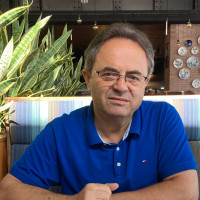
İstatistik Editörü

Mizanpaj Editörü
