Baş Editör
Dergi Yönetim Kurulu
Mizanpaj Editörleri

Section Editors
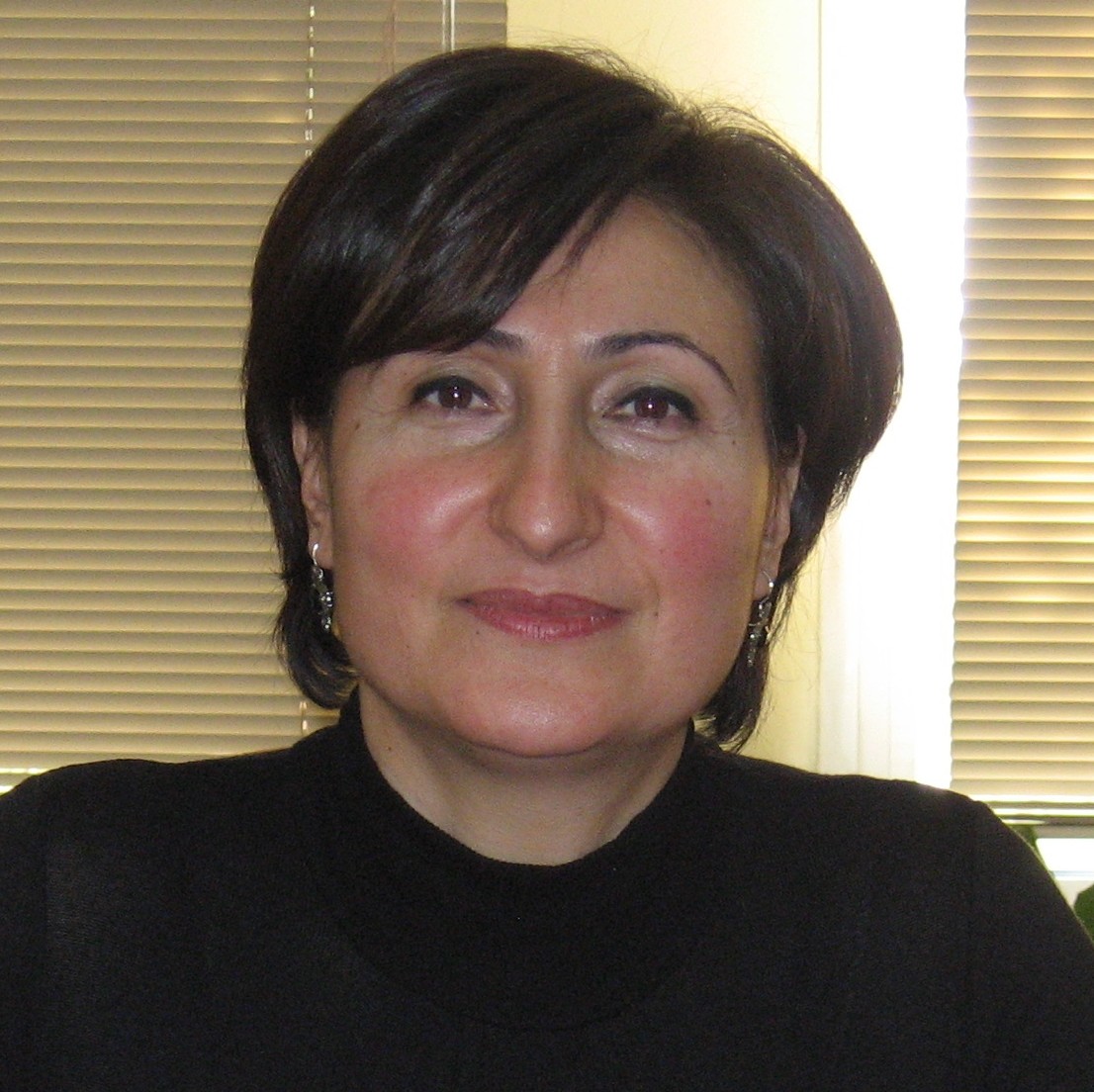
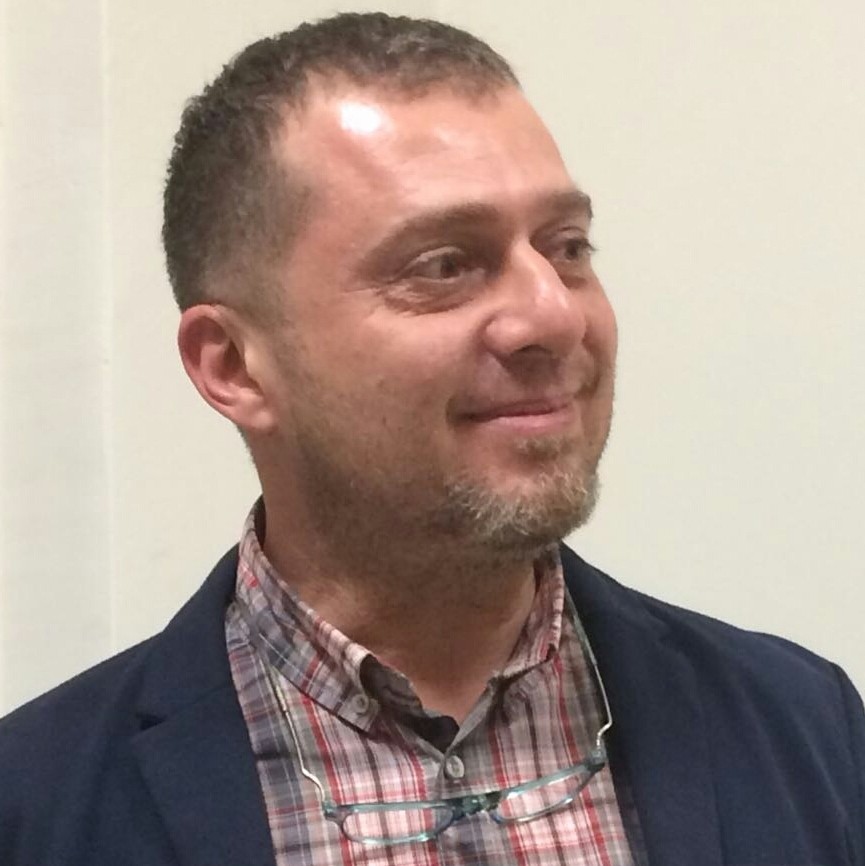
Prof. Dr. Ercüment Genç, Ankara Üniversitesi Ziraat Fakültesi Su Ürünleri Mühendisliği Bölümü’nde tam zamanlı profesör olarak görev yapmaktadır. 1995 yılından bu yana sorumlu su ürünleri yetiştiriciliği alanında aktif olarak çalışmakta olup, sürdürülebilir üretim sistemleri ve türlere özgü hastalık yönetimi konularında uzmanlaşmıştır.
2014 yılı Aralık ayından bu yana, Sucul Genetik Kaynakların Tescili Ulusal Komitesi'nde üye olarak görev almakta ve sucul biyoçeşitlilik ile genetik koruma konularında uzman görüş sunmaktadır. Ayrıca Tarım ve Gıda Etiği Derneği üyesi olup, Ankara Ziraat Mühendisleri Odası’na da kayıtlıdır.
Başlıca araştırma alanları arasında balık ve karides yetiştiriciliği, immün uyarıcı kullanımı, fonksiyonel beslenme, karaciğer ve bağırsak histopatolojisi, ve su ürünlerinde biyo-güvenlik uygulamaları yer almaktadır. Ayrıca, biyoyumak (biofloc) teknolojisinin, yoğun yetiştiricilikte besin geri dönüşümü ve su kalitesinin sürdürülebilir yönetimi açısından uygulanabilirliğine yönelik kapsamlı çalışmalar yürütmüştür.
ORCID ID: 0000-0001-7474-2208

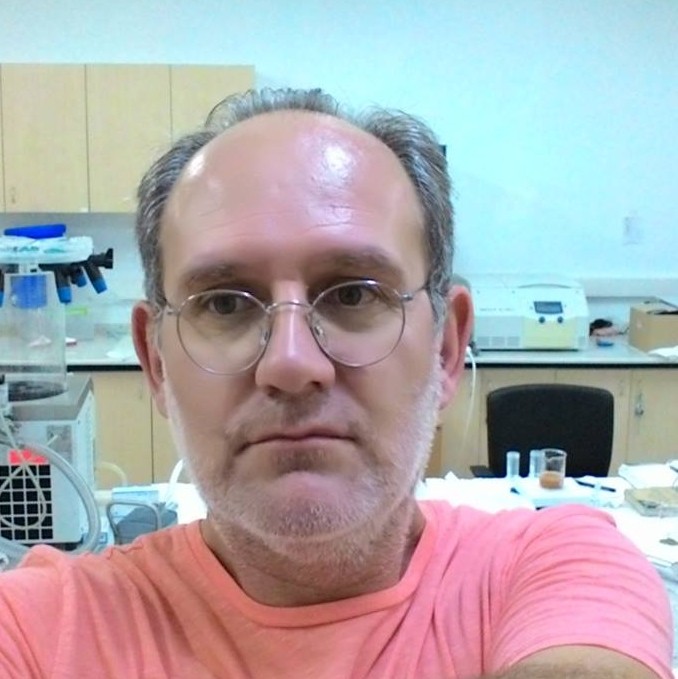
Laith A. Jawad obtained a degree (M.Sc.) in fish taxonomy from the Zoology Department, University of Bristol, the UK in 1980. He continued as a fish taxonomist at Basrah University, Iraq, where he worked for more than 20 years before he immigrated to New Zealand in 1997. During this time, he started the biochemical taxonomy of fishes of Iraq and published over 595 scientific papers and book reviews in leading scientific journals. He is the author and co-author of several textbooks in biology published in Arabic. In 2016, he contributed five chapters to a book about coastal fishes,” Coastal fishes, habitat, behaviour and conservation”, published by Nova Publishers, Canada. He served as fish biodiversity and consultant at the Ministry of Agriculture and Fisheries in Oman for the period 2008-2012 during which he co-authored two papers describing two new fish species to science from the Omani waters and reported over 90 fish species as a new record to the Omani waters. He wrote a book about the dangerous fishes of the eastern and southern Arabian Peninsula that has been published by Springer, Germany. He authored a guide to the fishes of the southern coasts of Oman, which was published by the Ministry of Agriculture and Fisheries, Muscat, Oman in 2018. He also published over 100 papers on the fish fauna of Oman, Iraq, Kuwait, and Saudi Arabia. In 2013, he broadens his scientific contact and started to collaborate with over 50 scientists from over 40 countries around the world in research dealing with different aspects of fish taxonomy and ichthyology. Recently, he edited the three books for Springer in Germany and Switzerland and published in 2021 by Springer. These are: (1) The Arabian seas: Biodiversity, Environment Challenges and Conservation Measures; (2) Tigris and Euphrates Rivers: their environment from headwaters to mouth; and (3) Southern Iraq’s Marshes: their environment and conservation.
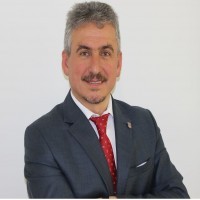
Lisans eğitimini Karadeniz Teknik Üniversitesi Sürmene Deniz Bilimleri Fakültesi Balıkçılık Teknolojisi Mühendisliği Programı’nda, yüksek lisansını ise Balıkçılık Teknolojisi Mühendisliği Anabilim Dalı’nda, Doktora eğitimini Ege Üniversitesi Fen Bilimleri Enstitüsü Su Ürünleri Yetiştiriciliği Anabilim Dalı’nda tamamlamıştır. 1996 yılında Asistan, 2002 yılında Yardımcı Doçent, 2011 yılında Doçent ve 2016 yılında Profesör unvanlarını almıştır. Halen Muğla Sıtkı Koçman Üniversitesi Su Ürünleri Fakültesi Su Ürünleri Yetiştiriciliği Bölümü, Yetiştiricilik ABD’da öğretim üyesi olarak görev yapmaktadır. Uzmanlık alanları arasında su ürünleri yetiştiriciliği, balık besleme, yem teknolojisi, alternatif yem hammaddeleri, organik balık yetiştiriciliği ve su ürünleri ekonomisi gibi konular yer almaktadır.
Editorial Board
Ege Üniversitesi Su Ürünleri Fakültesi'nde Lisans ve Lisansüstü eğitimini 1984 -1995 yılları arasında tamamladı. Avlama Teknolojisi Anabilim Dalında görevli. 1999 yılında 5 aylık JICA bursu ile Japonya'da ve 2012 yılında 3 aylık YÖK bursu ile University of Florida'da misafir araştırıcı olarak bulundu. Yapay resif teknolojileri, avcılık teknolojisi ve son on yıldır akustik telemetri ile balık hareketlerinin izlenmesi konusunda çalışmalar yürütüyor.
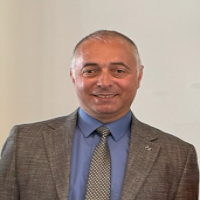
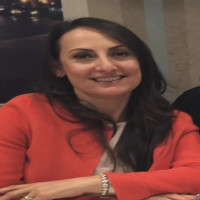
Laith A. Jawad obtained a degree (M.Sc.) in fish taxonomy from the Zoology Department, University of Bristol, the UK in 1980. He continued as a fish taxonomist at Basrah University, Iraq, where he worked for more than 20 years before he immigrated to New Zealand in 1997. During this time, he started the biochemical taxonomy of fishes of Iraq and published over 595 scientific papers and book reviews in leading scientific journals. He is the author and co-author of several textbooks in biology published in Arabic. In 2016, he contributed five chapters to a book about coastal fishes,” Coastal fishes, habitat, behaviour and conservation”, published by Nova Publishers, Canada. He served as fish biodiversity and consultant at the Ministry of Agriculture and Fisheries in Oman for the period 2008-2012 during which he co-authored two papers describing two new fish species to science from the Omani waters and reported over 90 fish species as a new record to the Omani waters. He wrote a book about the dangerous fishes of the eastern and southern Arabian Peninsula that has been published by Springer, Germany. He authored a guide to the fishes of the southern coasts of Oman, which was published by the Ministry of Agriculture and Fisheries, Muscat, Oman in 2018. He also published over 100 papers on the fish fauna of Oman, Iraq, Kuwait, and Saudi Arabia. In 2013, he broadens his scientific contact and started to collaborate with over 50 scientists from over 40 countries around the world in research dealing with different aspects of fish taxonomy and ichthyology. Recently, he edited the three books for Springer in Germany and Switzerland and published in 2021 by Springer. These are: (1) The Arabian seas: Biodiversity, Environment Challenges and Conservation Measures; (2) Tigris and Euphrates Rivers: their environment from headwaters to mouth; and (3) Southern Iraq’s Marshes: their environment and conservation.
I am aquatic biologist with broad interests in taxonomy, biology and ecology of Annelida (Polychaeta and Hirudinea), benthic ecology, invasive species, biodiversity conservation and the biogeography of the Ponto-Caspian basin.