Research Article
Issue Editorial Board




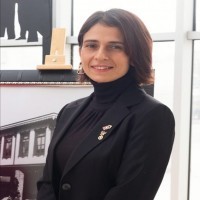
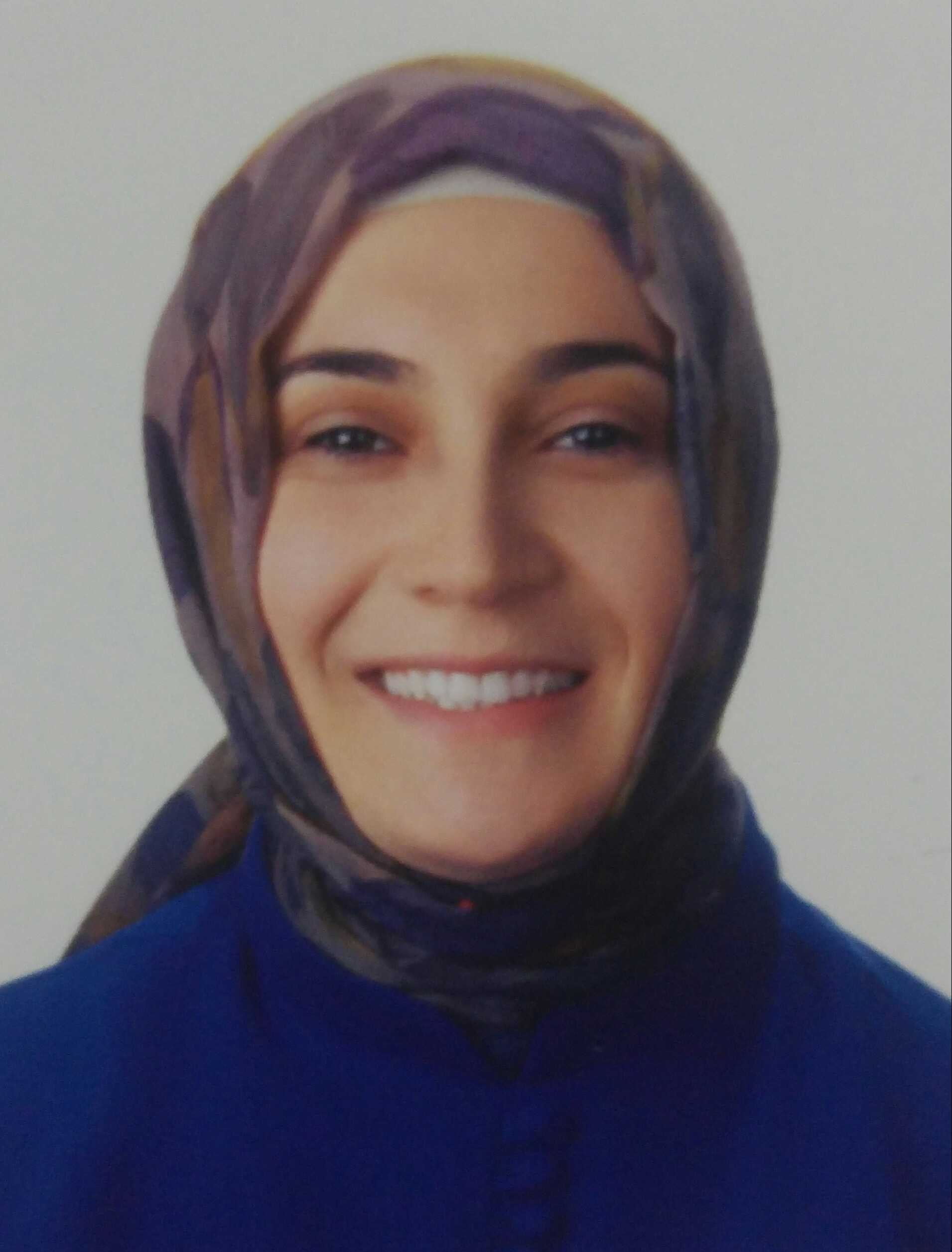
14 Ocak 1968’de Ankara’da doğdu. İlk, orta ve lise öğrenimini adı geçen kentte tamamladı. 1985-1989 öğretim yılında, Ankara Üniversitesi, Eskiçağ Dilleri ve Kültürleri Bölümü, Latin Dili ve Edebiyatı Anabilim Dalı’nda yükseköğretimini tamamladı. Üniversitesi eğitiminden yaklaşık yedi yıl sonra Yüksek Lisans yapmak üzere akademiye geri döndü. 1997-1999 yıllarında Ankara Üniversitesi, Sosyal Bilimler Enstitüsü Eskiçağ Tarihi Anabilim Dalı’ndan “Hellenistik Dönem’ de Pergamon Krallığı ve Roma Devleti İle İlişkileri” başlıklı yüksek lisans tezi ile mezun oldu. 2000-2003 yıllarında yine aynı anabilim dalında “Neşredilmiş Yazıtlar Işığında Hellenistik Dönem’de Pergamon Kenti Tanrı ve Kültleri” başlıklı doktora teziyle de doktora eğitimini tamamladı.
Yüksek Lisans ve Doktora programlarına devam ettiği 1997-2003 yılları arasında Ankara’da Ankara Üniversitesi, Dil ve Tarih-Coğrafya Fakültesi, Fakülte Kütüphanesi’nde görev yapan ÜRETEN, 2004 yılında bu görevinden ayrılarak Adnan Menderes Üniversitesi, Fen Edebiyat Fakültesi Tarih Bölümü’nde Okutman olarak göreve başladı.
Adı geçen kurumda 2004-2013 yılları arasında Yardımcı Doçent, 2013-2018 yıllarında Doçent olarak görev yapan Hüseyin ÜRETEN, 2018 yılında da Profesör olmuştur.
Bölüm Başkanlığı, Anabilim Dalı Başkanlığı, Fakülte Yönetim Kurulu Üyeliği ve Üniversite Bilim Kurulu Üyeliği gibi idari ve akademik görevlerde de bulunmuş olan Prof. Dr. Hüseyin ÜRETEN’in “Tralleis Augustus Neokratı”, “Kardeşim Quintus’a Mektuplar I”, “Kardeşim Quintus’a Mektuplar 2” ve “Hellenistik Dönem’de Pergamon Kenti Tanrı ve Kültleri” isimli kitapları ile ulusal/uluslararası dergilerde yayınlanmış pek çok makalesi ve tebliği vardır.
Üç aylık Amerika YÖK Bursu ve Litvanya ile Romanya’da ERASMUS kapsamında alanıyla ilgili araştırma ve incelemelerde bulunmuş olan Prof. Dr. Hüseyin ÜRETEN, Türkiye’nin çeşitli üniversitelerinin yayınlamış olduğu birçok bilimsel derginin yayın kurulu üyeliğini de yürütmektedir.
Evli ve iki çocuk babası olan Prof. Dr. Hüseyin ÜRETEN, klasik Latince ve Hellence bilmektedir.




 Web
Web

Issue Reviewers

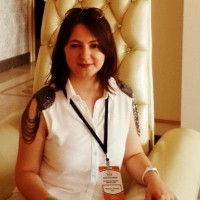
Vurgun was born in Simav district of Kütahya province in 1987. He completed his education at Osmanbey Primary School and Simav Cumhuriyet High School. He graduated from Selçuk University, Department of History Teaching in 2010. In 2014, he received his master's degree with his thesis titled "The Understanding and Teaching of National History in Turkey", and in 2018 he completed his doctorate with the thesis titled "Educational Activities in Bursa during the Abdülhamid II Era".In 2022, he received the title of Associate Professor in the field of History Education. Between 2012-2018, he worked as a Research Assistant at Marmara University Atatürk Education Faculty, History Teaching Department. He has been working as a faculty member in the same department since 2020. He teaches Introduction to History, Approaches to Learning and Teaching History, History of Education, Out-of-School Learning Environments in his undergraduate education. In graduate education, he teaches Turkish Education History and Local and Oral History Approaches in History Teaching. Continuing his studies in the fields of History Education, Turkish Education History and History of the Republic, Vurgun has various books, book chapters, articles and papers related to his fields of study. Ahmet Vurgun was elected as a Communication Member of Atatürk Research Center, Atatürk Culture, Language and History High Institution in 2022.
eski çağ tarihi jeopolitik konuları ile ilgiliyim
Web
1979 Kayseri/Sarız doğumlu Deniz Akpınar, ilk ve orta öğrenimini Kayseri/Sarız’da tamamladı. 2002 yılında Erciyes Üniversitesi Fen-Edebiyat Fakültesi Tarih Bölümü’nden mezun oldu. 2006 yılında Erciyes Üniversitesi Sosyal Bilimler Enstitüsü Cumhuriyet Tarihi Bilim Dalı’nda “77-2 Kayseri Şer’iyye Sicili Transkripsiyon ve Değerlendirmesi” adlı Yüksek Lisans Tez çalışması ile Yüksek Lisansı, 2014 yılında Atatürk Üniversitesi Sosyal Bilimler Enstitüsü’nde, “Cumhuriyet Dönemi (1923-1950)’nde Kayseri’nin İdari ve İktisadi Gelişimi” adlı tez çalışması ile de Doktora eğitim ve öğrenimini tamamladı. 2009’da Erzincan Üniversitesi’ne başladı. 2014 yılından 2019 kadar Erzincan Binali Yıldırım Üniversitesi Eğitim Fakültesi Türkçe ve Sosyal Bilimler Eğitimi Anabilim Dalı’nda Yardımcı Doçent, 2019’da Türkiye Cumhuriyeti Tarihi bilim alanında Doçent oldu. Tıp tarihi alanında yapmış olduğu çalışmalar ile 2024 tarihinde Profesörlük kadrosuna atandı. “Kutü’l Amare zaferi hatırasına Mehmed Emin (Yurdakul) tarafından yazılan “Dicle Önünde” Şiiri Transkripsiyon ve Değerlendirmesi”, “Osmanlı’da Su Projeleri, Hindiye Barajı” ve “ Osmanlı’dan Cumhuriyet’e Maden Suları”, “Kutü’l Amare Zaferi” ve “Türkiye'de Bakteriyoloji Alanında Gelişmeler (1876-1938)” adlı 5 akademik kitap çalışması vardır. 19. ve 20. Yüzyıl Siyasi Tarihi Gelişmeler, Osmanlı’dan Cumhuriyet’e İktisadi ve Sosyal Gelişmeler, Cumhuriyet Dönemi Sosyo-Ekonomik Gelişmeler, Türkiye Cumhuriyeti Tarihi, Tıp Tarihi, Teknoloji Tarihi, Türk Demiryolları, Yeraltı ve Yerüstü Kaynakları, Türk İmalat Sektörü vs. gibi konularda çalışmalarına devam etmektedir. Evli ve 3 çocuk babasıdır.
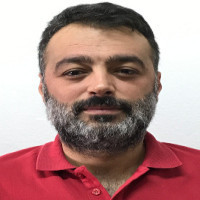
2005 yılında Marmara Üniversitesi Atatürk Eğitim Fakültesi Tarih Öğretmenliği bölümünden mezun oldu. 2009 yılında Marmara Üniversitesi Türkiyat Araştırmaları Enstitüsü'nde yüksek lisans eğitimini tamamladı. 2015 yılında Mimar Sinan Güzel Sanatlar Üniversitesi Sosyal Bilimler Enstitüsü'nde doktora eğitimini tamamladı. 2006-2007 yıllarında ve 2013 yılında yüksek lisans ve doktora tez araştırması için Rusya Federasyonu Tataristan Özerk Cumhuriyeti'nde bulunan Kazan Federal Üniversitesi'nde araştırmacı olarak bulundu ve Rusça eğitimi aldı. 2017-2020 yıllarında Ardahan Üniversitesi'nde Dr. Öğr. Üyesi olarak görev yaptı. Halen Alanya Alaaddin Keykubat Üniversitesi'nde görev yapmaktadır.



 Web
Web


Aim & Scope

History Studies is an international peer-reviewed academic journal established to create a literature in the field of history by publishing studies in the field of history and aims to provide a rich and high quality literature for academics, researchers and graduate students.
All areas of history, all times and places are within the scope of the journal. For this reason, political, social, military and economic developments from modern times to the first known times of history find their place in this journal.
History Studies publishes articles on political, social, military and economic developments from modern times to the earliest known periods of history.
Types of articles published in History Studies:
-Original research articles
-Review articles
-Papers presented as Symposium Proceedings but not published and articles derived from theses (it should be stated in the footnote that the decision to publish such articles is derived from the thesis).
All manuscripts submitted to History Studies by the author(s) are subject to an initial review by the editors for pre-review.
After editorial approval, they are double-blinded by at least two independent and expert referees.
History Studies provides immediate open access to its content.
History Studies promotes greater global exchange of information to the public.
Author Guidelines
GENERAL PRINCIPLES
- History Studies is a peer-reviewed journal published quarterly in February, May, August, and November. The language of publication is Turkish and English. Articles written in German and French may also be accepted with the decision of the editorial board.
- Articles should be between 4,000 and 8,000 words. Block quotations should not exceed 10% of the total word count of the article. The block quotation limit rule applies to direct quotations of three or more lines.
- Articles should be uploaded to the system in Word format. Please do not submit as PDF.
- Please refer to the Articles Writing Template to help you prepare your manuscript.
- The editors reserve the right to make any necessary changes to ensure clarity and accuracy in both Turkish and English titles.
- The submitted articles should not have been published elsewhere before or should not be under evaluation elsewhere at the same time.
- It is possible to publish unpublished symposium / congress proceedings, provided that it is stated that it is a revised version of the symposium / congress proceedings.
- In articles produced from thesis studies, it should be stated that the study is produced from the thesis, and it should be clearly demonstrated that the article makes an original contribution independent of the thesis. Articles produced from the thesis should not be produced by slicing method and should not have a high similarity with the thesis.
- All authors of the articles must have at least a PhD degree. (Articles submitted before 1 November 2024 and actively under evaluation are exempt from this rule).
- The next article of an author whose article is published can be published after 6 issues at the earliest.
- Authors should include their personal information, conflict of interest statements, funding/support details, and any other relevant information in the cover letter.
- Please include the images used in the articles, if any, only in the Appendix section of the articles. Attached images and figures must be of high quality (1200 dpi for line, 600 dpi for grayscale and 300 dpi for color). Photographic images of insufficient quality are not acceptable.
Documents:
Reference GuideArticle Writing Template
Copyright Release Form
Article Pre-review Form
Sample Cover Letter Template
Ethical Principles and Publication Policy
Publication Ethics Statement
History Studies expects all its stakeholders to voluntarily adopt and apply the principles of international academic ethics. History Studies is an international, peer-reviewed, scholarly journal with a non-profit, open-access publishing policy designed to promote international scholarly knowledge in the field of history. The publisher and editors are committed to the continuous development of History Studies.
1. History Studies accepts or rejects articles solely on the basis of their scholarly content and methodology. It is committed to a fair review process that is free from bias in the evaluation of articles. It accepts the ethical responsibilities set forth in the "COPE Best Practice Guidelines for Journal Editors" in the conduct of editorial processes.
2. The editors evaluate manuscripts based on objective criteria such as relevance to the scope of the journal and contribution to science and literature, regardless of the authors' ethnic identity, nationality, gender, creed, seniority, political views, and institutional affiliations.
3. History Studies declares that all manuscripts have undergone and will continue to undergo double anonymous peer review, an effective plagiarism check, and a reliable similarity check to verify the originality of the manuscripts.
4. The editors will take the necessary measures to prevent potential conflicts of interest between reviewers and authors, and are committed to a fair and transparent process in cases of conflict. (See Evaluation and Publication Process)
5. In the event of misconduct in publication, History Studies will confidentially evaluate reports of misconduct and, if deemed necessary (re-publication and submission of the same manuscript to multiple journals for review, etc.), retract an article, even if it has been published, in accordance with the COPE Retraction Guidelines. History Studies welcomes all reports of misconduct via history@historystudies.net. It is its ethical policy to keep the identity of the whistleblower confidential. It will evaluate reports with great seriousness and diligence and respond to the whistleblower quickly and constructively.
6. The editors of History Studies implement correction procedures for minor errors in published articles and retraction procedures for major errors that invalidate findings and conclusions. In these processes, the editors adhere to the guidelines set forth by the Committee on Publication Ethics (COPE). Errors or omissions discovered after publication may be corrected by the editorial team within five days of the date of publication. In the case of older publications, a correction article is published. Correction requests may be submitted by the author, editors or third parties. The correction article is referenced and linked to the original article, and readers are informed that the article has been corrected. This correction is published in the first issue and presented with a separate DOI.
7. History Studies declares that it will protect all its stakeholders and the confidentiality of their data. Only the editors and editorial board members can see the author's identity during the manuscript evaluation process. Third parties, including reviewers, will not have any access to the identity of the author(s).
8. No person, including the publisher/owner of the journal, and no institution, including the government, can prevent the editors from making independent decisions and interfere with a fair and unbiased review process.
9. History Studies adopts the (ICMJE) recommendations on authorship and acknowledgment of contributions. If the author(s) used artificial intelligence tools in the article, they should acknowledge this in the acknowledgments section.
10. History Studies, published articles are licensed under a Creative Commons Attribution-NonCommercial 4.0 International (CC BY-NC 4.0) license. The Creative Commons Attribution-NonCommercial 4.0 International (CC BY-NC 4.0) license permits sharing, copying, reproduction, and adaptation of the work in any size and format except for commercial use, including remixing, transforming, and building upon the work, provided that proper attribution is given to the original work.
References:
https://publicationethics.org/files/u2/Best_Practice.pdf
https://doaj.org/apply/transparency/
https://publicationethics.org/node/1988112.
https://publicationethics.org/retraction-guidelines
https://publicationethics.org/postpublication
https://publicationethics.org/peerreview
https://www.icmje.org/recommendations/browse/roles-and-responsibilities/defining-the-role-of-authors-and-contributors.html
https://creativecommons.org/licenses/by-nc/4.0/deed.tr
Price Policy
Ücretsiz
