2010- 2019 yılları arasında MEB'e bağlı okul ve kurumlarda öğretmen, idareci ve proje koordinatörü görevlerini yerine getirdim.
Afyon Kocatepe Üniversitesi Eğitim Fakültesinde öğretim üyesi olarak görev yapmaktayım.
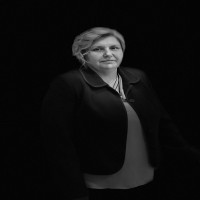
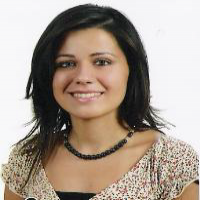
1980 yılında Eskişehir'de doğan Prof. Dr. Ceren Giderler Karavelioğlu, Lisans eğitimini Dokuz Eylül Üniversitesi İ.İ.B.F. İşletme Bölümünde, Yüksek Lisans ve Doktora eğitimlerini ise Dumlupınar Üniversitesi Sosyal Bilimler Enstitüsü İşletme Anabilim Dalı'nda tamamlamıştır. YÖK Bursu ile 6 ay İngiltere Bucks New Üniversitesi'nde çalışmalar yapan Karavelioğlu'nun Örgütsel Davranış ve İnsan Kaynakları Yönetimi alanlarında çeşitli yayınları bulunmaktadır.
https://avesis.anadolu.edu.tr/emelgoksal
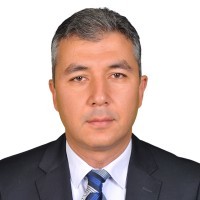
30 Kasım 1977 tarihinde Almanya’da doğdu. İlk ve orta öğrenimini Almanya’da, lise öğrenimini Çanakkale’de tamamladı. Çanakkale Onsekiz Mart Üniversitesi Eğitim Fakültesi Sosyal Alanlar Eğitimi Bölümü Türk Dili ve Ede¬biyatı Öğretmenliği Anabilim Dalından 2001 yılında mezun oldu. 2001 yılında Türk Dili ve Edebiyatı öğretmeni olarak Tekirdağ’ın Malkara ilçesine atandı. Aynı yıl, Çanakkale Onsekiz Mart Üniversitesi Sosyal Bilimler Enstitüsü Türkçe Eği¬timi Anabilim Dalında yüksek lisans öğrenimine başladı. Malkara’da 4 ay görev yaptıktan sonra Çanakkale Onsekiz Mart Üniversitesi Eğitim Fakültesi İlköğretim Bölümü Sınıf Öğretmenliği Anabilim Dalına Araştırma Görevlisi olarak atandı. Yüksek lisans öğrenimini 2003 yılında tamamladı. 2004 yılında Rektörlük Türk Dili okutmanlığına atanan Dr. Örge Yaşar, 2009 yılında Çanakkale Onsekiz Mart Üniversitesi Eğitim Bilimleri Enstitüsü Türkçe Eğitimi Anabilim Dalında doktora öğrenimine başladı. Doktora öğrenimini 2013 yılında tamamlayıp 2016 yılında Çanakkale Onsekiz Mart Üniversitesi Türkçe Eğitimi Anabilim Dalına öğretim üyesi olarak atandı. 2020 yılında Türkçe Eğitimi alanında Doçent unvanını aldı. Kendisi halen Doç. Dr. olarak Türkçe Eğitimi Anabilim Dalında görevine devam etmekte olup çalışmalarını Türkçe Öğretimi, Dil Bilimi ve Yabancı Dil Olarak Türkçe Öğretimi alanlarında sürdürmektedir. Çok iyi derecede Almanca, iyi derecede İngilizce bilen Dr. Örge Yaşar, evli ve iki çocuk annesidir.
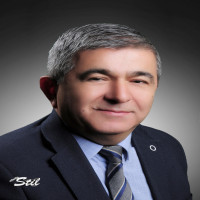
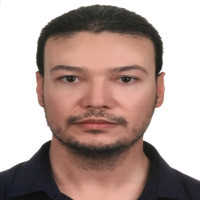
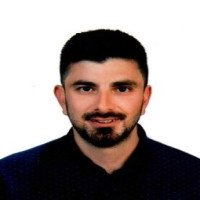
Dr. Bozkus is an associate professor working at Artvin Coruh University in Turkey. He completed a bachelor’s degree in science teaching and worked as a science teacher. He received a graduate education grant from the ministry of national education and a master’s degree in educational leadership from PennState University. He has got his Ph.D. degree in educational administration at Anadolu University in Turkey. His research interests are the professional development of teachers, school development, leadership, and organizational behavior.
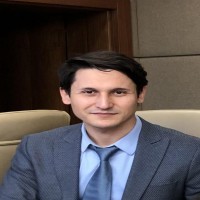
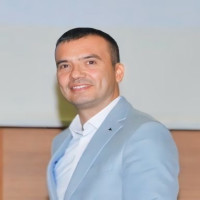
Dr. Mehmet Başaran is a postdoctoral researcher at the STEM Education Center, University of Minnesota. He also serves as an Associate Professor at Gaziantep University’s Faculty of Education, specializing in Curriculum and Instruction. He completed his Ph.D. at Gaziantep University, focusing on the applicability of the STEM approach in preschool education, and holds an M.S. in Curriculum and Instruction with a Teaching Certificate from İhsan Doğramacı Bilkent University. During his master’s, he had a short visit to the University of Cambridge for the PGCSE Secondary Mathematics program. He earned his undergraduate degree in Mathematics from Hacettepe University.
Dr. Başaran’s research interests lie in the areas of STEM program development, teacher education, and international schools, with a particular focus on early childhood STEAM education. He has made significant contributions through his work on computational thinking, coding skills assessment, and project-based learning for preschool children. His expertise is reflected in his involvement with several prestigious journals.
He has held visiting professor positions at various universities, including Zielona Gora University in Poland, Hasan Kalyoncu University, and Jordan University, reflecting his international experience in education. Furthermore, Dr. Başaran has been actively engaged in numerous national and international research projects, securing grants from prominent organizations such as the European Union and TÜBİTAK. His ongoing projects focus on STE²AM education, the integration of digital tools in early education, and the development of innovative teaching methods.
In addition to his academic achievements, Dr. Başaran is the founder of Dünyatek Bilişim Teknoloji A.Ş., a company dedicated to information technology solutions. His numerous awards, including the 2023 Science Award from Gaziantep University and TÜBİTAK recognition, underscore his leadership in educational research and innovation.
Prof. Dr. Mehmet BEKDEMİR
2001 yılında Atatürk Üniversitesi Fen Bilimleri Enstitüsü Matematik Eğitimi Anabilim dalında Doktorasını tamamladı. 1994-1995 yılları arasında Millî Eğitim Bakanlığında Matematik öğretmeni olarak görev yaptı. 2012-2013 ve 2016-2017 öğretim yıllarında Ohio State Üniversitesinde Matematik Eğitimi alanında misafir öğretim üyesi olarak araştırmalarda bulundu. 2017’de Profesör olan Bekdemir, halen Erzincan Binali Yıldırım Üniversitesi Eğitim Fakültesi Matematik ve Fen Bilimleri Eğitimi Bölümünde öğretim üyesi olarak çalışmaktadır. Yürütücü rolünden eğitmen rolüne kadar birçok TUBİTAK projelerinde görev almıştır. Matematik Eğitimi alanında matematik kaygısı, kavramsal ve işlemsel bilgi ve matematiksel modelleme konularında birçok akademik çalışmaları bulunmaktadır. Lisans ve lisans üstü düzeylerinde İstatistik ve eğitim alanında uygulamalarıyla ilgi dersler vermektedir.
Web
Prof. Dr. Neriman ARAL Ankara’ da doğdu. Hacettepe Üniversitesi Çocuk Gelişimi ve Eğitimi Bölümünden 1983 yılında mezun oldu. Aynı üniversitede 1986 yılında Yüksek Lisansını tamamladıktan sonra, Ankara Üniversitesinde ve Hacettepe Üniversitesinde doktora öğrenimine başladı. Ankara Üniversitesinde 1990 yılında, Hacettepe Üniversitesinde 1992 yılında doktorasını tamamladı. Cerebral Palsyli çocukların eğitim ve rehabilitasyonu ile ilgili bir merkezde 1983- 1986 yılları arasında Çocuk Gelişimi ve Eğitimi Uzmanı olarak çalıştı. Ankara Üniversitesi Ziraat Fakültesi Ev Ekonomisi Yüksek Okulu Çocuk Gelişimi Anabilim Dalına 1987 yılında araştırma görevlisi, 1992 yılında Yardımcı Doçent olarak atandı, 1995 yılında Doçent unvanını aldı, 2001 yılında Profesör kadrosuna atandı.
Ankara Üniversitesi Ziraat Fakültesi Ev Ekonomisi Yüksek Okulu Çocuk Gelişimi ve Eğitimi Anabilim Dalında 1998-2000 yılları arasında Anabilim Dalı başkanlığı, 2004-2007 yılları arasında Çocuk Gelişimi ve Eğitimi Bölüm başkanlığı, 2000-2007 yılları arasında Ev Ekonomisi Yüksek Okulu Müdür yardımcılığı, 2012-2017 yılları arasında Ankara Üniversitesi Çocuk Bilim Merkezi koordinatörlüğü görevlerini yürüttü. Ankara Üniversitesi Sağlık Bilimleri Fakültesinde Çocuk Gelişimi Bölümü kurulduktan sonra 2009 yılında profesörlük kadrosu Çocuk Gelişimi Bölümüne aktarıldı. Çocuk Gelişimi Bölümünde 2009-2017 yılları arasında Bölüm Başkanlığı yaptı. Ankara Üniversitesi Sağlık Bilimleri Fakültesi dekanlık görevini 2017- 2020 tarihleri arasında yürüttü.
Başbakanlık Küçükleri Muzır Neşriyattan Koruma Kurulu’nda YÖK Temsilcisi olarak 2001-2007 yılları arasında görev yaptı. University at Buffalo The State University of New York Institute of Education, Department of Learning and Teaching Early Years and Childhood bölümünde 2011 yılında üç ay süreyle misafir araştırmacı olarak gözlem ve incelemelerde bulundu.
Uluslararası ve ulusal dergilerde makaleleri, kitaplarda bölüm yazarlığı ve alana yönelik birçok kitabı bulunan Prof. Dr. Neriman ARAL, uluslararası ve ulusal birçok kongrede bildiriler sundu, bilimsel kongre organizasyonlarında görevler yaptı.
Dr. ARAL; T.C. Başbakanlık Aile Araştırma Kurumu tarafından desteklenen projede araştırmacı, Üniversite kaynaklarınca desteklenen bir çok projede yürütücü ve araştırmacı, Milli Eğitim Bakanlığı Okul Öncesi Eğitimi Genel Müdürlüğü ile Avrupa Birliği ve UNICEF tarafından desteklenen Temel Eğitime Destek Projesinde Araştırmacı ve koordinatör, Avrupa Birliği tarafından desteklenen projelerde Araştırmacı, Koordinatör, Eğitim Ekip Lideri ve Ulusal Danışman, TÜBİTAK tarafından desteklenen Sanayi-Ar-Ge Projeleri Destekleme Programında Ulusal Danışman, Ankara Kalkınma Ajansı tarafından desteklenen Projelerde Yürütücü, araştırmacı, TÜBİTAK tarafından desteklenen toplum ve bilim projelerinde Yürütücü, Danışman ve Eğitmen olarak görev yaptı. Halen Ankara Üniversitesi Sağlık Bilimleri Fakültesi Çocuk Gelişimi Bölümü öğretim üyesi olarak görevine devam etmektedir. Evli ve bir çocuk annesidir.
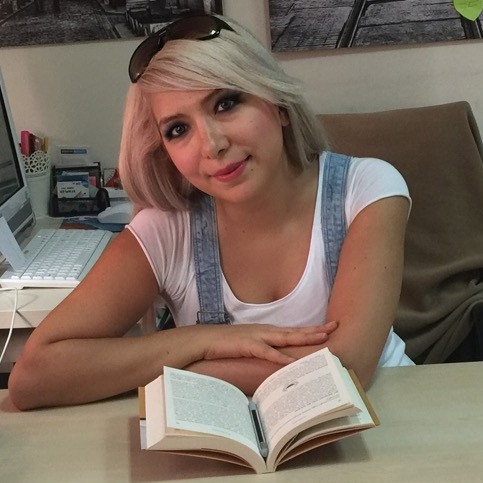
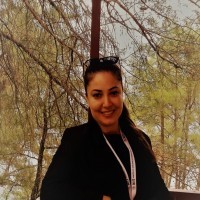
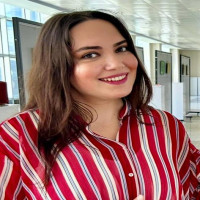
Dr. Seda Ata graduated from the Department of Early Childhood Education at Selçuk University in 2006. Between 2006 and 2008, she worked as a preschool teacher at Zambak Kindergarten under the Turkish Ministry of National Education in Van. She received her M.A. in Guidance and Psychological Counseling from Muğla University in 2010 and earned her Ph.D. in Early Childhood Education from Hacettepe University in 2014. Her doctoral dissertation examined the influence of attachment patterns on teachers’ classroom management and mothers’ child-rearing attitudes.
Her academic studies have focused on attachment theory, parenting attitudes, classroom management, teacher education, and digital transformation in early childhood education. In recent years, she has conducted research to enhance preservice teachers’ abilities to integrate artificial intelligence (AI) and large language models (LLMs) into instructional processes in ethical, pedagogical, and innovative ways. She has also developed projects and instructional designs that strengthen digital pedagogical competence, technology literacy, and classroom technology integration.
Dr. Ata has authored numerous national and international articles, conference papers, book chapters, and translations in the field of early childhood education. She has delivered seminars, conferences, and teacher training programs in collaboration with various institutions and has been serving as a faculty member at Muğla Sıtkı Koçman University since 2016.
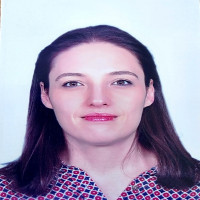
Doç. Dr. Serap Emil, doktora derecesinin Amerika Birleşik Devletleri’nde Portland State Üniversitesi’nden almış olup, 2012 yılından beri ODTÜ Eğitim Bilimleri Bölümü’nde öğretim üyesi olarak görev yapmaktadır.
Araştırma konuları, yükseköğretimde öğretim ve öğrenme, öğrenci katılımı, yükseköğretim yönetimi ve gelişimi, üniversite sıralamaları gibi konuları içermektedir. Lisans düzeyi öğretmen eğitim programlarında Eğitime Giriş, Eğitim Sosyolojisi, Eğitim Tarihi, Okul Dışı Ortamlarda Öğrenme, Türk Eğitim Sistemi ve Okul Yönetimi gibi derslerin yanı sıra Eğitim Yönetimi ve Planlaması lisansüstü programında Yükseköğretim Yönetimi, Türkiye Eğitim Sisteminde Mevcut Sorunlar, Toplumsal Kalkınma için Eğitim Planlaması gibi dersler vermektedir.
Assoc. Prof. İbrahim Uysal is a faculty member in the Faculty of Education at Bolu Abant Izzet Baysal University. He earned his bachelor’s degree in Elementary Mathematics Education and completed his master’s and doctoral studies in Educational Measurement and Evaluation. At the undergraduate level, he teaches Educational Measurement and Evaluation, Research Methods in Education, and Educational Project Design; at the graduate level, he offers courses such as Educational Statistics, Measuring Cognitive Attributes, and Theory and Practice in Measurement and Evaluation. His research interests include test equating, adaptive comparative judgement, machine learning, scale development and adaptation, and national and international large-scale assessments.
Journal of Education and Future - JEF (ISSN 2146-8249) is an international, interdisciplinary and peer-reviewed journal published by Nesibe Aydın Education Institutions in Ankara / Turkey. JEF has been published biannually in January and July since 2012. The language of JEF is English.
JEF aims at contributing to increase of quality of future’s education and knowledge generation in the light of developments in every field today.
JEF is an academic journal in which articles, based on unique researches related to educational sciences’ all fields of preschool, elementary education, secondary education, undergraduate education, graduate education is published. It has been paid attention for JEF to have an international quality from its first issue and an interdisciplinary approach has been accepted as a basis. The official language of the journal is English and all manuscripts include Turkish summary.
Article Application Process:
Your article must be prepared according to the article template,
Your article must be checked and signed according to the Candidate Article Checklist,
Copyright and Author Agreement must be signed,
The article must be an original research article,
The "Ethics Committee Document" of your research must be attached,
The entire article must consist of a maximum of 6 thousand words,
The entire article must be written in English,
The Turkish version of the article must also be uploaded as a separate document,
The ORCID Number of all authors must be specified,
The plagiarism (similarity) rate of the article (excluding references, including citations) must be less than 15% (the similarity report is not expected to be uploaded.).
Article Printing Process
When the evaluation process of your article is completed and deemed suitable for publication, a language control document is requested. The language control document, which is proofread, is expected to be approved by a professional translation office.
Before your article is published, the author(s) will check it one last time and ask for your approval.
Articles that have completed the evaluation, control and approval processes are made available for access as early view and are printed in the issue to be published at the earliest date.
PUBLICATION ETHICS
Each study sent to JEF is subject to plagiarism checks during the preliminary review process. Accordingly, studies with a similarity rate of over 15% in the preliminary review conducted by JEF editors are not evaluated.
JEF is based on the obligations determined by COPE (Code of Conduct for Journal Editors) regarding publication ethics and misconduct for editors, authors and referees in journal publishing.
RESPONSIBILITIES OF EDITORS
JEF editors are responsible for the content and publication quality of the journal and have the right to negotiate with referees when making publication decisions in this context. The JEF editor-in-chief and editors comply with the following principles during the evaluation process within the framework of scientific and academic acceptances:
1. Impartiality and publisher freedom: Editors evaluate submitted article proposals by taking into account their suitability for the scope of the journal, the importance and originality of the work. Editors do not take into account the race, gender, sexual orientation, ethnicity, nationality or political views of the author/s submitting the article proposal. Other institutions than the journal editorial board cannot influence the decision to correct or publish.
2. Confidentiality: Editors do not share information about a submitted manuscript with anyone other than the corresponding author, referees, and the editorial board.
3. Disclosure and disagreements: Editors and editorial board members do not use unpublished information presented in a submitted manuscript for their own research purposes without the express written permission of the authors.
4. Publishing decision: Editors ensure that all manuscripts accepted for publication are peer-reviewed by at least two expert referees in the field. Editors are responsible for deciding which work to publish from the submitted manuscripts, based on the validity of the work in question, its importance to researchers and readers, the comments of the referees, and other legal requirements.
5. Ethical concerns: Editors will take measures when ethical concerns arise regarding a submitted manuscript or published article. Any reported unethical publishing behavior, even if it occurs years after publication, will be investigated. Editors follow COPE Flowcharts in case of ethical concerns. If ethical issues are significant, corrections, retractions may be applied or concerns about the subject may be published in the journal.
REVIEWER DUTIES
1) Contribution to the review process: Assists editors in the review process and helps authors improve their articles through editorial communication.
2) Time: A reviewer who believes that the article referred for review is not related to his/her area of expertise or that he/she cannot complete the article review in a timely manner should inform the editors as soon as possible and decline the review invitation. This will ensure that a new reviewer is assigned. Reviewers must evaluate the article they have accepted for review within the time limit.
3) Confidentiality: All article proposals sent for preliminary review are confidential documents and should be considered as such. They should not be shown or discussed with others unless authorized by the editor. This also applies to reviewers who decline the review invitation.
4) Impartiality standards: Comments on the article proposal should be made impartially and suggestions should be offered in a constructive manner to help the authors improve the article. Personal criticisms directed at authors are not appropriate.
5) Acknowledgement of sources: Reviewers should identify relevant published studies not cited by the authors. The reviewer should also inform the editor of any significant similarity between the reviewed article and any other article (published or unpublished).
6) Conflicts of interest: Reviewers should decline to review the article and inform the editors if they understand that there is a conflict of interest/conflict of interest.
RESPONSIBILITIES OF AUTHORS
1) An article submitted to JEF must be original and the author(s) must undertake that the article is an original study that has not been published in any journal before.
2) When applying for publication of their article in JEF, the author(s) must upload all the documents specified in the application conditions to DergiPark in a complete, complete and approved manner.
3) The data used in the research should be presented meticulously in the article. A study should include sufficient detail and source information. Fraudulent and deliberately false statements are unacceptable as they may lead to unethical situations.
4) Authors must meticulously comply with the journal template, writing rules, and academic writing standards. In this context, they must make changes requested by the referee, editor, or editor-in-chief in a timely and meticulous manner.
5) Names of people who did not contribute to the article should not be written as authors, and it should not be suggested to change the order of authors, remove authors, or add authors to an article submitted for publication.
6) Authors must correctly cite the sources they use during the writing of the article in accordance with ethical principles.
7) Authors must indicate that they have received ethics committee approval for research requiring data collection with quantitative or qualitative methods such as experiments, surveys, scales, interviews, observations, focus groups, etc. that require an ethics committee decision; the ethics committee name, decision date, and number must be stated on the first and last pages of the candidate article and in the method section, and the document showing the ethics committee decision must be uploaded to the system together with the application of the article. In addition, information regarding the receipt of an informed consent/approval form in case reports must be included in the article.
8) Authors must provide evidence in the article that they have taken care of ethical principles during the data collection process (such as obtaining permission from others to use their documents such as scales, surveys, photographs). Articles must state that research and publication ethics and copyright regulations for intellectual and artistic works have been complied with. If the research was conducted on human and animal subjects, it must be stated that the research was conducted in accordance with international declarations, guidelines, etc.
9) Authors should not publish the text describing the same research in more than one article. It is unethical to submit the same study text to more than one journal at the same time.
10) When author(s) notice an error in a published article, they must contact the editor to inform, correct or retract it. When a new issue is published through the JEF DergiPark system, requests for changes must be made within 5 days from the date the journal is published.
No fee is charged during the article application or publication process in JEF.
If necessary, you can send an e-mail to jef.editor@gmail.com to contact the editor-in-chief.