Social Sciences: Theory & Practice is an international scientific journal for the publication of research and studies covering all aspects of social sciences and related discipline. SSTP Journal aims to promote the development of global Open Access to scientific information and research. Social Sciences: Theory & Practice (SSTP) is to announce to academicians and the public the scientific studies carried out at national and international level, which are of unique value in the field of social sciences such as language, literature, history, geography, art, economics, philosophy, education sciences.
Social Sciences: Theory & Practice (SSTP) accepts Turkish and English publications from social sciences such as language, literature, history, geography, art, economics, philosophy and education sciences.
Preparation of Manuscripts
Authors are kindly asked to read the Author Guidelines and then use the suitable to format their manuscripts. For articles, authors are kindly asked to use Article Template. In addition to Turkish and English manuscripts are also accepted for the journal. Ethics Committee Permission is required for articles (requiring ethics committee approval) to be sent for publication in the Social Sciences in Theory and Practice. Manuscripts to be sent to the journal should be placed in the Article Template and prepared according to the following rules.
Extended Abstract
Articles to be published in our Journal starting from 2023 should include an English extended abstract of at least 750 and maximum 1250 words. The broad extended abstract section should be placed after the references section. The extended abstract should include Introduction, Method, Conclusion and Discussion headings.
After the evaluation process, the accepted articles are arranged in accordance with the writing rules and sent through the system with a similarity / plagiarism report to be published. The similarity rate in the plagiarism report should not exceed 25%, including the references. Journal of Social Sciences : Theory & Practice has adopted the Open Access policy.
Social Sciences: Theory & Practice (SSTP) has adopted the guidelines and policies of the Committee on Publication Ethics (COPE) on ethical duties and responsibilities. It is of utmost importance that all parties included in the publication process (authors, readers, and researchers, publishers, reviewers, and editors) comply with the standards of ethical considerations.
Ethical Responsibilities of Authors
The authors(s) who send the articles to SSTP are expected to comply with the following ethical responsibilities;
1. It is expected that the article the author(s) send is unique. If author(s) use other studies, they need to make a complete and accurate citation.
2. Persons who do not make intellectual contributions to the content in the creation of the article should not be mentioned as author(s).
3. All articles submitted for publication should be clarified if there is a conflict of interest.
4. The raw data of the articles in the framework of the evaluation process can be requested from the author(s). In such a case, the authors should be prepared to submit the expected data and information to the editorial board and the scientific committee.
5. Authors should have necessary permission document indicating that they took permission for the use of the research/analysis, or the receipt of the trial recipients.
6. If the author(s) perceive a mistake or error in the published, early-view or evaluation processes, they have an obligation to cooperate with the editor in informing, correcting or withdrawing.
7. Authors cannot have their work in the application process of more than one journal at the same time. Each application can be started following the completion of the previous application. Published work in another journal cannot be sent to SSTP.
Responsibilities of the Referees
The evaluation of all studies by "Blinding Refereeing" directly affects the quality of the publication. This process provides confidence through objective and independent evaluation of the publication. Social Sciences: Theory & Practice evaluation process is carried out with the principle of double-blind review. Referees cannot contact the authors directly, evaluations and comments are submitted through the journal management system. In this process, referee comments on evaluation forms and full texts are sent to the author (s) through the editor. In this context, it is expected that referees evaluating a study for our journal will have the following ethical responsibilities:
1. Should only accept study evaluation related to the field of expertise.
2. It should evaluate in impartiality and confidentiality.
3. If he / she thinks that he / she faces a conflict of interest during the evaluation process, he / she should refuse to examine the study and inform the editor of the journal.
4. Due to the confidentiality principle, they should destroy the studies they examine after the evaluation process. They can only use the final versions of the studies they have reviewed, only after they are published.
5. Make the assessment objectively only in relation to the content of the study. It should not allow nationality, gender, religious beliefs, political beliefs, and commercial concerns to influence the assessment.
6. The assessment should be made in a constructive and courteous language. He should not make derogatory personal comments that contain hostility, slander and insult.
7. They should perform the work they have accepted to evaluate, in a timely manner and with the above ethical responsibilities.
Editors' Responsibilities
Editors are responsible for every publication published in the journal. In the context of this responsibility, editors have the following roles and responsibilities:
1. Making efforts to meet the information needs of readers and writers,
2. Continuous improvement of the journal,
3. Conducting processes to improve the quality of the studies published in the journal,
4. Supporting freedom of thought,
5. Ensuring academic integrity,
6. Continuing business processes without compromising intellectual property rights and ethical standards,
7. Showing clarity and transparency in terms of publication in matters that require correction and explanation.
Relations with the Reader
Editors should make decisions by considering the knowledge, skills and experience expectations of all readers, researchers and practitioners. The published studies should be paid attention to the readers, researchers, practitioners and contributors to the scientific literature and to be original. In addition, editors are obliged to take into account the feedback from readers, researchers and practitioners and to provide explanatory and informative feedback.
Relations with the Author
Editors’ duties and responsibilities towards authors are as follows:
1. Editors should make positive or negative decisions based on the importance of the work, its original value, validity, clarity of expression, and the journal's goals and objectives.
2. Unless the studies that are suitable for the scope of the publication do not have serious problems, they should be included in the pre-evaluation stage.
3. Editors should not ignore positive referee suggestions unless there is a serious problem with the work.
4. New editors should not change the decisions made by the previous editor (s) regarding the work, unless there is a serious problem.
5. "Blind Review and Evaluation Process" must be published and editors must prevent deviations that may occur in the defined processes.
6. Editors should publish a "Author's Guide" detailing every subject that will be expected of them by the authors. These guides should be updated periodically.
7. An explanatory and informative notification and feedback should be provided to the authors.
Relations with Referees
The duties and responsibilities of editors towards referees are as follows:
1. It should determine the referees in accordance with the subject of the study.
2. It is obliged to provide the information and guides that referees will need during the evaluation phase.
3. It has to check whether there is a conflict of interest between the authors and referees.
4. In the context of blinding refereeing, the identity information of the referees should be kept confidential.
5. Encourage referees to consider working in an impartial, scientific and objective language.
6. Evaluate the referees with criteria such as timely return and performance.
7. It should determine practices and policies that increase the performance of referees.
8. Take the necessary steps to dynamically update the referee pool.
9. Avoid impolite and unscientific evaluations.
10. Take steps to ensure that the referee pool is made up of a broad spectrum.
Editorial and Blind Review Processes
Editors; It is obliged to implement the "Blind Refereeing and Evaluation Process" policies in the journal publishing policies. In this context, editors ensure that each work is completed in a fair, impartial and timely evaluation process.
Constructiveness and Openness to Discussion
Editors; should take into account convincing criticisms of the works published in the journal and display a constructive attitude towards these criticisms. The author (s) of the criticized studies should give the right to reply. Should not ignore or exclude studies with negative results.
Complaints
Editors; is responsible for responding in an enlightening and descriptive manner by carefully examining the complaints from authors, referees or readers.
Ethical Responsibilities of the Publisher
Among the parties involved in a creation of a scientific study, the publisher should act within all these ethical principles. In addition to these, the publisher is obliged to use its communication power without any individual interest and to direct the target audience correctly. It protects the ownership and copyright of each work published in its journals/books and undertakes the task of archiving every published work. People should not hesitate to get contact with the publisher when they encounter an unethical situation.
Some of the actions considered to be against scientific research and publication ethics:
1. Plagiarism: To adopt the original ideas, methods, data or works of others partially or wholly without referencing them in compliance with scientific rules,
2. Fraud: to use data that is not actually present or falsified in scientific ResearchDistortion: Distorting the research records or data obtained, demonstrating unused devices or materials as if they were used in the research, and distorting or shaping the results of research in the interests of the people and organizations that sponsored the study;
3. Republication: To present duplicates as separate publications in academic appointments and elevations
4. Slicing: To present the results of a research as separate publications in academic appointments and upgrades by disseminating and publishing the results of a research in a way that disrupts the integrity of the research and submit them as separate publications more than once;
5. Unfair authorship: to include people who are not active contributors or not to include those who are contributing to the study, to change the ranking of the authors inappropriately without any justification and, to remove the names of those who offered their active contributions in t the previous editions, to include their names among the writers by using their influence even though they did not actively contributed to the work.
No fee is charged during the publication process.
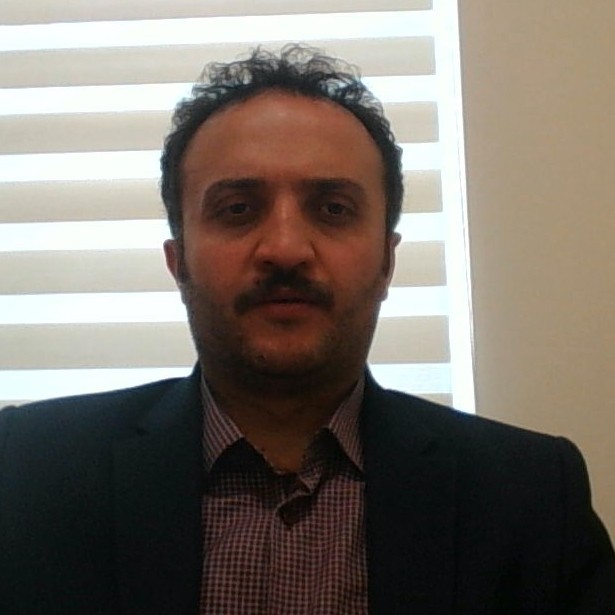
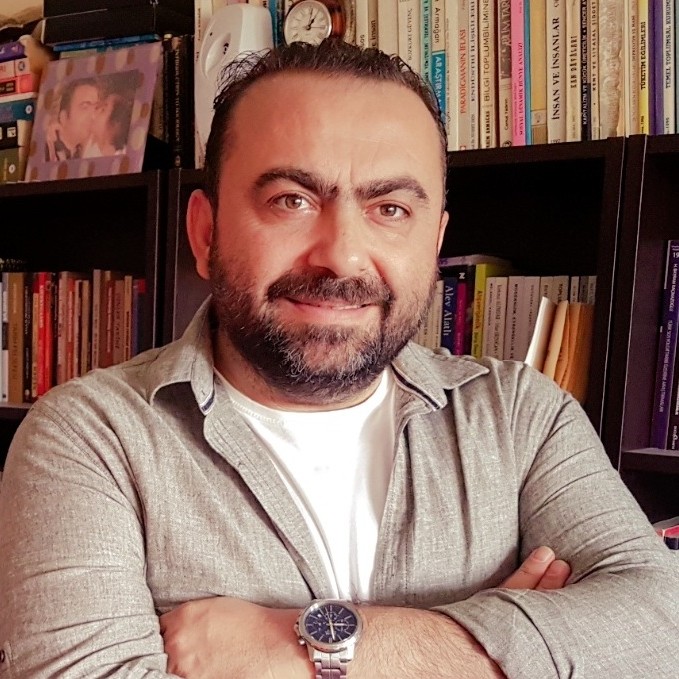
1981 yılında Malatya’nın Hekimhan ilçesinde doğdu. 2003 yılında İnönü Üniversitesi Eğitim Fakültesi Türkçe Eğitimi Bölümünden mezun oldu. 2008 yılında yüksek lisans eğitimini, İnönü Üniversitesi Sosyal Bilimler Enstitüsü Türkçe Eğitimi Ana Bilim Dalında, “Gülten Dayıoğlu’nun Çocuk Öykülerinde Değer Eğitimi ve Öykülerin Türkçeye Katkısı” adlı teziyle bitirdi. Doktora eğitimine 2010 yılında İnönü Üniversitesi Eğitim Bilimleri Enstitüsü Türkçe Eğitimi Ana Bilim Dalı Türkçe Öğretmenliği Programında başladı. 2003-2012 yılları arasında Malatya’da MEB’e bağlı okullarda Türkçe öğretmeni olarak çalıştı. 2012 yılında Recep Tayyip Erdoğan Üniversitesi Eğitim Fakültesi Türkçe Eğitimi Bölümüne öğretim görevlisi olarak atandı. Doktora öğrenimini 2016 yılında “Sekizinci Sınıf Öğrencilerinin Tartışmacı Metin Yazma Becerileri ile Bu Becerilere ilişkin Öğrenci ve Öğretmen Görüşleri” adlı teziyle tamamladı. 2018 yılından itibaren Recep Tayyip Erdoğan Üniversitesi Eğitim Fakültesi Türkçe Eğitimi Ana Bilim Dalında öğretim üyesi olarak görevine devam eden araştırmacının “Küçük Mektebliye: Yeni Millî Kırâ’at Kitabı Üzerine Bir İnceleme”, “Gülten Dayıoğlu’nun Çocuk Öyküleri (İnceleme)” adlı kitaplarının yanı sıra Türkçe eğitimi, yazma eğitimi, metin bilgisi ve çocuk edebiyatı alanlarında ulusal ve uluslararası çeşitli yayınları mevcuttur. Yazar, evli ve üç çocuk babasıdır.
Anna Calluori Holcombe was born in Newark, New Jersey, USA of Italian immigrant parents. She graduated cum laude with a BA in art education from Montclair State University in 1974. She received her MFA in ceramics from Louisiana State University in 1977. Teaching in higher education since 1978, her first position was at Illinois Wesleyan University, Bloomington, then at State University of New York at Brockport. In 1994, she was appointed Head of the Art Department at Kansas State University and served in that position for 6 years. From 2007 – 2010, she served as Director of the School of Art and Art History at the University of Florida, taught for the next 12 years and is currently a Professor Emeritus.
Calluori Holcombe exhibits internationally, having work in shows in Italy, France, Germany, Hungary, Switzerland, South Korea, China and Australia. She was awarded the Rotary Gold Medal for the 46th International Exhibition, Faenza, Italy in 1989. Her work is represented in numerous international journals such as Ceramics Technical, New Ceramics and Ceramica.
In 1997, she was honored as a Fellow of the NCECA. She is an elected member of the AIC-IAC since 2002. She was awarded a Fulbright to Turkey in 2013.
www.annaholcombe.com
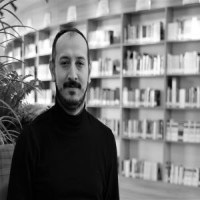
Adriatik Derjaj, Tiran Üniversitesi Yabancı Diller Fakültesi Balkan Dilleri Bölümü'nde tam zamanlı öğretim görevlisidir.
Öğretim görevlisi ve araştırmacı olarak yaklaşık 20 yıllık iş deneyimine sahiptir. 2003 yılında üstün başarıyla mezun olduktan sonra, bölümün tavsiyesiyle Ankara Devlet Üniversitesi Sosyal Bilimler Enstitüsü'nde yüksek lisans eğitimine devam etme hakkı kazanmış ve 2005 yılında mezun olarak Dilbilim Uzmanı unvanını almıştır.
Yüksek lisansını tamamladıktan sonra, Türkiye'deki TOMER - Ankara Üniversitesi'nde yabancılar için Türkçe öğretim görevlisi olarak çalışmıştır.
2012 yılında Dilbilim (sosyolinguistik) alanında doktora derecesini almış ve 2016 yılında Doçent unvanını kazanmıştır.
Öğretim ve araştırma uzmanlık alanları arasında İş Dilli, Turizm Ekonomisi, Dilbilim, Orientalistik, Dil Felsefesi, Sosyolinguistik, Didaktiksel-Kültürlerarası ve Turistik işletmeler yer almaktadır.
Yurt içinde ve yurt dışında çeşitli ulusal/uluslararası projelere katılmıştır. Şu anda Tiran Üniversitesi Balkan Dilleri Bölümü Başkanı ve Müfredat Komitesi üyesidir.
Kitapları
Arnavutluk'ta Yabancı Dil Olarak Türkçe, Monografi, 2024, ISBN: 978-625-6134-36-2, Filiz, İstanbul, Türkiye
- Üniversiteler İçin Türkçe Dilbilgisi, 2025, ISBN 9789928488404, ARSAD, Tiran, Arnavutluk
- Karşılaştırmalı Arnavutça-Türkçe Dilbilgisi, 2016, ISBN 978-605-9964-98-2 Çamlıca, İstanbul, Türkiye
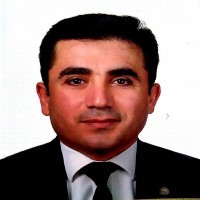
Polonya uyruklu olan Sylwia Filipowska, 2001 yılında üniversite eğitimine Krakov Jagiellon Üniversitesi'nde başladı. 2006 Leh Dili ve Edebiyatı Bölümü, 2009 ise Türkoloji Bölümü mezunudur. 2009’dan itibaren Jagiellon Üniversitesi Türkoloji Bölümü’nde öğretim üyesi olarak çalışmaktadır. Mart 2016’da „Obraz dziewiętnastowiecznego Stambułu w polskiej i tureckiej literaturze wspomnieniowej” [Polonya ve Türk Hatıra Edebiyatında 19. uncu Yüzyıl İstanbul’u] adlı doktora tezini savunmuştur. Yabancı dil olarak Türkçe ve İngilizce bilmektedir. Araştırma alanı çağdaş Türk edebiyatıdır.
1981 yılında Malatya’nın Hekimhan ilçesinde doğdu. 2003 yılında İnönü Üniversitesi Eğitim Fakültesi Türkçe Eğitimi Bölümünden mezun oldu. 2008 yılında yüksek lisans eğitimini, İnönü Üniversitesi Sosyal Bilimler Enstitüsü Türkçe Eğitimi Ana Bilim Dalında, “Gülten Dayıoğlu’nun Çocuk Öykülerinde Değer Eğitimi ve Öykülerin Türkçeye Katkısı” adlı teziyle bitirdi. Doktora eğitimine 2010 yılında İnönü Üniversitesi Eğitim Bilimleri Enstitüsü Türkçe Eğitimi Ana Bilim Dalı Türkçe Öğretmenliği Programında başladı. 2003-2012 yılları arasında Malatya’da MEB’e bağlı okullarda Türkçe öğretmeni olarak çalıştı. 2012 yılında Recep Tayyip Erdoğan Üniversitesi Eğitim Fakültesi Türkçe Eğitimi Bölümüne öğretim görevlisi olarak atandı. Doktora öğrenimini 2016 yılında “Sekizinci Sınıf Öğrencilerinin Tartışmacı Metin Yazma Becerileri ile Bu Becerilere ilişkin Öğrenci ve Öğretmen Görüşleri” adlı teziyle tamamladı. 2018 yılından itibaren Recep Tayyip Erdoğan Üniversitesi Eğitim Fakültesi Türkçe Eğitimi Ana Bilim Dalında öğretim üyesi olarak görevine devam eden araştırmacının “Küçük Mektebliye: Yeni Millî Kırâ’at Kitabı Üzerine Bir İnceleme”, “Gülten Dayıoğlu’nun Çocuk Öyküleri (İnceleme)” adlı kitaplarının yanı sıra Türkçe eğitimi, yazma eğitimi, metin bilgisi ve çocuk edebiyatı alanlarında ulusal ve uluslararası çeşitli yayınları mevcuttur. Yazar, evli ve üç çocuk babasıdır.
Lisans eğitimini Gazi Üniversitesi Gazi Eğitim Fakültesi Türkçe Öğretmenliği programında, yüksek lisansını Uşak Üniversitesi Sosyal Bilimler Enstitüsü Türkçe Eğitimi alanında ve doktora eğitimini Gazi Üniversitesi Eğitim Bilimleri Enstitüsü Türkçe Eğitimi alanında tamamladı. 2006-2016 yıllarında Milli Eğitim Bakanlığı'na bağlı kurumlarda öğretmen ve idareci olarak görev yaptı. 2016-2021 yıllarında Tunus Üniversitesi 9 Nisan İnsan ve Toplum Bilimleri Fakültesinde Türkçe okutmanı olarak görev yaptı. 2021 yılında Bayburt Üniversitesi Eğitim Fakültesi Türkçe ve Sosyal Bilimler Eğitimi Bölümü Türkçe Eğitimi Anabilim Dalında doktor öğretim üyesi olarak, 2025 yılında doçent doktor olarak görev yapmaktadır.