Volume: 10 Issue: 3 , 9/30/25

Year: 2025

Research Article

Systematic Reviews and Meta Analysis

Review

Case Report

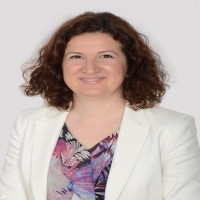
Derya Özer Kaya
Prof. Dr. Derya ÖZER KAYA İZMİR KATİP ÇELEBİ ÜNİVERSİTESİ
Physical Fitness, Physiotherapy, Rehabilitation
İlknur Naz Gürşan
Prof. Dr. İlknur NAZ GÜRŞAN İzmir Katip Celebi University Faculty of Health Science Department of Physiotherapy
Health Sciences, Physical Activity and Health, Physiotherapy, Rehabilitation
Ayşe Akbıyık
Assoc. Prof. Ayşe AKBIYIK İZMİR KATİP ÇELEBİ ÜNİVERSİTESİ

https://scholar.google.com/citations?hl=tr&user=1IdDzBgAAAAJ&view_op=list_works&gmla=AJsN-F6n4JuTxTlsgGH_iYHCs5vtTUGKaMwVgHdGIGzJqqL4blEMFEWJ7dol1Woy1pHTYa3QF79GFpGLKBmLAwTuqImb0Zxi1FHfEydLWNsbcde0s7aRqvY

Pharmaceutical Microbiology, Fundamentals of Nursing
Default avatar
Prof. Dr. Medine YILMAZ İzmir Katip Çelebi Üniversitesi
Health Sciences, Health Promotion, Public Health Nursing
Nuray Egelioğlu Cetişli
Prof. Dr. Nuray EGELİOĞLU CETİŞLİ İZMİR KATİP ÇELEBİ ÜNİVERSİTESİ, SAĞLIK BİLİMLERİ FAKÜLTESİ, HEMŞİRELİK BÖLÜMÜ, KADIN HASTALIKLARI VE DOĞUM HEMŞİRELİĞİ ANABİLİM DALI
Obstetrics and Gynocology Nursing
Gülşah Kaner
Prof. Dr. Gülşah KANER İZMİR KATİP ÇELEBİ ÜNİVERSİTESİ
Nutrition and Dietetics, Health Sciences
Yasemin Tokem
Prof. Dr. Yasemin TOKEM İzmir Katip Çelebi Üniversitesi, Sağlık Bilimleri Fakültesi, Hemşirelik Bölümü Web
Emergency Nursing, ​Internal Diseases Nursing​, Aged Care Nursing, ICU Nursing
Melike Tekindal
Prof. Dr. Melike TEKİNDAL İzmir Katip Çelebi Üniversitesi, Sağlık Bilimleri Fakültesi, Sosyal Hizmet Bölümü
Information Systems Philosophy, Research Methods and Theory, Social Work, Family Resources Education, Counselling, Wellbeing and Community Services, Social Program Evaluation
Dilek Ongan
Assoc. Prof. Dr. Dilek ONGAN İZMİR KATİP ÇELEBİ ÜNİVERSİTESİ, SAĞLIK BİLİMLERİ FAKÜLTESİ, BESLENME VE DİYETETİK BÖLÜMÜ
Nutrition and Dietetics

Izmir Katip Celebi University Faculty of Health Sciences Journal is a multidisciplinary, peer-reviewed, periodical journal that is published by Izmir Kâtip Celebi University Faculty of Health Sciences three times per year (January, May, September) and evaluates the articles with a "double-blind" system. Izmir Katip Celebi University Faculty of Health Sciences Journal aims to convey the scientific studies published in the field of health sciences to all national and international health professionals.

Izmir Katip Celebi University Faculty of Health Sciences Journal publishes current studies in the form of original research, review, a case report in Turkish and English, and scientific articles in the form of editorial comments/discussions.

Izmir Kâtip Celebi University Faculty of Health Sciences Journal is the publication of Izmir Kâtip Celebi University Faculty of Health Sciences. It is published three times a year (January-May-September). It is a peer-reviewed journal that is published in Turkish and English. The journal publishes current studies in the form of original research, reviews, case reports, and scientific articles in the form of editorial comments/discussions in the field of health sciences. User registration is required to submit and monitor the work via the Dergipark website ( https://dergipark.org.tr/tr/pub/ikcusbfd ).

Studies submitted to the journal for publication should not have been previously published in a journal or accepted for publication or evaluated. Studies presented at the congress or symposium should be indicated on the title page of the article. In Turkish articles, the integrity of the Turkish language should be preserved, and the English articles should be understandable and faultless. Submitted articles must be arranged according to the journal rules and ready for printing.
The responsibility of the ideas advocated in the articles belongs to the author. The copyright of the published articles belongs to the journal and can not be transferred, even partially, without the permission of the journal. The articles included in the evaluation are primarily examined by the editorial board in terms of scientific content and compliance with ethical standards. Similarity and plagiarism checks are made for the submitted articles. Articles found to be plagiarized are immediately rejected.

ETHICAL PRINCIPLES
İzmir Katip Çelebi University Faculty of Health Sciences Journal accepts the principle of compliance with the provisions and principles within the scope of Helsinki Declaration (2013 revision), Higher Education Council Scientific Research and Publication Ethics Directive (dated 29.08.2012, numbered 2012.18.946), Guide for the Care and Use of Laboratory Animals, www.nap.edu/catalog/5140.html, Regulation on Working Procedures and Principles of the Ministry of Forestry and Water Affairs Animal Experiments Ethics Committees (dated February 15, 2014, numbered 28914), Ministry of Health Regulation on Clinical Research of Medicines and Biological Products (13.04.2013 date, 28617 number) in all studies involving "human" and/or "animal".
İzmir Katip Çelebi University Faculty of Health Sciences Journal, Helsinki Declaration (2013 revision), Higher Education Council Scientific Research and Publication Ethics Directive (dated 29.08.2012, numbered 2012.18.946) in all studies involving "human" and/or "animal", Guide for the Care and Use of Laboratory Animals, www.nap.edu / catalog / 5140.html, Regulation on the Working Procedures and Principles of Animal Experiments Ethics Committees of the Ministry of Forestry and Water Affairs (dated 15 February 2014, 28914), accepts the principle of compliance with the provisions and principles within the scope of the Regulation on Clinical Research of Medicines and Biological Products (13.04.2013, number 28617).
In the presence of such researches, the authors must state in the "Materials and Methods, Ethical Aspects of the Researcher" sections of the article that they conducted the study in accordance with these principles and that the approval was obtained from the ethics committees of their institutions (name of the board, date and issue number).
The authors must state that they receive "Informed Consent" from their research participants in the "Materials and Methods, Ethical Aspects of the Research" sections of all studies involving the "Human" element. It should be noted that informed consent has been obtained from parents/first-degree responsible individuals on behalf of individuals who are not capable of making decisions (children, unconscious patients, etc.).

AUTHOR CONTRIBUTION
An "author" is considered to be an independent intellectual contributor to a published work and must meet the following four criteria:
1. Make significant contributions to the conceptual or design stages of the study or to the collection/processing, analysis, or interpretation of data,
2. Make important intellectual / conceptual critical arrangements regarding the preparation of the study draft or the content.
3. Author must approve the work ready for publication,
4. Acknowledge responsibility for all of the work, ensuring that questions regarding the accuracy and integrity of any part of the work are properly investigated and resolved.
5. Names stated as authors must be of authorship; The names of those of this nature should be reported sequentially in the study. Click for the author contribution form ( https://dergipark.org.tr/tr/download/journal-file/20564).

AUTHOR RESPONSIBILITY-DISCLAIMER
If any financial (cash-in-kind) support has been provided to the submitted research, the authors should explain whether there is a relationship of interest with the institutions providing this support, if any (institution/organization, type of support) and should indicate at the bottom of the title page. No fee/compensation is paid for the articles published in the journal. The editorial board acknowledges that the author (s) undertake that they will not send their articles to another journal until the evaluation process is completed.
The authors are responsible for the compliance of the manuscript with rules such as ethical, scientific, and legal. "The Manuscript Copyright Transfer Form" in the manuscript tracking system must be filled in and signed by all authors and uploaded to the submission system. Click for “The Manuscript Copyright Transfer Form”.   https://dergipark.org.tr/tr/download/journal-file/20567

GENERAL RULES FOR THE PREPARATION OF THE MANUSCRIPT

  • Manuscript to be submitted to the journal should be prepared according to the spelling rules of the journal.
  • The length of the manuscript should not exceed 6000 words except the title page, abstract, references, tables/figures/images.
  • Numbering should be used in article titles. Main titles are "1., 2., .."; second-level subtitles “1.1., 1.2.,….”; third-level subtitles "1.1.1., 1.1.2.,…." should be numbered as. (Numbering should not be used in the Abstract, Additional Supplementary sections). A short title can be given to any subsection. Each title should be on a separate line. The first letters of the main titles (Introduction, Objective, Material and Method, Results, Discussion, Conclusion, Contribution to the Field, References) should be written in capital, bold, and left-justified. The first letters of second and third-level subtitles should be written in capital, left-justified.
  • Standard abbreviations should be used in the text and they should be written without abbreviation where they are mentioned first. In the abbreviations at the beginning of the paragraph, the full name of the abbreviations should be written.
  •  If drug names are used in the text, the generic names of the drugs should be written in their original form.
  • Units of measurement should be given in accordance with the metric system; for example, it should be written as "mg", without a dot. If it gets afformative, it should be separated with ('). Laboratory measurements should be reported in the US; Systéme International: SI.
  • Statistical data such as Cronbach Alpha and p values should be three-valued, and for decimal numbers, "commas" should be used in Turkish texts and "dot" in English texts. (Sample writing style for Turkish texts: Cronbach alpha = 0,545, p = 0,002 and sample writing style for English texts: Cronbach alpha = 0.545, p = 0.002).
  • Additional information such as scales and questionnaires used in the study can be added as a separate Word file.
  • Full-text English articles that have been pre-checked are passed through a language check. In case of need, a certificate or document proving that it has passed the English language control is requested. 
  • Optionally, the plagiarism report of the article can be uploaded to the system together with the article files. 

MANUSCRIPT SECTIONS

Title and Author Information Page

Title and author information page should be given on a single page, separate from the main text. In the upper right corner of the title page, the "running title" that introduces the article to the reader should be written with the first letter in capital and the others in lowercase (Xxxxx xxxxx xxxxx). The running title should be written in 9 font size, not exceeding 50 characters, excluding spaces. On the title page of the article, the Turkish title of the article should be written in capital, bold and left-justified. English title should be written in capital, bold, italic, and left-justified. The recommended article title length is 10-12 words. Abbreviations should not be used in the title. The page number should be given in 12 font sizes starting from 1 in the lower right corner of the page. The title of the article, authors' names, surnames (in capital letters), titles, institutions, ORCID numbers, contributions to the article, correspondence address of the author responsible for correspondence, telephone, and e-mail address, and fax number (if any) should be written. This information should only be given on the title page and not within the manuscript. If the manuscript has been presented as an abstract before, the congress and date of the paper, if any, the persons and organizations that support the study financially should be specified. Title and Author Information Page Template File can be downloaded from here.


Main Text File

  • Research Article: The research article should consist of Turkish and English Abstract, Introduction, Objective, Material and Method, Results, Discussion, Conclusion, Contribution to the Field, and References if any and Table / Figure / Picture. In studies requiring ethics committee and institutional permission, information about the permission (name of the board, date, and number) should be included in the subheadings of "Material and Method, Ethical Aspect of the Study".  Ethics committee approval must be uploaded to the journal park system during article submission. The research article should be organized according to the template that can be downloaded from here.
  • Case Reports: These are articles that present and discuss the characteristics of one or more cases that have scientific features and importance from clinical evaluation, observation, or any other perspective. Case reports include Title Page, Turkish and English Abstract, Introduction, Materials and Methods, Case Report, Discussion, Conclusion, Contribution to the Field, Ethical Aspect, References, Table / Figure / Picture. Main text subheadings are arranged as required by the content of the text. Case reports can be supported by photographs and flow charts. Expressions stating that the necessary permissions have been obtained for the photos and flowcharts should be indicated. Statements stating that the informed consent form was signed should be included in the subheadings of "Materials and Methods, Ethical Aspects of the Study". Case consent form in case reports must be uploaded to the journal park system during article submission. The case report should be arranged according to the template that can be downloaded from here.
  • Systematic Review Article: The systematic review article should consist of Turkish and English Abstract, Introduction, Objective, Material and Method, Results, Discussion, Conclusion, Contribution to the Field, and References if any and Table/Figure/Picture. The systematic review article should be organized according to the template that can be downloaded from here.
  • Review Article: These are the articles in which original ideas that address important theoretical or practical problems related to their subject are produced and discussed. The main text of the review; It includes Turkish and English Abstract, Introduction, Conclusion, Contribution to the Field, Resources, and Table / Figure / Picture sections; Main text sub-headings are arranged as required by the text content. The review article should be organized according to the template that can be downloaded from here.

Although the subtitles to be included in the main text file vary according to the article type, they should be structured in the format described below.


Turkish and English Abstract

Turkish and English abstracts should be included under the title of the abstract. Turkish abstract text should not be less than 150 words and more than 250 words for all article types. Turkish and English abstracts should be included in separate pages in the main text file. It is obligatory to include a 250-word  English abstract in articles whose language is English. Subtitles of the Abstract section in research articles; Objective, Material and Method, Results, and Conclusion should be structured with subtitles for Turkish and English. Abstracts should be written without structuring in reviews and case reports. There should be at least three and at most five keywords at the end of the abstracts.


Keywords should be written according to MESH-Medical Subject Headings (https://meshb.nlm.nih.gov/search). Except for the first keyword, the first letter of all other keywords should be written in lowercase, a comma should be used between the words and a period should be placed after the last word. In the summary text section, the first line of the paragraphs should be left-justified and not indented. The abstract should not include references and abbreviations. 

1. Introduction
1.1. Subheading (if any) (Second Level Heading)
1.1.1. Secondary Subheading (if any) (Third Level Heading)
"In this section, the basic information related to manuscript and rationale of the manuscript should briefly be mentioned by using subheadings when needed."
At the end of the introduction, the aim of the study and research questions or hypotheses should be written.

2. Materials and Methods
2.1. Subheading (if any) (Second Level Heading)
2.1.1. Secondary Subheading (if any) (Third Level Heading)
“This section is used in research articles and case reports”
Using the subheadings in this section, the type of the research, place where the research was conducted, the population/sample of the research, data collection tools, measurements/ intervention/procedure (if the research is an experimental or quasi-experimental study), evaluation of the data and statements indicating compliance with research and publication ethics should be included. In studies requiring ethics committee and institutional permission, information about the permission (name of the ethics committee, date, and number) should be included. It should be stated that informed consent of participants was obtained. It should be stated that informed consent was obtained from parents/first-degree responsible individuals on behalf of individuals who are not capable of making decisions (children, unconscious patients, etc.).

3. Results/Case Report
3.1. Subheading (if any) (Second Level Heading)
3.1.1. Secondary Subheading (if any) (Third Level Heading)
This section is used for research articles and case reports. In this section, the findings of the study should be presented systematically in a way to answer the research questions or hypothesis by using subheadings if needed. If necessary, the text should be supported by using tables and figures. In the Results section, descriptive statistics (number, percentage, mean, standard deviation, etc.), the statistical tests used, test, and probability (p) values should be written clearly. Statistical data such as Cronbach Alpha and p values should be given by using three decimals, and "commas" should be used in Turkish texts and "points" should be used in English texts for expressing decimals. (sample for writing style for Turkish texts: Cronbach alfa= 0,545, p=0,002; and sample for writing style for English texts: Cronbach alfa= 0.545, p=0.002).

4. Discussion
4.1. Subheading (if any) (Second Level Heading)
4.1.1. Secondary Subheading (if any) (Third Level Heading)
This section is used for research articles and case reports. In this section, the findings of the study should be discussed together with the results of the relevant national and international studies by using subheadings if needed. This section should include a discussion of original findings, not a general review.

5. Conclusion and Recommendations

The research results should be summarized and recommendations should be made in line with the results obtained.

6. Contribution to the Field

The present/future contributions of the study to the relevant field should be stated.

Research Ethics
This section is used for research articles and case reports. In studies requiring ethics committee and institutional permission, information about the permission (name of the ethics committee, date, and number) should be included. It should be stated that informed consent of participants was obtained. It should be stated that informed consent was obtained from parents/first-degree responsible individuals on behalf of individuals who are not capable of making decisions (children, unconscious patients, etc.).

References
The reference list should include all the references cited in the text. The journal titles should be abbreviated in the style of NLM Catalog. (https://www.ncbi.nlm.nih.gov/nlmcatalog?Db=journals&Cmd=DetailsSearch&Term=currentlyindexed%5BAll%5D).
Our journals' endnote reference style can be downloaded from here.

Tables
The number of tables should be limited to five. If more than five tables are submitted, editor approval is required. The number and heading of the table should be written in italicized, bold, and using 10 points font, placed at the top of the table, leaning to the left, and the first letters of the words should be capitalized.
A dot should be used after the table number. Tables should not contain vertical lines. Each table should be referred to in the text. In the table, line spacing should be one-spaced, the font should be 10 points and center. Descriptions of the table should be written under the table by using 9 points-font with one-space line spacing. Each table should be referred to in the text. If the table is taken from another source, the source should be indicated as a footnote below the table. Tables should be uploaded to the system as a MS Word file following the references, each on a separate page. If there is a previously published table in the manuscript, the author should obtain written permission from the copyright owner and authors, and indicate the permission in the manuscript. 

Small to Medium sized tables can be used as normal. To use large tables, authors should add text box (from the insert section, click on the shapes and select text box) in the desired page and paste the table in to the shape. Then, position the shape to the bottom of the page (from the shape format, click on position and select bottom center). For larger tables, authors add them to the end of the document as appendix and refer to them in-text.

Figures / Graphics and Images
The total number of figures/graphics and images should be limited to five. Editor approval is required if more than five figures/graphics and images are submitted. Each of the figures/graphics and images should be on separate pages with a number and title, and the title should be located under the figures/graphics. The name of the figure/graphic and image should be left-leaned, 10 points-font, and the first letters of the words should be written in capital, italic and bold. If the figure/graphic title is longer than one line, the second line should be aligned with the first line on the left and line spacing should one-spaced. The source should be indicated as a footnote under the tables, figures, and images for the materials taken from another source. Figures should be in digital format (jpg, png), be recorded in .tiff, and be at least 600 dpi resolution. Figures/graphics or images must be uploaded into the system as an MS Word file, each on a separate page. If there is a previously published figure/graphic and image in the manuscript, the author of the manuscript should obtain written permission from the copyright holder and authors and indicate the permission received in the manuscript.


Acknowledgment

The author(s), if they see it necessary, can write a short acknowledgment in a few sentences to people whose contributions do not meet the status of authorship, but were deserved to be mentioned. Herein, the contributions of the people who are acknowledged (for example, financial or equipment support, technical assistance) should clearly be stated (eg: "scientific consultancy", "draft revision", "data collection", "participation in the clinical trial"). Acknowledgments should appear on the title page and not in the main text.

REFERENCE WRITING STYLES
Citing within the Text
"National Library of Health (NLM) Reference Writing Style" is used for indicating the references. Each reference in the text should be numbered in the order as it appears in the manuscript, should be indicated at the end of the relevant sentence in round brackets and a period should be placed at the end of the parenthesis. If several resources are to be displayed at the same time, the resources are sorted from small to big, and separated by commas (1, 2, 5, 8).

Unpublished reports, abstracts, lecture notes, and personal opinions cannot be cited as references.

In consecutive references, the date order should be from old to new. In other words, a small number should be assigned to the old dated one.

If there are three or more consecutive references, it should be shown by putting "-" between the references (1-4 instead of 1, 2, 3, 4,).
Sample:
……… endothelins have been shown to be released in a variety of hypoxia and/or ischemia states (64–66).

If the author is cited, references should be given right after the author's name:
Sample:
......... Miller and Seals (47) and Harvey (24), reported that in 26% of children with unexplained bacterial infections .....

If a reference in another publication is cited and that reference is unavailable, only the cited publication is shown as the reference, and the unavailable reference is indicated by name:
Sample:
........ as Barman et al. (15) stated, Reis et al. reported that sympathoinhibitory neurons were in the caudal ventrolateral medulla.

When citing studies with two authors, the word "and" should be placed between the author's surnames:
Sample:
......... The method suggested by Goodman and Gilman (6) was used.

When a work with more than two authors is cited, it should be written as "and friends" or "et al." abbreviation should be used after the first author's surname:
Sample:
......... Merahi et al. (21) reported that similar results were obtained under different types of operations.

In figures and tables which are taken from another publication, the source should be cited in accordance with the procedure used in the text: After the source figure or table explanation, the names of the authors (reference number), the word "from" and the phrase "taken" are added as a sentence or only by giving the literature number of the relevant source. In the explanation of these figures and tables, a statement should be added that permission has been obtained from the original authors.
Sample:
Figure 4. EEG images of the sleep-wake periods (taken from Nosjean et al. (45))
Figure 4. EEG images of the sleep-wake periods (45)

Web pages should be indicated by giving a sequence number when citing, however, the addresses of the web pages used should be given in the references together with the access date (month, day, year). Since such documents are updated frequently, it is recommended to write the latest update date if it is certain. The web pages used should contain information from scientific publications, organizations supervised by scientific boards, and publications of state, university and public institutions. In this context, official websites of international and national scientific committees with proven reliability such as "WHO" and "TÜBİTAK", and preferably websites with ".gov", ".edu", ".org" should be used. Sites with commercial content or sites of private persons and organizations, along with magazine sites should not be used.
Sample:
The Spelling Guide of the Turkish Language Association can be accessed from the internet address (43).
According to the data on the Ministry of Health's website (8) accessed on 10 May 2007, cancer ranks second among diseases that cause death.

Reference Writing
The references are listed in the order in which they cited in the text. The references list should include all the references you cited in the text. Journal names should be abbreviated in the style used in the NLM Catalog (https://www.ncbi.nlm.nih.gov/nlmcatalog?Db=journals&Cmd=DetailsSearch&Term=currentlyindexed%5BAll%5D).

Books

Printed Book

  • Jenkins PF. Making sense of the chest x-ray: a hands-on guide. New York: Oxford University Press; 2005. 194 p
  • Eyre HJ, Lange DP, Morris LB. Informed decisions: the complete book of cancer diagnosis, treatment, and recovery. 2nd ed. Atlanta: American Cancer Society; c2002. 768 p.
  • Iverson C, Flanagin A, Fontanarosa PB, Glass RM, Glitman P, Lantz JC, Meyer HS, Smith JM, Winker MA, Young RK. American Medical Association manual of style. 9th ed. Baltimore (MD): Williams & Wilkins; c1998. 660 p.

Electronic Book

  • Merlis M, Gould D, Mahato B. Rising out-of-pocket spending for medical care: a growing strain on family budgets [Internet]. New York: Commonwealth Fund; 2006 Feb [cited 2006 Oct 2]. 23 p. Available from: http://www.cmwf.org/usr_doc/Merlis_risingpoopspending_887.pdf 

Book with an Unknown Author 

  • Advertising in the Western Cape. Cape Town: ABC Publishers; 1990. 150 

Reprinted Book

  • Murray PR, Rosenthal KS, Kobayashi GS, Pfaller MA. Medical microbiology. 4th ed. St. Louis: Mosby; 2002. 180p.

Book Chapter

  • Meltzer PS, Kallioniemi A, Trent JM. Chromosome alterations in human solid tumors. In: Vogelstein B, Kinzler KW, editors. The genetic basis of human cancer. New York: McGraw-Hill; 2002. p. 93-9.

Journal Articles
Journal Article with 1-6 Authors (If there is no DOI number)

        All authors must be cited.

  •  Salpern SD, Ubel PA, Caplan AL. Solid-organ transplantation in HIV-infected patients. N Engl J Med. 2002 Jul 25;347(4):284-7.

Journal Article with 1-6 Authors (If there is DOI number)
        All authors must be cited.

  • Tüzün EH, Eker L, Aytar A, Daşkapan A, Bayramoğlu M. Acceptability, reliability, validity and responsiveness of the Turkish version of WOMAC osteoarthritis index. Osteoarthritis Cartilage. 2005 Jan;13(1):28-33. DOI: 10.1016/j.joca.2004.10.010.

Journal Article with 7 or More Authors (If there is no DOI number)

         The first 6 authors should be indicated, and if the article is in Turkish  "ve ark.",  if the article is in English "et al." should be added at the end.

  • Öztürk Y, Ceylan S, Okyar Baş A, Uçan A, Çakır A, Kaya ZI, et al. A retrospective analysis of all-cause mortality after percutaneous endoscopic gastrostomy in a single center. Clin Sci Nutr. 2023;5(3):106-10. 

Journal Article with 7 or More Authors (If there is DOI number)
       The first 6 authors should be indicated, and if the article is in Turkish "ve ark.", if the article is in English "et al." should be added at the end.

  • Muscaritoli M, Arends J, Bachmann P, Baracos V, Barthelemy N, Bertz H, et al. ESPEN practical guideline: Clinical Nutrition in cancer. Clin Nutr. 2021 May;40(5):2898-2913. DOI: 10.1016/j.clnu.2021.02.005.

Electronic In-press Articles

  • Bar DZ, Atkatsh K, Tavarez U, Erdos MR, Gruenbaum Y, Collins FS. Biotinylation by antibody recognition-A novel method for proximity labeling. BioRxiv 069187 [Preprint]. 2016 [cited 2017 Jan 12]. Available from: https://www.biorxiv.org/content/10.1101/069187v1


Theses
Printed Theses

  •  Borkowski MM. Infant sleep and feeding: a telephone survey of Hispanic Americans [dissertation]. [Mount Pleasant]: Central Michigan University; 2002. 500p.
  •  Overlock JA. The relationship between balance and fundamental motor skills in children five to nine years of age [master’s thesis]. [Corvallis]: Oregon State University; 2004. 111 p
  • Gün F. Hemiplejik serebral palsili çocuklarda 'çocukların el becerileri değerlendirmesi (ÇEBD)' ve 'çocuk el beceri anketi'nin (ÇEBA)' türkçe'ye uyarlanması, geçerliliği ve güvenilirliği [master’s thesis]. [Ankara]: Hacettepe Universitesi; 2019. 95 p.

Electronic Theses

  • Bianchi M. Multiscale fabrication of functional materials for regenerative medicine [dissertation on the internet]. Bologna (IT): University of Bologna; 2011. [cited 2019 Dec 7]. Available from: http://dx.doi.org/10.1007/978-3-642-22881-0

Electronic Report / Document


For more detailed information about NLM Writing Style;

  • Patrias K. Citing medicine: the NLM style guide for authors, editors, and publishers [Internet]. 2nd ed. Wendling DL, technical editor. Bethesda (MD): National Library of Medicine (US); 2007 - [updated 2015 Oct 2; cited Year Month Day]. Available from: http://www.nlm.nih.gov/citingmedicine

For the writing of the manuscripts, programs as EndNote (https://endnote.com/), and Mendeley (https://www.mendeley.com/?interaction_required=true), etc. can be used. 

The publishing processes of the Journal of the Faculty of Health Sciences of Izmir Katip Çelebi University are carried out on the basis of current studies in the form of original research, review, case report, editorial comment/discussion, scientific articles in the form of letters to the editor, objectively evaluating, developing and sharing. It has been prepared in line with the guidelines and policies published by the "Publication Ethics Committee (Committee on Publication Ethics - COPE (https://publicationethics.org/))".

Publisher's Ethical Responsibilities

  • İzmir Katip Çelebi University Faculty of Health Sciences Journal accepts the condition of complying with ethical rules and scientific standards and not considering commercial concerns in its articles.
  • The publisher acknowledges that the decision-maker and the refereeing process in the journal of the Faculty of Health Sciences of Izmir Katip Çelebi University are the responsibility of the editor.
  • The publisher provides open, electronic, and free access to the journal on the journal's website.

Responsibilities of Editor, Field Editors, and Assistant Editors

  • The editorial board is responsible for the publication of the articles sent to Izmir Katip Çelebi University Faculty of Health Sciences Journal for publication and the subsequent processes.
  • Editors and the editorial board should act impartially and in consideration of the public interest while making decisions regarding the journal and published articles.
  • The editor and the editorial board should ensure that the articles are evaluated by expert reviewers. 
  • It should be paid attention to whether there is a conflict of interest between the reviewers and the authors who are sent to evaluate the article.
  • Editors and editorial boards should determine and implement journal policies such as blind review, evaluation process, ethical principles, and publication process. Information about the authors and reviewers should not be disclosed to either party.
  • When the authors request information about the status of the article, information about the status of the article should be given without harming the blind review process.
  • It should be checked that the submission and acceptance dates are published in the articles.
  • Editors and the editorial board should pay attention to the protection of human and animal rights in the articles and reject the article in the absence of ethics committee approval.

Author's Responsibilities

  • İzmir Katip Çelebi University Faculty of Health Sciences Journal accepts the principle of compliance with the provisions and principles within the scope of Helsinki Declaration (2013 revision), Higher Education Council Scientific Research and Publication Ethics Directive (dated 29.08.2012, numbered 2012.18.946), Guide for the Care and Use of Laboratory Animals, www.nap.edu/catalog/5140.html, Regulation on Working Procedures and Principles of the Ministry of Forestry and Water Affairs Animal Experiments Ethics Committees (dated February 15, 2014, numbered 28914), Ministry of Health Regulation on Clinical Research of Medicines and Biological Products (13.04.2013 date, 28617 number) in all studies involving "human" and/or "animal". In the presence of such researches, the authors must state in the "Materials and Methods, Ethical Aspects of the Researcher" sections of the article that they conducted the study in accordance with these principles and that the approval was obtained from the ethics committees of their institutions (name of the board, date and issue number).
  • The authors must state that they receive "Informed Consent" from their research participants in the "Materials and Methods, Ethical Aspects of the Research" sections of all studies involving the "Human" element. It should be noted that informed consent has been obtained from parents/first-degree responsible individuals on behalf of individuals who are not capable of making decisions (children, unconscious patients, etc.).
  • Only authors who contributed to the articles should be named (People who made significant contributions to the design, execution, implementation, data collection, or analysis/interpretation of the study; persons who contributed to the hypothesis and draft of the study and critically revised the intellectual content; saw the final version of the article, approved and people who have accepted to be published).
  • After the article is sent to the journal for publication, none of the authors can be deleted from the list of authors without the written permission of all authors, and no names can be added as authors and the order of the authors can not be changed.
  • The articles submitted by the author (s) to the Journal of the Faculty of Health Sciences of Izmir Katip Çelebi University should not have been published in another journal or sent to another journal at the same time. Abstracts presented in scientific meetings are accepted on the condition that they are stated in the article.
  • Author (s) should refer to the sources they use during article writing in line with ethical principles.

Ethical Responsibilities of Reviewers

  • Reviewers cannot communicate directly with the authors, article evaluation forms and requests for the correction of the text are forwarded to the author (s) through the editorial board and/or the editorial board through the dergipark management system.
  • Reviewers who have conflicts of interest arising out of competition, cooperation, or other relationships or links with any of the authors, funders, or institutions of the article, or who have any connection with organizations that may benefit or suffer from the publication of the study, should not evaluate the article in question.
  • Reviewers should evaluate the scientific aspects of the article without taking into account the authors' race, gender, sexual orientation, religious belief, ethnic origin, citizenship, or political philosophy, and pay attention to confidentiality when evaluating.
  •  Evaluations should be honest, objective, and free of personal bias.
  • Reviewers must keep the articles, related materials, and the information they contain strictly confidential. The information of the article should not be stored for personal use.
  • Reviewers should convey their opinions about the articles they accept to be evaluated to the editors and editorial board within the given time.

Plagiarism and Unethical Behavior

Plagiarism, forgery or misleading data, repetition of publication, split publishing, and the inclusion of people who do not contribute to the research are unacceptable practices within the scope of ethical rules in İzmir Katip Çelebi University Faculty of Health Sciences Journal. Articles with a similarity rate of 20% (excluding references) of the articles submitted to the Journal of the Faculty of Health Sciences of Izmir Katip Çelebi University are taken into consideration. Articles exceeding this rate are examined in detail and, if necessary, returned to the authors for review or correction, and if plagiarism or unethical behaviors listed below are detected, their publication will be rejected.

  • Specifying the persons who do not contribute to the study as authors.
  • If the article is produced from the author's master / doctoral thesis or a project, it is not stated if it is presented anywhere.
  • Slicing, that is, publishing more than one article from a single study.
  • Conflicts of interest regarding submitted articles are not reported.
  • Deciphering the double-blind arbitration process.

Publication Right: The articles, pictures, figures, and tables published in the Journal of the Faculty of Health Sciences of İzmir Katip Çelebi University cannot be partially or completely printed or reproduced by any means without the written permission of the publisher. Summarizing and citing can be made for scientific purposes (provided that the source is indicated). The authors are responsible for the articles, figures, and pictures published in the journal, and the companies for advertisements and advertisements.

Publisher: İzmir Katip Çelebi University Faculty of Health Sciences Journal is published electronically by İzmir Katip Çelebi University Faculty of Health Sciences. You can perform your transactions using your "username and password" at https://dergipark.org.tr/tr/pub/ikcusbfd.


No fees are charged.

Journal Editor

Derya Özer Kaya
Prof. Dr. Derya ÖZER KAYA İZMİR KATİP ÇELEBİ ÜNİVERSİTESİ
Physical Fitness, Physiotherapy, Rehabilitation

Section Editors

Turhan Kahraman
Prof. Dr. Turhan KAHRAMAN İZMİR KATİP ÇELEBİ ÜNİVERSİTESİ, SAĞLIK BİLİMLERİ FAKÜLTESİ, FİZYOTERAPİ VE REHABİLİTASYON BÖLÜMÜ
Rehabilitation
İlknur Naz Gürşan
Prof. Dr. İlknur NAZ GÜRŞAN İzmir Katip Celebi University Faculty of Health Science Department of Physiotherapy
Health Sciences, Physical Activity and Health, Physiotherapy, Rehabilitation
Nuray Egelioğlu Cetişli
Prof. Dr. Nuray EGELİOĞLU CETİŞLİ İZMİR KATİP ÇELEBİ ÜNİVERSİTESİ, SAĞLIK BİLİMLERİ FAKÜLTESİ, HEMŞİRELİK BÖLÜMÜ, KADIN HASTALIKLARI VE DOĞUM HEMŞİRELİĞİ ANABİLİM DALI
Obstetrics and Gynocology Nursing
Dilek Ongan
Assoc. Prof. Dr. Dilek ONGAN İZMİR KATİP ÇELEBİ ÜNİVERSİTESİ, SAĞLIK BİLİMLERİ FAKÜLTESİ, BESLENME VE DİYETETİK BÖLÜMÜ
Nutrition and Dietetics
Ayşe Akbıyık
Assoc. Prof. Ayşe AKBIYIK İZMİR KATİP ÇELEBİ ÜNİVERSİTESİ

https://scholar.google.com/citations?hl=tr&user=1IdDzBgAAAAJ&view_op=list_works&gmla=AJsN-F6n4JuTxTlsgGH_iYHCs5vtTUGKaMwVgHdGIGzJqqL4blEMFEWJ7dol1Woy1pHTYa3QF79GFpGLKBmLAwTuqImb0Zxi1FHfEydLWNsbcde0s7aRqvY

Pharmaceutical Microbiology, Fundamentals of Nursing
Yasemin Tokem
Prof. Dr. Yasemin TOKEM İzmir Katip Çelebi Üniversitesi, Sağlık Bilimleri Fakültesi, Hemşirelik Bölümü Web
Emergency Nursing, ​Internal Diseases Nursing​, Aged Care Nursing, ICU Nursing
Default avatar
Prof. Dr. Medine YILMAZ İzmir Katip Çelebi Üniversitesi
Health Sciences, Health Promotion, Public Health Nursing
Gülşah Kaner
Prof. Dr. Gülşah KANER İZMİR KATİP ÇELEBİ ÜNİVERSİTESİ
Nutrition and Dietetics, Health Sciences
Melike Tekindal
Prof. Dr. Melike TEKİNDAL İzmir Katip Çelebi Üniversitesi, Sağlık Bilimleri Fakültesi, Sosyal Hizmet Bölümü
Information Systems Philosophy, Research Methods and Theory, Social Work, Family Resources Education, Counselling, Wellbeing and Community Services, Social Program Evaluation
Deniz Şanlı
Asst. Prof. Dr. Deniz ŞANLI İZMİR KATİP ÇELEBİ ÜNİVERSİTESİ, SAĞLIK BİLİMLERİ FAKÜLTESİ
Intensive Care, Health Sciences, Nursing, Surgical Diseases Nursing​​

Co-Editors

Default avatar
Res. Assist. Dr. Gamze ÇALIK İZMİR KATİP ÇELEBİ ÜNİVERSİTESİ
Nutrition and Dietetics
Elvan Felekoğlu
Asst. Prof. Dr. Elvan FELEKOĞLU İZMİR KATİP ÇELEBİ ÜNİVERSİTESİ
Health Sciences Education and Development of Programs: Medicine, Nursing and Health Sciences, Health Sciences, Physiotherapy
Buse Bakır
Asst. Prof. Dr. Buse BAKIR İZMİR KATİP ÇELEBİ ÜNİVERSİTESİ
Nutrition and Dietetics, Clinical Nutrition
Gülşen Işık
Asst. Prof. Dr. Gülşen IŞIK İZMİR KATİP ÇELEBİ ÜNİVERSİTESİ, SAĞLIK BİLİMLERİ FAKÜLTESİ, HEMŞİRELİK BÖLÜMÜ, KADIN HASTALIKLARI VE DOĞUM HEMŞİRELİĞİ ANABİLİM DALI
Health Sciences, Nursing, Obstetrics and Gynocology Nursing
Özgün Uysal
Dr. Özgün UYSAL İzmir Katip Çelebi University
Physiotherapy
Çağla Ayer
Asst. Prof. Dr. Çağla AYER İZMİR KATİP ÇELEBİ ÜNİVERSİTESİ SAĞLIK BİLİMLERİ FAKÜLTESİ BESLENME VE DİYETETİK BÖLÜMÜ Web
Nutrition and Dietetics
Gamze Ağartıoğlu Kundakçı
Asst. Prof. Dr. Gamze AĞARTIOĞLU KUNDAKÇI İZMİR KATİP ÇELEBİ ÜNİVERSİTESİ, SAĞLIK BİLİMLERİ FAKÜLTESİ, HEMŞİRELİK BÖLÜMÜ, HALK SAĞLIĞI HEMŞİRELİĞİ ANABİLİM DALI
Nursing, Public Health Nursing
Aybüke Cansu Kalkan
Res. Assist. Dr. Aybüke Cansu KALKAN İZMİR KATİP ÇELEBİ ÜNİVERSİTESİ
Physiotherapy, Rehabilitation
Default avatar
Res. Assist. Kevser Sevik KACMAZ İZMİR KATİP ÇELEBİ ÜNİVERSİTESİ
Preventative Health Care, Physiotherapy, Rehabilitation
Seda Çetin Avcı
Res. Assist. Dr. Seda ÇETİN AVCI IZMIR KATIP CELEBI UNIVERSITY
Health Sciences, Nursing, Obstetrics and Gynocology Nursing, Nurse Education
Ayşe Büyükbayram Arslan
Asst. Prof. Dr. Ayşe BÜYÜKBAYRAM ARSLAN İzmir Katip Çelebi Üniversitesi
Trauma Psychology, Emergency Nursing, Mental Health Nursing, Aged Care Nursing, Disaster Nursing
Ayşe Nur Songür Bozdağ
Asst. Prof. Dr. Ayşe Nur SONGÜR BOZDAĞ İZMİR KATİP ÇELEBİ ÜNİVERSİTESİ
Nutrition and Dietetics
Gülçin Uyanık
Asst. Prof. Dr. Gülçin UYANIK İZMİR KATİP ÇELEBİ ÜNİVERSİTESİ, SAĞLIK BİLİMLERİ FAKÜLTESİ, HEMŞİRELİK BÖLÜMÜ
Health Sciences, Nursing, Public Health Nursing
Barış Seven
Asst. Prof. Dr. Barış SEVEN İzmir Katip Çelebi Üniversitesi
Physiotherapy, Rehabilitation
Default avatar
Asst. Prof. Dr. Damla KARABAY İZMİR KATİP ÇELEBİ ÜNİVERSİTESİ, SAĞLIK BİLİMLERİ FAKÜLTESİ, FİZYOTERAPİ VE REHABİLİTASYON BÖLÜMÜ
Physiotherapy, Rehabilitation
Gülsenay Taş Soylu
Asst. Prof. Dr. Gülsenay TAŞ SOYLU İZMİR KATİP ÇELEBİ ÜNİVERSİTESİ
Nursing, Mental Health Nursing
Simge Evrenol Öçal
Asst. Prof. Dr. Simge EVRENOL ÖÇAL İZMİR KATİP ÇELEBİ ÜNİVERSİTESİ
Obstetrics and Gynaecology, Obstetrics and Gynocology Nursing
Müge Kırmızı
Asst. Prof. Dr. Müge KIRMIZI İzmir Kâtip Çelebi Üniversitesi Sağlık Bilimleri Fakültesi Fizyoterapi ve Rehabilitasyon Bölümü
Health Sciences
Merve Kurt Aydın
Asst. Prof. Dr. Merve KURT AYDIN İZMİR KATİP ÇELEBİ ÜNİVERSİTESİ
Neurology and Neuromuscular Diseases, Physiotherapy, Rehabilitation
Default avatar
Asst. Prof. Dr. Pınar DOĞAN İZMİR KATİP ÇELEBİ ÜNİVERSİTESİ, SAĞLIK BİLİMLERİ FAKÜLTESİ
Nursing, Pediatric Health and Illnesses Nursing
Ezgi Bellikci Koyu
Asst. Prof. Dr. Ezgi BELLİKCİ KOYU İZMİR KATİP ÇELEBİ ÜNİVERSİTESİ
Nutrition and Dietetics, Nutritional Science, Nutrition and Dietetics (Other)
Default avatar
Res. Assist. Dr. Duygu YILDIRIM İZMİR KATİP ÇELEBİ ÜNİVERSİTESİ
Nursing, Fundamentals of Nursing
Tuba Yalçın
Assoc. Prof. Tuba YALÇIN İZMİR KATİP ÇELEBİ ÜNİVERSİTESİ, SAĞLIK BİLİMLERİ FAKÜLTESİ
Nutritional Science, Food Nutritional Balance, Public Health Nutrition, Clinical Nutrition, Health Sciences
Ece Mutlu Satıl
Res. Assist. Dr. Ece MUTLU SATIL İZMİR KATİP ÇELEBİ ÜNİVERSİTESİ, SAĞLIK BİLİMLERİ FAKÜLTESİ
Mental Health Nursing
Default avatar
Asst. Prof. Dr. Dilek AYAKDAŞ DAĞLI İZMİR KATİP ÇELEBİ ÜNİVERSİTESİ, SAĞLIK BİLİMLERİ FAKÜLTESİ
Nursing, Mental Health Nursing
Melissa Köprülüoğlu Koç
Res. Assist. Dr. Melissa KÖPRÜLÜOĞLU KOÇ İZMİR KATİP ÇELEBİ ÜNİVERSİTESİ, SAĞLIK BİLİMLERİ FAKÜLTESİ
Exercise Physiology, Physical Activity and Health, Rehabilitation

Editorial Board

Barış Seven
Asst. Prof. Dr. Barış SEVEN İzmir Katip Çelebi Üniversitesi
Physiotherapy, Rehabilitation
Gülay Oyur Çelik
Asst. Prof. Dr. Gülay OYUR ÇELİK IZMIR KATIP CELEBI UNIVERSITY, FACULTY OF HEALTH SCIENCES
General Surgery, Thoracic Surgery, War Surgery, Cardiovascular Surgery, Plastic Reconstructive and Aesthetic Surgery, Emergency Medicine, Orthopaedics, Medical and Health Law, Health Sciences, Nursing, Surgical Diseases Nursing​​, Nurse Education, Fundamentals of Nursing
Default avatar
Assoc. Prof. Dr. Funda GÜMÜŞ Dicle Üniversitesi Atatürk Sağlık Bilimleri Fakültesi Hemşirelik Bölümü
Mental Health Nursing
Elvan Felekoğlu
Asst. Prof. Dr. Elvan FELEKOĞLU İZMİR KATİP ÇELEBİ ÜNİVERSİTESİ
Health Sciences Education and Development of Programs: Medicine, Nursing and Health Sciences, Health Sciences, Physiotherapy
Arzu İçağasıoğlu Çoban
Prof. Dr. Arzu İÇAĞASIOĞLU ÇOBAN Başkent Üniversitesi Sağlık Bilimleri Fakültesi Sosyal Hizmet Bölümü
Clinical Social Work Practice
Gülsenay Taş Soylu
Asst. Prof. Dr. Gülsenay TAŞ SOYLU İZMİR KATİP ÇELEBİ ÜNİVERSİTESİ
Nursing, Mental Health Nursing
Default avatar
Asst. Prof. Dr. Pınar DOĞAN İZMİR KATİP ÇELEBİ ÜNİVERSİTESİ, SAĞLIK BİLİMLERİ FAKÜLTESİ
Nursing, Pediatric Health and Illnesses Nursing
Default avatar
Prof. Dr. Sema SAVCI It is not affiliated with an institution
Physiotherapy
Elif Ünsal Avdal
Prof. Dr. Elif ÜNSAL AVDAL İzmir Katip Çelebi Üniversitesi
Intelligent Robotics, Health Sciences, Nursing, ​Internal Diseases Nursing​
Default avatar
Assoc. Prof. Melike ERTEM İZMİR KATİP ÇELEBİ ÜNİVERSİTESİ, SAĞLIK BİLİMLERİ FAKÜLTESİ
Nursing, Nurse Education, Mental Health Nursing
Default avatar
Asst. Prof. Dr. Berna Nilgün ÖZGÜRSOY URAN İZMİR KATİP ÇELEBİ ÜNİVERSİTESİ, SAĞLIK BİLİMLERİ FAKÜLTESİ
Basic Pharmacology, Endocrinology, Gastroenterology and Hepatology, Geriatrics and Gerontology, Oncology and Carcinogenesis, Nursing, ​Internal Diseases Nursing​, Nurse Education
Nilgün Seremet Kürklü
Assoc. Prof. Dr. Nilgün SEREMET KÜRKLÜ Akdeniz Üniversitesi Sağlık Bilimleri Fakültesi
Nutrition and Dietetics, Public Health Nutrition, Clinical Nutrition, Eating Behaviours
Dilek Ongan
Assoc. Prof. Dr. Dilek ONGAN İZMİR KATİP ÇELEBİ ÜNİVERSİTESİ, SAĞLIK BİLİMLERİ FAKÜLTESİ, BESLENME VE DİYETETİK BÖLÜMÜ
Nutrition and Dietetics
Beste Özgüven Öztornacı
Asst. Prof. Dr. Beste ÖZGÜVEN ÖZTORNACI İzmir Katip Çelebi Üniversitesi
Pediatric Health and Illnesses Nursing
Default avatar
Asst. Prof. Dr. Funda SOFULU İZMİR KATİP ÇELEBİ ÜNİVERSİTESİ, SAĞLIK BİLİMLERİ FAKÜLTESİ
​Internal Diseases Nursing​
Esra Ardahan Akgül
Asst. Prof. Dr. Esra ARDAHAN AKGÜL İZMİR KATİP ÇELEBİ ÜNİVERSİTESİ
Pediatric Surgery, Neonatology, Pediatric Health and Illnesses Nursing
Default avatar
Assoc. Prof. Ekin Dila TOPALOĞLU ÖREN İzmir Katip Çelebi Universitesi
Nursing, Obstetrics and Gynocology Nursing
Default avatar
Prof. Dr. Pınar SERÇEKUŞ PAMUKKALE UNIVERSITY
Psychosocial Aspects of Childbirth and Perinatal Mental Health, Obstetrics and Gynocology Nursing, Oncology Nursing
Gözde Akoğlu
Prof. Dr. Gözde AKOĞLU İZMİR KATİP ÇELEBİ ÜNİVERSİTESİ
Child Development Education, Mental Disability Education
Deniz Bayraktar
Assoc. Prof. Deniz BAYRAKTAR IZMIR KATIP CELEBI UNIVERSITY
Pediatric Rheumatology, Rheumatology and Arthritis, Physiotherapy, Rehabilitation
Buse Bakır
Asst. Prof. Dr. Buse BAKIR İZMİR KATİP ÇELEBİ ÜNİVERSİTESİ
Nutrition and Dietetics, Clinical Nutrition
İlknur Naz Gürşan
Prof. Dr. İlknur NAZ GÜRŞAN İzmir Katip Celebi University Faculty of Health Science Department of Physiotherapy
Health Sciences, Physical Activity and Health, Physiotherapy, Rehabilitation
Hasibe Kadıoğlu
Prof. Dr. Hasibe KADIOĞLU FENERBAHÇE ÜNİVERSİTESİ
Public Health Nursing
Müge Kırmızı
Asst. Prof. Dr. Müge KIRMIZI İzmir Kâtip Çelebi Üniversitesi Sağlık Bilimleri Fakültesi Fizyoterapi ve Rehabilitasyon Bölümü
Health Sciences
Gamze Yurtdaş Depboylu
Asst. Prof. Dr. Gamze YURTDAŞ DEPBOYLU İzmir Katip Çelebi Üniversitesi
Nutrition and Dietetics
Çağla Ayer
Asst. Prof. Dr. Çağla AYER İZMİR KATİP ÇELEBİ ÜNİVERSİTESİ SAĞLIK BİLİMLERİ FAKÜLTESİ BESLENME VE DİYETETİK BÖLÜMÜ Web
Nutrition and Dietetics
Default avatar
Asst. Prof. Dr. Devrim Can SARAÇ İZMİR KATİP ÇELEBİ ÜNİVERSİTESİ
Rheumatology and Arthritis, Health Sciences, Physiotherapy
Default avatar
Prof. Dr. Yaşar Gül BALTACİ İstanbul Atlas Üniversitesi Web

1986 yılında Hacettepe Üniversitesi Fizik Tedavi ve Rehabilitasyon Yüksekokulundan Lisans, 1990 yılında Orta Doğu Teknik Üniversitesi Beden Eğitimi ve Spor Bölümünde Egzersiz Fizyolojisi Bilim Dalından Yüksek Lisans, 1994 yılında ise Gazi Üniversitesi Tıp Fakültesi Fizyoloji Anabilim Dalından Doktora derecesini almıştır.
1986-1988 yılları arasında Ankara Üniversitesi İbn-i Sina Hastanesi Fiziksel Tıp ve Rehabilitasyon Anabilim Dalında fizyoterapist, 1988-1990 yılları arasında Orta Doğu Teknik Üniversitesi Beden Eğitimi ve Spor Bölümünde Araştırma Görevlisi, 1990-1991 arasında Salzburg-Avusturya “Institute für Sportsmedizine” de egzersiz fizyoloğu ve doktora öğrencisi, döndükten sonra 1991-1994 yılları arasında Hacettepe Üniversitesi Fizik Tedavi ve Rehabilitasyon Yüksekokulu Sporcu Sağlığı Ünitesinde araştırma görevlisi olarak çalışmıştır. 1995 yılında Yardımcı Doçent, 1997 yılında Doçent olmuştur. Doçentlik sonrası 8 ay süre ile araştırmalar yapmak üzere gittiği Baylor Sports Medicine Institute Houston-Texas’ta “Fellow” olarak çalışmıştır. 2003 yılında “Profesör” ünvanını almıştır.
Türkiye Fizyoterapistler Derneği, American College of Sports Medicine “Fellow”, International Federation of Sports Physiotherapy kurucu ve “Yönetim Kurulu” (1999–2009) üyesi, Spor Fizyoterapistleri Derneği kurucu üyesi (1999-) ve “Başkanı”dır.
Türkiye’de Kinesiotaping Association International tarafından Eğitmenlik Sertifikasını ilk alan ve bu alanda kurslar veren eğitmendir. Halen Kinesio taping Kurslarını Kinesio University altından vermeye devam etmektedir.
Ekim 2014’te Hacettepe Üniversitesi’nden emekli olduktan sonra Ekim 2022’e kadar Özel Ankara Güven Hastanesi Fizik Tedavi ve Rehabilitasyon Bölüm Koordinatörü olarak görev yapmıştır. Kendi kliniğinde çalışmalarına devam etmektedir. Aynı zamanda tam zamanlı İstanbul Atlas Üniversitesi Sağlık Bilimleri Fakültesi Fizyoterapi ve Rehabilitasyon Bölümünde ders vermektedir.
Fiziksel Aktivite, Egzersiz, Sporcu Sağlığı ve Spor Fizyoterapistliği konularında ulusal ve uluslararası indeksli dergilerde yayımlanmış 200’e yakın makalesi ve Spor Yaralanmalarında Fizyoterapi ve Rehabilitasyon Prensipleri, Spor Yaralanmalarında Egzersiz Tedavisi, Belinizin Anahtarı: Egzersiz, Omuz Yaralanmalarında Rehabilitasyon, Diz Yaralanmalarında Rehabilitasyon, Pilates: Eğitmenler için El Kitabı, Rehabilitasyon için Pilates, İleri Egzersiz Fizyolojisi, Spor Notları El Kitabı, Mobilizasyon&Manipulasyon El Kitabı ve Bantlama isimleri ile basılmış 11 kitabı bulunmaktadır. Evli ve bir çocuk annesidir.

Physiotherapy
Default avatar
Prof. Dr. Betül ÇİÇEK ERCİYES ÜNİVERSİTESİ
Nutrition and Dietetics (Other)
Feyza Dereli
Asst. Prof. Dr. Feyza DERELİ İZMİR KATİP ÇELEBİ ÜNİVERSİTESİ, SAĞLIK BİLİMLERİ FAKÜLTESİ
Public Health Nursing
Ayşe Büyükbayram Arslan
Asst. Prof. Dr. Ayşe BÜYÜKBAYRAM ARSLAN İzmir Katip Çelebi Üniversitesi
Trauma Psychology, Emergency Nursing, Mental Health Nursing, Aged Care Nursing, Disaster Nursing
Betül Aktaş
Assoc. Prof. Betül AKTAŞ İZMİR KATİP ÇELEBİ ÜNİVERSİTESİ
Health Sciences, Preventative Health Care, Health Promotion, Public Health Nursing
Default avatar
Prof. Dr. Habibe ŞAHİN ERCİYES ÜNİVERSİTESİ
Nutrition and Dietetics, Nutritional Science, Clinical Nutrition
Merve Kurt Aydın
Asst. Prof. Dr. Merve KURT AYDIN İZMİR KATİP ÇELEBİ ÜNİVERSİTESİ
Neurology and Neuromuscular Diseases, Physiotherapy, Rehabilitation
Default avatar
Prof. Dr. Melek ARDAHAN İZMİR KATİP ÇELEBİ ÜNİVERSİTESİ SAĞLIK BİLİMLERİ FAKÜLTESİ
Public Health, Nursing, Public Health Nursing, Health Management
Default avatar
Asst. Prof. Dr. Yusuf EMÜK IZMIR KATIP CELEBI UNIVERSITY, FACULTY OF HEALTH SCIENCES
Health Sciences, Physiotherapy
Default avatar
Prof. Dr. Esra AKIN İZMİR KATİP ÇELEBİ ÜNİVERSİTESİ
Nursing, Fundamentals of Nursing, ICU Nursing
Gülçin Uyanık
Asst. Prof. Dr. Gülçin UYANIK İZMİR KATİP ÇELEBİ ÜNİVERSİTESİ, SAĞLIK BİLİMLERİ FAKÜLTESİ, HEMŞİRELİK BÖLÜMÜ
Health Sciences, Nursing, Public Health Nursing
Tuba Yalçın
Assoc. Prof. Tuba YALÇIN İZMİR KATİP ÇELEBİ ÜNİVERSİTESİ, SAĞLIK BİLİMLERİ FAKÜLTESİ
Nutritional Science, Food Nutritional Balance, Public Health Nutrition, Clinical Nutrition, Health Sciences
Default avatar
Assoc. Prof. Dr. Sevtap GÜNAY UÇURUM İzmir Katip Çelebi Üniversitesi
Orthopaedics, Health Sciences, Rehabilitation
Jülide Gülizar Yıldırım
Assoc. Prof. Dr. Jülide Gülizar YILDIRIM İZMİR KATİP ÇELEBİ ÜNİVERSİTESİ
Public Health Nursing, Health Informatics and Information Systems
Default avatar
Asst. Prof. Dr. Damla KARABAY İZMİR KATİP ÇELEBİ ÜNİVERSİTESİ, SAĞLIK BİLİMLERİ FAKÜLTESİ, FİZYOTERAPİ VE REHABİLİTASYON BÖLÜMÜ
Physiotherapy, Rehabilitation
Default avatar
Prof. Dr. Arzu İLÇE It is not affiliated with an institution Web
Health Sciences, Surgical Diseases Nursing​​
Ayşe Akbıyık
Assoc. Prof. Ayşe AKBIYIK İZMİR KATİP ÇELEBİ ÜNİVERSİTESİ

https://scholar.google.com/citations?hl=tr&user=1IdDzBgAAAAJ&view_op=list_works&gmla=AJsN-F6n4JuTxTlsgGH_iYHCs5vtTUGKaMwVgHdGIGzJqqL4blEMFEWJ7dol1Woy1pHTYa3QF79GFpGLKBmLAwTuqImb0Zxi1FHfEydLWNsbcde0s7aRqvY

Pharmaceutical Microbiology, Fundamentals of Nursing
Ayşe Nur Songür Bozdağ
Asst. Prof. Dr. Ayşe Nur SONGÜR BOZDAĞ İZMİR KATİP ÇELEBİ ÜNİVERSİTESİ
Nutrition and Dietetics
Hatice Yıldırım Sarı
Prof. Dr. Hatice YILDIRIM SARI İZMİR KATİP ÇELEBİ ÜNİVERSİTESİ
Pediatric Health and Illnesses Nursing
Gülşen Işık
Asst. Prof. Dr. Gülşen IŞIK İZMİR KATİP ÇELEBİ ÜNİVERSİTESİ, SAĞLIK BİLİMLERİ FAKÜLTESİ, HEMŞİRELİK BÖLÜMÜ, KADIN HASTALIKLARI VE DOĞUM HEMŞİRELİĞİ ANABİLİM DALI
Health Sciences, Nursing, Obstetrics and Gynocology Nursing
Deniz Şanlı
Asst. Prof. Dr. Deniz ŞANLI İZMİR KATİP ÇELEBİ ÜNİVERSİTESİ, SAĞLIK BİLİMLERİ FAKÜLTESİ
Intensive Care, Health Sciences, Nursing, Surgical Diseases Nursing​​
Default avatar
Assoc. Prof. Umut Ziya KOÇAK İZMİR KATİP ÇELEBİ ÜNİVERSİTESİ
Sports Science and Exercise (Other), Physiotherapy, Rehabilitation
Yasemin Ayhan Öncü
Asst. Prof. Dr. Yasemin AYHAN ÖNCÜ İZMİR KATİP ÇELEBİ ÜNİVERSİTESİ
Nurse Education, Fundamentals of Nursing, Nursing Management
Default avatar
Asst. Prof. Dr. Orhan ÖZTÜRK IZMIR KATIP CELEBI UNIVERSITY
Health Sciences
Ezgi Bellikci Koyu
Asst. Prof. Dr. Ezgi BELLİKCİ KOYU İZMİR KATİP ÇELEBİ ÜNİVERSİTESİ
Nutrition and Dietetics, Nutritional Science, Nutrition and Dietetics (Other)
Gamze Ağartıoğlu Kundakçı
Asst. Prof. Dr. Gamze AĞARTIOĞLU KUNDAKÇI İZMİR KATİP ÇELEBİ ÜNİVERSİTESİ, SAĞLIK BİLİMLERİ FAKÜLTESİ, HEMŞİRELİK BÖLÜMÜ, HALK SAĞLIĞI HEMŞİRELİĞİ ANABİLİM DALI
Nursing, Public Health Nursing
Default avatar
Assoc. Prof. Dr. Burcu CEYLAN It is not affiliated with an institution
Nurse Education, Fundamentals of Nursing
Derya Uzelli
Assoc. Prof. Dr. Derya UZELLİ İzmir Katip Çelebi Üniversitesi
Health Sciences, Nursing, Fundamentals of Nursing
Default avatar
Assoc. Prof. Dr. Ferman ERİM İzmir Katip Çelebi Üniversitesi

Ferman Erim, 2012 yılında lisans, 2019 yılında doktora eğitimini Hacettepe Üniversitesi Sosyal Hizmet Anabilim Dalı’nda tamamlamıştır. Doktora tezi,“Bekâr Odalarında Kalan Erkeklerin Deneyimlerinin Eleştirel Sosyal Hizmet Bakış Açısıyla Değerlendirilmesi: İzmir-Basmane Örneği” başlığıyla erkeklik ve kentsel yoksulluk alanlarında odaklanmıştır. Akademik kariyerine 2012 İzmir Katip Çelebi Üniversitesi’nde araştırma görevlisi olarak başlamış, 2013-2019 yılları arasında Hacettepe Üniversitesi Sosyal Hizmet Bölümü'nde araştırma görevlisi olarak görev yapmıştır.2024 yılında doçent unvanını almıştır. Hâlen İzmir Kâtip Çelebi Üniversitesi, Sağlık Bilimleri Fakültesi, Sosyal Hizmet Bölümü’nde öğretim üyesi olarak çalışmaktadır.

Sosyal hizmet kuramları, kent yoksulluğu, göç, çocuk işçiliği ve sosyal politika alanlarına odaklanan çalışmaları bulunmaktadır. 2018-2019 yıllarında Avrupa Birliği destekli “Türkiye'de Geçici Koruma Altındaki Suriyeliler için İş Yaratma ve Girişimcilik Fırsatları” projesinde danışmanlık yapmıştır. 2022 l-2024 yıllarında ise “Mevsimlik Tarımda Çocuk İşçiliğinin Önlenmesi” projesinde eğitmen olarak görev almıştır.
Sosyal hizmetin temel konularının yanı sıra, insan hakları, sosyal adalet, çocuk hakları, sosyal politika ve kentsel yoksulluk konularına ilgi duymaktadır. Bu alanlarda ulusal ve uluslararası makaleleri, kitap ve kitap bölümleri bulunmaktadır. Ayrıca, nitel araştırmalar ve sosyal hizmet uygulamalarında eleştirel yaklaşımların geliştirilmesine yönelik akademik çalışmalar yürütmektedir.

Social Work, Counselling, Wellbeing and Community Services
Ahmet Ege
Assoc. Prof. Dr. Ahmet EGE İzmir Katip Çelebi Üniversitesi, Sağlık Bilimleri Fakültesi, Sosyal Hizmet Bölümü
Social Work, Clinical Social Work Practice

Compilation and Layout

Hilal Uzunlar
Res. Assist. Hilal UZUNLAR İZMİR KATİP ÇELEBİ ÜNİVERSİTESİ, SAĞLIK BİLİMLERİ FAKÜLTESİ
Physical Activity and Health, Physiotherapy, Rehabilitation
Default avatar
Res. Assist. Sinem ESKİDEMİR İzmir Katip Çelebi Üniversitesi Sağlık Bilimleri Fakültesi Cerrahi Hastalıklar Hemşireliği
Nursing, Surgical Diseases Nursing​​
Default avatar
Professional Birön Onur ÜĞÜT İZMİR KATİP ÇELEBİ ÜNİVERSİTESİ, SAĞLIK BİLİMLERİ FAKÜLTESİ, FİZYOTERAPİ VE REHABİLİTASYON BÖLÜMÜ
Physiotherapy
Senemhan Yılmaz
Res. Assist. Senemhan YILMAZ İZMİR KATİP ÇELEBİ ÜNİVERSİTESİ, SAĞLIK BİLİMLERİ FAKÜLTESİ

In 2020, she completed her undergraduate education at the Department of Early Childhood Education at Middle East Technical University. During her studies, she was awarded a scholarship from the Ministry of Education, and she engaged in voluntary social responsibility activities. In 2023, she attained her Master's Degree in Early Childhood Education at Hacettepe University. Since 2024, she has been pursuing her doctoral education in the Social Work programme at Hacettepe University. Since 2023, Yılmaz has been working as a Research Assistant at Izmir Katip Çelebi University Social Work Department. Her research interests include child welfare, rare diseases and the right to play.

Community Child Health
Aybike Betül Maral
Res. Assist. Aybike Betül MARAL İZMİR KATİP ÇELEBİ ÜNİVERSİTESİ
Social Work
Yasemin Karaağaç
Res. Assist. Yasemin KARAAĞAÇ İZMİR KATİP ÇELEBİ ÜNİVERSİTESİ
Nutrition and Dietetics
Default avatar
Res. Assist. Nur Banu KARACA İZMİR KATİP ÇELEBİ ÜNİVERSİTESİ
Pediatric Rheumatology, Physiotherapy, Rehabilitation
Default avatar
Res. Assist. Müge KAPTAN İZMİR KATİP ÇELEBİ ÜNİVERSİTESİ
Public Health Nursing
Default avatar
Res. Assist. Büşra DALFİDAN SAYIN İZMİR KATİP ÇELEBİ ÜNİVERSİTESİ, SAĞLIK BİLİMLERİ FAKÜLTESİ, HEMŞİRELİK BÖLÜMÜ
General Surgery, Health Sciences, Nursing, Surgical Diseases Nursing​​
Default avatar
Res. Assist. Alperen SEKELER İZMİR KATİP ÇELEBİ ÜNİVERSİTESİ
Pediatric Health and Illnesses Nursing
Sevgi Tiktaş Çelik
Res. Assist. Sevgi TİKTAŞ ÇELİK İZMİR KATİP ÇELEBİ ÜNİVERSİTESİ
Social Work

Journal Publication and Web Page Management

Özgün Uysal
Dr. Özgün UYSAL İzmir Katip Çelebi University
Physiotherapy
Devrim Özge Yılmaz
Res. Assist. Devrim Özge YILMAZ İZMİR KATİP ÇELEBİ ÜNİVERSİTESİ, SAĞLIK BİLİMLERİ FAKÜLTESİ, HEMŞİRELİK BÖLÜMÜ, HEMŞİRELİKTE ÖĞRETİM ANABİLİM DALI
Other Fields of Education (Other)
Merve Keskin
Res. Assist. Merve KESKİN İZMİR KATİP ÇELEBİ ÜNİVERSİTESİ, SAĞLIK BİLİMLERİ FAKÜLTESİ
Physiotherapy, Rehabilitation

Foreign Language Consultant

Default avatar
Dr. Instructor Betül KELEŞ GÖRDESLİ İZMİR KATİP ÇELEBİ ÜNİVERSİTESİ
Mental Health Nursing
Esra Ardahan Akgül
Asst. Prof. Dr. Esra ARDAHAN AKGÜL İZMİR KATİP ÇELEBİ ÜNİVERSİTESİ
Pediatric Surgery, Neonatology, Pediatric Health and Illnesses Nursing
Default avatar
Asst. Prof. Dr. Devrim Can SARAÇ İZMİR KATİP ÇELEBİ ÜNİVERSİTESİ
Rheumatology and Arthritis, Health Sciences, Physiotherapy
Physiotherapy
Default avatar
Res. Assist. Dr. İsmail AYVAZ İZMİR KATİP ÇELEBİ ÜNİVERSİTESİ
​Internal Diseases Nursing​
Default avatar
Asst. Prof. Dr. Yusuf EMÜK IZMIR KATIP CELEBI UNIVERSITY, FACULTY OF HEALTH SCIENCES
Health Sciences, Physiotherapy
Jülide Gülizar Yıldırım
Assoc. Prof. Dr. Jülide Gülizar YILDIRIM İZMİR KATİP ÇELEBİ ÜNİVERSİTESİ
Public Health Nursing, Health Informatics and Information Systems
Default avatar
Asst. Prof. Dr. Orhan ÖZTÜRK IZMIR KATIP CELEBI UNIVERSITY
Health Sciences
Default avatar
Res. Assist. Dr. Yunus Emre BAKIRHAN İZMİR KATİP ÇELEBİ ÜNİVERSİTESİ
Clinical Nutrition, Sport and Exercise Nutrition, Nutrition and Dietetics (Other)
Default avatar
Dr. Ebru BAKİR İZMİR KATİP ÇELEBİ ÜNİVERSİTESİ
Pediatric Health and Illnesses Nursing

Biostatistics Consultant

Default avatar
Prof. Dr. Medine YILMAZ İzmir Katip Çelebi Üniversitesi
Health Sciences, Health Promotion, Public Health Nursing

Journal Secretariat

Default avatar
Res. Assist. Dr. Gamze ÇALIK İZMİR KATİP ÇELEBİ ÜNİVERSİTESİ
Nutrition and Dietetics
Elvan Felekoğlu
Asst. Prof. Dr. Elvan FELEKOĞLU İZMİR KATİP ÇELEBİ ÜNİVERSİTESİ
Health Sciences Education and Development of Programs: Medicine, Nursing and Health Sciences, Health Sciences, Physiotherapy
Default avatar
Asst. Prof. Dr. Pınar DOĞAN İZMİR KATİP ÇELEBİ ÜNİVERSİTESİ, SAĞLIK BİLİMLERİ FAKÜLTESİ
Nursing, Pediatric Health and Illnesses Nursing
Default avatar
Res. Assist. Nagehan EVKAYA TURAN IZMIR KATIP CELEBI UNIVERSITY, FACULTY OF HEALTH SCIENCES, DEPARTMENT OF NURSING
General Surgery, Orthopaedics, Nursing, Surgical Diseases Nursing​​, Nursing (Other)
Default avatar
Res. Assist. Kevser Sevik KACMAZ İZMİR KATİP ÇELEBİ ÜNİVERSİTESİ
Preventative Health Care, Physiotherapy, Rehabilitation
Seda Çetin Avcı
Res. Assist. Dr. Seda ÇETİN AVCI IZMIR KATIP CELEBI UNIVERSITY
Health Sciences, Nursing, Obstetrics and Gynocology Nursing, Nurse Education
Buse Bakır
Asst. Prof. Dr. Buse BAKIR İZMİR KATİP ÇELEBİ ÜNİVERSİTESİ
Nutrition and Dietetics, Clinical Nutrition
Gülsenay Taş Soylu
Asst. Prof. Dr. Gülsenay TAŞ SOYLU İZMİR KATİP ÇELEBİ ÜNİVERSİTESİ
Nursing, Mental Health Nursing
Ayşe Nur Songür Bozdağ
Asst. Prof. Dr. Ayşe Nur SONGÜR BOZDAĞ İZMİR KATİP ÇELEBİ ÜNİVERSİTESİ
Nutrition and Dietetics
Senemhan Yılmaz
Res. Assist. Senemhan YILMAZ İZMİR KATİP ÇELEBİ ÜNİVERSİTESİ, SAĞLIK BİLİMLERİ FAKÜLTESİ

In 2020, she completed her undergraduate education at the Department of Early Childhood Education at Middle East Technical University. During her studies, she was awarded a scholarship from the Ministry of Education, and she engaged in voluntary social responsibility activities. In 2023, she attained her Master's Degree in Early Childhood Education at Hacettepe University. Since 2024, she has been pursuing her doctoral education in the Social Work programme at Hacettepe University. Since 2023, Yılmaz has been working as a Research Assistant at Izmir Katip Çelebi University Social Work Department. Her research interests include child welfare, rare diseases and the right to play.

Community Child Health
Barış Seven
Asst. Prof. Dr. Barış SEVEN İzmir Katip Çelebi Üniversitesi
Physiotherapy, Rehabilitation
Aybike Betül Maral
Res. Assist. Aybike Betül MARAL İZMİR KATİP ÇELEBİ ÜNİVERSİTESİ
Social Work
Default avatar
Res. Assist. Büşra DALFİDAN SAYIN İZMİR KATİP ÇELEBİ ÜNİVERSİTESİ, SAĞLIK BİLİMLERİ FAKÜLTESİ, HEMŞİRELİK BÖLÜMÜ
General Surgery, Health Sciences, Nursing, Surgical Diseases Nursing​​
Default avatar
Res. Assist. Alperen SEKELER İZMİR KATİP ÇELEBİ ÜNİVERSİTESİ
Pediatric Health and Illnesses Nursing
Gamze Yurtdaş Depboylu
Asst. Prof. Dr. Gamze YURTDAŞ DEPBOYLU İzmir Katip Çelebi Üniversitesi
Nutrition and Dietetics
Sevgi Tiktaş Çelik
Res. Assist. Sevgi TİKTAŞ ÇELİK İZMİR KATİP ÇELEBİ ÜNİVERSİTESİ
Social Work
Hilal Uzunlar
Res. Assist. Hilal UZUNLAR İZMİR KATİP ÇELEBİ ÜNİVERSİTESİ, SAĞLIK BİLİMLERİ FAKÜLTESİ
Physical Activity and Health, Physiotherapy, Rehabilitation
Gülçin Uyanık
Asst. Prof. Dr. Gülçin UYANIK İZMİR KATİP ÇELEBİ ÜNİVERSİTESİ, SAĞLIK BİLİMLERİ FAKÜLTESİ, HEMŞİRELİK BÖLÜMÜ
Health Sciences, Nursing, Public Health Nursing
Feyza Dereli
Asst. Prof. Dr. Feyza DERELİ İZMİR KATİP ÇELEBİ ÜNİVERSİTESİ, SAĞLIK BİLİMLERİ FAKÜLTESİ
Public Health Nursing
Default avatar
Asst. Prof. Dr. Damla KARABAY İZMİR KATİP ÇELEBİ ÜNİVERSİTESİ, SAĞLIK BİLİMLERİ FAKÜLTESİ, FİZYOTERAPİ VE REHABİLİTASYON BÖLÜMÜ
Physiotherapy, Rehabilitation
Devrim Özge Yılmaz
Res. Assist. Devrim Özge YILMAZ İZMİR KATİP ÇELEBİ ÜNİVERSİTESİ, SAĞLIK BİLİMLERİ FAKÜLTESİ, HEMŞİRELİK BÖLÜMÜ, HEMŞİRELİKTE ÖĞRETİM ANABİLİM DALI
Other Fields of Education (Other)
Default avatar
Res. Assist. Dr. Yunus Emre BAKIRHAN İZMİR KATİP ÇELEBİ ÜNİVERSİTESİ
Clinical Nutrition, Sport and Exercise Nutrition, Nutrition and Dietetics (Other)
Gamze Ağartıoğlu Kundakçı
Asst. Prof. Dr. Gamze AĞARTIOĞLU KUNDAKÇI İZMİR KATİP ÇELEBİ ÜNİVERSİTESİ, SAĞLIK BİLİMLERİ FAKÜLTESİ, HEMŞİRELİK BÖLÜMÜ, HALK SAĞLIĞI HEMŞİRELİĞİ ANABİLİM DALI
Nursing, Public Health Nursing


Licensed under a Creative Commons Attribution 4.0 International License.