Research Article
Issue Editorial Board





 Web
Web
Siyer, siyer yazıcılığı, meğazi, Endülüs, Kültür Tarihi, Biyografi



PhD/DPhil 24'', Marmara University, Faculty of Theology, Istanbul/TÜRKİYE
MA/MTheol 17'', Ankara University, Faculty of Theology, Ankara/TÜRKİYE
BA 13'', Hacettepe University, Faculty of Letters, Ankara/ TÜRKİYE
Hristiyanlık Tarihi, Hristiyan Teolojisi, Modern Dönem Yahudilik
Assoc. Prof. Dr. Yusuf Suiçmez was born in 1968 in Sürmene, Trabzon. In 1975, he migrated with his family to Northern Cyprus, where he completed his primary, secondary, and high school education. Between 1987 and 1989, he pursued English preparatory studies at Eastern Mediterranean University, subsequently beginning undergraduate studies in Business and Economics (English).
In 1995, he completed his Associate and Bachelor’s degrees in Arabic at the Islamic University of Medina. In 1998, he earned his Master’s degree through the English-language graduate program at the Faculty of Theology, Karadeniz Technical University (Rize), while serving as a research assistant in the university’s Faculty of Social Sciences. In 2005, he received his Ph.D. from the Institute of Social Sciences at Ankara University.
In 2017, he was awarded the title of Associate Professor by his university, and in 2019, this title was officially conferred by the Interuniversity Board of Turkey.
From 2003 to 2005, he served in the Department of Turkish Education at Eastern Mediterranean University; from 2005 to 2007, in the Department of General Education at the same institution; and between 2000 and 2011, he worked as a lecturer in the Faculty of Arts and Sciences at Near East University. Between 2009 and 2011, he held the position of President of Religious Affairs in the Turkish Republic of Northern Cyprus. In 2011, he became the Founding General Coordinator of the newly established Faculty of Theology at Near East University, and until 2014, he served as Acting Dean of the same faculty. He continues to work there as a faculty member.
In addition, Assoc. Prof. Dr. Yusuf Suiçmez completed an Associate Degree in Justice at Anadolu University’s Open Education Faculty in 2017, and in 2022, he graduated from the Faculty of Law at Near East University. He is currently pursuing his second doctoral degree in Public Law with a dissertation entitled “Legal Responsibility and Artificial Intelligence from the Perspective of General Legal Theory.”
He has authored numerous national and international publications. He is proficient in Arabic and English, has intermediate knowledge of Greek, and is also a national athlete. Assoc. Prof. Dr. Yusuf Suiçmez is married and the father of two children.


Aim & Scope
The Journal of Islamic Sciences is a peer-reviewed scholarly journal that has been electronically published twice a year (in March and November) since 2006. The aim of the Journal of Islamic Sciences is to contribute to the field of theology by providing a platform for scholarly work. In this context, our journal aims to publish research articles, review articles, translated articles, and case presentations related to religious studies (Social and Humanities/Religious Studies). The publication of scientific studies in these fields will not only contribute to the universality of knowledge but also facilitate accessibility to information. Therefore, our ultimate goal is to transmit the knowledge produced in the name of science to society without any expectation of return and to strengthen the universality of science. Articles submitted for publication undergo double-blind peer review by at least two referees. Additionally, the absence of plagiarism and prior publication of articles is confirmed through the use of the plagiarism detection software provided by Dergipark's İntihal.net program.
The Journal of Islamic Sciences, under the category of Religious Studies, covers versatile original works prepared in the fields and subfields of Basic Islamic Sciences, Philosophy and Religious Sciences, Islamic History and Arts, and Religious Culture and Ethics Education. Our journal publishes academic articles in the following areas. These articles can be in Turkish or English.
Basic Islamic Sciences:
Exegesis (Tafsir), Hadith, Theology (Kalam), Islamic Law (Fiqh), History of Islamic Schools of Thought, Sufism, Arabic Language and Literature
Philosophy and Religious Sciences:
Islamic Philosophy, Philosophy of Religion, Psychology of Religion, Sociology of Religion, Religious Education, History of Religions, History of Philosophy, Logic
Islamic History and Arts:
Islamic History (From the Beginning to the End of the Ottoman Empire), History of Islamic Arts, Turkish-Islamic Literature, Islamic Music
The Journal of Islamic Sciences is an independent, double-blind peer-reviewed, open-access, online publication that aims to publish articles in all relevant fields mentioned here. Articles should present original data that have not been previously published or submitted elsewhere for publication. Articles deemed suitable according to the submission guidelines and the scope of the journal are sent for scientific evaluation by at least two expert referees in the field. The Editorial Board of the Journal of Islamic Sciences, after discussing the suitability, takes into account the comments of the reviewers for each submission. The Editorial Board of the Journal of Islamic Sciences is committed to adhering to the criteria of the Committee on Publication Ethics (COPE).
Subject Category:
Social Sciences: Field Studies / Sufi Studies / Religious Studies
Humanities:
Basic Islamic Sciences: Exegesis, Hadith, Theology, Islamic Law, History of Islamic Schools of Thought, Sufism, Arabic Language and Literature
Philosophy and Religious Sciences: Islamic Philosophy, Philosophy of Religion, Psychology of Religion, Sociology of Religion, Religious Education, History of Religions, History of Philosophy, Logic
Islamic History and Arts: Islamic History, History of Islamic Arts, Turkish-Islamic Literature, Islamic Music, Religious Culture and Ethics Education
Field of Science:
Basic Islamic Sciences, Philosophy and Religious Sciences, Islamic History and Arts
Keywords:
Related to Islamic sciences: Exegesis, Quran, Recitation, Hadith, Theology, Islamic Law, Islamic Schools of Thought, Sufism, Arabic Language, Arabic Literature, Philosophy, Religious Sciences, Islamic Philosophy, Philosophy of Religion, Psychology of Religion, Sociology of Religion, Religious Education, History of Religions, History of Philosophy, Logic, Islamic History, Islamic Arts, Turkish-Islamic Literature, Islamic Music, Religious Culture, Ethics, Psychology, Philosophy, Sociology, Islamic Civilization
Publication Language:
Full Text Publication Language:
• Primary Language: Turkish
• Secondary Language: English
Content Written in English and Latin Alphabet:
• Article Title: Turkish & English
• Author Name: Turkish (in Latin Alphabet)
• Author Affiliation: Turkish (in Latin Alphabet)
• Keywords: Turkish & English
• References: Turkish (in Latin Alphabet)
Content Written in Arabic and Latin Alphabet:
• Article Title: Turkish & Arabic & English
• Author Name: Turkish (in Latin Alphabet)
• Author Affiliation: Turkish (in Latin Alphabet)
• Keywords: Turkish & Arabic & English
• References: Turkish (in Latin Alphabet)
Full Text: Turkish (in Latin Alphabet)
Article Submissions:
Submitted articles must be relevant to the aims and scope of the journal. Original, unpublished, and not under consideration for review elsewhere, and approved by all authors for submission.
Target Audience:
The target audience includes professionals conducting research in the field of Islamic Sciences, as well as students, readers, and institutions interested in this area.
Fee Policy:
There are no charges for article publication and processing in the journal. No processing fees or submission fees are charged for articles submitted to or accepted for publication in the journal. The Journal of Islamic Sciences does not accept sponsorship or advertisements as part of its publication policies. All expenses of the Journal of Islamic Sciences are covered by the Çorum Çağrı Education Foundation.
Copyright:
The copyright of works published in the Journal of Islamic Sciences belongs to the authors. Authors allow the Journal of Islamic Sciences to publish their submitted intellectual work under the Creative Commons Attribution-NonCommercial 4.0 International (CC BY-NC 4.0) license.
Author Guidelines
Language: Turkish, English.
The language of the journal is Turkish and English.
Types of Articles: Research, Case Presentation, Review, and Translation articles.
Author Changes: Author changes are processed only before the article is accepted. Authors should carefully review and confirm the list and order of authors before submitting their articles, and provide the final list of authors during the original submission.
Writing Rules
1- Articles submitted to the Journal of Islamic Sciences must be prepared according to the citation system (İSNAD Footnote Citation System, 2nd Edition), article template (Template), and writing rules. Articles that do not comply with the journal's writing rules and article template will not be considered for evaluation.
2- Our journal is published twice a year, on March 15 and November 15, as open access. The deadline for submission for the March issue is January 15, and for the November issue is September 15.
3- The Journal of Islamic Sciences is open to scientific studies in all fields of Social and Human Sciences. Submitted articles should be appropriate to the aim and scope of the journal. Otherwise, they will not be considered for preliminary review.
4- Original, unpublished, and not under consideration in another journal, articles approved by each author for content and submission will be considered for evaluation. Only one article by the same author will be processed in the same publication period.
5- Articles should be submitted electronically through the journal's website on DergiPark. All documents and files should be submitted as Word documents (.doc or .docx).
6- Author information should be included in the text in the initial application. Full name, title, institution, field, email, telephone number, as well as ORCID and ROR ID numbers should also be mentioned.
7- Submitted articles should include a 250-word Turkish and English abstract reflecting the content of the study comprehensively, as well as at least 5 Turkish and English keywords. The first keyword must be the name of the relevant scientific field. The introduction section and the titling system should not be neglected. The English abstract should not be generated solely using online translation programs, and particular attention should be paid to common English equivalents of field-specific terms. Brill Encyclopedia of Islam can be consulted for the English equivalents of terms.
8- Double-Blind Peer Review: Articles evaluated by the editor in terms of originality, methodology, importance of the topic, and compatibility with the scope of the journal undergo plagiarism check. After the preliminary review, they are sent to the field editor. The field editor ensures that the articles undergo double-blind peer review and are evaluated by at least two reviewers. If necessary, the article may be sent to a third reviewer.
9- Publication Decision: If deemed necessary by the reviewers, changes may be made to the submitted manuscript by the author. The Editorial Board decides whether the corrected manuscript will be published. Depending on the workload of article submissions, an article that has received publication approval may not be published in the current issue.
10- All articles that do not comply with accepted ethical standards will be withdrawn from publication. This includes articles identified as potentially violating rules or containing inappropriate content after publication.
11- Permanent Article Identifier: A DOI is assigned to all articles for which a publication decision has been made.
12- Published articles are digitally archived in LOCKSS. The LOCKSS system has permission to collect, preserve, and provide access to this archival unit.
13- For articles requiring Ethics Committee approval, Ethics Committee approval must be obtained, and this approval (committee name, date, and number) must be indicated on the first page and in the methods section of the article (Please review the Journal's Ethics Principles and Publication Policy).
14- All expenses of the journal are covered by the Publisher. There is no fee for article publication or processing in the journal.
To examine the citation system we use in more detail, see:
İSNAD In-Text: https://www.isnadsistemi.org/guide/isnad2/isnad-metinici/
İSNAD Abbreviations: https://www.isnadsistemi.org/guide/isnad2/akademik-yazim/24-kisaltmalar-dizini-turkce-ingilizce-arapca/
İSNAD Abstract Writing: https://www.isnadsistemi.org/guide/isnad2/akademik-yazim/4-oz-ve-ozet-yazimi/
İSNAD Citing and Quoting: https://www.isnadsistemi.org/guide/isnad2/akademik-yazim/20-atif-ve-alinti-yapmak/
İSNAD Academic Writing: https://www.isnadsistemi.org/guide/isnad2/akademik-yazim/
Final Checklist
It is hoped that this list will be useful during the final check of the prepared article before uploading it to the journal system.
Make sure the following items are available:
Author information added.
• Email address
• Full postal address
• Telephone number
All necessary files uploaded.
• Full text of the article
• Copyright Agreement
"Writing Check" and "Grammar Check" of the article have been performed.
All references mentioned in the bibliography are cited in the text, and vice versa.
Submit Article
In submissions, the account of the corresponding author should be used. All correspondence related to the submission is sent to the responsible author via electronic mail through the journal system.
When uploading the article file, make sure it does not contain any elements that would disclose the author's identity due to the double-blind peer review process.
Files to be Uploaded Separately:
Full Article Text
Copyright Notification Text
Author Guide
Ethical Principles and Publication Policy
Code of Ethics
The Journal of Islamic Sciences expects all stakeholders to carry the ethical responsibilities described below within the scope of publication ethics.
The following ethical duties and responsibilities are based on the guidelines and policies published in open access by the Committee on Publication Ethics (COPE).
Publishing an article in a peer-reviewed journal is an essential building block in the development of a cohesive and respected knowledge network. It is a direct reflection of the quality of the work of the authors and their supporting institutes. Peer-reviewed articles support and shape the scientific method. It is therefore important for all parties involved in publishing - authors, journal editors, reviewers and publishing organizations - to agree on standards of expected ethical behavior:
1. Authorship
• The bibliography list must be complete.
• Plagiarism and fake data should not be included.
• The same research should not be attempted to be published in more than one journal and should comply with the ethics of scientific research and publication.
Actions against scientific research and publication ethics are as follows:
a) Plagiarism: Presenting the ideas, methods, data, applications, writings, forms or works of others as one's own work in whole or in part without citing the owners in accordance with scientific rules,
b) Forgery: Producing data that is not based on research, editing or modifying a submitted or published work based on untrue data, reporting or publishing them, presenting a research that has not been conducted as if it has been conducted,
c) Distortion: Falsifying research records and data obtained, falsifying methods, devices and materials that were not used in the research, excluding data that are not in accordance with the research hypothesis, manipulating data and/or results to fit relevant theories or assumptions, falsifying or shaping research results in line with the interests of the persons and organizations receiving support,
ç) Re-publication: Presenting more than one work containing the same results of a research as separate works in associate professorship exam evaluations and academic promotions,
d) Slicing: Presenting the results of a research as separate works in associate professorship exam evaluations and academic promotions by inappropriately dividing the results of a research into parts in a way that disrupts the integrity of the research and by making many publications without citing each other,
e) Unfair authorship: Including persons without active contribution among the authors, not including persons with active contribution among the authors, changing the order of authors in an unjustified and inappropriate manner, omitting the names of active contributors from the work during publication or in subsequent editions, using his/her influence to have his/her name included among the authors even though he/she has not made an active contribution,
f) Other types of ethical violations: Failure to clearly indicate the persons, institutions or organizations that provided support and their contributions to the research in the publications of the research conducted with support, failure to comply with ethical rules in research on humans and animals, failure to respect patient rights in publications, sharing the information contained in a work assigned to review as a referee with others before publication, misuse of resources, spaces, facilities and devices provided or allocated for scientific research, making completely groundless, unwarranted and deliberate accusations of ethical violations (YÖK Scientific Research and Publication Ethics Directive, Article 8).
2. Author's Responsibilities
• All authors must contribute significantly to the research.
• All data in the manuscript must be declared to be true and authentic.
• All authors must ensure retraction and correction of errors.
3. Editorial Responsibilities
• Editors have full responsibility and authority to accept or reject an article.
• Editors should not be in conflict of interest regarding the articles they accept or reject.
• Only articles that will contribute to the field should be accepted.
• Support the publication or withdrawal of corrections when errors are found.
• Keep the names of the referees confidential and prevent plagiarism/fake data.
Conflicts of Interest
A conflict of interest occurs when professional judgment about a primary interest may be influenced by a secondary interest (such as financial gain or personal competition). We believe that we need to know the competing interests of the authors in order to make the best decision about how to handle an article, and that readers should know them if we publish the article.
Any interest, financial or otherwise, that could cause one to be conflicted in one's work, significantly impair one's objectivity, or give an unfair advantage to any person or organization. All sources of financial support received during the conduct of the research and preparation of the manuscript and the role of sponsors in the study should be disclosed. If there is no source of funding, this should also be indicated. Examples of potential conflicts of interest that should be disclosed include consultancies, salaries, grants. Potential conflicts of interest should be disclosed at the earliest possible stage.
The editor/editorial board guarantees the independent and impartial completion of the publication process, taking into account conflicts of interest between the author(s), reviewers and other editors.
Complaints and Notifications
Readers may notify iletisim@islamiilimlerdergisi.org if they notice a significant error or inaccuracy in an article published in our journal or if they have any complaints about the editorial content (plagiarism, ethical violations, duplicate articles, etc.). Our journal follows the procedure outlined in the COPE flowcharts regarding complaints.
Appeal Process
In case of serious objections to the evaluations made by the editors and referees, the objection should be sent to iletisim@islamiilimlerdergisi.org. If, after reviewing the objection, it is found that the author is justified, the Editor may request the author to submit a revised version of the manuscript. It is important to include as much detail and evidence as possible in the letter of objection in order for the process to work properly. Only one appeal per article will be considered.
Correction, Retraction, Expression of Concern
If the published article contains minor errors that do not affect the findings, interpretations and conclusions, the Editors may consider publishing a correction. In the case of major errors/omissions that invalidate the findings and conclusions, the Editors should consider retracting the manuscript. Editors should consider issuing a statement of concern if there is a possibility of research or publication misconduct by the authors; if there is evidence that the findings are unreliable and that the authors' institutions have not investigated the incident; or if the potential investigation seems unfair or inconclusive. COPE principles are taken into account in relation to correction, withdrawal or expression of concern.
Protection of Participants' Personal Data
Rize Journal of Theology requires that all research involving personal and sensitive data or materials about human participants that are not legally available to the public be subject to formal ethical review.
Ethics Committee Approval
For research in all disciplines that require ethics committee approval, an ethics committee decision must be obtained and information regarding the decision must be stated in the manuscript text. Our journal does not evaluate studies that do not have an ethics committee decision.
Research Requiring Ethics Committee Approval
All kinds of research conducted with qualitative or quantitative approaches that require data collection from participants using survey, interview, focus group study, observation, experiment, interview techniques, Use of humans and animals (including materials/data) for experimental or other scientific purposes, Clinical research on humans, Research on animals, Retrospective studies in accordance with the law on the protection of personal data.
Also;
Indication of compliance with copyright regulations for the intellectual and artistic works used. Obtaining and indicating permission from the owners for the use of scales, questionnaires, photographs belonging to others. In case presentations, it should be stated that the “informed consent form” has been obtained.
NOTE: Scientific research on humans and animals must be conducted in accordance with the Declaration of Helsinki and ARRIVE guidelines and approval must be obtained from the relevant ethics committee. Studies without ethics committee approval are not evaluated in our journal. Board approval should be indicated on the first page of the article with the name of the board, date and issue number.
Publication Policy
• Our journal is a peer-reviewed scientific journal that has been published electronically twice a year (March and November) since 2006.
• The article acceptance dates of our journal, which is published electronically twice a year (March and November), will be December 1-January 15 for the March issue and April 1-September 15 for the November issue.
• In our journal, research articles, review articles, translated articles and case reports in the field of religious studies in Turkish and English are evaluated.
• Original, unpublished manuscripts that are not in the evaluation process in another journal and whose content and submission have been approved by each author are accepted for evaluation.
• Manuscripts submitted for publication are subjected to double blind peer review by at least two reviewers. In addition, it is confirmed that the articles have not been published before and do not contain plagiarism through the Intihal.net program offered by Dergipark.
• Articles submitted to our journal must be organized according to the ISNAD footnoted citation system (2nd Edition), our journal's Article Template and Writing Rules. Articles that do not comply with the journal's spelling rules and article template will be rejected without evaluation. As stated in the Editorial Policy, the article will be rejected if it receives one rejection and one major revision.
• The copyrights of the works published in the Journal of Islamic Sciences belong to their authors. Authors consent to the publication of their intellectual work by the Journal of Islamic Sciences under the Creative Commons Attribution-NonCommercial 4.0 International (CC BY-NC 4.0) license.
• Articles published in our journal are digitally archived in LOCKSS.
• Articles published in our journal are published as open access under the Creative Commons Attribution-NonCommercial 4.0 International (CC BY-NC 4.0) license. Published articles can be accessed free of charge at https://dergipark.org.tr/en/pub/islamiilimler/archive.
• The publication of articles in the journal and the execution of article processes are not subject to any fee. No processing or submission fee is charged for articles submitted to the journal or accepted for publication. The Journal of Islamic Sciences does not accept sponsorship and advertisement in accordance with its publication policies. All expenses of the Journal of Islamic Sciences are covered by Çorum Çağrı Education Foundation.
Special Issue Publication Policy
Special issues can be published once a year in our journal in line with the decision of the Editorial Board. Articles submitted for special issues go through the same evaluation processes as the articles in our regular issues.
1- Special Issue on Discussions on Truth and Metaphor in Islamic Thought
The Special Issue of our journal, “Truth and Majaz Discussions in Islamic Thought” was made available to our readers on 1.07.2013. This issue was published under the editorship of Guest Editor Prof. Dr. Abdulcelil BİLGİN. Please click here to access our special issue.
2- Special Issue on Qur'anic Parables
“Qur'anic Parables Special Issue” of our journal was made available to our readers on 1.07.2014. This issue was published under the editorship of Guest Editor Prof. Dr. Şehmus DEMİR. Please click here to access our special issue.
3- Ahl al-Bayt (Christianity) Special Issue
The special issue of our journal, “Ahl-I Kitab (Christianity) Special Issue” was made available to our readers on 1.12.2016. This issue was published under the editorship of Guest Editor Assoc. Prof. Dr. Bilal BAŞ. Please click here to access our special issue.
4- Special Issue on Sociology of Religion in Turkey
“Special Issue on Sociology of Religion in Turkey” of our journal was made available to our readers on 20.06.2017. This issue was published under the editorship of Guest Editor Assist. Assoc. Prof. Birsen Banu Okutan. Please click here to access our special issue.
5- Mutazila Special Issue
“Mutazila Special Issue” of our journal was made available to our readers on 1.12.2017. This issue was published under the editorship of Guest Editor Prof. Dr. Hüseyin HANSU. Please click here to access our special issue.
Principles of Research Ethics
The Journal of Islamic Sciences observes the highest standards in research ethics and adopts the international principles of research ethics defined below. It is the responsibility of the authors to ensure that their articles comply with ethical rules.
• The principles of integrity, quality and transparency should be ensured in the design, review of the design and conduct of the research.
• The research team and participants should be fully informed about the purpose of the research, its methods and possible anticipated uses, and the requirements and risks, if any, of participation in the research.
• Confidentiality of information provided by research participants and confidentiality of respondents must be ensured. The research should be designed to protect the autonomy and dignity of the participants.
• Research participants should take part in the research voluntarily and should not be under any coercion.
• Harm to participants should be avoided. The research should be planned in a way that does not put participants at risk.
• Research independence must be clear and explicit; any conflict of interest must be stated.
• In experimental studies with human subjects, the written informed consent of the participants who decide to participate in the research must be obtained. Consent must be obtained from the legal guardian of children and those under guardianship or with a confirmed mental illness.
• If the study will be conducted in any institution or organization, approval must be obtained from this institution or organization that the study will be conducted.
Price Policy
There are no charges for article publication and processing in the journal. No processing fees or submission fees are charged for articles submitted to or accepted for publication in the journal. The Journal of Islamic Sciences does not accept sponsorship or advertisements as part of its publication policies. All expenses of the Journal of Islamic Sciences are covered by the Çorum Çağrı Education Foundation.
Indexes
Citation Indexes



Other Indexes








Journal Boards
Baş Editör
1963 Bingöl'de doğdu. Ankara İlahiyat Fakültesinden mezun oldu. YLS ve Doktorasını Ankara Üniversitesinde yaptı. Halen İstanbul Üniversitesi'nde çalışmaktadır.
Editör
Siyer, siyer yazıcılığı, meğazi, Endülüs, Kültür Tarihi, Biyografi
Sorumlu Yazı İşleri Müdürü
Editör Yardımcıları
Yayın Kurulu
Siyer, siyer yazıcılığı, meğazi, Endülüs, Kültür Tarihi, Biyografi
İSLAM HUKUKU, İSLAM İKTİSADI, ARAP DİLİ VE BELAĞATİ

1985 yılında Ankara Üniversitesi İlahiyat Fakültesinden mezun oldu. 1978-1981 yılları arasında Diyanet İşleri Başkanlığı bünyesinde görev yaptı. Ankara Üniversitesi Sosyal Bilimler Enstitüsü Temel İslam Bilimleri Anabilim Dalı Tefsir Bilim Dalında başladığı Yüksek Lisans eğitimini Kur’an’a Göre Yahudilik ve Hıristiyanlığın Geçerliliği Sorunu başlıklı teziyle 1994 yılında tamamladı. Aynı Enstitüde yürüttüğü Doktora çalışmasını ise Kur’an ve Tarihsellik Tartışmaları başlıklı tez çalışmasıyla 2001 yılında tamamlayarak Doktora derecesini aldı.
Doktora sonrası dönemde akademik çalışmaları bağlamında birçok ulusal ve uluslararası bilimsel toplantı ve sempozyumlara katılarak tebliğler sundu, müzakerelerde bulundu. Kaleme aldığı bilimsel çalışmaları Tezkire, Bilimname, Milel ve Nihal, Dinbilimleri, Cumhuriyet Üniversitesi İlahiyat Fakültesi Dergisi ve İslami İlimler gibi dergilerde yayımlandı. Çeşitli tarihlerde Mısır, Suriye, Ürdün ve Lübnan gibi Arap ülkeleriyle Fransa, İtalya ve Almanya gibi bazı Batı ülkelerinde bulundu. Halen İstanbul Üniversitesi İlahiyat Fakültesi Tefsir Anabilim Dalında Prof. Dr. olarak çalışmaktadır.
Alan Editörleri
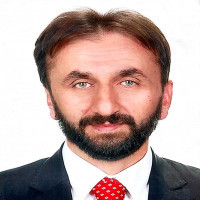

Lisans: Yüzüncü Yıl Üniversitesi, İlahiyat Fakültesi.
Yüksek Lisans: Yüzüncü Yıl Üniversitesi, Sosyal Bilimler Enstitüsü, Temel İslam Bilimleri/Kelâm. Tez: Gazzali'nin Nübüvvet Anlayışı.
Doktora: Ankara Üniversitesi, Sosyal Bilimler Enstitüsü, Felsefe ve Din Bilimleri/İslam Felsefesi. Tez: İbn Sînâ'nın Tabiat Felsefesinde Hareket.
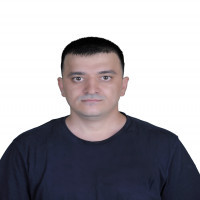
2012’de Dicle Üniversitesi İlahiyat Fakültesi’nden mezun olduktan sonra 2014’te Marmara Üniversitesi İlahiyat Fakültesi’nde “Kemalpaşazâde’nin Zihnî Varlık Risâlesi: Tahkik ve Değerlendirme” başlığıyla yüksek lisansını, 2020’de ise “Cüveynî’de Tanım Teorisi” başlığıyla doktorasını tamamladı.
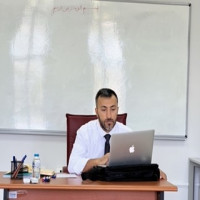
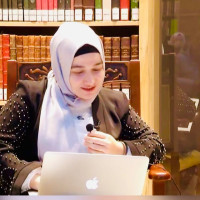
PhD/DPhil 24'', Marmara University, Faculty of Theology, Istanbul/TÜRKİYE
MA/MTheol 17'', Ankara University, Faculty of Theology, Ankara/TÜRKİYE
BA 13'', Hacettepe University, Faculty of Letters, Ankara/ TÜRKİYE
Hristiyanlık Tarihi, Hristiyan Teolojisi, Modern Dönem Yahudilik

1981 yılında Giresun’da dünyaya geldi. 2005 yılında Marmara Üniversitesi İlahiyat Fakültesi’nden mezun oldu. 2011 yılında “Ebûbekir Zekeriyâ Râzî’nin Metafiziği” adlı teziyle Marmara Üniversitesi Sosyal Bilimler Enstitüsü Felsefe ve Din Bilimleri Anabilim Dalı İslam Felsefesi Bilim Dalı’nda yüksek lisansını; 2017 yılında ise aynı Enstitünün Felsefe ve Din Bilimleri Anabilim Dalı’nda “Fahreddîn er-Râzî’nin el-Mantıku’l-Kebîr’inin Tahkik ve İncelemesi” adlı tezle Mantık alanında doktora eğitimini tamamlamıştır. 2004 yılından itibaren çeşitli kamu kuruluşlarında çalıştıktan sonra 2011 yılında Erzincan Üniversitesi İlahiyat Fakültesi Mantık Anabilim Dalı’na Araştırma görevlisi olarak atanmış olup 2018'de Dr. Öğretim Üyesi, 2022 yılında da Doçent olarak atanmıştır. Halen Gümüşhane Üniversitesi İlahiyat Fakültesi Mantık Anabilim Dalında Doçent olarak görev yapmaktadır. Çalışma alanları; mantık, metafizik ve metodoloji ayrıca felsefi meseleler üzerine popüler yayınları vardır.
Gazete yazıları, Tv programları, şiirleri ve youtube yayınları bulunmaktadır.
Evli ve dört çocuk babasıdır.
Alan Editörleri (İngilizce)
PhD/DPhil 24'', Marmara University, Faculty of Theology, Istanbul/TÜRKİYE
MA/MTheol 17'', Ankara University, Faculty of Theology, Ankara/TÜRKİYE
BA 13'', Hacettepe University, Faculty of Letters, Ankara/ TÜRKİYE
Alan Editörleri (Arapça)
Yazım ve Dil Editörleri
Danışma Kurulu
Trabzon Üniversitesi İlahiyat Fakültesi İslam Mezhepleri Tarihi Anabilim Dalı Öğretim Üyesi.
1971’de Çaykara’da doğdu. İlköğrenimini Çaykara, orta öğrenimini Trabzon’da tamamladı. 1995’te Ankara Üniversitesi İlahiyat Fakültesi'nden mezun oldu. Yüksek Lisans ve doktora öğrenimlerini Ankara Üniversitesi Sosyal Bilimler Enstitüsü'nde tamamladı. 2000 yılında Hitit Üniversitesi İlahiyat Fakültesi Temel İslam Bilimleri Bölümü İslam Mezhepleri Tarihi Anabilim Dalı'na Araştırma Görevlisi olarak atandı. Aynı üniversitede 2025 yılına kadar doçent ve profesör olarak çalıştı. Şu an aynı alanda Trabzon Üniversitesi İlahiyat Fakültesi öğretim üyesi olarak çalışmalarına devam etmektedir. İslam Mezhepleri Tarihi, Şiilik, Osmanlı ve İran’da Mezhep, Sünni-Şii İlişkileri, Mehdilik vb. konularda kitap ve makaleleri bulunmaktadır. Arapça, Farsça ve İngilizce bilmektedir.
PhD, Eötvös Lorand Üniversitesi, Asur Tarihi Anabilim Dalı, 2025
Doktor, Ankara Üniversitesi, Dinler Tarihi Anabilim Dalı, 2023
Yüksek Lisans, Artuklu Üniversitesi, Süryani Dili ve Kültürü Anabilim Dalı, 2017
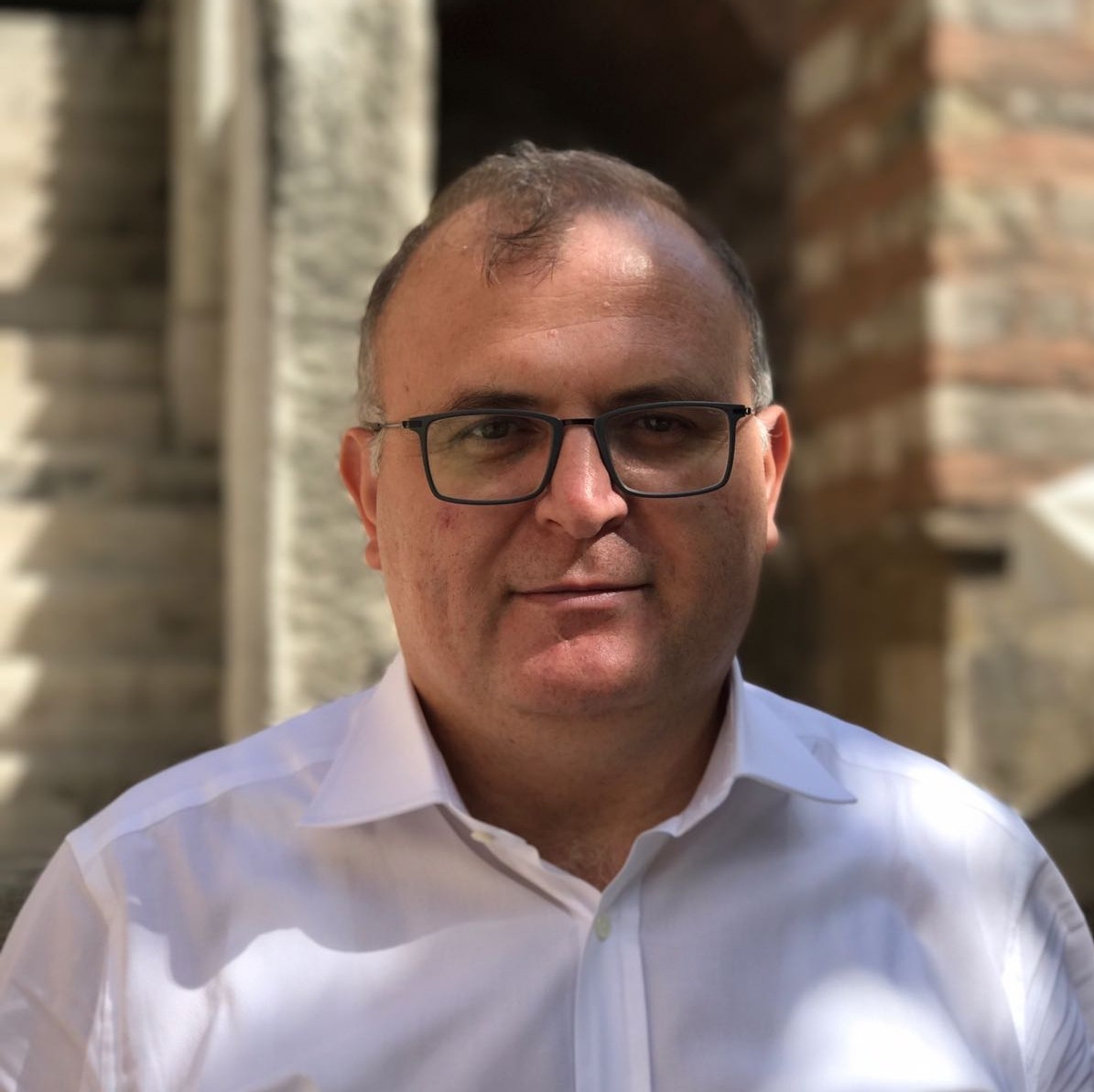
PROF. DR. FERRUH ÖZPİLAVCI
ÖZGEÇMİŞ
1974 yılında Kırşehir’de doğdu. İlk ve orta öğrenimini Sakarya’da tamamladı. 1992 yılında Adapazarı İHL’den, 1997 yılında Marmara Üniversitesi İlahiyat Fakültesi’nden mezun oldu. 2000 yılında Marmara Üniversitesi, Sosyal Bilimler Enstitüsü, Felsefe ve Din Bilimleri Bölümü’nde “Ebü’l-Berekât el-Bağdâdî’nin Nefs Teorisi” isimli yüksek lisans çalışmasını, 2008 yılında da “Ebü’l-Berekât el-Bağdâdî’de Tabiat Felsefesi” isimli doktora tezini tamamladı.
1999-2008 yılları arasında Marmara Üniversitesi Sosyal Bilimler Enstitüsü’nde Araştırma Görevlisi olarak; 2008-2009 yılları arasında M.Ü. İlahiyat Fakültesi Mantık Anabilim Dalında Araştırma Görevlisi; 2009-2011 yılları arasında ise Öğretim Görevlisi olarak çalıştı.
Marmara Üniversitesi İlahiyat Fakültesi Mantık Anabilim Dalına 2011 yılında yardımcı doçent; 2017 yılında doçent; 2022 yılında profesör olarak atanan Ferruh Özpilavcı, halen aynı anabilim dalında profesör olarak öğretim üyeliği görevine devam etmektedir.
2004 yılında kuruluşundan 2010 yılına kadar, tefekkür hayatımızın vaz geçilmezi olan temel metinleri günümüz okuruyla buluşturmayı hedefleyen Litera Yayıncılık’ta, yayınevinin kurucusu ve sahibi Muhittin Macit Bey ile birlikte klasik ve modern felsefe, İslam felsefesi, tasavvuf, ahlak, kelam, fıkıh, edebiyat, mimari, psikoterapi vb. türlerde pek çok telif ve tercüme eserlerin yayınlanmasında aktif rol aldı.
Türkiye Yazma Eserler Kurumu Başkanlığı’nın 2010 yılında kuruluşundan itibaren 2023 yılına kadar Çeviri ve Yayım Dairesi Başkanlığı vazifesini de yürüten Ferruh Özpilavcı, “1001 Eser Projesi” kapsamında yazma eser klasiklerimizden yüzlerce eserin çeviri, çeviri yazı, eleştirmeli metin, tıpkıbasım vb. şekillerde yayımlanması faaliyetlerini koordine etti.
18 Nisan 2023 tarihi itibariyle Türkiye Yazma Eserler Kurumu Başkanlığı vazifesini kurucu başkan Prof. Dr. Muhittin Macit Beyden devralıp vekaleten başkan olarak atandı. Kurum başkanlığını 15 Ağustos 2024 yılına kadar sürdürdü. Halen Marmara Üniversitesi İlahiyat Fakültesini mantık anabilim dalı başkanı (17.12.2024) olarak akademik faaliyetlerini sürdürmektedir.
Evli ve üç çocuk babası olan Prof. Dr. Ferruh Özpilavcı’nın bilimsel yayım ve faaliyetleri şunlardır:
Kitap, Kitap Bölümü ve Çeviri:
1. Seyyid Şerif Cürcani ve diğerleri. (Nureddin Muhammed b. Şerîf Cürcânî, Mehmed Hâlis Efendi), Mantık Risaleleri (Risâle-i Suğrâ - Risâle-i Kübrâ - Dürre fi’l-Mantık - Velediyye - Gurre fi’l-Mantık - Mîzânü’l-Ezhân), (Arapça, Farsça, Osmanlıca), Çeviri - Çeviri Yazı - Eleştirmeli Metin, İnceleme, Tıpkıbasım: Ferruh Özpilavcı, Mustafa Özbakır, Türkiye Yazma Eserler Kurumu Başkanlığı Yayınları, İstanbul 2024, ISBN: 978-975-17-5794-4; 348 s.
2. Molla Hüsrev, Tercemetü Esâsi’l-İktibâs fi’l-Mantık li Nasîruddin et-Tûsî, Tahkîk, Takdim ve Dirâse, Dâru Fâris, Kuveyt 2023, 2 cilt, 1115 s.
3. “Dil ve Mantık İlişkisi”, İslam Felsefesinde Temel Problemler içinde kitap bölümü; ed. Ahmet Çapku, Fatma Zehra Pattabanoğlu, Kayıhan Yayınları, İstanbul 2023; ISBN: 9786257444859; s. 135-166.
4. “Son Osmanlı Îsâgūcî Şarihlerinden Hasîrîzâde Elif Efendi’nin ‘el-Mebde’ İsimli Îsâgūcî Şerhi”, Kitap Bölümü İnceleme ve Eleştirmeli Metin Neşri, Osmanlı’da İlm-i Mantık ve Münazara, İsar Yayınları, İstanbul 2022, ISBN:9786059276405, s. 13-53.
5. “The Manuscripts of Avicenna’s Works on Logic That Reserved in the Library of the Manuscript Institution of Turkey”, The Cultural Legacy of Uzbekistan: Abu Ali Ibn Sina’s Manuscripts in the Libraries of Turkey, Tashkent: The World Society for the Study, Preservation and Popularization of the Cultural Legacy of Uzbekistan, 2021, ISBN:9789943749917, s. 61-105.
6. İbn Sînâ, Poetika; Kitâbu’ş-Şifa-Şiir, Arapça Metin Neşri ve Çeviri, Litera Yayıncılık, İstanbul 2020. ISBN: 978-6052023693, 263 s.
7. Fârâbî’nin Önerme Anlayışı, Litera Yayıncılık, İstanbul 2018. ISBN: 978-6059925525; 352 s.
8. Ebherî, Îsâgûcî ve Şerhi; Eleştirmeli Metin, Çeviri ve Şerh; Litera Yayıncılık, İstanbul 2018; 2. Baskı 2018; 3. Baskı 2019., 4. Baskı 2020; 5. Baskı 2021; ISBN: 978-6052023099; 220 s.
9. Kâtibî, Şemsiyye ve Şerhi; Eleştirmeli Metin, Çeviri ve Şerh; Litera Yayıncılık, İstanbul 2017; 2. Baskı 2020, 3. Baskı 2023; ISBN: 978-6052023181; 464 s.
10. “Aristoteles’in Mantık Külliyatı Organon’un İslam Dünyasına İntikali ve Buradaki Serüveni”, 2400. Yılında Aristoteles ve Aristoteles'in Dünya Tefekküründeki Yeri kitabı içinde bölüm, ed. Mehmet Mahfuz Söylemez, Recep Duran, Yakın Doğu Üniversitesi Yayınları, Lefkoşa 2017, ISBN: 978-605-9415-20-0, s. 19-93.
11. Fârâbî, Şerhu’l-İbâre Peri Hermeneias Büyük Şerhi, Eleştirmeli Metin Neşri ve Çeviri: Ferruh Özpilavcı, Litera Yayıncılık, İstanbul 2015; 584 s.
12. Ebü’l-Berekât el-Bağdâdî’de Tabiat Felsefesi, Litera Yayıncılık, İstanbul 2011; 290 s.
13. İbn Sînâ, eş-Şifâ, Fizik I, Arapça Metin Neşri ve Çeviri: Muhittin Macit, Ferruh Özpilavcı, Litera Yayıncılık, İstanbul 2004; 456 s.
14. İbn Sînâ, eş-Şifâ, Fizik II, Arapça Metin Neşri ve Çeviri: Muhittin Macit, Ferruh Özpilavcı, Litera Yayıncılık, İstanbul 2005; 416 s.
15. John R. Searle, Toplumsal Gerçekliğin İnşası, İngilizce Çeviri: Muhittin Macit, Ferruh Özpilavcı, Litera Yayıncılık, İstanbul 2005; 287 s.
16. Robert L. Leahy, Bilişsel Terapi ve Uygulamaları, İngilizce çeviri, Muhittin Macit, Hasan Hacak, Ferruh Özpilavcı, Litera Yayıncılık, İstanbul, 2004; 496 s.
Makale ve Ansiklopedi Maddeleri:
1- “İsaguci”, İslam Düşünce Atlası, Konya Büyükşehir Belediyesi Kültür A.Ş., Güncellenmiş Yeni Baskı, 2022, s. 1133.
2- “Şemsiyye”, İslam Düşünce Atlası, Konya Büyükşehir Belediyesi Kültür A.Ş., Güncellenmiş Yeni Baskı, 2022, s. 1133.
3- “Tasavvur”, Sosyal Bilimler Ansiklopedisi, Ankara: Tübitak Bilim Yayınları, 2021, c. 4, s. 239-240. ISBN: 9786053124313
4- “İbn Sînâ Felsefesinde Şiir-Poetika ve Tragedya” (Poetry-Poetics and Tragedy in the Philosophy of Avicenna)”, Marmara Üniversitesi İlâhiyat Fakültesi Dergisi • Cilt-Sayı 61 • Aralık 2021 • ISSN 1302-4973 • s. 1-26. DOI: 10.15370/maruifd.1035954.
5- “Fatih Sultan Mehmed’in Emriyle Molla Hüsrev Tarafından Arapçaya Çevrilen Esâsü’l-İktibâs fi’l-Mantık Tercümesi Üzerine Bir İnceleme” (An Investigation on the Translation of Asâs al-Iqtibâs fi'l-Mantık, which was translated into Arabic by Mullā Ḫüsrev by the Order of Mehmed II the Conqueror); Yakın Doğu Üniversitesi İslam Tetkikleri Merkezi Dergisi, Yıl 7, Cilt 7, Sayı 1, 2021 (3-56) 3.
6- “Mantıkçı Yönüyle Fârâbî”, Türksoy Uluslararası Türk Kültürü Teşkilatı Türk Dünyası Kültür ve Sanat Dergisi, Özel Sayı 62, İnsanlığın “İkinci Öğretmeni” Fârâbî, Doğumunun 1150. Yıldönümüne İthafen, 2020, s. 62-70.
7- “er-Risâletü’s-Semsiyye’nin, Müellifi Necmeddin Kâtibî Tarafından Yapılan İlk Şerhi: Şerhu’l-mevâzi‘i’l-müşkile mine’r-Risâleti’s-Şemsiyye fî’l-kavâ‘idi’l-mantıkiyye’nin İnceleme ve Tahkiki”, Ferruh Özpilavcı, Abdullah Öztop, Tahkik İslami İlimler Araştırma ve Neşir Dergisi; Aralık 2019, cilt 2; sayı 2, s. 1-114.
8- “Dâvûd b. Muhammed el-Karsî el-Hanefî’nin Şerhu Îsâgûcî isimli Mantık Eserinin İnceleme, Değerlendirme ve Eleştirmeli Metin Neşri”, Cumhuriyet İlahiyat Dergisi, Yıl 2017, Cilt 21, sayı: 3, s. 2009-2068.
9- “Klasik Mantık metinleri Bağlamında Muhammed b. Yusuf es-Senûsî’nin Muhtasaru’l-Mantık İsimli Eseri”, İslâmî İlimler Dergisi, 10 (2), 2015, s. 7-23.
10- “Muhammed b. Yusuf es-Senûsî’nin Kavram ve Tanıma Yaklaşımı”, Usûl İslâmî Araştırmalar, 24 (24), 2015, s. 131-166.
11- “Bir Kıbrıslı Müderris Davud-ı Karsî’nin ‘el-Îsâgûcî el-Cedîd ve’d-Durri’l-Ferîd’ İsimli Risâlesi, İbrahim Çapak, Ferruh Özpilavcı, Yakın Doğu Üniversitesi İslam Tetkikleri Merkezi Dergisi, 1(2), 2015, s. 7-29.
12- “Mantık ve Dinî İlimler: Kelam, Fıkıh, Tefsir, Hadis, Tasavvuf, Arap Dili”, Mantık Araştırmaları I, SDÜ İlahiyat Fakültesi Yayınları, Isparta 2013, s. 40-91.
13- “Muhammed b. Ahmed el-Harizmî’nin Ansiklopedisi Mefâtîhu’l-Ulûm’un Mantık Kısmı”, Nicholas Rescher, İslam Mantık Tarihi Üzerine Araştırmalar, içinde, çeviren Ferruh Özpilavcı, Kayseri-2013.
14- “Gazzâlî’nin Mantık İlmini Meşrulaştırmasının Mantık Tarihi Açısından Değerlendirilmesi”, İslâmî İlimler Dergisi, Yıl 7, Cilt 7, sayı 13, 2012, s. 185-198.
15- “Nedensellik Bağlamında Ebü’l-Berekât el-Bağdâdî’nin Meşşâî Gelenek İçindeki Yeri”, Dinbilimleri Akademik Araştırma Dergisi, Ocak-Nisan/Cilt 10, Sayı 1, 2010, s. 53-78.
16- “Akıl Risaleleri Geleneği ve Bu Gelenek İçinde Ebü’l-Berekât el-Bağdâdî’nin Akıl Risalesi”, İslâmî İlimler Dergisi, Mantık Özel Sayısı, Cilt 5, Yıl 5, Sayı 2, Güz 2010, s. 75-106.
17- Ebü’l-Berekât el-Bağdâdî, Sahîhu Edilleti’n-Nakl Fî Mâhiyyeti’l-Akl, Akıl Risalesi, Çeviri, Ferruh Özpilavcı, İslâmî İlimler Dergisi, Mantık Özel Sayısı, Cilt 5, Yıl 5, Sayı 2, Güz 2010, s. 247-261.
18- “Ebü’l-Ferec İbnü’t-Tayyab’in Eisagoge Şerhi”, Sakarya Üniversitesi İlahiyat Fakültesi Dergisi, 19/2009, Haziran 2009, s. 105-149.
Sempozyum-Tebliğler:
1- “Avicenna's Logical Works in the Libraries of Istanbul", The International Congress”, The Heritage Of Uzbekistan: Interaction Of Civilizations And Renaissances, 12-17 Eylül 2021; Taşkent-Özbekistan.
2- “Son Osmanlı Îsâgūcî Şarihlerinden Hasîrîzâde Elif Efendi’nin el-Mebde’ İsimli Îsâgūcî Şerhi”, Osmanlı’da İlm-i Mantık ve Münazara Sempozyumu, İstanbul, 17-18 Aralık 2021.
3- “Aristoteles Şerh Geleneği ve Bir Şarih Filozof Olarak Farabi”, 4. Uluslararası Avrasya Çalışmaları Sempozyumu, “İslam’ın Altın Çağında İlimlerin Gelişmesine Katkı Yapan Bilim Öncüleri” 2020 UNESCO El Farabi Yılı Anısına; 21-23 Ekim 2020, İstanbul-Türkiye.
4- “Molla Halil Es-Siirdî’nin Risâle fi İlmi’l-Mantık İsimli Eserinin Îsâgûcî ve Şemsiyye Risaleleriyle Karşılaştırmalı Değerlendirmesi”, Uluslararası Molla Halil es-Siirdî Sempozyumu, Uluslararası Sempozyum, Siirt, 05-06 Mayıs 2018.
5- “Dâvûd-i Karsî’nin Şerhu Îsâgûcî İsimli Mantık Eseri”, Uluslararası Dâvûd-i Karsî Sempozyumu, Kafkas Üniversitesi İlahiyat Fakültesi, Kars, 11-14 Mayıs 2017.
6- “İslam Dünyasında Aristoteles’in Mantık Külliyatı”, 2400. Yılında Aristoteles ve Aristoteles’in Dünya Tefekküründeki Yeri Sempozyumu, Yakın Doğu Üniversitesi İlahiyat Fakültesi, Lefkoşe-Kıbrıs, 11-12 Kasım 2016.
7- “Atpazarî Kutub Osman Fazlı Efendi’nin İlim ve Bilgi Anlayışı”, Osmanlı Döneminde Kıbrıs, Uluslararası Sempozyum, Lefkoşe-Kıbrıs, 09-11 Ekim 2015.
8- “Gazzâlî’nin Mantık İlmini Meşrûlaştırmasının Mantık Tarihi Açısından Değerlendirilmesi”, 900. Vefat Yılında Uluslararası Gazzalî Sempozyumu, 7-8-9 Ekim 2011, İstanbul: Bağlarbaşı Kültür Merkezi.
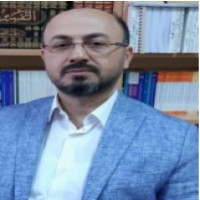
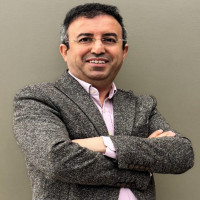
Serdar Kurnaz is Professor of Islamic Law in Past and Present. He studied Islamic Religion, Jewish-Christian Religious Studies and Education at Goethe University in Frankfurt am Main, where he also completed his doctorate in Islamic Studies on Islamic Legal Theory. Kurnaz was Director at the Swiss Center for Islam and Society at the University of Fribourg (Switzerland) from 2015 to 2016 and was Junior Professor for Islamic Theology at the Academy of World Religions at the University of Hamburg from 2016 to 2019. He completed the process of Habilitation at German Universities at the Erlangen-Nuremberg University in Islamic-religious Studies by analyzing Ibn Rushd's (d. 595/1198) legal philosophy and hermeneutics.

Prof. Dr. Enver ARPA lisans (1988) derecesini Ankara Üniversitesinden, yüksek lisans (1994) derecesini Ürdün Üniversitesinden almış, doktora derecesini (2001) Ankara Üniversitesinde tamamlamıştır. Akademik hayatından önce farklı kamu kurumlarında yurt içi ve yurt dışı idari görevlerde bulunan Enver ARPA Ankara Sosyal Bilimler Üniversitesine 2017 yılı Ağustos ayında katılmıştır. Yurt dışı görevleri, TİKA Ortadoğu ve Afrika Dairesi Başkanlığı ve Diyanet İşleri Başkanlığı dış ilişkiler müşavirliği gibi görevleri süresince uluslararası tecrübe edindi ve bu tecrübesini yazarak okuyucuya aktardı. “Afrika Satrancında Sudan” “Afrika Seyahatnamesi”, “Hayata Dair – Sanal Dünya Yorumları” gibi kitaplarının yanısıra İslam Dünyası ve Afrika kıtasıyla ilgili çeşitli çalışmalarda bulundu.
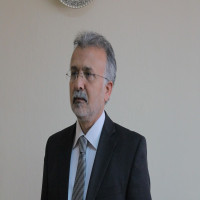
1960’ta Malatya’da doğdu. İlk ve ortaöğretimini Gaziantep ve Mardin’de yaptı. 1984’te Ankara Üniversitesi İlahiyat fakültesinden mezun oldu. Lisansüstü eğitimini Durham Üniversitesi School of Oriental Studies (MA Research) ve Manchester Üniversitesi Department of Middle Eastern Studies’te (PhD) yaptı. Doktorasını 1991’de tamamladı. 1995’te Dinler Tarihi Doçenti oldu. 2003’te İstanbul Üniversitesi İlahiyat Fakültesine Dinler Tarihi Profesörü olarak atandı. Aynı fakültede 2009-2012 yılları arasında Dekanlık yaptı. 2012'de Türkiye Bilimler Akademisi (TÜBA) asıl üyesi olarak seçildi. 2012-2015 yılları arası Makedonya, Üsküp'teki International Balkan University'de Rektör olarak görev yaptı. Halen İstanbul Üniversitesi İlahiyat Fakültesi Dinler Tarihi anabilim dalı öğretim üyesi olan Şinasi Gündüz’ün, Gnostik dinler, heterodoksal akımlar, Hıristiyanlık, küreselleşme ve din ilişkisi, karşılaştırmalı dinler ve dinler arası ilişkiler gibi alanlarda yaptığı birçok çalışması yurtiçi ve yurtdışında yayımlandı; eserleri çeşitli dillere çevrildi
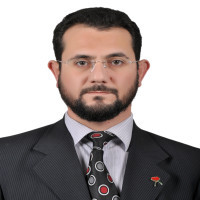
Mizanpaj Editörü
Siyer, siyer yazıcılığı, meğazi, Endülüs, Kültür Tarihi, Biyografi
Sosyal Medya Editörü
Etik Editörü
Siyer, siyer yazıcılığı, meğazi, Endülüs, Kültür Tarihi, Biyografi

Journal of Islamic Sciences is licensed under a Creative Commons Attribution-NonCommercial 4.0 International License (CC BY NC).