Volume: 10 Issue: 1 , 3/15/25

Year: 2025

Review

Research Article

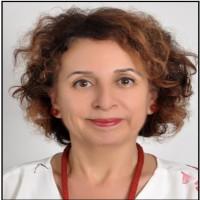
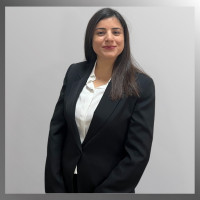
Apollinaria Avrutina
Prof. Dr. Apollinaria AVRUTİNA Saint Petersburg University Faculty of Asian and African Studies Web

2002 yılında St. Petersburg Devlet Üniversitesi Doğu Araştırmaları Fakültesi Türk Filolojisi Bölümü'nden mezun oldu. 2000-2006 yılları arasında St. Petersburg Devlet Üniversitesi'nin Filoloji ve Doğu fakülteleri öğrencilerine Türkçe öğretti[1]. 2007-2008'de Columbia Üniversitesi Doğu Kültürleri Enstitüsü'nde (MEALAC) Türk edebiyatı okudu ve aynı zamanda Columbia Üniversitesi Sürekli Eğitim Okulu'nda okudu.

Bilimsel faaliyetlerinin yanı sıra Türkçeden edebiyat çevirmenliği yapmaktadır. Türk edebiyatının Rusçaya çevrilen eserleri arasında Orhan Pamuk, Nazım Hikmet, Sabahattin Ali, Bilge Karasu, Ahmed Tanpınar, Zülfü Livaneli gibi önemli çağdaş yazarların romanları yer alıyor. Türk kültür ve edebiyatının Rusya'da yaygınlaştırılmasının yanı sıra Rus yazarların Türkiye'de tanıtılmasıyla da uğraşmaktadır. 2008'den bu yana Rus, Türk ve Amerikan edebiyat dergileriyle eleştirmen ve edebiyat eleştirmeni olarak işbirliği yapıyor ve edebiyat ödülleri jürisinin çalışmalarına katılıyor. A. Avilov'un yönettiği “Orhan Pamuk'un Kayıp Şehri” belgesel filminin senaryosunun ortak yazarı (TV Kanalı “Kültür”, 2012). St. Petersburg Yazarlar Birliği üyesi. “Ak Torna” uluslararası Türk şiiri çevirileri yarışmasının ödülü sahibi (2012). Orhan Pamuk'un Garip Düşüncelerim (2016) adlı romanının çevirisiyle Yabancı Edebiyat kategorisinde Yasnaya Polyana Ödülü'nü kazandı.

Verilen dersler:

Türkçe
Genel çeviri teorisine giriş (Asya ve Afrika dillerine dayanarak)
dil felsefesi
modern dilbilimin temel sorunları
Türk edebiyat tarihi
Müslüman edebiyatlarının tarihi ve teorisi
Orta Asya Edebiyatları Tarihi
Edebi bir anıt olarak Kur'an
Türkçenin işlevsel sözdizimi (Türkçe)

Modern Turkic Languages and Literatures (Other), Translation Studies, Phonetics and Speech Science, Modern Turkish Literature in Turkiye Field, Turkish Education
Default avatar
Prof. Dr. Arif SARIÇOBAN UFUK ÜNİVERSİTESİ

Prof. Dr. Arif Sarıçoban is a senior lecturer at Selçuk University in Turkey. Prof. Sarıçoban
holds his B.A. Degree in English Language Teaching (ELT) at 19 Mayıs University in 1986,
M.A in Teaching English as a Foreign Language (TEFL) at Bilkent University in 1989, and his
PhD in English Language Teaching (ELT) at Çukurova University in 1994. He started his
academic career as a research assistant in the department of English Language and
Literature at Yüzüncü Yıl University in 1987. Upon completion of his M.A. study, he was
appointed to the ELL Department at Gaziantep University where he worked as a research
assistant from 1990 to 1994 and as an assistant professor of ELL from1994 to 1997. Then,
he was appointed as an assistant professor of ELT at Hacettepe University in 1997. He was
awarded his associate professorship by the Board of Interuniversitary (UAK) in 2008. He has
been working as a professor of English Linguistics for 6 years at Selçuk University.
Prof. Sarıçoban has authored and edited many books in his field of study. He has published
numerous articles in the prestigious journals indexed in SSCI, AHCI, ERIC, SCOPUS, and
many others. He was invited as a Keynote Speaker to many international conferences,
seminars, congresses and also contributed as an oral presenter in many of these sorts of
events both nationally and internationally. During the pandemic days he was invited to make
speeches in many on-line webinars by different universities in our country.
Prof. Sarıçoban established the Association of English Language Teacher Educators
(AELTE) in Turkey in March 2021 and unanimously appointed as the President of this
association by the members of board. He has been organizing seminars, webinars, and
international conferences within this association. He also welcomes new members.
He is professionally interested in teacher training, teaching English as a second and/or
foreign language, bi/multilingualism, language use and attitudes, language learning,
language acquisition, language and identity, materials development in EFL/ESL, testing and
assessment, classroom management in language learning and teaching, and translation
techniques.

Linguistics, Education
Default avatar
Prof. Dr. Bilge BAĞCI AYRANCI AYDIN ADNAN MENDERES ÜNİVERSİTESİ
Turkish Education

Gokkurt Ozdemir (PhD) graduated from Karadeniz Technical University Fatih Faculty of Education Secondary Education Mathematics Fields Education Mathematics Teaching program in 2007 with a non-thesis master's degree. She completed his integrated doctoral education between 2010 and 2014 at Atatürk University, Institute of Educational Sciences, Department of Primary Education, Department of Mathematics Education. She worked as a research assistant at Atatürk University Kazim Karabekir Faculty of Education between 2011 and 2015. Gokkurt Ozdemir (PhD) was appointed as a faculty member at Bartin University, Department of Mathematics and Science Education, Division of Mathematics Education in 2015. Gokkurt Ozdemir (PhD) receiving the title of associate professor in 2018, her research areas include technology-supported mathematics teaching, geometry teaching, pedagogical content knowledge, mind and intelligence games, problem solving, problem posing and misconceptions. The studies she has and is being carried out are related to Goal 4: Quality Education of the United Nations 2030 Sustainable Development Goals. 

Mathematics Education
Fatma Kırmızı
Prof. Dr. Fatma KIRMIZI PAMUKKALE UNIVERSITY

-

Applied Linguistics and Educational Linguistics, Classroom Education, Other Fields of Education (Other), Creative Drama Education
Firdevs Güneş
Prof. Dr. Firdevs GÜNEŞ It is not affiliated with an institution
Primary Education, Turkish Education
Gülden Tüm
Prof. Dr. Gülden TÜM ÇUKUROVA ÜNİVERSİTESİ Web

She graduated from Çukurova University, Faculty of Education, Department of English Language Teaching. At the same university, she completed her undergraduate and post graduate (Master of Art and PH.D. degrees) in English as a foreign language. She completed her associate professorship in Turkish Education. on teaching as a foreign language. Teaching Turkish as a foreign language between 1988-1992 She volunteered at the Family Support Center at the Incirlik American base and at the University of Maryland. She started giving Turkish lessons. In the same years, she gave Turkish lessons to diplomats. In 2004 Çukurova University is one of the five centers teaching Turkish within the scope of Erasmus in Turkey. She took part in the team. Between 2004-2006, she passed the Turkish teaching exam of the Ministry of National Education abroad and worked as Turkish Language Instructor in Belarus and gave Turkish courses at Minsk State University of Foreign Languages and Belarus State University of Economics. She gave seminars on culture. 2012 In the USA within the scope of YÖK Faculty Member Development Program, she gave Turkish lessons at Portland State University, University of Pennsylvania, shared her draft book of Reading Skills in Turkish language at Columbia University, New York University, Yale University and Princeton University, she observed and taught Turkish courses. She shared her book with the Turkish language instructors in the US. Between 2014-2022, she worked at Yunus Emre Institute, Gazi University, Mersin University, Adıyaman University, Istanbul Aydın University, Sakarya University, Dicle University, İstanbul Medeniyet University, and Hitit University to give lectures for Sertificate Programs. For many years, she taught undergraduate and graduate courses in the field of teaching Turkish as a foreign language. She has nearly one hundred and forty publications and 4 books published in the field of foreign language teaching. She is an editor in the high ranked journals. She has been the member of American Turkish Teachers Association (AATT) in the US. She is a member of the organizing committee of the Limitless Education and Research Symposium. She has been guest speaker at the Ministry of National Education and Limitless Education and Research Symposium.

British and Irish Language, Literature and Culture, Education, Turkish Education
Default avatar
Prof. Dr. Hasan ÖZGÜR Trakya Üniversitesi Eğitim Fakültesi BÖTE Bölümü
Information Systems Education, Artificial Reality, Education
Default avatar
Prof. Dr. Ismail MİRİCİ HACETTEPE UNIVERSITY
Education
Default avatar
Prof. Dr. İlknur SAVAŞKAN BURSA ULUDAĞ ÜNİVERSİTESİ Web
Applied Linguistics and Educational Linguistics, Linguistics, Education
Default avatar
Prof. Dr. Nevin AKKAYA Dokuz Eylül Üniversitesi
Children's Literature, Education, Turkish and Social Sciences Education, Turkish Education
Default avatar
Prof. Dr. Nurettin ŞAHİN MUGLA SITKI KOCMAN UNIVERSITY FACULTY OF EDUCATION
Biological Sciences, Bacteriology, Biology Education, Science Education
Default avatar
Prof. Dr. Özlem BAŞ Hacettepe Üniversitesi
Education, Primary Education
Sabri Sidekli
Prof. Dr. Sabri SİDEKLİ Muğla Sıtkı Koçman Üniversitesi
Education, Classroom Education, Primary Education
Default avatar
Prof. Dr. Yalçın BAY It is not affiliated with an institution
Education

Prof. Dr. Yuu KURIBAYASHI, Okayama University, JAPAN

Prof. Dr. Yuu KURIBAYASHI, Okayama Üniversitesi, Edebiyat Fakültesi Dilbilim Bölümünde profesör olarak görev yapmaktadır. 1984 yılında Okayama Üniversitesi Edebiyat Fakültesinin Dilbilim Bölümündan mezun oldu. 1988-1990 yılında Japon Hükümetin burslu öğrencisi olarak Marmara Üniversitesi ve Boğaziçi Üniversitesinde misafir araştırmacı olarak kabul edilmiştir. Kobe Üniversitesinden Doktora programı tamamlamış Prof. Dr. Yuu KURIBAYASHI, 1992’den bu yana Okayama Üniversitesinin Dilbilim Bölümünde çalışmaktadır. Türkçe giriş, Türklerin dilleri ve kültürleri, Yabancı dili ile Japonca’nın karşılaştırması gibi değişik dersleri vermektedir. 2008-2009 yılında ziyaretçi araştırmacı olarak İsveç Uppsala Üniversitesinde araştırma yapmıştır. Alanında uluslararası düzeyde çok sayıda araştırma ve makalesi vardır. Monografi kitapları ise ‘Güney-batı grubundaki Türk dillerin yapısı ve açıklaması’ ve ‘Türkçe, Türk Dilleri araştırmaları ve Japonca ile karşılaştırması’dır.

South-West (Oghuz) Turkic Dialects and Literatures, Comparative Language Studies, Linguistic Performance Science, Linguistic Structures (Incl. Phonology, Morphology and Syntax), Linguistic Contrastif, Japanese Language, Literature and Culture
Default avatar
Prof. Dr. Christina FREİ University of Pennsylvania

Vilnius’ta dünyaya gelir. Araştırmacı, Türkolog, Tercüman 1988 yılında Vilnius Üniversitesi’nden mezun olduktan sonra Vilnius Üniversitesi Filoloji Fakültesi Slav Bölümü Litvanya Tatarları Bilim Dalı’nda araştırma görevlisi olarak göreve başlamıştır. Litvaya Tatarlarının resmi temsilcisi olan ve 2012–2015 yılları arasında Litvanya’da “Milli Azınlık Kurulu”nun başkanlığını yürüten Vilnius Üniversitesi Filoloji bölümünde Türkoloji alanında çalışan Mişkiniene, 2001 yılında “Litvan Filoloji ve Yabancı Dil (Türkçe)” ve 2008 yılında “Asya araştırmaları ve Türkoloji” programlarının kurucusudur. “Eski Litvan Tatarlarının El Yazmaları (İnceleme–Metin–Tercüme)” adlı monografi ile beraber Litvanya Tatarları’nın Tarihi, Kültürü, Geleneği ve Dini üzerine birçok makale ve kitap yazmıştır. Orhan Pamuk ve Ayşe Kulin’nin romanlarını Litvancaya çevirerek Türk edebiyatının Litvanya’da tanınmasına katkı yapmaktadır. 

Modern Turkic Languages and Literatures (Other), Slavic Language, Literature and Culture
Default avatar
Assoc. Prof. Dr. Xhemile ABDİU It is not affiliated with an institution
Translation Studies, Turkish Language and Literature, New Turkish Language (Turkish of Old Anatolia, Ottoman, Turkiye), Turkish and Social Sciences Education
Aysun Nüket Elçi
Assoc. Prof. Aysun Nüket ELÇİ DOKUZ EYLÜL ÜNİVERSİTESİ, BUCA EĞİTİM FAKÜLTESİ, TEMEL EĞİTİM BÖLÜMÜ, SINIF EĞİTİMİ ANABİLİM DALI
Classroom Education, Mathematics Education
Default avatar
Prof. Dr. Ayşe ELİÜŞÜK BÜLBÜL SELÇUK ÜNİVERSİTESİ, EĞİTİM FAKÜLTESİ
Statistical Analysis Methods
Barış Çukurbaşı
Assoc. Prof. Dr. Barış ÇUKURBAŞI Manisa Celal Bayar Üniversitesi, Manisa Teknik Bilimler Meslek Yüksekokulu Bilgisayar Teknolojisi Bölümü Web
Information Security Management, Image Processing, Serious Games and Simulations, Virtual and Mixed Reality, Digitalization, Augmented Reality, Metaverse, Deep Learning, Artificial Reality, Education, Instructional Design, Instructional Technologies, Development of Science, Technology and Engineering Education and Programs, Educational Technology and Computing
Default avatar
Assoc. Prof. Dr. Bengü AKSU ATAÇ NEVŞEHİR HACI BEKTAŞ VELİ ÜNİVERSİTESİ
Linguistics, Education
Cüneyt Akar
Assoc. Prof. Dr. Cüneyt AKAR Uşak Üniversitesi Eğitim Fakültesi
Classroom Education
Gülenaz Selçuk
Assoc. Prof. Dr. Gülenaz SELÇUK MANİSA CELÂL BAYAR ÜNİVERSİTESİ
Education, Education Management, Education Planning, Lifelong learning, Teacher Education and Professional Development of Educators
Default avatar
Assoc. Prof. Dr. Menekşe ESKİCİ TRAKYA ÜNİVERSİTESİ
Education, Curriculum Development in Education, Curriculum Design Instructional Theories
Döndü Neslihan Bay
Prof. Dr. Döndü Neslihan BAY ESKİŞEHİR OSMANGAZİ ÜNİVERSİTESİ
Early Childhood Education
Default avatar
Prof. Dr. Oğuzhan KURU Kahramanmaraş Sütçü İmam Üniversitesi
Education
Default avatar
Assoc. Prof. Dr. Seçil KARTOPU ANKARA YILDIRIM BEYAZIT ÜNİVERSİTESİ, MİMARLIK VE GÜZEL SANATLAR FAKÜLTESİ
Visual Design, Graphic Design, Visual Communication Design (Other), Creative Arts and Writing, Fine Arts, Visual Arts (Other), Plastic Arts, Painting, Painting History

Serpil Özdemir is an Associate Professor in Turksh Education. She held a master and doctoral degree from the Dokuz Eylül University, Turkey. Her research interests include teaching Turkish as a mother tongue and foreing language, improving language skills, textbook reviews and measuring and assessing language skills.

Education, Turkish and Social Sciences Education
Education, Basic Training, Early Childhood Education, Classroom Education, Turkish and Social Sciences Education
Tanju Deveci
Assoc. Prof. Dr. Tanju DEVECİ ANTALYA BİLİM ÜNİVERSİTESİ
English As A Second Language, Applied Linguistics and Educational Linguistics, Lifelong learning, Adult Education
Burcu Çabuk
Asst. Prof. Dr. Burcu ÇABUK Ankara Üniversitesi Eğitim Bilimleri Fakültesi Temel Eğitim Bölümü Okul Öncesi Eğitimi Anabilim Dalı Web
Ankara Üniversitesi Eğitim Bilimleri Fakültesi Temel Eğitim Bölümü Okul Öncesi Eğitimi Anabilim Dalı Öğretim Üyesi
Early Childhood Education, Child Development Education
Classroom Education, Science Education
Default avatar
A A It is not affiliated with an institution
Quantum Computation
Default avatar
Prof. Dr. A.faruk LEVENT MARMARA ÜNİVERSİTESİ
Education Management
Ahmet Ünal
Asst. Prof. Dr. Ahmet ÜNAL KASTAMONU ÜNİVERSİTESİ
Science Education

Doç. Dr. Birsel Aybek, 1973 yılında Malatya'da doğdu. İlk ve orta öğrenimini Malatya'da tamam ladı. 1996'da Çukurova Üniversitesi Eğitim Programları ve Öğretim Anabilim Dalın' da lisans öğrenimini, 2000 yılında Çukurova Üniversitesi Sosyal Bilimler Enstitüsü'nde yüksek lisansını, 2006 yılında ise Çukurova Üniversitesi Sosyal Bilimler Enstitüsü'nde doktora eğitimini tamamladı. 1998 yılında Çukurova Üniversitesi Eğitim Fakültesi Eğitim Bilimleri Bölümünde öğretim görevlisi olarak göreve başlayan Aybek, halen aynı üniversitede doçent olarak görev yapmaktadır. Aynı zamanda, 2016-2020 yılları arasında Eğitim Fakültesi dekan yardımcılığı idari görevini yürütmüştür. Aybek  2022 yılından beri  Çukurova Üniversitesi Eğitim ve Öğretimden sorumlu öğrenci dekanı olarak görev yapmaktadır. Aybek, aynı zamanda Çukurova Üniversitesi Eğitim Fakültesi senato temsilci üyesidir.
Program geliştirme, disiplinlerarası öğretim, eleştirel düşünme, eğitim teknolojisi, medya-okuryazarlığı, öğrenme-öğretme süreci, öğretmen yetiştirme, eğitimde etik  gibi birçok konu üzerinde çalışmalar yapan ve lisansüstü tezleri yöneten Aybek'in yurtiçi ve yurtdışı kongrelerde sunulmuş 91 bildirisi, ulusal ve uluslararası dergilerde yayınlanmış 66 makalesi, yazılmış iki bilimsel kitabı, 2 çeviri kitabı ve 3 kitap bölümü ve kurum içi -dışı yapılmış bir çok projesi bulunmaktadır. Ayrıca akademisyenin alanıyla ilgili birçok kurum ve kuruluşlarda vermiş olduğu çok sayıda konferansı, semineri ve eğitimi bulunmaktadır. 

Education
Buket Turhan Türkkan
Assoc. Prof. Dr. Buket TURHAN TÜRKKAN ÇUKUROVA ÜNİVERSİTESİ, EĞİTİM FAKÜLTESİ, EĞİTİM BİLİMLERİ BÖLÜMÜ, EĞİTİM PROGRAMLARI VE ÖĞRETİM ANABİLİM DALI Web

Lisans eğitimini Eskişehir Osmangazi Üniversitesi Eğitim Fakültesi İlköğretim Matematik Öğretmenliği programında 2008 yılında tamamlamıştır. Yüksek lisans derecesini Anadolu Üniversitesi Eğitim Bilimleri Enstitüsü Eğitim Programları ve Öğretim bilim dalından 2011 yılında almıştır. Doktora eğitimini ise Çukurova Üniversitesi Sosyal Bilimler Enstitüsü Eğitim Programları ve Öğretim bilim dalında 2017 yılında tamamlamıştır. 2009-2012 yılları arasında Milli Eğitim Bakanlığı’nda öğretmen olarak görev yapmıştır. Akademik çalışma yaşamına 2012 yılında Çukurova Üniversitesi Eğitim Fakültesi Eğitim Programları ve Öğretim Anabilim Dalı’nda başlamıştır. 2023 yılından itibaren ise,  Çukurova Üniversitesi Eğitim Fakültesi Eğitim Programları ve Öğretim Anabilim Dalı’nda öğretim üyesi olarak görev yapmaktadır. Program geliştirme, matematik eğitimi, sosyal adalet eğitimi, kapsayıcı eğitim, hizmet öncesi öğretmen eğitimine yönelik yayınları bulunmaktadır.

Curriculum and Instration , Mathematics Education, Curriculum Development in Education
Deniz Atal
Assoc. Prof. Dr. Deniz ATAL Ankara Üniversitesi Eğitim Bilimleri Fakültesi
Instructional Design, Education, Instructional Technologies, Teacher Education and Professional Development of Educators
Duygu Gür Erdoğan
Assoc. Prof. Dr. Duygu GÜR ERDOĞAN Sakarya University, Faculty of Education, Hendek, Sakarya, Turkey Web
Education, Lifelong learning, Curriculum and Instration
Mathematics Education
Default avatar
Prof. Dr. Ezgi GÜVEN YILDIRIM GAZİ ÜNİVERSİTESİ, GAZİ EĞİTİM FAKÜLTESİ
Environmental Education and Extension
Default avatar
Dr. Fadime MENGİ US T.C. MİLLİ EĞİTİM BAKANLIĞI
Development of Environmental Education and Programs, Science Education, Out-of-School Learning, Science and Mathematics Education, Curriculum Evaluation in Education, Curriculum and Instration
Chemistry Education, STEM Education, Science Education
Default avatar
Ozan ŞENKAL ÇUKUROVA ÜNİVERSİTESİ
Surface Physics
Lifelong learning, Education, Education Management, Adult Education
Default avatar
Assoc. Prof. Dr. Sevilay YILDIZ BOLU ABANT İZZET BAYSAL ÜNİVERSİTESİ, EĞİTİM FAKÜLTESİ
Education, Curriculum and Instration
Default avatar
Prof. Dr. Turan PAKER PAMUKKALE ÜNİVERSİTESİ, EĞİTİM FAKÜLTESİ, YABANCI DİLLER EĞİTİMİ BÖLÜMÜ Web

Prof. Dr. Turan Paker was born in Çal-Denizli. He works as a Prof. Dr. in the ELT Department, Faculty of Education, Pamukkale University. He has been in the field of ELT as a teacher in MoNE schools, an instructor in Preparatory Schools, a teacher educator, a researcher in ELT Departments, a Head of ELT Department, a Director of School of Foreign Languages, a board member of the Institute of Educational Sciences, and a member of University Senate of Pamukkale University. He teaches Approaches and Methods, ELT Methodology, Teaching Language Skills, Assessment and Evaluation in ELT, Intercultural Communication, Material Adaptation and Evaluation, and Curriculum Development in undergraduate, MA and PhD programs. He has published book chapters and articles, and presented papers in International and National Symposiums as well as local, national and international seminars and webinars on TEFL, pre-and in-service teacher education, teaching practicum, and assessment and evaluation in ELT.


English As A Second Language, Applied Linguistics and Educational Linguistics
Yasemin Karsantık
Asst. Prof. Dr. Yasemin KARSANTIK TRABZON ÜNİVERSİTESİ
Curriculum Development in Education, Curriculum and Instration , Curriculum Evaluation in Education, Program Design, Teacher Education and Professional Development of Educators

Dr. Öğr. Üyesi Yeşim ALP, 2017-2024 yılları arasında Sinop Üniversitesi, Ayancık Meslek Yüksekokulu, Bilgisayar Teknolojileri Bölümünde öğretim elemanı olarak çalışmıştır. Dr. ALP 2021-2024 yılları arasında Sinop Üniversitesi, Ayancık Meslek Yüksekokulu, Bilgisayar Teknolojileri Bölümü Bölüm Başkanlığı, 2022-2024 yılları arasında Ayancık Meslek Yüksekokulu, Müdür Yardımcılığı gibi çeşitli idari görevleri yürütmüştür. Dr. ALP akademik yaşantısına 2024 yılı temmuz ayı itibari ile Kastamonu Üniversitesinde devam etmektedir.  

Akademik derecelerini Bilgisayar ve Öğretim Teknolojileri Anabilim dalında alan Dr. ALP lisans derecesini 2010-2014 yılları arasında Balıkesir Üniversitesi’nde, yüksek lisans derecesini yine aynı üniversitede 2016 yılında aldı. Dr. ALP doktora derecesini de Hacettepe Üniversitesi’nde 2021 yılında tamamlayarak “Doktor” unvanını almaya hak kazandı.


Dr. Öğr. Üyesi Yeşim ALP tasarım odaklı düşünme, yüz yüze, çevrimiçi ve harmanlanmış öğretim süreçlerinin tasarımı, animasyon, öğretmen eğitimi, vb. konularla ilgilenmekte ve bilimsel çalışmalar yürütmektedir.

Ayrıca Dr. Öğr. Üyesi Yeşim ALP önceki akademik çalışmalarını SÜRMELİOĞLU soyadı ile yapmıştır.

Instructional Design, Education
Basic Training, Education
Default avatar
Prof. Dr. İlker CIRIK MİMAR SİNAN GÜZEL SANATLAR ÜNİVERSİTESİ
Education
Default avatar
Prof. Dr. İlknur SAVAŞKAN BURSA ULUDAĞ ÜNİVERSİTESİ Web
Applied Linguistics and Educational Linguistics, Linguistics, Education

The main purpose of J-LER is to contribute to the development of the field of education. In our journal, priority is given to studies, research and articles written in Turkish and English that bringg innovations to the field of education, offer new approaches and models, and follow an original and qualified scientific method.

The aim of J-LER is;

• To produce qualified publications in the field of education at an international level,

• To disseminate scientific research and studies,

• To help the development of scientific culture through publications of high quality,

• To ensure the dissemination of new methods and techniques in education,

• To contribute to the development of the education process in preschool, primary, secondary, high school, higher education, and adult education institutions,

• To assist in the training of qualified and skillful teachers who follow innovations and developments in their profession and comply with the criteria required by contemporary science,

• To support the professional development of teachers by demonstrating the applicability of scientific research results in schools,

• To raise awareness of schools, teachers, and students about limitless education and research,

• To publish education-related studies that will contribute to the development of history, fine arts, culture, environment, and natural resources in our country.

J-LER covers all scientific studies conducted about education and research. As it is known, education is the most important force that changes and develops the world. Scientific research plays a significant role in achieving this. Research improves learning, which in turn improves education. Accordingly, our journal covers all original articles written in a wide range of fields, from early childhood education to university, from postgraduate education to vocational education, from basic education to adult education and lifelong learning, from field education to educational sciences, and from teacher education to a broad range of topics.

Dear Researchers,

Before sending your article to J-LER, carefully review the general rules, article writing rules, and templates, similarity report, ethics committee approval, and declaration form.

a. General Rules

J-LER is published as an e-journal three times a year in March, July, and November. Therefore;

1. There is no first or last date for submitting an article to our journal.

2. There is no page limit in the number of articles to be published in the journal issues.

3. Article writing rules and author declaration forms are given in the attached files. Please, fill them by reading carefully. Acquire the article similarity report. Upload all of them to the system together with the article.

4. Each submitted article is pre-screened. Studies that contain block citations, do not conform to the citation rules, are not original enough, have little contribution to the field, are not related to educational sciences and field education, and do not have ethics committee approval are rejected. The editorial board of the journal may return the articles to their authors when it deems necessary, and these studies will not be re-evaluated.

5. Completing the review process as soon as possible is among our priorities.

6. In each issue, two articles are included that are produced from oral presentations and theses, but explanatory information must be included in these studies.

7. For research conducted in all scientific fields, including social sciences, if the study involves work on clinical and experimental humans and animals, an ethics committee approval must have been taken, specified in the study, and uploaded to the system along with the article. The phrase "This article has been approved by the Ethics Committee" will be added to the study that has uploaded an Ethics Committee Approval document.

8. You can track your article through our emails. It is possible that the emails we send may fall into the spam/junk/unwanted mail folder, so please be aware of this.

9. For any communication regarding the process, you can write to editor@sead.com.tr. We will definitely contact you as soon as possible. Please do not try to communicate with use through third parties.

10. No fee is charged to initiate the peer-review process or to publish articles in our journal.

b. Article Rules and Template

Manuscripts in Turkish and English to be submitted to J-LER should be prepared according to submission guidelines. Also, authors must use the article template below.


1. Page Layout
A4 Vertical, Margins (Normal) (3 cm from 4 sides). While creating the text, top and bottom 6 pt should be selected from the paragraph text box in the word program. Line spacing should be 1.5. Use the template below for the page layout.

2. Font
Turkish and English main headings should be written in 16 points Calibri, sub-headings in Calibri 11 points, abstract, abstract and keywords in Calibri 10 points with single line spacing, the text in Calibri 11 points with 1.5 line spacing.

3. Article Sections
Research and review articles sent to the journal should include titles such as " Title, Abstract, Keywords, Introduction, Method, Results, Discussion, Conclusion and Suggestions, Bibliography and Appendices”. Details about each section are explained in the article template in Turkish and English. Read them carefully and apply them.

Makale Şablonu (Dil: Türkçe ve İngilizce)

Manuscript Template (Language: English)

a. Similarity Report

By the agreement made by the Dergipark system with Intihal.net, our journal has approved receiving the similarity report through the system. A similarity report will be prepared while the authors upload their articles to the system, and after the similarity report is prepared, the article submission steps will be completed. The resulting file will be sent to the author by e-mail by the system.

In articles submitted to J-LER, If it will be taken by the author; a similarity report must be obtained and uploaded to the relevant section of the Dergipark system according to the following rules.

1. The similarity report is prepared by the author using similarity programs such as Turnitin, iThenticate and uploaded to the relevant section of the Dergipark system along with the article.

2. When creating a similarity report, only the following settings should be used: "Exclude Bibliography" and "Exclude sources that are less than: 5 words".

The following principles apply when reviewing similarity reports:

1. Studies that have more than 15% similarity throughout the entire work or more than 3% similarity from a single source are not considered for preliminary evaluation.

2. The manuscript is returned to the author with the necessary explanations.

3. Manuscripts with a similarity rate below 15% are checked in terms of;

- Whether the source cited at the end of each quoted sentence is checked. (In some cases, a quotation consisting of 4-5 sentences is made and the source is only cited at the end of the last sentence. In such cases, the quoted expression should be placed in quotation marks and shown in italics)
- Whether the source is cited for sections where similarity is found. (In some cases, a source may not be cited even though a quotation is made)
- Whether the similarity is from the main source or a different source, (as in some cases, a quotation may be taken from a different source and referenced to the main source rather than the source)

4. Whether there are block quotations in the study, if the references to sections where similarities are found are not made, or if the similarity belongs to a source other than the main source and there is no reference to the source. In such cases, the manuscript is not evaluated.

5. The preliminary evaluation process of manuscripts that pass these reviews is completed.

6. Authors are solely responsible for any ethical violations.


b. Ethics Committee Approval

The following ethical rules are expected to be followed in articles submitted to J-LER.

For all articles, except for the compilation type, that will be submitted for publication in all journals indexed in TR DİZİN (Turkish Academic Network and Information Center's Index) in 2020 and under evaluation, as per the decisions taken by the relevant committees of TÜBİTAK ULAKBİM TR DİZİN, the authors are required to;

1. State and document on the final page and methodology section of the candidate article that ethical committee approval was obtained for research requiring data collection through methods such as scales, questionnaires, interviews, and observations (ethics committee name, decision date and number),

2. Include information in the article that informed consent was obtained and signed,

3. Present evidence in the article that ethical principles were followed in the data collection process (such as obtaining permission to use scales, questionnaires, and documents from others),

4. State in the article that research and publication ethics were followed.

To declare that the rules are complied with by the author(s), the form below must be filled out and uploaded to the system.

Ethics Committee Approval Form

c. Declaration Form

The following declaration form is filled out and uploaded to the system for articles submitted to the Journal of Limitless Education and Research.
J-LER Declaration Form

J-LER has adopted ethical rules and responsibilities in accordance with the Higher Education Institutions Scientific Research and Publication Ethics Directive, taking into account the "Actions Contrary to Scientific Research and Publication Ethics" in the Second Section. The ethical rules and responsibilities to be followed are listed below.

1.  Ethical Rules

By the agreement made by the Dergipark system with Intihal.net, our journal has approved receiving the similarity report through the system. A similarity report will be prepared while the authors upload their articles to the system, and after the similarity report is prepared, the article submission steps will be completed. The resulting file will be sent to the author by e-mail by the system.

In articles submitted to J-LER, If it will be taken by the author; a similarity report must be obtained and uploaded to the relevant section of the Dergipark system according to the following rules.

1. The similarity report is prepared by the author using similarity programs such as Turnitin, iThenticate and uploaded to the relevant section of the Dergipark system along with the article.

2. When creating a similarity report, only the following settings should be used: "Exclude Bibliography" and "Exclude sources that are less than: 5 words".

The following principles apply when reviewing similarity reports:

1. Studies that have more than 15% similarity throughout the entire work or more than 3% similarity from a single source are not considered for preliminary evaluation.

2. The manuscript is returned to the author with the necessary explanations.

3. Manuscripts with a similarity rate below 15% are checked in terms of;

- Whether the source cited at the end of each quoted sentence is checked. (In some cases, a quotation consisting of 4-5 sentences is made and the source is only cited at the end of the last sentence. In such cases, the quoted expression should be placed in quotation marks and shown in italics)
- Whether the source is cited for sections where similarity is found. (In some cases, a source may not be cited even though a quotation is made)
- Whether the similarity is from the main source or a different source, (as in some cases, a quotation may be taken from a different source and referenced to the main source rather than the source)

4. Whether there are block quotations in the study, if the references to sections where similarities are found are not made, or if the similarity belongs to a source other than the main source and there is no reference to the source. In such cases, the manuscript is not evaluated.

5. The preliminary evaluation process of manuscripts that pass these reviews is completed.

6. Authors are solely responsible for any ethical violations.

The following ethical rules are expected to be followed in articles submitted to J-LER.

For all articles, except for the compilation type, that will be submitted for publication in all journals indexed in TR DİZİN (Turkish Academic Network and Information Center's Index) in 2020 and under evaluation, as per the decisions taken by the relevant committees of TÜBİTAK ULAKBİM TR DİZİN, the authors are required to;

1. State and document on the final page and methodology section of the candidate article that ethical committee approval was obtained for research requiring data collection through methods such as scales, questionnaires, interviews, and observations (ethics committee name, decision date and number),

2. Include information in the article that informed consent was obtained and signed,

3. Present evidence in the article that ethical principles were followed in the data collection process (such as obtaining permission to use scales, questionnaires, and documents from others),

4. State in the article that research and publication ethics were followed.


2. Responsibilities

a. Author Responsibilities


Ethical rules and responsibilities that authors submitting articles to J-LER should adhere to;

1. The submitted article must be original and not contain plagiarism from other publications.

2. Citations in the article should be accurate, complete, and follow scientific rules.

3. Figures and visuals taken from others should be referenced and specified in the reference list.

4. The article should be prepared paying attention to fraud, distortion, republication, slicing, unfair authorship, and other ethical rules.

5. The contributions of institutions, organizations, and individuals supporting the research should be mentioned.

6. Permission should be obtained to use data from unpublished theses.

7. Permission should be obtained from relevant individuals and institutions to use surveys and scales.

8. Authors should obtain all necessary permissions related to the research.

9. Data and information obtained from individuals and institutions should be used to the extent allowed.

10. Journals and books not utilized or not available should not be included in the reference list.

11. The article should not have been published elsewhere or be under consideration for publication in another journal.

12. All authors should have played active roles in the study individually and taken the necessary responsibility.

13. All authors should have seen and approved the final version of the submitted article.

14. The authors’ responsibilities should not be changed, new authors should not be added, author order should not be changed, or authors should not be removed during the evaluation process.

15. Any conflicts of interest and relationships that may create a conflict of interest should be disclosed in the submitted works.

16. As double-blind peer review is applied in our journal, author information should not be written in the article file.

17. Authors should only communicate with the editor during the evaluation process.

18. Even after the evaluation process is over, authors should not directly contact the field editor and referees. Nor should they request information.

b. Editor Responsibilities

The decision-making process for the articles to be published in our journal is the responsibility of the editor. Therefore, the ethical rules and responsibilities that J-LER editors and assistants must comply with are as follows;

1. The editor must manage the necessary communication process with the authors and referees effectively.

2. The editor must conduct an initial review of the submitted work with regards to writing rules and format.

3. The editor must review the article in terms of ethical principles such as compliance with scientific rules, plagiarism report, and copyright infringement.

4. The editor must ensure that two referees are assigned to the article within the appropriate time.

5. If necessary for an objective evaluation, the article should be sent to a third referee.

6. The editor must monitor the evaluation status of the article within the prescribed time.

7. The editor must inform the author and referees in a timely manner.

8. As our journal applies double-blind peer review, the identity of the author and referees must be kept confidential.

9. The editor must make the decision to publish the article based on its originality, significance, validity, timeliness, and suitability for the journal.

10. The editor must not share the information in the article to be published with others without the author's permission.

11. The editor and assistants must not disclose information about the article to be published.

12. The editor and assistants must not use the method, form, visual, data, and materials in an unpublished article in their research without the author's permission.

13. The responsibility for the views and claims expressed in the articles belongs to the authors. They may not represent the views of the publisher and editors.

14. Any views or claims put forth in the articles do not imply endorsement by the publisher and editors.

c. Responsibilities of Reviewers

The J-LER Management and Editorial Board expect reviewers to adhere to certain principles when conducting evaluations. These are as follows:

1. Peer review is an essential part of the scientific publishing process. Therefore, it should be based on mutual respect between the reviewer and the author.

2. The main objective of peer review is to evaluate whether a study is in compliance with scientific research rules and to demonstrate its scientific value.

3. Comments, feedback, and suggestions made in the peer review process should be aimed at enhancing the quality of the study.

4. The comments provided by the reviewer should be written in a clear and understandable language and based on objective evidence.

5. The reviewer should not share the content, methods, techniques, or results of the manuscript they have reviewed with anyone until it is published.

6. The reviewer should not use the content, methods, techniques, or results of the manuscript they have reviewed in their own work without the author's permission.

7. The reviewer should not communicate with the author directly, except through the editor.

8. The entire review process is conducted through the dergipark system, except for communications with the editor.

9. Serving as a reviewer for J-LER is based on voluntary participation.

10. Those who wish to volunteer as a reviewer for our journal can register through the following link: (https://dergipark.org.tr/tr/journal/1523/reviewer-request/send).

PUBLICATION PRINCIPLES AND POLICIES


The Journal of Limitless Education and Research is an international scientific peer-reviewed journal. The principles, policies, processes, and procedures followed during the publication process are listed below.

a. Publication Policy

 The Journal of Limitless Education and Research is an internationally peer-reviewed electronic journal. It is not printed.

 The journal is published electronically as one volume of three issues per year in March, July, and November.

 The J-LER Publishing and Editorial Board decides to publish the journal in two languages, Turkish and English.

 Members of the Journal's Publishing and Editorial Board may submit articles to the journal, but they cannot be involved in the publication process during the evaluation period of their articles.

 The average evaluation period for articles submitted to our journal is two months. The preliminary review period is 10 days, the peer-review period is 30 days, and the manuscript editing period is 10 days.

 One reviewer may be assigned multiple articles in one issue.

 Any changes in the journal's publication policies and processes are announced on the journal's official website.

b. Payment Policy

 J-LER is an open-access journal. No fees are charged to authors or institutions for the journal.

 No payments are made to authors for their published articles.

 No payments are made to the Editorial Board or reviewers.

 The author is responsible for all legal and financial copyright procedures related to translations.

 The author is responsible for all legal, financial, and scientific responsibilities from the moment the article is submitted to the J-LER.

c. Privacy Policy

 All papers submitted to J-LER are kept confidential and are not shared with third parties except for the reviewers of the paper.

 The information of the authors and reviewers is kept confidential. Reviewer reports are only shared with the relevant author.

 Published papers are archived in an open archive and made available for everyone to use.

 Unpublished papers are kept in the archive and not shared with other publishers without the author's permission.

d. Evaluation Policy

Double-blind peer review is applied to ensure the objective and unbiased evaluation of the works submitted to the Journal of Limitless Education and Research. For this purpose;

 The identities of the reviewers and authors are kept confidential.

 Communication between the reviewer and author is facilitated through the editorial unit.

 The article is sent to a third reviewer if necessary.

 It is ensured that the recommendations of the reviewers are applied by the author.

 The following procedures are carried out in the assignment and evaluation of reviewers for the articles:
1. After the editor evaluates the article for compliance with journal requirements, two or more scientific reviewers are assigned. At this stage, an invitation to review is sent to the reviewer's email address.

2. The reviewer must respond to the email within 5 days, confirming acceptance of the review. The editor may extend this period and send a reminder if necessary.

3. At this stage it is expected from the reviewer;
The expected evaluation criteria for the study include its relevance to the journal's scope, alignment of the title with the content, the adequacy of the abstract in reflecting the study, the structural and formal quality of the study, the comprehensibility of the language used, the understandability of tables and figures, the sufficiency of the references, the originality of the study, and its contribution to the field. The evaluation should also answer the questions, "Has the article text provided an explanation of adherence to scientific ethics?" and "General evaluation regarding the study."

4. The normal duration for the review process to be completed is 15 days. If more time is needed, the reviewer may request an extension, or the editor may automatically extend the time period.

5. After reviewing the study, the reviewer selects one of the following outcomes:

• Acceptable as it is,

• Acceptable with specified changes,

• Unacceptable.

6. If the reviewer selects "Acceptable with specified changes," and answers "yes" to the question "Would you like to review the article again after the author's revisions?", the study is sent back to the reviewer for re-evaluation after the author's revisions.

7. At this stage, as a reviewer, you are expected to make a general decision about the study after considering the extent to which the requested corrections have been made and deciding whether or not to provide further corrections. If the article is accepted or rejected, the review process is completed.

8. When the author uploads the revised study, he/she indicates the changes made in accordance with the reviewer's suggestions or explain why certain suggestions could not be implemented.

9. The editor contacts the reviewer to provide information about suggestions that could not be implemented by the author.

10. The reviewer may provide notes to the author and editor through the system without revealing his/her identity in the notes sent to the author.

No copyright fee is to the author of the published articles.

Owner

Firdevs Güneş
Prof. Dr. Firdevs GÜNEŞ It is not affiliated with an institution
Primary Education, Turkish Education

Editor in Chief

Default avatar
Assoc. Prof. Dr. Ayşe Derya IŞIK BARTIN ÜNİVERSİTESİ
Classroom Education

Editor in Chief

Çağın Kamişcioğlu
Assoc. Prof. Dr. Çağın KAMİŞCİOĞLU Ankara Üniversitesi, Mühendislik Fakültesi
Particle Physics, Particle and High Energy Physics (Other)
Gülden Tüm
Prof. Dr. Gülden TÜM ÇUKUROVA ÜNİVERSİTESİ
British and Irish Language, Literature and Culture, Education, Turkish Education

Philologist

Basic Training, Education
Default avatar
Prof. Dr. Bilge BAĞCI AYRANCI AYDIN ADNAN MENDERES ÜNİVERSİTESİ
Turkish Education
Serpil Özdemir
Prof. Dr. Serpil ÖZDEMİR Bartın Üniversitesi
Education, Turkish and Social Sciences Education

Foreign Language Specialist

Şenol Sarı
Instructor Şenol SARI ANTALYA BILIM UNIVERSITY, SCHOOL OF FOREIGN LANGUAGES
English As A Second Language, Discourse and Pragmatics, Social and Humanities Education (Excluding Economics, Business and Management)
Tanju Deveci
Assoc. Prof. Dr. Tanju DEVECİ ANTALYA BİLİM ÜNİVERSİTESİ
English As A Second Language, Applied Linguistics and Educational Linguistics, Lifelong learning, Adult Education
Gülden Tüm
Prof. Dr. Gülden TÜM ÇUKUROVA ÜNİVERSİTESİ
British and Irish Language, Literature and Culture, Education, Turkish Education
Çağın Kamişcioğlu
Assoc. Prof. Dr. Çağın KAMİŞCİOĞLU Ankara Üniversitesi, Mühendislik Fakültesi
Particle Physics, Particle and High Energy Physics (Other)

Editorial Board

Default avatar
Prof. Dr. Nurettin ŞAHİN MUGLA SITKI KOCMAN UNIVERSITY FACULTY OF EDUCATION
Biological Sciences, Bacteriology, Biology Education, Science Education
Default avatar
Assoc. Prof. Dr. Menekşe ESKİCİ TRAKYA ÜNİVERSİTESİ
Education, Curriculum Development in Education, Curriculum Design Instructional Theories
Döndü Neslihan Bay
Prof. Dr. Döndü Neslihan BAY ESKİŞEHİR OSMANGAZİ ÜNİVERSİTESİ
Early Childhood Education
Mathematics Education
Sabri Sidekli
Prof. Dr. Sabri SİDEKLİ Muğla Sıtkı Koçman Üniversitesi
Education, Classroom Education, Primary Education
Default avatar
Prof. Dr. Tom GİLLPATRİCK Portland State University
Development Economics, Marketing, Marketing in Agricultural Management
Tanju Deveci
Assoc. Prof. Dr. Tanju DEVECİ ANTALYA BİLİM ÜNİVERSİTESİ
English As A Second Language, Applied Linguistics and Educational Linguistics, Lifelong learning, Adult Education
Firdevs Güneş
Prof. Dr. Firdevs GÜNEŞ It is not affiliated with an institution
Primary Education, Turkish Education
Burcu Çabuk
Asst. Prof. Dr. Burcu ÇABUK Ankara Üniversitesi Eğitim Bilimleri Fakültesi Temel Eğitim Bölümü Okul Öncesi Eğitimi Anabilim Dalı
Early Childhood Education, Child Development Education
Default avatar
Assoc. Prof. Dr. Cüneyit AKAR It is not affiliated with an institution
Values ​​education, Classroom Education, Primary Education
Default avatar
Prof. Dr. Arif SARIÇOBAN UFUK ÜNİVERSİTESİ
Linguistics, Education
Default avatar
Assoc. Prof. Dr. Bengü AKSU ATAÇ NEVŞEHİR HACI BEKTAŞ VELİ ÜNİVERSİTESİ
Linguistics, Education
Default avatar
Prof. Dr. İlknur SAVAŞKAN BURSA ULUDAĞ ÜNİVERSİTESİ
Applied Linguistics and Educational Linguistics, Linguistics, Education
Default avatar
Prof. Dr. Hasan ÖZGÜR Trakya Üniversitesi Eğitim Fakültesi BÖTE Bölümü
Information Systems Education, Artificial Reality, Education
Default avatar
Prof. Dr. Bilge BAĞCI AYRANCI AYDIN ADNAN MENDERES ÜNİVERSİTESİ
Turkish Education
Default avatar
Prof. Dr. Özlem BAŞ Hacettepe Üniversitesi
Education, Primary Education
Classroom Education, Science Education
Gülden Tüm
Prof. Dr. Gülden TÜM ÇUKUROVA ÜNİVERSİTESİ
British and Irish Language, Literature and Culture, Education, Turkish Education
Gülenaz Selçuk
Assoc. Prof. Dr. Gülenaz SELÇUK MANİSA CELÂL BAYAR ÜNİVERSİTESİ
Education, Education Management, Education Planning, Lifelong learning, Teacher Education and Professional Development of Educators
Barış Çukurbaşı
Assoc. Prof. Dr. Barış ÇUKURBAŞI Manisa Celal Bayar Üniversitesi, Manisa Teknik Bilimler Meslek Yüksekokulu Bilgisayar Teknolojisi Bölümü
Information Security Management, Image Processing, Serious Games and Simulations, Virtual and Mixed Reality, Digitalization, Augmented Reality, Metaverse, Deep Learning, Artificial Reality, Education, Instructional Design, Instructional Technologies, Development of Science, Technology and Engineering Education and Programs, Educational Technology and Computing
Fatma Kırmızı
Prof. Dr. Fatma KIRMIZI PAMUKKALE UNIVERSITY
Applied Linguistics and Educational Linguistics, Classroom Education, Other Fields of Education (Other), Creative Drama Education
Modern Turkic Languages and Literatures (Other), Slavic Language, Literature and Culture
Mathematics Education
South-West (Oghuz) Turkic Dialects and Literatures, Comparative Language Studies, Linguistic Performance Science, Linguistic Structures (Incl. Phonology, Morphology and Syntax), Linguistic Contrastif, Japanese Language, Literature and Culture
Default avatar
Prof. Dr. Könül HACIYEVA Azerbaycan Milli Bilimler Akademisi
Persian Language, Literature and Culture, Classical Turkish Literature of Ottoman Field, Turkish Folklore
Süleyman Erkam Sulak
Prof. Dr. Süleyman Erkam SULAK ORDU ÜNİVERSİTESİ
Education, Basic Training, Early Childhood Education, Classroom Education, Turkish and Social Sciences Education
Default avatar
Prof. Dr. Yalçın BAY It is not affiliated with an institution
Education
Default avatar
Prof. Dr. Ayşe ELİÜŞÜK BÜLBÜL SELÇUK ÜNİVERSİTESİ, EĞİTİM FAKÜLTESİ
Statistical Analysis Methods
Aysun Nüket Elçi
Assoc. Prof. Aysun Nüket ELÇİ DOKUZ EYLÜL ÜNİVERSİTESİ, BUCA EĞİTİM FAKÜLTESİ, TEMEL EĞİTİM BÖLÜMÜ, SINIF EĞİTİMİ ANABİLİM DALI
Classroom Education, Mathematics Education
Default avatar
Prof. Dr. Nevin AKKAYA Dokuz Eylül Üniversitesi. Buca Eğitim Fakültesi.
Education
Default avatar
Assoc. Prof. Dr. Seçil KARTOPU ANKARA YILDIRIM BEYAZIT ÜNİVERSİTESİ, MİMARLIK VE GÜZEL SANATLAR FAKÜLTESİ
Visual Design, Graphic Design, Visual Communication Design (Other), Creative Arts and Writing, Fine Arts, Visual Arts (Other), Plastic Arts, Painting, Painting History
Semahat Resmi Crahay
Dr. Semahat RESMİ CRAHAY PCVO Moderne Talen Gouverneur
Turkish and Social Sciences Education
Apollinaria Avrutina
Prof. Dr. Apollinaria AVRUTİNA Saint Petersburg University Faculty of Asian and African Studies
Modern Turkic Languages and Literatures (Other), Translation Studies, Phonetics and Speech Science, Modern Turkish Literature in Turkiye Field, Turkish Education

Editorial Advisory Board

Default avatar
Prof. Dr. İhsan KALENDEROĞLU GAZİ ÜNİVERSİTESİ
Language Studies, Education
Default avatar
Prof. Dr. Hasan ÖZGÜR Trakya University Faculty of Education
Education, Instructional Design, Instructional Technologies
Default avatar
Prof. Dr. Ahmet GÜNŞEN, PH.D. TRAKYA UNIVERSITY, FACULTY OF LETTERS, DEPARTMENT OF TURKISH LANGUAGE AND LITERATURE, TURKISH LANGUAGE AND LITERATURE PR.
Language Studies, Linguistics, New Turkish Language (Turkish of Old Anatolia, Ottoman, Turkiye), Social Work, Sociology
Tahir Kodal
Prof. Dr. Tahir KODAL PAMUKKALE ÜNİVERSİTESİ, EĞİTİM FAKÜLTESİ
History of The Republic of Turkiye
Default avatar
Prof. Dr. Nurettin ŞAHİN MUGLA SITKI KOCMAN UNIVERSITY FACULTY OF EDUCATION
Biological Sciences, Bacteriology, Biology Education, Science Education
Gülden Tüm
Prof. Dr. Gülden TÜM ÇUKUROVA ÜNİVERSİTESİ
British and Irish Language, Literature and Culture, Education, Turkish Education
Erol Duran
Prof. Dr. Erol DURAN UŞAK ÜNİVERSİTESİ
Classroom Education
Firdevs Güneş
Prof. Dr. Firdevs GÜNEŞ It is not affiliated with an institution
Primary Education, Turkish Education
Nezir Temur
Prof. Dr. Nezir TEMUR Gazi University, Faculty of Education, Turkish and Social Sciences Education, Ankara, Türkiye
Modern Turkic Languages and Literatures, Turkish Folklore Outside Türkiye, Turkish Folklore in the Türkiye Field, Turkish and Social Sciences Education, Turkish Education
Default avatar
Assoc. Prof. Dr. Ayşe Derya IŞIK BARTIN ÜNİVERSİTESİ
Classroom Education
Sayım Aktay
Assoc. Prof. Dr. Sayım AKTAY MUĞLA SITKI KOÇMAN ÜNİVERSİTESİ, MUĞLA MESLEK YÜKSEKOKULU
Education, Classroom Education, Educational Technology and Computing
Fatma Açık
Prof. Dr. Fatma AÇIK GAZİ ÜNİVERSİTESİ
South-East (Latest Uyghur/Uzbek) Turkic Dialects and Literatures, Education
Default avatar
Prof. Dr. Mehmet Ali AKINCI It is not affiliated with an institution
Linguistic Performance Science
Nergis Biray
Prof. Dr. Nergis BİRAY Pamukkale Üniversitesi
South-West (Oghuz) Turkic Dialects and Literatures, South-East (Latest Uyghur/Uzbek) Turkic Dialects and Literatures, North-West (Kipczak) Turkic Dialects and Literatures, Dialectology, Modern Turkic Languages and Literatures (Other), Translation and Interpretation Studies, Linguistics, Linguistic Performance Science, Linguistic Structures (Incl. Phonology, Morphology and Syntax), Phonetics and Speech Science, Culture, Representation and Identity
Mathematics Education
Sabri Sidekli
Prof. Dr. Sabri SİDEKLİ Muğla Sıtkı Koçman Üniversitesi
Education, Classroom Education, Primary Education
Default avatar
Prof. Dr. Tom GİLLPATRİCK Portland State University
Development Economics, Marketing, Marketing in Agricultural Management
Default avatar
Prof. Dr. Tazegül DEMİR ATALAY KAFKAS ÜNİVERSİTESİ
Turkish Education
South-West (Oghuz) Turkic Dialects and Literatures, Comparative Language Studies, Linguistic Performance Science, Linguistic Structures (Incl. Phonology, Morphology and Syntax), Linguistic Contrastif, Japanese Language, Literature and Culture
Serdar Tuna
Prof. Dr. Serdar TUNA BURDUR MEHMET AKİF ERSOY ÜNİVERSİTESİ
Fine Arts Education, Graphic Design, Illustration, Interdisciplinary Art, Painting
Default avatar
Prof. Dr. Yalçın BAY It is not affiliated with an institution
Education
Default avatar
Prof. Dr. Şafak ULUÇINAR SAĞIR AMASYA ÜNİVERSİTESİ, EĞİTİM FAKÜLTESİ
Basic Training, Primary Education, Chemistry Education, Science Education
Default avatar
Prof. Dr. Könül HACIYEVA Azerbaycan Milli Bilimler Akademisi
Persian Language, Literature and Culture, Classical Turkish Literature of Ottoman Field, Turkish Folklore
Fulya Topçuoğlu Ünal
Prof. Dr. Fulya TOPÇUOĞLU ÜNAL KÜTAHYA DUMLUPINAR ÜNİVERSİTESİ
Education, Turkish and Social Sciences Education, Turkish Education
Default avatar
Assoc. Prof. Dr. Erdost ÖZKAN PAMUKKALE ÜNİVERSİTESİ, EĞİTİM FAKÜLTESİ
Lexicography and Semantics, Turkish Education
Hakan Uşaklı
Prof. Dr. Hakan UŞAKLI Sinop Üniversitesi
School Counseling, Classroom Education, Creative Drama Education, Emotional Development
Süleyman Erkam Sulak
Prof. Dr. Süleyman Erkam SULAK ORDU ÜNİVERSİTESİ
Education, Basic Training, Early Childhood Education, Classroom Education, Turkish and Social Sciences Education
Basic Training, Education
Gülten Genç
Prof. Dr. Gülten GENÇ İNÖNÜ ÜNİVERSİTESİ
English As A Second Language, Phonetics and Speech Science
Default avatar
Prof. Dr. Lindita Xhanari LATİFİ It is not affiliated with an institution
Language Studies, Linguistic Contrastif, Turkish Education
Döndü Neslihan Bay
Prof. Dr. Döndü Neslihan BAY ESKİŞEHİR OSMANGAZİ ÜNİVERSİTESİ
Early Childhood Education
Berna Cantürk Günhan
Prof. Dr. Berna CANTÜRK GÜNHAN DOKUZ EYLÜL ÜNİVERSİTESİ
Mathematics Education
Banu Özdemir
Assoc. Prof. Dr. Banu ÖZDEMİR DUMLUPINAR ÜNİVERSİTESİ, EĞİTİM FAKÜLTESİ
Turkish Education
Şahin Şimşek
Assoc. Prof. Dr. Şahin ŞİMŞEK KASTAMONU ÜNİVERSİTESİ
Children's Literature, Values ​​education, Turkish Education
Particle Physics, Engineering Design
Comparative Language Studies
Default avatar
Assoc. Prof. Dr. Menekşe ESKİCİ TRAKYA ÜNİVERSİTESİ
Education, Curriculum Development in Education, Curriculum Design Instructional Theories
Default avatar
Prof. Dr. Mehmet Celal VARIŞOĞLU TOKAT GAZİOSMANPAŞA ÜNİVERSİTESİ
Multicultural, Intercultural and Cross-Cultural Studies, Turkish Language and Literature (Other), Turkish Education, Turkish Language and Literature Education
Sazıye Yaman
Assoc. Prof. Dr. Sazıye YAMAN American University of the Middle East
British and Irish Language, Literature and Culture
Default avatar
Prof. Dr. Hüseyin ANILAN Eskişehir Osmangazi Üniversitesi, Eğitim Fakültesi, Temel Eğitim Bölümü
Classroom Education, Turkish Education
Default avatar
Assoc. Prof. Dr. Nadzeya DARDYKAVA Minsk State Linguistic University
Linguistics (Other)
Default avatar
Prof. Dr. Ayşe ELİÜŞÜK BÜLBÜL SELÇUK ÜNİVERSİTESİ, EĞİTİM FAKÜLTESİ
Statistical Analysis Methods
English As A Second Language, Sociolinguistics, Curriculum and Teaching in Economics, Business and Management
Default avatar
Prof. Dr. Özlem BAŞ Hacettepe Üniversitesi
Education, Primary Education
İbrahim Coşkun
Prof. Dr. İbrahim COŞKUN TRAKYA UNIVERSITY, FACULTY OF EDUCATION
Classroom Education, Turkish Education
Default avatar
Prof. Dr. Ersin KIVRAK AFYON KOCATEPE ÜNİVERSİTESİ, AFYON MESLEK YÜKSEKOKULU
Ecology
Default avatar
Assoc. Prof. Dr. Nil Didem ŞİMŞEK SÜLEYMAN DEMİREL ÜNİVERSİTESİ
Child Language Acquisition, Children's Literature, Digital Literature, Media Literacy, Turkish Education
Aysun Nüket Elçi
Assoc. Prof. Aysun Nüket ELÇİ DOKUZ EYLÜL ÜNİVERSİTESİ, BUCA EĞİTİM FAKÜLTESİ, TEMEL EĞİTİM BÖLÜMÜ, SINIF EĞİTİMİ ANABİLİM DALI
Classroom Education, Mathematics Education
Üzeyir Süğümlü
Assoc. Prof. Dr. Üzeyir SÜĞÜMLÜ ORDU ÜNİVERSİTESİ, EĞİTİM FAKÜLTESİ
Turkish and Social Sciences Education, Turkish Education
Default avatar
Assoc. Prof. Dr. Dilek FİDAN KOCAELİ ÜNİVERSİTESİ, EĞİTİM FAKÜLTESİ, TÜRKÇE VE SOSYAL BİLİMLER EĞİTİMİ BÖLÜMÜ
Linguistic Structures (Incl. Phonology, Morphology and Syntax), Phonetics and Speech Science, Discourse and Pragmatics, Applied Linguistics and Educational Linguistics, Textlinguistics, Education, Turkish Education
Turan Paker
Prof. Dr. Turan PAKER Pamukkale Üniversitesi
Education
Default avatar
Assoc. Prof. Dr. Emel GÜVEY AKTAY Muğla Sıtkı Koçman University
Classroom Education
Tanju Deveci
Assoc. Prof. Dr. Tanju DEVECİ ANTALYA BİLİM ÜNİVERSİTESİ
English As A Second Language, Applied Linguistics and Educational Linguistics, Lifelong learning, Adult Education
Default avatar
Prof. Dr. Arif SARIÇOBAN UFUK ÜNİVERSİTESİ
Linguistics, Education
Nesrin Işıkoğlu
Prof. Dr. Nesrin IŞIKOĞLU PAMUKKALE ÜNİVERSİTESİ
Education, Early Childhood Education
Barış Çukurbaşı
Assoc. Prof. Dr. Barış ÇUKURBAŞI Manisa Celal Bayar Üniversitesi, Manisa Teknik Bilimler Meslek Yüksekokulu Bilgisayar Teknolojisi Bölümü
Information Security Management, Image Processing, Serious Games and Simulations, Virtual and Mixed Reality, Digitalization, Augmented Reality, Metaverse, Deep Learning, Artificial Reality, Education, Instructional Design, Instructional Technologies, Development of Science, Technology and Engineering Education and Programs, Educational Technology and Computing
Default avatar
Prof. Dr. Bilge BAĞCI AYRANCI AYDIN ADNAN MENDERES ÜNİVERSİTESİ
Turkish Education
Gülenaz Selçuk
Assoc. Prof. Dr. Gülenaz SELÇUK MANİSA CELÂL BAYAR ÜNİVERSİTESİ
Education, Education Management, Education Planning, Lifelong learning, Teacher Education and Professional Development of Educators
Default avatar
Prof. Dr. Demet GİRGİN BALIKESİR ÜNİVERSİTESİ
Fine Arts, Music Education
Default avatar
Assoc. Prof. Dr. Seçil KARTOPU ANKARA YILDIRIM BEYAZIT ÜNİVERSİTESİ, MİMARLIK VE GÜZEL SANATLAR FAKÜLTESİ
Visual Design, Graphic Design, Visual Communication Design (Other), Creative Arts and Writing, Fine Arts, Visual Arts (Other), Plastic Arts, Painting, Painting History
Default avatar
Dr. Feride HATİBOĞLU It is not affiliated with an institution
Language Acquisition, Turkish Education
Default avatar
Prof. Dr. Sevgi ÖZGÜNGÖR PAMUKKALE ÜNİVERSİTESİ, EĞİTİM FAKÜLTESİ
Psychological Counseling and Guidance, School Counseling, Psychological Counseling Education, Psychological Foundations of Education, Personal Development, Learning Psychology
Default avatar
Prof. Dr. Nevin AKKAYA Dokuz Eylül Üniversitesi. Buca Eğitim Fakültesi.
Education
Turkish Education
Default avatar
Prof. Dr. Duygu UÇGUN PAMUKKALE ÜNİVERSİTESİ
Turkish Education
Fatma Kırmızı
Prof. Dr. Fatma KIRMIZI PAMUKKALE UNIVERSITY
Applied Linguistics and Educational Linguistics, Classroom Education, Other Fields of Education (Other), Creative Drama Education
Default avatar
Assoc. Prof. Dr. Cüneyit AKAR It is not affiliated with an institution
Values ​​education, Classroom Education, Primary Education
Levent Mercin
Prof. Dr. Levent MERCİN kütahya dumlupınar
Graphic Design, Painting
Sevinc Gasımova
Assoc. Prof. Dr. Sevinc GASIMOVA Bakü Devlet Üniversitesi
Political History (Other), History Methodology, Literature of History
Serap Buyurgan
Prof. Dr. Serap BUYURGAN Department of Fine Arts and Design, Başkent University, Faculty of Fine Arts, Design and Architecture, Ankara, Türkiye
Museum Education, Art Education (Other), Graphic Design, Creative Arts and Writing, Painting
Salim Pilav
Prof. Dr. Salim PİLAV ANKARA YILDIRIM BEYAZIT ÜNİVERSİTESİ
Turkish Education, Turkish Language and Literature Education

29844

17775


Bu eser Creative Commons Atıf-GayriTicari 4.0 Uluslararası Lisansı ile lisanslanmıştır.

This work is licensed under a Creative Commons Attribution-Non Commercial 4.0 International License.