Research Article
Opinion Article
Aim & Scope
The Journal of Higher Education / TÜBA Higher Education Research/Review (TÜBA-HER), the publication organ of the Turkish Academy of Sciences (TÜBA), is an interdisciplinary, peer-reviewed, scientific journal published three times a year (April, August, December). Each year, one volume is published. The regular issues of the journal may be published in more than one part if the need arises. Supplementary issues to the regular issues or special thematic issues may also be published. The journal is published in Turkish and English in both print (p-ISSN 2146-796X) and electronic (e-ISSN 2146-7978) editions and covers topics related to higher education.
The journal is indexed by TÜBİTAK ULAKBİM TR Index, ESCI (Emerging Sources Citation Index), EBSCO Education Full Text (H. W. Wilson) Database Coverage List and Google Scholar.
The aim of the Journal of Higher Education is to create a scientific platform that evaluates the basic structural features of higher education in Türkiye and the world, examines the similarities and differences between countries in terms of practices, analyzes the main problems and proposes solutions. Thus, the journal aims to create an academic archive by contributing to the development of feasible, sustainable, innovative, entrepreneurial and strategic approaches in higher education.
The Journal of Higher Education primarily publishes original empirical and conceptual research articles, reviews, case studies, opinion articles, historical articles that examine past experiences, and letters to the editor that examine the issues in the field of higher education with an interdisciplinary approach. The decision to publish these types of manuscripts, with the exception of letters to the editor, is made after preliminary review and peer review by the Editorial Board. All manuscripts submitted for peer review must include an abstract, keywords, and reference(s).
In addition to these, the journal may include short reports, application guides and commemorative articles, book reviews, congress and literature summaries, news and announcements related to higher education activities, some of which are prepared upon invitation, which are not included in the peer review process and the decision to publish belongs to the Editorial Board.
The sections in the journal are classified as follows:
- Empirical Research
- Conceptual Research
- Case Study
- Compilation
- Opinion
- Retrospective
- Letter to the Editor
- Short Report
- Manual
- Memorial Letter
- Book Review
- Summaries
- News
- Announcements
The scope of the Journal of Higher Education generally consists of the following topics:
- Management of Higher Education
- Policies and Strategies for Higher Education
- Education and Training in Higher Education (general educational issues at national or international scale: educational policies, educational qualifications, curricula, educational programs, educational technologies, assessment and evaluation, etc.)
- Structuring Universities in Higher Education
- Quality and Accreditation in Higher Education
- Scientist Training, Human Resources and Talent Discovery in Higher Education
- Financing in Higher Education
- Internationalization in Higher Education
- Diversity in Higher Education
- Ranking Systems in Higher Education
- Innovation, Entrepreneurship and R&D Strategies in Higher Education
- Industry and Society Relations in Higher Education
- Campus Life in Higher Education
- New Trends in Higher Education
- Transition to Higher Education
Author Guidelines
TÜBA-HER Journal is a periodical international refereed journal of the Turkish Academy of Sciences. Articles written in Turkish and English can be published in the journal. The number of pages of articles to be published in TÜBA-HER should not exceed 25 pages, including text and images. However, the Editorial Board or Advisory Board may express an opinion on the page limit, provided that the quality of the work is not lost.
Similarity reports of all articles submitted to TÜBA-HER are created with the iThenticate program and can be taken into the referee process after being evaluated by the relevant committees in terms of publication ethics and plagiarism.
1. Submission Policy
- Originality principle: Submissions to the journal must not have been previously published elsewhere or submitted to another publication at the same time. The fundamental criteria for publication are that submitted articles must be methodologically sound, original to the field, and make new contributions.
- Commitment to ethical conduct: Articles submitted to the journal are subject to the same review process as other articles to ensure fairness, transparency, and high publishing standards. When using works obtained from museums or institutions that require permission, the source must be cited and, if necessary, permission letters must be shared.
- Double-blind peer review: Article evaluation processes are conducted based on the principles of impartiality, confidentiality, and adherence to COPE principles. Authors do not know the identities of the reviewers. Reviewers also do not know the authors of the work they are evaluating. Information about the working principles and responsibilities of reviewers in the article evaluation process can be found on the Reviewer Guidelines page.
The suitability of articles submitted to the journal in terms of the journal’s purpose and scope, ethical principles, publication policies, and writing rules forms the basis for preliminary evaluation.
2. Application Files
- Letter of Application
- Title Page
- Abstract and Keywords
- Main Text
- Reference Imprint
- Tables, Figures and Images
- Appendices
- Full Paper File
- Copyright Transfer, Authorship Contribution, and Generative Artificial Intelligence (AI) Declaration Form
- Where necessary, authors must upload work/museum permission letters approved by the relevant authorities as additional files.
Articles submitted to the journal may be in the form of research articles, compilations, book reviews, reports, interviews, or translations. There is a word limit of 4000–8000 words for research articles and compilations, and 1500–3000 words for other types of publications.
3. Format of the Article
Form of the Document: The documents to be submitted should be Word documents with (.doc or .docx) extension. Manuscripts should be prepared in accordance with the descriptions in the headings below:
1. Letter of Application
In the letter addressed to the Editorial Board, it should be clearly stated that the study has not been published before, is not in the evaluation process elsewhere, is an original work, and has been prepared in accordance with scientific norms and ethical rules, and it should be signed by the author(s).
2. Title Page
The title page should be prepared to be uploaded to the system as a separate file, and information such as the author’s name and institutional identity should not be mentioned directly or indirectly on any page other than the title page.
- Full title of the article in bold, 14 pt and centered
- Full name(s), title(s), and ORCID code(s) of the author(s)
- The name of the institution where the study was conducted or to which the author(s) are affiliated (university/faculty/department) and the city (indicating authors from different departments or institutions) (Turkish and English)
- Name of the corresponding author together with correspondence address, telephone and e-mail address
- Name, project number and date of the fund or organization supporting the study, if any
- If the study has been previously presented at a congress or similar scientific meeting (provided that only the abstract has been published), an explanation (in Turkish and English)
- Declaration of compliance with the Personal Data Protection Law and copyright regulations applicable to intellectual and artistic works
- Declaration regarding Conflict of Interest
- Where necessary, information regarding ethics committee approval and legal permission should be included. You can find out which studies require ethics committee approval on the journal’s Ethical Principles and Publication Policy page.
3. Abstract Page
The abstract should provide a brief overview of the study’s subject, the reason for conducting the research, the primary objective of the research, what it aims to address, and its contribution to the literature, as well as the methods and approaches used in the research. The abstract should include the primary findings and results of the research, the implications of these results, and recommendations for future research or applications. The abstract should be written in a single paragraph, between 150 and 250 words, using concise and clear language. At least 3 and at most 5 keywords should be provided at the end of the abstract. For Turkish articles, an English abstract and keywords should also be added after the article abstract.
All articles must use the structured abstract format. The abstract should be organized under the following four headings:
1. Objective
2. Methods
3. Results
4. Conclusions and Recommendations
The abstract should reflect the main points of the study in a clear and concise manner. The total length should be no more than 300 words, and each subheading should be approximately 50–100 words. Consistency in word count between sections is recommended. References should not be included in the text. A section titled “Key Findings” highlighting the study's salient points may be added at the end of the abstract.
Keywords: Should be limited to 3–5 words.
Structured Abstract Template
1. Purpose
The purpose, focus, research problem, and objectives of the study should be clearly stated. The reason for conducting the research, the theoretical or practical gap it aims to fill, and its unique contribution to the field should be emphasized.
2. Method
The research design (qualitative, quantitative, or mixed), population and sample structure, data collection tools, and analysis techniques should be clearly defined. The design used (e.g., descriptive survey, phenomenology, correlational analysis, etc.) should be specified, and the data collection process should be briefly explained. In addition, information such as validity and reliability processes and ethical committee approval should also be included in this section.
3. Findings
The main findings obtained from the research should be presented directly, clearly, and concisely. Findings should be expressed based on qualitative or quantitative data, briefly mentioning important statistical results (e.g., p-value, correlation coefficient, mean difference). No interpretation should be made in the findings section; only the results obtained from the data should be included.
4. Conclusions and Recommendations
Research results should be discussed in relation to the relevant literature, and the meaning of the findings and their contribution to the field should be clearly stated. The limitations of the study should be appropriately stated, and the importance of the results for application, policy, or future research should be emphasized. Concrete and actionable recommendations for future research should be provided.
4. Main Text
| Font to be used in the text | Times New Roman |
| Font size to be used in the main text | 11 point |
| Font size to be used in figure captions | 9 point |
| Font size to be used in the footnotes section | 9 point |
| Page size and margins | On an A4 size page, 2.5 cm margins on the left, 2 cm on the right, 2 cm on the top and 2 cm on the bottom |
| Line spacing | Single |
| Paragraph spacing | 0.6 nk |
| Paragraph head | The entire text is written left-aligned; the right edge is left ragged. |
| Heading levels | 1st level headings: TIMES NEW ROMAN, 12 PT, BOLD, CAPITAL LETTERS. 2nd level headings: TIMES NEW ROMAN, 12 PT, REGULAR, CAPITAL LETTERS. 3rd level headings: Times New Roman, 12 pt, regular, in lower case, with Only the First Letters of Words Capitalized. 4th level headings: At the beginning of a paragraph. Times New Roman, 12 pt, regular, lower case, italic. |
All visual materials such as tables, figures and photographs included in the text should be sent in a separate file in the order in which they appear in the text. It is mandatory to provide the sources of all images included in the text and to indicate them in the bibliography. Obtaining permission for use is the responsibility of the author(s). Permission to use images that do not belong to the authors must be declared by the author when the article is accepted for publication. The main text of the scientific study and all tables and images included in the study must be related toeach other; images or documents that do not contribute to the text should not be included; the text should be supported by visual references within the text.
All visual materials (photographs, figures, plates, etc.) related to scientific studies will be evaluated in the relevant place within the text. However, in line with the author’s suggestion, it is also possible to evaluate the visuals at the end of the text. In this case, the visuals are included in the visuals section. This section is the last section of the scientific work following the main text, notes, bibliography and appendices (inventory list and charts longer than 1 A4 page, etc.).
All images are numbered consecutively starting from one without interruption. If a group of photographs is to be used on a plate, the photographs in the plate should be numbered independently starting from 1 or from A, and any image in the plate should be referable in the text when necessary (e.g., Figure 1, Photo. 5).
All content including title (in Turkish and English), abstracts and keywords (in Turkish and English), main text, extended English abstract for Turkish articles, all images (at 300 DPI and embedded into the Word file), references and appendices should be uploaded to the system in a single file. Author information contained in the file should be anonymized/hidden.
4. In-text Citations and Reference List
| In-Text Citation Styles | Author Type Examples |
| One author | (Luna, 2020) |
| Two authors | (Salas & D’Agostino, 2020) |
| Three or more authors | (Martin et al., 2020) |
| Group author, abbreviated first citation | (National Institute of Mental Health [NIMH], 2020) |
| Group author, abbreviated subsequent citations | (NIMH, 2020) |
| Group author, unabbreviated | (Stanford University, 2020) |
5. Publication Process
6. Acknowledgment of Funding
7. Declaration of Conflict of Interest
8. Use of Generative Artificial Intelligence (AI)
Detailed information on comprehensive principles and responsibilities regarding the use of generative artificial intelligence for authors, editors, and reviewers can be found on the Generative Artificial Intelligence (AI) Policy page.
Ethical Principles and Publication Policy
Publication Ethics
TÜBA-KED Journal aims to adhere to the ethical principles and standards recommended by various organizations, such as the Committee on Publication Ethics (COPE) guidelines, the guidelines published by the Council of Science Editors (CSE) regarding the responsibilities and ethical obligations of editors working in peer-reviewed journals, the Principles of Transparency and Best Practice in Scholarly Publishing (COPE, DOAJ, OASPA, and WAME joint statement), and the Higher Education Council's Regulations on Scientific Research and Publication Ethics. These standards have been developed to support ethical behavior, transparency, and responsible publishing in the academic community. The journal aims to meet the ethical expectations of the scientific community by complying with these standards, ensuring that published research meets high academic integrity standards, and maintaining objectivity and impartiality in the publication process while minimizing conflicts. Authors, reviewers, and editors are the key stakeholders in upholding these principles, contributing to the advancement of knowledge and the development of the field of higher education.
The journal takes into account the transformations taking place in the field of higher education and aims to contribute original research produced in this context to the scientific literature. Commitment to ethical behavior ensures the journal's credibility and contributes to the advancement of knowledge in the field of higher education.
Publication Board
The journal's Publication Board meets at least twice a year. The members of the Editorial Board accept the journal's publication ethics principles and policies; they also evaluate decisions related to these principles and policies. The Editorial Board determines the journal's thematic topics and selects individuals to propose thematic editorships for relevant themes. It also makes recommendations for members of the journal's Scientific Board and offers suggestions to increase the journal's national and international recognition.
The Editorial Board is responsible for informing the journal's Editorial Committee in cases where there is suspicion of a violation of scientific publication ethics (such as abuse, plagiarism, conflict of interest, copyright infringement) in order to clarify the situation. It also submits indexing proposals to increase the journal's international visibility and academic quality. Author(s), reviewers, and editors are encouraged to stay informed about emerging ethical issues and to engage in continuous professional development. They should also disclose any conflicts of interest that may affect the research or review process.
Editorial Board
Articles submitted to the journal are evaluated by editors regardless of the authors' race, ethnicity, gender, worldview, and beliefs. They provide detailed and constructive evaluations of the articles reviewed by the referees. Members of the Editorial Board do not usually publish in the journal. In the event of such a situation, the text of the person on the Editorial Board is subject to a rigorous and impartial peer review process. Submitted articles are subject to the same review as other articles to ensure fairness, transparency, and high publishing standards.
In articles entering the review process, the author acts as the liaison between the reviewers and editors. They conduct the peer review process with academic courtesy, meticulously documenting each stage from the date the article reaches the journal to the publication stage. Regarding the review process, they do not hesitate to account for the review steps for each article (subject to respecting the personal rights of the author and reviewer and the journal's confidentiality principles). If editors have a conflict of interest or relationships that could lead to a conflict of interest, they must clearly state this and withdraw from their editorial duties. The Editorial Board should not use information obtained from a reviewed article for personal gain. They will not accept articles that have been submitted to another journal at the same time. Corrections, retractions, and clarifications must be made immediately in cases of error or misconduct.
If editors identify an error in a published article that invalidates the work or significant portions of it, or that involves plagiarism or unethical conduct, they may retract the article. In the event of a retraction, editors should publish a statement explaining that the article has been retracted and the reason for the retraction. In addition, a link should be provided connecting the original article and the retracted version so that all readers can easily access this information on online platforms.
Author(s)
The journal adheres to authorship criteria to maintain the reliability and integrity of published scientific studies. Eligibility for authorship depends on making significant contributions to the concept, design, execution, or interpretation of the research study. Author(s) are expected to actively participate in the preparation of the draft or critical review of the article and to collectively approve the final version before submission. Public accountability for the accuracy and originality of the work is an important consideration that ensures the accountability of each author.
The journal encourages the acknowledgment of individuals who did not meet the authorship criteria but still contributed to the article in the acknowledgments section. Any disagreement or concern regarding authorship is addressed immediately by the Editorial Board. The journal publishes studies that use advanced scientific research methods and techniques consistent with the journal's subject matter and scope. In addition to methodological competence, studies must make original and new contributions to the field as a basic publishing criterion. Author(s) are expected to present original and authentic work, correctly attributing the contributions of others. Plagiarism, fabrication, and falsification are strictly prohibited. Appropriate acknowledgment must be given to all contributors. Ghostwriting and guest authorship are unacceptable.
Detailed information on the comprehensive principles and responsibilities related to the authorship process can be found on the Authorship Criteria page.
Reviewers
In the review process, all works submitted to the journal are evaluated using the double-blind peer review method. First, the Editorial Board conducts a technical and formal preliminary review. Articles that are found to be suitable are sent to at least two independent reviewers who are experts in the relevant field. The reviewers submit their constructive and scientifically based evaluations within the specified time frame. The editor makes a decision to “accept,” “require minor/major revisions,” or “reject” based on the referee reports. During the revision process, the author(s) are required to respond to the referee comments item by item. Impartiality and confidentiality are fundamental throughout the process. The author(s) do not know the identities of the referees. The reviewers also do not know the author(s) of the work they are evaluating.
If reviewers believe they cannot provide a fair and impartial evaluation, they should report this. If there is a work that is very similar to the one they are preparing or evaluating, they should decline the evaluation. Reviewers should inform the Editorial Board if they notice a conflict of interest during the evaluation. All manuscripts and referee evaluations must be kept confidential. Referees should avoid personal comments directed at the author. They should be specific in their criticism. Referees should not communicate directly with the author(s) without informing the journal. Referees should not suggest citations to increase their own or their colleagues' citation counts.
Reviewers should continue to maintain the confidentiality of the work after the review. They should respond to requests from the journal regarding revisions and re-evaluations. The peer review process is very important for maintaining the quality of scientific publications.
Detailed information on the comprehensive principles and responsibilities related to the review process can be found on the Reviewer Guide page.
Ethical Principles and Publication Policy
Ethics Committee Approval and Informed Consent
All submitted articles must indicate whether ethics committee approval and/or any other legal or institutional permission is required. In cases where ethical approval is required, the author(s) must share the name of the approving institution, the date of approval, and the decision number.
For clinical studies, a document proving ethics committee approval must be submitted at the time of submission. If ethics approval is not required for a study, the author(s) must provide a valid explanation. In the absence of an ethics approval document, COPE guidelines will be applied.
The author(s) must respect the privacy and confidentiality of individuals involved in the research. Written consent must be obtained from participants, and it must be clearly stated that their data may be used. For participants under the age of 18, permission must be obtained from a parent or legal guardian. Personal identification information must be kept confidential unless explicit permission for its use has been obtained. Author(s) must adhere to ethical standards in research, including humane treatment of subjects, appropriate use of data, and compliance with relevant regulations and guidelines. Ethical approval must be obtained for research involving human or animal subjects and clearly stated in the article. Transparency in reporting is necessary to build trust within the scientific community.
The author(s) are responsible for maintaining the confidentiality of participants and keeping their names confidential, especially when using photographs and other identifiable materials. The necessary consent forms must be signed and retained. The consent of the participants must be clearly stated in the Methods section of the study.
Plagiarism and Ethical Violations
All articles submitted to the journal are subject to various checks throughout the peer review and publication processes, primarily using plagiarism detection software (iThenticate by CrossCheck). If the similarity report exceeds the 20% limit, excluding references (sources), the article is returned to the author(s). Reviewers are responsible for informing editors if they detect plagiarism in the articles sent to them for review.
Author(s) must ensure that all sources are properly cited. Even if cited, reproducing text, tables, and images as if they were original work is considered plagiarism. Simply adding a source to the bibliography does not eliminate the responsibility of academic integrity.
Author(s) are advised to avoid all instances of plagiarism and unethical practices listed below:
Citation Manipulation: The use of various methods by author(s) to intentionally increase the number of citations for a particular author, journal, or publishing group. These practices may include frequently citing their own work, excessively quoting articles published in the same journal, adding unnecessary or unjustified citations, or systematically creating large clusters of citations.
Self-plagiarism: This is when author(s) reuse sections or phrases from their previously published works without properly citing the source. Even if the author is the same person, this still counts as plagiarism because they're reusing content that's already been published without giving credit.
Salami Publishing: This involves publishing the same research data set in multiple articles by dividing it into small pieces. This method is considered unethical because it involves transforming the same research, conducted with the same hypothesis, sample, and methods, into multiple publications.
Data Fabrication: This involves presenting data that has not actually been collected or obtained in experiments as if it were part of the study. This constitutes a serious ethical violation as it means producing misleading information in scientific studies.
Data Manipulation/Falsification: This involves altering or presenting research data in a way that distorts the research findings. This includes practices such as digitally altering visual materials, removing inconsistent results, or deleting or altering data that is deemed inappropriate. Such manipulations are considered research misconduct because they cause false information to be conveyed as if it were true.
Publication Fee Policy
The journal is funded by TÜBA. Author(s) do not pay any fees during the review and publication process.
Use of Generative Artificial Intelligence (AI)
Detailed information on comprehensive principles and responsibilities regarding the use of generative artificial intelligence for author(s), editors, and reviewers can be found on the Generative Artificial Intelligence (AI) Policy page.
Price Policy
No payment is done for manuscripts under the name of copyright or others approved for publishing in the journal and no publication cost is charged; however, reprints are at authors' cost.
Indexes





Journal Boards
Başeditör




Editörler



Lisans, yüksek lisans ve doktora eğitimini İstanbul Üniversitesi İktisat Fakültesinden aldı. Kırıkkale, Eskişehir Osmangazi, Uluslararası Saraybosna, Türk Hava Kurumu, İstanbul Sabahattin Zaim ve İstanbul Üniversitelerinde öğretim üyesi ve yönetici olarak görev aldı. Başbakanlık Aile Araştırma Kurumunda uzman yardımcısı, Bankacılık Düzenleme ve Denetleme Kurumunda Başkan Yardımcısı, Rekabet Kurumunda İkinci Başkan, ÖSYM’de Başkan Yardımcısı, YÖK ve TÜBİTAK bünyesinde çeşitli kurul ve komisyonlarda başkan ve üye olarak görev yaptı. Türkiye’nin genel, mesleki ve akademik eğitim sistemini Avrupa çerçeveleriyle referanslayan Türkiye Referanslama Raporu yazım ekibi lideridir. Finansal sistem ve ekonomik kalkınma, sosyal politika, yoksulluk ve yükseköğrenim sisteminin reformasyonu başlıca ilgi alanlarıdır. Halen İstanbul Sabahattin Zaim Üniversitesinde öğretim üyesi olan Toprak, İstanbul Sosyal Girişim Derneği Başkanıdır.

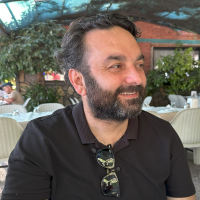
!962 İstanbul doğumlu. 1985 İstanbul Üniversitesi Cerrahpaşa Tıp Fakültesi Mezunu. Aynı fakülte Anatomi Anabilim Dalında uzman oldu. 1992'de doçent unvanını aldı. 1998'de profesör kadrosuna atandı. 1997-2011 arasında çeşitli defalar Köln Üniversitesi Anatomi Enstitüsünde misafir öğretim üyesi olarak bulundu. 2011 yılında Yükseköğretim Dergisi Kurucu Editör Ekibinde görev aldı. 2020 yılında İstanbul Üniversitesi Açık ve Uzaktan Eğitim Fakültesi Sağlık Kurumları İşletmeciliği programından, 2022 yılında da Sağlık Yönetimi lisans tamamlama programından mezun oldu.. 2014 yılında SANKO Üniversitesi Tıp Fakültesi Kurucu Dekanlığı görevini üstlendi. Halen bu görevini devam ettirmektedir.
Editör Yardımcıları

Cem Korkut, Ankara Yıldırım Beyazıt Üniversitesi (AYBÜ), Siyasal Bilgiler Fakültesi, İktisat Bölümü’nde Doç. Dr. olarak görev yapmaktadır. Ayrıca Türkiye Bilimler Akademisi’nde (TÜBA) Başkan danışmanı olarak çalışmaktadır. Lisansını, Türkiye derecesi ile burslu olarak girdiği TOBB Ekonomi ve Teknoloji Üniversitesi (TOBB ETÜ) İktisat bölümünde yüksek onur öğrencisi olarak tamamlamıştır. 2011 yılında araştırma görevlisi olarak başladığı AYBÜ’de 2014’te bitirdiği yüksek lisans tezinde günümüzdeki İslami finans kurumlarının öncüsü olarak nitelenen para vakıfları üzerine çalışmıştır. İstanbul Sabahattin Zaim Üniversitesi’nde (İZÜ) İslam ekonomisinde sermaye oluşumu, birikimi ve yapısı konusundaki tezi ile doktora derecesi almıştır. İslam ekonomisi, İslami bankacılık ve finans, para vakıfları gibi konularda yayımlanmış ulusal ve uluslararası makaleleri, kitap bölümleri bulunan Dr. Korkut aynı zamanda Ankara Düşünce ve Araştırma Merkezi’nin (ADAM) aktif bir üyesi olup bu merkezdeki İslam Ekonomisi Okulu’nun yürütücüsüdür. Akademik ilgi alanları İslam Ekonomisi, İslami Bankacılık ve Finans, Makroekonomik Politikalar, Uzun-dönem Dünya Ekonomisi, Osmanlı İktisat Tarihi ve İktisadi Kalkınma'dır.

Kevser Çınar holds a PhD degree in Tourism Management from Necmettin Erbakan University, Turkey. She is an Associate Professor in the Department of Tourism Management. Çınar graduated from Middle East Technical University in 2003. She holds a master’s degree (2013) and doctoral degree in Tourism Management (2017) from Necmettin Erbakan University. She has also been working as EU Projects expert for 17 years, and she has taken part in several different international EU projects, so she has gained a good understanding of what is required of a project expert both in Turkey and in Europe. She has been involved in European higher education strategic partnership projects such as iNCLUSION, TOURBINE, Get2Action, TOURBAN, TOURIBOOST as coordinator and SCOUT, E-GAME, Heritage4Growth, Sports4Fun, Gsmart, and SMARTDEMA as a partner. She is experienced enough in writing projects, implementing their activities, and coordinating them. She is also certified in a curriculum development program by the Institute of Educational Sciences. Her project and research topics are about innovation in tourism, consumer behavior and tourism education. She is the President of EATSA, Euro-Asia Tourism Studies Association. She is also the Adviser to the President of the Turkish Academy of Sciences (TÜBA). She is a TEDx speaker. She also serves as the co-editor for TÜBA Higher Education Research/ Review Journal and as editor for TÜBA-KED Journal of Cultural Inventory. She has been invited as a keynote speaker, trainer, and workshop facilitator in several international events and project meetings in various countries.
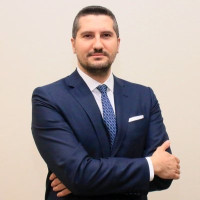
2007 yılında lisans eğitiminin ardından, 2023 yılında yüksek lisans, 2026 yılında ise Istanbul Universitesi Cerrahpaşa Tıp Fakültesi Tıbbi Farmakoloji Anabilim Dalında Doktora eğitimini bitirmiştir. 30 dan fazla ulusal ve uluslararası yayını bulunan Dr. Önal, Meslek Yüksekokulu Müdürlüğü, Rektör Danışmanlığı, Dekan Yardımcılığı gibi idari işler yürütmüştür.
Halen Biruni Üniversitesinde Rektör Danışmanı ve Tıp Fakültesi Dekan Yardımcısı olarak görevine devam etmektedir.
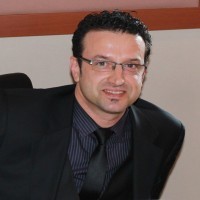
Dr. Harun Serpil 1996 yılında Anadolu Üniversitesi İngilizce Öğretmenliği lisans programından birincilikle mezun olmuş, daha sonra Bilkent Üniversitesinde aynı alanda (TEFL) yüksek lisans yapmıştır. 2016 yılında University of Wisconsin-Madison'da Eğitim Programları ve Öğretim alanında doktorasını tamamlamıştır. Halen Anadolu Üniversitesi Eğitim Fakültesinde Dr. Öğretim Üyesi olarak görev yapmaktadır.

Dr. Mürsel Doğrul, Millî Savunma Üniversitesi’nde Uluslararası İlişkiler alanında Doktor Öğretim Üyesi olarak görev yapmaktadır. 2014 yılında Bolu Abant İzzet Baysal Üniversitesi Uluslararası İlişkiler bölümünden mezun olmuş, lisans ve lisansüstü eğitimi süresince Romanya, İspanya ve Ukrayna’da araştırmalarda bulunmuştur. 2013 yılında Türkiye Cumhuriyeti Avrupa Birliği Bakanlığı ve Dışişleri Bakanlığı’nda stajlarını tamamlamıştır. Necmettin Erbakan Üniversitesi’nde Uluslararası İlişkiler alanında yüksek lisansını "Japonya'nın Terörle Mücadele Politikası" üzerine yapmış ve 2021 yılında Millî Savunma Üniversitesi’nde tamamladığı doktora çalışmasında "Japon Dış Politikasında Orta Doğu: Enerjinin Ekonomi-Politiği" konusunu ele almıştır. Japon Vakfı (Japan Foundation) bursiyeri olarak 2023 yılında Meiji Üniversitesi’nde misafir araştırmacı, 2024 yılında Tokyo Üniversitesi’nde Erasmus bursiyeri olarak bulunmuştur. Araştırma alanları arasında Japon dış politikası, enerji politikaları ve güvenlik konuları yer almaktadır. Uluslararası güvenlik ve uluslararası ilişkiler literatürünün değişen dinamiklerini inceleyen akademik ve bilimsel çalışmalarıyla alana önemli katkılar sağlamıştır. 2019 yılından itibaren Türkiye Bilimler Akademisi (TÜBA) Başkan Danışmanı ve Türkiye Genç Akademi Temsilcisi olarak görev yapmaktadır. İleri düzeyde İngilizce ve orta seviyede Japonca bilmektedir.

Lisans ve yüksek lisans eğitimini Selçuk Üniversitesi’nde, doktora eğitimini Gazi Üniversitesi’nde “Bir uluslararası ilişkiler miti olarak devletlerin egemen eşitliği” başlıklı teziyle Uluslararası İlişkiler alanında tamamladı. 2016-2018 yılları arasında Yükseköğretim Kurulunda (YÖK) Başkanlık Müşaviri olarak görev yaptı. 2018’den itibaren ise Türkiye Maarif Vakfı’nda Başkan Müşaviri olarak görev yapmaktadır. Akademik kariyerine Ankara Hacı Bayram Veli Üniversitesi Uluslararası İlişkiler Bölümünde doçent doktor olarak devam etmektedir. Akademik çalışmalarını uluslararası örgütler, BM sistemi ve uluslararası düzen, devlet egemenliği, Türk dünyası, yükseköğretim politikaları ve kamu diplomasisi alanlarında sürdürmektedir.
Yükseköğretim politikaları ve eğitimin uluslararasılaşması konularında yaptığı yayınlardan ve verdiği derslerden birkaç örnek şunlardır: “50 soruda eğitimin uluslararasılaşması ve Türkiye” başlıklı editoryal bir kitap, Kültürel diplomasi bağlamında uluslarararası okullar, Türkiye’nin kültürel diplomasisinde uluslararası eğitimin yeri, Etkili bir yumuşak güç unsuru olarak uluslararası eğitimin Türk dış politikasındaki yeri gibi çeşitli akademik makaleler, Afrika siyasetinde uluslararası eğitim gibi lisansüstü dersler.

Prof. Dr. Dilek Altun, lisans eğitimini Gazi Üniversitesi’nde, yüksek lisans ve doktora eğitimini Orta Doğu Teknik Üniversitesi’nde tamamlamış, doktora çalışmaları sırasında Harvard Üniversitesi’nde Prof. Dr. Catherine Snow ile çalışmıştır. 2021 yılında TÜBA-GEBİP Üstün Başarılı Genç Bilim İnsanı Ödülü’nü alan Altun, TÜBİTAK bursuyla Harvard Üniversitesi’nde doktora sonrası araştırmalar yürütmüştür. Boğaziçi Üniversitesi Eğitim Fakültesi Dekanı ve Temel Eğitim Bölüm Başkanı olarak görev yapmaktadır. Araştırmaları erken çocuklukta okuryazarlık, dil gelişimi, yürütücü işlevler ve dijital teknolojilerin çocuk gelişimi üzerindeki etkilerine odaklanmaktadır. TÜBİTAK ve TÜBA destekli projelerde yürütücülük yapmış, SSCI ve Scopus indeksli dergilerde yayımlanmış çok sayıda makalesi, kitap bölümleri ve editörlük çalışmaları bulunmaktadır.
Bilimsel Danışma Kurulu
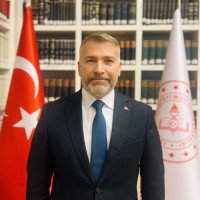
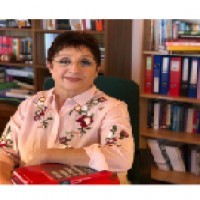
Lisans, yüksek lisans ve doktora derecelerini Anadolu Üniversitesi Kimya Mühendisliği Bölümünden almıştır. Pittsburgh Üniversitesi Kimya ve Petrol Mühendisliği Bölümünde ve Uluslararası Teorik Fizik Araştırmaları Merkezi (ICTP) burslusu olarak İtalya’da Roma CNR Hava Kirliliği Araştırmaları Enstitüsünde doktora sonrası araştırmacı olarak çalışmıştır.
Anadolu Üniversitesi Mühendislik Mimarlık Fakültesi dekan yardımcılığı (2004-2010) ve dekanlığı (2010-2016) görevlerini yürütmüş Yükseköğretim Kalite Kurulu üyesi (2015-2022) ve Başkan Yardımcısı (2015-2018) ve Eskişehir Teknik Üniversitesi kurucu Rektörü (2018-2022) olarak görev yapmıştır.
Geçmişte Kalite Derneği (KalDer) Eskişehir Şubesi Yönetim Kurulu Üyesi (2008-2016), Mesleki Yeterlilik Kurumu TYÇ Kurulu Üyesi (2016-2018), Mühendislik Dekanları Konseyi (MDK) Genel Sekreteri (2013-2016), Küresel Mühendislik Dekanları Konseyi (GEDC) Yönetim Kurulu Üyesi ve Sekreter Saymanı (2012-2014), Avrupa Mühendislik Eğitimi Dermeği (SEFI) Yönetim Kurulu Üyesi (2013-2015) ve Uluslararası Mühendislik Eğitimi Derneğinin (IFEES) Yönetim Kurulu Üyesi (2015-2017), Yükseköğretim Kurulu Kurum danışmanı (2015-2016), Yükseköğretim Kalite Kurulu Üyesi (2015-2022) ve TÜBİTAK Bilim İnsanı Yetiştirme Programı (BİDEP) GYK Üyesi (2019-2024) olarak hizmet etmiştir.
Halen Eskişehir Teknik Üniversitesi Mühendislik Fakültesi Çevre Mühendisliği Bölümü öğretim üyesi olan Döğeroğlu, Cumhurbaşkanlığı Eğitim Öğretim Politikaları Kurul Üyesi, İslam Dünyası Bilim Atıf Merkezi (ISC, Islamic World Science &Technology Monitoring and Citation Center) Yönetim Kurulu Üyesi, Ulusal Nanoteknoloji Araştırma Merkezi (UNAM) YK Üyesi ve MÜDEK YK Üyesi olarak görev yapmaktadır.
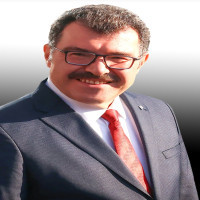

Prof. Dr. İlkay Erdoğan Orhan, Gazi Üniversitesi'nden (Ankara, Türkiye) Eczacı derecesine (1993), aynı Fakültenin Farmakognozi Anabilim Dalı'ndan 1. Yüksek Lisans derecesine (1996) Türkiye Bilimsel ve Teknolojik Araştırma Kurumu (TÜBİTAK) tarafından sağlanan genç bilim insanı bursu ile sahiptir. Ardından, 1998 yılında Japonya'daki Ryukyus Üniversitesi'nde Monbusho bursu ile Deniz Doğal Ürün Kimyası alanında ikinci yüksek lisans derecesini aldı. Doktora derecesini 2002 yılında Gazi Üniversitesi Eczacılık Fakültesi'nde (Ankara, Türkiye) Farmakognozi alanında aldı. NATO-TUBITAK burs programı kapsamında 2003 yılında Winnipeg Üniversitesi (Kanada) Kimya Bölümü'nde doktora sonrası araştırmacı olarak bulundu. Yükseköğretim Kurulu (Türkiye) tarafından 2004 yılında Doçentliğe, 2009 yılında ise Profesörlüğe yükseltildi. Dr. Orhan, 2011-2014 yılları arasında Kuzey Kıbrıs'ta Doğu Akdeniz Üniversitesi Eczacılık Fakültesi Dekanlığı ve 2016-2024 yılları arasında Ankara'da Gazi Üniversitesi Eczacılık Fakültesi Dekanlığı görevlerini yürütmüştür. Dr. Orhan, Temmuz 2024'ten bu yana Lokman Hekim Üniversitesi Eczacılık Fakültesi Dekanı olarak görev yapmaktadır. Avusturya İlaç Araştırma Enstitüsü'nün (ADSI) Uluslararası Bilimsel Değerlendirme Kurulu Başkan Yardımcısıdır.
Dr. Orhan, Genç Kadın Dr. Orhan, OWSD (Gelişmekte Olan Ülkelerde Bilim Kadınları Örgütü) & Elsevier tarafından Asya kıtasında Genç Kadın Bilim İnsanı Ödülü, 2010 yılında COMSTECH (İİT Bilim ve Teknolojik İşbirliği Daimi Komitesi) tarafından Biyoloji alanında Bilim Ödülü, 2011 yılında L'Oreal & Türkiye Bilimler Akademisi tarafından Genç Kadın Bilim İnsanı Ödülü (Yaşam Bilimleri alanında) ve 2011 yılında Gazi Üniversitesi tarafından Onur Ödülü gibi çeşitli ödüller almıştır, 2015'te Türkiye'de Kadın İnovasyon Ödülü, 2016'da Türk Eczacıları Birliği tarafından Bilim Ödülü, 2017'de Eczacılık alanında Altın Havan Bilim Ödülü, 2017'de T.C. Bilim ve Teknoloji Bakanlığı tarafından Uluslararası Buluş Fuarı'nda Patent Gümüş Madalyası ve 2018'de Uluslararası Buluş Dernekleri Federasyonu (IFIA) tarafından En İyi Akademik Buluş Madalyası. Ayrıca 2024 yılında TWAS (Dünya Bilimler Akademisi) Kimya Bilim Ödülü ve Türk Sanayici ve İşadamları Vakfı (TÜSİAV) Üstün Hizmet ve Başarı Belgesi ile Türkiye Vegan ve Sağlıklı Yaşam Turizm Derneği (TEVSAD) & Türk Sanayici ve İşadamları Vakfı (TÜSİAV) & Çevre ve Şehircilik Bakanlığı İklim Elçisi Ödülü'nü almıştır. Türkiye Bilimler Akademisi (TÜBA) asli üyesidir ve 2019-2023 yılları arasında Avrupa Fitokimya Derneği (PSE) Güneydoğu Avrupa ve Türkiye Bölge Temsilciliği görevini yürütmüştür.
SCI-E tarafından listelenen 303 adet bilimsel makalenin, diğer bilimsel dergilerde 47 makalenin, 24 kitap bölümünün, 4 patentin (Türk, ABD ve EP), 6 patent başvurusunun ve 4 kitabın yazarıdır. H indeksi 57 (Web of Science) ve 63 (SCOPUS) olup 17000'den fazla atıf almıştır. Araştırma alanları doğal ürünlerin kimyası ve biyoaktiviteleri, doğal kozmetikler, fitoterapi, spor eczacılığı ve aromaterapidir. Halen Phytomedicine dergisinde Yardımcı Editör olarak görev yapmaktadır.
Lisans ve yüksek lisans derecelerini Orta Doğu Teknik Üniversitesi, Elektrik ve Elektronik Bölümü’nden almış, doktora derecesini ise 1990 yılında University of Illinois at Urbana Champaign’den Elektrik ve Bilgisayar Mühendisliği alanında almıştır.
1992-2001 yılları arasında Bilkent Üniversitesinde öğretim üyeliği yapmıştır. 2001 yılında Koç Üniversitesi Elektrik ve Elektronik Mühendisliği Bölümü’nde öğretim üyesi olarak göreve başlamış, 2004-2009 yılları arasında Koç Üniversitesinde Mühendislik Fakültesi Dekanı, 2009-2021 yıllarında Araştırma ve Geliştirmeden Sorumlu Rektör Yardımcısı olarak görev yapmıştır.
Prof. Aksun 1994 yılında “TÜBİTAK Teşvik Ödülü”nü, 2007 yılında “TÜBİTAK Bilim Ödülü”nü almış ve 2011 yılında da Türkiye Bilimler Akademisi (TÜBA) Asli Üyeliğine seçilmiştir.
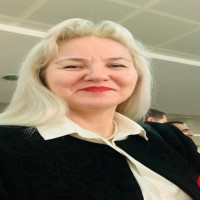
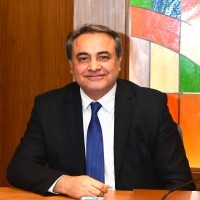
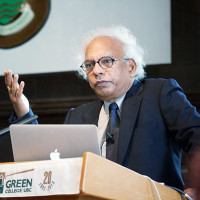
Professor Tilak economist of educatoin, specialist in educational policy and development studies, interestd in school and higher education. Publsihed extenisvley.
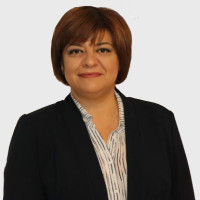
1970 Rize-İkizdere doğumludur. İlk ve orta öğretimini İstanbul Üsküdar’da tamamladıktan sonra,1987 yılında girdiği Boğaziçi Üniversitesi Fen Edebiyat Fakültesi Psikoloji Bölümünden 1992 yılında mezun olmuştur. 1992-1996 yılları arasında çeşitli orta öğretim kurumlarında öğretmenlik ve psikolojik danışmanlık yaptıktan sonra 1996 yılında Marmara Üniversitesi Atatürk Eğitim Fakültesi Eğitim Bilimleri Bölümüne araştırma görevlisi olarak girmiştir. 1998 yılında yüksek lisansı, 2001 yılında ise doktorasını tamamlamıştır. 2005 yılı sonunda ise Eğitim Psikolojisi alanında doçent unvanı kazanmıştır. Marmara Üniversitesi Atatürk Eğitim Fakültesi Eğitim Bilimleri Bölümü Rehberlik ve Psikolojik Danışmanlık Anabilim Dalında 2006-2011 yılları arasında doçent olarak çalışmıştır. 2011 yılından itibaren profesör unvanı elde eden yazar, hâlihazırda aynı üniversitede öğretim üyesi olarak akademik yaşamına devam etmektedir. Özel çalışma alanı ise psikolojik perspektiften ahlâk/moral gelişimi, araştırma yöntemleri ve eğitimi ile manevi yönelimli psikoterapi ve psikolojik danışmanlıktır.
İstanbul Üniversitesi Edebiyat Fakültesi Türk Dili ve Edebiyatı Bölümünü (1980) bitirdi. 1981 yılında İstanbul Üniversitesi Edebiyat Fakültesi Türk Dili ve Edebiyatı Bölümü Umumi (Eski) Türk Dili Kürsüsünde doktoraya başladı, Prof. Dr. Muharrem ERGİN’in yöneticiliğinde Çinggis Kağan Tarihi Çevirisi. Giriş, Metin, Çeviri, Notlar, Sözlük ve Dizin adlı tez ile doktor olmuştur (1990). 1983-1990 yıllarında Marmara Üniversitesi Atatürk Eğitim Fakültesi Türk Dili ve Edebiyatı Eğitimi Bölümünde önce araştırma görevlisi, sonra öğretim görevlisi olarak görev yaptı. 1984 yılında DAAD bursuyla Almanya’da dil kursuna katıldı. 1987-1989 arasında Millî Eğitim Bakanlığı tarafından Macaristan’da Loránd Eötvös Üniversitesi Türk Dili Kürsüsünde Türkçe okutmanı olarak görevlendirildi. Aynı sürede Szeged József Attila Üniversitesi Altayistik Kürsüsünde çalışmış ve derslere devam etti. 1989’de Marmara Üniversitesindeki görevine dönmüş, 1994-1999 arasında yardımcı doçent unvanıyla öğretim üyesi olarak çalıştı. 1998’de doçent oldu. 1998’de Marmara Üniversitesi Türkçe Eğitimi Bölümü öğretim üyeliğine getirildi. 2000-2002 yıllarında Kırgızistan-Türkiye Manas Üniversitesi Fen-Edebiyat Fakültesi Türkoloji Bölümünde misafir öğretim üyesi olarak görev yaptı. Aynı sürede Sosyal Bilimler Bölümü başkanlığını yürüttü. Yurda döndüğünde bölümüne bölüm başkanı olarak tayin edilmiş, doçent temsilcisi olarak fakülte yönetim kurulunda vazife aldı. 2010 altı ay Pekin Milletler Üniversitesi Uygur dili ve edebiyatı fakültesinde Karahanlıca, Hazerzmce ve İslam kültürü ve dilinin Uygur diline tesiri konularında yüksek lisans ve doktora dersleri verdi. Karahanlı, Harezm ve Çağatay Türkçesi, Kıpçak sözlükçülüğü ve dil içi çeviri konularıyla ilgilenmektedir. 2012–2018 Türk Dil Kurumu Başkanlığı yaptı. 2017’de Türkiye Bilimler Akademisi’ne asli üye seçildi. Marmara Üniversitesi Atatürk Eğitim Fakültesi Türkçe ve Sosyal Bilimler Eğitimi Bölümü Türkçe Eğitimi Ana Bilim Dalı öğretim üyeliğinden yaş haddinden emeklidir.
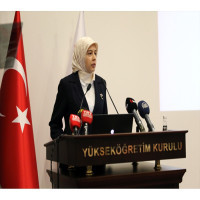
Fields of Expertise: Health & Science & Higher Education...
Background: Academic, Medical Doctor (Infect. Dis. & Clin. Micr.). Former Executive Board Member of Council of Higher Education (YÖK).
Current: Counselor, Turkish Embassy in DC.
Şener Aktürk 1981 yılında İzmit’te doğdu. Ortaokulu ve Liseyi Koç Özel Lisesi’nde tamamladı. Lisans derecesini 1999-2003 yılları arasında Chicago Üniversitesi’nde Siyaset Bilimi ve Uluslararası Çalışmalar alanlarında (çift anadal), ilk yüksek lisans derecesini yine Chicago Üniversitesi’nde Uluslararası İlişkiler alanında almıştır. Lisansı esnasında 2001 yılında Almanca ve Batı Medeniyeti eğitim programı için Viyana’da bulunmuştur. İkinci yüksek lisansını ve Siyaset Bilimi alanında doktorasını 2003-2009 yılları arasında Kaliforniya Üniversitesi, Berkeley’de tamamlamış, doktora programı esnasında Berlin (2007) ve Moskova (2004, 2007) merkezli olmak üzere Almanya ve Rusya’da saha araştırması ve dil eğitimi için bulunmuştur. 2009-2010 akademik yılında doktora sonrası araştırmacı olarak Harvard Üniversitesi Davis Rusya ve Avrasya Araştırmaları Merkezinde görev yapmış, aynı üniversitenin Siyaset Bilimi Bölümünde lisansüstü ders vermiştir. Türkiye’ye döndüğü 2010 yılının ikinci yarısından itibaren Koç Üniversitesi Uluslararası İlişkiler Bölümünde Yardımcı Doçent (2009-2015), Doçent (2015-2022) ve Profesör (Ağustos 2022'den itibaren) olarak görev yapmaktadır.
Şener Aktürk’ün 2024 yılı itibarıyla SSCI indeksli dergilerde 13 tanesi tek yazarlı olmak üzere toplam 16 makalesi yayınlanmıştır. 30 Haziran 2024 itibarıyla Google Scholar'da yayınlarına yapılan atıflara istinaden H-indeksi 22 ve i10 indeksi 41 idi. Aktürk’ün 2012 yılında Cambridge University Press tarafından yayınlanan Regimes of Ethnicity and Nationhood in Germany, Russia, and Turkey başlıklı kitabı 2013 yılı Joseph Rothschild kitap ödülüne layık görülmüştür.
Şener Aktürk, 2011 yılında Uluslararası İlişkiler alanında en yüksek etki faktörüne sahip dergi olan World Politics dergisinde ve 2010 yılında Bölge Çalışmaları alanında en yüksek etki faktörlerinden birine sahip olan Post-Soviet Affairs dergisinde makalesi yayımlanan ilk Türkiye adresli yazar olmuştur. Ayrıca 2017 yılında Etnik Çalışmalar alanında en yüksek etki faktörüne sahip olan Journal of Ethnic and Migration Studies dergisinde tek yazarlı bir makalesi ve Amerikan Siyaset Bilimi Derneği’nin dergisi Perspectives on Politics’de 2021 yılında iki yazarlı bir makalesi yayımlanmıştır. 2024 yılında uluslararası ilişkiler alanının önde gelen dergilerinden International Security dergisinde yayınlanan makalesinde, Ortaçağ boyunca Batı Avrupa ülkelerinin tamamında tüm Müslümanların ve Yahudilerin nasıl ve neden yok edildiğini açıklamış ve bu makalesi de International Security tarihinde yayınlanan pek az sayıda Türkiye adresli yayından birisi olmuştur.
Bunların yanısıra, SSCI kapsamındaki Comparative Politics, Mediterranean Politics, Social Science Quarterly, European Journal of Sociology, Nationalities Papers, Problems of Post-Communism, Turkish Studies, Middle Eastern Studies, Osteuropa ve Uluslararası İlişkiler dergilerinde makaleleri yayımlanmıştır. SSCI kapsamında olmayan Theoria, Ab Imperio, All Azimuth, Insight Turkey, Turkish Policy Quarterly, Central Eurasian Studies Review, Perceptions ve Doğu Batı gibi farklı akademik dergilerde 34 makalesi, İngilizce, Rusça ve Türkçe olmak üzere toplam 20 derleme kitapta kitap bölümü ve 24 kitap değerlendirmesi yayımlanmıştır. Türkçe makale ve yazılarını içeren Türkiye’nin Kimlikleri başlıklı kitabı 2013 yılında yayınlanmıştır.
Karşılaştırmalı Siyaset alanının tanımı gereği, Aktürk'ün Türkiye dışındaki ülkeleri ele alan karşılaştırmalı yayınları arasında, ABD, Afganistan, Almanya, Avusturya, Belçika, Bulgaristan, Cezayir, Fransa, Hollanda, İran, Kuzey Makedonya, Mısır, Pakistan, Rusya ve Yunanistan vakalarına odaklanan yayınları mevcuttur. Bu ülkelere ek olarak, halen devam eden çalışmalarında odaklandığı vakalar arasında Danimarka, İngiltere, İspanya, İsrail, İsveç, İtalya, İzlanda, Litvanya, Macaristan, Norveç, Polonya ve Portekiz de yer almaktadır.
Şener Aktürk bugüne kadar TÜBİTAK Teşvik Ödülü (2019), Koç Üniversitesi Araştırma Ödülü (2019-2020), Bilim Akademisi BAGEP Ödülü (2017), Koç Üniversitesi Olağanüstü Eğitici Ödülü (2017), Türkiye Bilimler Akademisi (TÜBA) GEBİP Ödülü (2016), Kadir Has Gelecek Vadeden Bilim İnsanı Ödülü (2015), Joseph Rothschild Ödülü (2013), Baki Komsuoğlu Teşvik Ödülü (2011), Sakıp Sabancı Uluslararası Araştırma Ödülü (3.lük, 2010), Kaliforniya Üniversitesi Olağanüstü Lisansüstü Öğretim Asistanı Ödülü (2009) ve Kaliforniya Üniversitesi Siyaset Bilimi Bölümü Peter Odegard Ödülü’ne (2006) layık görülmüştür. Aktürk’ün 173 ülkede devletin etnik ve dini politikalarına ilişkin verileri topladığı araştırması, 2010-2014 yıllarında Avrupa Komisyonu Marie Curie Geri Dönüş Hibesi’yle (100,000 Avro) desteklenmiştir. Aralık 2023'de Türkiye Bilimler Akademisi'ne Asosye Üye olarak seçilmiştir.
Aktürk, 2010-2022 döneminde mezun olan 4 doktora ve 8 yüksek lisans öğrencisinin tez danışmanı ve tez jürisi başkanı olarak danışmanlığını yapmış ve başka öğrencilerin tez süreçlerinde de komite üyesi olarak görev almıştır. Aktürk, 2013 yılından bu yana Nationalities Papers dergisinin ortak editörü olarak görev yapmaktadır. Association for the Study of Nationalities (ASN) derneğinin yıllık uluslararası konferansının organizasyon komitesinde yer almaktadır. PONARS Eurasia üyesi (2013’den itibaren), Council for European Studies Historical Study of States and Societies şubesi yönetim kurulu üyesi (2019-2022), TRT World Research Centre kıdemli danışmanı (2018-2021), Ortak Hafıza dergisi yayın kurulu üyesi (2021’den itibaren) ve Koç Üniversitesi Yayınları yayın kurulu üyesi (2022’den itibaren) olarak görev almıştır. Üyesi olduğu akademik kuruluşlar arasında American Political Science Association (2002’den itibaren), Association for the Study of Nationalities (2004’den itibaren), Council for European Studies (2015’den itibaren) ve Midwest Political Science Association (2016’dan itibaren) yer almaktadır.

tuba-her@tuba.gov.tr