Volume: 35 Issue: 1 , 1/24/25

Year: 2025

Research Article

Review

Operations Research İn Mathematics, Operations Research, Quantitative Decision Methods , Planning and Decision Making, Decision Support and Group Support Systems, Multiple Criteria Decision Making, Time-Series Analysis
Ahmet Şahbaz
Prof. Dr. Ahmet ŞAHBAZ NECMETTİN ERBAKAN ÜNİVERSİTESİ, SİYASAL BİLGİLER FAKÜLTESİ
Foreign Trade Policy, Foreign Trade

2003 yılında girdiği Ege Üniversitesi Edebiyat Fakültesi Türk Dili ve Edebiyatı Bölümü’ndeki lisans öğrenimini 2007 yılında tamamladı. Aynı üniversite ve bölümde 2007 yılında başladığı yüksek lisans öğrenimini, 2010 Ocak’ta savunduğu “Özbek Çocuk Folklorunda Türler” adlı teziyle tamamladı. 2011 yılında Ege Üniversitesi Sosyal Bilimler Enstitüsü Türk Dünyası Araştırmaları-Türk Halkbilimi anabilim dalında doktora öğrenimine başladı. Doktora çalışmaları kapsamında Amerika Birleşik Devletleri, Kırgızistan, Meksika gibi çeşitli ülkelerde araştırmalarda bulunan Keskin; Prof. Dr. Alimcan İNAYET, Prof. Dr. Özkul ÇOBANOĞLU ve Prof. Dr. Dan BEN-AMOS danışmanlığında hazırladığı “Türk Kültüründe Alkışlar ve Kargışlar: Metin ve Bağlam Merkezli Bir İnceleme” adlı teziyle 2018 yılında doktora öğrenimini tamamladı.

Turkish Folklore in the Türkiye Field, Turkish Folklore (Other), Alawism Bektashism Studies, Turkish Folklore Outside Türkiye, Turkish Folklore
Ahmet Göçen
Assoc. Prof. Dr. Ahmet GÖÇEN AFYON KOCATEPE ÜNİVERSİTESİ
Education Management
Ahmet Şakir Dokuz
Assoc. Prof. Dr. Ahmet Şakir DOKUZ NİĞDE ÖMER HALİSDEMİR ÜNİVERSİTESİ, MÜHENDİSLİK FAKÜLTESİ, BİLGİSAYAR MÜHENDİSLİĞİ BÖLÜMÜ
Information and Computing Sciences
Alaaddin Aköz
Prof. Dr. Alaaddin AKÖZ It is not affiliated with an institution
Ottoman Institutions and Civilization, History of Ottoman Socio-Economy, Ottoman Central Organization, Ottoman Society, Ottoman Field Service
Default avatar
Assoc. Prof. Ali CULHA HARRAN ÜNİVERSİTESİ
Disabled Groups, Education Management
Default avatar
Assoc. Prof. Dr. Alper MUMYAKMAZ Yozgat Bozok Üniversitesi
Sociology, Sociology of Religion, Economic Sociology, Political Sociology
Atalay Bahar
Assoc. Prof. Dr. Atalay BAHAR POLICE ACADEMY, POLİS VOCATIONAL SCHOOL, POLICE VOCATIONAL TRAINING PR.
Cyber Espionage, Communication Studies, Communication Technology and Digital Media Studies
Default avatar
Assoc. Prof. Dr. Bahar YALÇIN MANİSA CELÂL BAYAR ÜNİVERSİTESİ
Institutional Governance, Organisational, Interpersonal and Intercultural Communication, International Corporation, Management Psychology, Human Resources Management, Corporate Social Responsibility in Management, Strategy, Strategy, Management and Organisational Behaviour
Bahattin Gencal
Prof. Dr. Bahattin GENCAL BOLU ABANT İZZET BAYSAL ÜNİVERSİTESİ, FEN-EDEBİYAT FAKÜLTESİ, TARİH BÖLÜMÜ, YENİÇAĞ TARİHİ ANABİLİM DALI

1975 Trabzon Çaykara doğumlu.

ilk orta ve Lise eğitimini İstanbul'da tamamladı.

Lisans Yüksek Lisans ve Doktora eğitimini Kırgızistan Türkiye Manas Üniversitesinde tamamladı.


History of Central Asia
Canser Kardaş
Prof. Dr. Canser KARDAŞ Muş Alparslan Üniversitesi, Fen Edebiyat Fakültesi,Türk Dili ve Edebiyatı, Türk Halk Edebiyatı ABD Web
Turkish Folklore in the Türkiye Field, Turkish Folklore, Alawism Bektashism Studies, Social and Cultural Anthropology (Other)
General Turkish History, Contemporary History of Iran, Turkish Cultural History
Durmuş Ümmet
Prof. Dr. Durmuş ÜMMET MARMARA ÜNİVERSİTESİ
Family Counseling, Drug Addiction Consultancy, School Counseling, Psychological Counseling Education, Career Counseling
Default avatar
Assoc. Prof. Egemen HANIMOĞLU Çukurova Üniversitesi
Applied and Developmental Psychology, Education, School Counseling
Eralp Erdoğan
Prof. Dr. Eralp ERDOĞAN NAMIK KEMAL ÜNİVERSİTESİ Web
General Turkish History
Default avatar
Asst. Prof. Dr. Erdinç BURULDAĞ Çankırı Karatekin Üniversitesi, Edebiyat Fakültesi
Archaeology, Greek and Roman Period Archeology, Classical Period Archeology, Hellenistic Period Archeology, Classical Greek and Roman History, Archaic Period Archeology, Numismatics
Erhan Solmaz
Assoc. Prof. Dr. Erhan SOLMAZ UŞAK ÜNİVERSİTESİ İNSAN VE TOPLUM BİLİMLERİ FAKÜLTESİ

1981 yılında Konya/Ereğli’de dünyaya geldi. İlköğrenimini Öğretmen Abdurrahim İlkokulunda, ortaokul ve lise öğrenimini ise Ereğli Lisesinde tamamladı. Lisans eğitimini Afyon Kocatepe Üniversitesi, Fen- Edebiyat Fakültesi, Türk Dili ve Edebiyatı bölümünde 2003 yılında, Tezsiz Yüksek Lisans Eğitimini, 2004 yılında Afyon Kocatepe Üniversitesi, Sosyal Bilimler Enstitüsünde bitirdi. Tezli Yüksek Lisansını da yine Afyon Kocatepe Üniversitesi, Türk Dili ve Edebiyatı Ana Bilim Dalı, Yeni Türk Dili bilim dalında, “Bolvadin, Çay ve Çobanlar Ağzı” adlı tez ile 2007 yılında tamamladı. Doktora eğitimini Ege Üniversitesi, Sosyal Bilimler Enstitüsü, Türk Dili ve Edebiyatı Ana Bilim Dalı, Türk Halkbilimi Bilim Dalında 2016 yılında “Özbek Mizahında Nasreddin Hoca Tipi ve Fıkraları” adlı tez ile bitirdi. Eylül 2016’da Uşak Üniversitesi, Fen- Edebiyat Fakültesi, Çağdaş Türk Lehçeleri ve Edebiyatları Bölümüne atandı. Evli ve bir çocuk babası olan Solmaz, 2021 yılında Türk Halk Bilimi alanında doçent ünvanını almıştır. Solmaz, Türkoloji alanında muhtelif çalışmalar yapmaya devam etmektedir.

Turkish Folklore, South-East (Latest Uyghur/Uzbek) Turkic Dialects and Literatures
Erol Subaşi
Assoc. Prof. Dr. Erol SUBAŞİ Recep Tayyip Erdoğan Üniversitesi

Erol Subaşi 2008 yılında Marmara Üniversitesi Fransızca Kamu Yönetimi Bölümü'nden mezun oldu. Galatasaray Üniversitesi Siyaset Bilimi Yüksek Lisans Programı'ndan (Fransızca) 2011 yılında yüksek lisans, 2018 yılında da doktora derecesi aldı. 2014-2015 akademik yılında Birleşik Krallık, Londra'da Brunel Üniversitesi'nde misafir araştırmacı olarak çalışmalarda bulundu. Doktora tezi 2019 yılında Türk Sosyal Bilimler Derneği tarafından Behice Boran Genç Sosyal Bilimci ödülüne layık görüldü. Subaşi 2022 yılında Siyaset Bilimi alanında Doçent unvanı almaya hak kazanmıştır.

Recep Tayyip Erdoğan Üniversitesi Siyaset Bilimi ve Kamu Yönetimi Bölümü'nde 2012-2018 yılları arasında araştırma görevlisi, bu yıldan sonra ise Siyaset ve Sosyal Bilimler Anabilim Dalı'nda Doktor Öğretim Üyesi olarak görev yapmaktadır. Subaşi 2022 yılında Siyaset Bilimi Doçenti ünvanı almaya hak kazanmıştır. Çalışma alanları içinde Türk Siyasal Hayatı, Siyaset Sosyolojisi, Siyasal Düşünce ve Akımlar bulunmaktadır. Bilhassa, devlet, iktidar ve toplum arasındaki değişken ilişki biçimleri, Türk siyasal hayatının siyasal sosyolojisi, farklı düşünsel akımlar arasındaki mücadeleler ve siyasal düşünce tarihi temel ilgi alanlarını oluşturmaktadır. 

Political Sociology, Turkish Political Life, Political Theory and Political Philosophy, Political Movement, Comparative Political Movement
Turkish Folklore Outside Türkiye, Turkish Folk Literature, Turkish Folklore (Other), Turkish Folklore in the Türkiye Field
Fatih Özçelik
Asst. Prof. Dr. Fatih ÖZÇELİK AMASYA ÜNİVERSİTESİ, FEN-EDEBİYAT FAKÜLTESİ
Late Modern History, Late Modern African History, Late Modern Urban History, Late Modern History of Middle East, Late Modern Ottoman History, Middle Eastern and North African History
Engineering, Machine Learning Algorithms, Supervised Learning, Machine Vision , Deep Learning
Fatih Erhan
Assoc. Prof. Dr. Fatih ERHAN OSMANİYE KORKUT ATA ÜNİVERSİTESİ
Greek and Roman Period Archeology, Numismatics
Late Modern Ottoman History, Late Modern American History, American Political History, American Studies, Ottoman history
Gökçe Cerev
Assoc. Prof. Dr. Gökçe CEREV KOCAELİ ÜNİVERSİTESİ
Occupational Health and Safety, Welfare Studies, Labor Economics and Industrial Relations, Labor Economics and Economic Demography

Gülay Ekren is an academician in Management Information Systems (MIS). She has completed her BSc in Computer and Instructional Technologies, an MSc, and a PhD in MIS. She works as an Assistant Professor at the Computer Technologies Department of Ayancık Vocational College, Sinop University, Turkey. Her research interests include Information Systems and Technologies, Data Science and Analytics, and Digital Business Management. 

Data Analysis, Artificial Intelligence (Other), Management Information Systems
Default avatar
Prof. Dr. Hatice DEMİRBAŞ Ankara Hacı Bayram Veli Üniversitesi
Clinical and Health Psychology (Other), Health Psychology
Hüseyin Mertol
Assoc. Prof. Dr. Hüseyin MERTOL TOKAT GAZİOSMANPAŞA ÜNİVERSİTESİ, FEN-EDEBİYAT FAKÜLTESİ, COĞRAFYA BÖLÜMÜ, BÖLGESEL COĞRAFYA ANABİLİM DALI

2014 yılında Atatürk Üniversitesi İlköğertim Bölümü’de doktorasını tamamlayan Mertol, Tübitak Doktora araştırma bursu ile New York St. John’s University’de Üstün Zekâlıların Eğitimi konusunda dünyaca ünlü isimlerden biri Güney Koreli Prof.Dr. Shooke Cho ile 8 ay NewYork’ta kalarak çalışmıştır. Kısa bir dönem MEB Özel Eğitim ve Rehberlik Genel Müdürlüğünde Özel Yeteneklilerin Geliştirilmesi Daire başkanlığı yapmıştır. KKTC Yakındoğu Üniversitesi’nde bir yıl süreyle Üstün Zekalılar Öğretmenliği bölümünde yarı zamanlı ders veren Mertol’un özel yeteneklilerin eğitimi ve dikkat ve algısı konusunda çeşitli yayınları bulunmaktadır. Özel eğitim ve özel yetenek konusunda iki bilimsel kitabın editörlüğünde bulunmuştur. Yurt içi ve yurt dışında farklı üniversitelerde ders vermeye eden Mertol, Üç doktora iki tezli yüksek lisans mezunudur. Farklılaştırma, Zenginleştirme ve Sosyal Bilgiler, coğrafya , okul öncesi alanlarında çalışmalara devam etmektedir. Multidisiplinler çalışmalara daha çok ağırlık veren Mertol, Halen Tokat Gaziosmanpaşa Üniversitesi Bölgesel Coğrafya alanında çalışmaktadır. Evli ve iki çocuk babasıdır.

Rural and Regional Geography
Mahmut Aydın
Assoc. Prof. Dr. Mahmut AYDIN Batman Üniversitesi
Mahmut AYDIN Batman ili Sason İlçesinde doğdu. İlk, Orta ve Lise eğitimini Sason'da yaptı. 1996 yılında yerleştiği Dicle Üniversitesi Klasik Arkeoloji Bölümünden 2000 yılında mezun oldu. 2001-2002 yılında ODTÜ Temel Yabancı Dil (İngilizce) Okulundan başarıyla mezun oldu. 2002-2004 yılları arasında ODTÜ Sosyal Bilimler Enstitüsü Yerleşim Arkeolojisi A.B. Dalından Yüksek Lisans derecesi aldı. Güvercin kayası/Aksaray, Burgaz/Datça, Kazılarına ekip üyesi olarak katılırken, Maltepe Kurtarma Kazısı 2009 ve Roma Tiyatrosu /Ankara Kurtarma Kazılarını (2009-2012) Anadolu Medeniyetleri Müzesi adına bizzat yürütmüş ve arkeolojik-arkeometrik sonuçlarını yayınlamıştır. 2005-2007 yılları arasında AB hibe programlarından yararlanmak üzere proje hazırlama eğitimleri (Ankara Üniversitesi ve Venedik/İtalya'da) alarak hazırladığı onlarca proje AB fonlarından hibe kazanarak hayat buldu. Bunlardan biri Uluslararası ve AB kültürel miras mevzuatının Türkçeye çevrilmesi ve yayınlanması bir diğeri ise Juliopolis Antik Kentinin çevre düzenleme ve turizme kazandırılması Projesidir. 2007-2013 yılları arasında ODTÜ Fen Bilimleri Enstitüsü Arkeometri A.B. Dalında " Arkeometrik Yöntemlerle Roma İmparatorluk Dönemi Gümüş Sikkelerinde Otantiklik Saptanması" konusunda doktora yaptı. 2007-2013 yılları arasında KPSS Türkiye ikinciliğiyle atandığı Kültür ve Turizm Bakanlığına bağlı Kırşehir Müzesi ve Anadolu Medeniyetleri Müzesinde Arkeolog/Arkeometrist olarak çalıştı. Anadolu Medeniyetleri Müzesinde çalışırken Ankara/Maltepe Kurtarma Kazısı 2009 ve Ankara Roma Tiyatrosu Kurtarma Kazısı 2009-2012 kazı sezonunda kazı sorumluluğunu yürüttü. Kazı sonuçlarını arkeolojik ve arkeometrik açıdan çalışarak yayınladı. Anadolu Medeniyetleri Müzesinde Roma Sikkeleri Bölümünde görev yapmıştır. Anadolu Medeniyetleri Müzesinde görev yaparken Karun Hazinelerinin önemli bir parçası olan ve Uşak Müze Müdürü tarafından sahtesiyle değiştirilen ve 2012 yılında Alman'ya Hagen'de ele geçen Kanatlı Deniz Atı'nın Türkiye'den çalınan eser olup olmadığı konusunda yaptığı tahribatsız arkeometrik analizlerle (EDXRF) eserin Türkiye'den çalınan eser olduğunu ispatlayarak eserin Türkiye'ye hukuk veya başka hiçbir masraf yapılmadan iade edilmesini sağlamıştır. Bu çalışması TÜBİTAK (TUBAAR 2017 ocak sayısı) tarafından yayınlanmıştır. 2013 yılı Ağustos ayından itibaren Kültür ve Turizm Bakanlığı'ndaki görevini bırakarak Batman Üniversitesi Arkeoloji Bölümüne Yrd.Doç.Dr. olarak görev yapmaya başlamış ve 2018 yılında doçent unvanı almıştır. 2014-2016 yılları arasında Fen Edebiyat Fakültesi Dekan Yardımcılığı görevini yürütmüştür. 2015 yılında Arkeometri tezli Yüksek Lisans Ana Bilim Dalını kurmuş, ABD başkanlığına atanmış ve bölüme öğrenci alarak bölümü aktif hale getirmiştir. Bu görevi hala yürütmektedir. 2016 yılında Arkeometri Laboratuvarı kurarak laboratuvarı aktif hale getirmiştir. 2021 yılından beri Kelenderis Antik Kenti Kazı Başkanlığını yürütmektedir. 
Habitat Archeology, Numismatics, Classical Period Archeology, Archeometry, Greek and Roman Period Archeology

Mahsum AVCI CV
2005 yılında Atatürk Üniversitesi Eğitim Fakültesi Psikolojik Danışma ve Rehberlik Anabilim Dalı lisans eğitimini tamamlamıştır. Mezuniyetini hemen ardından Ankara’da bir özel eğitim kurumunda (Rehabilitasyon Merkezi) çalıştı. 2006- 2017 yılları arasında Milli Eğitim Bakanlığına bağlı lise ve Rehberlik araştırma merkezlerinde ( RAM) Psikolojik Danışman olarak çalışmıştır. 2016 yılında Atatürk Üniversitesi Eğitim Fakültesi Psikolojik Danışma ve Rehberlik Anabilim Dalında “Lise öğrencilerinin kişilerarası problem çözme becerilerinin sosyometrik statülerine göre incelenmesi” konulu tezi ile Yüksek Lisans eğitimini tamamlamıştır. Rehberlik Araştırma Merkezi Müdürlüğünde çalıştığı süre içinde idareci, öğretmen ve ailelere Psikoeğitim Eğitici Eğitimi, Bağımlılıkla Mücadele, Özel Eğitim Formatörlük, 0-18 yaş aile eğitimi ve İletişim Becerileri Eğitimcilerin Eğitimi Kurslarını vermiştir. Doktora öğrenimi boyunca Doç. Dr. Taşkın Yıldırım’dan Dinamik Yönelimli Kısa-Yoğun-Acil Psikoterapi Eğitimini usta-çırak ilişkisi içerinde almıştır. Ayrıca Prof. Dr. Ebru Şalcıoğlu’ndan Bilişsel Davranışçı Eğitiminin yanı sıra farklı kurumlardan Psikolojik Testler (Objektif ve Projektif), EMDR ( Temel, İleri ve Çocuk), Dr. Manfield’en temel ve ileri düzey Flash Emdr tekniği, Kısa Süreli Çözüm Odaklı Terapi eğitimini almıştır. Avcı; çeşitli kurumlar tarafından desteklenen ‘Travmatik Yasantılarda Psikolojik İlk Yardım ve Kriz Olaylarına Müdahale Eğitici Eğitimi’, ‘Psikolojik Travma, Yas Tedavisi, İstismar mağduru bireylerle EMDR projesi’ ve ‘Zekâ Oyunları Eğitici Eğitimi Projelerini’ yazmış ve yürütmüştür. 2021 yılında İnönü Üniversitesi Eğitim Bilimleri Enstitüsünde ‘‘Objektif ve Projektif Testler Bağlamında Travmatik Yas Yaşayan ile Yaşamayan Üniversite Öğrencilerinin Ruhsal Süreçlerinin İncelenmesi’’ konulu teziyle doktora eğitimini tamamlamıştır. 2018 yılında Bingöl üniversitesine Öğretim Görevlisi olarak atanmıştır. O tarihten bugüne aynı üniversitenin Fen Edebiyat Fakültesi Psikoloji ve Sosyal Hizmet Bölümlerinde Çocuk ve Ergen Psikopatolojisi, Psikolojik Testler, Yetişkinlik, Yaşlılık ve Ölüm Psikolojisi, Kısa Dinamik Terapi, Aile Danışmanlığı ve Terapisi, Anormal Psikolojisi I ve II, Psikolojiye Giriş, Kriz ve Krize Müdahale, Sosyal Psikoloji, Sosyal Hizmet Müdahalesi II, Sosyal Hizmet Müdahalesi I, Tıbbi ve Psikiyatrik Sosyal Hizmet ve Sosyal Hizmette Görüşme Teknikleri derslerini vermiştir. Psikolojik Danışman olan Avcı; travmatik yas, yas, rüya analizi, rüyaların psikoterapide kullanılması, projektif teknikler, kişilik özellikleri, ruhsal belirtiler ve intihar alanlarında bilimsel çalışmalar yapmaktadır.

Counselling Psychology, Applied and Developmental Psychology, Personal Development
Default avatar
Asst. Prof. Dr. Mehmet ÖZTÜRK AKSARAY ÜNİVERSİTESİ, İKTİSADİ VE İDARİ BİLİMLER FAKÜLTESİ, ULUSLARARASI İLİŞKİLER BÖLÜMÜ
International Institutions, African Studies
Strategy, Strategy, Management and Organisational Behaviour, Human Resources Management
Ataturk's Principles History of Revolution, Turkish Political Life, History of The Republic of Turkiye
Default avatar
Assoc. Prof. Dr. Mehmet İnanç ÖZEKMEKÇİ Erciyes Üniversitesi, İİBF, Siyaset Bilimi ve Kamu Yönetimi Bölümü-Melikgazi/Kayseri Web

He completed his undergraduate education at Istanbul University, Faculty of Political Sciences, Department of International Relations in 2003. He completed his master's degree at Boğaziçi University, Department of Atatürk's Principles and History of Turkish Revolution in 2005 and his PhD at Istanbul University, Institute of Social Sciences, Department of International Relations in 2012. He is currently a faculty member at Erciyes University, Faculty of Economics and Administrative Sciences, Department of Political Science and Public Administration. His research interests include Turkish political life, health policies, immigrant integration, migration and public policy.

Political Science, Comparative Political Institutions, Political Movement, Modernization Sociology
Late Modern Ottoman History, Migration, Ottoman history
Artificial Intelligence, Information and Computing Sciences, Decision Support and Group Support Systems, Image Processing, Deep Learning
Mesut Ceylan
Assoc. Prof. Dr. Mesut CEYLAN Atatürk University, Department of Archaeology, Faculty of Letters, Erzurum, Turkey Web
Cultural Heritage and Conservation, Greek and Roman Period Archeology, Numismatics, Classical Period Archeology, Hellenistic Period Archeology
Mikail Acıpınar
Prof. Dr. Mikail ACIPINAR İzmir Katip Çelebi Üniversitesi Web

17.04.1979 tarihinde Sivas’ta dünyaya gelen Mikail Acıpınar ilk ve orta öğrenimini aynı şehirde tamamladıktan sonra 1998-99 öğretim yılında Ege Üniversitesi Edebiyat Fakültesi Tarih Bölümü’nde yüksek öğrenimine başladı. Dört yıllık öğreniminin ardından, hazırladığı bitirme tezi ile 2002 yılında Ege Üniversitesi Edebiyat Fakültesi Tarih Bölümü’nden mezun oldu. 2002-2003 öğretim yılında Ege Üniversitesi Sosyal Bilimler Enstitüsü Yeniçağ Tarihi Anabilim Dalı’na başladığı Yüksek Lisans eğitimini 2005 yılında savunduğu “XVI. Yüzyılda Balat Kazâsı (Tahrir Defterlerine Göre)” başlıklı teziyle tamamladı. Aynı yıl Ege Üniversitesi Sosyal Bilimler Enstitüsü Yeniçağ Tarihi Anabilim Dalı’nda Doktora Eğitimine başladı.
2005, 2007 ve 2008 yıllarında kazandığı çeşitli yurtdışı burslarıyla İtalya’nın farklı şehirlerinde sertifikalı dil eğitimleri aldı. Venedik, Floransa ve Lucca’da bulunan devlet arşivleri ve kütüphanelerinde alanıyla ilgili çalışmalar yaptı. 26.10.2011 tarihinde “Osmanlı-Floransa İlişkileri (XV-XVI. Yüzyıl)” başlıklı tezini başarıyla savunarak “Doktor” unvanı almaya hak kazandı. 2013 yılında İzmir Katip Çelebi Üniversitesi Tarih Bölümünde Yardımcı Doçent olarak görev yapmaya başladı. 2017 yılında Doçent unvanını almaya hak kazandı. 2024 yılında ise Profesör olarak atandı. İngilizce, İtalyanca ve Osmanlıca gibi kaynak dillerine vâkıf olan Mikail Acıpınar, 2004 yılında Ege Üniversitesi Edebiyat Fakültesi Tarih Bölümü’nde başladığı görevine İzmir Katip Çelebi Üniversitesi Tarih Bölümünde devam etmektedir.

Early Modern Mediterranean History, History of Ottoman Socio-Economy

Nergiz Aydoğdu, 1997 yılında İstanbul Üniversitesi, Siyasal Bilgiler Fakültesi, Kamu Yönetimi Bölümü’nden mezun oldu. Marmara Üniversitesi Ortadoğu ve İslam Ülkeleri Enstitüsü’nde Siyasi Tarih ve Uluslararası İlişkiler Bölümü’nde, “Namık Kemal’de Siyasi Kavramlar” başlıklı tez ile yüksek lisans derecesi aldı. 2008 yılında Marmara Üniversitesi, Sosyal Bilimler Enstitüsü, Felsefe ve Din Bilimleri Anabilim Dalında “Makyavelist Düşüncenin Türkiye’ye Girişi-Onsekizinci Yüzyıl Osmanlı Siyaset Felsefesi” başlıklı tez çalışması ile doktorasını tamamladı. 2010 yılından itibaren Kırklareli Üniversitesi, Siyaset Bilimi ve Kamu Yönetimi Bölümü’nde öğretim üyesi olarak çalışmaktadır. Türk Siyasal Hayatı, Türk Modernleşmesi, Tanzimat Dönemi Türk Düşüncesi ve Tanzimat Basını üzerine çalışmaları bulunmaktadır.

Turkish Political Life
Default avatar
Assoc. Prof. Nermin Zahide AYDIN Kilis 7 Aralık Üniversitesi, Muallim Rıfat Eğitim Fakültesi.
History of The Republic of Turkiye
Nuran Akyurt
Assoc. Prof. Dr. Nuran AKYURT MARMARA ÜNİVERSİTESİ
Health Sciences, Health Management, Radiology and Organ Imaging, Organisational, Interpersonal and Intercultural Communication
Ogün Coşkun
Prof. Dr. Ogün COŞKUN DEPARTMENT OF GEOGRAPHY EDUCATION, ATATÜRK UNIVERSITY, KAZIM KARABEKİR FACULTY OF EDUCATION, ERZURUM, TÜRKİYE. Web
Human Geography, Ecology, Sustainability and Energy, Economic Geography, Cultural Geography, Population Geography, Turkish Human Geography, Turkish Economic Geography
Turkish Foreign Policy, Regional Studies, International and Development Communication, International Relations (Other)
Orhan Şimşek
Prof. Dr. Orhan ŞİMŞEK ARTVİN ÇORUH ÜNİVERSİTESİ, HOPA İKTİSADİ VE İDARİ BİLİMLER FAKÜLTESİ
International Economics, Political Economy Theory, Heterodox Economics, Macroeconomic Theory, Development Economics - Macro, Political Economy, Regional Development and Globalisation in International Economics, Green Economy, Economic Development Policy, History of Turkiye Economy, International Trade
Default avatar
Assoc. Prof. Dr. Oya MORTAN SEVİ YAŞAR ÜNİVERSİTESİ, İNSAN VE TOPLUM BİLİMLERİ FAKÜLTESİ, PSİKOLOJİ BÖLÜMÜ, PSİKOLOJİ PR. (İNGİLİZCE) (ÜCRETLİ) Web

Doç. Dr. Oya Mortan Sevi, Ege Üniversitesi Edebiyat Fakültesi Psikoloji Bölümü'nde Lisans derecesini aldıktan sonra, Klinik Psikoloji Anabilim Dalında Yüksek Lisans ve Doktora eğitimlerini tamamlamıştır. Bahçeşehir Üniversitesi’nde Yarı Zamanlı Öğretim Görevlisi olarak başladığı akademik kariyerine, Dr. Öğretim Üyesi ve daha sonra Doçent Dr. olarak devam etmiş, son olarak da Psikoloji Bölüm Başkanlığı görevini yürütmüştür. Şizofreni tedavisinde kanıt temelli terapilerin etkililiğini incelediği çalışmaları pek çok uluslararası hakemli dergide yayınlanmış ve ülkemizde önemli ödüllere layık görülmüştür. Bilişsel Davranışçı Terapi uygulamaları ile ilgili Uluslararası yayınevlerince basılmış kitap ve kitap bölümleri bulunmaktadır. Halen Yaşar Üniversitesi Psikoloji Bölümü’nde tam zamanlı öğretim üyesi ve Bölüm Başkanı olarak görev yapmaktadır.

Applied and Developmental Psychology, Psychotherapy Practise and Research, Clinical Psychology
Ozan Can Akpınar
Asst. Prof. Dr. Ozan Can AKPINAR BİNGÖL ÜNİVERSİTESİ
Late Modern Urban History, Late Modern Ottoman History, Ottoman history, Late Modern History, Historical Studies of Crime, Ottoman Society, Ottoman Field Service
Default avatar
Assoc. Prof. Dr. Pınar DURSUN KARSLI Afyon Kocatepe Üniversitesi Psikoloji Bölümü Klinik Psikoloji ABD
Psychotherapy Practise and Research, Clinical Psychology, Trauma Psychology, Psychopathology
International Economic Foundation, International Economics, Foreign Trade
Rasim Özgür Dönmez
Prof. Dr. Rasim Özgür DÖNMEZ BOLU ABANT İZZET BAYSAL ÜNİVERSİTESİ, İKTİSADİ VE İDARİ BİLİMLER FAKÜLTESİ, ULUSLARARASI İLİŞKİLER BÖLÜMÜ Web
International Politics, Political Science, Turkish Political Life, Political Sociology
Rojan Gümüş
Prof. Dr. Rojan GÜMÜŞ DICLE UNIVERSITY ATATURK VOCATIONAL SCHOOL OF HEALTH SERVICES Web
Health Management, Digital Health, Health Sciences, Biostatistics
Default avatar
Assoc. Prof. Dr. S. Sezin SEZER KAFKAS ÜNİVERSİTESİ
Archaeology

ffsaaaaaaaaaaaaaaaaaaaaaaaaaaaaaaaaaaaaaaaaaaaaaaaaaaaaaaaaaaaaaaaaaaaaaaaaaaaaaaaaaaaaaaaaaaaaaaaaaaaaaaaaaaaaaaaaaaaaaaaaaaaaaaaaaaaaaaaaaaaaaaaaaaaaaaaaaaaaaaaaaaaaaaaaaaaaaaaaaaaaaaaaaaaaaaaaaaaaaaaaaaaaaaaaaaaaaaaaaaaaaaaaaaaaaaaaaaaaaaaaaaaaaaaaaaaaaaaaaaaaaaaaaaaaaaaaaaaaaaaaaa

History of The Republic of Turkiye, Political History (Other), European Political History
Default avatar
Asst. Prof. Dr. Seda İŞGÜZAR MALATYA TURGUT ÖZAL ÜNİVERSİTESİ
Technology Management, Technology Management and Business Models, Innovation Management
Default avatar
Dr. Sema ALİMOĞLU ÖZKAN SAKARYA ÜNİVERSİTESİ
Industrial and Organisational Psychology (Incl. Human Factors), Organisational Behaviour
Default avatar
Assoc. Prof. Dr. Serdar V. UYGUN NEVŞEHİR HACI BEKTAŞ VELİ ÜNİVERSİTESİ, İKTİSADİ VE İDARİ BİLİMLER FAKÜLTESİ
Constitutional and Political Theories, Human Resources Management, Police and Internal Security Studies, Public Administration, Participation and Governance, Public Policy, Management Psychology, Public Relations Methods and Instruments
Default avatar
Asst. Prof. Dr. Serkan METİN MALATYA TURGUT ÖZAL ÜNİVERSİTESİ
Artificial Intelligence, Data Mining and Knowledge Discovery, Data Management and Data Science, Information Security and Cryptology, Information and Computing Sciences, Decision Support and Group Support Systems
Türkmen Töreli
Prof. Dr. Türkmen TÖRELİ DOKUZ EYLÜL ÜNİVERSİTESİ
Late Modern History, International Security, Terrorism in International Relations
Utku Aybudak
Assoc. Prof. Utku AYBUDAK KARABÜK ÜNİVERSİTESİ

Siyaset Bilimi

Turkish Political Life, Comparative Political Institutions, Comparative Political Movement

Prof. Dr. Veysel ŞAHİN
Prof. Dr. Veysel ŞAHİN was born in Namlıkışla Village of the Ortaköy District in Aksaray. He completed his primary and secondary education in Ortaköy. In 1998, he enrolled with a scholarship in the Department of Turkish Language and Literature at the Faculty of Arts and Sciences, Eastern Mediterranean University, and graduated in 2002.
In 2004, he began his master’s studies in the Department of Turkish Language and Literature, Division of New Turkish Literature at Fırat University. In the same year, he was appointed as a Research Assistant in the Division of New Turkish Literature. He completed his master’s degree in 2006 with a thesis entitled “A Study on the Short Stories of Tahsin Yücel.” In 2006, he started his doctoral studies in the Department of Turkish Language and Literature, Division of New Turkish Literature at Fırat University. He completed his doctoral dissertation entitled “Structure and Theme in the Novels of Halide Edib Adıvar” in 2010. He was promoted to Assistant Professor in 2012, Associate Professor in 2018, and Professor in 2023 in the field of New Turkish Literature.


The author has published articles in numerous academic journals, including Türk Dili, Türk Dünyası, Belleten, bilig, Folklor/Edebiyat, Türk Kültürü, Erdem, Arayışlar, E-Journal of New World Sciences Academy, Fırat University Journal of Social Sciences Institute, Bingöl University Journal of Social Sciences Institute, Karaman University Journal of Social Sciences Institute, Turkish Studies, JASS, Hacettepe University Journal of Turkic Studies, Siirt University Journal of Social Sciences, Journal of Turkish Language and Literature, Mecmua, Researcher: Social Science Studies, International Journal of Language Academy, Varlık, Ada, Roman Kahramanları, and Telmih, among others.


His scholarly books published by Akçağ Publishing House include: The Face of the Wise Woman in the Mirror (Structure and Theme in the Novels of Halide Edib Adıvar) (2014); Tahsin Yücel and Subversive Narration (2017); The Image Levels of the “Self and the Other” in Turgut Uyar’s Poetry (2017); Chronotopic Imagination in the Poetry of Necip Fazıl Kısakürek (Space within Time / Time within Space) (2023); and The Image in the Mirror and Its Manifestations (The States and Phenomenal Levels of Imagery in the Poetry of Bahaettin Karakoç) (2025). In addition, he co-authored The Fictional Myth of the Epic World: The Dede Korkut Narratives (2019) with Aysuda Şahin, also published by Akçağ Publishing House.
As an editor and contributor of book chapters, Şahin has produced a wide range of academic works, including: Space in the Novel (The Poetics of Space in the Novel and Analyses) (2017); The World of Characters in the Novel (Studies on the Nature of Novel Characters) (2018); Point of View and Narrative Plane in the Novel (2020); Time in the Novel (On the Poetics of Time in the Novel) (2021); Literary Theory and Criticism (Theory–Concept–Scope–Method–Application) (2022); and Space in Poetry ∞ Poetry in Space (2024), all published by Akçağ Publishing House in Ankara.


Since 2020, Prof. Dr. Veysel ŞAHİN has been the founder and editor of the international peer-reviewed journal Turkish Academic Studies (TURAS). He currently serves as a faculty member in the Department of Turkish Language and Literature, Division of New Turkish Literature at Fırat University. He is married and has two children, Suyumbike ŞAHİN and Göktürkhan ŞAHİN.

Modern Turkish Literature
Marketing Technology, Information Systems Organisation and Management, Digital Marketing, Decision Support and Group Support Systems, Marketing, Management Information Systems, Time-Series Analysis, Deep Learning, Artificial Intelligence, Neural Networks
Zeynep Özer
Asst. Prof. Dr. Zeynep ÖZER BANDIRMA ONYEDİ EYLÜL ÜNİVERSİTESİ, ÖMER SEYFETTİN UYGULAMALI BİLİMLER FAKÜLTESİ
Machine Learning Algorithms, Management Information Systems, Deep Learning
Zühre Ayvaz
Asst. Prof. Dr. Zühre AYVAZ ERZİNCAN BİNALİ YILDIRIM ÜNİVERSİTESİ, İKTİSADİ VE İDARİ BİLİMLER FAKÜLTESİ, SİYASET BİLİMİ VE KAMU YÖNETİMİ BÖLÜMÜ, SİYASET VE SOSYAL BİLİMLER ANABİLİM DALI
Comparative Political Movement, Turkish Political Life, Gender and Politics, Political Science, Public Administration, Political Sociology

Çağatay Benhür, 10.06.1974 tarihinde Ankara’da doğdu. 1992 yılında Ankara Bahçelievler Deneme Lisesinden mezun oldu. 1993-1997 tarihleri arasında Selçuk Üniversitesi Fen Edebiyat Fakültesi Tarih Bölümünde eğitim gördü. 1998-2001 tarihleri arasında Selçuk Üniversitesi Sosyal Bilimler Enstitüsü Atatürk İlkeleri ve İnkılap Tarihi Bilim Dalında yüksek lisansını tamamladı. 2001-2008 tarihleri arasında Selçuk Üniversitesi Sosyal Bilimler Enstitüsü Atatürk İlkeleri ve İnkılap Tarihi Bilim Dalında doktora eğitimi gördü. 1998-2009 yılları arasında Selçuk Üniversitesi Fen-Edebiyat Fakültesi Tarih Bölümünde Araştırma Görevlisi olarak çalıştı. 2009 yılından beridir de Selçuk Üniversitesi Edebiyat Fakültesi Tarih Bölümünde öğretim üyesi olarak görev yapmaktadır (2024 yılından beri Profesör). Bu arada 2002-2003 öğretim yılında Ukrayna Simferopol Pedagoji Üniversitesi Türkoloji Bölümünde konuk öğretim görevlisi olarak çalıştı. Kazakistan Kızılorda Korkut Ata Üniversitesi’nde dersler verdi. Berlin Freie Üniversitesi ve Prag Karlova Üniversitelerinde araştırmacı olarak bulundu. Askerliğini, Bursa İl Jandarma Alay Komutanlığında 2009 yılında kısa dönem olarak yaptı. İngilizce ve Rusça bilen Çağatay Benhür, evli ve 2 çocuk sahibidir. 

Contemporary Military History, History of The Republic of Turkiye, European Political History

Assoc. Prof. Önder Aytaç Afşar

Globalisation, Information Security Management, Political Theory and Political Philosophy, Intellectual History of Politics, Turkish Political Life, European Union-Turkiye Relations, Politics in International Relations
Özgür Sarı
Prof. Dr. Özgür SARI SİNOP ÜNİVERSİTESİ
Sociology
Özlem Sertkaya Doğan
Prof. Dr. Özlem SERTKAYA DOĞAN İstanbul Üniversitesi Edebiyat Fakültesi Coğrafya Bölümü
Fertility, Migration, Population Trends and Policies, Social Geography, Family and Household Studies, Mortality, Economic Demography, Migration Sociology, Women's Studies, Social Demography, Human Geography, Population Geography
Late Modern Ottoman History, Late Modern Urban History, Late Modern Balkan History, Late Modern History
İlknur Beyaz Özbey
Assoc. Prof. Dr. İlknur BEYAZ ÖZBEY ARTVİN ÇORUH ÜNİVERSİTESİ
Urban Sociology and Community Studies, Sociology, Sociology of Migration, Ethnicity and Multiculturalism

FOCUS

The Fırat University Journal of Social Sciences (p-ISSN 1300-9702, e-ISSN 2149-3243) is an international peer-reviewed journal published triannually in print and electronic formats in January, May, and July, providing a platform for researchers and scholars in the social sciences to present their scientific studies.

SCOPE

The primary objective of the Fırat University Journal of Social Sciences is to advance the field of social sciences by disseminating research that addresses "domestic and national" subjects in accordance with universal scientific principles, values, and methodologies. The journal serves as a platform for the publishing of innovative scientific findings at both national and international levels.

Open Access Policy
As an Open Access publication, Fırat University Journal of Social Sciences makes its published work immediately available to the public. The journal aims to enhance the advancement and support of research via its "Open Access" policy. The rights of all uses (online linking, copying, printing, duplication, distribution, etc.) are exercised through the Creative Commons Tic-Non-Commercial 4.0 International License (CC BY-NC), unless otherwise specified in the relevant content, provided that recognized standards are cited, excluding commercial use and modifications of the content. Permission from the journal editor is required for commercial use of the material.

Evaluation Process
   1) The "Blind Referee" system is applied in the evaluation process of the articles sent to the journal. With this system, the referee makes his/her review and evaluation without seeing the name of the article author(s). The authors are also unaware of the referee names throughout the process.
   2) Translation and publication evaluation studies sent to the journal are also subjected to a blind review process just like copyright works.
   3) The Journal Editorial Board sends the articles it deems appropriate in terms of format and fields to referees (two referees) who are experts in the subject, and if both of the evaluations are positive, the article is accepted for publication. If one is positive and the other is negative, the article is sent to a third referee.
   4) Manuscripts that are decided to be corrected for publication must be submitted by their authors within 20 days at the latest. The revised text can be reviewed by the referees who request changes, if deemed necessary.
   5) Submitted articles are published with the final decision of the Editorial Board, after the approval of two field experts "can be published". Authors must take into account the criticism, evaluation and corrections of the referee and the Editorial Board. In case of disagreement, the author has the right to report on a separate page with justifications.
   6) Articles sent to the journal are not returned to the author, whether published or not.
   7) The opinions in the articles published in Fırat University Journal of Social Sciences are the personal opinions of their authors and do not constitute the official opinion of Fırat University Journal of Social Sciences.

Publication Frequency
Fırat University Journal of Social Sciences is published twice a year in print and electronic form, in "January" and "July". Articles are not accepted for a certain issue. Authors can submit their scientific studies at any time.

Submission / Article Processing Charges
Fırat University Journal of Social Sciences is an open access journal under the terms of Creative Commons Attribution-Non-Disclosure 4.0 International License (CC-BY-NC). The journal does not charge authors' fees for submission and article printing, nor does it pay royalties to the author(s) for articles.

Plagiarism Detection
Fırat University Journal of Social Sciences obliges every study that has passed the "Blind Review Process" to be checked for plagiarism in order to protect its integrity. In this context, every work is passed through the plagiarism control system approved by the editorial board.

Copyright Policy
The copyright of the published articles belongs to Fırat University Journal of Social Sciences. The author (s) acknowledges that all copyrights of the manuscript approved for publication in Fırat University Journal of Social Sciences have been transferred to the journal. Articles previously published elsewhere cannot be published in Fırat University Journal of Social Sciences.


WRITING RULES

CLICK HERE TO DOWNLOAD THE SAMPLE ARTICLE TEMPLATE


Articles intended for publication in the Fırat University Journal of Social Sciences should primarily be original works that contribute to the field of social sciences and must possess the following qualities:
1. Titles in Turkish and foreign languages should be compatible with the scope of the article; they should reflect the subject of the article briefly, clearly, and adequately.
2. Summaries in Turkish and foreign languages should reflect the purpose, scope, and results of the writing and should be prepared in a way that can be published separately from other sections of the text.
3. The writing should adhere to grammatical rules in terms of language and expression, follow a clear and straightforward narrative style, avoid unnecessary information that goes beyond the purpose and scope, and comply with the rules of article writing.
4. In the preparation of the article, established scientific methods should be followed, and information such as the subject, purpose, scope, and rationale for the preparation of the study should be provided adequately and in a specific order. The figures, tables, photographs, and other documents used in the article should be prepared in accordance with scientific standards, selected in line with the purpose and scope of the writing, and unnecessary documents and sources that are not mentioned in the text should not be included.
5. The figures, tables, photos, and other documents used in the article must have a clear and sufficient explanation that is easy to understand.
6. The sources used in the text should be organized according to writing rules, and every document mentioned should be included in the references section; however, documents that are not referenced in the text should not be included in the references section.
7. The results should be consistent with the aims and scope of the research, presented in a concise and essential manner, and should not include data or findings that are not mentioned in the text.
8. For any research conducted using qualitative or quantitative approaches that involve data collection from participants through surveys, interviews, focus group studies, observations, experiments, or other interview techniques, an "Ethics Committee Approval Document" must be obtained.
9. All articles to be submitted to our journal must include a "Similarity Report" (Plagiarism Report).
10. The article file should be uploaded in two separate instances, one of which must include the authors' names within the work, while the other must not contain any author information. The file name should also include the title of the work, not just the author's name.

Example file name:

V1_untitled_article title

Article titled V1.


11. An author can only have one article published in any issue of our magazine, regardless of the order of authorship.
12. Considering the TR INDEX criteria (in your institution, the number of articles and the peer review ratio should be at most 1/3) and taking into account the journal density, an author will have only one publication in a year.

ETHICAL PRINCIPLES AND PUBLICATION POLICY

Publication Ethics
The publishing processes applied in Fırat University Journal of Social Sciences constitute the basis for the development and distribution of information in an impartial and respectful manner. The processes implemented in this direction are directly reflected in the quality of the work of the authors and the institutions that support the authors. Peer-reviewed studies are studies that embody and support the scientific method. At this point, it is important that all shareholders of the process (authors, readers and researchers, publishers, referees and editors) comply with ethical principles. Fırat University Journal of Social Sciences expects all shareholders to bear the following ethical responsibilities within the scope of publication ethics.

The ethical duties and responsibilities below have been prepared by taking into account the guidelines and policies published by the Committee on Publication Ethics (COPE) as open access.

Ethical Responsibilities of the Authors
The author(s) who send the Fırat University Journal of Social Sciences are expected to comply with the following ethical responsibilities:
   1) Articles submitted by the author(s) must be original. If the author(s) benefit from other studies or use other studies, they must cite the studies they have used completely and accurately and/or cite them completely and accurately.
   2) Persons who do not contribute to the content intellectually in the creation of the study should not be specified as authors.
   3) The situations and relationships of all studies submitted for publication that may constitute a conflict of interest -if any- are explained.
   4) Raw data related to their articles can be requested from the author(s) within the framework of evaluation processes; in such a case, the author(s) should be ready to present the expected data and information to the editorial board.
   5) The author(s) must have a document showing that they have the rights to use the data used, the necessary permissions for the research/analysis, or the consent of the experimental subjects.
  6) In the event that the author(s) notices a mistake or error in their published work at the early view or evaluation stage, he/she has an obligation to inform the journal editor of the publisher and cooperate with the editor in, correcting or withdrawing.
   7) Articles submitted to the journal cannot be sent to more than one journal at the same time. Each application is initiated following the completion of the previous application. A study published in another journal cannot be sent to Fırat University Journal of Social Sciences.
   8) Changing the author responsibilities of a study whose evaluation process has started (such as adding authors, changing author order, removing authors) cannot be proposed.

Ethical Duties and Responsibilities of the Editors
Fırat University Social Sciences Journal editors have the following ethical duties and responsibilities on the basis of "COPE Code of Conductand Best Practice Guidelines for Journal Editors" and "COPE Best Practice Guidelines for Journal Editors", which are published by Committee on Publication Ethics (COPE) as open access.

General Duties and Responsibilities
Editors are responsible for every publication published in Fırat University Journal of Social Sciences. In the context of this responsibility, editors have the following roles and responsibilities:
   1) They make an effort to meet the information needs of readers and writers.
   2) They ensure the continuous development of the journal.
   3) They carry out the processes to improve the quality of the studies published in the journal.
   4) They support freedom of thought.
   5) They provide academic integrity.
   6) They continue their business processes without compromising intellectual property rights and ethical standards.
   7) They show clarity and transparency in terms of publication in matters that require correction and explanation.

Relationship with the Readers
Editors make decisions by considering the knowledge, skills and experience expectations of all readers, researchers and practitioners. They pay attention to the fact that the published studies contribute to the reader, researcher, practitioner and scientific literature and to be original. In addition, editors take into account the feedback from readers, researchers and practitioners, and provide explanatory and informative feedback.

Relationship with the Authors
Editors' duties and responsibilities towards authors are as follows:
   1) Editors make positive or negative decisions based on the importance, original value, validity, clarity of expression, and the journal's goals and objectives.
   2) Editors take the works suitable for the scope of the publication to the pre-evaluation stage unless they have serious problems.
   3) Editors do not ignore the positive referee suggestions unless there is a serious problem with the work.
   4) New editors cannot change the decisions made by the previous editor(s) for the work unless there is a serious problem.
   5) Editors publish the "Blind Refereeing and Evaluation Process" and prevent possible deviations in the defined processes.
   6) Editors provide descriptive and informative notification and feedback to the authors.

Relationship with Referees
The duties and responsibilities of editors towards referees are as follows:
   1) Editors determine the referees in accordance with the subject of the study.
   2) Editors provide the information and guides that referees will need during the evaluation phase.
   3) They observe whether there is a conflict of interest among editors, authors and referees.
   4) Editors keep the identity information of referees confidential in the context of blind refereeing.
   5) Editors; encourage referees to consider working in an impartial, scientific and objective language.
   6) Editors evaluate the referees with criteria such as timely return and performance.
   7) Editors determine practices and policies that increase the performance of referees.
   8) Editors take the necessary steps to dynamically update the referee pool.
   9) Editors avoid impolite and unscientific reviews.
   10) Editors take steps to ensure that the referee pool is made up of a wide variety.

Relationship with the Editorial Board
Editors ensure that editorial board members progress in accordance with processes, publishing policies and guidelines. They inform the editorial board members about the publishing policies and keep them informed of the developments. They train new editorial board members on broadcasting policies and provide the information they need.
Also the editors:
   1) ensure that the editorial board members evaluate the works impartially and independently.
   2) select the new editorial board members from amongst the faculty members who can contribute and are qualified.
   3) send the editorial board members the works appropriate to their field of expertise for evaluation.
   4) regularly interact with the editorial board.
   5) organize meetings with the editorial board at regular intervals for the development of publishing policies and the journal.

Relationship with the Owner and Publisher of the Journal
The relationship between editors and publisher is based on the principle of editorial independence.

Editorial and Blind Review Processes
Editors follow the "Blind Review and Evaluation Process" policies in the journal publishing policies. In this context, editors ensure that each work is completed in a fair, impartial and timely evaluation process.

Quality assurance
Editors publish every article published in the journal in accordance with the journal's publication policies and international standards.

Protection of Personal Data
Editors ensure the protection of personal data regarding the subjects or images included in the evaluated studies. They protect individual data of authors, referees and readers.

Ethics Committee, Human and Animal Rights
Editors ensure the protection of human and animal rights in the studies evaluated. In the absence of the ethics committee approval for the subjects used in the studies, they refuse to work in the absence of permission for experimental research.

Prevention Against Possible Misuse and Misconduct
Editors take action against possible abuse and misconduct. They conduct a meticulous and objective investigation and share their findings on the identification and evaluation of complaints regarding this situation.

Ensuring Academic Publication Integrity
Editors quickly correct judgments that contain errors, inconsistencies, or misdirections in their work.

Protection of Intellectual Property Rights
Editors protect the intellectual property rights of all published articles, defend the rights of the journal and author(s) in possible violations. In addition, they take necessary measures to ensure that the content in all published articles does not violate the intellectual property rights of other publications.

Constructiveness and Openness to Discussion
Editors:
   1) They take into account the persuasive criticisms of the works published in the journal and display a constructive attitude towards these criticisms.
   2) They give the author (s) the right to reply to the criticized studies.
   3) They do not ignore studies with negative results.

Complaints
Editors respond in an enlightening and descriptive way by carefully examining complaints from authors, referees or readers.

Political and Business Concerns 
Journal owner, publisher, and any other political or commercial aspect does not affect the editors' independent decision making.

Conflicts of Interest
Editors guarantee the completion of the publication process in an independent and impartial manner, taking into account the conflicts of interest between the author(s), referees and other editors.

Ethical Responsibilities of Referees
The evaluation of all studies with "Blind Review" directly affects the quality of the publication. This process provides confidence through objective and independent evaluation of the publication. Fırat University Journal of Social Sciences, the evaluation process is carried out with the principle of double-blind review. Referees cannot contact the authors directly, evaluations and comments are submitted through the journal management system. In this process, referee comments on evaluation forms and full texts are sent to the author(s) through the editors. In this context, referees evaluating articles for Fırat University Journal of Social Sciences are expected to have the following ethical responsibilities:
   1) They only agree to evaluate studies related to their field of expertise.
   2) They make evaluations in impartiality and confidentiality.
   3) If they think that they are faced with a conflict of interest during the evaluation process, they refuse to examine the study and inform the editor of the journal about the issue.
   4) In accordance with the principle of confidentiality, they destroy the works they examine after the evaluation process.
   5) They only use the final version of the studies they examine, after they are published.
   6) They make the evaluation objectively only in relation to the content of the study.
   7) They do not allow nationality, gender, religious and political beliefs, and commercial concerns to influence evaluation.
   8) They make the assessment in a constructive and courteous language. They do not make derogatory personal comments that include hostility, slander and insults.
   9) They perform the work that they accept to evaluate, on time and within the framework of the above ethical responsibilities.
If you encounter any unethical behavior or content in Fırat University Journal of Social Sciences other than the above mentioned ethical responsibilities, please report to sbedergi@firat.edu.tr via e-mail.

PRIVACY STATEMENT
Fırat University Journal of Social Sciences is an "Open Access" journal and offers its published content directly to open access. The journal aims to contribute to the support and development of science with its "Open Access" policy with its published content. Provided that the source is cited in known standards, it offers all usage rights (linking online, copying, printing, duplicating in any physical medium, distributing, etc.) other than commercial use and content modification (unless otherwise specified in the relevant content) through the Creative Commons Attribution-NonCommercial 4.0 International License (CC BY-NC) license. For commercial use of the content, permission from the journal editor is required.
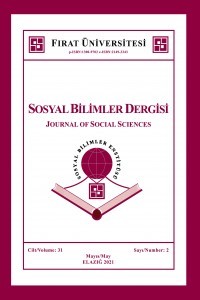

Journal of Social Sciences is an open access journal.