Research Article
Issue Editorial Board

He earned a bachelor's degree in economics and a master's degree in economic theory from Istanbul University. The field of economic theory is the focus of study for both degrees. He completed his PhD program at Kyoto University's Department of Economics. His studies concentrate on the economies of East Asia, energy economics, financial economics, institutional economics, and input-output analysis. His primary research interests are in the institutional frameworks of global and financial economies. He was employed at a broad range of institutions, and his works were published in scholarly publications. At the present, he is working as an associate professor at the economics department of Firat University in Turkey. Moreover, he was a research fellow at the Faculty of Engineering in the Kyushu University.
Issue Reviewers





 Web
Web
Bulgaristan’ın Gotse Delchev şehrinde dünyaya geldi. İlkokulu Dıbnitsa’da, ortaokulu ve liseyi İzmit’te okudu. 2007’de İstanbul Üniversitesi Edebiyat Fakültesi Türk Dili ve Edebiyatı Bölümü’nden mezun oldu. 2010’da Kocaeli Üniversitesi Sosyal Bilimler Enstitüsü’nde master; 2014’te Kocaeli Üniversitesi Sosyal Bilimler Enstitüsü Türk Dili ve Edebiyatı Anabilim Dalı’nda doktora öğrenimini tamamladı. 2013 yılında Varşova Yunus Emre Enstitüsü’nde okutman olarak çalıştı.
2014-2016 yılları arasında Artvin Çoruh Üniversitesi Türk Dili ve Edebiyatı Bölümü’nde öğretim üyesi olarak çalıştı. Mart 2016’dan beri İstanbul Medeniyet Üniversitesi Edebiyat Fakültesi Türk Dili ve Edebiyatı Bölümü’nde öğretim üyesi olarak görev yapmaktadır. Yeni Türk dili alanında bilimsel çalışmalarını sürdüren Karasu; dil ilişkileri, Türkçenin Balkan Slav dillerine etkisi alanında da ürünler vermektedir.
Çalışmaları, Balkanlarda Türk Dili ve Edebiyatı Araştırmaları Dergisi, TURAN-SAM, Uluslararası Sosyal Araştırmalar Dergisi, Dil ve Edebiyat Araştırmaları-Beşeri-Sosyal Bilimler Dergisi, Turkish Studies gibi dergilerde yayımlandı.
Türkçenin Balkan Slav dillerine etkisi alanlarında araştırmalarını sürdürmektedir.
Editor-in-Chief: MetaScience: Journal of the History and Philosophy of Science (Official abbreviation: MetaScience JHPS)
https://metasciencehps.org/

Prof. Dr. Arda Arıkan was born in Ankara in 1973. He completed his BA at Hacettepe University, Faculty of Letters, Department of American Culture and Literature. He worked as an instructor for three years at the School of Foreign Languages at Başkent University. He completed his doctorate at Pennsylvania State University, Faculty of Education, Science, Technology, and Society Doctoral Program in the United States, with a thesis examining the professional development of English instructors from a postmodern perspective. He has served as a faculty member at Hacettepe and Akdeniz Universities and taught courses at the University of Massachusetts, Applied Linguistics Graduate Program. To date, he has authored 15 books, 75 articles, more than 30 book chapters, presented nearly 200 scientific papers, and supervised 25 theses. He has a verifiable level of English (TOEFL, C2) and German (Goethe, A2), and working knowledge of French, Spanish, Latin, and Ottoman Turkish. He is an amateur medievalist, sculptor, and fan of animals and plants, and continues his studies in literature, education, and culture.
1975 Trabzon Çaykara doğumlu.
ilk orta ve Lise eğitimini İstanbul'da tamamladı.
Lisans Yüksek Lisans ve Doktora eğitimini Kırgızistan Türkiye Manas Üniversitesinde tamamladı.
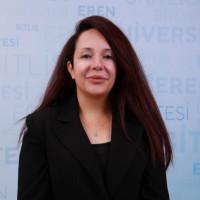
Selçuk Üniversitesi Kamu Yönetimi bölümü lisans öğrenimini 2014 yılında, yüksek lisansını Yüzüncü Yıl Üniversitesi Kamu Yönetimi Anabilim Dalında iç göçlerin kentleşme üzerine etkisini Van örneği üzerinden incelediği tez ile 2017 yılında tamamlamıştır. Sonrasında YÖK'ün 100/2000 projesi kapsamında öncelikli alan olarak belirlediği Yoksulluk programına dâhil olarak kırsal kalkınma, göç, yoksulluğun çeşitli görünümleri ile ilgili alan araştırmalarına katılmıştır. 2018 yılında Bitlis Eren Üniversitesi’nde araştırma görevliliğine atanmıştır. 2022 yılında Necmettin Erbakan Üniversitesi Siyaset Bilimi ve Kamu Yönetimi Ana Bilim Dalı’nda İslam Şehirlerinin dönüşümünü incelediği tez ile doktora eğitimini tamamlamıştır. 2026 yılı itibarıyla Bitlis Eren Üniversitesi Siyaset Bilimi ve Kamu Yönetimi Bölümü Kentleşme ve Çevre Sorunları Ana Bilim Dalı’nda doçent olarak görevini sürdürmektedir. Göksoy Sevinçli’nin kentleşme politikaları, yerel yönetimler ve sosyal politika alanlarında akademik çalışmaları bulunmaktadır.


KARABÜK ÜNİVERSİTESİ SAFRANBOLU ŞEFİK YILMAZ DİZDAR MESLEK YÜKSEKOKULU SEYAHAT-TURİZM VE EĞLENCE HİZMETLERİ BÖLÜM BAŞKANI
I have got a PhD degree in Business Administration. I work as a full-time Associate Professor at Safranbolu Vocational School at Karabuk University in Safranbolu-KARABUK. I am also head of Department of Travel - Tourism and Recreational Services. I study on identifying and resolving workplace issues at both the individual and organizational level, plus focusing on individual, group and organizational dynamics and using that research to identify solutions to problems that improve the well-being and performance of an organization and its employees. I am also interested in leadership and human behaviour in the workplace, workplace friendships, and optimizing the quality of work life.
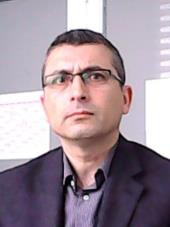
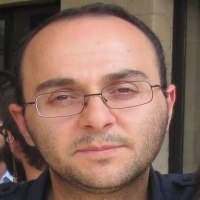
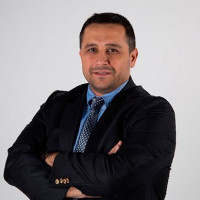
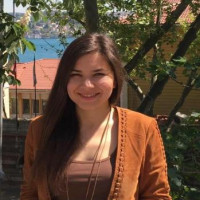
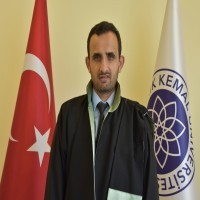
Emre ÖZŞAHİN was born in Gönen (Balıkesir) and completed his primary, secondary and high school education in Gönen. In 2003, he graduated from Balıkesir University, Faculty of Arts and Sciences, Department of Geography in 2007 and received his bachelor's degree. Between 2008-2013, he worked as a specialist at Mustafa Kemal University, Faculty of Arts and Sciences, Department of Geography. He completed his master's program in 2009 and his doctorate in Istanbul University in 2013. In 2013, he was appointed as an Assistant Professor at Tekirdağ Namık Kemal University, Faculty of Arts and Sciences, Department of Geography. In 2017, he was promoted to Associate Professor and in 2024 to Prof.. Özşahin has been working as the Head of the Department of Geography at Tekirdağ Namık Kemal University since 2018. Özşahin has published more than 100 scientific publications in national and international categories and participated in domestic and international conferences. The researcher, who conducts scientific studies in the fields of Geomorphology, Soil Geography and Geographic Information Systems, is currently working as a faculty member at Tekirdağ Namık Kemal University Faculty of Arts and Sciences. Özşahin is married and has two daughters.
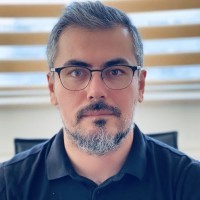
Gaziantep Üniversitesi Gaziantep Eğitim Fakültesi
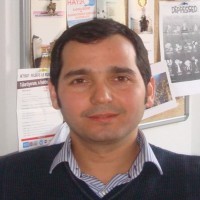
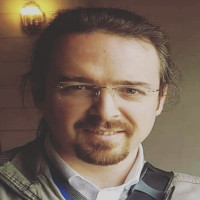
1983 yılında Akhisar / Manisa'da doğdu. 1994'te Ülkü İlkokulunu, ardından 2001'de Akhisar Anadolu Lisesini bitirdi. Lisans derecesini 2006 yılında Çanakkale Onsekiz Mart Üniversitesi Eğitim Fakültesi Türkçe Öğretmenliğinden, yüksek lisans derecesini 2009 yılında Balıkesir Üniversitesi Sosyal Bilimler Enstitüsü Türkçe Eğitimi Ana Bilim Dalından, doktora derecesini ise 2014 yılında Gazi Üniversitesi Eğitim Bilimleri Enstitüsü Türkçe Öğretmenliği Ana Bilim Dalından aldı. 2006-2009 yılları arası Balıkesir Üniversitesi Necatibey Eğitim Fakültesi Türkçe Eğitimi Bölümünde arş. gör., 2009-2014 arası Gazi Üniversitesi Gazi Eğitim Fakültesi Türkçe Eğitimi Bölümünde arş. gör. olarak çalıştı. 2014'ten bu yana da Balıkesir Üniversitesi Necatibey Eğitim Fakültesi Türkçe Eğitimi Ana Bilim Dalında çalışmaktadır. 2020 yılında doçent unvanı almış, 2026'da ise profesör olarak atanmıştır.
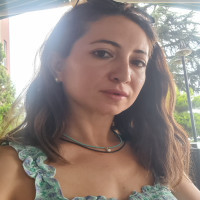


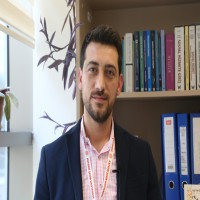
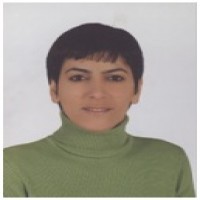


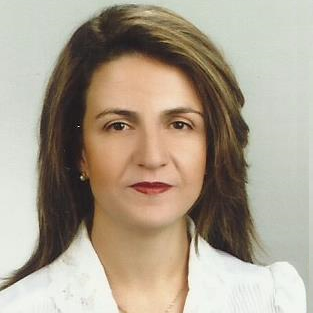
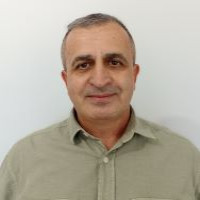
Melike Meterelliyoz, PhD, is an Associate Professor in the field of Operations Management and Quantitative Methods at TOBB University of Economics and Technology. After completing her undergraduate degree in Industrial Engineering at Bilkent University, she went on to earn a Master's degree in Industrial Engineering, a Master's degree in Statistics, and a PhD in Industrial Engineering from the Georgia Institute of Technology in Atlanta, USA. Her doctoral thesis won the first-place award in a competition held in the U.S. in her field. She has received various research grants, including the EU Marie Curie Career Fellowship, TÜBİTAK research grant, and NSF project support. Her research covers areas such as computer simulations, statistical decision-making, big data analysis, risk forecasting, production and service systems management, enterprise resource planning systems, revenue management, optimization, and humanitarian logistics. Dr. Meterelliyoz has taught undergraduate, master's, and doctoral level courses at universities in both the U.S. and Turkey, and has also provided training to many companies and organizations. She has published book and several papers in journals such as European Journal of Operations Research, IIE Transactions, and Expert Systems with Applications, and has received best paper and best presentation awards at numerous international conferences.
Ankara HBVÜ, Genel Türk Tarihi Anabilim Dalı Öğretim Üyesi
 Web
Web

Onur Yerlikaya Şaşmaz was born in 1983 in Elazığ, Türkiye. She completed her undergraduate studies in Sociology at the Faculty of Humanities and Social Sciences at Fırat University in 2005. Between 2005 and 2008, she pursued a master’s degree in Social Studies Education, which she successfully completed. In 2007, she was appointed as a research assistant in the Department of Social Studies Education at the Faculty of Education, Fırat University. In 2008, she began her doctoral studies in the Department of General Sociology and Methodology at the Institute of Social Sciences, Fırat University. She obtained her PhD in 2015 with a dissertation in the field of Political Sociology. Since 2016, Dr. Şaşmaz has been serving as an Assistant Professor in the Department of Political Science and Public Administration, within the Division of Political and Social Sciences at Fırat University. She is also the Head of the Non-Thesis Master’s Program in Disaster and Crisis Management. Additionally, since 2016, she has been a member of the Executive Board of the Women and Family Studies Research and Application Center at Fırat University.


Tevfik Orkun Develi, 1984 yılında Eskişehir’de doğdu. 2006’da Selçuk Üniversitesi, Uluslararası İlişkiler Bölümü’nden lisans derecesi ile mezun oldu. Buradaki eğitim hayatının bir döneminde uluslararası öğrenci değişim programı ile Polonya’nın Szczecin Üniversitesi’ne bağlı Siyaset Bilimi ve Avrupa Çalışmaları Enstitüsü’nde öğrenim gördü. 2009’da Hacettepe Üniversitesi, Sosyal Bilimler Enstitüsü, Tarih Anabilim Dalı’nda bilim uzmanlığını alarak, aynı alanda doktora çalışmalarına başladı. Bu kapsamda bir süre Rusya ve Azerbaycan’da araştırmalar yaptı. 2013 yılında çalışmalarını Araştırma Görevlisi olarak atandığı Muğla Sıtkı Koçman Üniversitesi’ne taşıyarak, 2018’de Azerbaycan’da Modernitenin Kurucu Unsuru Olarak Milliyetçilik başlıklı teziyle tarih alanında doktora eğitimini tamamladı. 2024 yılında Genel Türk Tarihi alanında doçent unvanını almaya hak kazandı. Milliyetçilik, modernleşme ve uluslararası ilişkiler üzerine çalışmaları olup, iyi seviyede İngilizce ve Rusça bilmektedir.
Doç. Dr. Ulaş Işıklar 1977’de Kırklareli’nde doğdu. Lisans öğrenimini Ege Üniversitesi İletişim Fakültesi Radyo TV Sinema Bölümü’nde bitirdikten sonra, yüksek lisans ve doktorasını aynı üniversitede sinema üzerine yaptı. İstanbul Beykent Üniversitesi Güzel Sanatlar Fakültesi Sinema TV (İngilizce) Bölümü’nde öğretim üyesi olarak görev yapmaktadır.
Birçok kısa film, video-klip, tanıtım ve eğitim filminin yönetmenliğini yaptı. “Nemesis; Ölüler Valsi” adlı kısa filmle Ege Üniversitesi 2003 kısa film yarışması kurmaca kategorisinde Birincilik ve Selçuk Üniversitesi 2003 kısa film yarışması Jüri Özel ödülü, “Shtriga; Bir Vampir Rüyası” adlı kısa filmle Ege Üniversitesi 2004 kısa film festivalinde En İyi Film ödüllerini kazandı. Birçok televizyon dizi ve programının yanı sıra, sinema filmi ve belgesel projelerinde de çeşitli görevler aldı.
2010’da “Gecenin Çocukları: Son Dönem Korku Sinemasında Vampir Karakterinin Dönüşümü” adlı akademik sinema kitabı yayımlandı. Sinemayla ilgili pek çok kitap ve dergide akademik makaleleri yer aldı. İlk romanı “Gece Gelen” 2013’te yayımlandı. Nietzsche, Camus ve Sartre felsefelerinden ipuçları barındıran ikinci romanı “Karasinek” 2020’de, varoluşçu bir Trakya anlatısı olan üçüncü romanı “39 Merkez; Bir Trakya Kentinde Kısa Film Çekmenin Aşırı Acıklı ve Pek Gülünç Hikâyesi” 2021’de yayımlandı. Aynı yıl, “Nuri Bilge Ceylan Sinemasında Nihilizm” başlıklı akademik sinema kitabı yayımlanmıştır.
“Demirkubuz: Yolu Yok! Çekeceksin…” isimli akademik sinema kitabı ise 2024’te yayımlandı. Hâlihazırda sinema-felsefe alanında tamamladığı doktora tezine uygun şekilde, ‘felsefi’ temaları irdelediği edebi metin ve senaryo yazma çalışmalarını sürdürmekte, ayrıca lisans düzeyinde “Advanced Script Writing”, “Cinematography”, “Film Production”, yüksek lisans düzeyinde ise “Sinema ve Diğer Mecralar” ve “Kültürel Film Eleştirisi” derslerini vermektedir.
 Web
Web

Assoc. Prof. Dr. Yavuz Selim Kaleli was born in 1989 in Konya, Türkiye. He completed his secondary education in 2007 at Konya Çimento Anatolian High School of Fine Arts. In 2011, he graduated as the valedictorian from the Department of Music Education, Faculty of Education at Selçuk University. He received his master’s degree in 2014 and his Ph.D. in 2018 from the same department.
During his graduate studies, he continued his piano training with Prof. Dr. Özgür Ünaldı and Prof. Dr. Gökhan Aybulus, and also participated in the masterclass of Gülnara Azizova.
Between 2016 and 2018, he served as a lecturer at the Faculty of Fine Arts, Department of Music at Nevşehir Hacı Bektaş Veli University. From 2018 to 2022, he worked as an Assistant Professor at the Department of Music Education, Faculty of Fine Arts Education at Necmettin Erbakan University. In 2022, he was awarded the title of Associate Professor in the field of Music Education.
In addition to his academic work, he has given numerous national and international concerts in the genres of Classical Music, Turkish Folk Music, and Popular Music. He has composed marches for public institutions and stage music for theatrical productions. In 2024 and 2025, he was honored with the “Artist of the Year” award by Necmettin Erbakan University.
He currently serves as the Head of the Department of Music Education at the Faculty of Education, Necmettin Erbakan University, and continues his academic studies in the field of piano education.


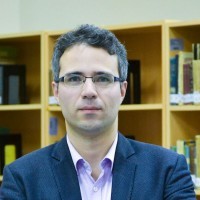
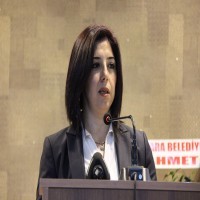

İlkay Canan Okkalı graduated from Istanbul University Faculty of letters, Art History Department receiving her BA (2002), MA (2005) and PhD (2014) in the fields of Western Art and Contemporary Art. In 2022 she became Associate Professor in the fields of Western Art and Contemporary Art. She has been giving lessons at Trabzon University respectively.
Okkalı edited the essay collection The Future Belongs to the Youth (Geleceğimiz Gençlere Emanet, TAÇ Foundation Publications, 2008), under the sponsorship of UNESCO. She is a chapter author in the books, A Century-old Turkish Palace in Vienna from the Ottomans to the Present (Osmanlı’dan Günümüze Viyana’da Asırlık Türk Sarayı - Denizbank Publications, 2016), in which the architecture and historical works of the Turkish Embassy Building in Vienna are described, Women of Art in the Shadows (Sanatın Gölgedeki Kadınları - Ayrıntı Publications, 2018), The Changing World of Women (Kadının Değişen Dünyası-Kronik Publications, 2021), Essays on Art History: A Gift for Necdet Sakaoğlu (Necdet Sakaoğlu’na Armağan Sanat Tarihi Yazıları- Kriter, 2021), Tools for the Craftsman (Alet İşler- Kanca Yayını, 2022). She is the author of the children’s book on the Turkish artist Füreya Koral, titled Füreya Koral. (Ketebe, 2022). Okkalı’s articles on art practices of women and Turkish painting have been published in national and international academic journals. Currently working as a faculty member at Trabzon University, Okkalı continues to write and speak about art in various forums.

Lisans: Hacettepe Üniversitesi Fen Edebiyat Fakültesi Sanat Tarihi (1999-2003)
Yüksek Lisans: Hacettepe Üniversitesi Sosyal Bilimler Enstitüsü Sanat Tarihi ABD (2004-2007)
Doktora: Ankara Üniversitesi Sosyal Bilimler Enstitüsü Sanat Tarihi ABD (2011-2017)
Unvan-Kurum: Doç. Dr., Bozok Üniversitesi Fen-Edebiyat Fakültesi Sanat Tarihi Bölümü, Bizans Sanatı Anabilim Dalı Başkanı
Aim & Scope
FOCUS
The Fırat University Journal of Social Sciences (p-ISSN 1300-9702, e-ISSN 2149-3243) is an international peer-reviewed journal published triannually in print and electronic formats in January, May, and September, providing a platform for researchers and scholars in the social sciences to present their scientific studies.
SCOPE
1. The journal employs a double-blind peer review system for the evaluation of all submitted articles. Under this system, reviewers do not have access to the identity of the authors, and authors remain unaware of the reviewers’ identities throughout the process.
2. Translation and publication evaluation studies submitted to the journal are also subjected to the same double-blind review process as original scholarly articles.
3. The Editorial Board initially screens submissions for format compliance and subject relevance. Suitable manuscripts are then forwarded to two independent reviewers who are experts in the relevant field. If both reviewers provide favorable evaluations, the manuscript is accepted for publication. In cases of one positive and one negative review, the manuscript is sent to a third reviewer for final assessment.
4. Authors whose manuscripts require revisions must submit the revised version within 20 days of receiving reviewer feedback. Revised manuscripts may be re-evaluated by the original reviewers if necessary.
5. The final decision regarding the publication of all manuscripts is made by the Editorial Board, following approval from two field experts recommending that the manuscript is publishable. Authors are expected to address all reviewer and editorial comments. If the author disagrees with any feedback, they may submit a separate justification document outlining their position.
6. Submitted manuscripts, whether accepted or rejected, will not be returned to the authors.
7. The views expressed in published articles are those of the authors and do not necessarily reflect the official views of the Fırat University Journal of Social Sciences.
Fırat University Journal of Social Sciences is published triannually, both in print and electronic formats, in the months of January, May, and September. Articles are accepted on a rolling basis and are not restricted to a specific issue. Authors may submit their scientific papers at any time throughout the year.
Fırat University Journal of Social Sciences requires that all studies passing the Blind Review Process be subjected to plagiarism detection to uphold the integrity of the journal. In this regard, every submitted manuscript is checked using a plagiarism detection system approved by the Editorial Board.
Author Guidelines
CLICK HERE TO DOWNLOAD THE SAMPLE ARTICLE TEMPLATE
Articles intended for publication in the Fırat University Journal of Social Sciences should primarily be original works that contribute to the field of social sciences and must possess the following qualities:
1. Titles in Turkish and foreign languages should be compatible with the scope of the article; they should reflect the subject of the article briefly, clearly, and adequately.
2. Summaries in Turkish and foreign languages should reflect the purpose, scope, and results of the writing and should be prepared in a way that can be published separately from other sections of the text.
3. The writing should adhere to grammatical rules in terms of language and expression, follow a clear and straightforward narrative style, avoid unnecessary information that goes beyond the purpose and scope, and comply with the rules of article writing.
4. In the preparation of the article, established scientific methods should be followed, and information such as the subject, purpose, scope, and rationale for the preparation of the study should be provided adequately and in a specific order. The figures, tables, photographs, and other documents used in the article should be prepared in accordance with scientific standards, selected in line with the purpose and scope of the writing, and unnecessary documents and sources that are not mentioned in the text should not be included.
5. The figures, tables, photos, and other documents used in the article must have a clear and sufficient explanation that is easy to understand.
6. The sources used in the text should be organized according to writing rules, and every document mentioned should be included in the references section; however, documents that are not referenced in the text should not be included in the references section.
7. The results should be consistent with the aims and scope of the research, presented in a concise and essential manner, and should not include data or findings that are not mentioned in the text.
8. For any research conducted using qualitative or quantitative approaches that involve data collection from participants through surveys, interviews, focus group studies, observations, experiments, or other interview techniques, an "Ethics Committee Approval Document" must be obtained.
9. All articles to be submitted to our journal must include a "Similarity Report" (Plagiarism Report).
10. The article file should be uploaded in two separate instances, one of which must include the authors' names within the work, while the other must not contain any author information. The file name should also include the title of the work, not just the author's name.
Example file name:
V1_untitled_article title
Article titled V1.
11. An author can only have one article published in any issue of our magazine, regardless of the order of authorship.
12. Considering the TR INDEX criteria (in your institution, the number of articles and the peer review ratio should be at most 1/3) and taking into account the journal density, an author will have only one publication in a year.
Ethical Principles and Publication Policy
The publishing processes of Fırat University Journal of Social Sciences are designed to ensure the impartial and respectful development and dissemination of knowledge. These processes directly influence the quality of the work produced by authors and supported by their institutions. Peer-reviewed studies reflect and uphold the principles of the scientific method. It is essential that all stakeholders in the process—authors, readers, researchers, publishers, reviewers, and editors—adhere to ethical principles.
Fırat University Journal of Social Sciences expects all stakeholders to fulfill the following ethical responsibilities within the framework of publication ethics.
The ethical duties and responsibilities outlined below have been formulated in accordance with the guidelines and policies provided by the Committee on Publication Ethics (COPE) and are in line with open access principles.
The author(s) submitting to Fırat University Journal of Social Sciences are expected to adhere to the following ethical responsibilities:
1. Originality: The article(s) submitted must be original. If the author(s) reference or draw upon other studies, they must fully and accurately cite the sources they have used.
2. Authorship: Only individuals who have made significant intellectual contributions to the creation of the study should be listed as authors. Individuals who have not contributed intellectually should not be designated as authors.
3. Conflict of Interest: Any potential conflicts of interest related to the submitted studies must be disclosed, if applicable. This includes any financial, personal, or professional relationships that may influence the results or interpretation of the study.
4. Raw Data: The raw data associated with the article may be requested by the editorial board during the evaluation process. In such cases, the author(s) should be prepared to provide the requested data and information promptly.
5. Rights and Permissions: The author(s) must provide documentation showing that they have the rights to use any data, including necessary permissions for research or analysis, as well as consent from experimental subjects (if applicable).
6. Corrections and Retractions: If the author(s) notice any mistakes or errors in their published work, at any stage (e.g., early view or evaluation), they are obligated to inform the journal editor and cooperate with the editorial team in correcting or retracting the work.
7. Simultaneous Submissions: Articles submitted to the journal must not be under consideration for publication by any other journal simultaneously. Each submission should be made only after the completion of the previous submission process. A study that has already been published elsewhere cannot be submitted to Fırat University Journal of Social Sciences.
8. Changes in Authorship: Once the evaluation process of a study has begun, no changes to the authorship (such as adding, removing, or altering the order of authors) can be proposed.
The editors of Fırat University Journal of Social Sciences have the following ethical duties and responsibilities, based on the COPE Code of Conduct and Best Practice Guidelines for Journal Editors and the COPE Best Practice Guidelines for Journal Editors, which are published by the Committee on Publication Ethics (COPE) as open access.
Editors are responsible for all publications in Fırat University Journal of Social Sciences. In line with this responsibility, editors have the following roles and obligations:
1. They strive to meet the information needs of both readers and authors.
2. They ensure the continuous development and improvement of the journal.
3. They oversee processes aimed at enhancing the quality of studies published in the journal.
4. They support and uphold freedom of thought and expression.
5. They ensure academic integrity in all aspects of the publication.
6. They carry out their duties without compromising intellectual property rights or ethical standards.
7. They maintain transparency and clarity in addressing issues that require corrections or further explanations.
Editors make decisions by considering the knowledge, skills, and experience expectations of all readers, researchers, and practitioners. They ensure that the published studies contribute to the readers, researchers, practitioners, and the scientific literature, and that the studies are original. Additionally, editors take into account feedback from readers, researchers, and practitioners, providing explanatory and informative responses.
The duties and responsibilities of editors toward authors are as follows:
1. Editors make decisions based on the importance, originality, validity, clarity of expression, and alignment with the journal's goals and objectives.
2. Editors forward works suitable for the journal's scope to the pre-evaluation stage, unless the work presents serious issues.
3. Editors do not disregard positive referee suggestions unless there are significant problems with the work.
4. New editors may not alter the decisions made by previous editors regarding a work, unless there is a serious issue.
5. Editors ensure transparency by publishing the "Blind Refereeing and Evaluation Process" and prevent any deviations from the established processes.
6. Editors provide clear, descriptive, and informative notifications and feedback to the authors.
The duties and responsibilities of editors toward referees are as follows:
1. Editors select referees based on the subject matter of the study.
2. Editors provide the necessary information and guidelines to referees during the evaluation process.
3. They monitor for any conflicts of interest among editors, authors, and referees.
4. Editors maintain the confidentiality of referees' identities in accordance with the blind refereeing process.
5. Editors encourage referees to approach their evaluations with impartiality, scientific rigor, and objectivity.
6. Editors assess the performance of referees based on criteria such as timely feedback and quality of evaluation.
7. Editors establish practices and policies to enhance the performance of referees.
8. Editors take necessary actions to dynamically update and expand the pool of referees.
9. Editors prevent impolite or unscientific reviews.
10. Editors work to ensure that the referee pool is diverse and represents a wide range of expertise.
Editors ensure that editorial board members follow the processes, publishing policies, and guidelines effectively. They keep the editorial board members informed about publishing policies and any related developments. Editors provide training for new editorial board members on publishing policies and supply them with the necessary information.
Additionally, editors:
1. Ensure that editorial board members evaluate works impartially and independently.
2. Select new editorial board members from among qualified faculty members who can contribute meaningfully.
3. Assign works relevant to the expertise of the editorial board members for evaluation.
4. Regularly engage and communicate with the editorial board.
5. Organize meetings with the editorial board at regular intervals to develop publishing policies and improve the journal.
The relationship between editors and the publisher is based on the principle of editorial independence. Editors make editorial decisions independently of the publisher, ensuring that the publication process adheres to the highest standards of academic integrity and impartiality. The publisher supports the editorial board’s decisions and ensures that resources and infrastructure necessary for the journal's operation are provided.
Editors adhere to the "Blind Review and Evaluation Process" outlined in the journal's publishing policies. In this context, editors ensure that each work undergoes a fair, impartial, and timely evaluation. The review process is designed to maintain the integrity and quality of the journal by providing objective assessments while upholding the standards of academic rigor.
Editors ensure that every article published in the journal adheres to the journal's publication policies and meets international academic standards. This includes maintaining rigorous editorial processes, ensuring the quality and integrity of the content, and providing a transparent, fair, and unbiased evaluation process for each submission.
Editors ensure the protection of personal data related to the subjects, images, and individuals mentioned in the evaluated studies. They safeguard the personal information of authors, referees, and readers in accordance with privacy laws and ethical standards. Confidentiality is maintained throughout the editorial and review processes to uphold the integrity and trust in the journal.
Editors ensure the protection of human and animal rights in all evaluated studies. In cases where studies involve human participants or animals, editors require that ethical approval from the relevant ethics committee be provided. If such approval is absent or the study lacks permission for experimental research, editors will reject the work to uphold ethical standards and ensure compliance with international research guidelines.
Editors take proactive measures to prevent potential abuse and misconduct in the publication process. They conduct thorough, objective investigations into any allegations of misconduct, ensuring that all complaints are addressed in accordance with ethical standards. Editors share their findings transparently and ensure that the evaluation process upholds the integrity of the journal.
Editors are committed to protecting the intellectual property rights of all published articles. They defend the rights of both the journal and the authors in the event of potential violations. Furthermore, editors take the necessary steps to ensure that the content in all published articles does not infringe upon the intellectual property rights of other publications, ensuring respect for original works and compliance with copyright laws.
Editors:
1. Consider and address the constructive criticisms of the articles published in the journal, adopting a positive and open approach to such feedback.
2. Grant the author(s) the right to respond to critiques of their work, ensuring a fair and balanced dialogue.
3. Do not disregard studies with negative results, recognizing the value of all research contributions regardless of their outcomes.
Editors respond to complaints from authors, referees, or readers in a thoughtful and detailed manner. They carefully examine each complaint and provide informative and clarifying feedback, ensuring that all concerns are addressed with transparency and respect for ethical standards.
The journal owner, publisher, and any other political or commercial interests do not influence the editors' independent decision-making process. Editors make decisions solely based on the academic merit and scientific rigor of the submitted work, ensuring that external factors do not compromise the integrity of the editorial process.
Editors ensure that the publication process is carried out independently and impartially, carefully considering any potential conflicts of interest between authors, referees, and other editors. They take necessary actions to prevent any bias and ensure that the editorial decisions are made based solely on the academic quality and merit of the work.
The evaluation of all studies through the "Blind Review" process directly impacts the quality of the publication. This process ensures confidence in the objective and independent evaluation of the work. For Fırat University Journal of Social Sciences, the evaluation process follows the principle of double-blind review. Referees are not permitted to contact authors directly; all evaluations and comments must be submitted through the journal management system. In this process, referee comments on evaluation forms and full texts are forwarded to the author(s) through the editors. In this context, referees evaluating articles for Fırat University Journal of Social Sciences are expected to adhere to the following ethical responsibilities:
1. Referees agree to evaluate studies within their area of expertise only.
2. Referees make evaluations impartially and maintain confidentiality throughout the process.
3. If they believe there is a conflict of interest during the evaluation process, they must decline to evaluate the study and inform the journal editor.
4. In accordance with the confidentiality principle, referees are required to destroy the works they evaluate after the review process.
5. Referees only evaluate the final version of studies, once they have been officially published.
6. Evaluations should be made objectively, based solely on the content of the study.
7. Referees should not let factors such as nationality, gender, religion, political beliefs, or commercial interests influence their evaluations.
8. Referees provide feedback in a constructive and courteous manner, avoiding derogatory personal comments, hostility, slander, or insults.
9. Referees must complete their evaluations in a timely manner, adhering to the ethical guidelines outlined above.
10. If you encounter any unethical behavior or content in Fırat University Journal of Social Sciences beyond the above-mentioned ethical responsibilities, please report it via email to sbedergi@firat.edu.tr.
Fırat University Journal of Social Sciences is an "Open Access" journal that provides its published content directly to open access. The journal aims to contribute to the support and development of science through its "Open Access" policy. As per this policy, provided that the source is cited in accordance with recognized standards, all usage rights (such as online linking, copying, printing, reproduction in any physical medium, distribution, etc.) are granted, except for commercial use and content modification (unless otherwise stated in the specific content). These rights are granted under the Creative Commons Attribution-NonCommercial 4.0 International License (CC BY-NC). For any commercial use of the content, permission from the journal editor is required.
Price Policy
Journal of Social Sciences is an open access journal.
