Research Article
Review Article
Issue Reviewers
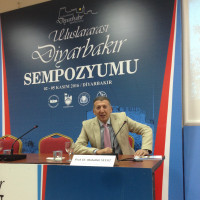
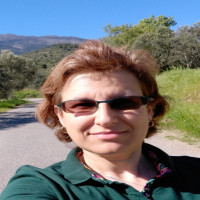
Dr. Abdullah Sessiz graduated from the Çukurova University (Adana, Turkey), Agriculture Faculty, Department of Agricultural Mechanization in 1989 with a B.Sc. In 1992-1999 worked as a Researcher Assistant in Ondokuz Mayis University in Samsun Province. Abdullah Sessiz currently works at the Department of Agricultural Machinery and Technologies, Dicle University, Diyarbakır province, Turkey. He is working on Alternative tillage systems for double crops, Bioprosses, Biyological materails, Plant Production, Harvest and post-harvest, system management.








 Web
Web
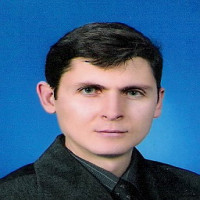
Furkan Çoban has specialized in agricultural science and plant cultivation as a plant scientist for over 15 years. Combining his academic and industrial experience, he has worked on plant breeding, improving quality and yield in industrial crops, discovering bioactive compounds, and sustainable agricultural practices. After completing his education in agricultural engineering at Selçuk University, he pursued a Ph.D. at Atatürk University, focusing on the effects of nitrogen applications and planting techniques on the quality and bioactive compound profiles of industrial crops. He has also served as a researcher at the Swedish University of Agricultural Sciences, concentrating on innovative green biostructures, converting plant biomass into value-added products, and modern plant breeding programs.
 Web
Web
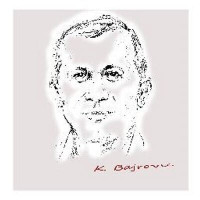
Prof. dr. Kasim Bajrovic
ingilizce
 Web
Web


 Web
Web
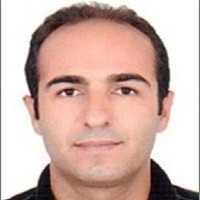
Prof.Dr.Ufuk Türker Ankara Üniversitesi, Ziraat Fakültesi Tarım Makinaları lisans programından 1988 yılında mezun olmuştur. 1992 yılında aynı anabilim dalında yüksek lisans eğitimini tamamlamıştır. 1993-1998 yılları arasında İngiltere’nin Cranfield Üniversitesinde Hassas Tarım alanında Doktora eğitimini tamamlamıştır. 2003-2012 yılları arası Yardımcı Doçent ve 2013 yılından itibaren de aynı bölümde Doçent öğretim üyesi olarak çalışmaya devam etmektedir. Hassas Tarım konusunda Almanya, İngiltere, Belçika’da belirli sürelerle çalışmalarda bulunmuştur.
Indexes
Citation Indexes

Other Indexes


Journal Boards
Editor-in-Chief
Managing Editor

Agricultural Sciences, Plant Biotechnology Tecnologico del Valle de Oaxaca, Mexico
Associate Editors
Shaqra University, Biology Department, Faculty of Science and Humanities, Saudi Arabia.
Sadat City University, Department of Plant Biotechnology, Genetic Engineering and Biotechnology Research Institute (GEBRI), Sadat City, Egypt.

Institute of Field and Vegetable Crops, National Institute of the Republic of Serbia

Dr. Bantchina specializes in precision agriculture, proximal soil sensing, remote sensing & GIS, variable rate irrigation, site-specific fertigation, nutrients management, precision water management, soil spectroscopy, nutrient management best practices, digital agriculture, and machine learning applications in agriculture. His research focuses on optimizing water and fertilizer use efficiency through the application of advanced smart farming technologies.
Professor Agnieszka Szopa is a researcher and academic at the Department of Medicinal Plant and Mushroom Biotechnology, Faculty of Pharmacy, Medical College, Jagiellonian University in Kraków, Poland.
Her research focuses on plant biotechnology, phytochemistry, phytotherapy, and phytocosmetology. She specializes in the pharmaceutical applications of plant biotechnology, particularly in the production of bioactive metabolites from medicinal and cosmetic plants. Additionally, her studies explore the biological activity of medicinal plant species through both in vitro and in vivo approaches.
She has completed numerous international research and teaching internships and is actively involved in academic instruction, covering subjects such as pharmaceutical botany, cosmetic plants, plant biotechnology, and phytochemistry.
Her scientific contributions are reflected in over 200 publications, with a cumulative Impact Factor of 480. Her research has been cited over 3,600 times (Web of Science), and her h-index stands at 35 (Web of Science), 38 (Scopus), and 43 (Google Scholar).
Research Interests:
Plant biotechnology | Plant in vitro cultures | Pharmacy | Pharmacognosy | Pharmaceutical botany | Pharmacology | Medicinal plants | Cosmetic plants | Herbal medicine | Phytochemistry | Biological activity of natural compounds
Profiles & Links:
• https://orcid.org / 0000-0002-6351-4047
• https://portalwiedzy.cm-uj.krakow.pl/info/author/UJCMa40cc97e967d47fcbba30f15797f28c4/
• https://scholar.google.com/citations?user=fpt3f24AAAAJ&hl=pl&oi=ao
• https://www.scopus.com/authid/detail.uri?authorId=51764466200
• https : //www.linkedin.com /in/ agnieszka -szopa- 75332815b /

Isparta University of Applied Sciences, Faculty of Agriculture, Isparta, Türkiye
Editorial Board
Prešov Üniversitesi, Beşeri ve Doğa Bilimleri Fakültesi, Ekoloji Bölümü, Prešov, Slovakya
Prof. Dr. Ivan Salamon, MBA: an university teacher and scientist. I am the principal author of the patent – the freeze-drying technology (lyophilization), as unique methods of anthocyanin isolation from medicinal plant small fruits, Chamomile variety “LIANKA” with the high content of /-/-α-bisabolol and Peppermint variety “KRISTINKA” with the high content of menthol of essential oils. In 2021, I completed the MBA training program with an emphasis on management skills in education and R&D.
University of Science and Technology in Bydgoszcz, Poland
Department of Department of Agronomic Sciences Faculty of Agriculture and Environment Agricultural University of Tirana, Albania
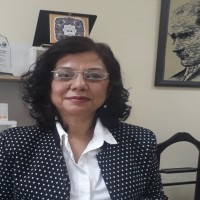
Erciyes University, Faculty of Agriculture, Kayseri, Türkiye
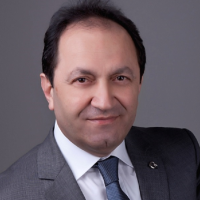
Akdeniz Üniversitesi, Ziraat Fakültesi, Tarım Ekonomisi Bölümü, Antalya, Türkiye
Orhan ÖZÇATALBAŞ, Akdeniz Üniversitesi Ziraat Fakültesi Tarım Ekonomisi Bölümü Öğretim Üyesidir. Çukurova Üniversitesi Ziraat Fakültesi'nden mezun olduktan sonra , Fen Bilimleri Enstitüsü'nde Yüksek Lisans ve doktorasını tamamladı. 1995-1998 döneminde aynı üniversitede Tarım Ekonomisi Bölümünde Yardımcı Doçent olarak görev yaptı. 1998 yılında Antalya Akdeniz Üniversitesi'ne yardımcı doçent olarak geçti ve 2011 yılında profesörlüğe atandı.
Dr. Özçatalbaş, yüksek lisans ve doktora sürecinde tarım ekonomisi, tarım politikası ve yayım alanında çalışmalarını yoğunlaştırmıştır. Araştırma alanları olarak; tarım ekonomisi, kırsal kalkınma ve yayım, tarım politikası, bilgi sistemleri ve Bilişim, kırsal turizm ve kırsal enerji ve politikaları sıralanabilir.
Postdoc çalışması için 1999-2000'döneminde Hannover Leibniz Üniversitesi Bahçe Bitkileri Ekonomisi Enstitüsü (Institut für Gartenbau ökonomie)’nde "Horticultural Information System" üzerine çalışma yapmıştır. Aynı enstitüde 2000-2004 yılları arasında çeşitli defalar araştırma çalışmaları için misafir bilim adamı olarak görev yapmıştır.
Ulusal ve uluslararası dergilerde 90'dan fazla makalesi ve 7 den fazla kitap bölümü 2 yayınlanmış kitabı (Tarımsal Yayım ve Haberleşme / Öğrenciler için Bilgisayar) ve editörlüğünü yaptığı ve 2023 yılında basılan "Sustainable Rural Development Perspective and Global Challenges" ( https://www.intechopen.com/books/11253 ) gibi yayınları bulunmaktadır.
Dr. Özçatalbaş, Türkiye Tarım Ekonomisi Derneği, Ziraat Mühendisleri Odası, Türkiye Erozyonla Mücadele, Ağaçlandırma ve Doğal Varlıkları Koruma Vakfı Bilim Kurulu Üyesi ve diger bazı mesleki alanlarda çalışan sivil toplum kuruluşları üyesidir. Dr Özçatalbaş ayrıca I"nternational Journal of Rural Tourism and Development (IRTAD) 'ın editörlüğünü yapmaktadır( http://www.turizmvekalkinma.org/).
2021 yılında Türkiye Nobel Bilim ve Araştırma Merkezi Derneği tarafından Tarım Ekonomisi alanında, kırsal kalkınma ve turizm alanında "Yılın Bilim İnsanı" ödülüne layık görülen Dr. Özçatalbaş Halen halen Akdeniz Üniversitesi Fen Bilimleri Enstitüsü müdürü olarak görev yapmaktadır.
Istanbul University-Cerrahpasa, Faculty of Engineering, Department of Environmental Engineering, Istanbul, Türkiye

Prof. Riyaz Sayyed is a Professor in the Department of Biological Sciences and Chemistry at the University of Nizwa, Nizwa, Oman. He has 21 years of teaching-Research-Administrative experience. He served as the President of the Indian Chapter of the Asian PGRP Society from 2017 to 2023. He is Associate Editor of Environmental Sustainability (Springer) and Vegetos (Springer), Guest Editor of Sustainability (02 SI), Frontiers in Microbiology (01 SI), Frontiers in Sustainable Food Systems (01 SI), and Academic Editor of PeerJ. He has authored over 365 research papers in high-impact international journals and has edited 35 books with leading publishers such as Springer, Elsevier, Wiley, and CRC Press. Elsevier and Clarivate have consecutively listed him among the Top 2% of highly cited researchers for three years and in the Top 1% of Highly Cited Researchers among 6,886 researchers worldwide, respectively. Prof. Sayyed is a Fellow of the Royal Society of Biology (FRSB), the Indian Phytopathological Society (FIPS), the Association of Agricultural Technology in South East Asia (FAATSEA) and Member of American Chemical Society (ACS). He is a visiting scholar at INTII International University in Malaysia and an Expert consultant at Qassim University in Saudi Arabia. He has trained over 100 graduates, postgraduates, and Ph.D. students under his guidance. Prof. Sayyed has successfully completed 10 R&D Projects and 02 mega projects for building institutional infrastructure and facilities. He successfully organized seven international conferences in the country and abroad and has been an invited speaker at many international conferences in India, Southeast Asia, and European countries. Prof. Sayyed has received numerous prestigious national and international awards. He is an active Life Member of various professional societies and has been Organizing Chair for 06 International conferences abroad and 06 National conferences in the country. He has succesfully completed 10 Research and Development Projects and 02 mega projects for instutional development.
National University of Life and Environmental Sciences of Ukraine: Kyiv, UA
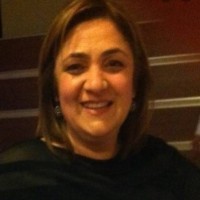
Çukurova University Faculty of Agriculture Department of Horticulture, Adana, Türkiye
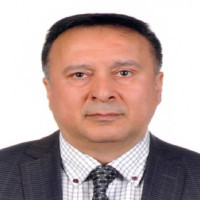
Çanakkale Onsekiz Mart University, Faculty of Agriculture, Çanakkale, Türkiye
Akdeniz University, Faculty of Agriculture, Antalya, Türkiye
Catania Üniversitesi, Tarım, Gıda ve Çevre Bölümü, Bahçecilik ve Meyvecilik, Catania, İtalya
Çukurova University, Faculty of Agriculture, Adana, Türkiye
Institute of Entomology Agricultural University of Georgia, Tbilisi, Georgia
Prof. Mohamed Bouaziz was awarded PhD from Sfax University, Tunisia and Kew Gardens, London UK. He has been working on the Analytical organic chemistry and Food Chemistry for the past 25 years. Now, as a full Professor, he is Director of Studies and member of the Scientific Council at the College of Biotechnology, named “Higher Institute of Biotechnology of Sfax-Tunisia” of the University of Sfax. He is in addition a Scientific Evaluator Expert of the Euro-Mediterranean projects, Scientific Evaluator Expert CNEAR assessments of research laboratories in Tunisia and Member of the National Commission. He has benefitted from training at MIT International Science and Technology Initiatives (MISTI)-Massachusetts Institute of Technology (USA) as part of the MIT-Educator Tunisia program that is a program responding to new challenges of higher education in life sciences, curriculum design and implementation, with emphasis on Innovation teaching skills. He has published more than 250 papers in top-ranked International Food Chemistry journals and engineering (h-index=60 in Scopus). Prof. Bouaziz is member of Editorial Boards of 4 journals and a guest editor of Molecules. He has extended his valuable service for many years and has been a recipient of many award and grants. His international experience includes various programs, contributions and participation in different countries for diverse fields of study. Recently in August 2022 he had the presidential prize of Tunisia for the best researcher and inventor as well as the prize of the governorate of Sfax and the University of Sfax for the best researcher of the university.
Short Biography of Prof. Dr. Florin STĂNICĂ
Affiliation:
Faculty of Horticulture
University of Agronomic Sciences and Veterinary Medicine of Bucharest
Bdul Mărăști, Nr. 59, 011464, București, Romania
Phone/Fax: 0040.21.3180366/0040.21.3182888; Cell phone: 0040.755.070412
Email: flstanica@yahoo.co.uk
Expertise:
Expert on Fruit Growing technologies including conventional propagation, micropropagation and other in vitro techniques, planting systems, canopy and organic orchard management.
Breeder of kiwifruit, Chinese jujube, pawpaw, peach and apricot
Professional Experience:
• Professor of Pomology, Faculty of Horticulture, University of Agronomic Sciences and Veterinary Medicine of Bucharest, 2000 - Present;
• Correspondent member of the Romanian Academy, 2021 – Present;
• Senior researcher on new fruit species including Chinese jujube,
Faculty of Horticulture, University of Agronomic Sciences and Veterinary Medicine of Bucharest, 1996 – Present;
• Founder and Director of Research Center for Integrated Fruit Growing,
University of Agronomic Sciences and Veterinary Medicine of Bucharest, 2005 – Present;
• Chairman of Peach Working Group within the International Society of Horticulture Science (ISHS), 2017 - Present
• Co Convener of Jujube Workshop 2016 București, Romania;
• Convener of Jujube Workshop 2020 București, Romania;
• Convener of ISHS IX Peach Symposium, 2017, București, Romania;
• Convener of 9th CASEE Conference 2018, București, Romania
• Co Convener of the IV Jujube ISHS Symposium 2018, Istanbul, Turkey;
• Co Convener of the V Jujube ISHS Symposium 2021, Baoding, Hebei, China;
• Co Convener of the VI Jujube ISHS Symposium 2023, Bucuresti, Romania;
• President of the European Horticultural Congress (EHC) 2024
Honors:
• Vice-Rector of the University of Agronomic Sciences and Veterinary Medicine of Bucharest;
• Correspondent member of the Romanian Academy;
• Member of the Academy of Agricultural and Forestry Sciences, and Vice President of the Section Horticulture;
• Awarded with Yan Zhao Medal and Award for Foreign Experts in 2020
• Distinguished Professor of the College of Horticulture, Hebei Agriculture University, China;
• Hebei Province Special Recruited Expert, within 100 Foreign Experts Plan of Hebei Province, P.R. China, since 2017;
• Romanian Representative in the ISHS (International Society of Horticultural Sciences) Council;
• Chairman of Peach Working Group within ISHS
• Romanian Representative in the EUFRIN (European Fruit Research Institutes Network) Board;
• 3 years President of EUFRIN (European Fruit Research Institutes Network);
• 3 years Secretary of EUFRIN (European Fruit Research Institutes Network);
• 8 years Prime Vice President of RSH (Romanian Society of Horticulturists).
• Present President of RSH (Romanian Society of Horticulturists).
Scientific or Technical Awards:
• Silver Medal and Excellence Diploma at EUREKA Brussels, The Belgian Trade Fair for Technological Innovation, Brussels, 14-16 Nov. 2011;
• Golden Medal at the International Inventions Salon Geneva, 2012;
• Diploma Sir Award and Gold medal at the International Fair – Invention and Practical Ideas, 2016, Iași, Romania;
• Diploma and Fair medal for three new varieties of baby kiwi, Iași, Romania, 2016;
• Diploma and Fair medal for Simina variety of Asimina triloba, Iași, România, 2016;
• Excellence diploma for Soil preparation technology to establish an ecological culture, PRO Invent Cluj Napoca, România, 2016;
• Excellence Diploma for Method for monitoring the growth and fructification of fruit trees by image analysis, PRO Invent Cluj Napoca, România, 2016;
• Honorary diploma - for the support provided to setting up, maintaining, promoting and researching giant bamboo in Romania, Only Moso International, 2017
• Gold Medal and Diploma of Excellence for the work "Innovative Changes in the Crown Architecture of the Currant", PRO Invent 2018, Cluj-Napoca
• Golden Medal and Diploma of Excellence for "Insectotrap - selective opto-electronic insect trap for insects", PRO Invent, 2018, Cluj-Napoca
• Diploma of Excellence, Embassy of Romania in China, April 12, 2018, Beijing
• “Constantin I. Angelescu” Prize for Education, Center for Studies for Romanian Resources, 2018;
• Special Ambassador of the Danube Region, "Jean Bart" Honorary International School, 2018;
• “Ion Haşeganu” prize for: The method of cultivation of edible roses in ecological system, Romanian Society of Horticulturists, 2018;
• others
Patent and Current Manufacturing
Successfully applied for more than 35 patents, 28 of them for new varieties of fruits and ornamental plants
Publication:
Published 31 academic books and books chapters and more than 300 scientific papers as first or corresponding author.
Social Media:
linkedin.com/in/florin-stanica-6bb67528;
https://www.researchgate.net/profile/Florin-Stanica
Gaziantep University, Faculty of Science and Literature, Department of Biology, Gaziantep, Türkiye
Université 8 Mai 1945-Guelma, Department of Ecology and Environmental Engineering, Guelma, Algeria
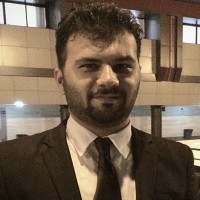
Department of Plant Protection, Faculty of Agriculture, University of Maragheh, Maragheh, Iran
Atatürk Üniversitesi, Mühendislik Fakültesi, Çevre Mühendisliği Bölümü, Erzurum, Türkiye
Adana Science and Technology University, Adana, Türkiye
Ankara Üniversitesi Ziraat Fakültesi Tarım Ekonomisi Bölümü’nden mezun oldu. Halen, aynı Bölümde “Prof. Dr.” olarak görev yapmaktadır. Kırsal Kalkınma, Tarımsal Kalkınma, Kırsal Sosyoloji, Tarımda – Kırsalda İnsan Kaynakları Politikaları, Girişimcilik konularında çalışmalarda bulunmakta ve dersler vermektedir. Başta Azerbaycan, ABD, İngiltere, Almanya, Portekiz, İspanya ve İsrail olmak üzere birçok ülkede uzmanlık alanına giren konular ile ilgili çalışmalarda bulundu, bazı eğitim programlarına katıldı ve ulusal-uluslararası çok sayıda çalışmada yer aldı. 2002-2009 yılları arasında Birleşmiş Milletler Küresel Çevre Formu Türkiye Yürütme komitesi üyeliği yaptı. FAO, UNDP, ILO, IOM’un birçok projesinde yer aldı, danışmanlık yaptı. Özellikle kırsal kalkınma, ekosistem hizmetleri, doğa tabanlı üretim sistemleri, kırsal toplum yapısı ve tipolojisi, tarımda kadın ve çocuk işçiliği, doğa-insan ilişkileri ve sosyal girişimcilik konularında projelerde yürütücü ve/veya deneyimli uzman olarak yer aldı.
Uluslararası Tarım Ekonomisi Derneği, Dünya Kırsal Sosyoloji Derneği ve Avrupa Sosyoloji Derneği üyesidir. Prof. Gülçubuk’un, çalışma alanına giren konulara ilişkin olarak makale, bildiri, kitap, proje vd. biçiminde çok sayıda eseri vardır. Çok sayıda il ve ilçenin gelişme planını hazırladı, değer zinciri analizleri yaptı. İlgi alanına giren sosyal sorumluluk projelerinde öncülük yaptı. 10. ve 11. Beş Yıllık Kalkınma Planı ile 2. ve 3. Tarım ve Orman Şurasında Kırsal Kalkınma Komisyon Başkanlığını yaptı. Kurucusu olduğu KIRKYOL Kırsalda Kalkınma Kooperatifi’nin Yönetim Kurulu Başkanlığını yürütmektedir. Türk Dünyası Tarım Birliği Genel Sekreteridir.
Ph.D. in Economics, Associated Professor of the Economics department of the Andijan Institute of Agriculture and Agrotechnologies (AIAA), Uzbekistan. Graduated Mathematics Faculty of Andijan State University, Uzbekistan (1997). Prepared a dissertation on the topic "Peculiarities of forming and development of regional food markets in Uzbekistan" in the Center for Effective Economic Policy by the Ministry of Economics of Uzbekistan and defended it at the National University of Uzbekistan in 2004. 28 years of professional experience at AIAA, teaching in economics-oriented postgraduate and professional development programs. Has more than 40 publications in scientific journals. Key subject areas: Microeconomics, Agricultural economics, Food markets, Walnut production, Regional economy. Local coordinator of EU Erasmus+ CBHE projects OFINU (2024-2027), TOPAS (2017-2021), MAGNET (2017-2019), Tempus SAMUZ (2013-2016). Get a PostDoc scholarship of DAAD (Germany) and raise the qualification on the theme "Formulation and estimation of quantitative models for the regional food markets" at the Martin-Luther-University Halle-Wittenberg in the Institute of Agricultural and Food Sciences, Agricultural Markets, under the supervision of Prof. Dr. Michael Grings in 2012. In 2015 was a scholarship holder of the EU Erasmus Mundus CANEM project and raised the qualification at Genoa University (Italy) under the supervision of Prof. Giovanni D’Alauro. Received a scholarship from the “Istedod” foundation of the President of Uzbekistan in 2018 and improved studies at the Latvian University of Life Sciences and Technologies.
Researcher on USAID project Agribusiness Development (2021-2023). Researcher of economic efficiency part on Project No. QX-I-QX-2018-113 "Selecting promising varieties of pumpkin in the climate of Andijan region, improving seed production and introducing them to production" with financial support of the Ministry of Innovation development of Uzbekistan (2018-2019). Researcher of economic efficiency part on Project No. I-QX-2017-5-24 "Introduction of the technology of preparation of drugs used against plant pests using physical-chemical methods and devices" with financial support of the Ministry of Innovation development of Uzbekistan (2017-2018). Researcher of economic efficiency part on Project No. IL-432105783 "Creation of ecological technologies of cultivation of sunflower and corn on the basis of complex use of organomineral fertilizers and physiologically active substances in the conditions of Uzbekistan" by financial support of Ministry of Innovation development of Uzbekistan (2022-2023).
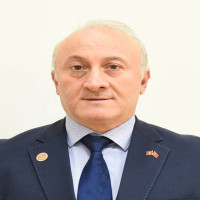
Kırgızistan-Türkiye Manas Üniversitesi, Veteriner Fakültesi, Bişkek, Kırgızistan
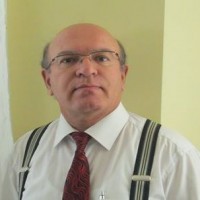
Harran University Faculty of Agriculture, Şanlıurfa, Türkiye
Fırat Üniversitesi, Veteriner Fakültesi, Elazığ, Türkiye
Hamad Bin Khalifa University (HBKU) College of Science and Engineering, Doha, Qatar
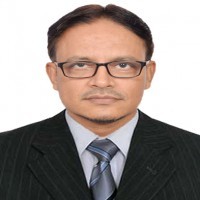
Dr. Ahmad Ali is currently working as Associate Professor in the Department of Life Sciences, University of Mumbai, Mumbai, India. Earlier he worked in the National Institute of Pharmaceutical Education and Research (NIPER). He studied at Jamia Hamdard, New Delhi and University of Mumbai obtaining his M. Sc. and Ph. D. degree in Biochemistry and Life Sciences respectively. He has over 18 years of teaching and research experience. Presently he is heading the Molecular Biochemistry Laboratory in the Department where he is supervising MSc and PhD students. His areas of research are Protein and DNA Biochemistry with special contributions on Glycation of biomolecules, DNA damage, therapeutic potential of natural products in metabolic disorders. He has also made significant contributions in the area of artificial sweeteners and their role in the process of glycation. Cyanobacterial systems are another thrust area in his lab where researchers are exploring various applications of these organisms in the field of bioremediation, cosmetics and health benefits. He has received several extramural grants from Government and private funding agencies. He has collaborators from National and International laboratories. He is also a recipient of EMBO Travel Grant to attend European Molecular Biology Organization (EMBO) Research Course and CSIR Travel grant to attend International conference. He is serving as the Reviewer and member of Editorial board of various international journals like Chemosphere, Frontiers in Plant Sciences and Microbiology, Glycobiology, International Journal of Biological Macromolecules, and other journals of Elsevier, Frontiers, Springer etc. He has contributed more than 100 research articles in peer-reviewed national and international journals. He is also author of one book and more than 40 book chapters from Springer, Taylor & Francis and Elsevier publishing houses. He has presented his work in many international and national conferences as Invited Speakers and Resource persons. He has also worked as a Member of the organizing committee for many of these conferences. He was invited by the University of Debrecen, Hungary as Visiting Faculty and University of Agricultural Sciences and Veterinary Medicine, Cluj-Napoca, Romania on a Erasmus Mobility Program in 2024. Recently he also visited King Saud University to strengthen the ongoing collaborative projects and mentoring students for their Research projects.
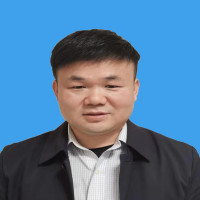
My name is Chunpeng Wan, I am working as a Professor in Jiangxi Agricultural University. I received Ph.D. from Nanchang University. Furthermore, I joined in University of Rhode Island as a visiting scholar in 2011 and 2014. My research interest include Phytochemistry and human health benifits, Postharvest Biology and Technology. I worked as Editor-in-Chief of World Journal of Biological Chemistry, Editor of Frontiers in Nutrition, Evidence-Based Complementary and Alternative Medicine.
İstanbul University-Cerrahpaşa, Faculty of Engineering, Department of Environmental Engineering, İstanbul, Türkiye
Middle East Technical University, Department of Environmental Engineering, METU, Ankara, Türkiye
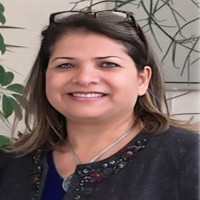
Princeton University, Avalos Research Groups, Department of Chemical and Biological Engineering Princeton, USA
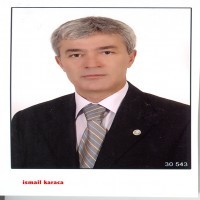
Applied Sciences University, Faculty of Agriculture, Department of Plant Protection, Isparta, Türkiye
Cukurova University, Faculty of Agriculture, Adana, Türkiye
Erciyes Üniversitesi Ziraat Fakültesi Bahçe Bitkileri Bölümü, Kayseri, Türkiye
Debrecen Üniversitesi, Debrecen, Macaristan
Graduaded from University of Tirana, in Food Chemistry.
Actually is Full Professor, at Department of Chemistry, Faculty of Natural Sciences.
Lecturer of Organic Chemistry; Toxicological Chemistry; Chemistry of Natural Products; Applied Organic Chemistry.
Research activity is focused on studying of secondary metabolites, mycotoxins. Food safety, risk assessment. Food metabolomics, food authentication.
Studying primary and secondary constituents in olive oil,
Antibiotics in food, feed, and the environment.
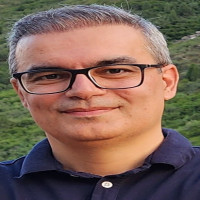
Kyrgyz - Turkish Manas University, Faculty of Agriculture, Kyrgyz
Czech University of Life Sciences Prague, Czech Republic

Ankara University, Faculty of Agriculture, Ankara, Türkiye
Professor K. Z. Ahmed
BSc, MSc, PhD.
Director of the Minia Center for Genetic Engineering and Biotechnology, Minia University, Egypt.
Dr. Kasem Zaki Ahmed graduated with a BSc and MSc in Agriculture from Minia University, and earned his PhD in Plant Genetics (Biotechnology) from the Hungarian Academy of Science, Hungary, in 1993. His university career started at the Faculty of Agriculture, Minia University, Egypt, and was promoted as full Professor in 2004. He held several academic administrative positions as, member of the Egyptian National Committee of Genetics (2017-2020); member of the Promotion Committee of the Professors and Assistant Professors in Genetics, Agricultural Chemistry, Agricultural Microbiology (2013-2016); Vice-Dean for Community Service and Environmental Development Affairs, (2011-2014); Head of Genetics department (2010-2011), Director of Minia Center for Genetic Engineering and Biotechnology, Minia University (2004 - 2014). He worked as a Visiting Professor at the Laboratory of Tropical Crop Improvement, Katholieke Universiteit Leuven, Leuven, Belgium in 2001.
As a researcher, Dr. Ahmed published a total of 80 articles in refereed journals, and one chapter in reference book. He supervisor on more than 35 studies of MS and PhD degree in biotechnology. He won several research prizes and awards including The 2011 African Crop Science Society AWARDS for outstanding scientists; Minia University Encouragement Prize 2004; and Minia University Prize for the best scientific Paper for Agricultural Sciences, Egypt, 2004.
Dr. Ahmed was one of the founding members of the Minia Center for Genetic Engineering and Biotechnology. Fac. Agric., Minia Univ., El-Minia, Egypt.
Dr. Ahmed is elected President of the African Crop Science Society (2007-2009) and Member of the Executive Board of the Global Plant Council (2013-2015); member of many other scientific organizations. He is reviewer for M.Sc. & Ph.D. theses and many international scientific journals. He is freelance writer & member, the Arab Science Journalists Association.
. E-mail address: k.z.ahmed@mu.edu.eg
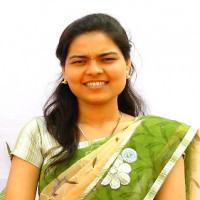
ICAR-Central Institute for Research on Cotton Technology, Mumbai, India
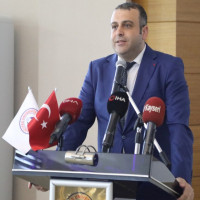
Erciyes University, Faculty of Agriculture, Kayseri, Türkiye
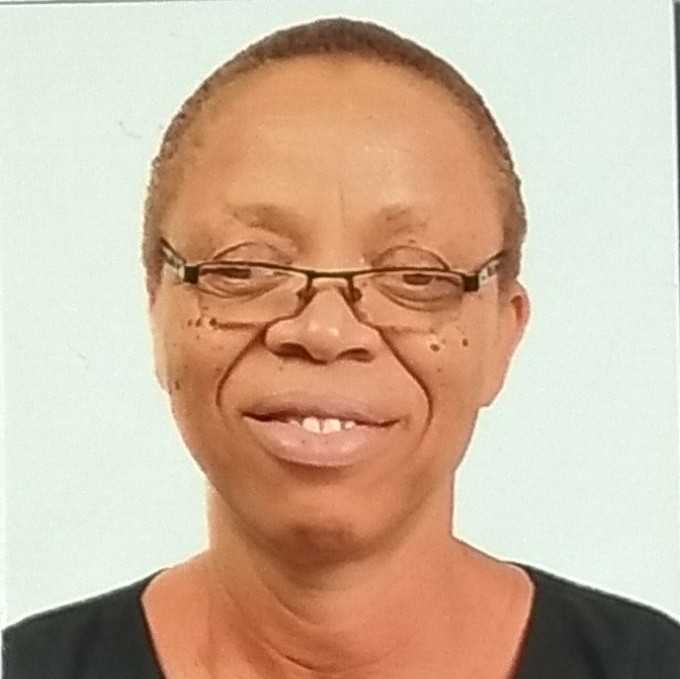
University of Lagos, Nigeria


Damanhour University, Damanhur, Egypt
University of Djelfa, Djelfa, Algeria
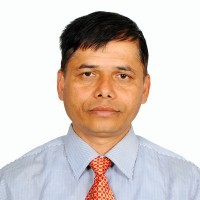
Curriculum Vitae 28 May 2024
Mr. Giri Raj Tripathi
Plant Molecular Biology
Central Department of Biotechnology,
Team Leader: Truffle and Agro-biomaterial Research.
Tribhuvan University, Kathmandu, Nepal. Agro and Biomaterial Research Laboratory
Tribhuvan University, Kirtipur, Kathmandu, Nepal
giri.tripathi@cdbt.tu.edu.np giritripathi@gmail.com
(work) +977 14331277
(mobile) +977 9851159997
Academic degrees
2025- ongoing Head of the Department, Central Department of Biotechnology, Tribhuvan University, Nepal.
2008 Ph.D. degree in Plant Molecular Biology (Molecular Genetics), Chosun University, South Korea*
1993 M.Sc. degree in Botany from the Tribhuvan University, Kathmandu, Nepal**
1989, B.Sc. degree in Biology from Patan M Campus, Tribhuvan University, Kathmandu, Nepal
Languages: Fluent in English, Nepali, and fair in Korean
Positions held
2011- Present: Team Leader, Truffle and Agro & biomaterial Research Program, Tribhuvan University
2009-Present: Associate Professor, Central department of Biotechnology, Tribhuvan University, Nepal.
2003-2008: Ph.D. fellow at the Department of Genetic Science, Chosun University, South Korea.
2000-2003 Lecturer at Inst. of Sc & Tech, Amrit Campus, Tribhuvan University, Nepal
1996-2000 Lecturer at Inst. of Forestry, Hetauda Campus, Tribhuvan University, Nepal
1995-1996 Assistant Professor at the Inst. of Forestry, Hetauda Campus, Tribhuvan University, Nepal
Research, appointments and Work experiences
• Team member Member, National Tech-Startup and Applied Research Fund Act Draft committee, 2023
• Team Coordinator, Bagmati Province Science, Technology and Development ACT, 2023
• Team Coordinator, Bagmati Province Science and Technology Policy Draft Committee 2021
• Ream Coordinator COVID Response Committee, Tribhuvan University, Nepal appointed in 2021
• Team Member COVID Expert Committee. Ministry of Health and Population. Appointed in 2020.
• Board Member Young Sentients Innovation Fund, Ministry of Social Development, Bagmati Province from 2019 – 2023.
• Board Member National Trust for Nature Conversation (NTNC) from 2017 -2021 June
• Team Member, Science and Technology Policy Draft Committee, 2017
• Expert in Ethical Review Committee, National Health Research Council (NHRC)
• Team member: Study of the association between aboveground and belowground biodiversity ecosystem in collaboration with Czech Academy of Sciences and Tribhuvan University, 2017.
• Team member: Preparation of Quality research guidelines and establishment of excellence in Research Center in Tribhuvan University. 2016.
• Team Leader: Causes of Blood Anemia and Sickle cell of the fertility aged women of Nepal. Tribhuvan University/ Government of Nepal, Ministry of Health, 2015
• Team Leader: Truffle Research Program: Establishment of High value symbiotic Truffle for the restoration of mountain ecosystem of Nepal. Tribhuvan University/ Government of Nepal, 2011-Present
• Team member: A High level team for preparation of strategic and action plan for establishing University Campus as a Centre for Excellence, Tribhuvan University 2012
• Team Member: Preparation of Academic Profile and Strategic Plan of University Campus, Tribhuvan University 2013.
• Team Leader: Development and Establishment of Highland disease resistant tetraploid bananas for fostering the economy of mountain people of Nepal, 2012
• Team Leader: Establishment of a plant Genomics Research using a model plant Arabidopsis, since 2011
• PhD Researcher in Plant Biotechnology and Genomics. Chosun University South Korea. From 2003 – 2008.
• Team Leader: Research on Forest Resource use Pattern by Local Communities in Mid Hills of Central Nepal, 2003 funded by UGC Nepal.
• Team Leader: Research on “Plant Diversity Analysis and Evaluation of NTFPs for Conservation Measures in the Barandabhar Corridor Forest, Adjoining To Royal Chitwan National Park”. Funded by Institute of Science and Technology, Tribhuvan University, 2002.
• Researcher: “Rapid Vulnerable Assessment of High altitude Medicinal Plants of Dolpa, Nepal” Research Consultant to WWF International-People and Plants Initiative, Himalayas Program Project, 2001.
• Head of Department: Basic Science and Humanities, Inst. Of Forestry, Tribhuvan Unviersity 1998-2000
• Seminar Coordinator: Inst. Of Forestry, Tribhuvan Unviersity 1997-2000
• Research consultant: WWE International People and Plants Initiatives, Himalayas Program 2000-2001
• Research consultant: “Environmental Impact Assessment (EIA) of Andhikhola Hydel Project (144 MW”), Consultant for METCON Kathmandu, Nepal 1996,
• Research consultant: “Environmental Impact Assessment (EIA) of Kulekhani Hydel Project, (Phase III) ”, Consultant for METCON Kathmandu, Nepal Oct. 1996,
• Research consultant: Study on “Environmental Impact of Tourism in Sauraha (Royal Chitwan National Park)". Consultant for UNDP, 1994.
• Research consultant: “Environmental Impact assessment of Royal Chitwan National park” consultant for Ministry of forest and soil Conservation HMG/Nepal, Kathmandu, 1993.
Research grants received,
• Completed Project: Construction of phytochemical Database from the medicinal plants of Nepal.
• Completed project: Development of artificial Letiporous mushroom cultivation technology to foster the rural economy of the hilly people.
• Completed Project: Genetic Study on Sickle Cell Anemia of Tharu people of Western Nepal and genetic counseling for marriage plan. A joint project between Tribhuvan University and Health Ministry, Government of Nepal.
• Completed Project: Study of the association between aboveground and belowground biodiversity ecosystem in the eastern mountain of Nepal. A joint research between Czech Academy of Sciences and Tribhuvan University.
• Completed Project: Establishment of Agro-biomaterial Research Centre (Genomics Laboratory) for research in Agriculture Biotechnology, Crop functional genomics, and Environmental Biology. Government of Nepal approved 3.5 million USD (2013-2018).
• Completed Project: Establishment of Truffle (Tuber melanosperoum) in Nepal for utilization of degraded land and economic improvement of Nepalese mountain people. Government of Nepal.
• Completed Project: Causes of Blood Anemia and Sickle cell of the fertility aged women of Nepal. Government of Nepal, Ministry of Health, National Health Research Council..
• Completed Project: Biochemical screening of high quality Stevia Rebaudiana for the promotion of alternative sugar industry in Nepal. Research Grant received from University Grant Commission (2012-2013).
• Completed Project: Isolation of novel genes using activation tagging in Arabidopsis and establishment of Arabidopsis Research Centre in Nepal. University Grant Commission, Nepal.
• Completed Project: Molecular genetic screening of PVY resistant potato from Korean potato cultivars.
Scientific conferences
• abz126: a late flowering mutant involved in Brassinosteroid hormone signaling in Arabidopsis. The 61st annual meeting of the Korean Association of Biological Sciences, Seoul, Korea, August 17-19, 2006. G210, (http://www.ibiosci.or.kr).
• Potide-G derived from the potato tubers (Solanum tuberosum L.) is effective against the PVYO infection. The 61th annual meeting of the Korean Association of Biological Sciences, Seoul, Korea, August 17-19, 2006. G209, (http://www.ibiosci.or.kr) .
• The antiviral effect of peptide derived from potato (Solanum tuberosum L.). The 6th International Symposium on Peptide and Protein materials, Chosun University, Korea, April 28, 2006 (http://www.chosun.ac.kr/~rcpm).
• The Antiviral Effects of Novel Peptides Derived from Potato Tubers", 9th Korean Peptide Symposium, Seoul, Dec. 2, 2005
• Molecular genetic analysis of bsu9 mutant involved in Brassinosteroid signaling in Arabidopsis. The 60th annual meeting of the Korean Association of Biological Sciences, Daejeon, Korea, August 17-19. F241, 2005 (http://www.ibiosci.or.kr).
• Molecular genetic analysis of the bri1 suppressor mutant (bsu9) related to Brassinosteroids (BRs) signaling, SeattleUSA, July 16-20, 2005 (http://abstracts.aspb.org/pb2005/public/P66/8211.html).
• The effects of pine extracts on pacemaker activity in Interstitial Cells of Cajals (ICCs). Annual meeting of the American Society of Plant Biologists 2005”, Seattle, USA, July 16-20, 2005. ( http://abstracts.aspb.org/pb2005/public/P75/8216.html)
• Molecular genetic analysis of the bri-1 suppressor mutants. International conference on Crop Functional Genomics, Jeju, Korea, 2004 (http://cfgc.snu.ac.kr/english).
Seminar/workshops
• Participated in the 61st annual meeting of the Korean Association of Biological Sciences. Seoul, Korea. August, 2006.
• 28: Participated in the 6th International Symposium on Peptide and Protein Materials, Chosun University, Gwangju, Korea, (http://www.chosun.ac.kr/~rcpm). April, 2006,
• Participated in the 9th Korean Peptide Symposium 2005. Seoul, Korea, December, 2005.
• Participated in the 60th annual meeting of the Korean Association of Biological Sciences. Daejeon, Korea, (http://www.ibiosci.or.kr). August, 2005.
• Participated in the Annual meeting of the American Society of Plant Biologists Washington State Convention and Trade Centre, Seattle, WA, USA, (http://www.aspb.org). July 2005.
• Participated in the International workshop on Climate Change and Forest Sector: Clean Development mechanism in Tropical Countries Organized by Seoul National University and International Tropical Timber Organization, Seoul, Korea (http://www.itto.org). September 2004.
• Participated in the International Conference on Crop Functional Genomics 2004 Organized by Ministry of Science and Technology and Rural Development Administration, Jeju Island, South Korea. (http://cfgc.snu.ac.kr/english). April 2004.
• Participated in the International workshop on "Medicinal, Aromatic Plants and Herbal Products Jointly organized by the Government of India and Nepal, Kathmandu, Nepal. March, 2003.
• Participated in the International workshop on “Conservation Assessment & Management Plan Pokhara, Nepal. Organized by International Development Center (IDRC), Canada. January 2001.
Key Publications
• Bijay Raj Subedee, Giri Raj Tripathi, Nabin Narayan Munankarmi, Ram Prasad Chaudhary. Genetic diversity in populations of Girardinia diversifolia from Nepal Himalaya using ISSR markers. Ecological Genetics and Genomics. ELSEVIER. 23(2022)1001120.
• Sujan Balami, Martina Vašutová, Jiří Košnar, Ratna Karki, Chiranjewee Khadka, Giri Tripathi, Pavel Cudlin (2021) Soil fungal communities in abandoned agricultural land has not yet moved towards the seminatural forest. Forest Ecology and Management 491, 119181
• Krishna Subedi Buddha Bahadur Basnet Raju Panday Giri Raj Tripathi (2021) . Optimization of Growth Conditions and Biological Activities of Nepalese Ganoderma lucidum Strain Philippine. Advances in Pharmacological and Pharmaceutical Sciences 2021(12):1-7
• Bijaya Raj Subedee, Giri Raj Tripathi, Ram Prasad Chaudhary (2020). DNA isolation and optimization of PCR protocol for ISSR analysis of Girardinia diversifolia: A medicinal and economic plant species from Nepal Himalaya. African Journal of Biotechnology. 2020 October 19 (10) 747 – 753.
• Giri Raj Tripathi (2016) .A Simplified and Cheapest Method for the Diagnosis of Sickle Cell using Whole Blood PCR and RFLP in Nepal. Tribhuvan University Journal. 201630(2):57-64
• Hwang I, Kim SY, Kim CS,. Hwang I, Kim SY, Kim CS, Park Y, Tripathi GR, Kim SK, Cheong H (2010) Over-expression of the IGI1 leading to altered shoot-branching development related to MAX pathway in Arabidopsis. Plant Mol Biol. 2010 Aug 73 (6) 629-41. Epub 2010 May 15.
• Gayoung Park, Dilli P. Paudyal, Indeok hwang, Giri R. Tripathi, Youngki Yang and Hyeonsook Cheong (2008) “Production of Fermented Needle Extracts from Red Pine and Their Functional Characterization.” Biotechnology and Bioprocess Engineering 2008, 13: 256-261
• Gayoung Park, Dilli P. Paudyal, Youngmin Park, Changsu Lee, Indeok hwang, Giri R. Tripathi, and Hyeonsook Cheong (2008) “Effects of Pine Needle Extracts on Plasma Cholesterol, Fibrinolysis and Gastrointestinal Motility.” BBE 2008, 13: 256-261
• Y. M. Park, G. Tripathi, C. S. Lee, Y. K. Park and H. S. Cheong. The antiviral effect of proteins and peptides derived from potatoes (solanum tuberosum L.). Proceedings of the Spring Conference of the Society of Biochemistry and Molecular Biology. 2006 Vol. 2006 Pages 321-321
• Tripathi, G.R.; Park, J.K.; Park, Y.M.; Hwang, I.D.; Park, Y.K.; Hahm, K.S.; Cheong, H. Potide-G Derived from Potato (Solanum tuberosum L.) Is Active against Potato Virus YO (PVYO) Infection. Journal of Agricultural and Food Chemistry, 2006.
• Tripathi, G.R.; Li, H.X.; Park, J.K.; Park, Y.K.; Cheong, H (2006) “Molecular Screening and Characterization of Antiviral Potatoes”. BBE 2006, 11: 89-95.
• G. Tripathi, I. Hwang, G. Park and H. Cheong. Molecular Genetic Analysis of bsu9 Involved in Brassinosteroid Signaling in Arabidopsis. INTEGRATIVE BIOSCIENCES 2005 Vol. 9 Pages F241
Profile
I hold a Ph.D. in Plant Molecular Biology and have been engaged in teaching and research within the field of Plant Biotechnology, Molecular Biology, and Genetics for over two and a half decades. My professional journey began with Ecology and Environmental Sciences, gradually evolving to encompass the entire biological spectrum of life sciences.
My expertise spans various areas of Plant Biology, including Methods in Plant Biotechnology and Molecular Biology, Functional Genomics, Industrial Biotechnology, Molecular Genetics and Metagenomics, Fungal and Mycorrhizal Ecosystems, as well as Environment and Climate Change using molecular tools.
The central objective of my research revolves around nurturing the green and circular economy by fostering the development of novel knowledge, technology, and advancements within biological sciences. I am deeply enthusiastic about acquiring new knowledge, driving innovation, and bridging the gap between research and development through advancements in life sciences.
Tribhuvan University, Kirtipur, Nepal
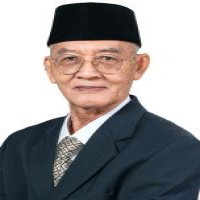
Professor Sarwoko Mangkoedihardjo completed higher education as a Bachelor of Sanitation Engineering at the Institut Teknologi Bandung, Bandung, Indonesia; furthermore, a Master of Science specialising in Environmental Sanitation from State University of Ghent, Belgium; and Doctor of Agricultural Sciences, Brawijaya University, Malang, Indonesia. During his career, he has deepened his expertise in Environmental Sanitation and Phytotechnology, which includes: drinking water; sanitation for wastewater, solid waste and all related wastes; ecosystem management; biodiversity; waste energy; public health; and support for agricultural productivity. Most of the research reports are published in international journals. In addition, he received awards and honorary medals (Satya Lancana Karya Satya XX, 2006; Dwidya Satya Madya 25 years, 2009; Satya Lancana Karya Satya XXX, 2015; Adhidarmabakti 35 years, 2020) as well as awards as outstanding lecturers at university and national levels in 2010.
Department of Biotechnology, Institute of Science and High Technology and Environmental Sciences, Graduate University of Advanced Technology, Kerman, Iran
Ankara University, Faculty of Agriculture, Department of Dairy Technology, Ankara, Türkiye
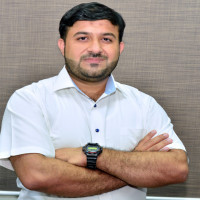
Dr. Nauman Khalid is a Fellow of the Institute of Food Science and Technology and has vast experience in teaching and researching various food science and nutrition specializations. His expertise includes emulsions and encapsulation, nutritional interventions, public health, food safety, and functional food development. He ranked among the world's top 2% of scientists by Stanford University in 2021, 2022 and 2023. He has published extensively in numerous journals with over 200 peer-reviewed articles, over 200 conference proceedings, and international presentations. His H index is 55, with over 37000 citations. His 15 publications have been selected as "ESI Highly Cited Papers." Six of his articles have also been chosen as "ESI Hot Paper," ranking in the top 0.1% of articles in the relevant field.
He is the Editor-in-Chief of Nutrition and Health and a Board Member of ACS Food Science and Technology. He holds a Ph.D. in Food Science and Nutrition from the University of Tokyo, Japan. He has a post-doctoral degree from Deakin University, Australia, as an Alfred Deakin Post Doctorate Researcher, and from Loughborough University, UK, as an IAS Fellow.
My current research interest is aquatic animal health which focusing on fish diseases such as channel catfish virus (CCV) and viral nervous necrosis (VNN).
Bolu Abant Izzet Baysal University Faculty of Engineering, Department of Food Engineering, Bolu, Türkiye
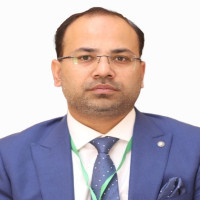
Dr. Muhammad Sultan is an Associate Professor of Energy & Environmental Engineering at the Agricultural Engineering Department of Bahauddin Zakariya University, Multan, Pakistan. He earned his B.Sc. and M.Sc. degrees in Agricultural Engineering with distinction from the University of Agriculture Faisalabad, Pakistan. Dr. Sultan completed his Ph.D. and Postdoctoral Research in Energy & Environmental Engineering at Kyushu University, Japan, where he was a recipient of the MEXT and JASSO fellowships. He furthered his expertise with Postdoctoral Research in Mechatronic Systems Engineering at Simon Fraser University, Canada, as a Canadian Queen Elizabeth Advanced Scholar.
Dr. Sultan is a Research Fellow at the University of South Africa and INTI International University, Malaysia. His previous experience includes at WPI-I2CNER — International Institute for Carbon-Neutral Energy Research, Japan, and CORE, Canada.
Recognized as one of the World's Top 2% Scientists (2023, 2024) by Stanford University/ Elsevier, Dr. Sultan is also ranked as the leading scientist in Pakistan in the field of Agricultural Engineering according to the AD Scientific Index Ranking (2022 to 2025). Additionally, he is placed in the Top 0.5% of scholars globally, as per the recent ScholarGPS Ranking 2024. He has also been honored with several awards in recognition of his outstanding research contributions.
Currently, Dr. Sultan is engaged in several research projects funded by the UK Research & Innovation, the UK Foreign, Commonwealth & Development Office, and the Pakistan Higher Education Commission. He has also completed several research projects in Agricultural and Energy Engineering. His supervision portfolio includes more than 20 M.Eng. and Ph.D. thesis. Dr. Sultan has authored 200+ journal articles with a cumulative impact factor of 900, alongside 130 conference papers, 24 book chapters, and 20 books. His research has garnered ~7000 citations, an h-index of 44, and an i10-index of 141.
He serves as an editor for 20 international journals, including npj Thermal Science and Engineering (Nature Portfolio Journal), AgriEngineering (IF 2.8), Energies (IF 3.2), Sustainability (IF 3.9), Environmental Research Communications (IF 2.9), Discover Sustainability (IF 2.6), Agriculture (IF 3.6), Agronomy (IF 3.7), Water (IF 3.4), Advances in Mechanical Engineering (IF 2.1), and Frontiers in Energy Research (IF 3.4).
His research primarily focuses on the energy aspects of various agricultural engineering technologies and applications, with keywords including evaporative cooling, desiccant air-conditioning, adsorption heat pumps, Maisotsenko cycles, adsorption desalination, atmospheric water harvesting, energy recovery ventilators, and wastewater treatment.
Hasmadi Mamat, a Professor, is currently working at the Faculty of Food Science and Nutrition, Universiti Malaysia Sabah (UMS), Malaysia. He holds a Ph.D. in Food Science from the University of Nottingham, United Kingdom. His research interests include food biopolymer characterization and the development of bakery products using composite flour obtained from local raw materials. With more than two decades of experience in academia, he has published 99 high-impact journal articles, presented at over 30 conferences, and secured 30 research grants totaling RM 2.8 million. Recognized for his contributions to innovation, he has earned multiple awards at local and international competitions. A Professional Technologist certified by the Malaysia Board of Technologists and a Halal Professional Board trainer since 2018, he has trained over 300 Halal Executives in Malaysia and continues to promote Halal awareness among industries and communities.
Zhejiang University, China
Statistical Editor
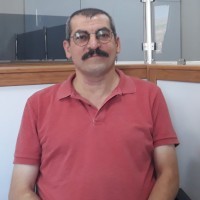
1969 yılında Konya'nın Ilgın ilçesinde doğdu. 1988 yılında başladığı Anadolu Üniversitesi Fen-Edb. Fakültesi İstatistik bölümünden 1992 yılında mezun oldu. 1991-1992 öğretim yılında aynı üniversitede Eğitim Fakültesi'nde Öğretmenlik Sertifikası Programı (Pedagojik Formasyon) eğitimi aldı. 1993-1994 yıllarında yedek subay olarak askerlik hizmetini yerine getirdi. 1997 Haziran-2014 Ocak döneminde devlet memurluğu görevini yürüttü.
Devlet memurluğu esnasında; 1997-1998 yıllarında Ankara Türkiye İstatistik Kurumu'nda Hizmetiçi İstatistik eğitimi aldı ve bu eğitimi 1. olarak bitirdi. 2003 yılında Ortadoğu Teknik Üniversitesi (ODTU) 'nde Uygulamalı İstatistik eğitimi aldı.
2001-2003 yılları arası Ankara Üniversitesi Fen Bilimleri Enstitüsü İstatistik Anabilim Dalında Tezsiz Yüksek Lisans, 2004-2006 yılları arası Ankara Üniversitesi Fen Bilimleri Enstitüsü İstatistik Anabilim Dalında Tezli Yüksek Lisans eğitimini tamamladı.
2008-2013 yılları arası Ankara Üniversitesi Fen Bilimleri Enstitüsü Zootekni Anabilim Dalı Biyometri ve Genetik Dalında Doktora eğitimini tamamladı. 2013 yılında Dr. ünvanını aldı. "Zaman Serileri Analizi ve Trafik Kazası Verilerine Uygulanması" isimli doktora tezi en yüksek yayın puanı alan tez ilan edildi ve ödüle layık görüldü.
2014 yılı Ocak ayında Bingöl Üniversitesi Ziraat Fakültesi Zootekni Bölümü'ne Yrd. Doç. Dr. olarak atandı. 2020 yılında Zootekni bilim dalı Biyometri ve Genetik Anabilim dalında Doçent ünvanını aldı.
2023 ve 2024 yıllarında ABD Stanford Üniversitesi'nin yaptığı araştırma sonucuna göre "Dünyanın en etkili bilim insanları” sıralamasına girdi ve bu listenin yüzde 2’lik dilim içerisinde yer aldı.
Language Editor
Dicle University School of Foreign Languages, Diyarbakır, Türkiye


Abstracting & Indexing Services
© International Journal of Agriculture, Environment and Food Sciences
All content published by the journal is licensed under a Creative Commons Attribution-NonCommercial 4.0 International License (CC BY-NC 4.0).
This license allows others to share and adapt the material for non-commercial purposes, provided proper attribution is given to the original work.
Authors retain the copyright of their articles and grant the journal the right of first publication under an open-access model
Web: dergipark.org.tr/jaefs E-mail: editorialoffice@jaefs.com Phone: +90 850 309 59 27