Web
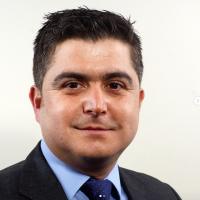
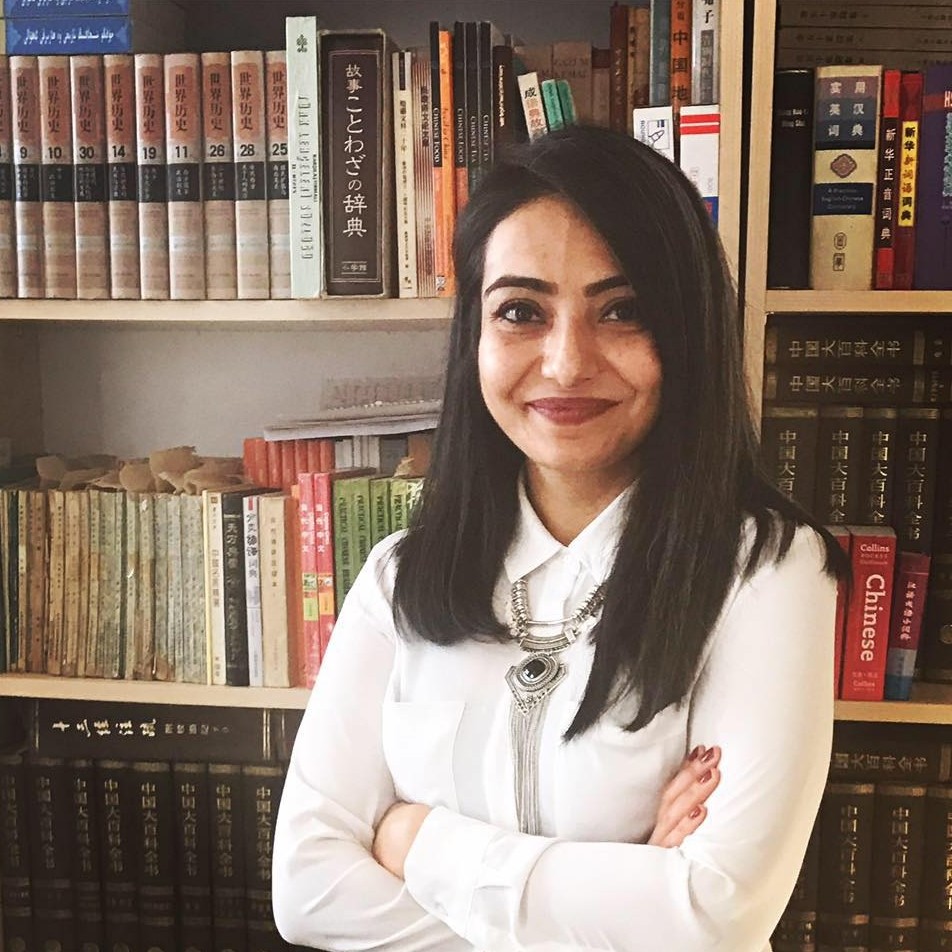
Contemporary French Literature, Visual Culture and Cultural Studies, Representations of War, Identity, Travel Literature, Francophone Literature, and Migration.
Fransızca, Türkçe
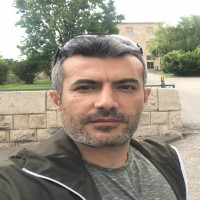
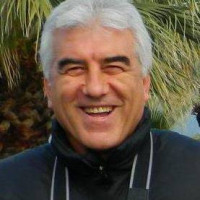
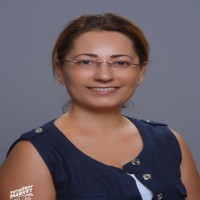
F.Gül Koçsoy graduated from the Department of English Language and Literature at Ataturk University in Erzurum. She completed her MA on Katherine Anne Porter’s short fiction and her Doctorate on Willa Cather’s novels. After her graduation from the university, she worked as an English teacher for four years in Erzurum and as an instructor at Karadeniz Technical University in Trabzon for eight years. Currently, she works as an Associate Prof. Dr. at Firat University in Elazig, Turkey. Her research interests are American culture and literature. He teaches American literature. In recent years, she has taught academic writing, translation and textual analysis.
Doç. Dr. Ferdi BOZKURT, Anadolu Üniversitesi
Web
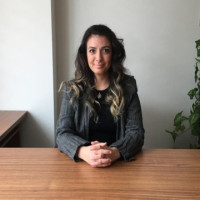
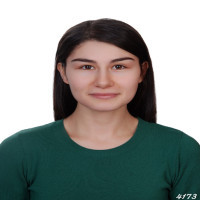
28.09.1973 İstanbul doğumluyum. İlk orta lise öğrenimimi İstanbul'da, lisans ve lisansüstü öğrenimlerimi Atatürk Üni.de tamamladım. SAÜ'de görevime devam etmekteyim.
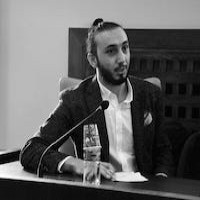
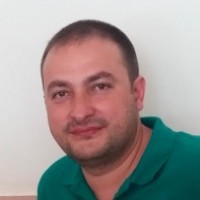
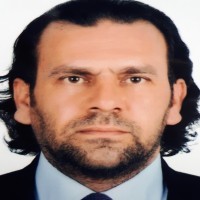
1984 yılında Tarsus/Mersin’de dünyaya gelen Gürhan Çopur, ilköğrenimini Tarsus’ta, ortaöğrenimini Mersin, Adana ve Antalya’da tamamladı. 2011 yılında Doğu Akdeniz Üniversitesi Fen Edebiyat Fakültesi Türk Dili ve Edebiyatı Bölümünü bitirdi. 2013 yılında Ardahan Üniversitesi İnsani Bilimler ve Edebiyat Fakültesi Türk Dili ve Edebiyatı Bölümünde Araştırma Görevlisi olarak görevine başladı. Ardahan Üniversitesi Sosyal Bilimler Enstitüsünde, “Gürsel Korat’ın Romanlarında Yapı ve İzlek” adlı çalışmasıyla Yüksek Lisans (2014); “Ayla Kutlu’nun Romanlarında Yapı ve İzlek” başlıklı çalışmasıyla da Doktora öğrenimini tamamladı (2018). Gürhan Çopur, 2015-16 yılları arasında Yunus Emre Enstitüsünün görevlendirmesiyle Gürcistan Batum Shota Rustaveli Devlet Üniversitesinde Türkçe okutmanlığı yaptı. Lisans ve lisansüstü eğitimi süresince çeşitli dergilerde makaleleri yayımlanan Çopur, Yeni Türk Edebiyatı alanında çalışmalarına devam etmektedir. Tarihî Roman, Millî Romantik Türk Şiiri, Türk Öyküsü konularında yayımlanmış tebliğleri, kitap bölümleri ve makaleleri vardır. Gürhan Çopur, Ardahan Üniversitesi İnsani Bilimler ve Edebiyat Fakültesi Türk Dili ve Edebiyatı Bölümünde Doç. Dr. olarak görevini sürdürmektedir.
Web
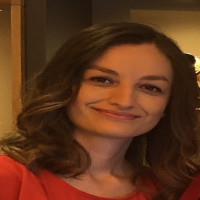
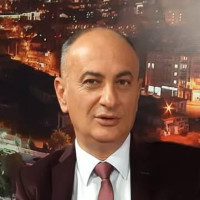
Hacı İbrahim Delice; 01.04.1964 Sivas'ın Yıldızeli ilçesine bağlı eski adıyla Kızıllı yeni adıyla Cumhuriyet köyü doğumlu. İlk öğrenimini köyü Kızıllı Köyü İlkokulu'nda, orta ve tahsilini de 1979 yılında Sivas'da İmam Hatip Lisesi'nde okudu.
1984 yılı Selçuk Üniversitesi Fen-Edebiyat Fakültesi Türk Dili ve Edebiyatı Bölümü mezunu. 1985 - 1989 yılları arası Konya'da Akşehir Reis Lisesi'nde, 1990 yılında da Sivas İmam-Hatip Lisesi'nde Türk Dili ve Edebiyatı Öğretmenliği yaptı.
1990'da Cumhuriyet Üniversitesi Fen-Edebiyat Fakültesi Türk Dili ve Edebiyatı Bölümü'nde araştırma görevlisi olarak göreve başladı. 1996 yılında Cumhuriyet Üniversitesi Fen-Edebiyat Fakültesi Türk Dili ve Edebiyatı Bölümü Yeni Türk Dili Anabilim Dalı'nda yardımcı doçent; 2004 yılında doçent; 2009 yılında da profesör oldu.
1992 yılında yüksek lisansını Prof. Dr. Bilal Yücel'in danışmanlığında Cumhuriyet Üniversitesi Sosyal Bilimler Enstitüsü'nde, 1996 yılında da doktorasını Prof. Dr. Ahmet Buran'ın danışmanlığında Fırat Üniversitesi Sosyal Bilimler Enstitüsü'nde tamamladı.
1991 - 1993 tarihleri arası Cumhuriyet Üniversitesi Rektörlük Türk Dili Bölümü Türk Dili Anabilim Dalı'nda, 1993 - 1995 tarihleri arası da Fırat Üniversitesi İnsani ve Sosyal Bilimler Fakültesi Türk Dili ve Edebiyatı Bölümü Yeni Türk Dili Anabilim Dalı'nda Öğretim Üyesi olarak görev yaptı.
2009 - 2010 yılları arası Cumhuriyet Üniversitesi Edebiyat Fakültesi Çağdaş Türk Lehçeleri Bölüm Başkanlığı, yine aynı fakültenin Edebiyat Bölümü Oğuz Grubu Şiveleri Anabilim Dalı Öğretim Üyeliği, yine 2011 - 2012 yılları arası Tunceli Rektör Yardımcılığı, 2012 - 2014 yılları arası da aynı üniversitenin İletişim Fakültesi Dekanlığı görevlerinde bulundu.
2014'de 2547 sayılı kanunun 40/b maddesi uyarınca Bartın Üniversitesi'ne
görevlendirilen Prof. Dr. Hacı İbrahim Delice, 18.08.2017 tarihinde Yüksek Öğretim Kurulu kararıyla yeniden Bartın Üniversitesi Edebiyat Fakültesi Dekanlığına vekaleten atanmıştır.
Orta seviyede Farsça, başlangıç seviyesinde İngilizce ve Arapça bilen Prof. Dr. Hacı İbrahim Delice, evli ve üç çocuk babasıdır.
https://avesis.istanbul.edu.tr/ibrahimsaban
International Journal of Language, Literature and Culture Researches (UDEKAD-e-ISSN 2667-4262) publishes in these fields: general linguistics, including all languages, literatures, cultures of that language; the socio-cultural structure of societies in general; such as sociology-language, literature and culture; philosophy-language, literature and culture; history-language, literature and culture. It is an international peer-reviewed journal published in order to handle original articles, articles translations, book reviews and critiques of a wide range of topics. Our journal is published four times a year in March, June, September and December. If necessary, the special number (s) are also published.
UDEKAD includes original or compilation articles in Turkish, English and Russian languages. The journal publishes scientific translations and promotions of books as well as articles.
The scientific and legal responsibility of the articles published in UDEKAD belong to the authors.
UDEKAD is an academic, international and double blinded peer-reviewed journal publishes four times a year including Spring (March), Summer (June), Autumn (September) and Winter (December).
Unlike other social science journals, the scope of the International Journal of Language, Literature and Culture Researches (UDEKAD), is different from other social sciences journals; it also has a strong relationship with other fields of social sciences such as History, Geography, Anthropology, Law, Sociology, Philosophy, etc.In these areas, research articles, reviews, article translations, book promotion and criticism; language, literature or cultural context.
Articles submitted in accordance with UDEKAD publication rules should be submitted with iThenticate program before the publication. Similarity rate should not exceed 20%.
You can browse our Author Guide for the principles and rules of our journal.
International Journal of Language, Literature and Cultural Research (UDEKAD) adheres to national and international standards in research and publication ethics. It complies with the Press Law, the Law on Intellectual and Artistic Works, and the Regulation on Scientific Research and Publication Ethics in Higher Education Institutions. It has also committed to upholding the highest standards of publication ethics and pays regard to Principles of Transparency and Best Practice in Scholarly Publishing published by the Committee on Publication Ethics (COPE), the Directory of Open Access Journals (DOAJ), the Open Access Scholarly Publishers Association (OASPA), and the World Association of Medical Editors (WAME).
International Journal of Language, Literature and Cultural Research (UDEKAD) is the journal of all languages, literatures, and cultures belonging to that language, including general linguistics; also the socio-cultural structure of societies in general; sociology-language, literature, culture relationship; relationship between philosophy and language, literature and culture; It is an international peer-reviewed journal published with the aim of dealing with a wide range of original articles, article translations, book promotions and criticisms, such as the relationship between history and language, literature and culture, with a scientific approach. In this direction, UDEKAD aims to bring research to an international level and to bring new perspectives and approaches to research.
The publication processes implemented at UDEKAD form the basis for the development and distribution of information in an impartial and respectful manner. The processes implemented in this direction directly reflect on the quality of the work of the authors and the institutions that support the authors. Peer-reviewed studies are studies that embody and support the scientific method. UDEKAD has a strict publishing approach against plagiarism and predatory journal publishing. Therefore, authors who want to submit their works to the journal must have a quality that will contribute to academic fields, be original and research-based, comply with the publication rules, and have the Ithenticate similarity report comply with the criteria of our journal (not to exceed 20% similarity rate), and the work must not have been published or sent for publication elsewhere. At the same time, authors are expected to pay attention to the level of contribution of the authors to the research in studies with more than one author, to declare that they have read and accept the publishing and writing principles of the journal, and to take into account the Scientific Research and Publication Ethics Directive specified by the Council of Higher Education. As of the date of announcement (16.03.2024), our journal will not include studies produced from symposium and congress proceedings and studies produced from master's theses.
On the other hand, UDEKAD attaches importance to the fact that referees, who are one of the most important stakeholders of the academic publication process, act with the awareness that they are the most fundamental determinants of the academic quality of the studies during the evaluation phase of the studies to be published and act in accordance with their responsibility to increase academic quality. For this purpose, UDEKAD ensures that the studies to be evaluated are forwarded to referees suitable for their fields of expertise and academic experience; It gives priority to referees to pay attention only to the accuracy of the content of the articles and their compliance with academic criteria, their reports to be objective and measured, and their evaluations to be completed within the given time.
The editor, assistant editors and other responsible persons of the journal are asked to accept and pre-evaluate studies that will contribute to the fields addressed by the journal in order to ensure that the academic publication process is carried out in a healthy manner; They are expected to reject works that do not meet the specified criteria. In addition, it is the primary responsibility of those involved in the journal to maintain mutual confidentiality between researchers and referees, to make efforts to prevent possible plagiarism in studies, and to prioritize academic and ethical principles in all processes of the journal.
The International Journal of Language, Literature and Culture Researches (UDEKAD) does not receive any help or support from any institution or organization. Our journal; uses paid services for digital publishing, graphic design and promotion to international indexes. For this reason, as of January 2022, UDEKAD AKADEMİ Publishing requests a fee (75 USD) from the authors during the evaluation of their articles. The fee is requested regardless of the acceptance or rejection of the article. The fees paid by the authors whose applications are rejected by the referees will not be refunded.
Evaluation and Referee Fee Policy of the International Journal of Language, Literature and Culture Researches (UDEKAD):
After the article is sent to the journal, the application files and plagiarism report of the relevant article are examined by the journal editor and the Editorial Board, and its suitability for evaluation in the journal is checked. Manuscripts that do not pass this process are returned to the author with their justifications. After the evaluation, the authors of the studies deemed suitable for the publication principles of our journal are informed about the process. The authors, who are informed about the process, are requested to deposit the process operating fee to the account of UDEKAD ACADEMY Publishing. The evaluation process of the articles for which the required fee is not paid is not started and the article is returned. After the article owners' feedback on the subject, the study is taken into pre-evaluation. At this stage, the manuscript is evaluated formally by the editorial unit; Corrections are requested for the articles that do not comply with the publishing principles and spelling rules. The referee evaluation process is started for the works that are transferred to the editor after the correction requests are fulfilled. Manuscripts that are deemed appropriate to be sent to the referee are first sent to two referees by applying the double-blind refereeing policy. If one of the referee's reports is positive and the other negative, the opinion of the third referee is requested. The refere fee is evaluated as follows: Each referee is paid 10 USD, including VAT. Referee fee does not mean that the article will be published, but that it will be reviewed by experts in the field. Even if the referee rejects the article after making an objective evaluation, the referee fee is paid.
Considering the layout expenses at the publishing stage for the articles deemed suitable for publication by the referee reports and the decision of the editorial board, and the expenses incurred together with the service received for the promotion of the article to the indexes and indexes after publication, it is seen that our journal does not seek profit.
Our journal does not, under any circumstances, request or accept money from authors with a commitment to publish.
The address "udekadjournal@gmail.com" is used for sending receipts or fee information. (Evaluation of book review articles will be done free of charge)
* It is important for our reviewers to enter their fields of expertise in detail in terms of assigning reviewers in the process.