As the publication of Gazi University, JoGEF ihas been continuously published since 1985 and aims to contribute to the field of education by creating a platform where scientific developments in Turkey and around the world can be followed. The journal, in line with its founding purposes, is committed to making scientific contributions to the field of education by providing high-quality, research-driven content.
JoGEF is a free journal where qualified scientific studies that have the potential to address the development and issues of the education system meet the readers. It aims to serve the creation of an education system in the 21st century that allows every individual to acquire the knowledge, skills, and competencies they need, while supporting high-quality research in both theoretical and applied fields. The journal also publishes academic works that offer practical and tangible solutions to issues at all educational levels, from preschool education to higher education, and contribute to the professional development of teachers, educators, and academicians.
JoGEF is published three times a year, in April, August, and December. The Editorial Board of GEFAD has the authority to publish special issues on specific topics if deemed necessary. Articles submitted to JoGEF can be written in Turkish or English, with both a short summary and a long summary in the language not used for the article. GEFAD follows the APA style for in-text citations and references. Submitted articles must not have been previously published in another journal or submitted for publication elsewhere.
Articles submitted to GEFAD are scanned using a plagiarism detection program. The Editorial Board accepts a similarity rate of up to 20%, and articles with a similarity rate higher than this are directly rejected. Additionally, an article may be rejected without undergoing the review process if the Editorial Board or the Field Editor decides that it does not comply with the GEFAD article template or if the paper does not meet the required standards. The process includes an initial screening, followed by peer review, and publication of articles that receive a positive review.
Authors must complete and sign the "Copyright Transfer Form" and send it along with their articles. By submitting the form, the copyright of the articles is transferred to Gazi University.
Research articles and review papers in the fields of Educational Sciences and Field Education, reflecting the results of studies, are published within the scope of GEFAD.
In line with its objectives, the focus of the Gazi Faculty of Education Journal includes:
Providing solutions to the issues teachers face in their professional lives and contributing to their development.
Examining educational problems at the preschool, primary, secondary, and higher education levels, and developing solutions.
Investigating the theoretical and practical issues of educational policies in Turkey, exploring their development, and bridging theory with practice.
Researching the problems and development of all stakeholders in education at all levels (students, teachers, parents, administrators, academicians, publishers, education planners, etc.).
Analyzing current international education systems and comparing them with the education system in Turkey.
Studying the impact on students' individual, educational, career planning, and professional and social development at all educational levels.
Developing and evaluating new educational models.
Investigating the integration of technology in education, exploring new approaches, and developing innovative strategies.
Interdisciplinary studies.
Developing and testing educational measurement tools through the creation and adaptation of new scales.
Proposing theoretical and practical model solutions for educational problems.
The journal also includes scientific studies on topics outside formal education, such as lifelong learning and in-service training
The main title of the manuscript should be written in both Turkish and English on the first page. Both the Turkish and English titles should be in uppercase letters, bold, and in 12-point font size. The title should be short and meaningful, summarizing the aim of the study, the variables, and the population involved. Titles should be centered on the page and must not exceed 12 words. Words such as "ve" (and) and "ile" (with) in the Turkish title, and words such as "a," "an," "and," "of," "for," "with," etc., in the English title should be written in lowercase.
The Turkish abstract and English abstract should be between 150-250 words.
For better classification and easier indexing of the paper, 4-6 key terms should be defined.
An extended abstract is not required at the time of application. The extended abstract should be uploaded to the system after the article has been accepted.In addition, a detailed summary (including the aim, method, findings, results, and discussion sections) of at least 500 words and no more than 750 words (up to 2 pages following the writing rules) should be prepared. In Turkish articles, the detailed summary should be in English, and in English articles, the detailed summary should be in Turkish. The detailed summary should be placed after the "References" section in the article.
The titles of tables and figures should be placed under the tables and figures. All tables and figures should be referenced in the text.
If there are any appendices that help to better understand the research, they should be placed after the references section
Ethical Principles and Publication Policy
Articles submitted to the Journal of Gazi Faculty of Education (JoGEF) for publication that have a similarity rate higher than 20% and do not comply with the journal’s publication principles and scientific publication standards are returned to the author(s) before the evaluation process begins.
As of 2026, according to the journal policy, it is not considered appropriate for the same author(s) to have two or more studies published in the same year.
Articles deemed suitable by the Editor-in-Chief are forwarded to the Associate Editors for content and format evaluation. Articles found unsuitable are sent back to the authors for revision. After this stage, suitable manuscripts are forwarded to the Field Editor for reviewer selection. The Field Editor assigns three (3) reviewers for each manuscript that is approved for evaluation. In accordance with the journal’s policy, reviewers must be experts in their fields and have an academic title equal to or higher than that of the author. The assigned reviewers must not be affiliated with the same institution as the submitting author(s), must not have a supervisory relationship, etc.
The reviewer’s acceptance period for reviewing an article is five days. If the review invitation is not accepted within five days, the article is sent to another reviewer. Once a reviewer accepts the invitation, the review process begins. The review process for an article is expected to be completed within twenty days. Articles receiving acceptance from two reviewers are approved for publication following the Field Editor’s final check and the Editorial Board’s decision. However, the duration of evaluation may vary depending on several factors, such as the reviewers’ timelines, the authors’ revision process, and re-evaluation if necessary. Authors must follow the status of their manuscripts through the journal system. The Editorial Board kindly requests that authors do not contact the editors to inquire about the status of their manuscripts.
Journal of Gazi Faculty of Education operates within the DergiPark system, and all manuscripts are guaranteed to undergo a “double-blind peer review” process. Therefore, the identity of the author(s) is not revealed to the reviewers, and vice versa, at any stage of the process.
Manuscripts submitted to the Journal of Gazi Faculty of Education must not have been published elsewhere or be under consideration for publication in another venue. If it is determined that a manuscript is under review elsewhere, it will be immediately rejected. If it is found to have been published elsewhere, legal action will be initiated against the author(s). All publication rights of manuscripts accepted for publication belong to the Journal of Gazi Faculty of Education. Upon initial submission, the “Copyright Transfer Form of Journal of Gazi Faculty of Education” must be carefully read, signed by all authors, and uploaded to the system. The content of the articles published in the journal is entirely the responsibility of the author(s); the journal and related persons or institutions cannot be held liable for any legal issues arising from published content.
The required files to be uploaded for manuscripts submitted to the Journal of Gazi Faculty of Education are as follows:
1- Manuscript File: Must be prepared according to the journal’s template and in an editable format such as Word.
2- Copyright Transfer Form: Must be signed by all authors and uploaded to the system.
3- Plagiarism Report: Detailed similarity report results from plagiarism detection software must be uploaded to the system. According to the decision of the Editorial Board, the similarity rate must be below 20%.
4- Ethics Committee Approval Document*: Based on the TR Dizin Journal Evaluation Criteria updated in 2020, “Ethics Committee Approval” is required for certain types of research. For manuscripts uploaded after February 21, 2020, that meet the criteria below, uploading the Ethics Committee Approval/Permission Document is mandatory. For studies not requiring Ethics Committee Approval, an Ethics Committee Exemption Declaration Form must be uploaded instead.
*TR Dizin Journal Evaluation Criteria, Article 8:
“For all research conducted in all branches of science, including social sciences, and for clinical and experimental studies on humans and animals requiring ethics committee approval, separate ethics committee approvals must be obtained, and these approvals must be indicated and documented in the manuscript. In studies requiring ethics approval, information about the approval (name of the committee, date, and reference number) must be stated in the method section and also appear on the first/last page of the article. In case reports, it must be stated that informed consent/volunteer consent forms were obtained from the participants.”
The ethical duties and responsibilities followed by the Gazi University Journal of Gazi Faculty of Education have been prepared in accordance with the open-access guidelines published by the Committee on Publication Ethics (COPE), namely the “COPE Code of Conduct and Best Practice Guidelines for Journal Editors” and the “COPE Best Practice Guidelines for Journal Editors.”
Duties and Responsibilities of Editors and Field Editors:
• Initiatives aimed at reducing academic misconduct are supported.
• Initiatives that aim to educate researchers on publication ethics are supported.
• Journal policies should be evaluated for their impact on author and reviewer behavior and, if necessary, revised to encourage responsible conduct and prevent misconduct.
• Authorship and contributorship systems should be organized to promote good practice (accurately reflecting contributions, preventing guest or ghost authorship).
• Submissions by members of the Editorial Board are evaluated impartially.
• The Editorial Board is responsible for considering feedback from readers, researchers, and practitioners and providing explanatory and informative responses.
• Articles with a similarity rate higher than 20% or those that do not comply with publication and scientific standards are returned to the author before the evaluation begins.
• The Editorial Board is responsible for taking preventive measures against possible misconduct or abuse of duties. It is also responsible for conducting a thorough and objective investigation into any complaints of misconduct and sharing relevant findings.
• Appropriate reviewers who are free from conflicts of interest are selected for submissions.
• For potential new reviewers, not only personal connections but also various sources (e.g., author suggestions, bibliographic databases) are consulted.
• Board members are informed at least once a year about updates to journal policies and are invited to share their feedback.
• Transparency and clarity are maintained in matters requiring corrections or explanations.
• In cases of suspected reviewer misconduct, COPE flowcharts are followed. (See: COPE Guidance
)
• In cases not covered by COPE flowcharts or involving new forms of publication misconduct, COPE may be consulted.
• The Editorial Board is responsible for ensuring the protection of personal data related to subjects or visuals in the evaluated studies. Manuscripts that include identifiable data without documented consent must be rejected. Field Editors are also responsible for protecting the personal data of authors, reviewers, and readers.
• JoGEF is committed to protecting authors’ rights and is ready to take necessary actions (e.g., retraction requests or removal from websites) against violations.
• JoGEF limits the publication of works authored by members of the Editorial, Advisory, or Publication Boards to one article per six issues.
• In each issue, at least one-third (1/3) of the published articles must be authored by individuals affiliated with institutions other than Gazi University.
• For sections supported by Artificial Intelligence (AI), more rigorous scrutiny is applied to detect epistemic flaws (e.g., false citation, fabricated sources, unjustified inferences). If a text appears to have been generated by AI and demonstrates weak scientific justification, authors will be asked for methodological clarification or source transparency.
Duties and Responsibilities of Reviewers:
• Reviewers are encouraged to comment on ethical issues and potential research misconduct.
• Reviewers are expected to pay attention to originality and be vigilant regarding duplicate publication and plagiarism.
• In cases of suspected reviewer misconduct, COPE flowcharts are followed. (See: COPE Guidance
)
• JoGEF employs a double-blind peer-review process. Reviewers cannot communicate directly with authors; all comments and evaluations are transmitted through the journal management system. Reviewer comments on evaluation forms and manuscripts are conveyed to the author(s) via the editor.
• Reviewers only accept manuscripts that fall within their field of expertise.
• Reviewers must conduct their evaluations objectively and confidentially. In accordance with confidentiality principles, reviewers may only use the published versions of manuscripts they have reviewed.
• Reviewers must not allow factors such as nationality, gender, religious or political beliefs, or commercial considerations to influence their judgment.
• Reviews must be conducted in a constructive and respectful tone.
• Reviewer reports generated by artificial intelligence are not acceptable. Although reviewers may use AI-supported tools for minor language editing or expression improvement, the responsibility for the content and conclusions of the review rests solely with the reviewer.
Duties and Responsibilities of Authors:
• Authorship criteria and the identification of contributors are subject to COPE guidelines.
• In cases of disputed or questionable authorship, COPE flowcharts are followed.
• All contributors must declare any conflicts of interest. Conflicts disclosed after publication will be addressed through a correction notice.
Reporting an Unethical Situation
If you encounter any unethical behavior or content in the Gazi University Journal of Gazi Faculty of Education (JoGEF), please report it via email to jogef@gazi.edu.tr
Gazi University Journal of Gazi Educational Faculty (GUJGEF) does not charge any fees from authors or readers who wish to access the authors' works.
Görme Engellilerin Eğitimi, Kaynaştırma ve Bireyselleştirilmiş Eğitim Programı Hazırlama, Çoklu Yetersizliği Olan Çocukların Eğitimi, Görme ve Ek yetersizliği Olan Çocukların Eğitimi, Körsağır Çocukların Eğitimi
Ali Ertuğrul Küpeli, 1988 yılında Konya'da doğdu ve 2006 yılında Konya Çimento Güzel Sanatlar Lisesi'nden mezun oldu. Selçuk Üniversitesi Eğitim Fakültesi Güzel Sanatlar Resim-İş Öğretmenliği Bölümü'nde 2010 yılında lisans eğitimini tamamlayan Küpeli, 2012 yılında Gazi Üniversitesi Eğitim Fakültesi Güzel Sanatlar Eğitimi Resim-İş Eğitimi Anabilim Dalı'nda Araştırma Görevlisi olarak göreve başladı. 2014 yılında "Çok Alanlı Sanat Eğitimi Yönteminin Temel Tasarım Dersi Kapsamında Öğrencilerin Üç Boyutlu Tasarım Çalışmalarında Uygulanması" başlıklı yüksek lisans tezini ve 2018 yılında "Resim-İş Eğitimi Anabilim Dalı Öğrencilerinin Güncel Sanat Yaratım Süreçlerinde Beden Kullanımının Rolü" konulu doktora tezini tamamladı. 2021 yılında Doçent Doktor unvanını kazanan Küpeli, halen Gazi Üniversitesi Güzel Sanatlar Enstitüsü Resim Anasanat Dalı'nda Sanatta Yeterlik eğitimine devam etmekte ve Gazi Üniversitesi Eğitim Fakültesi Güzel Sanatlar Eğitimi Resim-İş Eğitimi Anabilim Dalı'nda öğretim üyesi olarak görev yapmaktadır. Küpeli, aynı zamanda ulusal ve uluslararası düzeyde çeşitli sanatsal organizasyonlarda katılımcı ve idari görevlerde bulunmuş, sanat ve eğitim alanlarında önemli katkılarda bulunmuş ve çeşitli sergilerde eserlerini sergilemiştir.
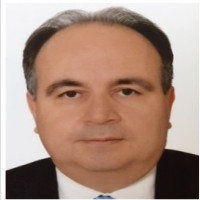
Ankara'da dünyaya geldi (27.03.1970). İlk ve ortaöğrenimini Ankara'da yaptı. Gazi Üniversitesi, Gazi Eğitim Fakültesi, Türk Dili ve Edebiyatı Eğitimi Bölümü'nden mezun oldu (11.06.1994). Gaziantep, Arif Nihat Asya Lisesi, Türk Dili ve Edebiyatı öğretmenliğine atandı (13.09.1994).
Prof. Dr. Cemâl Kurnaz danışmanlığında, Gazi Üniversitesi, Sosyal Bilimler Enstitüsü, Eski Türk Edebiyatı Anabilim Dalı'nda "Ömer Ferit Kam ve Âsâr-ı Edebiye Tedkikatı" isimli teziyle yüksek lisansını (22.05.1997), "Divan Sahibi Rumeli Şairlerinin Şiir Dünyası" isimli teziyle de doktorasını tamamladı (24.12.2004).
Akademik hayatına, mezun olduğu Gazi Üniversitesi, Gazi Eğitim Fakültesi, Türk Dili ve Edebiyatı Eğitimi Anabilim Dalı'nda araştırma görevlisi olarak başladı (22.01.1996). Aynı yerde öğretim görevliliği (19.09.2006) ve yardımcı doçentlik (17.01.2008) kadrosunda çalıştı. 29.06.2012 tarihinde doçent olup 13.09.2018'de profesörlük kadrosuna atandı.
Aras Bozkurt is a researcher and faculty member at Anadolu University, Türkiye. With MA and PhD degrees in distance education, Dr. Bozkurt's work focuses on empirical studies in areas such as distance education, online learning, networked learning, and educational technology. He applies critical theories like connectivism, rhizomatic learning, and heutagogy to his research. Dr. Bozkurt is also interested in emerging research paradigms, including social network analysis, sentiment analysis, and data mining. Dr. Bozkurt's studies also cover the integration of artificial intelligence technologies into educational processes in the axis of human-machine interaction.
His dedication to advancing the field is reflected in his editorial roles as the Editor-in-Chief of Open Praxis and Asian Journal of Distance Education, as well as his roles as an associate editor for prestigious journals like Higher Education Research and Development, Online Learning, eLearn Magazine, and Computer Applications in Engineering Education.
Lisans, yüksek lisans ve doktora eğitimini sanat eğitimi, sanat, sanat tarihi, görsel tasarım ve eğitim-öğretim üzerine yapmıştır. Çalışmalarını sanat temelli araştırma yöntemleri, görsel araştırma yöntemleri, a/r/tografi, görsel pedagoji, dijital görsel kültür, yeni medya, çok kültürlü sanat eğitimi, grafik tasarım, etkileşimli içerik tasarımı, dijital oyunlaştırma ve öyküleme uygulamalarına dayalı olarak gerçekleştirmektedir. Uluslararası bir bakış açısını hem çalışmalarına hem araştırmalarına yansıtmayı amaçlayan Suzan Duygu Bedir Erişti’nin ulusal ve uluslararası düzeyde araştırmaları ve projeleri yer almaktadır. Erişti’ye TÜRKİYE-GÖRSED (Görsel Sanatlar Eğitimi Derneği) tarafından akademik çalışmaları ve alana yaptığı katkılara dayalı olarak 2016 yılında akademisyen kategorisinde Yılın Görsel Sanatlar Eğitimcisi Ödülü verilmiştir. 2023 yılında Post Doktora bursu ile Northern Illinois Üniversitesi’nde ziyaretçi profesör olarak bulunmuştur. Bu süreçte Prof. Dr. Douglas Boughton ve Prof. Dr. Kerry Freedman ile çalışmalar gerçekleştirmiştir. Erişti’nin ulusal ve uluslararası düzeyde çok sayıda jürili sergide eserleri sergileme almıştır. Ayrıca uluslararası düzeyde kişisel ve karma sergi katılımları ile birlikte çeşitli kuruluşlara yönelik gerçekleştirdiği tasarım çalışmaları bulunmaktadır. Türkiye’de Sanat Temelli Araştırma Yöntemleri ve Sanat Eğitimi odağında alanyazına kazandırılan çoklu uluslararası katılımlı bir araştırmacı grubu ile Görsel Araştırma Yöntemleri, Prof. Dr. Rita Irwin ile ortak editörlüğe dayalı A/r/tografi: Uygulama Tabanlı Araştırma Yöntemi, Prof. Dr. Paul Duncum ile ortak editörlüğe dayalı Görsel Pedagoji isimli kitap editörlükleri ve Görsel iletişim odağında Yeni Medya ve Görsel İletişim Tasarımı isimli bir kitabı bulunmaktadır. 2020-2023 yılları arasında Anadolu Üniversitesi Eğitim Fakültesi Güzel Sanatlar Eğitimi Bölüm Başkanlığı ve Anabilim Dalı Başkanlığı görevlerini yürütmüştür. Halen Anadolu Üniversitesi, Eğitim Fakültesi, Güzel Sanatlar Eğitimi Bölümü’nde öğretim üyesi olarak görev yapmaktadır.
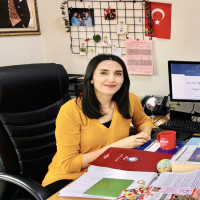
Konya Ereğli’de doğan Hatice Bakkaloğlu ilkokul ve ortaokul eğitimini Ayrancı/Karaman’da, lise eğitimini ise Çanakkale’de tamamlamıştır. Gazi Üniversitesi Mesleki Eğitim Fakültesi’nde Çocuk Gelişimi ve Okul Öncesi Eğitimi alanında 1994 yılında lisans eğitimini, Ankara Üniversitesi Eğitim Bilimleri Enstitüsü’nde Özel Eğitim alanında 1998 yılında yüksek lisans ve 2004 yılında doktora eğitimini tamamlamıştır. Dr. Bakkaloğlu Ankara Üniversitesi Eğitim Bilimleri Fakültesi Özel Eğitim Bölümü’nde 2000-2003 yılları arasında Araştırma Görevlisi, 2005-2010 yılları arasında Dr. Öğretim Görevlisi, 2010-2015 yılları arasında Yardımcı Doçent ve 2015-2020 yılları arası Doçent ve Mart 2021 tarihinden itibaren ise Profesör olarak çalışmalarını sürdürmektedir. Dr. Bakkaloğlu erken müdahale, erken çocukluk özel eğitimi, okul öncesinde kaynaştırma/bütünleştirme, öğretmen eğitimi ve ilgili konularda lisans ve lisansüstü düzeyde dersler vermekte, yüksek lisans ve doktora tezlerinde danışmanlık yapmaktadır.
Dr. Bakkaloğlu’nun ulusal ve uluslararası hakemli dergilerde yayınlanan pek çok araştırmasının yanı sıra kitap editörlükleri, kitapları, kitap bölümleri, çeviri editörlükleri, ulusal ve uluslararası kongrelerde sunulan çok sayıda bildirisi ile konferans/panel/sempozyum sunumları bulunmaktadır. Dr. Bakkaloğlu ulusal ve uluslararası on altı projede yürütücü ya da araştırmacı olarak görev almıştır. Son yıllarda otizm spektrum bozukluğu, gelişimsel gerilik, erken müdahale, erken çocukluk özel eğitimi, okul öncesinde kaynaştırma/bütünleştirme, okul öncesinde sınıf-içi ve gelişimsel geçişler, özel gereksinimli çocuklarda akran kabulü, öğretmen-öğrenci ilişkisi, okula uyum ile öğretmen eğitimi ve mesleki gelişim konularında araştırmalar yürütmekte ve projelerde görev almaktadır.
Dr. Bakkaloğlu bilimsel çalışmalarının yanı sıra 2017-2024 yılları arasında Ankara Üniversitesi Özel Eğitim Araştırma ve Uygulama Merkezi Müdürlüğü ve 2021-2024 yılları arasında Özel Eğitim Bölümü Bölüm Başkanlığı görevlerini üstlenmiştir. Dr. Bakkaloğlu halihazırda 2015 yılında başlayan Ankara Üniversitesi Eğitim Bilimleri Fakültesi Özel Eğitim Dergisi Baş Editörlük görevini de yürütmektedir. Dr. Bakkaloğlu evlidir ve bir erkek çocuğun annesidir.
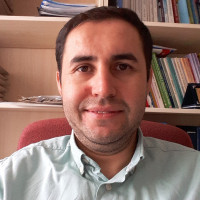
1977 yılında Ankara’da doğdu. İlk ve orta öğrenimini Ankara’da tamamladı. Gazi Üniversitesi, Gazi Eğitim Fakültesi Fizik Öğretmenliği Lisans programından 1998 yılında mezun oldu. Yüksek Lisans ve Doktora Eğitimini Gazi Üniversitesi, Eğitim Bilimleri Enstitüsü, Ortaöğretim Fen ve Matematik Alanları Anabilim Dalı, Fizik Eğitimi Bilim dalında tamamladı. 2015 yılında Fizik Eğitimi alanında doçent, 2021 yılında ise Profesör unvanı aldı. Gazi Üniversitesi Gazi Eğitim Fakültesinde Fizik Eğitimi Anabilim dalında araştırma görevlisi olarak çalıştı (1999-2007). 4-5 ve 6- 8. sınıflar İlköğretim Fen ve Teknoloji Öğretim Programları geliştirme çalışmalarında alan uzmanı olarak görev aldı (2003-2005). Niğde Ömer Halisdemir Üniversitesi, Eğitim Fakültesi, Matematik ve Fen Bilimleri Eğitimi Bölümü, Fen Bilgisi Öğretmenliği Anabilim dalında görev yaptı (2007-2018). Halen Gazi üniversitesi, Gazi Eğitim Fakültesi, Matematik ve Fen Bilimleri Eğitimi Bölümü, Fizik Eğitimi Anabilim dalında görev yapmaktadır. Bu bölümde fizik ve fizik eğitimi alanı ile ilgili lisans ve lisansüstü dersler vermektedir. Araştırmacı, bilimsel süreç becerileri, bu becerilerin ölçülmesi, fizikte problem çözme becerileri, teknolojik araçlarla fizik deneyleri geliştirme konularında çeşitli çalışmalar yapmaktadır.
1971 yılında Zonguldak / Devrek'te doğdu. İlk ve Orta öğrenimini Gökçebey'de, lise öğrenimini ise Devrek'te tamamladı. 1988 yılında G.Ü.G.E.F. Müzik Eğitimi Bölümüne girdi ve 1992 yılında mezun oldu. Aynı yıl G.Ü. Fen Bilimleri Enstitüsü'nün Müzik Eğitimi Anabilim dalında açmış olduğu Yüksek Lisans sınavını kazandı, 1995 yılında Yüksek Lisans eğitimini tamamladı. Yine aynı Enstitünün 1995 yılında Müzik Eğitimi Anabilim dalında açmış olduğu Doktora sınavını da kazanarak Doktora öğrenimini 2001 yılında tamamladı.
Bir süre farklı orta dereceli okullarda müzik öğretmenliği yaptıktan sonra, 1996 yılında G.Ü.G.E.F. Müzik Eğitimi Bölümü'nde açılan Araştırma Görevliliği sınavını kazandı. 1998 yılında aynı bölümde Öğretim Görevliliğine yükseltildi. 2006 yılında ise Müzik Teorileri alanında doçent unvan ve yetkisi alarak aynı yıl doçentlik, 2011 yılında ise profesörlük kadrosuna atandı.
Müzik eğitimi alanında araştırma-incelemeleri, makaleleri, bildirileri ile şahsi ve farklı yazarlara ait müzik kitaplarında çalışmaları yer alan Albuz; konser etkinliklerine katılmakta, aynı zamanda da konser programlarında oda müziğine ilişkin pek çok eseri seslendirilmektedir.
G.Ü.G.E.F. Güzel Sanatlar Eğitimi Bölümü Müzik Eğitimi A.B.D.'nda farklı zamanlarda Viyola, Müziksel İşitme- Okuma- Yazma, Armoni-Kontrpuan-Eşlikleme, Piyano Eşlik ve Piyano dersleri veren Albuz; halen, lisans programında “Viyola” ve “Piyano”, lisansüstü düzeyde ise “Viyola”, “Eğitim Müziği Ekseninde Piyanoya Dayalı Besteleme ve Eşlik Stilleri”, “Müzik Eğitiminde Program Geliştirme” ve “Türk Müziğinde Çokseslilik Yaklaşımları” derslerini sürdürmekte ve yanı sıra tez danışmanlıklarını yürütmektedir.
PROF. DR. TÜRKER EROĞLU
1959 YILINDA ELAZIĞ’DA DÜNYAYA GELDİ. KÜRSÜBAŞI SOHBETLERİNDE BAŞLAYAN MÜZİK SERÜVENİ HALKEVLERİNDE DEVAM ETTİ. BİR BANDO ASTSUBAYINDAN MÜZİK TEORİSİ DERSLERİ ALDI.
MÜZİĞİN İCRACILIĞINDAN ÇOK NEDEN VE NASIL OLDUĞUNUN ARKASINA DÜŞTÜ. MAHALLİ GAZETELERDE, DERGİLERDE YAZILAR YAZDI, ALAN ARAŞTIRMALARI YAPTI. BU İLGİSİ SEBEBİYLE, OKUDUĞU BİYOLOJİ BÖLÜMÜNÜ BIRAKARAK SOSYAL ANTROPOLOJİ BÖLÜMÜNE GİRDİ.
1985 YILINDA FIRAT ÜNİVERSİTESİ SOSYAL ANTROPOLOJİ BÖLÜMÜ’NDEN MEZUN OLDU. 1989 YILINDA ANKARA ÜNİVERSİTESİ ‘NDEN SOSYAL ANTROPOLOJİ ALANINDA BİLİM UZMANI, 1994 YILINDA ERCİYES ÜNİVERSİTESİ’NDEN HALK BİLİMİ ALANINDA BİLİM DOKTORU UNVAN VE DERECESİNİ ALDI.
KÜLTÜR BAKANLIĞI MİLLİ FOLKLOR ARAŞTIRMA DAİRESİ HALK MÜZİĞİ VE OYUNLARI ŞUBESİ’NDE ARAŞTIRMACI OLARAK ÇALIŞTI. BU DÖNEMDE HACETTEPE ÜNİVERSİTESİ HALK BİLİMİ BÖLÜMÜ’NDE DERSLER VERDİ. 1990-1997 YILLARI ARASINDA ERCİYES ÜNİVERSİTESİNDE GÖREV YAPTI. 1997 YILI MART AYINDA SAKARYA ÜNİVERSİTESİ’NE ÖĞRETİM ÜYESİ OLARAK ATANDI.

1999 YILINDA SAKARYA ÜNİVERSİTESİ DEVLET KONSERVATUVARINA KURUCU MÜDÜR OLARAK ATANDI. 12 YIL BU KURUMDAKİ GÖREVİNİ SÜRDÜRDÜ. 2011 YILINDA “SAHNE SANATLARI” ALANINDA DOÇENT OLDU. 2012 YILI MART AYINDA GAZİ ÜNİVERSİTESİ GAZİ EĞİTİM FAKÜLTESİ GÜZEL SANATLAR EĞİTİMİ BÖLÜMÜ, MÜZİK EĞİTİMİ ANABİLİM DALI DOÇENT KADROSUNA ATANDI.
2018 YILI MAYIS AYINDA AYNI BÖLÜME, HALK MÜZİĞİ ALANINDA, PROFESÖR OLARAK ATANDI.
ÜNİVERSİTELERDE BİRÇOK DOKTORANT VE BİLİM UZMANI YETİŞTİRDİ.
RADYO VE TELEVİZYONLARDA PROGRAMLAR YAPTI.
ÇEŞİTLİ MÜZİK VE HALK OYUNLARI YARIŞMALARINDA JÜRİ ÜYELİĞİ, EĞİTMENLİK, ÖĞRETİM GÖREVLİLİĞİ GİBİ GÖREVLER YAPTI.
BİR GURUP ARKADAŞIYLA MİLLİ FOLKLOR DERGİSİNİ KURDU.
HALK MÜZİĞİ, HALK OYUNLARI, DANS VE MÜZİK ANTROPOLOJİSİ, SAHNE SANATLARI ALANINDA ESERLER VERDİ.
2004 YILINDA KURDUĞU TÜRK GÜNEŞİ ADLI, DANS TİYATROSU TOPLULUĞU İLE ÇOK SAYIDA, KONULU TEMSİLLER SAHNELEDİ.
HALK DANSLARI, TİYATRO ALANLARINDA DANSÇI VE OYUNCU OLARAK SAHNE ALDI. HALK MÜZİĞİ ALANINDA KONSERLER VERDİ.
ÇOK SAYIDA TEBLİĞ VE MAKALESİ, BİRİ ŞİİR KİTABI OLMAK ÜZERE 11 ADET KİTABI BULUNMAKTADIR.
EVLİ VE ÜÇ ÇOCUK BABASI OLAN EROĞLU, GAZİ ÜNİVERSİTESİ GAZİ EĞİTİM FAKÜLTESİ GÜZEL SANATLAR EĞİTİMİ BÖLÜMÜ MÜZİK EĞİTİMİ ANABİLİM DALI ÖĞRETİM ÜYESİDİR.
Galip Yüksel, Gazi Üniversitesi Rehberlik ve Psikolojik Danışma Anabilim Dalından mezun oldu (1987). Aynı üniversitede Psikolojik Danışma ve Rehberlik alanında Yüksek Lisans (1990) ve doktora eğitimlerini (1997) tamamladı.
Yüksel, akademik iş yaşamına 1992 yılında Gazi Üniversitesi Psikolojik Danışma ve Rehberlik Anabilim Dalında öğretim görevlisi olarak başladı, daha sonra yardımcı doçent (2000-2005) ve doçent (2005-2010) olarak çalıştı. 2010 yılından bu yana da profesör olarak aynı anabilim dalında çalışmaktadır.
Yedek Subay olarak vatani görevini yapan Yüksel, G.Ü. Tıp Fakültesi Sigara Bıraktırma Ünitesi kuruluşunda gönüllü olarak çalıştı (2001), Michigan State Üniversitesi (2003) ve Florida Üniversitesi’nde (2016) misafir öğretim üyesi olarak bulundu.
Bölüm başkan yardımcılığı (2005-2013), Göç Araştırma ve Uygulama Merkezi müdür yardımcılığı (2003–2008) ve Psikolojik Danışma ve Rehberlik anabilim dalı başkanlığı yaptı.
Türk Psikolojik Danışma ve Rehberlik Dergisinde editör yardımcısı olarak çalışan Yüksel, Türk Eğitim Bilimleri Dergisi editörler kurulu ve Türk Psikolojik Danışma ve Rehberlik Derneği (TPDR) üyesidir.
Gazi Üniversitesi Öğretim Elemanları Profili (2003) ve Türkiye Üniversiteleri Araştırmalarında (2006) proje başkan yardımcısı, Dezavantajlı Çocukların Eğitime Etkin Katılımı (2006) ve Ergenlerin Çalışma Anlayışının İncelenmesi projelerinde proje yürütücüsü olarak çalıştı.
Akademik Değerlendirme ve Kalite Geliştirme Kurulu Üyesi olarak görev yaptı (2005-2010; 2019-2020).
Yüksel, makale ile kitap bölümlerinin yanında Yaşam Boyu Gelişim: Gelişim Psikolojisi (13. Baskı) (Santrock, 2021), Yaşam Boyu Gelişim: Gelişim Psikolojisi (19.Baskı)(Santrock, 2025) Eğitim Psikolojisi: Kuram ve Uygulama (Slavin, 2019) ve Yardım sanatını öğrenme: Temel yardım becerileri ve teknikleri (Young, 2021) kitaplarının çeviri editörüdür. Psikolojik danışma ve rehberlik anabilim dalında lisans ve lisansüstü düzeyinde dersler yürütmekte ve danışmanlıklar yapmakladır.
Halen, Gazi Eğitim Fakültesi Psikolojik Danışma ve Rehberlik Anabilim Dalı öğretim üyesi olarak; psikolojik danışman eğitimi ve yetkinlikleri, çevrimiçi psikolojik danışma, sosyo-duygusal gelişim, öğrenme ve gelişimde kültürel perspektifler üzerine araştırmalarını sürdürüyor.