Research Article
Issue Reviewers
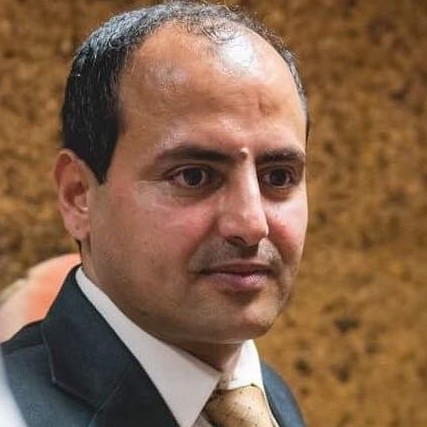





publication record includes books, journal articles, book chapters, and reviews.



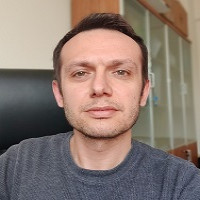
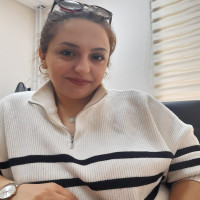

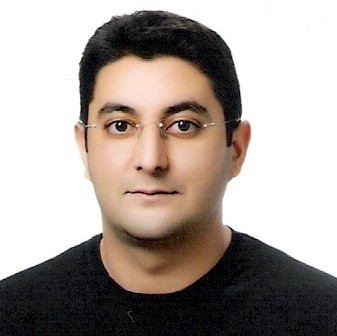




Gizem Yıldız Anadolu Üniversitesi Eğitim Fakültesi İlköğretim Matematik Öğretmenliği Programından 2011 yılında mezun olmuştur. Yıldız 2013 yılında Anadolu Üniversitesi Eğitim Bilimleri Enstitüsü Özel Eğitim Anabilim Dalı, Zihin Engellilerin Eğitimi programında başladığı bütünleşik doktora eğitimini 2020 yılında tamamlamıştır. 2023 yılında özel eğitim alanında Doçent ünvanını almıştır. Şu anda Anadolu Üniversitesi Özel Eğitim Bölümü Otizm Spektrum Bozukluğu ABD'nda öğretim üyesidir.
Yıldız, zihin yetersizliği veya otizmi olan yetişkinlerin eğitimi, bağımsız yaşam eğitimi, mesleki eğitim, aile eğitimi, cinsel eğitim ve dijital güvenlik alanlarında bilimsel çalışmalar yürütmektedir. Yıldız, gelişimsel yetersizliği olan bireylerin çalışma yaşamına hazırlanmasına ve istismardan korunmasına yönelik projelerde çalışmaktadır.
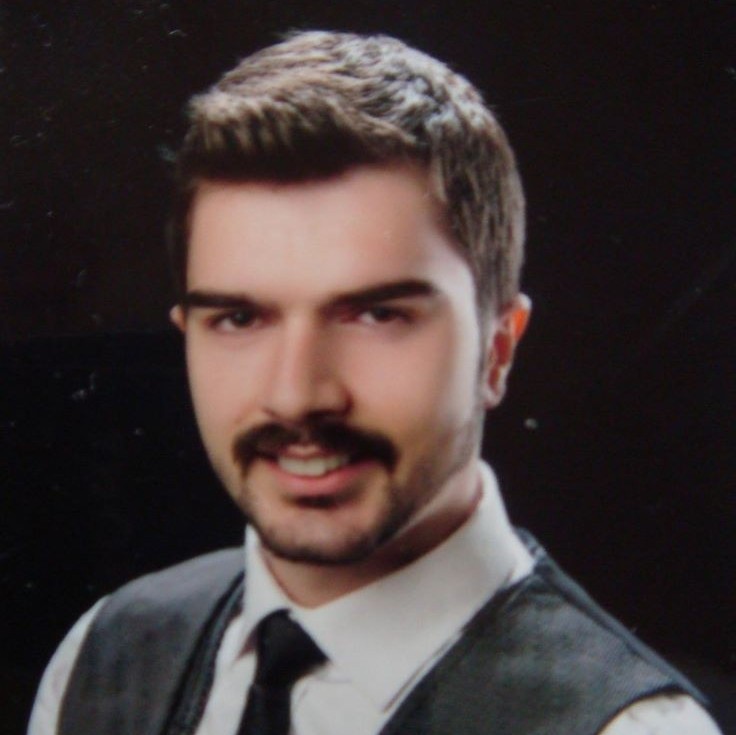
Assoc. Prof. Dr. Gürhan BEBEK is a faculty member engaged in academic research within the domain of Science Education. Since the commencement of his graduate studies, his scholarly efforts have primarily concentrated on scale development methodologies. His doctoral dissertation, recognized as a pioneering study focusing on the education of gifted students, has significantly contributed to advancing the conceptual and empirical understanding of this specialized area. In contemporary scholarship, his research interests have progressively shifted towards STEM education and the development of engineering-based learning environments. His current work investigates critical themes, including the efficacy of interdisciplinary approaches in science pedagogy, the processes involved in acquiring problem-solving skills, and the profound influence of real–life–based activities on shaping educational outcomes. Dr. BEBEK has authored or co-authored numerous publications in both national and international venues, and his findings have been disseminated at various academic conferences. In his instructional role across undergraduate and graduate levels, he consistently emphasizes the integration of theoretical constructs in science education with practical, application-driven examples. Furthermore, he provides rigorous instruction and mentorship to students in crucial methodological areas, including research methodology, measurement, and evaluation. Beyond instruction, he actively directs research projects that seek to further empirical knowledge in the field of science education. These initiatives are instrumental in supporting the professional development and training of qualified researchers, demonstrating a strong commitment to academic stewardship. Prof. Dr. BEBEK has rendered service as a reviewer, editorial board member, and scientific evaluator for esteemed scholarly journals.
Eğitim
2003-2010 Doktora programı. Dokuz Eylül Üniversitesi, Eğitim Bilimleri Enstitüsü, Güzel Sanatlar Eğitimi Bölümü, Resim-İş Öğretmenliği.
Tez Adı: “Eğitim Fakülteleri Resim Bölümü Öğrencilerinin Anasanat Atölye Derslerine Karşı Tutumlarının, Sanat Etkinliklerini İzleme Edimleri İle Beğeni Düzeyleri Arasındaki İlişkilerin İncelenmesi” .
2000-2003 Yüksek Lisans. Dokuz Eylül Üniversitesi, Eğitim Bilimleri Enstitüsü, Güzel Sanatlar Eğitimi Bölümü, Resim-İş Öğretmenliği.
Tez Adı: “Anadolu Güzel Sanatlar Liselerinde, Öğrenci Sorunları, Sorunların Sanat Eğitimine Etkisi ve Öğrencilerin Beklentileri”.
1991 - 1995 Lisans Eğitimi. Gazi Üniversitesi, Eğitim Fakültesi, Resim-İş Eğitimi Bölümü.
Mesleki Deneyim
2017 - … Trakya Üniversitesi, Güzel Sanatlar Fakültesi, Resim Bölümünde Doç. Dr. ünvanıyla öğretim üyeliği görevi sürmektedir.
2011-2017 Trakya Üniversitesi, Güzel Sanatlar Fakültesi, Resim Bölümünde Yrd. Doç. Dr. ünvanıyla öğretim üyeliği görevi.
2005-2011 Edirne Anadolu Güzel Sanatlar Lisesinde Resim Öğretmenliği.
1995-2005 Milli Eğitim Bakanlığına Bağlı Okullarda Resim Öğretmenliği.
Kişisel Sergiler
2018 “Ötekiler ve Empati” Yolo Art&Lounge. İzmir.
2016 “Portreler” Plovdiv Kültür Enstitüsü Plovdiv. Bulgaristan.
2016 “Diyalektik” Tekirdağ Devlet Güzel Sanatlar Galerisi. Tekirdağ.
2015 “Mitolojik Arketipler” Prof.Dr. Gültaç Özbay Sanat Galerisi. Kırklareli.
2014 “Leda ve Kuğu” Plovdivli Sanatçılar Birliği Sergi Salonu. Plovdiv. Bulgaristan.
2000 Asmalımescit Sanat Galerisi. İstanbul.
1998 Devlet Güzel Sanatlar Galerisi. Van.
1998 Ankara Resim ve Heykel Müzesi Sedat Simav-i Sanat Galerisi. Ankara.
1997 Devlet Güzel Sanatlar Galerisi. Gaziantep.
1997 Devlet Güzel Sanatlar Galerisi. Diyarbakır.
1996 Devlet Güzel Sanatlar Galerisi. Çankırı.
1996 Devlet Güzel Sanatlar Galerisi. Bilecik.
1996 Devlet Güzel Sanatlar Galerisi. Sinop.
1996 Devlet Güzel Sanatlar Galerisi. Van.
Karma Sergiler
2020 A4 Salon De Grafica Mica / A Small Graphics Salon 6-Th Edition 2020, Unıversıtatea Natıonala de Arte Bucurestı (National University of Art Bucharest).
2020 NY20+ Coantivirus Online Exhibition Artwork , Chengdu, Çin.
2020 Cumhuriyetin 97 Yılı, TÜ Güzel Sanatlar Fakültesi Sanal Ortam Edirne.
2020 The Language of Art, Balabanova House Plovdiv Bulgaristan.
2020 24 Kasım Öğretmenler Günü, KSÜ Güzel Sanatlar Fakültesi Dijital Ortam Kahramanmaraş.
2020 15 Nisan Dünya Sanat Günü Sanal Sergisi, TÜ Güzel Sanatlar Fakültesi Sanal Ortam Edirne.
2019 “Fine ARTS EXPO ‘IN SPIRITUS’ Group Exhibition” Radisson Blu Leogrand Hotel 2.Floor, Chisinau, Moldova.
2019 “15th International Conference ”Standardization, Protypes and Quality” Trakya Üniversitesi, Balkan Kongre Binası Sergi Salonu Edirne.
2019 “International Biennial of Painting- Chisinau -2019” National Art Museum of Moldova, - Chisinau, Moldova.
2019 “All Together in the Balkans” St.Cyril and Methodius Veliko Tarnovo Universitsi,Güzel Sanatlar Fakültesi ve Veliko Tarnovo Belediyesi, Veliko Tarnovo, Bulgaristan.
2019 ”Trakya Üniversiteler Birliği Güzel Sanatlar Öğretim Elemanları Sergisi II”, Trakya Üniversitesi Balkan Kongre Binası Sergi Salonu, Edirne.
2018 “Trakya Üniversitesi Güzel Sanatlar Fakültesi Öğretim Üyeleri Sergisi” Osman İnci Müzesi Sanat Galerisi, Edirne.
2018 “Sanat ve Eğitim Sergisi” Şumen Episkop Konstantin Preslavski Üniversitesi Pedagoji Fakültesi Sergi salonu. Şumen, Bulgaristan.
2018 “İnsan Olmak Sanatı” Sveti Georgi Bulgar Kilisesi. Edirne.
2018 International Contemporary Art Shows, YOLO Art Gallery, İzmir.
2018 Büyük Buluşma Sergisi, Erciyes Üniversitesi Güzel Sanatlar Fakültesi Zafer Bayburtluoğlu Sergi Salonu. Kayseri.
2017 The 32nd ASROPA International Arts Exhibition. Gunsan. South Korea.
2017 Cucuteni 2017:a dialog between the past and the future.Radisson Blu Hotel. Kişinev, Moldova.
2017 “Uluslararası Egeart İpek Yolu Akademisyenleri Karma Onur Sergisi” Ege Üniversitesi, Atatürk Kültür Merkezi. İzmir.
2017 “Ege Üniversitesi 7.Uluslararası Egeart Sanat Günleri” İbramaki Sanat Galerisi. Kuşadası.
2016 “Osten Biennial of Drawing” Osten Gallery. Üsküp. Makedonya.
2016 “Yalnızca Barışa Tarafız” Boğaziçi Üniversitesi Güney Kampüsü. İstanbul.
2016 “8 Mart Dünya Kadınlar Günü Güzel Sanatlar Öğretim Elemanları Sergisi” Namık Kemal Üniversitesi, Güzel Sanatlar Fakültesi. Tekirdağ.
2016 “ ‘ Cumhuriyetin 93. Yılı’ TÜ Güzel Sanatlar Fakültesi Öğretim Üyeleri Sergisi”. TÜ Balkan Kongre Merkezi. Edirne.
2016 “3. Uluslararası Sürdürülebilir Yalnızca Barışa Tarafız Doğa-Sanat-Barış Sempozyumu” Tiflis I.Javakhishvili Devlet Üniversitesi. Tiflis. Gürcistan.
2015 “Mladejka İzlojba ‘Ritüel’" Plovdiv Sanatçılar Derneği Sergi Salonu. Plovdiv. Bulgaristan.
2015 "Sborna Lyatna Ekpozitsiya" Karma Sergisi. Plovdiv Sanatçılar Derneği Sergi Salonu. Plovdiv. Bulgaristan.
2015 “International Artists Exchange Workshop/Exhibition ‘Ideal and Reality’”. Chengdu. Sichuan. Çin.
2015 “TÜGSF Öğretim Elemanları, Edirne’nin Kurtuluş Günü Karma Sergisi”. T.Ü. Balkan Kongre Binası Fuaye salonu.
2015 "’Tsvetova’ Obşta İzlojba”, "Renkler” Karma Sergi. Plovdiv Sanatçılar Derneği Sergi Salonu. Plovdiv. Bulgaristan.
2015 “Doğa, Sanat ve Barış”, “2.Sürdürülebilir Uluslar arası Yalnızca Barışa Tarafız Sempozyumu” Sergisi. Nar Çiftliği. Kocaeli.
2014 “Dayanışma Sergisi II” Güzel Sanatlar Lisesi Mimar Sinan Sergi Salonu. Edirne.
2014 "Godişna İzlojba" Plovdiv Sanatçılar Derneği Sanatçıları Yıllık Sergisi, PSD Sergi Salonu,
Plovdiv. Bulgaristan.
2014 “Üç Sergi İçinde Tunca” Kiril Kristev Sanat Galerisi. Yambol. Bulgaristan.
2013 “Yalnızca Barışa Tarafız” Karma Sergi. ETSO. Edirne.
2013 “Murphys Gesetz” Part 96 , Kulturschiene im Hauptbahnhof MS. Münster. Almanya.
2012 “12. Lucruri Mărunte Expoziţie de Pictură”. Muzeul de Artă Constanţa. Romanya.
2012 “11. Küçük Seyler” Resim ve Seramik Sergisi. TC Dışişleri Bakanlığı. Suna Çokgür Ilıcak Sanat Galerisi. Ankara.
2012 “10. Küçük Şeyler” Resim ve Seramik Sergisi. Soyut Sanat Galerisi. Ankara.
2012 “AB-Türkiye Çagdaş Grafik Sanatları Girişimi” Proje Sergisi. Taksim Pera Sanat Galerisi. İstanbul.
2012 “Oxymoron”, Alter Fischmarkt 16, Salon Part96 Münster, Almanya.
2011-12 “9. Küçük Şeyler” Resim Sergisi. Terakki Vakfı Sanat Galerisi. İstanbul.
2011 I.Uluslararası Sanat Sempozyumu Resim Sergisi. Odessa. Ukrayna.
2011 IFAS Uluslararası Güzel Sanatlar Sempozyumu ve Sergisi. Konya.
2011 “TÜ Güzel Sanatlar Fakültesi Öğretim Üyeleri Karma Sergisi” Güzel Sanatlar Lisesi Mimar Sinan Sergi Salonu. Edirne.
2011 “Disiplinlerarası Karma Sergi” Karma Sanat Evi. İstanbul.
2011 “100 Genç Yüz” Karma Sergisi. International Art Center. İstanbul.
2009 "Harf Devrimi" Konulu Resim Yarışması Sergisi. Ankara.
2004 Proje Sergisi DEÜ Resim-İş ABD Sergi Salonu. İzmir.
2002 Turgut Pura Resim ve Heykel Yarışması Sergisi. İzmir.
2001 62. Devlet Resim ve Heykel Yarışması Sergisi.
1998 “Genç Sanatçılar Asmalımescit’te” Asmalımescit Sanat Galerisi. İstanbul.
1996 Devlet Güzel Sanatlar Galerisi. Van.
Uluslararası Sempozyum ve Çalıştaylar
2018 “4. Cucuteni International Art Camp” Ivancea, Moldova.
2018 5. Uluslararası Mehmet Nuri Göçen Resim Çalıştayı, Kuşadası . Aydın.
2017 Ege Üniversitesi ve Kuşadası Belediyesi işbirliği ile 7. Uluslararası Egeart Sanat Günleri kapsamında düzenlenen İpek Yolu Sanat Çalıştayı. Kuşadası, Aydın.
2017 “3. Cucuteni International Art Camp” Ivancea, Moldova.
2016 “Doğa Sanat ve Barış”, “4. Uluslararası Sürdürülebilir Yalnızca Barışa Tarafız Workshop ve Sergisi” Denizli.
2016 ICSSH 2016 International Conference On Social Sciences And Humanities, International Balkan University. Üsküp. Makedonya.
2016 “3. Uluslararası Sürdürülebilir Yalnızca Barışa Tarafız Doğa-Sanat-Barış Sempozyumu” Tiflis I.Javakhishvili Devlet Üniversitesi. Tiflis. Gürcistan.
2015 “Ideal & Reality 2015” The International Artistic Creation Workshop. Chengdu. Sichuan. Çin.
2015 6. Tepecik International Art Workshop. Tepecik. Aydın.
2015 “Sanat, Gerçeklik ve Paradoks” Uluslararası Sanat Sempozyumu. Muğla Sıtkı Koçman Üniversitesi. Bodrum Güzel Sanatlar Fakültesi. Bodrum. Muğla.
2014 Rezonans Forest Festival. Galeri Rezonans. Plovdiv. Bulgaristan.
2014 1st Mehmet Nuri Gocen Kusadasi Art Workshop. Kuşadası.
2013 8th International Art Suites Painting Workshop. Bodrum.
2013 5th International Painting Symposium Malownicza Barbarka. Torun. Polonya.
2012 10th International Symposium of Painting. Rion. Patras. Yunanistan.
2012 4th International Painting Symposium Malownicza Barbarka. Torun. Polonya.
2012 10th Festival International Des Arts Plastiques De Monastir Tunus.
2011 IFAS Uluslararası Güzel Sanatlar Sempozyumu, Selçuk Üniversitesi, Güzel Sanatlar Fakültesi. Konya.
2011 9th Festival International des Arts Plastiques de Monastir. Monastir. Tunus.
2011 I.Uluslararası Sanat Sempozyumu Resim Çalıştayı. Koblevo. Odessa. Ukrayna.
Yayınlar
2018 HAYKIR MUSTAFA (2018). GÖRSEL ÖNYARGILARIN BETİMLEME SÜRECİNE YANSIMALARI. SDÜ ART-E Güzel Sanatlar Fakültesi Sanat Dergisi, 11(22), 345-357. Isparta.
2018 Haykır Mustafa (2018). Sanatsal Algı İle Görsel Önyargılar İlişkisi. Çukurova Üniversitesi Sosyal Bilimler Enstitüsü Dergisi, 27 (1), 26-34. Adana.
2016 HAYKIR MUSTAFA (2016). Leonardo Da Vinci’in Kadın Figürlerinde Anne İmgesine Yönelik Psikanalitik Bir İnceleme. Atatürk Üniversitesi Güzel Sanatlar Fakültesi Sanat Dergisi (29), 57-73. Ankara.
2016 HAYKIR MUSTAFA (2016). The Role OF Visual Prejudices In The Process Of Reception Of Artworks. Challenges: From Diversity To Synergy, ICSSH 2016 International Conference On Social Sciences And Humanities, 200-200. (Özet Bildiri/Sözlü Sunum). Üsküp. Makedonya.
2016 HAYKIR MUSTAFA (2016). Sanatta Görsel Önyargılar. İdil Sanat ve Dil Dergisi 5(20), s.145-158., ISSN 2146-9903, Doi: 10.7816/idil. Ankara
2015 HAYKIR MUSTAFA (2015). Tüketici ve Sanatçı İlişkisi Açısından Sanatın Ontolojik Paradoksal Sorunları. Sanat, Gerçeklik ve Paradoks, Uluslararası Sanat Sempozyumu, ISBN 978-605-4397-48-8, s.355-366. (Tam Metin Bildiri/Sözlü Sunum). Bodrum.
2012 HAYKIR MUSTAFA (2012). Bedri Karayağmurlar ve Sanatı Üzerine Bir İnceleme. Trakya Üniversitesi, Sosyal Bilimler Dergisi, 14(1), 195-224.
2012 HAYKIR MUSTAFA (2015). Sanatta Leda Ve Kuğu Teması İle Kolektif Bilinçdışı İlişkisi Üzerine. Trakya Üniversitesi, Sosyal Bilimler Dergisi, 17(1), 193-206.
2011 HAYKIR MUSTAFA (2011). Gelenek ve Yenilik İlişkisi. (IFAS) Uluslararası Güzel Sanatlar Sempozyumu, 341-345. (Tam Metin Bildiri/Sözlü Sunum). Konya.
Mersin 75. Yıl Anadolu Öğretmen Lisesinden 2008 yılında mezun oldu. Lisans, yüksek lisans ve doktora eğitimini Dokuz Eylül Üniversitesinde tamamladı. 2013-2022 yılları arasında MEB' de öğretmen olarak görev yaptı.2022 yılından itibaren Trakya Üniversitesi Eğitim Fakültesi Matematik ve Fen Bilimleri Eğitimi Bölümü Matematik Eğitimi Anabilim Dalı’nda öğretim üyesi olarak görev yapmaktadır.

Sare TERZİ İLHAN, Amasya Üniversitesi
Biyoloji Eğitimi
Çevre Eğitimi
Fen Eğitimi
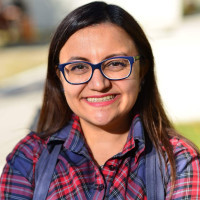

Zeynep Çetin Köroğlu has been working as an Associate Professor at the English Language Teaching Department of Aksaray University. She obtained her MA and PhD degrees from Gazi University, Türkiye. Her academic background mainly consists of English Language Teaching. She acts as a reviewer at various international academic journals. She is a technology enthusiast, established researcher and international conference presenter. Her areas of expertise include intercultural communication, language teachers’ education, ICT implementations in language pedagogy and language assessment. She has published numerous book chapters and articles related to her research interests.
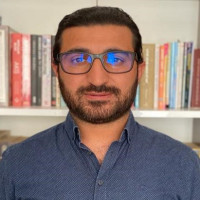
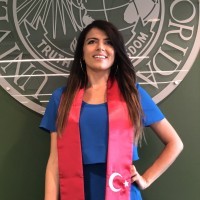
Assistant Professor Özge Özel received her BA in Preschool Teaching at Muğla Sıtkı Koçman University in 2009. In the same year, within the scope of the Ministry of National Education YLSY Program, she was entitled to receive master's and doctoral education in the United States with an official scholarship. As part of this program, she completed her master's degree in early childhood education at the University of Texas at San Antonio in 2013, writing her thesis on multicultural education and bilingualism in early childhood education. Özel, whose area of expertise is technology in preschool education, did her doctoral study on technology integration of preschool teachers at the University of South Florida and received her doctorate in 2019. Having many national and international publications and papers, Özel focuses on technology integration and multi-cultural education in early childhood education. Currently, she is working as an assistant professor at the Burdur Mehmet Akif Ersoy University.

Aim & Scope
e- Kafkas Journal of Educational Research is the publication of Kafkas University Dede Korkut Faculty of Education. The journal which welcomes international authors and readers aims to enrich knowledge in education with broader international perspective. The journal is published electronically three times a year. It is a peer-reviewed and scientific journal. The approach of the journal is the open-access journal system. The articles that will be published in e-Kafkas Journal of Educational Research will be evaluated by the reviewer board after the pre-examination by editors of the journal. In this process, the articles are scientifically evaluated by the reviewer board through the double-blind peer-reviewed system. The ideas, opinions, thoughts, suggestions etc. in the articles are under the responsibility of the respective authors. The Journal does not charge for article submission, processing, and publication. It has the status of a periodically published 8-year International Refereed Journal and has adopted the basic principle of fulfilling its publishing responsibilities based on COPE (Code of Conduct for Journal Editors).
e-Kafkas Journal of Educational Research (e-KJER) publishes studies using scientific research methods and techniques in all the basic fields of educational sciences. The main aim of the journal is to contribute to the educational processes and related fields such as Computer and Instructional Technology Education, Religious Culture and Ethics Education, Educational Sciences, Fine Arts Education, Mathematics and Science Education, Special Education, Psychological Counseling and Guidance, Social Sciences Education, Primary Education, Turkish Education, and Foreign Language Education.
The studies are to be accepted for the publication in accordance with the aim of e-KJER:
• Scientific studies that investigate, question the problems and improve their applications in all levels of education,
• Scientific studies aimed at developing the competencies of trainers and facilitating their application activities of trainers,
• Scientific researches designed with quantitative, qualitative and mixed methods,
• Scientific studies that can contribute to the holistic development of students in all levels of education,
• Scientific studies that evaluate research methodology, the original, educational theory, and model in accordance with scientific research methods
• Interdisciplinary scientific studies conducted by researchers from different fields of study,
• Scientific studies that test the validity, reliability, and applicability of data collection tools which test and evaluate psychometric properties to be used in education,
• Scientific studies aiming at the development and testing of educational technology and teaching materials and integration of them into teaching activities.
Author Guidelines
The articles sent to e-Kafkas Journal of Educational Research (e-KJER) should be prepared according to the submission format below:
Page layout: A4 Vertical, margins (normal) (2,5 cm from each side)
e-KJER does not have a restrictive approach to the word number and page. However, the editorial board and science committee may suggest that the study can be shortened without losing its quality.
Title of the manuscript
The title of the study should be inclusive and clearly reflect the content. Initials of every word should be capitalized except conjunctions. Title should be written in Times New Roman font, bold, 12 pt, center-aligned, and single line spacing.
Abstract
In the abstract, the purpose, scope, method, findings, and conclusion of the study should be briefly stated. The abstract should be between 200-300 words. The abstract should be written in Times New Roman font 11 pt, 6-0 nk paragraph spacing, and single line spacing.
Keywords:
Keywords of the study should consist of minimum 3 and maximum 5 words.
Introduction
The text should be written in Times New Roman font, 11 pt, single line spacing, and 6-0 nk paragraph spacing. Enter key between paragraphs should not be used. One letter spacing should be left after the punctuation marks and between the words.
Method
The research model, population-sample / study group, data collection tools, validity and reliability of data collection tools, data collection techniques, data analysis, limitations should be detailed.
Findings
The findings obtained in the research can be explained with tables, figures, graphics or pictures in accordance with the purpose of the study.
Conclusion, Discussion and Suggestions
The main ideas that emerged in the light of the findings of the research should be explained and discussed. Suggestions can be made according to the findings of the study. In addition, suggestions can be made for future studies and practices that will contribute to the literature.
References
The references should be written in Times New Roman font, 11 pt, single line spacing, XXX hanging, and 0-0 nk paragraph spacing in accordance with APA 6 references.
Appendix
The appendix should be given on a new page after the references. Every appendix should be ordered like appendix 1, appendix 2, and so on. For the text presented in this section, the font properties used in the main text are valid.
Tables and figures
Tables and figures in the text should be arranged considering the sample article template included in Forms and Templates section.
Forms and Templates
You can access the needed forms and sample article template prepared in line with the e-KJER writing rules in the Forms and Templates section.
Ethical Principles and Publication Policy
Similarity rate control
e-Kafkas Journal of Educational Research applies internationally accepted principles on ethical issues, errors, or discontinuities. To prevent the discontinuities of publication of scientific papers submitted to the journal is among the critical responsibilities of the editorial board. Unethical behaviors that can be observed in scientific studies are not acceptable. It is the responsibility of the authors to declare that the contents of the scientific researches submitted to the journal are prepared from the original. In this regard, articles submitted to the journal are accepted after passing through the plagiarism program (Ithenticate). The similarity of the article sent to the journal should not be more than 15%.
Measures against ethical violations
e-Kafkas Journal of Educational Research has adopted the principle of fulfilling its publishing responsibilities based on the COPE Code of Conduct for Journal Editors. In accordance with this principle, the editorial board, referees, and authors are obliged to apply the procedures in the journal application and evaluation processes within the scope of ethical committees.
The similarity rate of the candidate articles should be uploaded to the journal by the authors. In addition, the corresponding author has to declare that there is no plagiarism in the article by uploading the similarity rate statement file. Candidate articles are also reviewed by the journal secretariat for plagiarism with the Ithenticate program. Articles exceeding the similarity rate determined by the journal are returned to the authors.
For published articles, in case of any ethical complaint within 12 months, the editorial board examines the article. Documents related to the complaint should be sent to the editorial board of the journal via journal e-mail.
e-Kafkas Journal of Educational Research reports that any unethical work involving ethical violations such as abuse, the relationship of interest, or unlawful work of others is unacceptable and all legal rights are reserved.
Responsibilities of editors
Responsibilities for publication decisions, confidentiality, informing and disagreements that must be followed by the editor, editorial board, field editor are listed below. The editor, editorial board, and field editors of e-Kafkas Journal of Educational Research are obliged to comply with the following responsibilities.
Publication decisions: The editor is responsible for reviewing the field editors of the manuscripts submitted to the journal and making the decision to publish as a result of the referees' evaluation. The editors evaluate the decisions of the publications without considering the ethnic, race, gender, sexual orientation, religious belief, sect, nationality, political views or article suggestions. The decision of the editor is based on e-Kafkas Journal of Educational Research considering the journal's purpose, scope, originality, suitability for the validity, importance and timeliness of the study.
Confidentiality: The editorial board cannot share the scientific studies sent to e-Kafkas Journal of Educational Research with the other persons and institutions except for the authors, referees, members of the editorial board and the publisher.
Informing and disagreements: Unpublished content of the scientific study sent to e-Kafkas Journal of Educational Research cannot be used by the editorial board members and the persons who are responsible for the publication of the study without the permission of the author(s).
Responsibilities of referees
The responsibilities like time, confidentiality, impartiality standards, citations, information, and view discrepancies to be followed by the referees, are stated below. The referees accepting the evaluation process of the articles accepted by the editor/editorial board of e-Kafkas Journal of Educational Research are obliged to comply with the following responsibilities.
Time: In cases where the referees do not consider themselves having sufficient knowledge for the content of the manuscript submitted to be considered or they cannot assess the manuscript during the proposed evaluation period because of the time limitations, the referees should inform the editor and asked to be withdrawn from the evaluation process.
Confidentiality: The article proposal sent to the referees should be accepted as a confidential document and no information should be given to third parties about its content.
Impartially standards: The evaluations made by the referees should be made in accordance with the standards of impartiality. Personal criticism of the author is not appropriate. The opinions and suggestions made by the referees should be supported by arguments in accordance with scientific principles and should be clearly and comprehensibly expressed.
Citations: If the previously published scientific articles related to the proposed article sent to the referees are not included in the proposal article, it may be requested by the referees to include the related studies in the proposed article. References should be reviewed by the referees considering the citation rules of the journal and errors should be indicated. Referees evaluating the proposal article should inform the editor, editorial board, or field editors about the similarity or originality between the previously published studies and the proposal article.
Informing and view discrepancies: Unpublished articles proposed for review, data specific to the research content, and thoughts related to the proposal should not be used for personal benefit after the review by referees. In the proposal articles sent for reviewing, referees should not take into account any conflict of interest arising from the benefit or loss of the author, company, or institution.
Responsibilities of authors
Reporting standards that should be followed by the authors, that is, originality, multiple, dysfunctional or repetitive studies, citation, authorship, data access, and protection, responsibility for basic errors in published studies are listed below. The authors whose articles are accepted for publication by the editor/editorial board of e-Kafkas Journal Educational Research are responsible for obeying the following rules.
Reporting standards: Authors should emphasize the originality of their work as well as the purpose, importance of the study. The manuscripts submitted to the journal should comply with the journal reporting standards. (Please see the writing rules and reference guidelines in the Author's Guide Menu).
Originality: Authors should state that the whole of the article they propose for publication in the journal is original.
Multiple, dysfunctional, or repetitive studies: Authors should not submit the manuscripts which are submitted to e-Kafkas Journal of Education Research to other journals simultaneously. Furthermore, the articles published in e-Kafkas Journal of Educational Research are expected not to be published in any other journal in the future.
Citation: Authors should specify the sources of the data they use in their articles in accordance with the writing rules in the text and bibliography.
Authorship: The authors of the articles submitted to e-Kafkas Journal of Educational Research should contribute significantly to the formation of the article in the design, conceptualization, implementation, or interpretation of ideas. The authors assume full responsibility for the accuracy of the information of the names of all authors who contributed to the proposal article and their contact information.
Data access and protection: The data which are not analyzed for the proposal articles should be protected and kept in order to present them to the editor when necessary.
Basic errors in published articles: In case of an error or uncertainty about the proposal article submitted by the authors, they should report the issue to the editors.
Note: The authors cannot retain the copyrights and full publishing rights without the permission of journal ediors' committee. This is guaranteed with the copyright aggreement form of journal, which authors have to accept that their copyrights are transferred to the journal. You can see the journal's copyright transfer aggreement form in Forms and Templates section.
Price Policy
In line with the Open Access Policy, e-Kafkas Journal of Educational Research does not charge any fees for article submission, review, and publication processes. Our journal is totally free to use for all processes.
