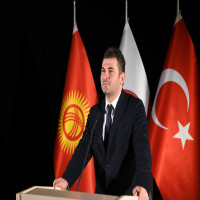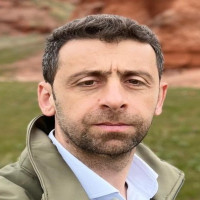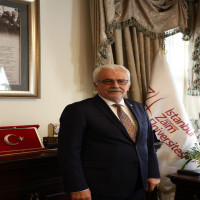

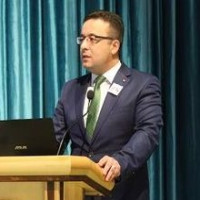
Prof. Dr. Ozan YILMAZ was born in Giresun on April 20, 1980. After completing his primary and secondary education in this city, he graduated in 2001 from the Department of Turkish Language and Literature, Faculty of Arts and Sciences, Çanakkale Onsekiz Mart University. He received his M.A. degree in 2004 from the Institute of Social Sciences at Gaziantep University with a thesis entitled Turkish Commentaries on the Qasidas of Urfī, and completed his Ph.D. in 2008 at the Institute of Turkic Studies, Marmara University, with a dissertation entitled Sûdî-i Bosnevî, One of the Sixteenth-Century Commentators, and His Commentary on the Gulistān.
Between 2003–2004 and 2008–2010, he worked as a research assistant in the Department of Turkish Language and Literature at Gaziantep University, Faculty of Arts and Sciences, and between 2004–2008 at the Institute of Turkic Studies, Marmara University (under Article 35). Since 2010, he has been serving as a faculty member in the Department of Turkish Language and Literature at Sakarya University, Faculty of Arts and Sciences (Assistant Professor 2010–2012; Associate Professor from 2012; Professor since 2019).
In addition to his books—Gülistân Şerhi (2012), Necâtî Bey Divanı (2015), Hüsn ü Aşk (2018), Ferheng-i Şuûrî (4 vols., 2019), Şeyhî’s Hüsrev ü Şîrîn (2020), and Şiirin Beylerbeyi Necati Bey (2023)—he has published numerous scholarly articles, book chapters, and papers presented at international symposia. In 2019, he was awarded the Outstanding Young Scientist Award (GEBİP) by the Turkish Academy of Sciences (TÜBA). He has also served as a reviewer and referee for institutions such as the Turkish Language Association (TDK), TÜBA, TÜBİTAK, and the Atatürk Culture Center (AKMB), as well as for various academic journals. He is currently a member of the Scientific Board of the Turkish Language Association (TDK) and of the TÜBA-GEBİP program under the Turkish Academy of Sciences.
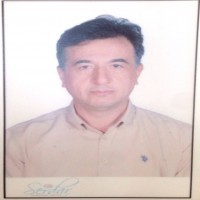
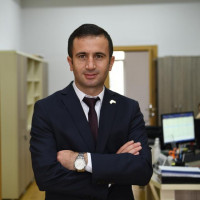
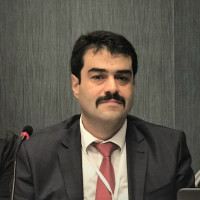
Alper Işın is an Associate Professor in the Department of Gastronomy and Culinary Arts, Faculty of Tourism, İzmir Kâtip Çelebi University. He completed his master’s degree in the Tourism Management Education Program at the Institute of Educational Sciences, Gazi University, and his PhD in the Tourism Management Program at the Institute of Social Sciences, Gazi University. As of 2025, he also holds an academic position at Kyrgyzstan–Türkiye Manas University. His primary academic and research interests include tourism management, tourism marketing, tourist behavior, and gastronomy studies.
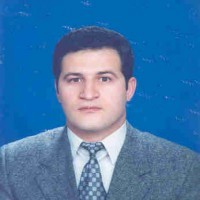
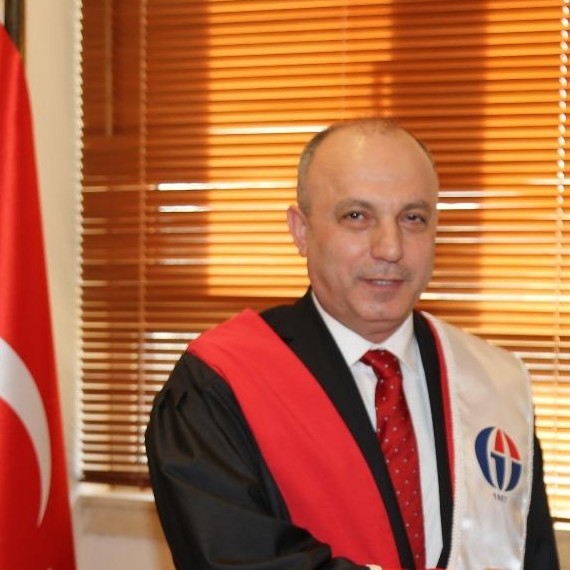
Assoc. Prof. Dr. Seyil NAJİMUDİNOVA is a faculty member at the Management Department, Faculty of Economics and Administrative Sciences at Kyrgyz-Turkish Manas University. She received a bachelor’s degree, summa cum laude, from Kyrgyz-Turkish Manas University. She completed her master studies in the Management Department in 2005. In 2010, she successfully defended her PhD dissertation, titled 'The Importance and Role of Corporate Culture in Human Resource Management: A Case Study of Kyrgyz Enterprises' at the same institution. Since 2004, she has held a tenured position in the Business Department at Kyrgyz-Turkish Manas University. She received the title of associate professor in July 2024. She served as the vice -chair of the Center for Central Asian Studies between 2014-2015 and as the vice-dean of the Faculty of Economics and Administrative Sciences between 2017-2024. She has been a member of the KTMU Senate since December 2023, a KTMU Rector Advisor since October 2024, and a coordinator of the Career Development Office since November. She has been a field editor and assosiate editor of the Manas Social Research Journal since 2016. She is a member of the Young Scientists Association of the Ministry of Education and Science of the Kyrgyz Republic. Her research interests and publications focus on Human Resources Management, strategic management, entrepreneurship, female entrepreneurship, and higher education. She speaks Kyrgyz, Turkish, English, and Russian.
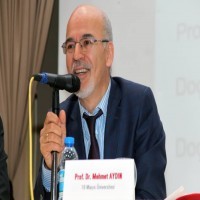
Çağdaş Türk Lehçeleri ve Edebiyatları, Çeviribilim, Kültüreldilbilim, Yabancılara Türkçe Öğretimi
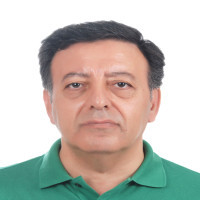
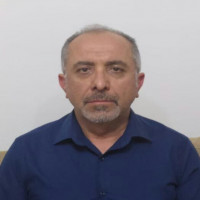
Azamat Maksüdünov (Ph.D.) is an educator with over a decade of experience in the field of business academia. He is a Fulbright Visiting Scholar at Florida Atlantic University for the academic year 2023-2024. Currently, he is a full-time associate professor at Kyrgyz - Turkish Manas University, Department of Management, Faculty of Economics and Management. Dr. Maksüdünov has authored or co-authored 44 articles, 40 conference papers, 10 book chapters, and 4 books. He received the Best Paper Award at the 26th World Business Congress organized by the International Management Development Association (IMDA) in May 2016, as well as a Certificate of Honor from the Ministry of Education and Science of Kyrgyzstan in December 2021.
--
Junus Ganiev received his M.S. and PhD degree in Economics from the Kyrgyz - Turkish Manas University. He carried out his master’s thesis on inflation dynamics and doctoral thesis on corruption. He conducts research on monetary policy, international economic relations, economic growth and development. He has attended international conferences in many countries. He has journal articles, book chapters, books, conference papers. He is a full-time Associate Professor at Kyrgyz-Turkish Manas University, Department of Economics, Faculty of Economics and Management. ORCID: 0000-0001-8859-5464 (Djal, Campus of Chyngyz Aitmatov, Bishkek, 720038, Kyrgyzstan, +996772 331193, junus.ganiev@manas.edu.kg)
Aim: MJSS is an international, peer-reviewed scientific journal that adheres to scientific and ethical standards and publishes four issues annually. The journal aims to publish research conducted in the field of social sciences and make it available to the academic community. In general, the MJSS Journal publishes topics within the scope of the social sciences; specifically, it aims to present, within scientific standards, the cultural riches of Central Asian countries—particularly Kyrgyzstan—and the Turkic world, as well as cultural and social events and issues related to the Turkic world, and current studies at both the macro and micro levels. With its open-access journal system, MJSS aims to be indexed by more databases and indexes, while also providing easy and unrestricted access to researchers and readers. MJSS aims to increase the citability of its articles.
Scope: Manuscripts submitted to the MANAS Journal of Social Studies must be original articles that fill a gap in the field, or research that evaluates previously published works and presents new and noteworthy perspectives on the subject. The MANAS Journal of Social Studies publishes both theoretical and applied research. To be eligible for publication in MJSS, articles must not have been previously published elsewhere or accepted for publication. Papers previously presented at a scientific conference may be accepted for review provided this is clearly stated. Every author named in the article is responsible for the content of the work. Authors should not submit the same article to more than one journal simultaneously.
Accepted Article Types: Research Article, Review, Case Report, Other.
Journal Topics: Labor Economics, Literature, Educational Sciences and Teacher Training, Philosophy, Fine Arts, Economics, Theology, Local Administration, Finance, Media and Communication, Business Administration, Accounting and Finance, Marketing, Psychology, Political Science and Public Administration, Sociology, Sports Sciences, History, Tourism, Turkish Language, International Relations, Production Management, Management Information Systems, Management and Organization
Authors must adhere to the formatting guidelines listed below:
To submit an article to the MANAS Journal of Social Research, authors must register with the DergiPark article tracking system and use this system to upload their article. Registration, article upload, and other detailed instructions are provided on the dergipark.org.tr website.
Articles submitted to the MANAS Journal of Social Research must be screened using one of the similarity detection software programs—Turnitin, Ithenticate, or StrikePlagiarism—and uploaded to the system. The similarity rate, including the reference list, must not exceed 20%. Authors must complete and upload the signed 📝 +Copyright Agreement and Ethical Statements.docx .docx.
Authors are responsible for the articles submitted to the MANAS Journal of Social Research.
It is assumed that all authors submitting articles to the MANAS Journal of Social Research accept all responsibilities outlined in the MANAS Journal of Social Research Copyright Agreement and Ethical Declarations.
The MANAS Journal of Social Research accepts articles in Turkish, Kyrgyz, English, and Russian. For articles submitted in alphabets other than the Latin alphabet (Kyrgyz and Russian), such as the Cyrillic alphabet, the author’s name and affiliation, the article title, abstract, and references must also be provided in the Latin alphabet. This is particularly important for indexing, searchability, and visibility.
GENERAL
Authors should prepare their articles using the “📝 +Article Text.docx ” file.
When submitting an article, authors should not include author information in the Word document itself, but should instead add it to the “📝 +Author Information.docx ” file.
If the article is accepted, the author(s) must upload their article by adding their author information to the “📝 +Post-Acceptance Template.docx ” file.
Articles should not include details such as page numbers, headers, or footers.
Except for special cases dictated by the article or subject matter regarding spelling and punctuation, the Turkish Language Institution’s Spelling Guide must be followed for articles in Turkish.
Submitted articles (including references and abstracts) must be formatted to a maximum of 25 pages.
During the initial submission, the peer review process will not be initiated for articles that do not comply with the journal’s formatting guidelines. In this process, the author is given a maximum of 15 days to make the necessary corrections. Articles that are not adjusted according to the journal’s formatting guidelines within this period will be rejected by the editor’s decision.
Authors should periodically log into the journal’s system to check the status of the review process and review the feedback from reviewers and editors. Since authors can view the revisions requested by reviewers through the system, they must make the necessary corrections and upload the final version of the manuscript back to the system.
Revisions based on the recommendations of the referees and editors must be made and uploaded to the system within 30 days. Articles for which the necessary revisions are not made within this period will be rejected by the editor’s decision.
The “Garamond” font must be used in the articles. For articles requiring a specific font, the font file must be submitted along with the manuscript.
COVER PAGE
The title of the article in its original language must be written “left-aligned, bold, and 16-point font,” with the first letter of each word capitalized and the rest in lowercase.
Author information (e.g., Muharrem ERGİN) must be written “left-aligned, regular, and 14-point font,” as shown in the example.
The abstract should be organized to include the article’s purpose, methodology, and findings and conclusions, and must not exceed 150–220 words. The abstract should be formatted in 10-point font with single line spacing.
The abstract should be organized to include the article’s purpose, methodology, and findings/conclusions, and must not exceed 150–220 words. The abstract should be formatted in 10-point font with single-line spacing.
Keywords should reflect the content of the article and be written in the language of the article and in English, consisting of “at least 3 and no more than 5” words.
The title of the article in the second language should be written in “left-aligned, bold, and 12-point font,” with the first letter of each word capitalized and the rest in lowercase.
Single-line spacing must be used throughout the title page.
EXTENDED ABSTRACT
Every article submitted to the journal must include an EXTENDED ABSTRACT of 750–1,000 words following the “References” section. If the article is in Turkish, the extended abstract must be in English; if it is in English, the extended abstract must be in Turkish. For articles in Russian and Kyrgyz, the extended abstract must be in English.
Extended abstracts should not contain subheadings (e.g., INTRODUCTION), should be formatted in a single column, and must adhere to the specified length.
Extended abstracts should be written in the “Garamond” font, 11-point size, with single line spacing, and with a 6-point margin before and after the text.
HEADING STRUCTURE
Research articles must include the following sections: “Introduction, Methods, Results, Conclusion, Discussion, and Recommendations.”
In review articles, conceptual analyses, or other types of articles, headings may be organized according to the content.
For headings within the article, only the first letter of each word should be capitalized; no other formatting should be used.
Section headings should be formatted as “Centered, Bold, 12-point, and Garamond font” with the first letter of each word capitalized.
Subsection headings should be formatted as “Left-aligned, Bold, 11-point, and Garamond font” with the first letter of each word capitalized.
Subheadings of section subheadings should be formatted as “Indented from the paragraph start, Left-aligned, Bold, Italic, 11-point, and Garamond font,” with the first letter capitalized.
Headings should not be numbered.
Introduction Method Universe-sample Data Collection Tools Leadership Behavior Scale Organizational Justice Scale Data Analysis Results Discussion, Conclusion and Suggestions References |
TEXT
Top article page layout, the right and left sides of 2.5 cm, bottom 1.5 cm gap should be left.
The text of the article should be written with “Garamond” font, 11 font size, single line spacing before and after 6 pt spacing.
The text should be written as a single column.
Each paragraph should consist of at least three sentences.
Paragraphs should start with 0,75 cm indentation and no spaces should be left between the paragraphs.
When it is necessary to emphasize in the text, italic highlighting should be done, not bold or underlined.
In cases where footnotes should be used in the articles, they should be written in Garamond typeface with 9 points and single line spacing.
Some figures in the text are: 4.22; p<.05; 66.3%
Arithmetic mean and standard deviation value reporting example: (M=4.22, S=0.86)
t-test analysis reporting example: [t(355)=1.02, p> .05]
Reporting example for Mann-Whitney U test: [χ2(2)=.60, p>.05]
Reporting example for ANOVA: [F(3-422)=7.11, p<.05]
Reporting example for Kruskal-Wallis H test: [X2(4)=4,15, p>.05]
Reporting example for correlation analysis: [r=.55, p<.05]
TABLES AND FIGURES
Tables and figures should be prepared in a ready-to-publish format and given in the text.
In the tables, the title should be written as in the following example. It should be placed at the top of the table, 11 point and centered.
Table 1. Findings of the Relationship between Self-Esteem and Religious Asylum in Coping with Stress
The width of the tables should not exceed 16 cm. The width of the tables, which may be smaller, should also be set to 16 cm.
Garamond typeface, 9 point and single line spacing should be used in the manuscripts used in the tables.
Vertical lines should not be used in tables.
The thickness of the top cap and bottom border in the tables”1½ pt” should be.
For some particular table format that can be used in quantitative research "📝 +Sample Table.doc " to file the water to examine. Be sure to use these tables in your articles.
In the figures, the title should be written as in the example below. The title should be placed under the figure and should be written in 11 pt and centered.
Figure 1. Self-Esteem with Stress Coping Attitudes between Relational Values
BIBLIOGRAPHY CONNECTOR AND LIBRARY LIST [1]
1. References within the text should be linked using the bibliography heading.
2. In case of direct quotation:
a. If the quote is less than 40 words, it should be enclosed in double quotation marks.
b. If the quote is 40 words or more, it should be formatted as a block quote.
3. Direct quotations must include the page number; for summarized quotations, providing the page number is optional.
a. For a single page: (Inler, 2018, p. 66)
b. For page range: (Inler, 2018, pp. 66-77)
4. In Turkish articles, the conjunction "and" should be used in bibliography conjunctions and bibliography lists.
5. In English articles, the symbol “&” should be used for bibliographic conjunctions, “and” for in-text citations, and “&” for the bibliography list.
6. The article's bibliography should be entered according to APA 7 citation standards. Citations should be in the text as follows: “Cumankunova, 2018; Cumankunova, 2018, p. 55”.
7. Every article must include a bibliography at the end.
8. The bibliography list should be written in Garamond font, 10 point size, and single-spaced.
9. The second and subsequent lines of bibliography entries in the bibliography list should begin with a 0.75 cm indentation.
10. If a work is cited multiple times within the same paragraph, after specifying the date in the first citation, it is sufficient to give the author's last name in subsequent citations. However, if the citation is in parentheses as (author, year), the date must be written each time, even if it is in the same paragraph. Also, if the same author's works from different years appear in the same paragraph, the date must be specified in all citations to avoid confusion. Example: According to Fuller (1982), information is increasing exponentially today, and the time attributed for the half-life of information is getting shorter and shorter each day. Fuller states that until the 1900s, information approximately doubled every century, that this period decreased to 25 years at the end of the Second World War, and that today information is growing exponentially every 18 months.
Examples of Bibliography Links for Turkish Articles
When citing sources within the text, quotations from other works should be indicated using the bibliography link. The bibliography link should include the author's last name, the publication date of the work, and the page number [Page numbering is mandatory for direct quotations; it is optional for paraphrasing references].
1. Single-author bibliography connector: (Deny, 2008), according to Deny (2008).
2. Two-authored bibliography connector: (Gumilyov and Akishev, 2009) or according to Gumilyov and Akishev (2009)
3. When citing works with three or more authors, the phrase "et al." should be used starting from the first reference in the text, and for all subsequent references.
Example
Reference : (Uçak et al., 2011).
4. When more than one work by the same author is cited in the same year, the works should be listed in order: (Sami, 2009a; 2009b).
5. Multiple references within the same parentheses should be alphabetically ordered by the first author's last name and separated by semicolons: (Brockner et al., 1997; Deluga, 1995; Francisco, 2000; İşbaşı, 2000; Podsakoff et al., 1990).
6. Abbreviations related to institutions should be given the first time they appear and used as abbreviations in subsequent sections:
Council of Higher Education (YÖK) - (Council of Higher Education [YÖK], 1998).
Ministry of National Education (MEB) - (Ministry of National Education [MEB], 2000).
Ministry of National Education (MoNE) - (Ministry of National Education [MoNE], 2000).
7. Legal texts: (National Education Basic Law, 1973).
8. Citations: (Dewey, 1961. Cited in Yurdakun, 2018).
9. Authors with the same surname: If there are two or more authors with the same surname in the bibliography, the first letter of the first name of the author listed first in the citation is used in all references, even if the years are different.
Example
Citations : Yılmaz, A. (2009). Public policies and public library-emergent literacy relationship in the USA. Bilgi Dünyası, 10, 80-94. http://www.bd.org.tr/
Yılmaz, B., Köse, E., & Korkut, Ş. (2008). A study on the reading habits of Hacettepe University and Bilkent University students. Turkish Librarianship, 23, 22-51. http://www.tk.org.tr/
References : As mentioned in the studies by B. Yılmaz et al. (2008) and A. Yılmaz (2009)….
Examples of Bibliography Links for English Articles
When citing sources within the text, quotations from other works should be indicated using the bibliography link. The bibliography link should include the author's last name, the publication date of the work, and, in cases of direct quotations, the page number.
1. Single-authored bibliography connector: (Güven, 2008) or “according to Güven (2008)
2. Bibliographical link with two authors: (Kala & Güven, 2009) or “According to Kala and Güven (2009)
3. When citing works with three or more authors, the phrase "et al." should be used starting with the first reference in the text, and for all subsequent references.
Example
First reference : (Uçak et al., 2011).
4. When more than one work by the same author is cited in the same year, the works should be listed as follows: (Türk, 2009a; 2009b).
5. Multiple references within the same parentheses should be alphabetically ordered by the first author's last name and separated by semicolons: (Brockner et al., 1997; Deluga, 1995; Francisco, 2000; İşbaşı, 2000; Podsakoff et al., 1990).
6. Abbreviations related to institutions should be given the first time they appear and used as abbreviations in subsequent sections:
Council of Higher Education (YÖK) - (Council of Higher Education [YÖK], 1998).
Ministry of National Education (MEB) - (Ministry of National Education [MEB], 2000).
Ministry of National Education (MoNE) - (Ministry of National Education [MoNE], 2000).
7. Legal texts: (National Education Basic Law, 1973).
8. Citations: (Dewey, 1961 as cited in: Türkmen, 2018).
9. Authors with the same surname: If there are two or more authors with the same surname in the bibliography, the first letter of the first name of the author listed first in the citation is used in all references, even if the years are different.
Example
Citations: Yılmaz, A. (2009). Public policies and public library-emergent literacy relationship in the USA. Bilgi Dünyası, 10, 80-94. http://www.bd.org.tr/
Yılmaz, B., Köse, E., & Korkut, Ş. (2008). A study on the reading habits of Hacettepe University and Bilkent University students. Turkish Librarianship, 23, 22-51. http://www.tk.org.tr/
References: B. Yılmaz et al. (2008) and A. Yılmaz (2009) as mentioned in his work …….
LIST OF BIBLIOGRAPHY
BOOK
Structure for one author (Book)
Aydın, A. (2004a). History of thought and human nature. Gendaş Publications.
Organ, D. W. (1988). Organizational citizenship behavior: The good soldier syndrome. Lexington Books.
Structure for one author (Translated Book)
Rosen, RH (1998). People management (Translated by G. Bulut). MESS Publications.
Structure for two authors (Book)
Yıldırım, A. and Şimşek, H. (2000). Qualitative research methods in social sciences. Seçkin Publishing.
Bryk, A. S., & Schneider, B. (1996). Trust in schools: A core resource for improvement. Russell Sage Foundation.
Structure for two authors (Translated Book)
Cooper, R. and Sawaf, A. (1997). Emotional intelligence in leadership (Translated by Z. Ayman and B. Sancar). Sistem Publications.
Structure for three authors (Book)
Köklü, N., Büyüköztürk, Ş., & Çokluk-Bökeoğlu, Ö. (2006). Statistics for social sciences. Pegem A Publishing.
Hoy, W. K., Tarter, C. J., & Kottkamp, R. B. (1991). Open schools-healthy schools. SAGE.
Structure for edited books
Memduhoğlu, HB and Yılmaz, K. (Eds.) (2010). Turkish education system and school administration (2nd Edition). Pegem Academy Publishing.
Hoy, W. K., & Miskel, C. G. (Eds.) (2003). Studies in leading and organizing schools. Information Age Publishing.
Structure for chapters in edited books
Yayla, A. (2009). Philosophical foundations of education. In HB Memduhoğlu and K. Yılmaz (Eds.), Introduction to educational science (pp. 19-43). Pegem Academy Publishing.
Hoy, W. K., & Tschannen-Moran, M. (2003). The conceptualization and measurement of faculty trust in schools: The omnibus t-scale. In WK Hoy & CG Miskel (Eds.), Studies in leading and organizing schools (pp. 181-208). Information Age Publishing.
Structure for chapters in translated books
Finger, J. and Bamford, B. (2010). Managing assessment (Translated by K. Yılmaz and E. Oğuz). In The Classroom Teacher's Book of Management Essentials (Translated and edited by T. Karaköse) (pp. 194-243). Nobel Publishing.
Book Review Article / Book Reviews
Dent-Read, C., & Zukow-Goldring, P. (2001). Is modeling knowing? [Review of the book Models of cognitive development, by K. Richardson]. American Journal of Psychology, 114, 126-133.
ARTICLE
Article (One Author)
If a DOI number exists, it should be included in the citation.
Turner, S. J. (2010). Website statistics 2.0: Using Google Analytics to measure library website effectiveness. Technical Services Quarterly, 27, 261-278. https://doi.org/10.1080/07317131003765910
If a DOI number is not available but the content is accessible online, the URL of the periodical's homepage should be provided.
Yılmaz, B. (2005). The restructuring process of public administration in Turkey and public libraries. Turkish Librarianship, 19, 56-77. http://www.tk.org.tr/index.php/TK
Journal articles without a DOI number
Al, U. and Doğan, G. (2012). Citation analysis of theses from the Department of Information and Document Management at Hacettepe University. Turkish Librarianship, 26, 349-369. http://www.tk.org.tr/
Journal articles in print format that do not have a DOI number, with the title translated into English.
Al, U. and Doğan, G. (2012). Citation analysis of dissertations completed at Hacettepe University Department of Information Management. Turkish Librarianship, 26, 349-369.
Article (with 2 to 7 authors)
Nielsen, B. G., & Borlund, P. (2011). Information literacy, learning, and the public library: A study of Danish high school students. Journal of Librarianship and Information Science, 43, 106-119. https://doi.org/10.1177/0961000611408643
Çokluk-Bökeoğlu, Ö. and Yılmaz, K. (2008). Teacher opinions on organizational trust in primary schools. Educational Administration Theory and Practice, 14 (54), 211-233.
Oğuz, E., Yılmaz, K. and Taşdan, M. (2007). Supervision beliefs of primary school inspectors and primary school administrators. Manas University Journal of Social Sciences, 17, 39-52.
Hoy, W. K., & Tarter, C. J. (2004). Organizational justice in schools: No justice without trust. International Journal of Educational Management, 18 (4), 250-259.
Smith, C. A., Organ, D. W., & Near, J. P. (1983). Organizational citizenship behavior: Its nature and antecedents. Journal of Applied Psychology, 68 (44), 653-663.
Article (8 or more authors)
Wolchik, SA, West, SG, Sandler, IN, Tein, JY, Coatsworth, D., Lengua, L.,...Griffin, WA (2000). An experimental evaluation of theory-based mother and mother-child programs for children of divorce. Journal of Consulting and Clinical Psychology, 68, 843-856.
ANNOUNCEMENT
The paper published in the Proceedings Book:
Yılmaz, K. (2015). Thoughts on values education: Integration of research. In A. Güvenç and M. Saygın (Eds.), Searching for the future in education: International symposium on skills, morals and values education in Turkey from yesterday to today (pp. 79-100). Atatürk Research Center Publication.
Schneider, R. (2013). Research data literacy. In S. Kurbanoğlu et al. (Ed.), Communications in computer and information science: Vol. 397. Worldwide communalities and challenges in information literacy research and practice (pp. 134-140). Springer. https://doi.org/10.1007/978-3-319-03919-0
Papers not published in the proceedings or published as abstracts:
Ağaoğlu, E., Altınkurt, Y., Yılmaz, K., & Karaköse, T. (2010, May). School administrators' and teachers' views on the competencies of school administrators. Paper presented at the V. National Education Administration Congress, Gazi University Faculty of Education - EYEDDER.
Turan, S. (2006, April). Paradigm shifts in educational administration (nothing is shifting). Paper presented at the Meeting on Problems and Solutions in Educational Administration and Supervision in Turkey . Ankara University Faculty of Educational Sciences - EYEDDER.
Çınar, M., Doğan, D., & Seferoğlu, SS (2015, February). Digital tools in education: An evaluation of the Google Classroom application [Abstract] . Paper presented at the Academic Informatics Conference, Anadolu University. http://ab2015.anadolu.edu.tr/index.php?menu=5&submenu=27
THESES
Unpublished Graduate Theses:
Ari, GS (2003). The relationship between trust and employee empowerment in businesses: a study in the banking sector [Doctoral dissertation]. Hacettepe University.
Kamer, M. (2001). The effect of organizational trust on organizational commitment and organizational citizenship behavior [Master's thesis]. Marmara University.
Evans, T. J. (1996). Elementary teachers' and principals' perceptions of principals leadership style and school social organization [Doctoral dissertation]. Western MichiganUniversity.
Theses accessed from the database
Van Brunt, D. (1997). Networked consumer health information systems [Doctoral dissertation]. ProQuest Dissertations and Theses. (UMI No. 9943436)
Yaylalı Yıldız, B. (2014). University campuses as places of potential publicness: Exploring the politics, social and cultural practices in Ege University [Doctoral dissertation, Ege Universty]. http://library.iyte.edu.tr/tr/hizli-erisim/iyte-tez-portali
Unpublished Research:
Balcı, A. and Yılmaz, K. (2005). School administrator profile research [ Unpublished research ] . Ankara University Faculty of Educational Sciences.
DICTIONARY
Turkish Language Association (2005). Turkish dictionary. Turkish Language Association Publication.
Turkish Language Association (1975). Dictionary of philosophical terms. Turkish Language Association Publication.
ENCYCLOPEDIA
Meydan Larousse (1990). Meydan Larousse encyclopedia. Meydan Publishing House.
REPORT OR OTHER CORPORATE TEXTS
Ministry of Labour and Social Security. (2004). 2004 Report. Developments and statistical information regarding our citizens abroad. Report No: 129. LSSG.
YÖK (1998). Faculty of Education teacher training undergraduate programs. YÖK. http://www.yok.gov.tr/egitim/ogretmen/ogretmen_yetistirme_lisans_programlari.htm.
MEB (2009). Ministry of National Education 2010-2014 Strategic Plan. MEB Publication.
MoNE (1977). Report by the Ministry of National Education supervision council. MoNE Publications.
Konrad Adenauer Foundation (1998). Turkish youth 98 - The silent masses under the magnifying glass. Konrad Adenauer Foundation Publications.
LEGAL TEXTS SUCH AS LAWS, REGULATIONS, AND STATUTES
National Education Basic Law (1973). Official Gazette. Publication Date: 24.06.1973. Issue Number: 14574. Number: 1739.
ONLINE RESOURCES
Electronic resources with DOI numbers
Chan, H.F., Guillot, M., Page, L., & Torgler, B. (2015). The inner quality of an article: Will time tell? Scientometrics, 104 , 19-41. https://doi.org/10.1007/s11192-015-1581-y
Electronic resources without a DOI number
Akbaba-Altun, S. and Çakan, M. (2008). Factors affecting students' exam success: The example of successful provinces in LGS/ÖSS exams. İlköğretim-Online, 7 (1), 157-173. http://ilkogretim-online.org.tr
Al, U. and Soydal, İ. (2014). Library-e Turkey Project: Public library usage research. Turkish Librarianship, 28 , 288-307. http://www.tk.org.tr/index.php/TK
Bates, R. J. (2001a). Technology, values and the management of schools. British Educational Management and Administration Society Annual Conference. 5-7 October 2001. Newport Pagnall. http://www.deakin.edu.au/~rbates/paper1.doc.
Oğuz, A. (2009). Self-efficacy perceptions of prospective teachers regarding their oral and written expression skills. Electronic Journal of Social Sciences, 8 (3). http://www.e-sosder.com/dergi/30018-042.pdf.
[ 1 ] For source and other uses see: https://apastyle.apa.org/
OUR BASIC ETHICS AND PUBLICATION PRINCIPLES
Transparency: The journal management ensures that publication processes and policies are open, clear, and accessible to all stakeholders.
Equal Opportunity: All submissions will be evaluated solely on the basis of scientific content and merit, regardless of the author's identity.
Justice and Objectivity: Decision-makers must remain impartial throughout the entire process and prioritize scientific criteria above all personal opinions.
Academic Integrity: A firm stance is taken against unethical scientific behavior such as plagiarism, falsification, and data manipulation.
Prevention of Conflict of Interest: Parties involved in the process declare any potential conflicts of interest to ensure the impartiality of the evaluation process.
Principle of Confidentiality: In accordance with the stated ethical principles and policies, articles and related information are kept confidential.
Double-Blind Peer Review: To maintain scientific quality and impartiality, the identities of both the author and the reviewer are mutually concealed throughout the process.
Accountability: Responsibility for the scientific accuracy of published content is ensured, and correction or retraction processes are implemented when necessary.
Intellectual Property Rights: This involves protecting authors' rights under the CC BY-NC-ND 4.0 license, ensuring legal representation of their work, and granting the journal only the right of first publication while retaining authors' copyrights.
Commitment to Publication Ethics: Processes are strictly adhered to by COPE and other international scientific publishing standards.
Scientific Originality: Only original works that contribute to the literature and have not been previously published elsewhere are accepted.
Protection of Author Rights: Author rights are protected at every stage of the process in accordance with relevant ethical principles and policies.
Communication in Accordance with Human Values: Authors receive prompt, courteous, and constructive feedback throughout all evaluation processes, protecting their academic work and motivation.
Archiving and Accessibility: This involves ensuring that published works are continuously accessible and preserved for the benefit of society through an open access policy.
Professionalism and Development: This refers to the journal's adaptation to the outside world and innovations on an academic basis with an open system approach; and its continuous updating of processes in line with stakeholder feedback to improve scientific publishing standards.
BRIEF INFORMATION FOR AUTHORS
1- Status: Our journal is an international, double-blind peer-reviewed, scientific journal that adheres to scientific and ethical rules and publishes four issues per year.
2- Open access: Open access is a type of Creative Commons license, specifically the CC-BY-NC-ND (Attribution-NonCommercial-NoDerivatives) 4.0 license.
3- Copyright: Copyright belongs to the author, but the first publication rights are transferred to the journal.
4- Fees: Authors are not charged any fees at any stage of the article submission, evaluation, or publication process in our journal. Furthermore, no royalties or peer-review fees are paid to reviewers or authors of published articles. Our journal operates entirely free of charge and on a voluntary basis.
5. Accepted Article Types: Research Article, Review Article, Case Report, Other.
6- Broadcast Languages: Turkish, Kyrgyz, English, and Russian
7- Indexes: TR Index (2017), EBSCOHost (2009), İSAM - Turkish History, Literature, Culture and Art History Articles Database (2022), Google Scholar, ERIHPLUS (2015), Turkish Education Index (2014), SOBIAD, Social Sciences Citation Index (2017), Academia Edu (2018), Cabell's Directories (2016), İdeal Online (2018), Russian Science Citation Index (2018).
8- Required files: Our journal requests 4 standard files for article submission; if the study requires ethics committee approval, 5 files are requested along with this document. These files are:
📝 +Article Text.docx : This should only contain the article text . It should not include any statements or author information. For articles requiring ethics committee approval, ethics committee information should be provided in the methods section (institution, date, and decision number). (This information is not sent to the reviewer; it is anonymized by the editors). 📝 +Post-Acceptance Template.docx : This is requested for articles accepted for publication ( do not use it in the initial submission ).
📝 +Author Information.docx : This file contains the author's information. All authors are required to fill in their title, address, city, country, email, and ORCID number .
📝 +Copyright Agreement and Ethical Statements.docx : This comprehensive document has been prepared to reduce the workload for our authors and to gather all requirements in one place. When completed, all ethical requirements will be met . It includes a Copyright Agreement, Ethical Statement, Note, Support and Acknowledgments, Artificial Intelligence and Types of Use Statement, Data Sharing Statement, Conflict of Interest Statement, Financial Support Statement, Contribution Rate Statement, and Document Verification. Signature Requirement: The document must be signed by all authors with an e-signature or wet signature. Authors in Different Locations: Authors can sign the same document; authors located in different cities can send their signed pages to the corresponding author, provided there is no conflict of information. File Format: The corresponding author must scan these signed pages from different locations, combine them into a single PDF document, and upload it to the system. Preliminary Review: Submissions lacking this document or containing all author signatures will not pass the preliminary review stage and will not be considered.
Similarity Report : Authors are required to upload the full text (PDF) of the iThenticate/Turnitin similarity report provided by their institution (university, etc.). The similarity rate, including the bibliography, should not exceed 20% .
Ethics Committee Approval Certificate : This is required for articles that necessitate ethics committee approval. It is mandatory . Please review the ethics committee approval policy for which studies require ethics committee approval. Both electronic and physical signatures are acceptable.
9- Reference type: APA – 7
CONTENTS
This page provides information about the following policies implemented by our journal:
Ethical Principles
Publication Policy -Transparent Publishing Policies-
ETHICAL PRINCIPLES
EDITORS' RESPONSIBILITIES
1. Publication and Responsibility Decision: The editor-in-chief and field editors of the MANAS Journal of Social Research are responsible for deciding which submitted articles comply with the journal's aims and publication policies and should be published. Editors are also responsible for determining which submitted articles comply with legal requirements regarding defamatory publication, copyright infringement, and plagiarism. The editor is responsible for the content and publication quality of the journal and has the right to consult with the editorial board and reviewers when making publication decisions. The editor must ensure a fair and equitable peer review and evaluation process. The editor of the MANAS Journal of Social Research should strive to meet the needs of readers and authors.
2. Conflict of Interest: Editors should not evaluate works in which there is a conflict of interest arising from competition, collaboration, or other relationships or connections between them and the author. Editors should not have conflicts of interest with other parties such as authors, funders, reviewers, etc.
3. Impartiality: Articles submitted to the MANAS Journal of Social Research must always be evaluated according to completely open, transparent, scientific, and objective criteria, without any prejudice. Texts should be evaluated solely on the basis of their intellectual and scientific merit, without regard to the authors' race, color, gender, sexual orientation, religious beliefs, ethnic origin, nationality, or political views.
4. Confidentiality: The editor-in-chief, assistant editors, field editors, and editorial board must not disclose information regarding submitted manuscripts to anyone except the author(s), reviewers, publisher, and indexers in relation to their review process requests. No information regarding a submitted manuscript should be disclosed by the editor to anyone other than the editorial board, reviewers, and the journal owner. However, in the event of suspicion of an ethical violation in the manuscript or the initiation of a legal/judicial process, the editorial board reserves the right, while maintaining confidentiality, to share necessary information and documents with relevant ethics committees, the author's affiliated institutions, or competent judicial authorities.
5. Editors are obligated to carefully examine complaints from authors, reviewers, or readers and to respond in an informative and explanatory manner.
6. The journal owner, publisher, and no other political or commercial entities shall influence the editors' independent decision-making.
7. Other ethical principles that editors must adhere to include:
8. The editors on the "Editorial Board" are responsible for : managing policy changes of the journal; ensuring the suitability of articles for the journal and issue; working with the editor-in-chief on scientific and ethical issues such as plagiarism, conflicts of interest, and author changes; reviewing articles at the editor-in-chief's appointment to resolve ethical and scientific problems; contributing to the academic, ethical, and scientific functioning of the journal and supporting the editor in these matters.
RESPONSIBILITIES OF REFEREES
1. Maintaining the Process Flow: A reviewer who finds the assigned work irrelevant to their field, feels inadequate to critique it, or is unable to submit a critique in a timely manner should inform the editor and withdraw from the review.
2. Confidentiality: Submitted manuscripts must be treated as confidential documents and should not be shown or discussed with anyone other than those authorized by the editor. Privileged information and insights gained during the peer review process must be kept confidential and not used for personal gain.
3. Impartiality: Peer reviews should be objective, fair, and in accordance with scientific ethics. No personal criticism should be directed at the author. Reviewers should evaluate works regardless of the authors' origin, gender, sexual orientation, or political philosophy. Reviewers should also ensure a fair blind peer review process for evaluating submitted texts. Reviewers should express their opinions with clearly supported arguments.
4. Disclosure of Sources: Reviewers should identify relevant published works not mentioned by the author. A reviewer should also bring to the editor's attention any substantial similarities or overlaps between the work under review and any other previously published work to their knowledge.
5. Conflict of Interest: Reviewers should not evaluate works in which there is a conflict of interest arising from competition, collaboration, or other relationships or connections between themselves and the author. Reviewers should not have a conflict of interest with parties such as authors, funders, editors, etc.
6. Support to the Editor: Reviewers should assist editors in the decision-making process and also help authors improve their texts.
7. Other ethical principles that referees must adhere to:
AUTHORS' RESPONSIBILITIES
1. Reporting Standards: A study submitted to the MANAS Journal of Social Research must be prepared and submitted in accordance with academic rules, ethical principles, and specifically the framework requested by the journal.
2. Originality and Plagiarism: Authors must write entirely original works and, if they use the work and/or words of others, they must cite them appropriately. By submitting their articles to the MANAS Journal of Social Research, authors guarantee that their articles are original and comply with ethical standards, that the sources used are fully cited, and that they do not resemble other articles that have been published or are in the publication stage. In this context, authors must upload a document to the MANAS Journal of Social Research DergiPark system showing that their work has a plagiarism detection rate of no more than 20%, including the bibliography, after having their work tested by plagiarism detection software (ithenticate, turnitin, StrikePlagiarism).
3. Publication in Multiple Places: In general, an author should not publish the same research text in multiple articles. Submitting the same study text to multiple journals simultaneously is unethical and unacceptable.
4. Citation of Sources: The citation of sources taken from the work of others should always be done properly. Authors are required to cite previous publications that influenced the substance of their reported work.
5. Authorship of the Study: Authorship should be limited to individuals who have made a meaningful contribution to the concept, design, implementation, or interpretation of the reported study. All contributors who have made significant contributions should be listed following the first author. If there are individuals involved in the research project in various ways, they should be declared or listed as contributors. Authorship should also include a corresponding author who is in contact with the journal editor. The corresponding author should ensure that all co-authors are included in the article.
6. Disclosure and Conflict of Interest: All authors are required to disclose any financial sources or conflicts of interest that may influence the conclusions or interpretations of their work.
7. Copyright and Other Ethical Statements: The Copyright Agreement and Ethical Statements File contains the Copyright Agreement, Ethical Statement, Note, Support and Acknowledgments, Artificial Intelligence and Types Usage Statement, Data Sharing Statement, Conflict of Interest Statement, Financial Support Statement, Contribution Rate Statement, and Document Verification. Authors are obligated to complete these statements and verifications. The author is responsible for the information provided in these statements.
8. Fundamental Errors in Published Works: If an author notices a significant error or flaw in their published work, it is their responsibility to immediately report it to the journal editor and cooperate with the editor to correct the error or flaw. Since the MANAS Journal of Social Research is published through the DergiPark system, such change requests must be submitted within 5 days of the journal's publication date. Authors have an obligation to work with the editor to ensure that errors are corrected.
PUBLICATION POLICY -TRANSPARENT PUBLISHING POLICY-
GENERAL PUBLICATION POLICY
1. Articles submitted to the MANAS Journal of Social Studies (MJSS) must be original works that fill a gap in the field, or research that evaluates previously published studies and presents new and noteworthy perspectives on the subject. The MANAS Journal of Social Studies publishes both theoretical and applied research.
2. To be eligible for publication in MJSS, articles must not have been previously published or accepted for publication elsewhere. Papers previously presented at a scientific conference may be accepted for consideration, provided this is explicitly stated.
3. Each author named in the article is responsible for the content of the work.
4. Reviewers keep the evaluation process confidential and do not share it with third parties. Every manuscript submitted to the journal undergoes impartial review by the reviewers.
5. Editors; Editors and field editors maintain an impartial attitude towards all works submitted to the journal and deemed suitable for publication, without regard to religion, language, race, nationality, gender, seniority, or institutional affiliation.
6. If an article submitted to the journal is alleged to be plagiarized, in the process of being published elsewhere, or already published, the journal editor and field editors will investigate the matter. If the allegation is confirmed, the editor reserves the right not to publish the article.
7. It is assumed that all authors submitting articles to the MANAS Journal of Social Research accept all responsibilities outlined in the MANAS Journal of Social Research Publication Ethics Statement.
8. MANAS Journal of Social Research accepts articles in Turkish, Kyrgyz, English, and Russian. For Kyrgyz and Russian articles, the author's name and bibliographic information, article title, abstract, and bibliography must also be written in the Latin alphabet (instead of the Cyrillic alphabet).
9. Articles that do not comply with the journal's writing guidelines are absolutely not submitted for peer review during the initial submission process.
10. Authors should periodically log into the journal's online system to monitor the process and learn about the opinions of reviewers and editors. Since they can see the corrections made by the reviewers through the system, they should make the necessary corrections and re-upload the final version of the article to the system.
11. Authors are required to revise and upload their reviewer and editor recommendations to the system within 15 days. Authors who fail to make the necessary revisions within this period may be granted an additional 5 days upon requesting a valid reason. Articles submitted after this extended period may be rejected by the editorial board.
PRINCE POLICY
All publications in our journal are free of charge.
OPEN ACCESS, COPYRIGHT AND LICENSE POLICY
Copyright: The copyright of the works published within the Manas Journal of Social Research belongs to the authors. While authors transfer the first publication rights of their works to the journal, they retain the intellectual property rights of the work.
Licensing and Terms: All articles published in this journal are licensed under the Creative Commons Attribution-NonCommercial-NoDerivatives 4.0 International (CC BY-NC-ND 4.0) license. Under this license:
Sharing: You may copy and redistribute the work in any medium or format.
Citation (BY): You must cite the original work in accordance with the Citation Rules, provide a link to the license, and indicate if any changes have been made.
Non-Commercial (NC) : You may not use this material for commercial purposes (e.g., sales, advertising revenue).
Non-derivative (ND): If you have mixed, transferred, or built upon the material, you may not distribute the modified material publicly.
Preservation of Originality and Permissions: Maintaining the technical and intellectual integrity of the work is essential for our journal. In this context, written permission from the author and the journal editor is required for translation, use in composite works, or content modification of all or part of the article. For permission requests, please contact [mjss@manas.edu.kg].
Archiving (Self-Archiving): Authors may share the publisher version (PDF) of their articles without restriction in institutional archives or on personal websites, provided they cite the original source and license.
Copyright Agreement: In the Copyright Agreement and Ethical Statements file with the authors, a declaration regarding the open access type and publication license is obtained with a wet signature or e-signature.
DATA ACCESSIBILITY STATEMENT AND POLICY
The Manas Journal of Social Research adheres to the principles of scientific integrity and verifiability. However, in order to protect the intellectual property rights of raw data and prevent potential misuse, the following policy is implemented:
Data Retention Obligation: Authors are obligated to securely store the raw data underlying their published works for at least 5 (five) years from the date of publication.
Sharing Upon Request: Data submitted to the journal will not be uploaded to third-party data repositories. However, if a reasonable justification is provided to verify the accuracy of the study's findings, the relevant data may be requested under the supervision of the editorial board or the peer review committee.
Limitations of Use: The requested data may only be used to verify the results in the article; it may not be derived or processed for any other scientific study or commercial purpose without the written permission of the author.
Copyright and Right of Disposition: The copyright of the published work and all data underlying the study belong exclusively to the author. Authors are not obligated to obtain permission from our journal to share, archive, or collaborate with third parties on their data; however, academic integrity dictates that the original publication be cited.
Social Sciences Data Note: When sharing requested data, the principle of anonymity must be adhered to. Raw recordings that could reveal the identities of participants (audio recordings, name lists, etc.) will not be shared under any circumstances; only the anonymized data set that forms the basis of scientific analysis will be provided.
Data Sharing Statement: A statement regarding data sharing is obtained from authors via e-signature or wet signature in the Copyright Agreement and Ethical Statements file. This statement is published in the article.
ETHICS AUDIT AND ETHICS COMMITTEE APPROVAL POLICY
1. The ethical aspects of the article are reviewed by the editor and field editors. Articles that violate scientific ethical principles are returned to the author.
2. The following regulations are taken into consideration regarding scientific ethical rules and oversight:
a) Committee on Publication Ethics (COPE)
b) YÖK Scientific Research and Publication Ethics Guidelines
c) Ethical Conduct Principles for Higher Education Institutions
d) TÜBİTAK - Research and Publication Ethics Board Regulation
3. Studies requiring Ethics Committee approval must upload the approved documents to the system. Studies that lack the necessary ethics committee approval, or that have the approval but fail to upload it to the system, will not be published.
4. The criteria stated in TR-Dizin regarding which types of scientific research require "Ethics Committee Approval" shall be taken into consideration:
All types of research conducted using qualitative or quantitative approaches that require data collection from participants through surveys, interviews, focus groups, observation, experiments, and discussion techniques require "Ethics Committee Approval".
Articles should state whether ethical committee approval and/or legal/special permission is required. If such permission is necessary, the institution from which the permission was obtained, the date, and the decision or number must be clearly indicated.
Ethics Committee Approval is required for research involving the use of humans and animals (including materials/data) for experimental or other scientific purposes.
If the study involves the use of human or animal subjects, it must be stated that the study was conducted in accordance with international declarations, guidelines, etc.
Clinical trials on humans and research on animals require "Ethics Committee Approval".
According to the Personal Data Protection Law, retrospective studies require "Ethics Committee Approval".
Permission must be obtained from the owners of scales, surveys, and photographs used by others, and this should be stated in the article.
Case reports should state that an "Informed Consent Form" was obtained.
It should be stated that copyright regulations have been complied with for the intellectual and artistic works used.
For source and detailed information, please click here.
PLAGIARISM POLICY
Authors are required to upload the full text (PDF) of the iThenticate/Turnitin similarity report provided by their institution (university, etc.) to the system. The similarity rate, including the bibliography, should not exceed 20% . Editors have the right to review similarity reports in detail and to consider and reject studies that do not comply with scientific citation methods, even if the similarity rate is low, or that do not offer a new contribution because a significant portion of the work consists of citations, as an ethical violation. If the similarity rate exceeds the determined limit, the final authority to accept or reject the article rests with the Editor and the Editorial Board, taking into account the preservation of the originality of the work, the terminological requirements of the field, and full compliance with scientific citation rules.
AUTHORSHIP AND CONTRIBUTION POLICIES
Authors are required to upload their articles or studies by filling in the requested information in the files titled “Copyright Agreement and Ethical Statements” and “Author Information (title page)”. These files submitted by the authors serve as a statement regarding the authors and their ranking. Our journal bases its author ranking on the authors' declared contribution rates. The ranking should be based on the principle of prioritizing authors with the most significant contribution.
CONFLICT OF INTEREST POLICY
Conflict of interest is defined as: a situation in which the ethical aim pursued while conducting a scientific activity is affected by a different interest (material, moral, personal, etc.), causing or appearing to cause a loss of objectivity at any stage of the activity, or having the potential to do so ( ICMJE ).
Our journal initially requires authors to fill out a "conflict of interest statement." This statement is included in the Copyright Agreement and Ethical Statements file. Furthermore, our editors review this statement to ensure its accuracy.
Regarding conflicts of interest, we meticulously monitor the suggestions for improvement from platforms such as COPE, ICMJE, TR-Dizin, and Dergipark. For issues related to conflicts of interest, you can contact our journal via the email addresses listed on the contact page and through Dergipark's "feedback" button.
ARTIFICIAL INTELLIGENCE AND ITS TYPES USAGE POLICY
Our journal supports the use of artificial intelligence and its derivatives as long as it does not violate ethical principles. Authors are required to declare their use of artificial intelligence in accordance with the principle of transparency. This declaration is included in the Copyright Agreement and Ethical Statements file. Authors are responsible for the accuracy of the information declared. Our journal guarantees that it does not use artificial intelligence at any stage of the article review process and obtains a declaration from reviewers on this matter.
Ethically Accepted (Permitted) Uses
Language and Style Editing: Using AI tools to improve text fluency, correct grammatical errors, or clarify academic terminology.
Data Analysis Assistance: Utilizing AI to clean complex datasets or write basic statistical codes (However, the author is responsible for the methodology).
Literature Search Support: Finding relevant articles or summarizing a broad body of literature to identify key concepts.
Visual Optimization: Clarifying graphics or schematizing technical drawings (provided that image manipulation is not performed).
Unethical (Prohibited) Uses
Author Identification: Artificial intelligence can never be listed as an "author" or "co-author" in a paper. AI cannot assume responsibility for the work and has no legal personality.
Original Content Generation: Directly typing the core ideas of an article, such as the discussion, conclusion, or hypothesis, into the AI falls under the category of "plagiarism" or "forgery."
Fabrication: Using AI to produce non-existent experimental results or survey data is one of the most serious academic offenses.
Reference Fabrication: It is scientific misconduct when AI sometimes generates (hallucinations) sources that don't actually exist and uses them in articles.
This policy was developed using the TÜBİTAK Generative Artificial Intelligence Guide .
FINANCIAL SUPPORT POLICY
All submissions to our journal require authors to clearly declare any financial support received during the research, data collection, analysis, or writing phases (institutional funding, project support, grants, sponsorships, etc.). This declaration is included in the Copyright Agreement and Ethical Statements file. The full name of the supporting institution and, if applicable, the project/grant number must be included during the declaration. Authors are responsible for the accuracy of the information provided. If any hidden financial conflict of interest is identified, the journal's ethical violation procedures will be applied.
TRANSACTIONS AND TIMELINE POLICY
Articles submitted to our journal go through a preliminary evaluation, peer review process, acceptance process, and issue assignment process before being published. Our editorial team takes care to ensure that the article processes are carried out within reasonable and ethical timeframes to prevent authors from experiencing any inconvenience.
Preliminary Review Process: This is the process where the article undergoes scientific, ethical, and technical checks. It typically takes 20-30 days.
Peer Review Process: Articles are sent to at least two reviewers. It takes an average of 30 days for reviewers to accept the invitation, review the article, and respond .
Acceptance Process and Post-Acceptance: This is the process where the final pre-acceptance procedures are carried out on the completed article. This stage, during which minor revisions may be requested from the author, takes approximately 30 days . Articles accepted for publication undergo the following processes: Final check (evaluation of documents and deficiencies); Editing; Layout. Layout process: The layouted article file is sent to the author in PDF format, the author confirms the versions to be published, and any changes not subject to peer review may be requested.
Issue Assignment Process: This is the process by which articles are assigned to an issue number based on the issue numbering criteria. This process typically takes between 4 and 5 months.
Note : The figures given are averages, and it should be considered that the publication process is unique; delays in peer review invitations, reviews and responses, delays in revisions and corrections requested from the author, requests for extensions, and policies set for the issue number may shorten or lengthen the time frame.
ARTICLE PRELIMINARY EVALUATION POLICY
Editor and Editorial Board Review: Articles are reviewed based on three elements: a) adherence to ethical principles, b) scientific content, and c) formatting. If all three elements are present, the article is sent to the editor or field editors for peer review.
If there are problems with these three elements: If the problem is:
(i) If it relates to item “ a ”, it will be rejected with the necessary reasons stated. (If there is a lack of documents, the author will be contacted. If the existing document has not been uploaded, it will be uploaded. If there are no documents at all, it will be rejected.)
(ii) If it relates to clauses “ b ” and “ c ” and concerns issues that can be corrected, the author is given at least 15 days to make the corrections;
(iii) If the issues related to items “ b ” and “ c ” are irreparable, the application will be rejected, stating the necessary reasons.
Section Editor Review: If the article passes the same checks and is deemed suitable, it is sent to a reviewer. Otherwise, revisions are requested. In cases of violations where revision is not possible, the article is rejected with the necessary reason stated.
Points considered during the preliminary examination:
- Compliance with ethical principles : Has the article complied with the necessary ethical guidelines? Have the citation rules been followed? If the study requires ethical committee approval, has it been approved? Are there any conflicts of interest or other statements, and if so, are they appropriate?
- Scientific content : First of all, is the topic relevant to the aims and scope of our journal? Have scientific methods been used? Does the article meet the criteria of scientific novelty, originality, and added value?
- Formatting: This section considers compliance with article writing guidelines. For example, are author details submitted separately? Is the bibliography and citation style, writing style, tables, and graphs appropriate for the journal? Have all requested documents been uploaded? etc.
REFEREE EVALUATION PROCESS POLICY
1- Peer reviews of articles are conducted according to the ethical guidelines and using a double-blind peer review process. At least two reviewers are assigned to each article.
2- Referee recommendations are not taken into consideration.
3- The refereeing process and reviews are free of charge.
4. The author and any information that could identify them (author's name, title, affiliation, ORCID number, and email address) are not sent to the reviewer. To ensure this, no author information is included in the initial manuscript file when the article is first submitted, and this information is uploaded to the system separately in a file called "Author Information". This "Author Information" file, which is not sent to the reviewer, also contains elements that could identify the author: ethical statement, ethics committee approval, acknowledgments, notes, conflict of interest, etc. This information is added to the article text during the publication acceptance stage after the reviewer evaluations.
In addition, the article is meticulously reviewed by the field editors before being sent to the reviewer, considering that there may be other elements in the article text that could point to the author. If there is any information that could point to the author, it is removed or anonymized before being sent to the reviewer. In particular, the presence of a phrase such as "...as we stated in our previous study/article, …………….(XXX, 2022: p.25)." is checked in an article. If it is present, it is appropriately modified before being sent to the reviewer.
5- Reviewers evaluate submitted articles based on factors such as originality of the work, contribution to the literature, methodology, etc. Reviewers may decide to accept, reject, or require major or minor revisions to the article.
6- Based on the evaluation results from the referees (Acceptance, Rejection, Major and Minor Revision), the following actions are taken:
| situations | Referee decisions | Action to be taken | |
| Situation 1. | Acceptance | Acceptance | Accepted |
| Situation 2. | Rejection | Rejection | It will be rejected. |
| Situation 3. | Rejection | Major | The manuscript may be rejected at the editor's discretion or sent to at least one more reviewer: If rejected, a rejection decision will be made. If a major revision is received, it may be rejected at the editor's discretion or a major revision may be given. If an acceptance or minor revision is received, a major revision will be given. |
| Situation 4. | Acceptance | Rejection | The manuscript may be rejected at the editor's discretion or sent to at least one more reviewer: If rejected, a rejection decision will be made. If a major revision is received, it may be rejected at the editor's discretion or a major revision may be given. If an acceptance or minor revision is received, a major revision will be given. |
| Situation 5. | Rejection | Minor | The manuscript may be rejected at the editor's discretion or sent to at least one more reviewer: If rejected, a rejection decision will be made. If a major revision is received, it may be rejected at the editor's discretion or a major revision may be given. If an acceptance or minor revision is received, a major revision will be given. |
| Situation 6. | Acceptance | Major | It will be sent to at least one more reviewer. If a rejection or acceptance is received, it may be rejected or a major revision may be given at the editor's discretion. If a minor or acceptance is received, a major revision will be given. |
| Situation 7. | Acceptance | Minor | A decision for minor revision is made. |
| Situation 8. | Major | Major | The editor may decide to reject or make a major revision. |
| Situation 9. | Major | Minor | The editor may decide to reject or make a major revision. |
| Situation 10. | Minor | Minor | The editor may decide to make a major or minor revision. |
| Note: These principles apply only when all peer review is conducted in accordance with our ethical principles and policies. Inappropriate evaluations will be disregarded, and the review process will continue from where it left off. Editors may request minor corrections if they deem it necessary. | |||
7- Referees and corrections from the author are reviewed by the editor at each stage.
8. Editors send articles to a third-party reviewer if they find the peer review process to be flawed (e.g., the article was reviewed too quickly, unnecessary sources were included, etc.).
9- Editors review the corrections submitted by the author and return unsuitable manuscripts to the author (due to failure to follow the reviewer's recommendations).
10- Referees are given 15 days to complete their evaluations.
11. Care is taken to ensure that the article author, reviewers, and the reviewers assigned to the article are from different institutions.
12- To avoid jeopardizing the double-blind peer review process, the names of the reviewers are not published in the journal issue.
13- Reviewer assignments are made through external reviews; reviewers are not assigned by the journal board (reviewers may be assigned by the editorial board in cases involving various ethical and scientific issues and when deemed necessary by the editor).
14- Recommendations from reviewers (reject, accept, major, minor) are sent to the author via the Dergipark system, without sending the reviewers' personal information.
15- After revision decisions, authors must upload a response file to the reviewer in addition to the article file.
16- Our journal guarantees that it does not use artificial intelligence at any stage of the article review process and obtains confirmation from the reviewers to this effect.
POLICY ON CHANGES TO AUTHOR ORDER AND ADDITION OF AUTHORS
The Author Information File submitted with the manuscript constitutes a definitive declaration regarding the number and order of authors.
As a general rule, adding authors or changing the order of authors after manuscript submission is not permitted. The sole exception to this rule for manuscripts currently under review is when the need for an additional expert becomes a scientific necessity due to reviewers’ requests for further analysis or methodology, or when there is documented evidence that the specific contributions of the authors to the work have changed. In such exceptional cases, the written consent of all authors, a detailed statement outlining the scientific rationale for the change, and a new author form must be submitted to the Editorial Board. Requests are reviewed and decided upon by the Editorial Board; if the Board deems the justification insufficient, the change is rejected.
Under no circumstances may authors be added, removed, or reordered in articles where the peer review process has been completed, the article has been accepted for publication, or has already been published.
CRITERIA FOR ASSIGNING NUMBERS
Acceptance of an article for publication does not automatically mean it will be included in a subsequent issue. Assignment to an issue is decided by the Editorial Board. The Editorial Board's criteria for assignment are as follows:
Scientific Impact and Innovation: This is the most effective criterion. Studies that revolutionize their field, have high citation potential, or are methodologically very strong are assigned priority numbers.
Timeliness and Urgency: Time-sensitive topics (e.g., a new pandemic, a recent legal regulation, or rapidly developing technology) are included in the first issue without delay to ensure they don't become outdated.
Thematic Cohesion and Focus: Editors can group articles on similar topics together in the same issue, aiming for that issue to become a "reference source" in a specific field.
Balance Between Genre and Content: Research articles are assigned to a specific number while maintaining a balance between article types.
Author and Institutional Diversity: To maintain the journal's impartiality, care is taken to ensure that no single issue contains multiple studies from the same institution or by the same author.
Technical and Layout Constraints: Technical details such as page count limits or image placement may cause some articles to be postponed to the next issue.
Acceptance Date: When all aforementioned conditions are met, articles are assigned a numbering system in chronological order on a "first come, first served" basis.
ARCHIVE POLICY
Articles published in the Manas Journal of Social Research are digitally archived in LOCKSS, thanks to the privileges provided by the Dergipark platform. Our entire archive, including articles published since our acceptance into indexes such as Dergipark and the Russian Science Citation Index, TR-Dizin, and Ebsco, is available in Dergipark and the Russian Science Citation Index. An institutional offline archive is also maintained.
POLICY REGARDING POST-BROADCAST DISPUTES
Our journal uses the Dergipark platform for its publication activities. All processes are recorded within this platform. Post-publication issues can be addressed via the email addresses listed on the contact page and the Dergipark "feedback" button. COPE flowcharts are considered when addressing post-publication issues. For detailed information, please click here .
INDEXING POLICY
Our journal is registered and indexed in various databases and indexes primarily to ensure that authors' scientific work receives the recognition it deserves, to increase their national and international recognition, and to share their work with the scientific community through open access. We regularly upload articles to these databases.
CORRECTION POLICY
Editing: After articles are published on Dergipark, the system provides publishers with a 5-day editing period. This period is given to make changes or correct errors that do not involve ethical violations and do not require peer review. After the articles are published, Dergipark automatically sends an email to the authors. In addition to this email, our editorial team sends an informational message to all authors informing them to review their articles and giving them four days. On the last day, the requested changes are entered into the system and the necessary edits are made.
Correction: After the five-day period mentioned above, correction and retraction requests for articles are reviewed by our editorial team, and retractions and corrections are published if deemed necessary. Retraction and correction processes are carried out through the Dergipark system, and links to both versions of the relevant article are provided.
COPE guidelines are taken into consideration in this regard. Click here for detailed information .
RECALL POLICY
Article in process
The author has the right to retract the article while it is still in the new submission status.
If an article has minor reviews or at least one peer review, the author may request withdrawal with editor approval. If the editor does not respond to the request within 15 days, the article will be automatically withdrawn.
During the publication process, authors can only submit requests, and the 15-day condition will not apply. A withdrawal card has also been added to the editor panel. Withdrawal requests can be viewed from this card.
Click here for detailed information .
The article in the publication
A retraction of a published article may be published either by the author with a justification that complies with ethical frameworks, or by the editorial board's decision if the article is found to contain ethical violations.
EVALUATION OF COMPLAINTS AND OBJECTIONS
Our journal uses the Dergipark platform for its publication activities. All transactions in this context are recorded. Complaints and objections regarding the journal board or peer review are made via the email addresses specified on the contact page and through Dergipark's "feedback" button. The process of handling complaints and objections is managed by considering the COPE guidelines and practices in exemplary cases. The main element in complaints is the submission of evidence supporting the complaint or objection. Complaints supported by evidence are reviewed by our editorial team and the necessary action is taken. For more detailed information, please click here .
EVALUATION OF ALLEGATIONS OF RESEARCH MISREPRESENTATION
Our journal uses the Dergipark platform for its publication activities. All transactions in this context are recorded. Allegations of research misconduct are made via the email addresses specified on the contact page and through Dergipark's "feedback" button. The process for handling such cases is managed by considering the COPE guidelines and practices in exemplary cases. The main element in complaints is the submission of evidence supporting the alleged misconduct. These allegations, supported by evidence, are reviewed by our editorial team and the necessary action is taken. For more detailed information, please click here .
Various sections from the COPE Implementation Guide (Applied in our Journal)
The COPE flowchart headings applied in our journal on various topics are listed below. Click here to review the guide .
RESOURCES AND USEFUL LINKS
1. Committee on Publication Ethics (COPE): https://publicationethics.org/
2. COPE, Conflict of Interest Cases: https://publicationethics.org/guidance/Case?classification=2774
3. COPE, Evaluation of Research Misconduct Allegations: https://publicationethics.org/guidance/Flowcharts?classification=2771
4. COPE, Evaluation of Complaints and Appeals: https://publicationethics.org/guidance/Flowcharts?classification=2773
5. COPE, Post-Publication Discussions, Revisions: https://publicationethics.org/guidance/Flowcharts?classification=2780
6. COPE, Conflict of Interest Cases https://publicationethics.org/guidance/Case?classification=2774
7. YÖK Scientific Research and Publication Ethics Directive: https://www.yok.gov.tr/Sayfalar/Kurumsal/mevzuat/bilimsel-arastirma-ve-etik-yonetmeligi.aspx
8. Ethical Conduct Principles for Higher Education Institutions: https://bayek.manas.edu.kg/upload/2_2014.Y%C3%96K_Y%C3%BCksek%C3%B6%C4%9Fretim%20Kurumlar%C4%B1%20Etik%20Davran%C4%B1%C5%9F%20%C4%B0lkeleri.pdf
9. TÜBİTAK - Research and Publication Ethics Board Regulation: https://tubitak.gov.tr/sites/default/files/2024-05/277_islenmis_hali_1.pdf
10. TR-Dizin, studies requiring ethics committee approval: https://confluence.ulakbim.gov.tr/pages/viewpage.action?pageId=97583694
11. Ulakbim, withdrawal procedures: https://confluence.ulakbim.gov.tr/pages/viewpage.action?pageId=187301946
12. ICMJE, Conflict of Interest: https://www.icmje.org/recommendations/browse/roles-and-responsibilities/author-responsibilities--conflicts-of-interest.html
13. Conflict of interest cases https://publicationethics.org/guidance/Case?classification=2774
14. Dergipark, Announcements-Developments: https://dergipark.org.tr/tr/pub/announcement
15. Dergipark, help: https://dergipark.org.tr/tr/pub/announcement
16. Law on Intellectual and Artistic Works, Definitions and Criteria for Authorship and Eligibility to be an Author: https://www.mevzuat.gov.tr/mevzuatmetin/1.3.5846.pdf
17. YÖK (Council of Higher Education), Directive on Scientific Research and Publication Ethics for Higher Education Institutions - Definition of unfair authorship: https://www.yok.gov.tr/Documents/Mevzuat/yuksekogretim-kurumlari-bilimsel-arastirma-ve-yayin-etigi-yonergesi.pdf
18. TÜBİTAK, Definition of Unfair Authorship: https://tubitak.gov.tr/sites/default/files/2024-05/277_islenmis_hali_1.pdf
19th TÜBİTAK Generative Artificial Intelligence Guide: ( https://tubitak.gov.tr/tr/kurumsal/hakkimizda/uretken-yapay-zeka-rehberi )
WARNING: The "Ethical Principles and Publication Policy" content has been created by the Kyrgyz-Turkish Manas University, Scientific Journals and Publications Coordination Office and is licensed under the Creative Commons CC-BY-NC (Open Access, Attribution, Non-Commercial) 4.0 license. Articles published in the journal are in CC-BY-NC-ND (Open Access, Attribution, Non-Commercial, Non-Derivatives) 4.0 format.
It is free to make a publication in our Journal
MANAS Journal of Social Studies
Published issues, issue files, and article files are licensed under the Creative Commons CC-BY-NC-ND 4.0 license.
The content on our website is licensed under the Creative Commons CC-BY-NC 4.0 license.