Issue: 3 , 12/30/25

Year: 2025

Research Article

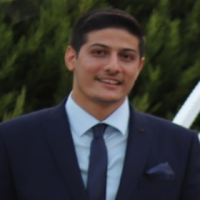
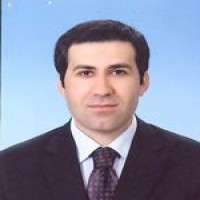
Muhammed Çelik
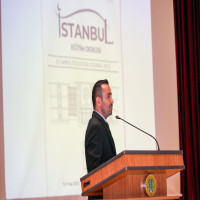
Dr. Muhammed ÇELİK İstanbul İl Millî Eğitim Müdürlüğü

Muhammed Çelik received his B.A. in English Language Teaching from Selçuk University (2008), his M.A. in Educational Administration and Supervision from Sakarya University (2013), and his Ph.D. in Educational Administration from Bolu Abant İzzet Baysal University (2019). His research has primarily focused on leadership, school management, and educational policy.

He has served in various roles within the Turkish Ministry of National Education, including teaching, administration, project development, and editorial responsibilities, across different levels of education. He also gained international experience at the Jeddah International Turkish School (Saudi Arabia) and through participation in international programs such as Erasmus, Comenius, Grundtvig, and Piktes+. In addition, he has contributed to projects conducted by private institutions and non-governmental organizations.

Currently, he is involved in the coordination of academic congresses organized under the auspices of the Istanbul Provincial Directorate of National Education. He serves as editor-in-chief of the Istanbul Education Journal and supports the editorial processes of the Academic Platform Journal of Education and Change and Talim Journal, with a particular focus on enhancing the quality of academic production and advancing the dissemination of educational research. His primary research interests include educational administration, educational supervision, educational planning, educational leadership, and the sociology of education.
Education Management, Supervision in Education, Education Planning, Inspection and Planning, Leadership in Education, Educational Sociology
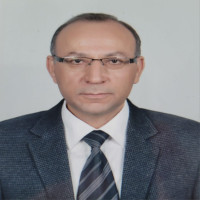
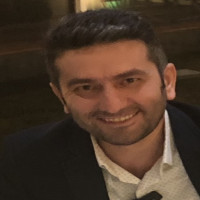
Eyüp Sevimli
Prof. Dr. Eyüp SEVİMLİ İSTANBUL MEDENİYET ÜNİVERSİTESİ

Prof. Dr. Eyüp Sevimli completed his undergraduate education in the Department of Secondary Science and Mathematics Education at Balıkesir University (2007) and his master's degree (2009) and doctorate (2013) in Mathematics Teaching at Marmara University. He received the title of Professor in Mathematics and Science Education in 2023. Prof. Sevimli currently works at Istanbul Medeniyet University, Faculty of Educational Sciences, Department of Mathematics and Science Education. Prof. Sevimli has many articles published in journals indexed in national and international directories. Prof. Sevimli's research areas include mathematics education.

Mathematics Education
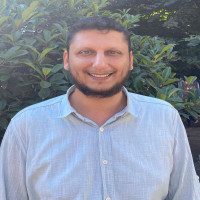
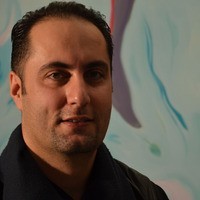
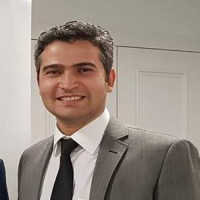
İbrahim Limon
Assoc. Prof. Dr. İbrahim LİMON Milli Eğitim Bakanlığı

He works as an English teacher at Sakarya Mithatpaşa Anatolian High School. He received his PhD in Educational Administration and Supervision in 2019. His doctoral dissertation focused on teachers’ change fatigue, demoralization, and job performance. He has published numerous articles in national and international journals. He has developed several scales and adapted others into Turkish. He has presented papers at many conferences and has served as the editor of an international English-language book. His research interests include sustainable leadership, instructional leadership, organizational behavior, school and teacher resilience, and educational change. He serves as a language editor for an international journal and is a member of the national editorial board. In recent years, he has also been working as a member of the organizing committee of an international conference held in different countries.

Education Management
Default avatar
Sümeyye PAŞO İstanbul İl Millî Eğitim Müdürlüğü Web

Sümeyye Paşo completed her undergraduate education in Computer and Educational Technologies Teaching at Fırat University, Faculty of Education (2008). In the same year, she was appointed as an Information Technologies and Software Teacher to a school affiliated with the Ministry of National Education. Sümeyye Paşo has worked as a coordinator (Tübitak-Erasmus+) in various national and international projects.

Cyberphysical Systems and Internet of Things, Digitalization
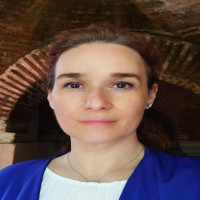
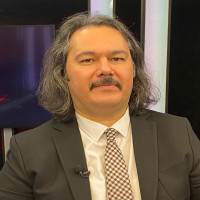
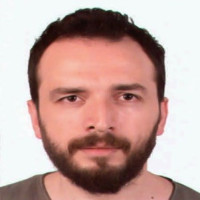
Nuriye Erzen
Nuriye ERZEN İstanbul İl Millî Eğitim Müdürlüğü

Nuriye Erzen completed her undergraduate education in English language teaching at Yıldız Technical University, Faculty of Education (2012). She worked as an English teacher at kindergarten, primary school, secondary school, and high school levels in public and private schools affiliated with the Ministry of National Education. During her university years, she worked as a volunteer English teacher and translator for various non-governmental organizations. He represented his institutions as a coordinator and partner in E-Twinning and Erasmus+ projects. She presented papers at various conferences and symposiums organized by the Board of Education and Discipline and universities. She is currently working as an English teacher at the Istanbul Ticaret Odası Secondary School. Her research areas include educational sciences, the use of digital tools in education, teaching foreign languages to children, and current approaches to teaching foreign languages.

Applied Linguistics and Educational Linguistics, Other Fields of Education (Other)
Emre Kundakçı
Dr. Emre KUNDAKÇI İstanbul İl Millî Eğitim Müdürlüğü

Dr. Emre Kundakçı completed his undergraduate education in Turkish Language and Literature at Mimar Sinan Fine Arts University (2012), his master's degree in Old Turkish Language at MSGSU Institute of Social Sciences (2006), and his doctorate in Modern Turkish Language and Literature at Istanbul University (2020). Dr. Kundakçı has articles published in journals indexed in national and international directories and books published by international publishers. Dr. Kundakçı serves as an editor, specialist in the field, author, and language expert, panelist in the preparation, supervision and authorisation processes of educational materials for the Ministry of National Education. Dr. Kundakçı currently works as an editor/author of Turkish as a Foreign Language teaching and learning materials affiliated to the General Directorate of Vocational and Technical Education of the Ministry of National Education. Dr. Kundakçı's research areas include historical and contemporary Turkic dialects, pragmatics, sociolinguistics and politeness theory.


South-West (Oghuz) Turkic Dialects and Literatures, Linguistics, Linguistic Performance Science, Turkish Language and Literature, Old Turkic Language (Orhon, Uyghur, Karahan), New Turkish Language (Turkish of Old Anatolia, Ottoman, Turkiye)
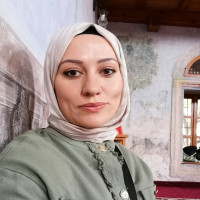
Zeynep Büyükünal
Dr. Zeynep BÜYÜKÜNAL İstanbul İl Millî Eğitim Müdürlüğü Web

Dr. Zeynep Büyükünal was born in Ankara in 1979. She completed his undergraduate education at Selçuk University, Faculty of Education, Department of English Language Teaching. She has been working as an English teacher at the Ministry of National Education since 2001. She continued her studies in the field of Mevlana and Sufism, which she started with Mesnevi, at Selçuk University. She completed her master's degree at the Institute of Social Sciences, Department of Philosophy and Religious Sciences, Department of Islamic Philosophy with her thesis titled 'The Concept of Love in Mevlana's Mesnevi' and her doctorate with her thesis titled 'Symbolism in Mevlana's Sufi Philosophy'. She presented papers on her field of study at international symposiums and conferences. She wrote essays on various subjects and these were published in various magazines and websites. She conducted the 'Mesnevi Readings' workshop within the scope of Istanbul Teacher Academies. She writes symbolic stories related to values ​​education for children and continues her studies in the field of Sufism and Islamic thought.

English As A Second Language, Education, Islamic Philosophy

Dr. Burcu Karafil completed her undergraduate education in 2007 in the Department of English Language Teaching at Marmara University Faculty of Education. She had her master’s degree in 2015 in the field of Curriculum and Instruction from Eskişehir Osmangazi University. Karafil completed her doctorate in 2022 in the field of Curriculum and Instruction at Afyon Kocatepe University. Between 2009-2011, she worked as an English Instructor at Cappadocia Vocational College, and between 2011-2017, she served in the Department of Foreign Languages at Bilecik Şeyh Edebali University. She has been working at Yalova University School of Foreign Languages since 2017. Dr. Karafil has many articles published in journals indexed in national and international directories. Her research areas include curriculum development, learning and teaching methods, and foreign language teaching.

English As A Second Language, Curriculum Development in Education
Fatma Kevser Sümer
Fatma Kevser SÜMER İstanbul İl Millî Eğitim Müdürlüğü

Fatma Kevser Sümer graduated from Selçuk University, Department of Turkish Language and Literature (2010), and completed her master's degree in Educational Sciences at the same university in 2011. She is currently studying a master's degree in Media and Cultural Studies at Üsküdar University. Sümer was appointed as a teacher at Kâğıthane Anadolu Imam Hatip High School in 2013 and has held various positions at the Istanbul Provincial Directorate of National Education. These positions include membership in the Evaluation Commission, authorship in the Primary Education Textbook Writing Commission, editorship at the Teachers' Academy Journal Workshop and Istanbul Journal, editorship of the R&D Bulletin, coordination of the "Reading Istanbul" Project, and coordination of the Press and Public Relations Branch. She also served as the broadcast coordinator for "From Us" and "Teachers' Lounge" on TRT EBA TV, and hosted the family program "Maaile" on Mavera TV. Currently working for the Press and Public Relations Unit of the Istanbul Provincial Directorate of National Education, Sümer contributes to national and literary journals and is a member of the Board of Directors of the Istanbul Branch of the Turkish Writers Association.

Media Studies, Old Turkic Language (Orhon, Uyghur, Karahan), Anatolian Languages
Default avatar
Dr. Berrin BAYBURT Milli Eğitim Bakanlığı

Dr. Berrin Bayburt completed her undergraduate studies at Dokuz Eylül University Social Studies Teaching (2005) and Anadolu University History (2021). She completed her first master's degree at Adnan Menderes University, Department of Social Studies Education (2009), her second master's degree at Istanbul University, Department of Social Structure and Social Change (2023), and her doctorate at Dokuz Eylül University, Department of History (2016). Dr. Bayburt has many articles and book chapters published in many national and international journals, articles published in local journals, and many papers presented in national and international academic organizations. She has taken part in Tübitak projects as a director, consultant and educator and been awarded with national quality labels for her e-twinning projects. She has served as a consultant for Teknofest projects, Erasmus and other EU projects and a project that advanced to the Regional Final of the Tübitak High School Project Competition and secured third place in the Tübitak Secondary School Project Competition. She has worked part-time at the University of Health Sciences. She currently works for schools and institutions affiliated with the Ministry of National Education as a teacher and administrator and provides education for teachers on Tübitak and Teknofest project writing and application processes. She has been continuing her third undergraduate education at Anadolu University, Department of International Relations. She conducts research in the fields of republican history, history teaching, non-governmental organizations, and social studies education.

History Education, Social Studies Education, History of The Republic of Turkiye
Filiz Gülhan
Assoc. Prof. Dr. Filiz GÜLHAN İstanbul İl Millî Eğitim Müdürlüğü Web

She completed her undergraduate (2010), master's degree (2012) and doctorate (2016) at Marmara University, Department of Science Education. In 2023, she received the title of associate professor in the field of Science Education. Since 2011, she has been working as a Science Teacher at Ministry of National Education. In 2018-2023, she worked as the Design and Skill Workshops Coordinator at Istanbul Provincial Directorate of National Education. She currently works as a Science Teacher for Bakırköy Science and Art Center. She lectures undergraduate courses at Maltepe University and Istanbul Medipol University. The researcher, who has various national and international articles, conference papers, book chapters, and project studies, is the author of "Design at the Intersection of Science and Art: Implications for STEAM Education". Her main research interests are STEM/STEAM education, interdisciplinary educational approaches, design education, teacher education, pre-school science education and environmental education.

Basic Training (Other), Science Education, STEM Education, Special Talented Education

Prof. Dr. Mehmet Şükrü Bellibaş completed his undergraduate education in Educational Sciences at Istanbul University (2009) and his doctorate in Educational Administration at Michigan State University (2014). Bellibaş, who became an Associate Professor in 2017, became a Professor in the field of Educational Sciences in 2024. Prof. Bellibaş currently works for the University of Sharjah in the United Arab Emirates. Prof. Bellibaş has more than 50 articles published in journals indexed in respected national and international directories. Prof. Bellibaş's research area is educational administration.


Education Management

Dr. Ayşe Tuba Ceyhun received her bachelor's degree from Gazi University Classroom Teaching in 2004. She completed her master's degree in the Department of Education of the Mentally Disabled at Bolu Abant İzzet Baysal University in 2009. In 2015, she received her PhD degree at Gazi University, Institute of Educational Sciences, Department of Special Education with her study "Comparative Examination of the Face Processing and Visual Scanning Skills of Children with Autism Spectrum Disorder and Typically Developing Children." Ceyhun, who started as a classroom teacher at the Ministry of National Education, worked as a teacher and education coordinator for the mentally disabled in private special education institutions. She started her academic career as a research assistant in the Child Development Department of Erzurum Vocational School at Atatürk University in 2006 and continued as a lecturer in the Child Development Department of Gazi University Ankara Vocational School in 2007. She served as department head in the same department for 3 years. In 2015, she worked for Biruni University, Faculty of Education, Department of Special Education in Istanbul. Dr. Ceyhun still continues her duty at the same university. She studies on early childhood special education, autism spectrum disorder, social skills training, eye tracking skills, theory of mind, integration, teaches various courses at undergraduate and graduate levels, and serves as a master's thesis advisor. She has articles published in journals and presentations at many national and international congresses. 

Special Education and Disabled Education, Autism and Spectrum Disorder Education
Nurhüda Sözen
Assoc. Prof. Dr. Nurhüda SÖZEN İstanbul İl Millî Eğitim Müdürlüğü

Assoc. Prof. Nurhüda Sözen completed her undergraduate education in classroom teaching at Dicle University (2004). She worked as a teacher in public schools affiliated with the Ministry of National Education. After publishing her master's thesis titled "Use of Logic in Children Between the Ages of 9-11" in the Logic Department of the Social Sciences Institute at Dicle University, she started her doctorate education in the Classroom Education Department of the Educational Sciences Institute at Gazi University. She completed her doctorate education with her thesis titled "The Effect of Guided Reading Method on the Development of Comprehension Skills of Students with Reading Difficulty" (2017). Assoc. Prof. Sözen's research areas include the professional development and support education needs of teachers, the education of students coming through migration, education during epidemic and earthquake processes in the context of 21st century problems, and the development of reading skills with reading strategies.

Education, Classroom Education
Sehran Dilmaç
Assoc. Prof. Dr. Sehran DİLMAÇ İzmir Katip Çelebi Üniversitesi Web

Assoc. Prof. Sehran Dilmaç completed her undergraduate studies at Atatürk University, Kazım Karabekir Education Faculty, Department of Art Teaching (2003) and Anadolu University, Faculty of Economics, Department of Political Science and Public Administration (2012). She completed her master's degree at Atatürk University, Institute of Educational Sciences, Department of Art Education (2012) and her doctorate at Atatürk University, Institute of Social Sciences, Department of History of Philosophy (2017). Finally, she completed her Proficiency in Art (2018) at Gazi University, Fine Arts Institute, Composite Arts Department. Dilmaç was appointed to İzmir Katip Çelebi University, Faculty of Art and Design, Department of Basic Art Education as an Assistant Professor in 2019. In 2021, she became an Associate Professor at the same university. Currently working for the same university, Assoc. Prof. Dilmaç has many articles published in national and international journals. Assoc. Prof. Dilmaç's research areas include fine arts education, art and literature.

Fine Arts Education, Philosophy of Art, Fine Arts
Aycan Buldur
Asst. Prof. Dr. Aycan BULDUR SİVAS CUMHURİYET ÜNİVERSİTESİ
Education, Early Childhood Education
Aygil Takır
Dr. Aygil TAKIR ATATÜRK ÖĞRETMEN AKADEMİSİ
Teacher Education and Professional Development of Educators
Esin Çelik
Dr. Esin ÇELİK MEB İstanbul İl MEM Adnan Kahveci Ortaokulu
Curriculum Evaluation in Education, Educational Psychology, Mathematics Education
Fatih Yaman
Assoc. Prof. Fatih YAMAN KIRŞEHİR AHİ EVRAN ÜNİVERSİTESİ
Instructional Design, Instructional Technologies, Educational Technology and Computing
Gizem Gülsün Türeli
Res. Assist. Dr. Gizem Gülsün TÜRELİ İSTANBUL TİCARET ÜNİVERSİTESİ
Communication and Media Studies, Social Media Studies, Journalism
Default avatar
Asst. Prof. Dr. Hakan ÖZAK Düzce Üniversitesi
Education for Autistic Children, Special Education and Disability (Other), Mental Disability Education, Special Talented Education, Special Education and Disabled Education
Painting, Fine Arts Education, Creative Arts and Writing, Plastic Arts
Merve Uysal
Asst. Prof. Merve UYSAL Uluslararası Final Üniversitesi
Education Management, Philosophical and Social Foundations of Education, Education Policy, Philosophy of Education, Women's Studies, International Migration
Instructional Technologies, Educational Technology and Computing, Gamification
Murat Ateş
Prof. Dr. Murat ATEŞ NECMETTİN ERBAKAN ÜNİVERSİTESİ
Turkish and Social Sciences Education
Mustafa Bayrakcı
Prof. Dr. Mustafa BAYRAKCI SAKARYA ÜNİVERSİTESİ, EĞİTİM FAKÜLTESİ Web
Lifelong learning, Education Management, Leadership in Education
Mathematics Education, Teacher Education and Professional Development of Educators, Instructional Technologies, Education
Nuray Özge Sağbaş
Dr. Nuray ÖZGE SAĞBAŞ T.C. MİLLİ EĞİTİM BAKANLIĞI
Education, Sociology, Teacher Education and Professional Development of Educators, Public Administration, Values ​​education
Onur Çetin
Dr. Instructor Onur ÇETİN KAYSERİ ÜNİVERSİTESİ
Turkish Folklore, Turkish Education, Turkish Folk Literature
Onur Köksal
Prof. Dr. Onur KÖKSAL SELÇUK ÜNİVERSİTESİ, EDEBİYAT FAKÜLTESİ
Curriculum and Instration , Education
Osman Çevik
Prof. Dr. Osman ÇEVİK SELÇUK ÜNİVERSİTESİ
Quantitative Decision Methods , Statistical Analysis
Oğuz Dilmaç
Prof. Dr. Oğuz DİLMAÇ İZMİR KATİP ÇELEBİ ÜNİVERSİTESİ
Painting History, Semiotics, Art Education (Other), Fine Arts Education, Painting
Default avatar
Prof. Dr. Raşit KOÇ VAN YÜZÜNCÜ YIL ÜNİVERSİTESİ
Turkish Education
S. Tunay Kamer
Prof. Dr. S. Tunay KAMER KASTAMONU ÜNİVERSİTESİ, EĞİTİM FAKÜLTESİ
Sociology of Culture, Communication Technology and Digital Media Studies, Sociology, Educational Sociology, Communication Sociology, Sociology of Gender

Dr. Ergan is an assistant professor at Ordu University. Her research focuses on mathematical language, classroom culture, and epistemic injustice, with a particular emphasis on advancing the teaching of mathematics in primary education.

Basic Training (Other), Classroom Education
Tuba Akpolat
Assoc. Prof. Dr. Tuba AKPOLAT MİMAR SİNAN GÜZEL SANATLAR ÜNİVERSİTESİ
Leadership in Education, Inspection and Planning, Supervision in Education, Education, Education Planning, Educational Administration, Supervision, Planning and Economics (Other), Teacher and Student Wellbeing, Economics of Education, Education Management
Tuba Gürbüz
Dr. Tuba GÜRBÜZ TC Milli Eğitim Bakanlığı

Tuba Gürbüz, Gazi Üniversitesi ilköğretim matematik öğretmenliği bölümünde (2012) lisans, Gazi Üniversitesi İlköğretim Matematik Eğitimi alanında (2015) yüksek lisans ve Bursa Uludağ Üniversitesi Matematik Eğitimi alanında (2022) doktora eğitimini tamamlamıştır. Matematik eğitimi, geometri öğretimi, öğretmen eğitimi alanlarında bildiri, makale ve projeleri bulunmaktadır. 2012 yılında öğretmenliğe başlayan Gürbüz, Millî Eğitim Bakanlığına bağlı bir çok okulda çalışmış, Şanlıurfa İl Milli Eğitim Müdürlüğü ARGE biriminde proje geliştirme ekibinde erasmus Etwinning gibi çeşitli projelerde görev almıştır. Hâlen İstanbul İl Millî Eğitim Müdürlüğü bünyesinde bu yıl ikincisi düzenlenen İstanbul Eğitim Araştırmaları Kongresinde Bilim Kurulu Üyesi görev yapmaktadır. Başlıca ilgi alanları matematik eğitimi, öğretmen eğitimi ve stem eğitimidir.

Mathematics Education, STEM Education
Yeliz Yekta
Dr. Yeliz YEKTA Milli Eğitim Bakanlığı
Mental Disability Education
Default avatar
Assoc. Prof. Dr. Yunus Emre ÖZSARAY İSTANBUL MEDENİYET ÜNİVERSİTESİ
Modern Turkish Literature in Turkiye Field

Marka Yönetimi, Tüketici Davranışları ve Pazarlama

Product and Brand Management, Consumer Behaviour, Digital Marketing
Çiğdem Kılıç
Prof. Dr. Çiğdem KILIÇ İstanbul medeniyet
Mathematics Education
Education, Education Management

Istanbul Education Journal (ISTJ)

"Know the past, understand the present, prepare for the future!"
ISSN: 3023-7645  e-ISSN: 3062-1534

Istanbul Education Journal (ISTJ) is a peer-reviewed and open-access academic journal published by the Istanbul Provincial Directorate of National Education. Aiming to publish original and up-to-date scholarly manuscripts in the field of educational sciences, ISTJ provides a platform for the examination, evaluation, and discussion of research findings in collaboration with relevant institutions and partners. ISTJ prioritizes data-driven studies that contribute to the field, demonstrate high potential for practical application, and strengthen communication and cooperation among schools, families, and faculties. ISTJ is published biannually (30 June and 30 December) and accepts manuscripts written in either Turkish or English. ISTJ uses a double-blind peer review process in which the identities of authors and reviewers are kept anonymous to each other.


Subject Category: Education

Subheadings:


Educational Programs and Instruction: Values ​​Education, Readiness in Education, Program Evaluation in Education, Program Development in Education, Philosophical and Social Foundations of Education, Psychological Foundations of Education, Lifelong Learning, In-Service Education, Informal Learning, Comparative and Intercultural Education, Out-of-School Learning, Program Design, Adult Education, Multicultural Education, Learning Theories, Instructional Theories, Instructional Design, Instructional Technologies, Teacher Education and Professional Development of Educators, Curriculum and Instruction (Other)

Educational Management, Inspection, Planning and Economics: Educational Planning, Educational Management, Educational Supervision, Educational Leadership, Inspection and Planning, Educational Management, Inspection, Planning and Economics (Other)

Studies on Education: Educational Policy, Educational Technology and Computing, Inclusive Education, Learning Analytics, Learning Sciences, Teacher and Student Wellbeing, Studies on Education (Other)

Measurement and Evaluation in Education: Measurement Theories and Applications in Education and Psychology, Intercultural Comparisons of Education: International Exams, Intercultural Scale Adaptation, Classroom Measurement Applications, National and International Achievement Comparisons, Scale Development, Measurement and Evaluation in Education (Other)

Science and Mathematics Fields Education: Biology Education, Science Education, Physics Education, Chemistry Education, Mathematics Education, STEM Education, Science and Mathematics Fields Education (Other)

Vocational Education and Training: Vocational Education, Vocational Education and Training (Other)

Guidance and Psychological Counseling: Career Counselling, School Psychological Counselling, Psychological Counseling Training, Guidance and Psychological Counseling (Other)

Art Education: Fine Arts Education, Media and Communication Education, Museum Education, Creative Drama Education, Art Education (Other)

Basic Education: Preschool Education, Classroom Education, Primary Education, Basic Education (Other)

Turkish and Social Sciences Education: Geography Education, Religious Education, Philosophy Education, Psychology Education, Social Studies Education, Sociology Education, History Education, Turkish Language and Literature Education, Turkish Education, Turkish and Social Sciences Education (Other)

Special Education and Disabled Education: Visually Impaired Education, Speech Impaired Education, Autistic Children Education, Autism and Spectrum Disorder Education, Mental Disability Education, Multiple Disability Education, Special Talented Education, Hearing Impaired Education, Special Education and Disabled Education (Other)

Main Sections of an Article


Title
The manuscript title must be precise, short, understandable, and reflect the manuscript's content. The title must consist of a maximum of 15 words. The title of the manuscript must be written in Turkish and English languages. In addition, the short title of the manuscript must be written in the places shown in the ISTJ Article Writing Template.

Author Ranking in Manuscripts with Two or More Authors
Authors must be listed in order from most to least contributing. If a change in the order needs to be made later, the approval of all other authors must be obtained, and this approval must be notified to the ISTJ Editor-in-Chief in writing.

Abstract
Turkish and English abstracts of the manuscript must be at least 200, at most 300 words and structured as follows: purpose, method, primary findings, and recommendations.

Introduction
In the introduction section, the information obtained from the manuscript's literature review must be written along with its references, adding subheadings if necessary. This section mentions the importance of the subject, previous studies, hypothesis, and purpose of the manuscript. The primary purpose of the research, as well as other purposes, if any, must be explained. Sources directly related to the manuscript must be cited, but the data or results of the manuscript must not be mentioned here. At the end of the introduction section, the purpose of the manuscript and research questions must be written.

Method
The method section must include data sources, manuscript participants, scales, interviews and evaluations, basic measurements, and statistical procedures.

Findings
In this section, the main findings must be fully supported by statistical data. They must be explained visually with appropriate figures, tables, or pictures. The essential findings of the manuscript must be presented in a reasonable order with tables and figures. Instead of writing all the information in tables and figures, only the most important points must be emphasized.

Discussion, Conclusion, and Recommendations
This section presents the data resulting from the research on the manuscript by comparing or supporting them with similar or close research findings. A quality discussion, conclusion, and recommendations section must ensure a better understanding of the research results, develop practical, evidence-based recommendations for practice, and contribute to creating a reliable resource.

In the discussion section, findings and results that support or do not support the manuscript's hypothesis must be discussed. In addition, the findings and results must be compared with the data obtained from the manuscript and similar studies, and the differences must be explained. New, important aspects of the manuscript and results must be considered. Repetition of information must be avoided.

In the conclusion section, manuscript's main results must be briefly summarized and compared with other related studies. Manuscript's limitations must be stated, and possible implications of the findings for future research and practice must be mentioned. Aims of manuscript and results must be linked, and unqualified statements and inferences not supported by the data must be avoided. New hypotheses must be explained and described in detail when necessary.

In the recommendations section, support must be taken from the concrete data revealed in study. Abstract suggestions must be avoided. Each recommendation must have a research outcome on which it is based.

Ethical Statement
In the ethical statement section, authors must state they have followed all ethical rules while conducting the manuscript. If artificial intelligence technologies had been used in preparing the manuscript, it must be clearly stated which functions of these technologies have been used, at which stages of the research, and to what extent. If the article is presented as a part of a master's thesis, doctoral thesis, or a different comprehensive research/project, the title of the relevant thesis/research/project must also be stated. It must be stated whether article has previously been submitted to congresses, symposiums, etc. (see ISTJ Article Writing Template page 9-10-11). The ISTJ Ethical Statement Form signed by authors must be added to the ISTJ process file. Click for the ISTJ Ethical Statement Form.


Ethics Committee Approval
The ethics committee approval section must provide necessary information regarding the ethics committee's decision on the manuscript (e.g., the date and number of the document and the university to which the ethics committee is affiliated). The original document must be added to the ISTJ process file (see ISTJ Article Writing Template page 11).

If the ethics committee approval is not required for the manuscript, the reason for this must be clearly stated in this section. In addition, the author must sign the ISTJ Statement of No Need for Ethics Committee Approval Form, which confirms that the article does not require the ethics committee approval. Click for the ISTJ Statement of No Need for Ethics Committee Approval Form.

Conflict of Interest Statement
In the conflict of interest section, authors must state that they do not have any conflict of interest among themselves. However, it must be stated in this section that there is no situation affecting the objectivity of the author(s) in favor of or against any person or institution (see ISTJ Article Writing Template page 11). The ISTJ Conflict of Interest Statement Form signed by author(s) must be added to the ISTJ process file. Click for the ISTJ Conflict of Interest Statement Form.

Author Contribution Statement
In an article with more than one author, all the authors must transparently state the extent of their support for the article (see ISTJ Article Writing Template page 12). The ISTJ Author Contribution Statement Form signed by authors must be added to the ISTJ process file. Click for the ISTJ Author Contribution Statement Form.

Statement of Support and Acknowledgment
In the Support and Acknowledgment section, if the article is supported by an institution (BAP Project, TÜBİTAK Project, etc.), the project's name, project number, and completion date must be written. If the article does not contain any support or acknowledgment institution, person, etc., "We do not express any support or acknowledgment for our research." must be written (see ISTJ Article Writing Template page 13).

References
All the sources used must be complete and error-free, written in alphabetical order based on surnames of researchers (see ISTJ Article Writing Template page 13). In order to avoid plagiarism, whatever information is taken from any source should be stated in-text and in the reference within the framework of APA 7 citation rules (click to learn more about APA 7 citation).

Similarity Report
All the responsibility for similarity belongs to the authors. The main criterion in the similarity rate is that authors know the rules of citation and comply with these rules. Even if the similarity rate is 1%, plagiarism may occur if the rules do not obey the citation. rules Therefore, the citation rules must be known by authors and applied carefully (click to learn about APA 7 citing references).

Within the scope of the cooperation among ISTJ, DergiPark, and intihal.net, a similarity report can be obtained free of charge for article applications. Accordingly, a similarity report is prepared, and authors are notified of the result by e-mail. The submission process is completed when the report's result is announced.


Manuscript Types


Research Article
Original research manuscripts are qualified and up-to-date, meet the criteria for contribution to the field, present critical scientific results, and report research.

Review Article
A review article is a type of manuscript that provides a summary, analysis and critical evaluation of existing information in the scientific literature. In such manuscripts, previous research on a specific topic is collated and the results, methodologies, contributions and limitations of these studies are discussed. The objective of a review article is to present the current state of knowledge in a given field, identify gaps in existing knowledge, and provide guidance for future research.

Systematic Review and Meta-Analysis
It is a manuscript in which the statistical analysis and synthesis of the findings are obtained by combining the results of studies carried out by independent and different researchers on a subject.

Monograph
It is a type of writing in which an attempt is made to examine the issue in question in full detail to clarify any person, work, place, or historical event.

Book Review
It is the analysis and review of a book. The weaknesses and strengths of the book under the review must be revealed. The subject must be current, and the author reviewing the book must be an expert on the subject.


Article Formatting


1. The manuscript must comply with the ISTJ Article Writing Template. 

2.The abstract must be 9 font size, the titles must be 13-12-11 font size depending on the title type, the references must be 9 font size, the main text must be 11 font size, and the fonts must be Segoe UI only in the entire article.

3.Author names and information must not be included in the manuscript uploaded to ISTJ. ISTJ adds author names and information after the manuscript is accepted by the reviewers.

4.The Turkish abstract of a manuscript in ISTJ is always on the first page, and the English abstract is always on the second page. The Turkish title must be written in the Öz and the English title must be written in the Abstract.

5.Page layout: Custom page sizes, Width:17 cm, Height:24 cm

6.Margins: Right and Left: 1.5 cm, Bottom and Top: 2 cm

7.Line spacing: Full Value: 12 pt; Range: 0pt first; Then 7.1pt

8.Main text font and font size: Segoe UI,11 font size 

9.Reference font and font size: Segoe UI, 9 font size

10.Titles: The main title of a manuscript must be Segoe UI, 13 font size, bold, and centered, the first letters of all the words must be capitalized and consist of a maximum of 15 words. The first-level titles must be unnumbered, 13 font size, bold, and the first letters of all the words must be capitalized and centered. The second-level titles must be unnumbered, 12 font size, bold, with the first letters of all the words must be capitalized and aligned to the left. The third-level titles must be written in 11 font size, left-aligned, with only the first letter of the first word must be capitalized and bold. The fourth level titles must be written in 11 font size, left-aligned, with only the first letter of the first word must be capitalized and bold.

11.Author names and information sections must remain blank. These sections will be added to the manuscript by ISTJ after it is accepted by the reviewers.

12.Turkish/English citation information sections must remain blank. These sections will be added to the article by ISTJ after it is accepted by the reviewers.

13.Abstract must be written with [½ indent], Segoe UI, 9 font size and justified. Abstract must be written between 200-300 words. Manuscript must contain abstracts in Turkish and English. Turkish abstract must always be on page 1, and English abstract must be on page 2. The Turkish title must be written in the Öz section, and the English title in the Abstract section.

14.Keywords 4 or 5 words, paragraph indentation [½ indent], font Segoe UI, 9 point, italic, only the first letter of the first keyword capitalized (except for proper nouns), and keyword order must be from general to specific.

15.The main text of the manuscript must be written in Segoe UI, 11 font size, and the files must be prepared in Microsoft Office and the file format must be .doc or .docx extension. The first paragraphs after the titles must not be indented, while all the other paragraph headings must always be left with a ½ indent at the beginning.

16.Table numbers must be Segoe UI, 10 font size, left-aligned, italic, bold, and above the tables. Table titles must be Segoe UI, 10 font size, left-aligned, with only the first letter of the first word capitalized, italic, regular, and above the tables. Each table must be numbered starting from "1" and consecutively in the format "Table 1. ...", "Table 2. ...". Information inside the table must be Segoe UI, 9 font size, left aligned, italic. The vertical lines must not be used in the tables if possible. Table names must be placed below table number. If possible, there must be no more than 4 lines in the tables. Texts in the tables' content can be reduced to 8 font size. The paragraphs describing the tables must be in ½ indent and within 7.1nk of the tables.

17.Figure numbers must be Segoe UI, 10 font size, centered, italic, bold and placed below the figure. Figure titles must be Segoe UI, 10 font size, centered, only the first letter must be capitalized, italic and below the figures. Each figure must be numbered starting from "1" and consecutively in the format "Figure 1. ...", "Figure 2. ...". Figure names must appear next to the figure numbers. The paragraphs describing the figures must be indented ½ and within 7.1nk of the figures.

18.Pictures must be high resolution (300 dpi), bright and clear. Other cases are similar to the rules given for tables and figures.


19.Writing the references according to APA 7: Authors are responsible for the accuracy of the references. All the sources used in the article must be stated in the text. The references must be added to the end of article. The references must comply with APA 7, one of the international reference formats (click to learn more about APA 7 references). The references must be listed alphabetically based on authors' surnames. 


ISTJ Ethical Principles


Istanbul Education Journal (ISTJ) Ethical Principles are written to create quality scientific publications, ethical standards and trust in scientific knowledge for authors, reviewers, publishers and readers.

Istanbul Education Journal (ISTJ) obeys national and international research and publication ethical laws, guidelines, and principles. In this context, ISTJ undertakes to comply with the principles published by the Press Law, the Scientific Research and Publication Ethics Directive for Higher Education Institutions at the national level; the Committee on Publication Ethics (COPE), Open Access Scholarly Publishers Association (OASPA) ve World Association of Medical Editors (WAME) at the international level. ISTJ also requests researchers to publish according to the relevant ethical publishing laws, guidelines, and principles. If researchers commit ethical violations, they are held responsible for the violation, and legal action is taken when necessary.

If readers find any errors, omissions, plagiarism, etc., in the articles published by ISTJ, and they notify this situation to istanbul.mem.istj@meb.gov.tr ​​or muhammed.celik@meb.gov.tr, applicants will be contacted as quickly as possible.


Ethical Principles and Responsibilities for the ISTJ Authors


Authors who submit manuscripts to ISTJ are expected to comply with the following ethical principles and responsibilities:

1.All the manuscript data submitted by authors to ISTJ for review must be accurate and original.

2.Authors must fully and accurately cite their references in the manuscript. All the responsibility for similarity belongs to the authors. Authors must know the rules of citation and comply with these rules (see APA 7 reference indication). Even if the similarity rate is 1%, plagiarism may occur if the authors do not obey the citation rules. Therefore, citation rules must be known by authors and applied carefully. If any plagiarism is detected, the article will be rejected. ISTJ reserves the right to apply additional sanctions for plagiarized authors and manuscripts.

3.The manuscript submitted to ISTJ for the publication must not have been previously published or submitted for publication elsewhere.

4.Since authors cannot submit their manuscripts to more than one journal's application process at the same time, each application must be started after the previous one is completed.

5.The studies previously presented at congresses and symposiums and only the published abstract may be accepted to ISTJ, provided that this is stated.

6.If the manuscript is presented as part of a master's thesis, doctoral thesis, or other comprehensive research projects, the title of the relevant thesis/research/project must also be stated.

7.Authors must clearly state which functions of the artificial intelligence tools they have used in their manuscripts, at which research stages and to what extent, both in the ethical statement section of their articles and in the ISTJ Ethical Statement Form. They must detail the versions and technical specifications of their artificial intelligence software.

8.When authors are requested to provide raw data regarding their manuscripts within the review process, the relevant data must be forwarded to editors or reviewers.

9.Authors cannot withdraw their manuscripts that have been successfully peer-reviewed and queued for publication without a valid excuse.

10.Authors must give feedback for corrections or stating any objections to the corrections, if any, within the time period specified for them. Authors who do not comply with the time period specified for them may be granted a one-time additional period as deemed appropriate by the relevant editor, and if the author does not complete the necessary corrections within this additional period, the manuscript may be returned to the author or rejected outright.

11.No copyright is paid to the manuscript sent to ISTJ. The copyright of the published manuscript belongs to the author. Authors authorize ISTJ to publish the manuscript and identify it as the original publisher. Authors grant any third party the right to freely use the manuscript if original authors and citation details are identified. The signed ISTJ Copyright Agreement Form must be added to the ISTJ process file. Click for the ISTJ Copyright Agreement Form.

12.In ethical statement section, authors must state that they have complied with all ethical rules while conducting the study. The signed ISTJ Ethical Stament Form must be added to the ISTJ process file. Click for the ISTJ Ethical Statement Form.

13.Ethics committee approval must be obtained for the manuscripts that require it. This ethical approval must be stated on the relevant page of the manuscript, and the ethics committee approval document must be added to the ISTJ process file along with the manuscript. If the ethics committee approval is not required for the manuscript, the reason for this must be clearly stated in this section. In addition, the author must sign the ISTJ Declaration of No Need for Ethics Committee Approval Form, which confirms that the manuscript does not require the ethics committee approval. Click for the ISTJ Statement of No Need for Ethics Committee Approval Form.

14.In conflict of interest section, authors must state that they do not have any conflict of interest among themselves and that no situation affects their objectivity for or against any person or institution. The signed ISTJ Conflict of Interest Statement Form must be added to the ISTJ process file. Click for the ISTJ Conflict of Interest Statement Form.

15.ISTJ applies a special process to manuscript submissions from ISTJ Board Members to maintain their impartiality. Primarily, it is recommended that submissions from ISTJ Board Members be submitted to other journals; however, if this is not possible, the relevant board member's role in ISTJ is temporarily suspended, and the manuscript undergoes a double-blind peer review process.

16.ISTJ Board Members cannot take part in anywhere in the review process of manuscripts written by themselves or their first-degree relatives. Such manuscripts are subject to ISTJ's standard reviewing process. ISTJ bases its policies on the disclosure of conflicts of interest by authors and reviewers on the guidelines of the ICMJE (International Committee of Medical Journal Editors).

17.In studies with more than one author, authors must transparently state the extent of their support for the manuscript. Contributing to the conception, design, analysis and interpretation of the manuscript; providing support to the manuscript not only in terms of spelling and grammar, but also in terms of intellectual and academic content, and finalizing the article before sending it for review are prerequisites that an author must fulfill in order to be written as an author of the manuscript. The names of those who do not meet one or more of these conditions must not be written as authors in the manuscript. Individuals or institutions that provided technical support, data collection assistance, or funding to the study, but who do not fully meet the authorship criteria, may be included in the "Acknowledgements" section. The signed Author Contribution Statement Form must be added to the ISTJ process file. Click for the ISTJ Author Contribution Statement Form.

18.Violations of Publication Ethics
Duplicate Publication: Publishing the same or largely similar manuscript in more than one journal.
Salami Slicing: Publishing a comprehensive manuscript by artificially dividing it into multiple smaller articles.
Simultaneous Submission: Sending the same manuscript to more than one journal for reviewing at the same time.
Fabrication: Producing and reporting non-existent data or results.
Falsification: Manipulating research materials or processes or distorting the research record by changing or omitting research data or results.
Direct Plagiarism: Copying text or expressions from another author's article word for word and using them without citing the source.
Patchwriting: Taking a specific section or expression from another article, making minor changes, and presenting it as one's own work.
Mosaic Plagiarism: Combining sentences or expressions from different sources and presenting them as an original text.
Misattribution: Giving a false or fake source to a quote or information from a study.
Failure to Cite: Failure to properly cite or reference the source when using data, ideas, methods, or results from another study. 

Authors must confirm that their submitted manuscripts do not contain such ethical violations.


Ethical Principles and Responsibilities for the ISTJ Editor-in-Chief(EIC), the ISTJ Assistant Editor,

the ISTJ Copy Editors and the ISTJ Subject Editors


The ISTJ EIC, the ISTJ Assistant Editor, the ISTJ Copy Editors and the ISTJ Subject Editors working for ISTJ are expected to comply with the following ethical principles and responsibilities:

1.The ISTJ EIC, the ISTJ Assistant Editor, the ISTJ Copy Editors and the ISTJ Subject Editors are responsible for creating a quality journal for teachers, principals, and researchers to publish their academic studies and making ISTJ a journal indexed in the national and international directories.

2.The ISTJ EIC and the ISTJ Subject Editors appointed by the ISTJ EIC have authority to decide whether a manuscript can be sent to reviewers to be assigned to the manuscript.

3.The ISTJ EIC and the ISTJ Subject Editors appointed by the ISTJ EIC are responsible for the content of the manuscript. When necessary, they can publish a correction note or perform a retraction.

4.The ISTJ EIC and the ISTJ Subject Editors appointed by the ISTJ EIC are responsible for maintaining and completing the peer-review process by scientific criteria and ethical principles.

5.The ISTJ EIC, the ISTJ Assistant Editor and the ISTJ Subject Editors are responsible for fulfilling the requirements of the double-blind review model.

6.The ISTJ Editor, the ISTJ Assistant Editor, the ISTJ Copy Editors and the ISTJ Subject Editors ensure the confidentiality of a manuscript until it is published; this does not apply to the applications made to more than one place at the same time.

7.The ISTJ Copy Editors assess whether a manuscript submitted to ISTJ adheres to the prescribed format and style outlined in the ISTJ Article Writing Template. In the event of non-compliance, the ISTJ Copy Editors identify and highlight the discrepancies, requesting the author to rectify the deficiencies and errors.

8.The ISTJ Subject Editors are appointed by the ISTJ EIC in accordance with their areas of expertise while the manuscript is undergoing preliminary review, prior to the article being sent to reviewers. It is incumbent upon the ISTJ Subject Editors to possess the requisite competencies to ensure the quality and integrity of the manuscript in question. It is the responsibility of the ISTJ Subject Editors to ensure that authors and their manuscripts adhere to the established scientific and ethical standards. The Subject Editors make a decision regarding the article in question, basing their judgement on the original value of the manuscript, the aims of the journal in question and the ethical rules that pertain to the field of study.

9.The ISTJ EIC and the ISTJ Subject Editors have the authority not to publish the manuscript that does not comply with the publication conditions, to return it to the author for correction, or to edit it in format.

10.The ISTJ EIC and the ISTJ Subject Editors appointed by the ISTJ EIC check whether authors have made the corrections requested by editors and reviewers in a manuscript. In case of corrections not made on time, authors may be given additional time or may return the manuscript to authors.

11.The ISTJ EIC and the ISTJ Subject Editors appointed by the ISTJ EIC accept, reject or request changes to the manuscript in line with the reviewer reports.

12.The ISTJ EIC and the ISTJ Subject Editors appointed by the ISTJ EIC inform reviewers that a manuscript is confidential and that this is a privileged interaction.

13.The ISTJ EIC and the ISTJ Subject Editors appointed by the ISTJ EIC do not allow any conflict of interest among editors, authors and reviewers.

14.The ISTJ EIC and the ISTJ Subject Editors appointed by the ISTJ EIC may appoint a third reviewer to review an article. In this case, the ISTJ EIC and the ISTJ Subject Editors appointed by the ISTJ EIC may reject the article, give a minor or major revision, or mark the acceptance decision, depending on the third referee's review.

15.The ISTJ EIC and the ISTJ Subject Editors appointed by the ISTJ EIC send the article, which has the approval of reviewers, to the ISTJ Language Editors to be examined for semantic integrity, spelling rules, and punctuation marks.

16.After the ISTJ Language Editors complete the review of the manuscript, the ISTJ EIC submits it to the ISTJ Editorial Board for the publication decision.

17.The ISTJ EIC and the ISTJ Assistant Editor make the final reading of the manuscript for which the publication decision has been made, and follow the layout phase.

18.The ISTJ EIC puts the completed manuscripts in a queue according to the manuscript acceptance date and the first current issue of different sub-topics to be published in ISTJ and publishes the following manuscript.


Responsibilities for the ISTJ Statistical Editor


The ISTJ EIC assigns the ISTJ Statistical Editor while the manuscript is at the preliminary review stage before it goes to referees when necessary. The ISTJ Statistical Editor reviews the method of the manuscript, the statistical tests used, and the statistical analysis findings and requests raw data tables from authors when necessary. For an manuscript to be sent to reviewers at ISTJ, it is mandatory to check the statistical test methods, findings, and comments when necessary. If the ISTJ Statistical Editor finds the relevant article statistically insufficient or erroneous, he sends it to authors to correct this inadequacy and error. After authors make the edit, the ISTJ Statistical Editor makes his decision based on the result of the edit. 


ISTJ Reviewing Process


Qualified manuscripts that are original, up-to-date, and thought to contribute to the field within the scope of ISTJ topics are accepted at ISTJ for preliminary review. Manuscripts that are not original, up-to-date, within the scope of ISTJ topics, and are thought to be unsuitable for the ISTJ target audience may be returned to authors by the ISTJ EIC without prior review and without writing a reason for rejection. The ISTJ EIC has the authority to reject an article submitted to ISTJ without prior review.

The manuscript submitted to ISTJ is first sent to the ISTJ Copy Editor to review its compliance with the ISTJ Article Writing Template. After the submitted manuscript's compliance with the ISTJ Article Writing Template is approved by the ISTJ Copy Editor, the relevant article is sent to the ISTJ EIC or an ISTJ Subject Editor authorized by the ISTJ EIC who is familiar with the research topic of the manuscript for a comprehensive review. At the same time, the ISTJ EIC sends the article to the ISTJ Statistical Editor to review the accuracy of the statistical test methods and statistical findings used in the manuscript when necessary. The manuscript, which receives a positive report from the control of the ISTJ EIC or the ISTJ Subject Editor and the ISTJ Statistical Editor, is then submitted to review two reviewers who have expertise in the subject and have at least a doctoral degree.

The reviewing process is carried out confidentially by the ISTJ EIC, the ISTJ Subject Editor, or the ISTJ Assistant Editor authorized by the ISTJ EIC within the double-blind peer review model framework. Reviewers are requested to express their views and opinions about the manuscript they have reviewed. Reviewers are asked to explain their positive or negative opinions about the manuscript they have reviewed at least 100 words. Authors can object and defend their opinions if they disagree with reviewers' opinions. The ISTJ EIC ensures mutual communication between authors and reviewers while preserving confidentiality. If one of the two reviewers expresses a negative opinion, the manuscript may be sent to a third reviewer for the decision of the ISTJ EIC or it may be returned to the author without being sent to a third reviewer. Studies can be published with the positive decision of at least two reviewers. If both reviewer reports are positive, the manuscript is sent to the control of the ISTJ Language Editor. After the ISTJ Language Editor checks the manuscript, it is presented to the ISTJ Editorial Board by the ISTJ EIC with a proposal to consider publication. If the ISTJ Editorial Board approves the manuscript's publication, the ISTJ Layout Editor lays out the manuscript and prepares it for the publication. The final reading of the manuscript, the completed layout, is done by the ISTJ EIC or the ISTJ Assistant Editor. After the final reading phase, the manuscript is queued according to the acceptance date and the first current issue to be published in ISTJ, with different sub-topics being equally distributed, and the next manuscript is published.

The ISTJ EIC does not allow conflicts of interest among authors, editors and reviewers. He or the ISTJ Subject Editor authorized by the ISTJ EIC has full authority to appoint reviewers. They ensure that reviewers' evaluations are objective. Reviewers assigned for the reviewing process ensure that the manuscript contains new and important information; the body of the manuscript clearly and neatly describes the content; the method has integrity and understandability; the discussion and conclusion can be proven with findings; there are a sufficient number of references in the research and the quality of the language used is good enough. 


Ethical Principles and Responsibilities for ISTJ Reviewers


ISTJ expects reviewers taking part in the reviewing process to comply with the following ethical principles and responsibilities:

1.Reviewers must agree to evaluate only manuscripts related to their expertise.

2.Reviewers must evaluate impartially and confidentially.

3.Reviewers are limited to intellectual and scientific content only when reviewing manuscripts.

4.Reviewers must immediately inform the ISTJ Editor of any author misconduct.

5.Reviewers must not have any conflict of interest regarding the research, authors, and research funders. Their judgments must be objective.

6.Reviewers must ensure the confidentiality of all information regarding the manuscripts they review until the article is published. If they notice that authors have committed copyright infringement or plagiarism, they must immediately report it to the ISTJ EIC.

7.In cases where the use of artificial intelligence is stated or the effect of artificial intelligence is felt in the article, reviewers must take into account the appropriateness of this use, its transparency and the reliability of the results in their reviews.

8.Reviewers who feel they need to be more competent about the manuscript's subject or who think they cannot review the manuscript on time due to workload or various excuses must inform the ISTJ EIC about the issue and request not to be included in the reviewing process.


Responsibilities for the ISTJ Turkish and English Language Editors


The ISTJ Turkish and English Language Editors check the integrity of meaning and the accuracy of spelling rules and punctuation marks in the manuscript. They ask authors for corrections on these issues if there are any errors. For a manuscript to be published in ISTJ, it is mandatory to check Turkish and English languages. 


ISTJ Publication Policy


1.The articles that are not original, up-to-date, suitable for the ISTJ target audience, within the scope of ISTJ subjects, and do not contribute to the field are returned to authors by the ISTJ EIC without prior review and without writing a reason for rejection. The ISTJ EIC has full authority to reject a manuscript submitted to ISTJ without prior review.

2.The qualified manuscripts that are original, up-to-date, thought to contribute to the field within the scope of ISTJ subjects, and not previously published or under review in another journal for the publication are accepted at ISTJ for preliminary review.

3.The entire process of the manuscripts is carried out only through the DergiPark system; other than this, no other communication methods are established with the authors.

4.All the responsibility for similarity belongs to the authors. The main criterion in the similarity rate is that the authors know the rules of citation and comply with these rules. Even if the similarity rate is 1%, if the citation is not done in accordance with the rules, plagiarism may occur. Therefore, the citation rules must be known by the authors and applied carefully (see APA 7 reference system).

5.Within the scope of the cooperation between ISTJ, DergiPark, and intihal.net, a similarity report can be obtained free of charge for article applications. Accordingly, a similarity report is prepared, and authors are notified of the result by e-mail. When the result of the report is announced, the manuscript submission process is completed.

6.ISTJ applies a special process to manuscript submissions from ISTJ Board Members to maintain their impartiality. Primarily, it is recommended that submissions from ISTJ Board Members be submitted to other journals; however, if this is not possible, the relevant board member's role in ISTJ is temporarily suspended, and the manuscript undergoes a double-blind peer review process.

7.ISTJ Board Members cannot take part in anywhere in the review process of manuscripts written by themselves or their first-degree relatives. Such manuscripts are subject to ISTJ's standard reviewing process. ISTJ bases its policies on the disclosure of conflicts of interest by authors and reviewers on the guidelines of the ICMJE (International Committee of Medical Journal Editors).

8.Each article accepted for review is first reviewed by the ISTJ Copy Editor once within a maximum of  10 days for compliance with the ISTJ Article Writing Template. If there are any deficiencies or errors in the article template, the responsible author is asked to correct these deficiencies and errors within 7 days at most. If the necessary changes are not made, the author may be given an additional 5 days. If the author does not make the necessary changes during this period, the manuscript will be rejected and will not be processed again in the same publication period.

9.The manuscript that complies with the ISTJ Article Writing Template is reviewed comprehensively by either the ISTJ EIC or an ISTJ Subject Editor with at least a PhD degree in the research topic of the manuscript in terms of originality, methodology, importance of the research topic, contribution to the field, and suitability for the scope of the journal. At the same time, the article is sent to the ISTJ Statistical Editor to determine the accuracy of the statistical test methods and statistical findings used in the article when necessary. This review is expected to be completed within 15 days. If the authors are requested to make any corrections at this phase, the authors and ISTJ Editors are given 15 days for each correction and the responsibilities of the procedures are expected to be fulfilled within this period. The manuscript, which successfully passes the review of the the ISTJ EIC or the ISTJ Subject Editor and the ISTJ Statistical Editor, is then submitted to the review of two reviewers who have expertise in the subject and have at least a doctoral degree.

10.Manuscripts that pass the preliminary review are reviewed by at least two reviewers with the double-blind peer review principle. According to the double-blind peer review principle, authors and reviewers do not know each other's identities. The ISTJ EIC ensures confidentiality throughout the reviewing process. However, after the manuscript review process is completed, whether positive or negative, the names and institutions of the reviewers who actively participate in the review process are announced in the first issue to be published.

11.Reviewers are expected to complete their reviews within 30 days at the latest. If reviewers request corrections from the article they review, the relevant reports are sent to authors and the manuscript is requested to be corrected as requested. Authors are expected to complete the corrections given to them within 15 days. Reviewers who want to see the correction are expected to approve the correction or send it back for correction within 15 days. It works like this until the peer review process is completed.

12.If one of the two reviewers rejects the manuscript, the ISTJ EIC may send it to a third reviewer for review, depending on its current status and the reasoning of the reviewer who has made the rejection decision, or may reject the article without sending it to a third reviewer and return it to the author. The manuscript can be published with a positive decision from at least two reviewers.

13.The manuscript whose review process has been completed is reviewed by the ISTJ Turkish and English Language Editors within 10 days at the latest, and if necessary, the ISTJ Language Editors may request corrections from authors. In these corrections, the ISTJ Language Editors and the responsible author are given separate periods of 10 days each, and the process continues like this until it is completed.

14.The ISTJ Editorial Board makes the publication decision after reviewers accept the manuscript and The ISTJ Language Editors complete their review. The members of the ISTJ Editorial Board may also provide corrections to authors.

15. The layout of the manuscript, which is decided to be published by the ISTJ Editorial Board unanimously or by majority vote, is done by the ISTJ Layout Editor within 10 days.

16. The final reading of the manuscript, the layout of which is completed, is done by the ISTJ EIC or the ISTJ Assistant Editor within 10 daysThe ISTJ EIC queues the completed manuscripts according to the manuscript acceptance date and the first current issue of different subtopics to be published in ISTJ and publishes the following manuscript.

17.Data of published manuscripts are transmitted to the relevant indexes within 15 days at the latest.

18.A maximum of one study by the same author is published in the same issue.

19.All the manuscripts that do not comply with ethical principles (plagiarism, forgery, distortion, duplication, false authorship/denied authorship, research/data fabrication, article slicing, publication by slicing, copyright violation, concealment of conflict of interest, other ethical violations) are removed from the publication. These include the unethical articles that can be detected later even after they are published.

20.Legal responsibilities arising from the content of the manuscripts published in ISTJ belong entirely to the authors.

No fee is charged for articles published in Istanbul Education Journal (ISTJ).

Yazı İşleri Müdürü

Ahmet Yapıcı
Ahmet YAPICI İstanbul İl Millî Eğitim Müdürlüğü

Ahmet Yapıcı, İlahiyat alanında lisans (2000), Din Sosyolojisi alanında yüksek lisans (2012) eğitimlerini Marmara Üniversitesi'nde tamamladı. 10 yıl Diyanet İşleri Başkanlığı'nda çalıştıktan sonra Millî Eğitim Bakanlığı bünyesinde İmam Hatip Lisesi Meslek Dersleri kitapları, Din Dersi kitapları ve Seçmeli Din Dersleri kitapları yazarlığı; öğretmenlik, müdür yardımcılığı, okul ve şube müdürlüğü yaptı. Hâlen İstanbul İl Millî Eğitim Müdür Yardımcısı pozisyonunda idareci olarak görev alan Ahmet Yapıcı'nın İnanmış Bir Adam Mehmet Akif Ersoy, Tekkeler ve Cumhuriyet, Ailemizle 52 Ders Serisi gibi yayımlanmış kitapları vardır ve Gümüş Kalemler yazar grubu üyesidir. Ahmet Yapıcı'nın araştırma alanları arasında din eğitimi, aile eğitimi, din sosyolojisi, tarihi şahsiyetler yer almaktadır.


Religious Education, Philosophy of Religion, Religious Studies (Other)

Başeditör

Muhammed Çelik
Dr. Muhammed ÇELİK İstanbul İl Millî Eğitim Müdürlüğü

Muhammed Çelik, Selçuk Üniversitesi İngilizce Öğretmenliği (2008) lisans, Sakarya Üniversitesi Eğitim Yönetimi ve Denetimi (2013) yüksek lisans ve Bolu Abant İzzet Baysal Üniversitesi Eğitim Yönetimi (2019) doktora derecelerini tamamlamıştır. Çalışmalarında liderlik, okul yönetimi ve eğitim politikaları üzerine yoğunlaşmıştır.

Millî Eğitim Bakanlığına bağlı farklı eğitim kademelerinde öğretmenlik, yöneticilik, proje geliştirme ve editöryal görevler üstlenmiş; Cidde Uluslararası Türk Okulu’nda (Suudi Arabistan) ve Erasmus, Comenius, Grundtvig, Piktes+ gibi uluslararası programlarda tecrübe kazanmıştır. Ayrıca çeşitli özel kurum ve sivil toplum kuruluşlarının projelerine katkıda bulunmuştur.

Hâlen İstanbul İl Millî Eğitim Müdürlüğü bünyesinde düzenlenen akademik kongrelerin koordinasyonunda görev almakta ve İstanbul Eğitim Dergisi Başeditörlüğü'nü yürütmektedir, ayrıca Academic Platform Journal of Education and Change ve Talim dergilerinin editöryal süreçlerinde görev alarak akademik üretimin niteliğine ve eğitim araştırmalarının yaygınlaştırılmasına destek olmaktadır. Başlıca ilgi alanları eğitim yönetimi, eğitim denetimi, eğitim planlaması, eğitim liderliği ve eğitim sosyolojisidir.


Education Management, Supervision in Education, Education Planning, Inspection and Planning, Leadership in Education, Educational Sociology

Yayın Kurulu

Hanifi Parlar
Prof. Dr. Hanifi PARLAR İSTANBUL TİCARET ÜNİVERSİTESİ

Prof. Dr. Hanifi Parlar, Biyoloji Öğretmenliği alanında lisans eğitimini Marmara Üniversitesinde (1992), Eğitim Yönetimi ve Denetimi alanında yüksek lisans eğitimini Yeditepe Üniversitesinde (2006), aynı alanda doktora eğitimini Marmara Üniversitesinde (2012) tamamladı. Millî Eğitim Bakanlığına bağlı çeşitli özel kurumlarda 10 yıl öğretmen, okul müdür yardımcısı, okul müdürü, genel müdür gibi farklı pozisyonlarda çalıştıktan sonra İstanbul Ticaret Üniversitesi  Fen-Edebiyat Fakültesi Eğitim Bilimleri Bölümüne 2012 yılında Doktor Öğretim Üyesi olarak atandı. 2018 yılında Doçent olan Parlar, 2024 yılında Eğitim Bilimleri alanında Profesör oldu. Hâlen İstanbul Ticaret Üniversitesi İnsan ve Toplum Bilimleri Fakültesi Eğitim Bilimleri Bölümünde görev yapan Prof. Dr. Hanifi Parlar'ın ulusal ve uluslararası dizinlerde taranan dergilerde yayımlanmış çok sayıda makalesi mevcuttur. Prof. Dr. Hanifi Parlar'ın araştırma alanları arasında okul geliştirme, okul etkililiği, öğretim liderliği, öğretmen profesyonelliği, örgütsel gelişim, öğretim stratejileri ve eğitimde yenilik yer almaktadır. 



Education, Education Management, Education Planning, Leadership in Education, Education Policy
Mahmut Zengin
Prof. Dr. Mahmut ZENGİN Sakarya Üniversitesi, İlahiyat Fakültesi, Felsefe ve Din Bilimleri Bölümü / Sakarya University, Faculty of Theology, Department of Philosophy and Religious Sciences

Prof. Dr. Mahmut Zengin, İlahiyat alanında lisans (2000), Din Eğitimi alanında yüksek lisans (2004) ve doktora (2010) eğitimlerini Marmara Üniversitesinde tamamladı. Sakarya Üniversitesi İlahiyat Fakültesi Felsefe ve Din Bilimleri Bölümüne 2011 yılında Yardımcı Doçent olarak atandı. 2017 yılında Doçent olan Zengin, 2024 yılında Din Eğitimi alanında Profesör oldu. Hâlen Sakarya Üniversitesi İlahiyat Fakültesi Felsefe ve Din Bilimleri Bölümünde görev yapan Prof. Dr. Mahmut Zengin'in ulusal ve uluslararası dizinlerde taranan dergilerde yayımlanmış çok sayıda makalesi mevcuttur. Prof. Dr. Mahmut Zengin'in araştırma alanları arasında dini çalışmalar, İslami eğitim, değerler eğitimi, müfredat ve ders kitaplarında din öğretimi ve din öğretim yöntemleri yer almaktadır. 


Curriculum and Instration , Religious Education
Ali Fuat Arıcı
Prof. Dr. Ali Fuat ARICI YILDIZ TEKNİK ÜNİVERSİTESİ

Prof. Dr. Ali Fuat Arıcı, Yıldız Teknik Üniversitesi Eğitimi Fakültesi Türkçe Eğitimi anabilim dalında öğretim üyesi olarak görev yapmaktadır. Süleyman Demirel Üniversitesi Burdur Eğitim Fakültesini bitirmiştir. MEB bünyesinde 10 yıl öğretmen olarak çalışmıştır. Atatürk Üniversitesi Sosyal Bilimler Enstitüsü Türkçe Eğitimi Ana Bilim Dalında yüksek lisans (2001) ve doktora (2005) yapmıştır. Dumlupınar Üniversitesi Eğitim Fakültesine yardımcı doçent olarak atandıktan (2006) sonra Türkçe eğitimi üzerine doçent olmuştur (2011). ABD / Ohio Kent State Üniversitesinde misafir öğretim üyesi olarak bulunmuştur (2013). Yıldız Teknik Üniversitesine geçtikten (2014) sonra profesör (2017) olmuştur. Alanıyla ilgili yazdığı 7 kitabı, 8 kitap editörlüğü ve çok sayıda kitap bölümü bulunmaktadır. Ulusal ve uluslararası dergilerde yayımlanmış onlarca makalesi vardır. Yıldız Sosyal Bilimler Enstitüsü Dergisi ile Türkiye Eğitim Dergisi’ni kurmuştur. 2018 yılından beri iki yılda bir Türk Eğitim Kongresi’ni (M. Başaran ile birlikte) düzenlemektedir. İngilizce bilmekte, ulusal bir gazetede eğitim ve kültüre dair köşe yazıları yazmaktadır.


Turkish Education
Özcan Erkan Akgün
Prof. Dr. Özcan Erkan AKGÜN İBN HALDUN ÜNİVERSİTESİ

Prof. Dr. Özcan Erkan Akgün, 1999 yılında Yüksek Öğretim Kurulu Öğretim Üyesi Yetiştirme Programını kazandı. ODTÜ Yabancı Dil Hazırlık Okulunda dil eğitimi aldıktan sonra 2002 yılında Ankara Üniversitesi, Eğitim Bilimleri Enstitüsü, Eğitim Programları ve Öğretim, Eğitim Teknolojisi Yüksek Lisans Programını 2005 yılında aynı ana bilim dalında Doktora Programını tamamladı. 2006 ile 2015 yılları arasında Sakarya Üniversitesi, Eğitim Fakültesi’nde Bilgisayar ve Öğretim Teknolojileri Eğitimi bölümünde öğretim üyesi olarak çalışmaya başladı ve bölüm başkan yardımcılığı, bölüm komisyonları ve koordinatörlükleri görevlerinde bulundu. Bu yıllarda hem Üniversite’nin hem de Fakülte’nin eğitim-öğretim ve kalite ile ilgili komisyonlarında aktif olarak görev aldı. Bir yıl Sakarya Üniversitesi Geliştirme Vakfı Okullarında (ana okulu, ilkokul, ortaokul, lise) bilim kurulunda (2008), bir yıl da okul Genel Koordinatör Yardımcısı olarak çalıştı (2009). 2010 ile 2015 yılları arasında kuruluş aşamasından itibaren (bir yıllık yurt dışı görevinin dışında) Eğitim Bilimleri Enstitüsünde Müdür Yardımcılığı yaptı. 2011-2012 eğitim-öğretim yılında Texas A&M Üniversitesi, Eğitim ve İnsan Gelişimi Fakültesi ve aynı zamanda AGGIE-STEM Proje Merkezinde çalıştı. 2015 yılı Kasım ayında İstanbul Medeniyet Üniversitesi, Eğitim Bilimleri Fakültesinde göreve başladı. 2018 yılına kadar BÖTE Bölüm Başkanlığı görevini yürüttü. 2016 - 2020 yılları arasında Uzaktan Eğitim Uygulama ve Araştırma Merkezi Müdürü olarak çalıştı ve görevi kurduğu ekipte yer alan arkadaşına devretti. 2017 - 2021 yılları arasında Dekan Yardımcılığı görevine devam etti. 2023 Yılında İbn Haldun Üniversitesi Eğitim Bilimleri Fakültesi'nde göreve başladı. Bu Üniversitede Rektör Yardımcısı ve Eğitim Bilimleri Fakültesi Dekan V. olarak görevine devam etmektedir. Öğretim tasarımı, öğrenmenin geliştirilmesi, e-öğrenme, uzaktan eğitim, eğitimde teknoloji entegrasyonu, STEM, yüksek öğretimde yetkinlikler, akreditasyon, etkili öğrenme-öğretme ve öğrenme motivasyonu konularında tamamlanmış projeleri, makaleleri, bildirileri, kitap ve kitap bölümleri bulunmaktadır.


Education, Learning Theories, Instructional Design, Instructional Technologies, Accreditation of Undergraduate and Graduate Education Programs, Sociological Methodology and Research Methods
Default avatar
Prof. Dr. Salih ÇEPNİ Bursa Uludağ Üniversitesi

Salih ÇEPNİ, Uludağ Üniversitesi, Türkiye


Physics Education, Science Education

Alan Editörleri

Nurhüda Sözen
Assoc. Prof. Dr. Nurhüda SÖZEN İstanbul İl Millî Eğitim Müdürlüğü

Doç. Dr. Nurhüda Sözen, Sınıf Öğretmenliği alanında lisans eğitimini Dicle Üniversitesinde (2004) tamamladı. Milli Eğitim Bakanlığına bağlı resmi okullarda öğretmen olarak görev yaptı. Dicle Üniversitesinde Sosyal Bilimler Enstitüsü Mantık Anabilim Dalında "9-11 Yaş Arası Çocuklarda Mantığın Kullanımı" başlıklı Yüksek lisans tezini yayımladıktan sonra Gazi Üniversitesi Eğitim Bilimleri Enstitüsü Sınıf Eğitimi Anabilim Dalında doktora eğitimine başladı. "Okuma Güçlüğü Yaşayan Öğrencilerin Anlama Becerilerinin Geliştirilmesinde Rehberli Okuma Yönteminin Etkisi" başlikli teziyle doktora eğitimini tamamladı (2017). Doç. Dr. Nurhüda Sözen'in araştırmaları arasında öğretmenlerin mesleki gelişimleri ve destek eğitim gereksinimleri, göçle gelen öğrencilerin eğitimi, 21. yüzyıl sorunları bağlamında salgın ve deprem sureçlerinde eğitim ile okuma stratejileriyle okuma becerilerinin geliştirilmesi gibi konular yer almaktadır.

Education, Classroom Education
Filiz Gülhan
Assoc. Prof. Dr. Filiz GÜLHAN İstanbul İl Millî Eğitim Müdürlüğü

Doç. Dr. Filiz Gülhan, Marmara Üniversitesi Fen Bilgisi Öğretmenliği bölümünde lisans (2010), yüksek lisans (2012) ve doktora (2016) öğrenimini tamamlamıştır. 2023'te Temel Eğitim (Fen Bilgisi Eğitimi) alanında Doçent ünvanını almıştır. 2011 yılından itibaren Millî Eğitim Bakanlığı bünyesinde Fen Bilimleri Öğretmeni olarak görev yapmaktadır. 2018-2023 yıllarında İstanbul İl Milli Eğitim Müdürlüğü-Tasarım Beceri Atölyeleri İl Koordinatörü olarak görev yapmıştır. Hâlen Bakırköy Bilim ve Sanat Merkezinde Fen Bilimleri Öğretmeni olarak görev yapmaktadır. Maltepe Üniversitesi ve İstanbul Medipol Üniversitesinde lisans dersleri vermektedir. Çeşitli ulusal ve uluslararası makale, bildiri, kitap bölümü, proje çalışmaları olan araştırmacının "Bilim ve Sanatın Kesişimindeki Tasarım: STEAM Eğitimi İçin Çıkarımlar" isimli bir kitabı bulunmaktadır. Başlıca çalışma alanları STEM/STEAM eğitimi, disiplinler arası eğitim yaklaşımları, tasarım eğitimi, öğretmen eğitimi, okul öncesinde fen eğitimi ve çevre eğitimidir.

Basic Training (Other), Science Education, STEM Education, Special Talented Education

Prof. Dr. Mehmet Şükrü Bellibaş, Eğitim Bilimleri alanında lisans eğitimini İstanbul Üniversitesinde (2009), Eğitim Yönetimi alanında doktora eğitimini Michigan State Üniversitesinde (2014) tamamladı. Adıyaman Üniversitesi Eğitim Fakültesi Eğitim Bilimleri Bölümüne 2015 yılında Yardımcı Doçent olarak atanan Bellibaş, 2017 yılında Eğitim Yönetimi alanında Doçent, 2024 yılında Profesör oldu. Hâlen Sharjah Üniversitesinde görev yapan Prof. Dr. Mehmet Şükrü Bellibaş'ın saygın ulusal ve uluslararası dizinlerde taranan dergilerde 50'den fazla yayımlanmış çok sayıda makalesi mevcuttur. Prof. Dr. Mehmet Şükrü Bellibaş'ın araştırma alanı eğitim yönetimidir. 


Education Management
Cahit Epçaçan
Prof. Dr. Cahit EPÇAÇAN İSTANBUL MEDENİYET ÜNİVERSİTESİ

Prof. Dr. Cahit Epçaçan, Türk Dili ve Edebiyatı alanında lisans eğitimini İnönü Üniversitesinde, Türk Dili ve Edebiyatı Eğitimi alanında yüksek lisans (1999) ve Türkçe Eğitimi alanında doktora (2010) eğitimlerini Atatürk Üniversitesinde tamamladı. 2014 yılında Türkçe Eğitimi alanında Doçent unvanını aldı. Hâlen İstanbul Medeniyet Üniversitesi Eğitim Bilimleri Fakültesi Türkçe ve Sosyal Bilimler Eğitimi Bölümünde görev yapan Prof. Dr. Cahit Epçaçan'ın ulusal ve uluslararası dizinlerde taranan dergilerde yayımlanmış çok sayıda makalesi mevcuttur. Prof. Dr. Cahit Epçaçan'ın araştırma alanları arasında Türkçe eğitimi yer almaktadır. 


Turkish and Social Sciences Education, Turkish Education

Öğr. Gör. Dr. Burcu KARAFİL, lisans eğitimini 2007 yılında Marmara Üniversitesi Eğitim Fakültesi İngilizce Öğretmenliği bölümünde tamamladı. Yüksek lisans eğitimini 2015 yılında Eskişehir Osmangazi Üniversitesi Eğitim Programları ve Öğretim alanında tamamlayan KARAFİL, doktora eğitimini ise 2022 yılında Afyon Kocatepe Üniversitesi Eğitim Programları ve Öğretim alanında tamamladı. 2009-2011 yılları arasında Kapadokya Meslek Yüksekokulunda ve 2011-2017 yılları arasında Bilecik Şeyh Edebali Üniversitesi Yabancı Diller Bölümünde İngilizce Okutman olarak görev yaptı. 2017 yılından bu yana Yalova Üniversitesi Yabancı Diller Yüksekokulunda görev yapmaktadır. Öğr. Gör. Dr. Burcu KARAFİL’in ulusal ve uluslararası dizinlerde taranan dergilerde yayımlanmış birçok makalesi bulunmaktadır. Araştırma alanları arasında program geliştirme, öğrenme ve öğretme yöntemleri ile yabancı dil öğretimi yer almaktadır.

English As A Second Language, Curriculum Development in Education

Dr. İsmail Tonbuloğlu, Bilgisayar ve Öğretim Teknolojileri Eğitimi alanında lisans (2008), Bilgisayar ve Öğretim Teknolojileri Öğretmenliği alanında yüksek lisans (2010) eğitimlerini Marmara Üniversitesinde, aynı alanda doktora eğitimini Sakarya Üniversitesinde (2017) tamamladı. Marmara Üniversitesi Atatürk Eğitim Fakültesi Bilgisayar ve Öğretim Teknolojileri Eğitimi Bölümüne 2024 yılında Doktor Öğretim Üyesi olarak atandı. Hâlen Marmara Üniversitesi Atatürk Eğitim Fakültesi Bilgisayar ve Öğretim Teknolojileri Eğitimi Bölümünde görev yapan Dr. İsmail Tonbuloğlu'nun ulusal ve uluslararası dizinlerde taranan dergilerde yayımlanmış çok sayıda makalesi mevcuttur. Dr. İsmail Tonbuloğlu'nun araştırma alanları arasında eğitim teknolojisi ve bilgi işlem, öğretmen eğitimi ve eğitimcilerin mesleki gelişimi yer almaktadır. 


Computing Applications in Social Sciences and Education, Teacher Education and Professional Development of Educators, Other Fields of Education (Other), Educational Technology and Computing

Prof. Dr. Ayşin Satan, Eğitim Bilimleri alanında lisans (1992), Rehberlik ve Psikolojik Danışmanlık alanında yüksek lisans (1997) ve doktora (2006) eğitimlerini Marmara Üniversitesinde tamamladı. Marmara Üniversitesi Atatürk Eğitim Fakültesi Eğitim Bilimleri Bölümüne 2011 yılında Yardımcı Doçent olarak atandı. 2015 yılında Doçent olan Satan, 2021 yılında Rehberlik ve Psikolojik Danışmanlık alanında Profesör oldu. Hâlen Marmara Üniversitesi Atatürk Eğitim Fakültesi Eğitim Bilimleri Bölümünde görev yapan Prof. Dr. Ayşin Satan'ın ulusal ve uluslararası dizinlerde taranan dergilerde yayımlanmış çok sayıda makalesi mevcuttur. Prof. Dr. Ayşin Satan'ın araştırma alanları arasında psikolojik danışmanlık ve rehberlik eğitimi yer almaktadır. 


Psychological Counseling Education
Fatih Yazıcı
Prof. Dr. Fatih YAZICI Tokat Gaziosmanpaşa Üniversitesi

Prof. Dr. Fatih Yazıcı, Tarih alanında lisans eğitimini Sakarya Üniversitesinde (2004), Sosyal Bilgiler Öğretmenliği alanında yüksek lisans eğitimini Gaziosmanpaşa Üniversitesinde (2009), Tarih Öğretmenliği alanında doktora eğitimini Marmara Üniversitesinde (2013) tamamladı. Gaziosmanpaşa Üniversitesi Eğitim Fakültesi Türkçe ve Sosyal Bilimler Eğitimi Bölümüne 2014 yılında Doktor Öğretim Üyesi olarak atandı. 2018 yılında Doçent olan Yazıcı, 2024 yılında Sosyal Bilgiler Eğitimi alanında Profesör oldu. Hâlen Gaziosmanpaşa Üniversitesi Eğitim Fakültesi Türkçe ve Sosyal Bilimler Eğitimi Bölümünde görev yapan Prof. Dr. Fatih Yazıcı'nın ulusal ve uluslararası dizinlerde taranan dergilerde yayımlanmış çok sayıda makalesi mevcuttur. Prof. Dr. Fatih Yazıcı'nın araştırma alanları arasında sosyal bilgiler eğitimi ve tarih eğitimi yer almaktadır. 

History Education, Social Studies Education
Eyüp Sevimli
Prof. Dr. Eyüp SEVİMLİ İSTANBUL MEDENİYET ÜNİVERSİTESİ

Prof. Dr. Eyüp Sevimli, Ortaöğretim Fen ve Matematik Alanlar Eğitimi bölümünde lisans eğitimini Balıkesir Üniversitesinde (2007), Matematik Öğretmenliği alanında yüksek lisans (2009) ve doktora (2013) eğitimlerini Marmara Üniversitesinde tamamladı. 2023 yılında Matematik ve Fen Bilimleri Eğitimi alanında Profesör ünvanını aldı. Hâlen İstanbul Medeniyet Üniversitesi Eğitim Bilimleri Fakültesi Matematik ve Fen Bilimleri Eğitimi Bölümünde görev yapan Prof. Dr. Eyüp Sevimli'nin ulusal ve uluslararası dizinlerde taranan dergilerde yayımlanmış çok sayıda makalesi mevcuttur. Prof. Dr. Eyüp Sevimli'nin araştırma alanları arasında matematik eğitimi yer almaktadır.

Mathematics Education
Sümeyra Uzun
Dr. Sümeyra UZUN İstanbul İl Millî Eğitim Müdürlüğü

Lisans eğitimini Marmara Üniversitesi İlahiyat ve Boğaziçi Üniversitesi Okul Öncesi Öğretmenliği Bölümlerinde tamamlayan Sümeyra Uzun, Yüksek lisans eğitimini İstanbul Üniversitesi Din Kültürü Eğitimi Bölümünde Karşılaştırmalı Eğitim (Erken Çocukluk Dönemi Din Eğitimi) temasında yazdığı tez ile tamamlamıştır. Uzun, doktora çalışmasını ise Din Eğitimi alanında Erken Çocukluk Din Eğitiminde Program Geliştirme üzerine yapmıştır. Erken çocukluk dönemi din eğitiminde program geliştirme, bütünleştirilmiş eğitim programı, dini gelişim kuramları üzerine ulusal ve uluslararası yayın, makale, araştırma ve kitap bölümleri olan Uzun, 2011 yılından beri Milli Eğitim Bakanlığı bünyesindeki okullarda öğretmenlik ve idarecilik yapmaktadır. 

Early Childhood Education, Religious Education
Musa Mert
Dr. Musa MERT İstanbul İl Millî Eğitim Müdürlüğü


     Konya’nın Doğanhisar ilçesinin Yazlıca köyünde doğdu. Konya Ilgın’da başladığı İmam Hatip Lisesini devlet parasız yatılı olarak Isparta merkezde bitirdi. Selçuk Üniversitesi İlahiyat Fakültesinden mezun oldu. Yüksek Lisansını “Rivayet İlimleri ve Tenkit Usulleri Açısından Ebu Musa el-Eş’ari Kökenli Hadisler” teziyle Temel İslam Bilimleri Hadis Bilim Dalında yaptı. Doktorasını “5E Modelinin Din Eğitimine Uyarlanması ve Bilgi Transferine Etkisi Üzerine Bir Araştırma (10. Sınıf Hadis Dersi Öreği)" teziyle Felsefe ve Din Bilimleri Anabilim Dalı Din Eğitimi Bilim Dalında tamamladı.
    Seçmeli Kur'an-ı Kerim, Hz. Muhammed'in Hayatı ve Temel Dini Bilgiler derslerinin müfredat yazım komisyonu üyesi ve kitap yazım komisyonu üyesi olarak çalıştı. Çeşitli alanlarda yetişkinler ve çocuklar için yazılar kaleme aldı. Yazılarının bir kısmını www.musamert.com adlı kişisel sitesinde, Diyanet Çocuk dergisinde, Beyaz Bulut çocuk edebiyat dergisinde ve Konya Çocuk dergisinde yayımladı.
     Mardin il merkezinde, Şanlıurfa’nın Siverek ilçesinde, Konya il merkezinde ve çeşitli ilçelerinde, ayrıca bulunduğu yerleşim birimlerindeki çok sayıda okulda Din Kültürü ve Ahlak Bilgisi ve Meslek Dersleri Öğretmeni olarak görev yaptı. Hâlen İstanbul’da bir Anadolu İmam Hatip Lisesinde Meslek Dersleri Öğretmeni olarak görev yapmaktadır.
     Evli ve üç çocuk babasıdır.

ESERLERİ

1. Rivayet İlimleri ve Tenkit Usulleri Açısından Ebu Musa el-Eş'ari Kökenli Hadisler (Yayımlanmamış Yüksek Lisans Tezi)
2. Ne Dedimse Kendime (Deneme) - NKM Yayınları, Nisan 2013, Konya
3. Hz. Muhammed'in Hayatı 5 (Ders Kitabı), MEB Yayınları, Ekim 2013, 2014, Ankara (Muhiddin Okumuşlar ile)
4. Hz. Muhammed'in Hayatı 6 (Öğretim Materyali), MEB Yayınları, Ekim 2014, Ankara (Ekrem Karaaslan ve Recep Orhan Özel ile)
5. Peygamberimizin Çocuklarla Oynadığı Oyunlar, Kayalıpark Çocuk Yayınları, Temmuz 2016.
6. Peygamberimizi Güldüren Şakalar, Kayalıpark Çocuk Yayınları, Mart 2018.
7. Doğ Ey Güneş -Siyer-i Nebi-, Armağan Kitaplar, Temmuz 2021.
8. Din Öğretiminde 5E Modeli ve Bilgi Transferine Etkisi, Çizgi Kitapevi, Ekim, 2023.
9. Eğitimcilik Yönüyle Ebu Hanife, (Makale), Marife, Kış 2014, ss.159-174.
10. Sözlü ve Yazılı Edebiyatla Hz. Muhammed’i (s.a.s) Çocuklara Anlatırken Dikkate Alınması Gerekenler, 2018. (Sempozyum Tebliği), Hazreti Peygamber'i Sanatla Anlatmak, (ed. Serkan Akdeniz ve Talip Avcı), Sakarya Büyükşehir Belediyesi Kültür ve Sosyal İşler Dairesi Başkanlığı, Yayın No: 42, ss. 255-273.
     (Sakarya Belediyesi, Sakarya Üniversitesi ve Fatih Sultan Mehmet Vakıf Üniversitesi ortaklığında 20-21 Nisan 2017 tarihlerinde düzenlenen “Hazreti Peygamber’i Sanatla Anlatmak” konulu sempozyumun “Çocuk Edebiyatı ve Hazreti Peygamber” İstanbul oturumunda sunulmuştur.)
11. Çocuklarla ve Gençlerle İletişimde Din Dili - Yeni Yaklaşımlar ve Öneriler, Mayıs, 2018. (Çalıştay Tebliği), Cunda Toplantıları 1 Din Dili Çalıştayı (05-06 Mayıs 2018), Balıkesir Büyükşehir Belediyesi Kültür Yayınları / Eğitim-2), ss. 175-193.
     (Balıkesir Belediyesi, Balıkesir Üniversitesi İlahiyat Fakültesi, Balıkesir İl Müftülüğü ve İmam Hatip Okulları Platformu tarafından 05-06 Mayıs 2018 tarihinde ortaklaşa gerçekleştirilen “Din Dili Çalıştayı”nın “Çocuk, Genç ve Yetişkinlerle İletişimde Din Dili” konulu IV. Oturumunda 05 Mayıs 2018 Cumartesi günü Balıkesir/Ayvalık’ta sunulmuştur.

Turkish Islamic Literature, Education, Values ​​education, Teacher Education and Professional Development of Educators, Religious Education, Islamic Studies, Hadith, Tafsir
Demet Aydın
Dr. Demet AYDIN İstanbul İl Millî Eğitim Müdürlüğü

Demet Aydın, Marmara Üniversitesi Okul Öncesi Öğretmenliği (2017) lisans, Yıldız Teknik Üniversitesi Okul Öncesi Eğitimi (2020) yüksek lisans ve Marmara Üniversitesi Okul Öncesi Öğretmenliği (2024) doktora derecelerini tamamlamıştır. Çalışmalarında kapsayıcı eğitim, fen eğitimi ve sanat eğitimi üzerine yoğunlaşmıştır. Millî Eğitim Bakanlığına bağlı farklı eğitim kademelerinde öğretmenlik, yöneticilik, program geliştirme görevlerinde bulunmuş; Erken Çocukluk Eğitimi Projesi gibi uluslararası projelerde aktif rol oynamıştır. Araştırmacının ulusal ve uluslararası dergilerde yayımlanmış makaleleri bulunmaktadır. Çeşitli özel kuruluşlar ve STK projelerinde yer almıştır. İstanbul İl Millî Eğitim Müdürlüğü bünyesinde akademik ve öğretmenlikle ilgili çalışmalarına devam etmektedir. Ayrıca araştırmacı Yıldız Teknik Üniversitesi Okul Öncesi Öğretmenliği bölümünde dersler vermektedir.

Early Childhood Education, Art Education (Other), Inclusive Education
Sehran Dilmaç
Assoc. Prof. Dr. Sehran DİLMAÇ İzmir Katip Çelebi Üniversitesi

Doç. Dr. Sehran Dilmaç, Atatürk Üniversitesi Kazım Karabekir Eğitim Fakültesi Resim-İş Öğretmenliği Bölümünde (2003) ve Anadolu Üniversitesi İktisat Fakültesi Siyaset Bilimi ve Kamu Yönetimi Bölümünde (2012) lisans eğitimlerini; Atatürk Üniversitesi Eğitim Bilimleri Enstitüsü Resim-İş Eğitimi Bölümünde yüksek lisans eğitimini (2012); Atatürk Üniversitesi Sosyal Bilimler Enstitüsü Felsefe Tarihi Bölümünde doktora eğitimini (2017); Gazi Üniversitesi Güzel Sanatlar Enstitüsü Bileşik Sanatlar Anasanat Dalında Sanatta Yeterlik (2018) eğitimlerini tamamladı. Dilmaç, İzmir Katip Çelebi Üniversitesi Sanat ve Tasarım Fakültesi Temel Sanat Eğitimi Bölümüne 2019 yılında Doktor Öğretim Üyesi olarak atandı ve 2021 yılında İzmir Katip Çelebi Üniversitesi Sanat ve Tasarım Fakültesi Temel Sanat Eğitimi Bölümünde Doçent oldu. Hâlen aynı üniversitede görev yapan Doç. Dr. Sehran Dilmaç'ın ulusal ve uluslararası dizinlerde taranan dergilerde yayımlanmış çok sayıda makalesi mevcuttur. Doç. Dr. Sehran Dilmaç'ın araştırma alanları arasında güzel sanatlar eğitimi, sanat ve edebiyat yer almaktadır.

Fine Arts Education, Philosophy of Art, Fine Arts

Dr. Öğr. Üyesi Ayşe Tuba CEYHUN, 2004 yılında Gazi Üniversitesi Sınıf Öğretmenliğinden lisansını; 2009 yılında Abant İzzet Baysal Üniversitesi Zihin Engellilerin Eğitimi bölümünde yüksek lisansını tamamlamıştır. 2015 yılında Gazi Üniversitesi Eğitim Bilimleri Enstitüsü Özel Eğitim Bölümünde ‘’Otizm Spektrum Bozukluğu Olan Çocuklar İle Normal Gelişim Gösteren Çocukların Yüz İşleme ve Görsel Tarama Becerilerinin Karşılaştırılarak İncelenmesi’’ çalışmasıyla Doktora derecesini almıştır. Milli Eğitim Bakanlığında sınıf öğretmeni olarak göreve başlayan Ceyhun, çeşitli özel eğitim kurumlarında zihin engelliler öğretmenliği ve eğitim koordinatörlüğü yapmıştır. 2006 yılında Atatürk Üniversitesinde Erzurum Meslek Yüksekokulu Çocuk Gelişimi Bölümünde araştırma görevlisi olarak başlayan akademik çalışma hayatına, 2007 yılında Gazi Üniversitesi Ankara Meslek Yüksekokulu Çocuk Gelişimi Bölümünde öğretim görevlisi olarak devam etmiştir. Aynı bölümde 3 yıl bölüm başkanlığı görevinde bulunmuştur. 2015 yılında İstanbul’da Biruni Üniversitesi Eğitim Fakültesi Özel Eğitim Bölümüne Dr. Öğr. Üyesi olarak atanan Ceyhun, şuan İstinye Üniversitesi Sağlık Bilimleri Fakültesinde Çocuk Gelişimi bölümünde Dr. Öğr. Üyesi olarak görevine devam etmektedir. Erken çocukluk, özel eğitim, otizm spektrum bozukluğu, sosyal beceri eğitimi, göz izleme becerileri, zihin kuramı, bütünleştirme konularında çalışan Dr. Ayşe Tuba Ceyhun lisans ve lisansüstü düzeyinde çeşitli dersleri yürütmekte ve yüksek lisans tez danışmanlığı yapmaktadır. Uzmanlık alanı ile ilgili olarak dergilerde yayımlanmış makaleleri, ulusal ve uluslararası düzeyde birçok kongrede bildirileri bulunmaktadır.

Special Education and Disabled Education, Autism and Spectrum Disorder Education

İstatistik Editörü

İbrahim Limon
Assoc. Prof. Dr. İbrahim LİMON Milli Eğitim Bakanlığı

Sakarya Mithatpaşa Anadolu Lisesi’nde İngilizce öğretmeni olarak görev yapmaktadır. 2019 yılında Eğitim Yönetimi ve Denetimi alanında doktora derecesini almıştır. Doktora tezi, öğretmenlerin değişim yorgunluğu, moral bozukluğu ve iş performansı üzerinedir. Ulusal ve uluslararası dergilerde çok sayıda makalesi yayınlanmıştır. Çeşitli ölçekler geliştirmiş ve Türkçeye uyarlamıştır. Çok sayıda konferansta bildiri sunmuş ve uluslararası bir İngilizce kitabın editörlüğünü yapmıştır. Araştırma ilgi alanları; sürdürülebilir liderlik, öğretim liderliği, örgütsel davranış, okul ve öğretmen dayanıklılığı ve eğitimsel değişimdir. Uluslararası bir derginin dil editörüdür ve ulusal editör ekibinde yer almaktadır. Son birkaç yıldır farklı ülkelerde düzenlenen uluslararası bir konferansın düzenleme kurulu üyelerinden biri olarak çalışmaktadır.

Education Management

Türkçe Dil Editörü

Emre Kundakçı
Dr. Emre KUNDAKÇI İstanbul İl Millî Eğitim Müdürlüğü

Dr. Emre Kundakçı, lisans eğitimini Mimar Sinan Güzel Sanatlar Üniversitesi (MSGSÜ) Türk Dili ve Edebiyatı alanında (2012), yüksek lisans eğitimini MSGSÜ Sosyal Bilimler Enstitüsünde Eski Türk Dili anabilim dalında tamamladı. Doktora eğitimini İstanbul Üniversitesi Türk Dili ve Edebiyatı (Yeni Türk Dili) alanında tamamlayan Dr. Emre Kundakçı’nın ulusal ve uluslararası dizinlerde taranan dergilerde yayımlanmış makaleleri ve uluslararası yayınevleri tarafından yayımlanmış kitapları bulunmaktadır. Dr. Emre Kundakçı, Millî Eğitim Bakanlığı çatısı altında öğretim materyallerinin hazırlanma, kontrol ve onay süreçlerinde (editör, alan uzmanı, yazar, dil uzmanı, panelist) görev almaktadır. Hâlihazırda Millî Eğitim Bakanlığı Mesleki ve Teknik Eğitim Genel Müdürlüğüne bağlı olarak Yabancı Dil Olarak Türkçe ders materyallerinin editör/yazarlığını yürütmektedir. Tarihî ve çağdaş Türk dili lehçeleri üzerine araştırmalar yürüten Dr. Emre Kundakçı’nın araştırma alanları arasında edim bilimi, sosyolengüistik, nezaket teorisi yer almaktadır.
South-West (Oghuz) Turkic Dialects and Literatures, Linguistics, Linguistic Performance Science, Turkish Language and Literature, Old Turkic Language (Orhon, Uyghur, Karahan), New Turkish Language (Turkish of Old Anatolia, Ottoman, Turkiye)

İngilizce Dil Editörü

Zeynep Büyükünal
Dr. Zeynep BÜYÜKÜNAL İstanbul İl Millî Eğitim Müdürlüğü

Dr. Zeynep Büyükünal, 1979 yılında Ankara’da doğdu. Lisans eğitimini Selçuk Üniversitesi Eğitim Fakültesi İngilizce Öğretmenliği alanında tamamladı. 2001 yılından bu yana Millî Eğitim Bakanlığında İngilizce Öğretmeni olarak görev yapmaktadır. Mesnevi ile başladığı Mevlana ve tasavvuf alanındaki çalışmalarına yine Selçuk Üniversitesinde devam etti. Sosyal Bilimler Enstitüsü Felsefe ve Din Bilimleri Ana Bilim Dalı İslam Felsefesi Bilim Dalında ‘Mevlânâ’nın Mesnevi’sinde Aşk Kavramı’ konulu teziyle yüksek lisans, ‘Mevlânâ'nın Tasavvuf Felsefesinde Sembolizm’ adlı teziyle doktorasını tamamladı. Uluslararası sempozyum ve konferanslarda çalıştığı alanla ilgili tebliğler sundu. Çeşitli konularda deneme yazıları yazdı, bunlar dergi ve internet sitelerinde yayımlandı. İstanbul Öğretmen Akademileri kapsamında ‘Mesnevi Okumaları’ atölyesini yürüttü. Çocuklara yönelik değerler eğitimi ile alakalı sembolik hikâyeler yazmakta, tasavvuf ve İslam düşüncesi alanındaki çalışmalarına devam etmektedir.

English As A Second Language, Education, Islamic Philosophy

Editör Yardımcısı

Default avatar
Dr. Berrin BAYBURT Milli Eğitim Bakanlığı

Dr. Berrin Bayburt, Dokuz Eylül Üniversitesi Sosyal Bilgiler Öğretmenliği (2005) ve Anadolu Üniversitesi Tarih (2021) bölümlerinde lisans eğitimlerini tamamlamıştır. Adnan Menderes Üniversitesi Sosyal Bilgiler Eğitimi Bölümünde (2009) birinci yüksek lisansını (2009), İstanbul Üniversitesi Sosyal Yapı Sosyal Değişme Bölümünde ikinci yüksek lisansını (2023) bitirmiştir. Dokuz Eylül Üniversitesi Tarih Anabilim Dalında doktora eğitimini tamamlayan (2016) Dr. Berrin Bayburt’un çok sayıda ulusal ve uluslararası hakemli dergilerde yayımlanmış makaleleri, kitap bölümleri, yerel dergilerde yayımlanmış yazıları, ulusal ve uluslararası akademik organizasyonlarda sunulmuş çok sayıda bildirisi bulunmaktadır. Tübitak projelerinde yürütücü, danışman ve eğitmen olarak yer almış olup e-twinning proje çalışmalarında ulusal kalite etiketleri ile ödüllendirilmiştir. Tübitak Lise ProjeYarışması Bölge Finaline kalan ve Tübitak Ortaokul Proje Yarışması Bölge Finali üçüncülüğü alan projelerde danışman olarak yer almıştır. Teknofest projelerinde danışman, Erasmus ve diğer AB projelerinde katılımcı olarak bulunmuştur. MEB’e bağlı okul ve kurumlarda öğretmen ve idareci olarak görev yapmakta olup öğretmenlere yönelik Tübitak ve Teknofest proje yazımı ve başvuru süreçleri ile ilgili eğitimler vermektedir. Sağlık Bilimleri Üniversitesi’nde kısmi zamanlı görev almıştır. Anadolu Üniversitesi Uluslararası İlişkiler bölümünde üçüncü lisans eğitimine devam etmektedir. Cumhuriyet Tarihi, Tarih Öğretimi, Sivil Toplum Kuruluşları, Sosyal Bilgiler Eğitimi alanlarında araştırmalar yapmaktadır.

History Education, Social Studies Education, History of The Republic of Turkiye

Yazım Editörleri

Nuriye Erzen
Nuriye ERZEN İstanbul İl Millî Eğitim Müdürlüğü

Nuriye Erzen, İngilizce Öğretmenliği alanında lisans eğitimini Yıldız Teknik Üniversitesi Eğitim Fakültesinde (2012) tamamladı. Millî Eğitim Bakanlığına bağlı devlet okulları ve özel okullarda anaokulu, ilkokul, ortaokul ve lise kademelerinde İngilizce öğretmeni olarak görev yaptı. Üniversite dönemi itibariyle çeşitli sivil toplum kuruluşlarında gönüllü İngilizce öğretmeni ve tercüman olarak görev aldı. E-Twinning, Erasmus+ projelerinde koordinatör ve partner görevlerinde kurumlarını temsil etti. Talim ve Terbiye Kurulu Başkanlığı ve üniversiteler tarafından düzenlenen çeşitli konferans ve sempozyumlarda bildiri sundu. Şu anda İstanbul Ticaret Odası Ortaokulunda İngilizce Öğretmeni olarak çalışmaktadır. İlgi ve araştırma alanları arasında eğitim bilimleri, dijital araçların eğitimde kullanımı, çocuklara yabancı dil öğretimi, yabancı dil öğretiminde güncel yaklaşımlar yer almaktadır.
Applied Linguistics and Educational Linguistics, Other Fields of Education (Other)
Fatma Kevser Sümer
Fatma Kevser SÜMER İstanbul İl Millî Eğitim Müdürlüğü

Fatma Kevser Sümer, Türk Dili ve Edebiyatı bölümünden 2010 yılında Selçuk Üniversitesi'nden mezun oldu ve aynı üniversitede Eğitim Bilimleri alanında yüksek lisansını tezsiz olarak (2011) tamamladı. Şu anda Üsküdar Üniversitesinde Medya ve Kültürel Çalışmalar üzerine tezli yüksek lisans çalışmasına devam etmektedir. 2013 yılında Kâğıthane Anadolu İmam Hatip Lisesine öğretmen olarak atanan Sümer, İstanbul İl Millî Eğitim Müdürlüğü bünyesinde çeşitli görevlerde bulunmuştur. Bu görevler arasında Değerlendirme Komisyonu üyeliği, Temel Eğitim Kitap Yazma Komisyonu yazarlığı, Öğretmen Akademileri Dergi Atölyesi ve İstanbul Dergisi editörlüğü, ARGE Bülteni editörlüğü, 'İstanbul’u Okuyorum' Projesi koordinatörlüğü ve Basın ve Halkla İlişkiler Şubesi koordinatörlüğü yer almaktadır. Ayrıca TRT EBA TV'de "Bizden" ve "Öğretmenler Odası" programlarında yayın koordinatörlüğü yapmış, Mavera TV'de "Maaile" adlı aile programını sunmuştur. Hâlen İstanbul İl Millî Eğitim Müdürlüğü Basın ve Halkla İlişkiler Biriminde çalışmakta olan Sümer, ulusal ve edebiyat dergilerine katkıda bulunmuştur ve Türkiye Yazarlar Birliği İstanbul Şubesi Yönetim Kurulu üyesidir.

Media Studies, Old Turkic Language (Orhon, Uyghur, Karahan), Anatolian Languages

Mizanpaj Editörü

Default avatar
Sümeyye PAŞO İstanbul İl Millî Eğitim Müdürlüğü

Sümeyye Paşo, Fırat Üniversitesi Eğitim Fakültesi Bilgisayar ve Öğretim Teknolojileri Öğretmenliği alanında (2008) lisans eğitimini tamamladı. Aynı yıl Millî Eğitim Bakanlığına bağlı bir okula Bilişim Teknolojileri ve Yazılım Öğretmeni olarak atandı. Sümeyye Paşo çeşitli ulusal ve uluslararası projelerde koordinatörlük(Tübitak-Erasmus+) görevleri yürütmüştür. 


Cyberphysical Systems and Internet of Things, Digitalization

Yayıncı Destek

Hanefi Alper Alkaç
Hanefi Alper ALKAÇ TC SANAYİ VE TEKNOLOJİ BAKANLIĞI

Lise eğitimini Çapa Anadolu Öğretmen Lisesinde tamamlayan Hanefi Alper Alkaç, Marmara Üniversitesi Sınıf Öğretmenliği ve Anadolu Üniversitesi Uluslararası İlişkiler mezunudur. İleri düzeyde İngilizce bilmektedir. Yaklaşık 15 yıl süreyle özel ve kamu kurumlarında öğretmenlik yaparken proje geliştirme uzmanı olarak da görev almıştır. Kalkınma Ajansı Mali Destek, Teknik Destek Projelerinde görev almış, yürütücülük, teknik şartname danışmanlığı görevlerini yerine getirmiştir. Ulusal Ajans bünyesinde Erasmus K210, K220, akreditasyon projelerinde yürütücü ve denetim komisyonu başkanı olarak görev yapmıştır. 2015 yılında Özgün Eğitimciler Derneğini kurup öğretmenlere yönelik hizmetiçi eğitim faaliyetlerinde bulunmuş, ebeveynlere yönelik veli akademileri düzenlemiştir. 2022 Yılında Çapamder Çapa Fen Lisesi Mezunları Derneğinin kuruluşunda yer almış ve yönetim kurulu üyeliğini devam ettirmektedir. 2019–2021 yılları arasında Şişli İlçe Milli Eğitim Müdürlüğünde Özel Büro ve Arge Departmanı Koordinatörü olarak görev yapmıştır. Teknofest Koordinatörü olarak seminer ve çalıştaylar düzenlemiştir. Bu süreçte Tübitak BİTO 4004, 4005, 4006 ve 4007 projelerinde yürütücü, uzman, atölye lideri olarak görev almıştır. Yeditepe Üniversitesi Öğretim Teknolojileri bölümünde yüksek lisans yapmaktadır. Hava ve su sporlarına merakı ve ilgisi vardır. FPV Drone Pilotu ve İHA1 Pilot Eğitmenliği yapmaktadır. Birçok eğitim kurumunda, Robotik ve Kodlama, Eğitimde Farklı Yaklaşımlar, Özel Yetenekli Bireylerin Eğitimi, Yaratıcı Düşünme Becerileri, Sosyal Ağ Analizi, Tasarım Odaklı Düşünme ve İnovasyon üzerine hizmetiçi eğitim vermekte; Siber Güvenlik, Robot İşletim Sistemleri, Yapay Zeka, Görüntü İşleme, Metaverse ve Sanal Gerçeklik üzerine araştırmalarına devam etmektedir.

Natural Language Processing, Social Media Applications and Analysis, Measurement and Evaluation in Education (Other), Education Management, Instructional Technologies, Development of Science, Technology and Engineering Education and Programs, Educational Technology and Computing, Educational Sociology, Globalisation, Turkish Foreign Policy, Terrorism in International Relations, International Institutions, Security Studies

Istanbul Education Journal (ISTJ) is licensed under .