Research Article
Issue Editorial Board

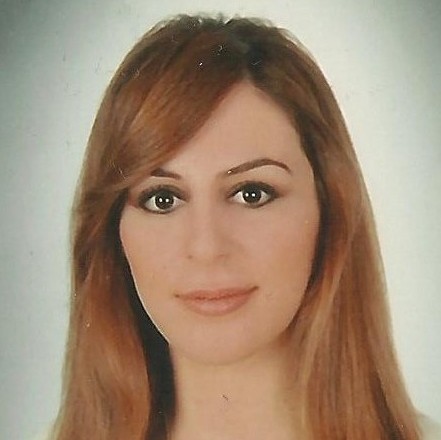
Dr. Elif Kaya, who is currently working at İstanbul Aydin University, completed her undergraduate degree
in Economics at Cumhuriyet University, followed by a pre-master's degree at SOAS, University of
London and a master's degree in Global Political Economy at City, University of London. Afterwards, she
received her PhD degree from Istanbul University, Department of Economics with a thesis on the
Political Economy of Chinese Development.
Issue Reviewers


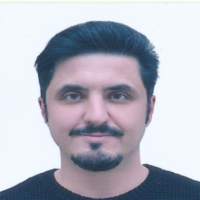
Uluslararası Ekonomi-Finans ve Ekonomik Gelişme alanında çalışıyorum.














 Web
Web
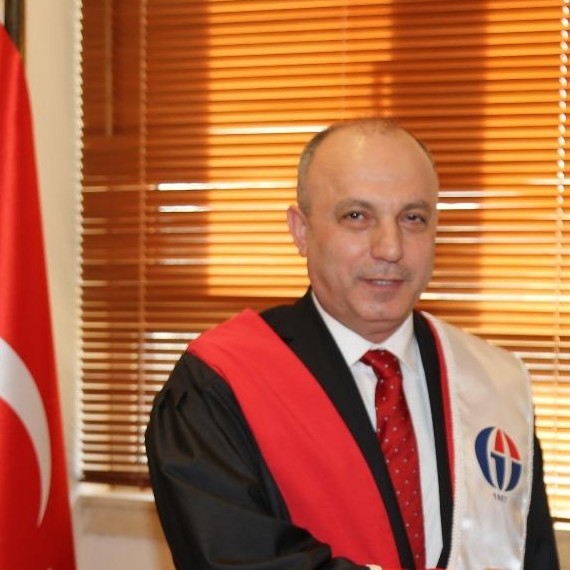
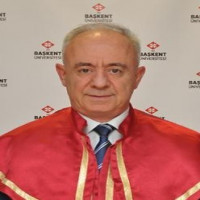
Gökmen Durmuş, yüksek lisans öğrenimini ABD'de (UPenn) Örgüt Dinamikleri alanında; doktora öğrenimini ise İngiltere'de (Leicester) İşletme alanında başarıyla tamamlamıştır. Gaziantep Üniversitesi, İİBF, İşletme bölümünde görev vermektedir. Liderlik, girişimcilik, örgüt teorisi ve işletme tarihi alanlarında çalışmalar yapmaktadır.
Gokmen Durmus is an Assistant Professor at Gaziantep University, Department of Management. He graduated from Selcuk University with a Bachelor’s degree in Business Administration. Then he obtained a master's degree in Organizational Dynamics from UPenn and a PhD in Management from the University of Leicester. His research revolves around leadership, entrepreneurship, organization theory, and business history.

Girişimcilik
Hastane İşletmeciliği
Kalite Yönetimi
Kamu Sektörü Organizasyonu ve Yönetimi
Kriz ve Konu Yönetimi
Kurumsal Yönetim
Kâr Amacı Gütmeyen İşletme ve Yönetim
Küçük İşletme Organizasyonu ve Yönetimi
Liderlik
Operasyon Stratejisi
Organizasyon
Organizasyon ve Yönetim Teorisi
Organizasyonel Planlama ve Yönetim
Paydaş Katılımı
Proje Yönetimi
Strateji
Sürdürülebilir Operasyon Yönetimi
Uluslararası İşletme
Yönetim ve Organizasyon Eğitimi
Yönetimde Kurumsal Sosyal Sorumluluk
Örgüt Kültürü
Örgütsel Davranış
Üretim ve Operasyon Yönetimi
İnovasyon Yönetimi
Strateji, Yönetim ve Örgütsel Davranış (Diğer)


Araştırma Alanları: Sosyal ve Beşeri Bilimler

1962 Yılında Samsun’da doğdu. Samsun Anadolu Lisesi’ni 1980, Gazi Üniversitesi, İktisadi İdari Bilimler Fakültesi, Uluslararası İlişkiler Bölümü’nü 1985, İstanbul Üniversitesi, Sosyal Bilimler Enstitüsü’nde Yüksek Lisansını tamamladı. 1995 yılında aynı kurumda “Ulusal ve Uluslararası Düzeyde Etnik Gruplar ve Devlet” adlı teziyle Doktor Unvanını aldı. 1991 yılından itibaren İstanbul Üniversitesi İktisat Fakültesi’nde Araştırma Görevlisi ve aynı kurumda 1995 ile 2005 yılları arasında Yardımcı Doçent olarak çalıştı. 2005 yılında Siyasi Tarih alanında Doçent olan Levent Ürer, 2013 yılında İstanbul Üniversitesi, İktisat Fakültesinde, Siyaset Bilimi Anabilim Dalında Profesör unvanını aldı. 2014 yılında emekli oldu., Beykent Üniversitesi, Siyaset Bilimi ve Kamu Yönetimi Bölümünde 2014-2020 yılları arasında çalıştı. Halen İstinye Üniversitesi, İktisadi ve İdari Sosyal Bilimler Fakültesi, Siyaset Bilimi ve Kamu Yönetimi Bölümünde çalışmaktadır. İ.Ü. İktisat Fakültesinde Dekan Yardımcılığı, Siyaset Bilimi Anabilim Dalı Başkanlığı 2005-2013 yılları arasında yapmıştır. Beykent Üniversitesi’nde 2014-2016 yılları arasında Rektör Yardımcılığı, Fen-Edebiyat Fakültesi ve İletişim Fakültesi Vekil dekanlığı gibi farklı idari görevlerde bulunmuştur.
Türk Dış Politikası, Siyasi Tarih, Siyasi Olaylar Tarihi, Siyaset Bilimi, Uluslararası İlişkiler, Uluslararası Göç ve Nüfus Hareketleri, Milliyetçilik ve Azınlık Hakları üzerine Lisans, Yüksek Lisans ve Doktora dersleri vermiştir. Azınlıklar ve Lozan Tartışmaları (2003), Mondros’tan Mudanya Mütarekesi’ne Türk Dış Politikası (2005), Soysal Devletten Sosyal Devlete, Ulusçuluk Tartışmaları (2012), 2012 yılında derlemiş olduğu, Roman Olup Çingene Kalmak adlı kitapları vardır. Milliyetçilik, azınlık hakları, siyaset bilimi, tarih sosyolojisi alanları temelinde yayınlanmış, çeşitli makaleleri vardır.
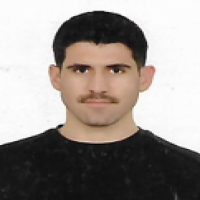


Mehmet Metin Dam is a multidisciplinary researcher with a Master’s degree in Economic Science from Selcuk University (Turkey) and a PhD in Environmental Economics from Aydin Adnan Menderes University (Turkey). He is currently working as an Associate Professor at Aydin Adnan Menderes University in Turkey. His research interests include Environmental economics, Climate change, Environmental health, Environmental modeling, Environmental policy, Sustainable development, Air Pollution and Sustainable environmental management. He has published more than 40 articles and more than 10 books and book chapters, although some of his recent articles are S/ SCI-E journal articles.

Doç. Dr. Murteza Ocaklı, ekonomi ve finans alanında uzmanlaşmış bir akademisyendir. Lisans eğitimini tamamladıktan sonra, yüksek lisansını 2015 yılında ve doktorasını 2019 yılında Karadeniz Teknik Üniversitesi İktisat Bölümü'nde tamamlamıştır. Akademik kariyeri boyunca makroekonomik modeller, sayısal finans, para politikaları, döviz kuru dinamikleri ve finansal piyasalar üzerine yoğunlaşmıştır.
Eğitimi süresince uluslararası akademik deneyim kazanan Doç. Dr. Ocaklı, 2014-2015 yıllarında Polonya’daki Warsaw School of Economics'te, 2015-2016 yıllarında Almanya’daki Berlin School of Economics and Law’da ve 2016-2017 yıllarında İtalya’daki Università degli Studi di Napoli Parthenope’de çalışmalar yürütmüştür. Bu süreçte uluslararası ekonomi ve finans konularında derinlemesine araştırmalar yaparak akademik bakış açısını genişletmiştir.
Şu anda İstanbul Aydın Üniversitesi Ekonomi ve Finans Bölüm Başkanı olarak görev yapmakta olan Doç. Dr. Ocaklı, ekonomi ve finans alanlarında dersler vermekte, lisans ve lisansüstü seviyede öğrencilere danışmanlık yapmaktadır. Araştırmalarında özellikle ARDL ve NARDL modelleri ile döviz kuru geçişkenliği, enflasyon dinamikleri, AR-GE harcamaları ve dış ticaret ilişkileri gibi konulara odaklanmaktadır.
Akademik çalışmaları uluslararası düzeyde de büyük ilgi görmüş olup, Q1 ve Q2 kategorisinde yer alan saygın bilimsel dergilerde yayımlanmıştır. Özellikle döviz kuru geçişkenliği ile enflasyon arasındaki teorik ve ampirik bağlantıları inceleyen çalışmaları ve hisse senedi piyasaları arasındaki oynaklık yayılmaları üzerine yaptığı araştırmalar, ekonomi literatürüne önemli katkılar sağlamaktadır.
Bilimsel katkılarının yanı sıra, akademik disiplinin gelişimine yönelik çeşitli konferans ve seminerlere katılmakta, ulusal ve uluslararası bilimsel dergilerde hakemlik yapmaktadır. Ekonomi teorilerini matematiksel modellerle birleştirerek politika yapıcılar ve uygulamacılar için somut öneriler sunmayı hedefleyen Doç. Dr. Murteza Ocaklı, akademik çalışmalarına devam etmekte ve ekonomi bilimine katkı sağlamaya devam etmektedir.
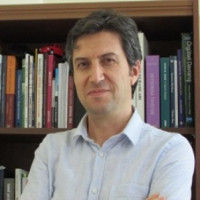
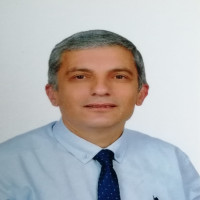


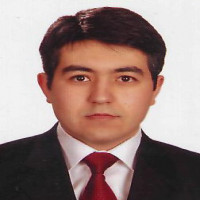



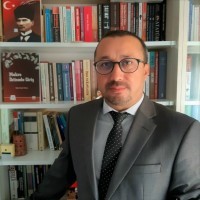
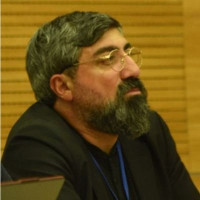




Marmara Üniversitesi Sosyal Bilimler Enstitüsü'nden 2010 yılında yönetim ve organizasyon alanında doktor ünvanı almıştır. Doktora eğitimi sonrasında Çanakkale Onsekiz Mart Üniversitesi Biga Uygulamalı Bilimler Fakültesi'nde öğretim üyesi olarak görev yapmaktadır. Sivil toplum kuruluşları yönetimi, kültür ve değerlerin oluşumu, stratejik yönetim, işletmecilik tarihi ve girişimcilik alanlarında çalışmaları bulunmaktadır.
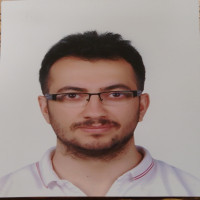




Aim & Scope
The main goal of JEBUPOR is comprise a scientific platform for academics who desire to share their knowledge, notions, findings and researches with colleagues while contributing in the named disciplines in national and international level.
JEBUPOR is a scientific peer
reviewed journal which is published at least three times per year, February, June and
October since 2016. Applied, institutional, theoretical works along with
analysis and definitive, qualitative and quantitative researches in
relation to Economics, Business and Management, and Political Sciences could take
places in the journal.
Author Guidelines
1- Plagiarism Detection
In accordance with its publishing policies, all articles sent to JEBUPOR will be scanned via iThenticate or Turnitin to get a similarity report before the article goes for review. The upper bound is determined as 15 percent.
If similarity report shows more than 15%, then the article:
1. Could be sent back to author(s) to be edited,
2. Could be rejected by the editor, or
3. Could send to editorial board for evaluation.
The matches found in each study after plagiarism detection are analysed in detail and those matches with correct reference and cross-reference are sorted. In the next step, the mistakes in the remaining matches are determined and reported to the editorial board. The board, then, makes a final decision in the light of the plagiarism detection report. The author(s) may be asked to correct the mistakes listed in the report or the study may be returned to the author(s).
2- Writing Rules
For the articles to be sent to The JEBUPOR, the authors are required to adhere to the following principles and rules. The articles which are not prepared in accordance with the principles and rules stated above may not be taken in assessment process, or may be excluded from assessment at any stage of this process.
Click here to download the Sample Word Document
Spelling Rules
1. Papers should be prepared with “Office Word” program and A4 format.
2. The length of the paper should not exceed 20 pages in journal format.
3. Page layout should be left: 2 cm, right: 2 cm, up: 2 cm, and bottom: 2 cm.
4. Articles should be written with font type of "Times New Roman", in 12 font size and with "single" spacing. There should be one space after points and commas.
5. Paragraphs should be without an initial indent, 6 nk spaces should be left between the paragraphs. No extra blank lines between the paragraphs.
6. The title should be written in Turkish and English with 14 font size, Turkish and English abstracts should contain no more than 200 words with 11 font size, and include 3 to 5 keywords in Turkish and English.
7. The name, surname, and title of the author(s) should be written with 12 font size, under the title and right aligned. The name of institution and e-mail address of the author(s) should be written with font size 10 in the footnote.
8. The headings and subheadings should be appeared in 12 font size, bold and left justified (unindented) and also numbered as 1. 1.1., 1.1.1., 1.1.2., 1.1.2.1. The headings should be capitalized and subheadings should appear in lower case (initial word capitalized). The headings should be partitioned no more than 4 levels. There should be one blank line before the subheadings; no blank line should be given after the subheadings. There should be no blank line before and after the subheadings.
9. All the tables, figures and graphics in the paper should be cited in numerical order and center aligned. Each table, figures, and graphics should be given a title. Table title should be placed above the table, figure, and graphics, with 10 pt, centered aligned, and only initial letters capitalized. Table, figure, and graphic text should be no smaller than 9 pt and no larger than 11 pt. All tables, figures, and graphics should be clear and can be easily readable and also compatible with the page layout.
10. References should be made with conjunction method inside the text. Explanation notes should be under the page as a footnote with 10 pt. References inside the text should be like the surname of the author(s), year of the source, and page number. If there isn’t the name of the author then institution name should be given instead of author’s name. Example:
· Works by a single author: (Paksoy, 2011:70)
· Works by two authors: (Paksoy ve Gökçe, 2012:22)
· Works by multiple authors: (Paksoy vd., 2014:35).
· Citing more than one sources: (Schumpeter, 1934:66; Wood, 2005:36)
· Citing the whole source: (Drucker, 1995)
· Citing the publications without the name of the author: (TÜİK, 2012:45)
11. If the reference is taken from a website and the author is known, reference should be made like periodic publications. If the date of the downloaded source is not given, access date should be used. If the date of the downloaded source is not given, date of access should be used. Also if no publisher name is available, use the name of website and data of access. For example;
· If the author’s name and publication year is known: (Ener, 2002)
· If the author’s name and publication year is not known: (Rekabet Kurumu, 2008)
12. If you are citing more than one work by the same author in the same year, put the letters a, b, c next to the year. Example;
· Paksoy (2013a), Paksoy (2013b).
13. All the sources that are cited in the text must appear in the reference page. All sources used in the text should be ordered alphabetically by author last name. Order the works from the same author by publication date (Newest to oldest). Bibliography indentation should be set (Pendant – 1 cm). The reference page should be prepared according to the example shown below:
Books
EROL, E. (2008). Stratejik Yönetim ve İşletme Politikası, Beta Basım Yayım, İstanbul.
ACAR, D. and TETİK, N. (2008). Genel Muhasebe, Detay Yayıncılık, Ankara.
DEMİR, Y., ÖZDEMİR, O. and EREN, İ. (2008). Küçük ve Orta Ölçekli İşletmelerde Finansal Yönetim Uygulamaları, Asil Yayın, Ankara.
Translated Books
DRUCKER, P. (1994). Kapitalist Ötesi Toplum, (Çev.) ÇORAKÇI, B., İnkilap Kitabevi, İstanbul.
Edited Books
OKÇU, M., AKTEL, M. and KERMAN, U. (2007). “İki Süreci Anlamak: Kamu Yönetiminde Küreselleşme ve 'Avrupalılaşma'”, (Ed.) YILMAZ, A. and BOZKURT, Y., Küresel Esintiler ve Yerel Etkiler Sarmalında Türk Kamu Yönetimi, Gazi Kitabevi, Ankara.
Book with no Author
DPT (2003). İllerin ve Bölgelerin Sosyo-Ekonomik Gelişmişlik Sıralaması Araştırması (2003), Yayın No: DPT 2671, Ankara.
Journals
YAVUZ, A., ALBENİ, M. and KAYA, D.G. (2009). “Ulusal İnovasyon Politikaları ve Kamu Harcamaları: Çeşitli Ülkeler Üzerine Bir Karşılaştırma”, Süleyman Demirel Üniversitesi İktisadi ve İdari Bilimler Fakültesi Dergisi, 14(4): 65-90.
Newspapers
GÖKÇE, D. (1997). “Merkez Bankasının Bağımsızlığı Sorunu”, Milliyet, 15 Mart.
Theses
ÖZKUL, G. (2008). Girişimcilik Teorileri ve Girişimci Tipleri: Antalya-Burdur-Isparta İllerinde (İBBS Düzey 2 TR61 Bölgesinde) İmalat Sanayi KOBİ'lerindeki Girişimciler Üzerine Bir İnceleme, Yüksek Lisans Tezi, Süleyman Demirel Üniversitesi Sosyal Bilimler Enstitüsü, Isparta.
Internet Based Sources
(i) If the authors of the sources are known, it should be given like periodic publications. In addition to this, the web address of the source should be given. If the date of the source is not known, then date of access should be given both in the text and the reference page.Example;
ENER, N. (2002). “Yeni Yükselen Pazarlar (Emerging Markets) İçin Pazarlama Stratejileri”, http://iktisat.uludag.edu.tr/dergi/11/02-neriman/02-neriman.htm, 10.05.2005.
(ii) If the source belongs to an institution instead of an author, there should be the name of the institution, the title of the source and complete web address in the bibliography. Example:
REKABET KURUMU (2010). “Rekabet Hukukunun Esasları”, http://www.rekabet.gov.tr/index.php?Sayfa=sayfaicerik&icId=53, 17.03.2010.
14. For the cases not mentioned in spelling, scientific publication rules will be taken into consideration.
3- Copyright Notice
The manuscripts submitted to JEBUPOR for publication should be original studies that were not published before or not submitted to anywhere else for publication.
Authors who submit their studies to JEBUPOR should acknowledge that they have to transfer the copyright of their studies to JEBUPOR. The editorial board of the journal is authorized to publish the study. Nonetheless, the following rights are reserved:
- Patent rights,
- All unregistered rights apart from copyright,
- Duplication rights on condition that the study is not sold,
- The right to use the whole or parts of the study in the author's own books or other academic studies on condition that reference is given,
- The right to publish the study on personal websites or open archive of their university on condition that the copyright details are provided.
Those authors who will submit their studies to JEBUPOR have to fill in the "Agreement for Publication Rights". Wet signature is required. The signed form should be scanned and uploaded to the system via file upload option in submitting manuscripts to the journal. Meanwhile, the wet-signed form must be posted to the following address: "Prof. H. Mustafa PAKSOY: Gaziantep University, İİBF, Şehitkamil/Gaziantep, Turkey". The studies whose copyright transfer form is not received by the journal will not be published.
Ethical Principles and Publication Policy
- The publication process at İKTİSAD is the basis of the improvement and dissemination of information objectively and respectfully. Therefore, the procedures in this process improves the quality of the studies.
- Peer-reviewed studies are the ones that support and materialize the scientific method. At this point, it is of utmost importance that all parties included in the publication process (authors, readers and researchers, publisher, reviewers and editors) comply with the standards of ethical considerations. JEBUPOR expects all parties to hold the following ethical responsibilities.
- Author(s) must submit original studies to the journal. If they utilize or use other studies, they must make the in-text and end-text references accurately and completely.
- People who have not contributed to the study at the intellectual level should not be indicated as author.
- If the manuscripts submitted to be published are subject of conflicting interests or relations, these must be explained.
- During the review process of their manuscripts, author(s) may be asked to supply raw data. In such a case, author(s) should be ready to submit such data and information to the editorial and scientific boards.
- Author(s) should document that they have the participants' consent and the necessary permissions related with the sharing and research/analysis of the data that are used.
- Author(s) bears the responsibility to inform the editor of the journal or publisher if they happen to notice a mistake in their study which is in early release or publication process and to cooperate with the editors during the correction or withdrawal process.
- Authors cannot submit their studies to multiple journals simultaneously. Each submission can be made only after the previous one is completed. A study published in another journal cannot be submitted to JEBUPOR.
- Author responsibilities given in a study (e.g.: adding an author, reordering of author names) whose review process has begun cannot be changed.
- Making efforts to meet the demand for knowledge from readers and authors,
- Ensuring the continuous development of the journal,
- Managing the procedures aimed to improve the quality of the studies published in the journal,
- Supporting freedom of expression,
- Ensuring academic integrity,
- Following the procedures without making concessions on intellectual property rights and ethical standards,
- Being transparent and clear in issues that require correction or explanation.
- Editors must make decisions taking into consideration the knowledge, skills and expectations of all readers, researchers and practitioners need.
- They must also ensure that the published studies contribute to literature and be original.
- Moreover, they must take notice of the feedback received from researchers and practitioners and provide explanatory and informative feedback.
- Editors must make positive or negative decisions about the studies' importance, originality, validity, clarity in wording and suitability with the journal's aims and objectives.
- Editors must accept the studies that are within the scope of publication into pre review process unless there are serious problems with the study.
- Editors must not ignore positive suggestions made by reviewers unless there are serious problems with the study.
- New editors, unless there are serious issues, must not change the previous editor's decisions about the studies.
- "Blind Review and Review Process" must be published and editors must prevent possible diversions in the defined processes.
- Editors must publish an "Author's Guide" that is comprehensive enough in answering queries by authors. This guide must be updated regularly.
- Authors should be provided with explanatory and informative feedback.
- choose reviewers according to the subject of the study.
- provide the information and guidance reviewers may need during the review process.
- observe whether there are conflicting interests between reviewers and authors.
- keep the identities of reviewers confidential in blind review.
- encourage the reviewers to review the manuscript in an unbiased, scientific and objective tone.
- evaluate reviewers regularly based on criteria like performance and timing.
- develop practices and policies that increase the performance of reviewers.
- take necessary steps to update the reviewer pool dynamically.
- prevent unkind and unscientific reviews.
- make effort to ensure the reviewer pool has a wide range.
- ensure that the members of the editorial board review the manuscripts in an unbiased and independent manner.
- select the new members of the editorial board from those who can contribute to the journal and are qualified enough.
- send manuscripts for review based on the subject of expertise of the editorial board members.
- regularly communicate with the editorial board.
- arrange regular meetings with the editorial board for the development of publication policies and the journal.
- pay attention to the convincing criticism about studies published in the journal and must have a constructive attitude towards such criticism.
- grant the right of reply to the author(s) of the criticized study.
- not ignore or exclude the study that include negative results.
- agree to review only in their subject of expertise.
- review in an unbiased and confidential manner.
- inform the editor of the journal if they think that they encounter conflict of interests and decline to review the manuscript during the review process.
- dispose the manuscripts they have reviewed in accordance with the principle of confidentiality after the review process. Reviewers can use the final versions of the manuscripts they have reviewed only after publication.
- review the manuscript objectively and only in terms of its content and ensure that nationality, gender, religious and political beliefs, and economic apprehension do not influence the review.
- review the manuscript in a constructive and kind tone, avoid making personal comments including hostility, slander and insult.
- review the manuscript they have agreed to review on time and in accordance with the ethical rules stated above.
- Editors are responsible for all the processes that the manuscripts submitted to JEBUPOR will go through. Within this framework, ignoring the economic or political interests, the decision-makers are the editors.
- The publisher undertakes to have an independent editorial decision made.
- The publisher protects the intellectual property rights of all the articles published in JEBUPOR and holds the responsibility to keep a record of each unpublished article.
- The publisher bears all the responsibility to take the precautions against scientific abuse, fraud and plagiarism.
Price Policy
Loading...

This work is licensed under a Creative Commons Attribution-NonCommercial 4.0 International License.