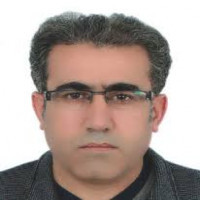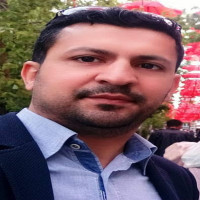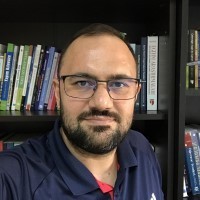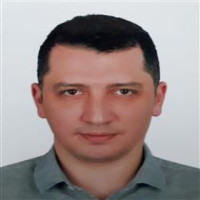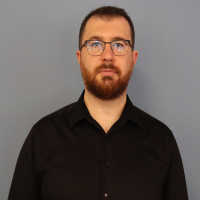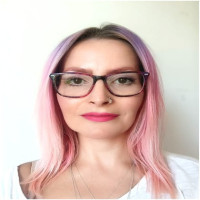

Dr. Öğr. Üyesi
Fırat Üniversitesi İnsan ve Toplum Bilimleri Fakültesi Tarih Bölümü
Farsça
Lisans: Van Yüzüncü Yıl Üniversitesi Sanat Tarih: 2002
Yüksek Lisans: Van Yüzüncü Yıl Üniversitesi Sosyal Bilimler Enstitüsü Sanat Tarihi: 2010
Doktora: Van Yüzüncü Yıl Üniversitesi Sosyal Bilimler Enstitüsü Sanat Tarihi: 2016
Doçentlik: İslam Tarihi ve Sanatları: Türk İslam Sanatları: 2021
ÖZGEÇMİŞ FORMU
I- Bireysel Bilgiler
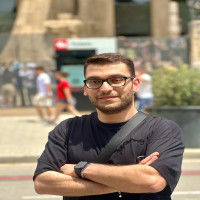
Adı : Ali Bilgin
Soyadı : VARLIK
Uyruğu : T.C.
Telefon Numarası Cep+İş : 05332303018
Çalıştığı Kurum ve Adresi : İstanbul Arel Üniversitesi, Tepekent Kemal Gözükara Yerleşkesi Türkoba Mahallesi, Erguvan Sokak, No:26, K 34537, Tepekent – Büyükçekmece, İstanbul – Türkiye
II- Eğitimi
Lisans: Kara Harp Okulu (İnşaat Müh.), Anadolu Üni. (İktisat)
Yüksek Lisans: Harp Akademileri (Uluslararası Güvenlik), Chadwich Üni. (ABD’de) (Management)
Doktora: Ankara Üni. Siyasal Bilgiler Fakültesi (Uluslararası İlişkiler)
III- Ünvanları
Emekli Kurmay Albay
Doçent (2021’den itibaren)
IV-Akademik İlgi Alanı
Uluslararası Güvenlik
Savaş Çalışmaları
Orta Doğu
Küreselleşme
V- Mesleki Deneyimi
-Kara Harp Okulu Öğretim Üyeliği (2003-2005; 2011-2014- Askeri Coğrafya ve Harp Tarihi Ana Bilim Dalı Başkanlığı)
-İstanbul Esenyurt Üni. (2014-2015)
-İstanbul Arel Üni. (2018-devam ediyor)
-Kara Harp Okulu (2022-23 yarı zamanlı öğretim üyeliği)
VI- Halen Bulunduğu Görevi
-İstanbul Arel Üni. Uluslararası İlişkiler İngilizce Bölümü Bşk. Yrd
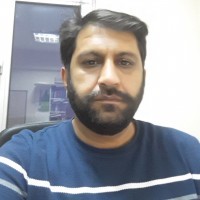
Lisans eğitimini Hacettepe Üniversitesi BÖTE Bölümü, Yüksek Lisans Eğitimini Gazi Üniversitesi BÖTE Bölümü ve Doktora eğitimini Sakarya Üniversitesi BÖTE Bölümünde tamamladı. Şuan Amasya Üniversitesi Teknik Bilimler Meslek Yüksekokulu Bilgisayar Teknolojileri Bölümünde Doç. Dr. olarak görev yapmaktadır. Aynı zamanda Tübitak Yurt içi Doktora Sonrası Araştırma Burs Programı kapsamında Orta Doğu Teknik Üniversitesi BÖTE Bölümünde doktora sonrası araştırmacı olarak çalışmaktadır. Araştırma alanları Eğitimde Artırılmış Gerçeklik (Doktora tez konusu), siber güvenlik farkındalığı, ciddi oyunlar, bibliyometrik analiz, bilişim teknolojileri eğitimi, eğitim materyali geliştirme, eğitim teknolojiler, öğretim tasarimi ve öğretmen eğitimidir.
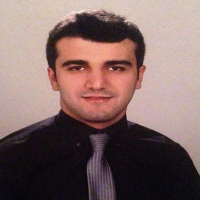
Kubilay Geçikli, Atatürk Üniversitesi İngiliz Dili ve Edebiyatı Bölümünde Prof. Dr. olarak görev yapmaktadır. Geçikli, İngiliz ve İrlanda Dili, Edebiyatı ve Kültürü üzerine çalışmalar yapmaktadır.
He graduated from Uludağ University, Faculty of Arts and Sciences, Department of Sociology in 2003. In 2004, he was appointed as a research assistant to Selçuk University Literature Sociology Department. He completed his master's degree in Selçuk University Institute of Social Sciences, Department of Sociology in 2005 and his doctorate in 2009. During his doctoral studies, he took courses on politics and communication at Maastricht International Communication Faculty (Hogeschool Zuyd). In 2013, he became an associate professor of sociology. Dictionary of Socialization, Social Construction of Politicity: Political Socialization and Freedom Fighter and Islamic Thinker: Aliya İzzetbegoviç (Compilation, with Faruk Karaarslan), Aliya İzzetbegoviç and July 15 from the Eyes of the Academy (Compilation, with Bengül Güngörmez), as well as articles, book reviews and book reviews in journals such as İnsan ve Toplum, Tezkire, Hece, Demokrasi Platformu, Muhafazakâr Düşünce, Sosyoloji Divanı. He worked as a faculty member at Marmara University Faculty of Communication (2014-2015). He is currently working as a faculty member at Konya Necmettin Erbakan University, Faculty of Social and Human Sciences, Department of Sociology. He continues his studies on social theory, Turkish modernization, political sociology, conservatism and sociology of childhood.
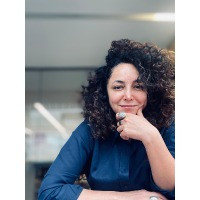
2003 yılında Marmara Üniversitesi İlahiyat Fakültesi, 2005 yılında Ankara Üniversitesi Sosyal Bilimler Enstitüsü master programı ve 2012 yılında Marmara Üniversitesi Sosyal Bilimler Enstitüsü'nde doktora programından mezun oldu. 2018 yılında Üniversitelerarası Kurul Başkanlığı tarafından verilen "Felsefe Doçenti" unvanını kazandı. Fenerbahçe Lisesi, Artvin Çoruh Üniversitesi Fen-Edebiyat Fakültesi ve İzmir Katip Çelebi Üniversitesi Sosyal ve Beşeri Bilimler Fakültesi'nde görev yaptı. 2020-2024 yılları arasında Mersin Üniversitesi İlahiyat Fakültesi'nde ve Mersin Üniversitesi Eğitim Fakültesi'nde görev yaptıktan sonra 2024 yılında atandığı Düzce Üniversitesi Fen Edebiyat Fakültesi Felsefe Bölümü'nde çalışmaktadır. İslam felsefesi, bilim tarihyazımı, sosyoloji, oryantalizm eleştirileri, post-kolonyalizm, toplum ve siyaset felsefesi, çağdaş felsefeler ve ekonomi metafiziğiyle yakından ilgilenmektedir. Ayrıca yapay zekâ felsefesi, transhümanizm, posthümanizm ve metaverse üzerine araştırmalar yapmaktadır. Arapça ve İngilizce bilmektedir. Avrupa'da bazı ülkelerde bulunmuş ve Lizbon Üniversitesi Felsefe Bölümünde ders vermiştir.
-
Ortaöğretimini Bingöl Lisesinde yaptı. Atatürk Üniversitesinde lisans, İnönü Üniversitesinde yüksek lisans öğrenimini yaptıktan sonra Ankara Üniversitesi Eğitim Bilimleri Enstitüsü Eğitim Yönetimi ve Politikası Bölümünde “Özneleşme Sürecinde Okul ve Bilgi ile İlişki-Kürt Politik Aktörlerinin Eğitimsel Deneyimleri” başlıklı tez ile doktorasını tamamladı. Tezi Okul ve Öteki Yurttaşlar adı ile kitap olarak yayınlandı. Halen Mardin Artuklu Üniversitesi Edebiyat Fakültesi Eğitim Bilimlerinde öğretim üyesi olarak çalışmaktadır (2023). Eğitim çalışmalarının yanında aynı zamanda bir dil ve kültür çalışanıdır.
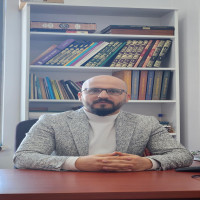
Prof. Dr. Nurullah ULUTAŞ
17 Ekim 1973 tarihinde Van’da doğdu. 1997’de Yüzüncü Yıl Üniversitesi Türk Dili ve Edebiyatı Öğretmenliği Bölümünde lisans, 2000 yılında Şair Celal Sılay (Hayatı, Sanatı ve Eserleri) adlı teziyle Yüksek Lisansını tamamladı. 2007 yılında Türk Romanında İntihar Olgusu (1872-1960) adlı teziyle Doktorasını tamamlayan Ulutaş, 2015 yılında Roman ve Hukuk (Hukukçu Yazarların Romanlarında Suç ve Ceza Olgusu) adlı kitabıyla Doçent oldu. Çeşitli bölümlerde Çağdaş Türk Edebiyatı, Tiyatro, Şiir, Roman İncelemesi, Eleştiri, Yabancılara Türkçe Öğretimi gibi dersler verdi. Ulusal ve Uluslararası birçok akademik dergide makaleleri yayınlandı. Çalışma konuları, Edebiyat ve Psikoloji, Edebiyat ve Hukuk, Karşılaştırmalı Edebiyat, Kadın ve Aşk, Çocuk Edebiyatı, Polisiye Roman, Varoluşçuluk, Edebiyat ve Politika, Din ve Edebiyat, Tasavvuf, Politik Eleştiri, Tiyatro, Hermenötik…
Ulutaş’ın; Roman ve Hukuk (Hukukçu Yazarların Romanlarında Suç ve Ceza), İntihar ve Roman (İntihar Olgusunun Türk Romanına Yansıması (1872-1960), Turgay Nar Tiyatrosu, Hicran Buğusu (Şiir), ve Adımlarım Eylül Yüklü (Şiir), adlı yayınlanmış özgün kitapları da bulunmaktadır. Birçok akademik kitap bölüm yazarlığı yanında çeşitli dergilerde yazı ve incelemeleriyle yer alan yazarın çalışmaları, IJLA, Turkısh Studies, Newwsa, Uluslararası Sosyal Bilimler Dergisi, JASSS (The Journal of Academic Social Science), Türkbilig Türkoloji Araştırmaları Dergisi, ESOS-DER: Elektronik Sosyal Bilimler Dergisi (Electronic Journal of Social Sciences), Yüzüncü Yıl Üniversitesi Sosyal Bilimler Enstitüsü Dergisi, Yeni Türk Edebiyatı, Hazan, Seyir, Ihlamur, Kırağı, Vivo, Kırklar, Yansıma, Milliyet Sanat, Hayal, Mavi ve Yeşil… gibi dergilerde yayınlandı.
Yazarımız Nurullah Ulutaş, Bitlis Eren Üniversitesi İslami İlimler ve Fen-Edebiyat Fakültesi Dekan Vekilliği gibi idari görevlerde de bulundu. Yazarımız halen aynı üniversitede öğretim üyesi olarak çalışmaktadır.
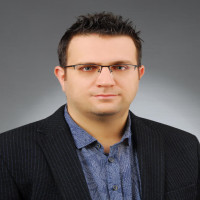
Dr. Öğr. Üyesi Umut Aydın, İstanbul Ticaret Üniversitesi Yönetim Bilişim Sistemleri (İngilizce) Bölümü’nde öğretim üyesi olarak görev yapmaktadır. Lisans eğitimini Hatay Mustafa Kemal Üniversitesi Havacılık Yönetimi Bölümü’nde (eski adıyla Sivil Hava Ulaştırma İşletmeciliği) tamamlamış, yüksek lisans ve doktora derecelerini İstanbul Teknik Üniversitesi Lisansüstü Eğitim Enstitüsü, İşletme Anabilim Dalı’nda, çalışma alanı olarak nicel karar yöntemlerine odaklanarak almıştır. Çalışmaları; çok kriterli karar verme yöntemleri, hava taşımacılığı, lojistik sistemler ve sürdürülebilirlik konularına odaklanmakta olup, alanında saygın ve hakemli akademik dergilerde yayımlanmıştır. Araştırma ilgi alanları, özellikle nicel karar verme yöntemleri ve karar analitiği yaklaşımları çerçevesinde şekillenmektedir.
BUSBED published its first issue in the spring of 2011 as a nationally recognized journal published twice a year, both spring and autumn. It was established to present the works in all fields of Social and Human Sciences, which are original, unpublished, never sent to any other publication to be presented, such as articles, book reviews, translations, editing and symposium reviews to the science world.
This international peer-reviewed journal is published at least as two issues in a year.
Original articles written in Turkish, Arabic or English in the area of social sciences are published in this journal. Articles are published after being approved by the editorial and advisory boards.
Academic articles produced in the following areas are published in BUSBED.
Economics, Sociology, Political Science, Business, History, Turkish Language and Literature, Turkish Language Teaching, Philosophy, Geography, Educational Sciences, Law, Art History, Archeology, Communication Sciences, Linguistics, Music, Fine Arts, Tourism, International Relations, Finance , International Trade and Finance, Public Administration, Labor Economics, Theology.
Yayın İlkeleri ve Yazım Kuralları
The Principles of the Publication and Writing Rules
مبادئ النشر- قواعد كتابة الـمقالة
BUSBED is an international academic journal published by Bingöl University Social Sciences Institute. Spring (April) and fall (October) period is published as 2 issues per year. Original articles written in Turkish, Arabic or English in the area of social sciences are published in this journal. Articles are published after being approved by the editorial and advisory boards.
Deadline for article acceptance: end of November for Spring Semester, end of May for Fall Semester.
We consider for publication in journal published articles which:
Report original science, and add significantly to research already publishedare of interest to the community are scientifically rigorous have sound motivation and purpose have not been published previously in the peer-reviewed literature, including in another language are not under consideration for publication in any other peer-reviewed journal or book available through a library or by purchase.
Articles reporting work that was originally presented at a conference may be submitted, provided these articles do not appear in substantially the same form in a peer-reviewed, published conference proceeding. Again, authors should take care to ensure the format of a research paper is used. The article length should also be appropriate to the content. In case of doubt, please enquire with the journal.
All articles are judged solely on their scientific merits. Unbiased consideration is given to all manuscripts offered for publication regardless of whether or not the authors request publication on an open access basis and regardless of the race, gender, religious belief, ethnic origin, citizenship, political philosophy, sexual orientation, age or reputation of the authors.
The APA reference style is used in the articles.
The article, must be adapted to journal writing rules before submission. Click here for the writing rules.
SIGNIFICANT GUIDELINES THAT PREVENT THE ARTICLES TO BE PUBLISHED
- The article will not be considered and published,
- If the board of editors don’t approve it,
- If author participation and record information are not sufficient,
- If it has no author ORCID revise number,
- If it is not prepared according to the writing rules of the journal,
- If it has more than two authors,
- If it has no abstract either in Turkish or English (Arabic according to the state), or has non-uniform abstract,
- If classic footnote system is used without force majeure,
- If it is the second article of the author within one year except from the special decide of the board of editors,
- If the name of the author is written in any part of the page or file,
- If, in pre-examination, it is not to be enough to be published in terms of content, format, resource, evaluation, method, language and etc.
- If it is less than 8 and more than 20 pages except from the special decide of the board of editors,
- If its evaluation period cannot be completed till the inception of the printing and publishing process of the journal,
- If it is sent after the end of the maximum capacity of the related issue of the journal.
The Journal of Bingöl University’s Institute of Social Sciences promotes the unbiased distribution of knowledge, and expects authors, readers, researchers, publishers, referees and editors to follow certain codes of conduct during the publication process. Individuals must follow general as well as specific codes of conduct and responsibility in accordance with the open access guide published by the Committee on Publication Ethics (COPE) found below.
1. General practices in violation of scientific research and publication ethics:
a) Plagiarism: Presenting others’ ideas, methods, data, applications, writing, figures and works partially or completely as one’s own work without proper source reference.
b) Forgery: Producing data which is not supported by research; regulating or changing presented or published works through the insertion of false data; reporting or publishing such works; or holding incomplete research to be complete.
c) Distortion: Distorting research records and obtained data; pretending to use methods, devices and materials that were not actually used; evaluating data unsuitable to the research itself;, distorting data or results in order to adapt them to established theories or hypotheses; distorting or altering research results to promote or confirm the interests of the sponsoring person or foundation.
d) Repeated publishing: Submitting more than one work of research consisting of the same results in order to obtain associate professorship, examination review, or academic promotion.
e) Slicing: Destroying the integrity of the results of research by slicing it improperly and submitting fragments as specific assessments to gain academic promotion.
e) Unfair authorship: Adding persons who have not actively contributed to the production of the article or failing to add persons who actually did contribute; altering the arrangement of authors’ names improperly and unjustifiably; subtracting the names of actively contributing writers during the publication process or subsequent printings; or adding the name of an author who did not contribute as a way of gaining prestige.
f) Other ethical violations: Failure to indicate clearly the persons, institutions, and foundations that supported the publication of the research; failure to follow ethical rules while experimenting on animals and humans; failure to respect the rights of patients in publications; sharing information of a study for which you were appointed as referee prior to its publication; the misuse of sources, spaces, facilities, and apparatus provided for the research; or accusing someone intentionally and baselessly of ethical violations (Provided by the YÖK Scientific Research and Publication Codes of Conduct, Article Number 8)
2. The Responsibilities of Authors, Referees, and Editors:
Authors’ Responsibilities:
• The author must guarantee the authenticity and originality of the data used in the article.
• The author must make necessary revisions asked for by the referee, including the revision of doubtful data and conclusions, errors, and possible instances of plagiarism. If the author fails to make such revisions, he or she must state reasons for doing so.
• Works cited pages must comply to the formatting rules of the journal.
• All work must be free of plagiarism and false data.
• The author is not to publish the research in more than one journal.
Referees’ Responsibilities:
Our administrators shall carry out the refereeing process in conformity with all publishing regulations. Cases of plagiarism, repeated publications, errors, and doubtful content will be forwarded to sbe.dergi@bingol.edu.tr, and the referee will be notified. The referee must follow up and report on any data and results related to the inquiry. Our journal anticipates that referees will comply with the following principles:
• Assessments have to be done neutrally.
• There must be no conflicts of interest between referees and authors.
• The referee must indicate deficiencies in terms of work, attribution, rules etc., related to the article.
• Articles evaluated blindly shouldn’t be made public.
Editors’ Responsibilities:
• Editors have the right to accept or decline articles. They have to use this responsibility in a timely way that conforms with publishing schedules.
• Editors should avoid conflicts of interest in accepting or declining articles.
• Editors should only accept articles that are original and contribute to the field of research.
• Editors should refuse articles which are in error, deficient, or violate the rules, requirements, or editorial policy of the journal.
• Editors should enable authors to make corrections to their work after receiving requests for revision (thus enabling publication) or to withdraw their articles before or after any requests for revision are made.
• The editors will ensure that articles will be assessed by at least two referees according to the double-blind peer review system and to keep the identites of those referees confidential.
• Editors will work with “Turnitin” plagiarism software to determine if articles and authentic and original.
Plagiarism Policy
Each review sent to our journal is scanned in a plagiarism program called Turnitin. It is essential that the editors, referees and authors comply with the international punbication ethical rules and article writing rules.
Dergimizin hiçbir sürecinde ücret alınmamaktadır.
Doç. Dr. Nebi BUTASIM
Dr. Öğr. Üyesi
Fırat Üniversitesi İnsan ve Toplum Bilimleri Fakültesi Tarih Bölümü
Farsça
1997 yılında Sivas İmam-Hatip Lisesi, 2002 yılında Atatürk Üniversitesi İlahiyat Fakültesi ve 2021 yılında Anadolu Üniversitesi Felsefe Bölümü’nden mezun oldu. 2009 yılında yüksek lisansını, 2017 yılında doktora eğitimini tamamladı. 2012 yılında Bingöl Üniversitesi İlahiyat Fakültesi Felsefe Tarihi Anabilim Dalı’na araştırma görevlisi olarak atandı. Aynı anabilim dalında 2018 yılında Dr. Öğr. Üyesi, 2024 yılında ise doçent oldu. 2018 yılından itibaren Felsefe ve Din Bilimleri Bölüm başkanlığı yapan yazar, bir süre senato üyeliği ve dekan yardımcılığı görevlerinde bulundu. Aristoteles ve Kınalızâde Ali’de Ahlak ve Bir Erdemin Doğuşu: Antik Yunan Felsefesinde Adalet başlıklı iki kitabı bulunan yazarın temel ilgi alanları; ilk çağ, orta çağ ve ahlak felsefesi başta olmak üzere bilgi ve varlık felsefesidir.
Prof. Dr., Mardin Artuklu University, Kurdish Language and Literature Department
Arapça, Farsça, İngilizce
İngilizce
Prof. Dr., Mardin Artuklu University, Kurdish Language and Literature Department
Любов Співак
Доктор психологічних наук, професор, професор кафедри психології Бердянського державного педагогічного університету, Запоріжжя, Україна.
Наукові інтереси: ефективність дистанційного навчання студентів-психологів, розвиток національної та професійної самосвідомості студентів.
Farsça
Dr. Öğr. Üyesi
Fırat Üniversitesi İnsan ve Toplum Bilimleri Fakültesi Tarih Bölümü