Web
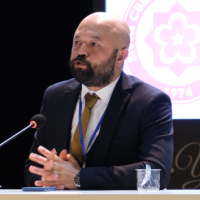
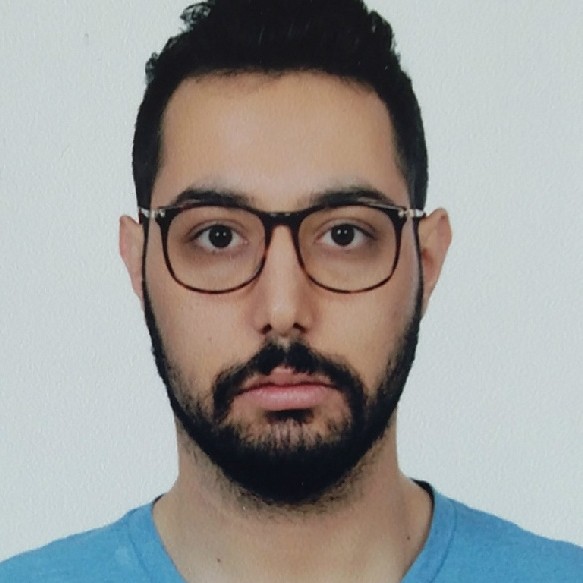
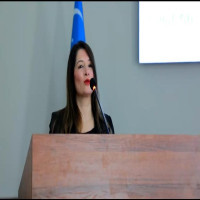
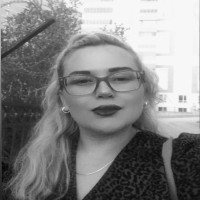
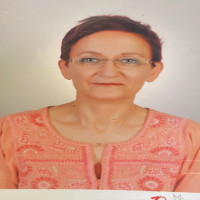
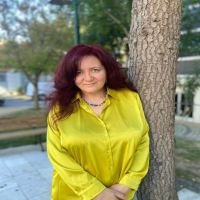
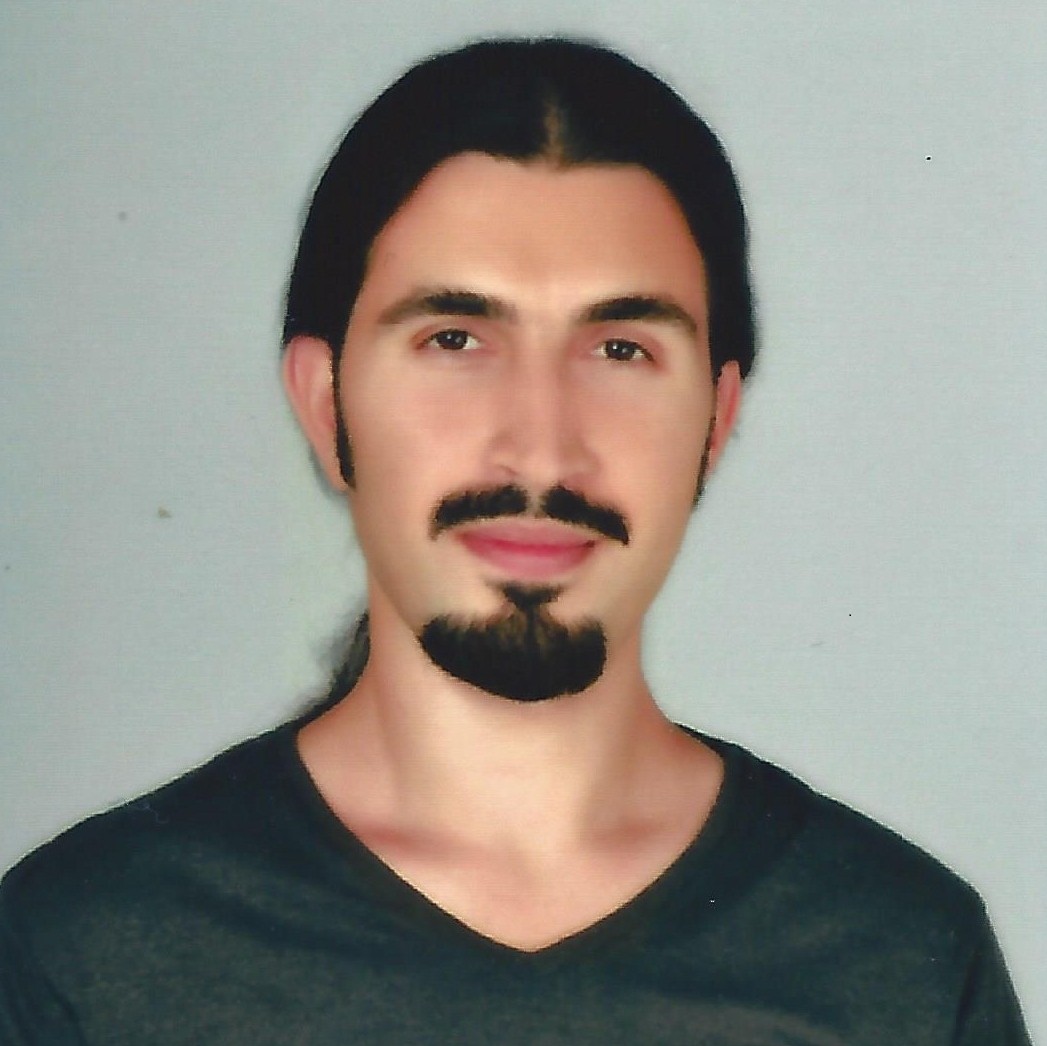
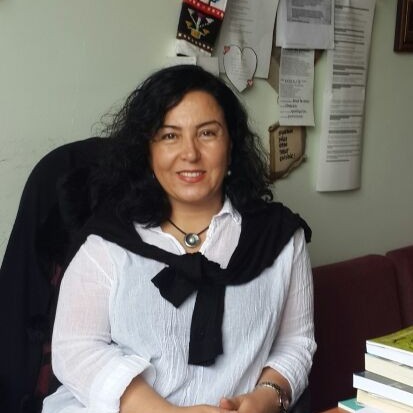
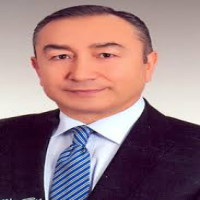
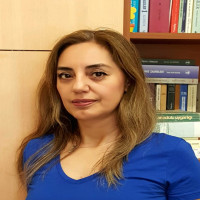
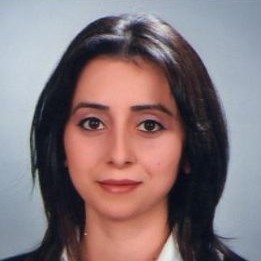
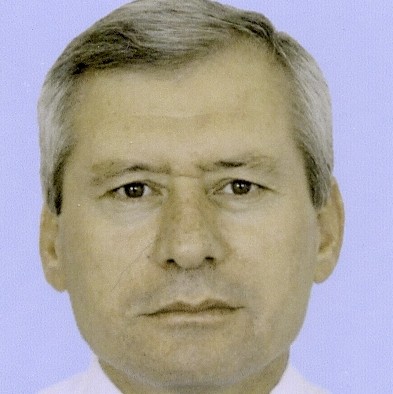
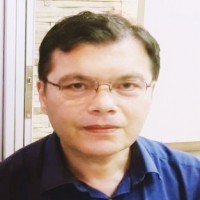
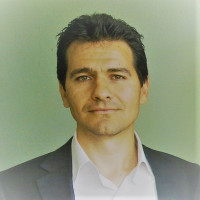
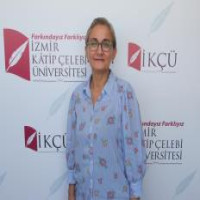
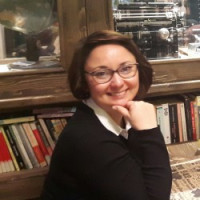
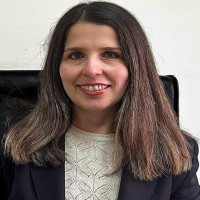
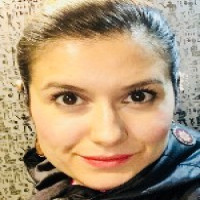
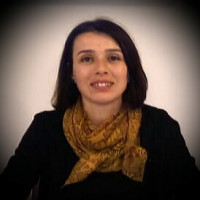
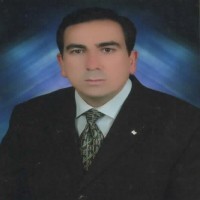
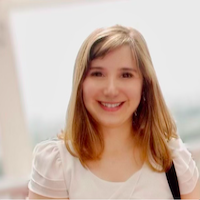
Assoc. Prof. Dr. Dolunay KUMLU graduated from the undergraduate program in Translation and Interpreting (English) at Hacettepe University in 2000. In 2001, she began her academic career as a Research Assistant in the Department of English Language Teaching at the Faculty of Education, Trakya University. She completed her master’s degree in the graduate program of the same department in 2005. After working as a Research Assistant at the Faculty of Education of Trakya University and as a Lecturer within the Rectorate, she was appointed in 2006 as an Instructor and became a founding faculty member of the Departments of Translation and Interpreting and Balkan Languages. In 2016, she earned the title of Doctor by completing the PhD Program in Translation Studies at Istanbul University. In 2023, she was appointed as a Doctor Faculty Member in the Department of Translation and Interpreting, English Translation and Interpreting Division, at the Faculty of Letters of Trakya University. Having received the title of Associate Professor in 2024, Dolunay KUMLU is currently continuing her academic work in the same academic unit and working as the Vice-Dean of the Faculty of Letters.
*
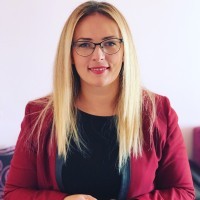
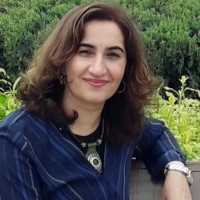
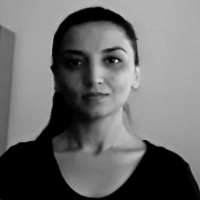
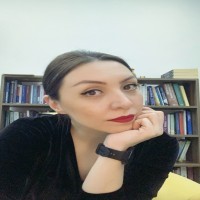
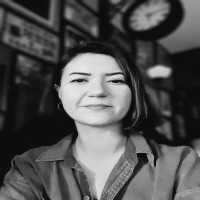
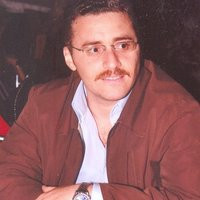
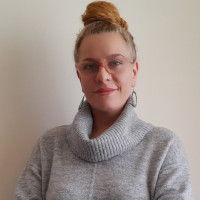
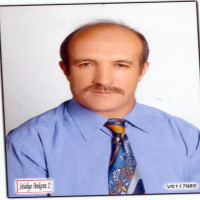
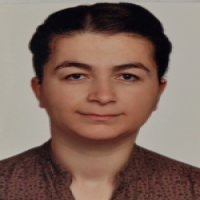
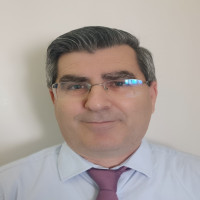
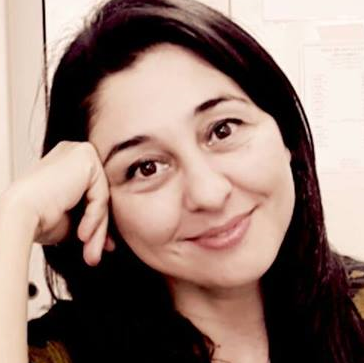
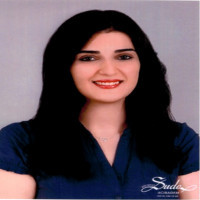
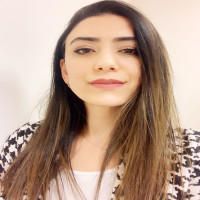
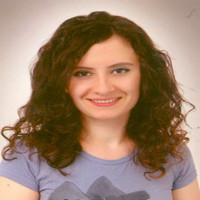
Dr. Öğr. Üyesi Hatice GENÇ was born on 9 November 1985 in Edirne. She completed her primary, secondary, and high school education in Edirne. She earned her bachelor’s degree in German Language and Literature from Sivas Cumhuriyet University between 2004 and 2009. She completed her master’s degree from 2010 to 2012 and her PhD from 2012 to 2017 at the Department of German Language and Literature at Atatürk University in Erzurum. Her master’s thesis focused on “Coming to Terms with the Past in Bernhard Schlink’s The Reader.” Her doctoral dissertation examined “The Phenomenon of Suicide in the Novels of Jean Améry.” Between 2011 and 2018, she worked as a research assistant in the Department of German Language and Literature at Sivas Cumhuriyet University. Since 2018, she has been working as a faculty member in the Department of German Language and Literature at Akdeniz University. Her research primarily focuses on twentieth-century German literature.
Web
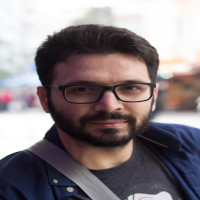
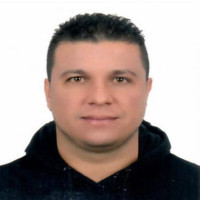
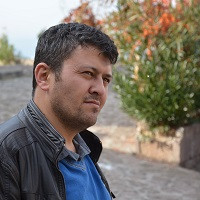
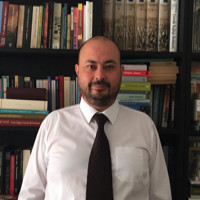
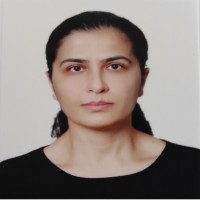
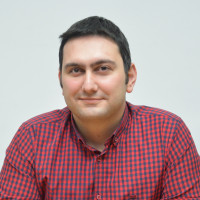
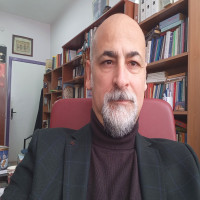
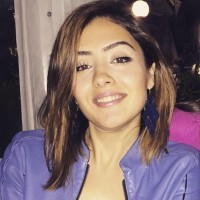
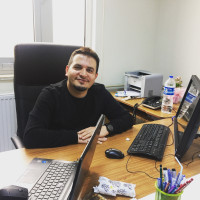
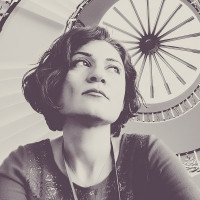
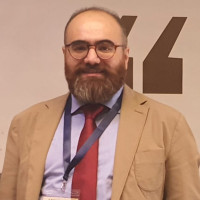
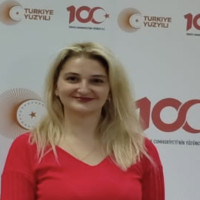
Onur Aydın teaches Russian as a foreign language and Russian literature at Anadolu University (Eskisehir, Turkey). He previously worked at Istanbul and Gazi Universities. Before embarking on his academic career, he worked in a variety of sectors including tourism, textile, automotive, cosmetics, and food. His interests in scholarship include the studies of Russian language, literature, and history. The topic of his master’s thesis is Teaching Russian as a foreign language via distance education and that of his doctoral thesis is Lev Gumilev’s theory of passionarity and a study on the theory in Russian literature: Peter I.
Doç. Dr. Türkân Yeşilyurt
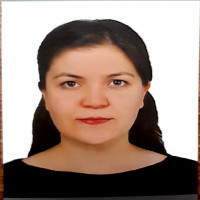
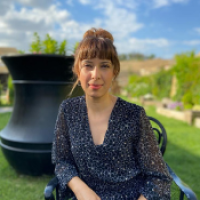
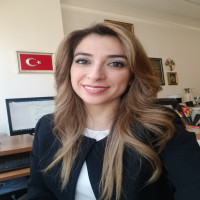
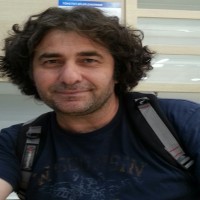
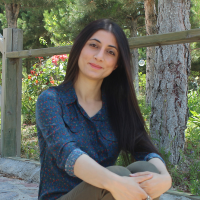
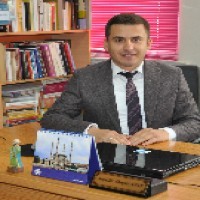
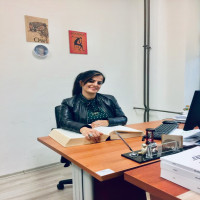
16 Mayıs 1967’de Samsun’da doğdu. İlkokul, ortaokul ve liseyi Samsun’da tamamladı. 1988’de Ankara Üniversitesi Ziraat Fakültesini bitirdi. 2005’te Bilkent Üniversitesi Türk Edebiyatı Merkezinde “Kadın Şairde Kadın: Şükûfe Nihal’in Şiirleri” adlı yüksek lisansını tamamladı. “Fazıl Hüsnü Dağlarca’nın Şiirlerindeki Temalar” adlı doktora teziyle 2010’da Ankara Üniversitesi Dil ve Tarih-Coğrafya Fakültesi Türk Dili ve Edebiyatı Bölümünden mezun oldu. 2011-2016 yılları arasında Tunceli Üniversitesi Edebiyat Fakültesi Türk Dili ve Edebiyatı Bölümünde öğretim üyesi olarak görev yaptı. Şu anda Sinop Üniversitesi Fen-Edebiyat Fakültesi Türk Dili ve Edebiyatı Bölümünde öğretim üyesi. Yoksun (1993), Dün Kendimin Önünden Geçtim (2005), Küçük Bir Ah (2013), Taşra Do (2016) adlı şiir kitapları ile Dağlarca: “Öyle Aydınlık, Öyle Uzun, Öyle Yepyeni” (2013), Nâzım Hikmet ve Yergi: “Ayağa Kalkın Efendiler” (2014), Hilmi Yavuz’un Şiirlerinde Geleneğin Yeniden Üretimi: “Güldeki Gömü Neyse” (2014), Halk Şiirinde Osmanlı Toprak Düzeninin İzleri (2015) adlı inceleme kitapları Komşu Yayınları yasakmeyve dizisinden çıktı. Ahmet Rasim’den yeni yazıya aktardığı Hanım (2017) adlı kitabını Siyasal Kitabevi yayımladı. Romandan Bakan Düşkün Kadınlar 2018’de, Şiirde Flanörlük 2024’te Efil Yayınevi tarafından basıldı. Yeşilyurt, 1990’dan bu yana çeşitli şiir, yazı ve söyleşileri ile başta Hürriyet-Gösteri, Karşı, Şiir Odası, Varlık ve Yasakmeyve olmak üzere birçok dergide görüldü.
2004 - ODTÜ, Yabancı Diller Eğitimi, İngilizce Öğretmenliği
2008 - ODTÜ, İngiliz Edebiyatı, Yüksek Lisans
2016 - ODTÜ, İngiliz Edebiyatı, Doktora
Web
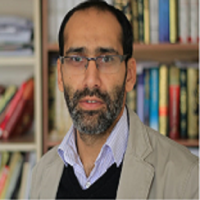
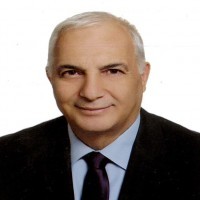
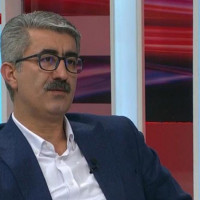
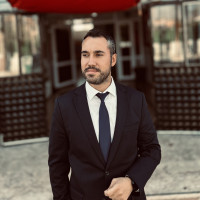
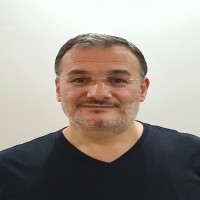
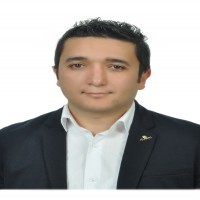
Dr. Yusuf Topaloğlu, graduated from Hatay / İskenderun Super High School Foreign Languages Department, completed his undergraduate education at Dicle University, his master's and doctoral studies at Çukurova University. In 2012, he started to work as a lecturer at Namık Kemal University School of Foreign Languages and taught Linguistics in the Department of French Language and Literature. In 2013, she visited Rouen University in France to conduct research on language learning and teaching. In 2014, he conducted a part of her doctoral research titled A Contrastive Analysis of the Subjective Tense in French and Turkish Based on the Analysis of Errors and Mistakes Made by Turkish Students at the University of Rouen in France with the support of TÜBİTAK. In 2014, he also visited Sophia Antipolis University in Nice, France and gave a lecture titled Une approche contrastive au subjonctif en français et en turc at the Base, Corpus, Langage (BCL) research laboratory. Supported by the Scientific Research Project Unit (BAP) of Tekirdağ Namık Kemal University, he completed her research on Multilingualism and Language Maintenance in Ovakent Uzbek Immigrants and Linguistic, Cultural and Socioeconomic Adaptation of Syrian Refugees: An Ethnographic Study Specific to Tekirdağ Province, and he has been assigned to many other projects in addition to these projects. On the other hand, he was the editor of The Migration Conference 2017- Selected Papers and The Migration Conference 2018 Book of Abstracts and Program published by Transnational Press London. From 2014 to 2022, he was the French Language Editor of HUMANITAS - International Journal of Social Sciences. He is currently Istanbul University-Cerrahpaşa HAYEF: Journal of Education. He is also the Area Editor of Dicle University Ziya Gökalp Faculty of Education Journal. He has conducted national and international research and written works in the categories of linguistics, language use science, contrastive linguistics, syntax, morphology, education, language acquisition, French, foreign language teaching and learning. Published in 2019, Foreignness in Language Learning and published in 2022, Syntax of French and Turkish: A Contrastive and Distributional Analysis published in 2022. He also edited the book Language, Culture and Literature Studies published in 2022. Since 2022, he has been working at Istanbul University-Cerrahpaşa, Hasan Ali Yücel Faculty of Education, Department of French Language Education. Topaloğlu, having numerous national and international conferences, scientific publications, projects, linguistic research and studies, continues his research in different fields such as linguistics, contrastive linguistics, language learning and teaching, migration and language.
Dr. Yusuf Topaloğlu, diplômé du département des langues étrangères du lycée Hatay / İskenderun Super, a terminé ses études de premier cycle à l'université de Dicle et ses études de master et de doctorat à l'université de Çukurova. En 2012, il a commencé à travailler comme maître de conférences à l'école des langues étrangères de l'université Namık Kemal et a enseigné la linguistique dans le département de langue et littérature françaises. En 2013, il s'est rendue à l'université de Rouen en France pour mener des recherches sur l'apprentissage et l'enseignement des langues. En 2014, il a effectué une partie de sa recherche doctorale intitulée A Contrastive Analysis of the Subjective Tense in French and Turkish Based on the Analysis of Errors and Mistakes Made by Turkish Students à l'université de Rouen en France avec le soutien de TÜBİTAK. En 2014, il a également visité l'Université Sophia Antipolis à Nice en France et a donné une conférence intitulée Une approche contrastive au subjonctif en français et en turc au laboratoire de recherche Base, Corpus, Langage (BCL). Son projet de recherche intitulé Multilinguisme et maintien de la langue chez les immigrants ouzbeks d'Ovakent et Adaptation linguistique, culturelle et socio-économique des réfugiés syriens, soutenu et achevé par l'unité de projet de recherche scientifique (BAP) de l'université Tekirdağ Namık Kemal : Une étude ethnographique spécifique à la province de Tekirdağ, et il a été affectée à de nombreux autres projets. D'autre part, il a été l'éditeur de The Migration Conference 2017- Selected Papers et de The Migration Conference 2018 Book of Abstracts and Programme publiés par Transnational Press London. De 2014 à 2022, il a été rédacteur en chef pour la langue française de HUMANITAS - International Journal of Social Sciences. Il travaille actuellement comme editeur à l'Université d'Istanbul-Cerrahpaşa HAYEF : Journal of Education. Il est également rédacteur en chef du journal de la faculté d'éducation de l'université de Dicle Ziya Gökalp. Il a mené des recherches nationales et internationales et écrit des ouvrages dans les catégories de la linguistique, de la science de l'utilisation des langues, de la linguistique contrastive, de la syntaxe, de la morphologie, de l'éducation, de l'acquisition des langues, du français, de l'enseignement et de l'apprentissage des langues étrangères. Publié en 2019, La xénité dans l'apprentissage des langues et publié en 2022, La syntaxe du français et du turc : une analyse contrastive et distributionnelle publié en 2022. Il a également dirigé le livre Études sur les langues, la culture et la littérature publié en 2022. Depuis 2022, il travaille à l'Université d'Istanbul-Cerrahpaşa, Faculté d'éducation Hasan Ali Yücel, Département de l'enseignement du français. Topaloğlu, ayant à son actif de nombreuses conférences nationales et internationales, publications scientifiques, projets, recherches et analyses linguistiques, poursuit ses recherches dans différents domaines tels que la linguistique, la linguistique contrastive, l'apprentissage et l'enseignement des langues, la migration et la langue.
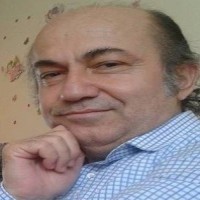
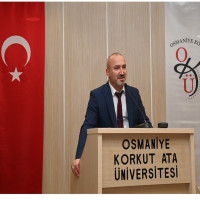
Atatürk Üniversitesi, Fen-Edebiyat Fakültesi, Türk Dili ve Edebiyatı
Bölümü’nden mezun oldu. 1989’da Kırşehir Merkez Kale Ortaokulu’na Türkçe Öğretmeni olarak
atandı. 1994’te Yüzüncü Yıl Üniversitesi, Eğitim Fakültesi, Türk Dili Ve Edebiyatı Bölümü’nde
Araştırma Görevlisi oldu. 2000’de, İstanbul Üniversitesi, Sosyal Bilimler Enstitüsü’nde “Türk
Edebiyatında Tarihî Romanlar” teziyle doktor ünvanını aldı. 2003’te Yardımcı Doçent; 2009’da
doçent; 2014’te profesör oldu. 2012’de Universty of Utah (Amerika); 2014’te Al-Farabi
Üniversitesi’nde (Kazakistan) misafir öğretim üyesi olarak görev yaptı. Üniversitede, Edebiyat
Fakültesi Dekanlığı, bölüm başkanlıkları, Sosyal Bilimler Enstitüsü, Başkale Meslek Yüksek Okulu,
Stratejik Araştırmalar müdürlüklerinin yanı sıra Van İl Kültür ve Turizm Müdürü olarak da görev
yapan Taştan, hâlen Türkçe Öğretim ve Uygulama Merkezi Müdürlüğü (TÖMER) görevini
yürütmektedir. Türkiye’de ve yurt dışında birçok ulusal ve uluslararası bilimsel toplantılara katılan;
müşterek kitapları, kitapta bölümleri, editörlükleri ve makaleleri bulunan Taştan’ın bazı telif kitapları
şunlardır: Recep Bilginer’in Tiyatroları (2009); Hüseyin Rahmi Gürpınar’ın Eserlerinde Mahalle
Hayatı (2014); Türk Romanında Fatih ve Fetih (2010); Şahsiyet ve Şaheserler Manzumesi Mehmet
Akif, İstiklal Marşı, Çanakkale Şehitlerine (2022); Edebiyat ve Hayat (2023).
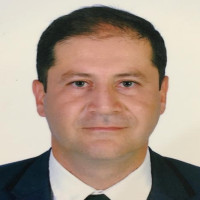
1 Ocak 1972’de Samsun-Çarşamba’da doğdu. İlk ve orta öğrenimini Çarşamba’da tamamladı. 1996’da Marmara Üniversitesi Atatürk Eğitim Fakültesi Türk Dili ve Edebiyatı Bölümünden mezun oldu. Aynı üniversitenin Türkiyat Araştırmaları Enstitüsü Eski Türk Edebiyatı Bilim Dalı’nda yüksek lisans (1999) ve doktorasını (2005) bitirdi. 1997-2011 yılları arasında Marmara Üniversitesi Fen-Edebiyat Fakültesi Türk Dili ve Edebiyatı Bölümünde araştırma görevlisi, 2011-2017 yılları arasında doçent (doçentlik tarihi: 27.01.2011) olarak görev yaptı. 18.09.2017 tarihinde profesör kadrosuna atandı. Hâlen İnsan ve Toplum Bilimleri Fakültesi Türk Dili ve Edebiyatı Bölümünde görevini sürdürmektedir.
Aims of our journal are to create a synergy among different disciplines, research methods and fields of interest by gathering various areas in the name of philology; to provide a dynamic platform for scientific studies in philology; to provide researchers convenient and unrestricted reach with open access policy.
Discours Journal of Philology covers the following fields: Linguistics, language philosophy, literature researches, literature theory, comparative literature, literary criticism, semiotics, narratology, folklore, translation studies, literature sociology and literary philosophy.
1. Title: The title should be consistent with the content. Only the first letter of the words should be capitalized. It should be 18 point, bold and centered.
2. Author name: All letters that make up the author’s first and last name must be written in capital lettters. It sholud be 12 point and bold and centered. Institutions and e-mail addresses of authors should be given in the footnote with a “*” sign.
3. Abstract: At the beginning of the verb, there should be a summary in Turkish and English consisting of at least 100 and at most 250 words expressing the short form. The papers should include "keywords" and "keywords" consisting of at least 5 words and no more than 8 words without spaces left.
4. Order: For A4 size, it should be typed in word program with "Palatino Linotype"/with 11 points and 1.2 lines. Paragraph head value should be 1 cm (except block quotes), no paragraph spacing should be left. A 2-inch margin should be left from the page edges (right, left, top and bottom). Parts that need to be emphasized in the text should be indicated in italic (not bold) or double quotes.
5. Chapter titles: All main headings are in capital letters and bold, the intermediate headings and subheadings are all bold and the first words should be written in capital letters.
6. Tables and figures: Numbers and titles for tables should be written. The figure numbers and names should be just below the figure.
7. Quotations: Direct quotes should be quoted. Quotations less than 4 lines should be quoted in the paragraph, quotes of 5 or more lines should be given in the form of independent paragraphs. Such blocks should have a space of 1,5 cm from the left and right of the citation, and should not be given a paragraph head and should be 10 pt size. The line spacing must also be 1,2 cm.
Footnotes should only be used for statements that cannot be made in the text, and the characters in this section should be arranged in 9 points.)
8. Reference: References in the text should be followed by the APA system.
References should be indicated in the form of single-letter publications (Kaplan, 1980, p. 56), in many written citations (Bloom et al., 2013, p. 35).
* If the name of the cited author is included in the text, only the publication year and page must be specified in the submission: Moretti (2004, p. 37).
* Internet sources should indicate the date of arrival of the resource. Addresses should also be given in the bibliography section. Sample: www.gunceyayinlari.com (Access 28.02.2016)
9. Sources: The bibliography should be arranged alphabetically according to the sournames of the authors at the end of the article. Sample: Tanpinar, Ahmet Hamdi (1988). Huzur. İstanbul: Dergah Publichouse.
* If the source has two manuscripts, the surname of the author who is first in the work is given first. Sample: Parlatir, İsmail and Nurullah Chetin (1996). Genç Kalemler Dergisi. Ankara: Akcag Publichouse.
* If the source has more than three articles, then the first author's information should be used and the abbreviation of the others should be used. Sample: Kaplan, Mehmet vd. (1983). Devrin Yazarlarının Kalemiyle Millî Mücadele. Ankara: Culture and Tourism Ministry.
* Large, independent work names, such as names of books and journals, should be in italics. Chapter of book, small, dependent work titles such as poetry should be written in normal but double quotes.
* If journal, encyclopedia material, book parts are used, page range information should be given at the welder.
* If it is, it must be translated, compiled, prepared, written on behalf of the editor and given after the knowledge of the work.
* If the same author has more than one work of the same date at the sources, it should be displayed as "a, b, c ...".
* If the thesis is used, the author's surname-name, the date the thesis was written, the title of the thesis with slanted characters, the type of thesis, the name of the city and the university. Sample: Yivli, Oktay (2005). Ahmet Muhip Dıranas’ın Şiiri. Unpublished Master’s Thesis. Eskisehir: Osmangazi University.
* Sources used on the Internet should include the author's surname-name, title, internet address, and access date.
Authors who have an independent book published by the relevant publishing house (excluding edited-joint books) due to the support given to the journal by Günce Publications pay the article transaction at a discount (3.000 TL). Before sending the article, the journal subscription fee must be sent to the account below, specifying the name and surname, and the receipt must be uploaded to the system.
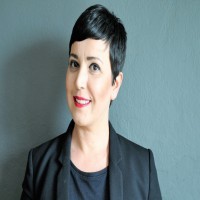
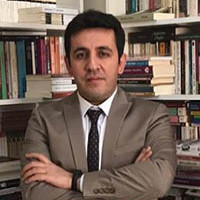
Gökhan Tunç, 2002 yılında Ankara Üniversitesi, Dil ve Tarih-Coğrafya Fakültesi Türk Dili ve Edebiyatı Bölümünde lisans; 2006 yılında, Bilkent Üniversitesi Türk Edebiyatı Bölümünde yüksek lisans eğitimini tamamladı. 2011 yılında hazırladığı “Millî Mücadele’nin Türk Romanına Yansıması” adlı teziyle Ankara Üniversitesi Sosyal Bilimler Enstitüsünden doktor unvanını aldı. Adam Öykü, Atatürk Üniversitesi Türkiyat Araştırmaları Enstitüsü Dergisi, Bilig, Edebiyat Otağı, Erdem, Folklor ve Edebiyat, Hece, Karadeniz Araştırmaları, Kardeş Kalemler, Kebikeç, Millî Folklor, Şehriyar, Tübar, Turkish Studies, Türk Edebiyatı, Uluslararası Sosyal Araştırmalar, Yeni Türk Edebiyatı Araştırmaları gibi dergilerde yazıları yayımlandı. 2011 yılında Kadim Yayınlarından Çağdaş Mesnevinin Peşinde: Nâzım Hikmet’in Ferhad ile Şirin’i ve Sezai Karakoç’un Leylâ ile Mecnun’u adlı kitabı; 2018 yılında Ötüken Yayınlarından Rüzgâra Karşı Duran Şair: Etkilenme Endişesi Kavramı ve Yahya Kemal’in Türk Şiirine Etkisi ve Hece Yayınlarından Kavramlar ve Kuramlarla Modern Türk Şiiri İncelemeleri adlı kitapları yayımlandı. Hüseyin Cahit Yalçın’ın eski harflerle yayımlanan Hayâl İçinde adlı romanını bir inceleme ile birlikte yeni harflere aktardı. Ayrıca İş Bankası Kültür Yayınlarından yayımlanan Asfalt Ovalarda Yürüyen Abdal: Behçet Necatigil adlı kitabı yayına hazırladı. Anadolu Üniversitesi tarafından yayımlanan Türk Klasikleri serisinin genel yayın yönetmenliğinde bulundu. Tunç, 2003 yılında Bilkent Üniversitesi, Türk Edebiyatı Bölümünden Melih Cevdet Anday Onur Ödülü’nü; 2011 yılında yayımlanan Çağdaş Mesnevînin Peşinde: Nâzım Hikmet’in Ferhad ile Şirin’i ve Sezai Karakoç’un Leylâ ile Mecnun’u adlı kitabıyla İLESAM tarafından yılın edebî tenkit ödülünü; 2021 yılında Şiir ve Bellek: Modern Türk Şiirinde Bellek Metaforları kitabıyla Söylem Filoloji ve Mehmet H. Doğan ödülünü aldı. Hâlen Anadolu Üniversitesi Edebiyat Fakültesi Türk Dili ve Edebiyatı Bölümünde öğretim üyeliği görevini sürdürmektedir.

This work is licensed under a Creative Commons Attribution-NonCommercial-NoDerivatives 4.0 International License.