Research Article
Issue Reviewers




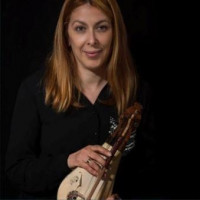
1973 yılında Ankara’da doğdu. İlk, orta ve lise tahsilini Ankara’da tamamladı. 1997 yılında Selçuk Üniversitesi Eğitim Fakültesi Güzel Sanatlar Eğitimi Bölümü Müzik Eğitimi Anabilim Dalı’nın açmış olduğu özel yetenek sınavlarına girdi ve başarılı oldu. 2001 yılında bu anabilim dalından derece ile mezun olduktan sonra Konya’nın Altınekin ilçesinde MEB’na bağlı bir ortaokula müzik öğretmeni olarak atandı. Aynı yıl mezun olduğu kurumda yüksek lisans eğitimine de başladı. Kısa süreli müzik öğretmenliği görevinden sonra 2001 yılı sonunda Selçuk Üniversitesi Sosyal Bilimler Enstitüsü bünyesinde açılan sınavı kazanarak Araştırma Görevlisi oldu. 2005 yılında yüksek lisans, 2012 yılında doktora eğitimlerini tamamladı.
Türk Halk Müziği ve Bağlama ile ilgili ulusal ve uluslararası çapta makaleler, kitaplar/kitap bölümleri, bildiriler yayımlamış olan araştırmacı hem eğitimci hem icracı yönüyle ülke çapında düzenlenen yarışmalara hazırladığı solist ve ekiplerle pek çok ödül de almıştır. Yerel ve ulusal kanallarda da halk müziği geleneği ve icrasıyla ilgili çeşitli programların yanında çeşitli ulusal ve uluslararası bilimsel toplantılara da konuşmacı olarak davet edilmiştir. 2014 yılında “Bağlama İçin Etüt, Egzersiz ve Eserler” adlı bir kitabı yayınlanmıştır. 2015 yılında Türk Halk Müziği alanında Doçent unvanı almıştır. 2021 yılında Türk Halk Müziği ve Bağlama Eğitimi alanlarındaki çalışmaları sonucunda Profesörlük kadrosuna atanmıştır. Ulusal çapta hazırladığı ve yoğun ilgi gören Yâre, Nasihat, Hasat, Turna, Yol gibi konserlerin yanında uluslararası alanda da ilgi gören Mozaik konser serisi başta olmak üzere birçok konser projesine imza atmış ve 2022 yılında Berlin Europe Projekt ile Mozaik-İpek Yolu Konserini gerçekleştirmiştir.
2021 yılında Aksaray Valiliği tarafından Yunus Emre Yılı vesilesiyle hazırlanan Yunus İçin Söyle(Gel Gör Beni Aşk Neyledi) adlı projenin müzik yönetmenliğini ve 2022 yılında Konya’da gerçekleştirilen 5. İslami Dayanışma Oyunları jenerik müziklerinin müzik yönetmenliğini yapmıştır.
Sayısız müzik eğitimcisi ve akademisyen yetiştiren Özdek, Hâlen Necmettin Erbakan Üniversitesi’ne bağlı Ahmet Keleşoğlu Eğitim Fakültesi’nde Güzel Sanatlar Eğitimi Bölümü Müzik Eğitimi Ana Bilim Dalı'nda görev yapmakta Türk Halk Müziği ve Bağlama ile ilgili lisans ve lisans üstü dersleri yürütmekte ve tez danışmanlığı yapmaktadır. Çalışmalarında Türk halk müziği, bağlama ve eğitimi, halk müziği çalgıları ve eğitimi, gibi konulara yer vermektedir.
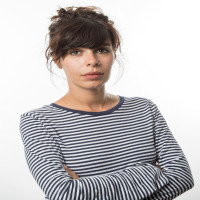


A. Ceren Asmaz (born in Ankara, 1987) completed her undergraduate and graduate education at Anadolu University Faculty of Fine Arts, Department of Glass (2010) and Institute of Fine Arts, Department of Glass Art (2013), respectively. In 2013, she was appointed as a Research Assistant at Uludağ University, Department of Ceramic and Glass Design, and between 2014 and 2018, she served at Dokuz Eylül University, Institute of Fine Arts, Department of Ceramic and Glass Design, during the Proficiency in Art program. She completed her Proficiency in Art program in 2018. Between 2018 and 2020, she worked as a faculty member and department chair at Cyprus Arkin University, Faculty of Arts, Department of Plastic Arts, and returned to Turkey at the end of 2020. In addition to various symposiums, biennials, and group exhibitions, she has three personal glass exhibitions titled "İnsanın kanadı;gayretidir," "Inner Monsters: Glass Edition," and "Arabesque"; three personal ceramic exhibitions titled "Recipe for Disaster," "Gopitholand: Circus," and "Hayatının ikinci bölümünee hoş geldin"; an illustration exhibition consisting of illustrations prepared for her poetry book "Two Rivers"; and a paper-based works exhibition titled "Allegory." She has three awards, two in sculpture and one in ceramics. Her works are included in the South Korea International Macsabal Museum, Stieglitz Academy Museum of Applied Arts, and many private collections. In 2021, she was awarded the title of Associate Professor and continues her workshop studies in Kayseri.
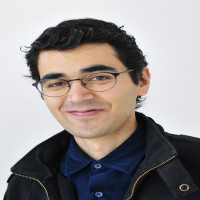



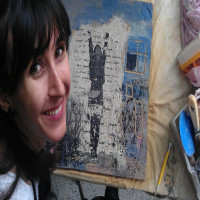
Born in 1987, the artist, Eda Uzun has acquired her Bachelor's from the Graphic Design department of Marmara University's Fine Arts Faculty in 2011, followed by an MA of Arts at Karadeniz Technical University's Fine Arts. Uzun has actively participated in various projects in advertising, design, and illustration through 2010-2016. She still continues her academic career at Trabzon University's Graphic Design department as a researcher and remains a member of Sufficiency in Arts Program. She also maintains her artistic productivity, working from her personal studio in Turkey.
Alan Editörü - Seramik ve Cam Tasarımı

1977 yılında Ankara’da doğdu. TED Ankara Koleji’nden 1995, Anadolu Üniversitesi Güzel Sanatlar Fakültesi Seramik Bölümü’nden 2000 yılında mezun oldu. Aynı üniversitenin Sosyal Bilimler Enstitüsü Seramik Anasanat dalında 2002 yılında yüksek lisans eğitimini Artistik Seramik Biçimlendirmede Doku başlıklı teziyle, 2012 yılında Güzel Sanatlar Enstitüsü Seramik Anasanat Dalı Sanatta Yeterlik Programını Seramik Sanatında Alternatif Bir İfade Aracı Olarak Atık Seramik Kullanımı başlıklı teziyle tamamladı.
Uzun yıllar seramik endüstrisinin önemli kuruluşlarında tasarımcı olarak çalıştı. 2007 yılından itibaren kariyerine akademisyen olarak devam etmeye karar verdi. Seramiklerini biçimlendirmede daha önce başka işlevleri olmuş; buluntu, yadigar, kırık, eski, satın alınmış ve çoğunlukla endüstri atıklarını kullandı. Atık seramikleri kullanarak biçimlendirdiği kavramsal ve politik içerikli eserleriyle yurt içinde ve yurt dışında pek çok etkinliğe katıldı, farklı müze, özel ve kamu koleksiyonlarına eserleri kabul edildi. Sekiz kişisel sergi açtı.
2019 yılında Sanat Kurumu Derneği Seramik/Cam Dalında Yılın Sanatçısı olarak seçilen Elif Aydoğdu Ağatekin; 2012 yılında 71. Devlet Resim ve Heykel Sergisi Seramik Yarışması’nda, Başarı Ödülü’nü, 2011 yılında ilki düzenlenen İstanbul Rotary Kulübü Sanat Yarışması’nda Başarı Ödülü’nü, 2010 yılında Gizem Frit Seramik Yarışması’nda 3’üncülük, 2010 yılında 11. Altın Testi Seramik Yarışması’nda 2’ncilik Ödülünü ve 2000 yılında 6. Altın Testi Seramik Yarışması’nda ise Mert Optik Özel Ödülü’nü kazandı. Seramik Sanatı Eğitimi Değişimi Derneği kurucu üyesi, Türk Seramik Derneği ve merkezi İsviçre-Cenevre’de bulunan Uluslararası Seramik Akademisi (IAC) üyesidir.
Halen Bilecik Şeyh Edebali Üniversitesi Güzel Sanatlar ve Tasarım Fakültesi Seramik ve Cam Tasarımı Bölümü’nde profesör olarak görev yapmaktadır.

Ferhat Özgür studied in the Department of Painting and Crafts at Ankara Gazi University, (Faculty of Education) from 1985 to 1989. After graduating he obtained concurrently a Master’s degree (1992) and a PhD degree in Art (1993) in the Faculty
of Fine Arts, (Painting Department), Hacettepe University, Ankara. Özgür was appointed to the same department in Hacettepe University as a Research Assistant in 1994 and later served as a full time professor until 2010, teaching “Painting Workshop”, “Drawing”, “Contemporary Art Problems”, “Experimental Art” and “Art Criticism”. He then moved to Istanbul where he worked initially as the Head of Department in the Multimedia Department at the Culture University (Kültür Üniversitesi). Then, as a full time professor, between 2013-2017 he taught both applied and theoretical lessons such as “Art Works Analyses”, “Drawing”, “Painting Workshop” and “Art Criticism” for Master and Phd students in the Department of Art
Management at Seven Hills University (Yeditepe Üniversitesi) in Istanbul where, again, he was the Head of Department. Since 2017 he has been teaching in Faculty of Art, Design and Architecture for the Master and PhD students. Alongside his artistic practice he has also published numerous articles, exhibition and book reviews in various periodicals and newspapers in Turkey, Özgür has written two books entitled “Contemporary Turkish Painters: Turan Erol” (published by Yapı Kredi, 1995, Turkish - English summary included) and “Documentary, Short Film and Video Art” (published by Doruk Yayıncılık, 2017, Turkish). He is a member of both AICA (Association Internationale des Critiques; Art) and the
boarding committee of the Cultural Policy Yearbook published by Laureate University (Bilgi Üniversitesi).

MEHTAP UYGUNGÖZ
Anadolu Üniversitesi Güzel Sanatlar Fakültesi, Öğretim Üyesi
muygungoz@anadolu.edu.tr mehtapuygungoz@gmail.com
1965 yılında Kars-Kağızman’da doğdu. İlk, orta ve lise eğitimini İstanbul’da tamamladı. 1986 yılında Marmara Üniversitesi Güzel Sanatlar Fakültesi Grafik Anasanat Dalı’ndan mezun oldu. Kaligrafiye olan sevgi ve eğitimini, aynı fakültenin bölüm akademisyenleri Prof. İlhami Turan, Prof. Halis Biçer, Prof. Selahattin Ganiz ve Dr. Öğr. Üyesi Niyazi Gündüz’den aldı. 1991 yılında Yüksek Lisansını, 1995 yılında Sanatta Yeterliğini Anadolu Üniversitesi Sosyal Bilimler Enstitüsü Grafik Anasanat Dalı’nda tamamlayarak 1996 yılında Yardımcı Doçentliğe (Dr. Öğr. Üyesi) atandı. 1987 yılından bu güne kadar, Latin Harfleriyle kaligrafik resimler yapan ilk kadın sanatçı olarak, sanatsal çalışmalarını halen devam ettirmekte ve Anadolu Üniversitesi Güzel Sanatlar Fakültesi Grafik Bölümü’nde “Tipografi ve Kaligrafi” derslerini yürütmektedir.
Resmin Kaligrafisi (Eskişehir-2021) Kişisel Sergi; Kaligrafi (İstanbul-2021) Kişisel Sergi; 7th World Conference on Women’s Studies (WCWS 2021) Kişisel Sergi (Azerbaycan-2020); “Bosna Hersek Sanatçılar Derneği” (Bosna-Hersek Saraybosna-2019); “3 Calligraphers” (Bodrum-Dibeklihan-2019); “7Artist, 1Exhibition,7 Expression” (Belgrad-Sırbistan-2018); “10. Uluslararası Anadolu Kaligrafi ve Tipografi Etkinliği” (Eskişehir-2018); “Harflerle Yolculuk” Kişisel Sergi (Eskişehir-2017); “Uluslararası Kaligrafist 2017” (İstanbul-2017); “Artistic Expressions,” (Makedonya2017); “Koleksiyondaki Kadın Sanatçılar Sergisi” (Eskişehir-2017); “Expo2016-Antalya” (Antalya-2016); “Slovenian & Turkey Art” (Slovenya-Kranj-2015);
kaligrafi eserleriyle son yıllarda katıldığı etkinliklerden bazılarıdır.
MEHTAP UYGUNGÖZ
Anadolu University Faculty of Fine Arts, Teaching Staff
muygungoz@anadolu.edu.tr mehtapuygungoz@gmail.com
He was born in 1965 in Kars-Kağızman. He completed his primary, secondary and high school education in Istanbul. He graduated from Marmara University, Faculty of Fine Arts, Graphics Department in 1986. His love for calligraphy and his education are explained by the academicians of the same faculty, Prof. İlhami Turan, Prof. Halis Bicer, Prof. Selahattin Ganiz and Dr. Instructor She got it from its member Niyazi Gündüz. He completed his master's degree in 1991 and his proficiency in art in Anadolu University Social Sciences Institute Graphics Department in 1995 and was appointed as Assistant Professor (Dr. Lecturer) in 1996. As the first female artist to make calligraphic paintings with Latin Letters since 1987, she still continues her artistic studies and teaches "Typography and Calligraphy" at Anadolu University Faculty of Fine Arts Graphics Department.
Calligraphy of Art (Eskişehir-2022) Solo Exhibition; Calligraphy (İstanbul-2021) Solo Exhibition; 7th World Conference on Women's Studies (WCWS 2021) Solo Exhibition (Azerbaijan-2020); “Bosnia and Herzegovina Artists Association” (Bosnia-Herzegovina Sarajevo-2019); “3 Calligraphers” (Bodrum-Dibeklihan-2019); “7Artist, 1Exhibition,7 Expression” (Belgrade-Serbia-2018); “10. International Anatolian Calligraphy and Typography Event” (Eskişehir-2018); “Journey with Letters” Solo Exhibition (Eskişehir-2017); “International Calligrapher 2017” (Istanbul-2017); “Artistic Expressions,” (Macedonia2017); “Women Artists in the Collection Exhibition” (Eskişehir-2017); “Expo2016-Antalya” (Antalya-2016); “Slovenian & Turkey Art” (Slovenia-Kranj-2015);
are some of the events she has participated in in recent years with her calligraphy works.

2015-2016 Öğretim yılında TÜBİTAK bursu ile New York'ta New Media Art and Hybrid Structures (Yeni Medya Sanatı ve Hibrit Yapılaşmalar) konulu araştırmasını yürütmüştür. Onbiri kişisel olmak üzere çok sayıda ulusal ve uluslararası sanat etkinliğinde yer alan sanatçının, 1995’den bu yana birçok önemli yayın organında yüze yakın makale ve incelemesi yayımlanmıştır.
Ulusal ve uluslararası kongre ve sempozyumlara bildirileri ve eserleriyle katılan ve konferanslar veren Rıfat Şahiner'in Sanatta Postmodern Kırılmalar ya da Modernin Yapıbozumu (Yeni İnsan, 2008- Ütopya, 2013), Çağdaş Sanatta Temsiliyet Krizi (Ütopya, 2015) ve Kültür İmleri (Masa, 2015) adlı üç kitabı yayımlanmıştır. Şahiner, postmodernizm ve postyapısalcılık üzerine önemli birçok metnin çözümlemelerine ve kendi incelemelerine de yer verdiği Çağdaş Sanatta Postmodernizm, Neo-Avangardizm ve Sinizm (Ütopya, 2020) ve Sanatta Post-Nesne ve Post-İnsan (Ütopya, 2020) adlı kitapların editörlüğünü yapmıştır.
2000-2002 yılları arasında UNESCO AIAP Uluslararası Plastik Sanatlar Derneği Ankara Şubesi II. Başkanlığı ve Yönetim Kurulu üyeliğini, “Müphem Haller (2010) ve Kelimeler ve Şeyler (2013) başlıklı iki etkinliğin küratörlüğünü üstlenmiştir.
Uluslararası Estetik Derneği (IAA/ International Association of Aesthetics) ve Uluslararası Eleştirmenler Derneği (AICA) üyesi olan Şahiner, halen Yıldız Teknik Üniversitesi Sanat ve Tasarım Fakültesi Sanat Bölümü’nde öğretim üyesi olarak çalışmalarına devam etmektedir.

Aim & Scope
The Journal of Sanat Yazıları aims to share the academic contributions, theoretical knowledge, and expertise of artists and scholars with a wide range of audience, and to serve as a platform for academic studies in the field of art, which creates a resource facilitating the transfer of knowledge and experience to future generations, and ensure the enrichment of the intellectual foundations of art, which is seen as a prerequisite for making art more productive.
By offering a multifaceted perspective on the field of art, the Journal of Sanat Yazıları makes significant contributions not only to academia but also to the cultural and artistic landscape of our country, as it features diverse original research articles, case studies, and review articles that encompass various disciplines such as architecture, painting, sculpture, ceramics, graphic design, and music on topics like traditional art, interdisciplinary art, and contemporary art, providing a platform for a wide range of research, ideas, and syntheses.
Release Months: May, November
Author Guidelines
Click for the Sanat Yazıları Article Template
(Articles should be uploaded to the system in two copies, one named and one unnamed)
If the Article Writing Rules and the template are not obeyed, the article will be rejected by the Editorial Board.
Click for the Sanat Yazıları Publishing Principles and Article Writing Rules.
Ethical Principles and Publication Policy
PUBLICATION PRINCIPLES
Sanat Yazıları is published twice a year (in May and November) by Hacettepe University Faculty of Fine Arts. The publication languages are Turkish and English.
Sanat Yazıları is a peer-reviewed publication. Articles proposed for publication in Sanat Yazıları undergo a preliminary evaluation by the Editorial Board, then, are evaluated by two referees who are experts in the subject and are published if both referees give a positive report. If one referee gives a positive report and the other a negative one, the article is evaluated by a third referee.
Articles submitted to Sanat Yazıları must not have been published anywhere before.
Articles not complying with the Publication Principles and Article Writing Rules will not be considered for review.
Authors' Ethical Responsibilities
Author(s) who submit a work to Sanat Yazıları are expected to comply with the following ethical responsibilities:
• Authors are expected to ensure that their submitted works are original. If authors utilize or reference other works, they must provide complete and accurate citations and/or quotations.
• Individuals who do not contribute intellectually to the content of the work should not be listed as authors.
• Any potential conflicts of interest or relationships that may constitute conflicts must be disclosed for all works submitted for publication.
• Authors may be asked to provide raw data related to their articles as part of the evaluation process, and, in such cases, the authors must be prepared to present the requested data and information to the editorial board and scientific committee.
• If authors detect any errors or mistakes in their published or under-reviewed work, they are obliged to inform the journal editor or publisher and cooperate with the editor to correct or retract the study.
• Authors cannot have their studies in the application process of more than one journal at the same time. Each submission must follow the completion of the previous one. A work already published in another journal cannot be submitted to Sanat Yazıları.
• Changes to author responsibilities (such as adding or removing authors or changing the order of authors) cannot be proposed for work already under review.
• The author(s) must have a document showing that they have the rights to use the data employed in their work, have obtained the necessary permissions for their research/analyses, and consent obtained from subjects involved in experiments.
Ethical Duties and Responsibilities of Editors
Editors and field editors of Sanat Yazıları must follow the ethical duties and responsibilities outlined in the "COPE Code of Conduct and Best Practice Guidelines for Journal Editors" and "COPE Best Practice Guidelines for Journal Editors," published for open access by the Committee on Publication Ethics (COPE):
General Duties and Responsibilities
Editors are responsible for every publication in Sanat Yazıları. In the context of this responsibility, the editor has the following roles and responsibilities:
• Striving to meet the informational needs of readers and authors,
• Continuously working to improve the journal,
• Managing processes to enhance the quality of the works published in the journal,
• Supporting freedom of thought,
• Ensuring academic integrity,
• Maintaining work processes without compromising intellectual property rights and ethical standards,
• Showing openness and transparency regarding corrections and clarifications when necessary.
Relations with Readers
The editor must make decisions by considering the knowledge, skills, and experience expectations of all readers, researchers, and practitioners. The editor must ensure that published works contribute to readers, researchers, practitioners, and scientific/artistic literature, ensuring and are original. Additionally, the editor is responsible for considering feedback from readers, researchers, and practitioners and providing explanatory and informative responses.
Relations with Authors
The editor's duties and responsibilities toward authors are as follows:
• The editor must continuously update publication and writing guidelines, including sample templates, to clarify expectations for authors.
• Decisions of the editor regarding acceptance or rejection should be based on the importance, originality, validity, clarity of expression, and alignment of the work with the journal's aims and objectives.
• The studies that fall within the scope of the journal should be taken to the preliminary evaluation stage unless they have serious problems.
• Unless there is a significant issue with the work, the editor should not disregard positive referee suggestions.
• New editors should not change the decisions made by previous editor(s) regarding the studies unless there are serious problems.
• The "Double-Blind Peer Review and Evaluation Process" must be published, and editors should prevent deviations from the defined processes.
• Authors must be provided with explanatory and informative notifications and feedback.
Relations with Reviewers
The editor's duties and responsibilities toward reviewers are as follows:
• The editor should select reviewers following the subject of the study.
• The editor should provide reviewers with the necessary information and guidance for the evaluation process.
• The editor should ensure that there are no conflicts of interest between authors and reviewers.
• The editor should maintain the confidentiality of reviewers' identities in the context of double-blind peer review.
• The editor should encourage reviewers to evaluate works impartially, scientifically, and objectively.
• The editor should assess reviewers based on criteria such as timely responses and performance.
• The editor should develop practices and policies to enhance reviewers' performance.
• The editor should take the necessary steps to dynamically update the reviewer pool.
• The editor should prevent discourteous or unscientific evaluations.
• The editor should take steps to ensure the reviewer pool is diverse.
Relations with the Editorial Board
The editor must ensure that all editorial board members follow the processes in compliance with the publication policies and guidelines.
Editors should inform board members about publication policies and keep them updated on developments. They must also educate new board members about publication policies and provide them with the necessary information they need.
Additionally, the editor should:
• Ensure that editorial board members evaluate the work impartially and independently.
• Select new editorial board members capable of contributing and meeting necessary qualifications.
• Maintain regular interaction with the editorial board.
• Organize meetings with the editorial board at regular intervals to discuss publication policies and the development of the journal.
Editorial and Peer-Review Processes
The editor is responsible for implementing the "Double-Blind Peer Review and Evaluation Process" policies outlined in the journal's publication policies. In this context, the editor ensures that the evaluation process for each work is conducted fairly, impartially, and on time.
Quality Assurance
The editor is accountable for ensuring that every article published in the journal adheres to the journal's publication policies and international standards.
Protection of Personal Data
The editor is responsible for protecting the personal data of subjects or visuals included in the evaluated works. Additionally, the editor must safeguard the personal data of authors, reviewers, and readers.
Incentive to Ethics Committees
Editors are obliged to ensure the protection of human and animal rights in the works under evaluation. In cases where there are no permissions such as ethics committee approval or international evaluation board regarding the subjects used in the studies, the editor is responsible for rejecting such works.
Preventing Misconduct and Abuse of Authority
The editor is responsible for taking measures against potential misconduct and abuse of authority. This includes conducting a meticulous and objective investigation into complaints and ensuring findings related to such issues are appropriately addressed and shared.
Ensuring Academic Publication Integrity
The editor must ensure the prompt correction of errors, inconsistencies, or misleading statements identified in the works.
Protection of Intellectual Property Rights
The editor is responsible for protecting the intellectual property rights of all published articles and defending the rights of the journal and the author(s) in the event of possible violations. Additionally, the editor must take the necessary precautions to ensure that the content of all published articles does not infringe upon the intellectual property rights of other publications.
Constructiveness and Openness to Discussion
The editor should take persuasive criticisms of works published in the journal into account and adopt a constructive attitude toward such feedback.
The editor should allow the authors of criticized works the right to respond.
Works with negative results should not be ignored or excluded.
Handling Complaints
The editor is responsible for carefully reviewing complaints from authors, reviewers, or readers and providing enlightening and explanatory responses.
Conflict of Interest
The editor must consider potential conflicts of interest among authors, reviewers, and other editors, ensuring that the publication process is conducted independently and impartially.
Ethical Responsibilities of Reviewers
The evaluation of all submissions through "Double-Blind Peer Review" directly impacts publication quality. This process ensures trust through the objective and independent assessment of the submissions. The review process in Sanat Yazıları is conducted based on the double-blind peer review principle. Referees cannot directly contact authors; evaluations and comments are communicated through the journal's management system. Reviewer comments on evaluation forms and full texts are conveyed to the author(s) by the editor. In this context, reviewers evaluating works for Sanat Yazıları are expected to adhere to the following ethical responsibilities:
• Only accept works for evaluation that fall within their area of expertise.
• Conduct evaluations with impartiality and confidentiality.
• If a conflict of interest arises during the evaluation process, they must decline to review the work and inform the journal editor.
• As part of the confidentiality principle, reviewers must destroy the works they have reviewed after the evaluation process. They may only use the final published versions of the works after they are published.
• Evaluate works objectively, focusing solely on their content. Reviewers must not allow nationality, gender, religious beliefs, political views, or commercial concerns to influence their evaluations.
• Provide feedback in a constructive and respectful tone. Hostile, defamatory, or derogatory personal remarks must be avoided.
• Complete the evaluation of the accepted work on time while adhering to the ethical responsibilities outlined above.
Publisher
Sanat Yazıları is published by Hacettepe University. The publisher's ethical responsibilities are as follows:
The publisher acknowledges that decisions regarding article publication and the peer-review process are the responsibility of the editor.
If You Encounter Unethical Behavior
If you encounter any unethical behavior or content not in line with the ethical responsibilities mentioned above in Sanat Yazıları, please report it via email to sanatyazilaridergisi@gmail.com.
Post-Acceptance Process
Works accepted following the evaluation process in Sanat Yazıları undergo the following stages: plagiarism check, bibliography formatting, verification of citations and references, layout and typesetting.
Sanat Yazıları does not charge any article processing fee (evaluation fee or printing fee) or subscription fee for accessing articles, so it does not have any source of income. However, certain financial responsibilities related to the following items are the responsibility of the author(s) for accepted works:
Plagiarism Check
As part of its publishing ethics, Sanat Yazıları mandates that every work that has undergone the "Double-Blind Peer Review Process" be subjected to plagiarism screening to ensure its integrity.
• The plagiarism check is conducted using iThenticate software.
• Matches identified in the report are carefully reviewed, and proper citations and references are excluded from the results.
• The remaining matches are analyzed to identify errors, which are then compiled into a report for the editorial board.
• Based on the plagiarism report, the editorial board makes the final decision regarding the work. Authors may be asked to correct the errors noted in the report or the work may be returned to the authors
Reference, Citation, and Attribution Review
Research builds upon prior studies. In studies conducted, references and citations are made to previously conducted studies within the framework of certain rules, and sources are shown. Errors, whether intentional or unintentional, undermine the reliability of both the research and the publication.
As part of its publication ethics, Sanat Yazıları considers accurate and complete citations and references mandatory for all works accepted after evaluation. After acceptance, each work undergoes a bibliography, reference, and citation check conducted by the editorial board. The financial responsibility for this review lies with the author(s).
The review of bibliography, reference and citation for accepted works is conducted through the following steps:
• Bibliography is formatted according to the Sanat Yazıları Journal Publishing Principles and Article Writing Guidelines. In exceptional cases, references are adjusted parallel to the procedures and principles outlined in the 6th Edition of APA Citation Rules.
• It is checked whether the in-text references of each citation in the bibliography are given according to the procedures and principles, and errors are corrected as needed.
• Citations within the text are cross-checked with references. Missing citations are requested from the authors, and incorrect ones are corrected.
Price Policy
Hiçbir ad altında yazar veya kurumundan ücret alınmaz.


Journal Boards
İmtiyaz Sahibi
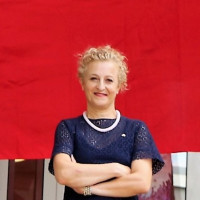
Prof. Dr. Nadire Şule Atılgan
Dekan Hacettepe Üniversitesi Güzel Sanatlar Fakültesi
Öğrenim bilgileri:
Gazi Üniversitesi Tıp Fakültesi, ODTÜ Mimarlık Fakültesi, Endüstri Ürünleri Tasarımı, Yüksek Lisans ve Doktora Hacettepe Üniversitesi Sosyal Bilimler Enstitüsü (2007).
Profesyonel çalışmalar: Ürün tasarımcısı ODTÜ-BİLTİR Merkezi (Savunma, Otomotiv, Sağlık ve Gıda, sanayi, TOFAŞ, Ülker gibi firmalar için tüketici ürünleri)i Freelance olarak Buharlı ütüleme ve Diş hekimliği malzemeleri gerçekleştirmiştir. İlk edutainment projeleri için dijital mekân tasarımları, bilimsel illüstrasyonlara dayalı animasyonlar TÜBİTAK Dergisi ve METEKSAN SİSTEM için tasarlamış ve uygulamıştır. Gıda ürünlerinden, medikal, buharlı sistemlere kadar birçok tüketici ve tıbbi ürünün endüstriyel tasarımını, ürün grafiklerini ve ambalaj tasarımlarını gerçekleştirmiştir. ODTÜ-BİLTİR Merkezi tarafından 2000 yılından itibaren gerçekleştirilmekte olan SAVTEK Savunma Teknolojileri Kongreleri görsel kimliğini oluşturmuştur.
Akademik kariyer: ODTÜ’-BİLTİR MERKEZİ, Başkent Üniversitesi Görsel İletişim Tasarımı Bölümü, Gazi Üniversitesi Güzel sanatlar Fakültesi Endüstri Ürünleri Tasarımı Bölümü (Kurucu, Yardımcı Doçent ve Doçent- 2007) Gazi Üniversitesi Mimarlık Fakültesi Endüstri Ürünleri Tasarımı Bölümü (Kurucu- Bölüm Başkanı-2012). Hacettepe Üniversitesi GSF Grafik Bölümü, Dijital Oyun Alanı Doçent (2015 ) ve Profesör (2017). Hacettepe Üniversitesi GSF Grafik Bölüm ve Ana Sanat Dalı Başkanı olarak iki kez seçilmiş ve atanmıştır (2019 - ..) Hacettepe Üniversitesi GSF Dekanlık (9.10.2020-) görevi ile katkıda bulunmaya devam etmektedir. Atılgan, aynı bölümde Canlandırma Araştırmaları Laboratuvarı’nı kurmuştur. Son olarak 2023 yılı itibariyle Fakültenin 40. yılında yepyeni bir bölüm olan Dijital Oyun tasarımı Bölümünü kurucusudur ve halen Hacettepe Üniversitesi Güzel Sanatlar Fakültesi Dekanlık görevini yürütmektedir.
Çalışma alanları içerisinde Dijital Oyun Tasarımı, Endüstriyel Ürün Tasarımı, Oyuncak Tasarımı, 3 boyutlu dijital baskı ve seramik ve cam altı sanatı bulunmaktadır. Alanında ödül, akademik çalışmaları ve yayınlarının yanı sıra yurtiçi ve yurtdışında kişisel ve jürili sergilerde sanat ve tasarım çalışmaları ve halen tüketici pazarında yer alan uygulanmış ürünleri bulunmakta, disiplinler arası çalışmalara özellikle Tıp ve oyunlaştırma alanları yanı sıra markalama alanlarında projelere öncelik vermektedir.
Editör
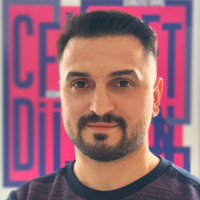
Fatih KURTCU 1984 yılında doğdu. Hacettepe Üniversitesi Güzel Sanatlar Fakültesi Grafik Bölümü’nde Doçent olarak görev yapmaktadır. Lisans eğitimini 2007 yılında Hacettepe Üniversitesi’nde tamamladı. Yüksek lisansını Hacettepe Üniversitesi Sosyal Bilimler Enstitüsü Grafik Anabilim Dalı’nda 2011 yılında tamamladı. Üçü yurtdışı olmak üzere altı kişisel sergisi bulunmaktadır. Yurtiçi ve yurtdışında çeşitli davetli, karma sergi ve projelerde yer aldı. 2016 yılında Hacettepe Üniversitesi Güzel Sanatlar Fakültesi Grafik Bölümü’nde “Üç Boyutlu Kinetik Tipografi” başlıklı teziyle doktorasını tamamladı. Anadolu Üniversitesi Açıköğretim Fakültesi Görsel İletişim Bölümü için editörlüğünü yaptığı iki adet tipografi ve hareketli grafik kitabı bulunmaktadır. Çok sayıda makale, bildiri ve kitap bölümü bulunmaktadır. Özellikle tipografi tasarımı, font tasarımı, kinetik tipografi, afiş tasarımı üzerine çalışmalarını sürdürmekte ve üniversitede tipografi, temel grafik, kinetik tipografi dersleri vermeye devam etmektedir.
Doçent, Hacettepe Üniversitesi Güzel Sanatlar Fakültesi Grafik Bölümü
Yayın Kurulu


1997 yılında Isparta’nın Eğirdir ilçesinde doğdu. İlk ve orta öğrenimini Eğirdir’de, lise öğrenimini ise Isparta’da tamamladı. 2015-2016 yılları arasında Mersin Üniversitesi Otomotiv Mühendisliği bölümünde öğrenim görüp, 2016 yılında Süleyman Demirel Üniversitesi Güzel Sanatlar Fakültesi Grafik Tasarım bölümünde öğrenim görmeye hak kazanması sebebiyle, 4 üzerinden 3.4 not ortalaması ile ilişiğini kesti. Grafik Tasarım bölümündeki öğrenim hayatı boyunca, 2. sınıftan itibaren birçok farklı firma ve kişiden serbest iş alarak çalışmalarda bulundu. 3. sınıfın güz döneminde Erasmus öğrenci değişim programı ile Finlandiya’da Lapland Üniversitesi’nde 1 dönem öğrenim görmeye hak kazandı. Finlandiya’daki öğrenim süreci boyunca; Yön Bulma Tasarımı, Servis Tasarımı, Serigrafi Çalıştayı, Kaligrafi Çalıştayı, Doğa Fotoğrafçılığı, Doğa ile İç İçe Tasarım gibi birçok farklı derste öğrenim gördü. Ayrıca, Finlandiya’daki öğrenim süreci bitmeden önce “Adaptation Charting” isimli dersinin sergisinde çalışmalarını sergilemeye hak kazandı. Finlandiya’dan döndükten sonra Süleyman Demirel Üniversitesi’ndeki eğitimini sürdürüp, 2020 yılının Haziran ayında 4 üzerinden 3.87 not ortalaması ile mezun oldu. Aynı yıl içinde Studio Ayazata adı altında oluşturdukları bir ekip ile oyun geliştirme çalışmalarına başlarken, Hacettepe Üniversitesi Grafik Bölümü Yüksek Lisans programına katılmaya hak kazandı. Yüksek Lisans döneminde bir yandan sanat yönetmenliğini yaptığı bilgisayar oyunu projesini geliştirirken, Dr. Öğr. Üyesi Seza SOYLUÇİÇEK VURGUN'un danışmanlığında “Bilgisayar Oyunları Konsept Sanatında Kurgu ve Grafik Tasarım; Bir Konsept Sanatı Kitapçığı Uygulaması” başlıklı tez çalışmasını gerçekleştirerek, 2022 yılında Hacettepe Üniversitesi Grafik Yüksek Lisans programından mezun oldu. Aynı yıl içinde Hacettepe Üniversitesi Güzel Sanatlar Enstitüsü Grafik Anasanat Dalı Sanatta Yeterlilik programına katılmaya hak kazandı. Sanatta Yeterlilik programındaki süreci devam ederken 2023 yılında Hacettepe Üniversitesi Güzel Sanatlar Fakültesi Grafik Bölümü'nde Araştırma Görevlisi olarak görev yapmaya hak kazandı. Şu anda Araştırma Görevlisi olarak görev yaparken akademik faaliyetlerine devam etmekte ve Fantastik Kurgu, Bilgisayar Oyunları, İllüstrasyon ve Görsel Sembolizm alanlarında kendini özelleştirmek üzere çalışmalarda bulunmaktadır.
Advisory Board Member - Yedi Journal


Fatih KURTCU 1984 yılında doğdu. Hacettepe Üniversitesi Güzel Sanatlar Fakültesi Grafik Bölümü’nde Doçent olarak görev yapmaktadır. Lisans eğitimini 2007 yılında Hacettepe Üniversitesi’nde tamamladı. Yüksek lisansını Hacettepe Üniversitesi Sosyal Bilimler Enstitüsü Grafik Anabilim Dalı’nda 2011 yılında tamamladı. Üçü yurtdışı olmak üzere altı kişisel sergisi bulunmaktadır. Yurtiçi ve yurtdışında çeşitli davetli, karma sergi ve projelerde yer aldı. 2016 yılında Hacettepe Üniversitesi Güzel Sanatlar Fakültesi Grafik Bölümü’nde “Üç Boyutlu Kinetik Tipografi” başlıklı teziyle doktorasını tamamladı. Anadolu Üniversitesi Açıköğretim Fakültesi Görsel İletişim Bölümü için editörlüğünü yaptığı iki adet tipografi ve hareketli grafik kitabı bulunmaktadır. Çok sayıda makale, bildiri ve kitap bölümü bulunmaktadır. Özellikle tipografi tasarımı, font tasarımı, kinetik tipografi, afiş tasarımı üzerine çalışmalarını sürdürmekte ve üniversitede tipografi, temel grafik, kinetik tipografi dersleri vermeye devam etmektedir.
Doçent, Hacettepe Üniversitesi Güzel Sanatlar Fakültesi Grafik Bölümü

2013 yılında Hacettepe Üniversitesi Güzel Sanatlar Fakültesi Seramik ve Cam Bölümü’nde profesyonel eğitimine başlamıştır. 2017 yılında derece ile Lisans programını, 2019 yılında Yüksek Lisans programını tamamlamıştır. Aynı üniversitede; 2024 yılında Sanatta Yeterlik eğitimini tamamlamış ve 2022 yılı itibariyle de araştırma görevlisi olarak akademik sürecine başlamıştır. Ayrıca Sosyoloji Bölümü’nden lisans diploması almıştır. Üniversitede, galeride ve sanayide staj tecrübeleri bulunmaktadır.

Lisans eğitimini 1983 yılında Hacettepe Üniversitesi Felsefe Bölümü’nde tamamlamıştır. Aynı dönemde Hacettepe Üniversitesi’nde Psikolojik Danışma ve Rehberlik sertifika programını tamamlamış; ayrıca Hacettepe Üniversitesi Müzik ve Güzel Sanatlar Enstitüsünde müzik eğitimi almıştır.
Yüksek Lisansını 1992’de, Doktora’sını ise 1998’de Ankara Üniversitesi Dil ve Tarih Coğrafya Fakültesi Halkbilimi Ana Bilim Dalında tamamlamış; 2008 yılında Sosyal-Kültürel Antropoloji-Etnomüzikoloji alanında Doçentlik ünvanını almış 2016 yılında da Profesör olmuştur.
“Kültürel Müzikoloji”, “Söz ve Müzik Uyumu, Karacaoğlanın Bestelenmiş eserleri” kitaplarının yanısıra yurtiçi ve yurt dışında yayınlanmış çok sayıda inceleme ve makalesi bulunmaktadır. Almanya Berlin “ Schöenberg Musik Okulu”nda Türk ve Batı Müziği Sentezi konusunda çalışmalar yapmıştır.
Kurumlarda Kurucu ve Yönetim Kurulu Üyelikleri vardır
Dil Editörleri
Danışma Kurulu
2015-2016 Öğretim yılında TÜBİTAK bursu ile New York'ta New Media Art and Hybrid Structures (Yeni Medya Sanatı ve Hibrit Yapılaşmalar) konulu araştırmasını yürütmüştür. Onbiri kişisel olmak üzere çok sayıda ulusal ve uluslararası sanat etkinliğinde yer alan sanatçının, 1995’den bu yana birçok önemli yayın organında yüze yakın makale ve incelemesi yayımlanmıştır.
Ulusal ve uluslararası kongre ve sempozyumlara bildirileri ve eserleriyle katılan ve konferanslar veren Rıfat Şahiner'in Sanatta Postmodern Kırılmalar ya da Modernin Yapıbozumu (Yeni İnsan, 2008- Ütopya, 2013), Çağdaş Sanatta Temsiliyet Krizi (Ütopya, 2015) ve Kültür İmleri (Masa, 2015) adlı üç kitabı yayımlanmıştır. Şahiner, postmodernizm ve postyapısalcılık üzerine önemli birçok metnin çözümlemelerine ve kendi incelemelerine de yer verdiği Çağdaş Sanatta Postmodernizm, Neo-Avangardizm ve Sinizm (Ütopya, 2020) ve Sanatta Post-Nesne ve Post-İnsan (Ütopya, 2020) adlı kitapların editörlüğünü yapmıştır.
2000-2002 yılları arasında UNESCO AIAP Uluslararası Plastik Sanatlar Derneği Ankara Şubesi II. Başkanlığı ve Yönetim Kurulu üyeliğini, “Müphem Haller (2010) ve Kelimeler ve Şeyler (2013) başlıklı iki etkinliğin küratörlüğünü üstlenmiştir.
Uluslararası Estetik Derneği (IAA/ International Association of Aesthetics) ve Uluslararası Eleştirmenler Derneği (AICA) üyesi olan Şahiner, halen Yıldız Teknik Üniversitesi Sanat ve Tasarım Fakültesi Sanat Bölümü’nde öğretim üyesi olarak çalışmalarına devam etmektedir.
Prof. Dr. Filiz Çalışlar Yenişehirlioğlu ,2013 yılından beri Koç Üniversitesi Arkeoloji ve Sanat Tarihi Bölümünde Öğretim Üyesi olarak görev yapmaktadır. Aynı zamanda Ankara’da bulunan Koç Üniversitesi, Vehbi Koç Ankara Araştırmaları Uygulama ve Araştırma Merkezi’nin de Direktörüdür. Daha önceleri Başkent Üniversitesinde Güzel Sanatlar ve Tasarım Fakültesi kurucu dekanlığını yapmış ondan önce de ve uzun yıllar Hacettepe Üniversitesi Sanat Tarihi Bölümünde çalışmıştır.Halen bu bölümde doktora dersleri vermektedir. Arnavutköy Amerikan Kız Kolejinden mezun olduktan sonra , 1968-1975 yılları arasında Paris- Sorbonne( ParisIV) Üniversitesinde Sanat Tarihi ve Arkeoloji dalında Lisans , Yüksek Lisans yapmış 1981 yılında da Devlet Doktorasını tamamlamıştır.
Osmanlı Sanatı , Mimarisi,Seramik Sanatı , Kentleri ve Arkeolojisi üzerine yurt içi ve yurtdışında çok sayıda yayını bulunur, sempozyum ve kongreler düzenlemiş, dersler vermiş , araştırmalarda bulunmuştur. 1985-86 yıllarında Fulbright Bursu ile , Harvard Üniversitesi,Ağa Han İslam Mimarisi Merkezinde araştırmalarda bulunmuş, 1995-1998 yılları arasında İngiltere’de Cambridge Üniversitesi, Doğu Araştırmaları Fakültesinde Atatürk Fellow olarak dersler vermiştir.
Uluslar arası Türk Sanatı Kongresi Ulusal Komite üyesi ve Uluslararası Ortaçağ Akdeniz Seramikleri Derneği Yönetim Kurulu üyesidir. 1993-2003 yılları arasında Türk-İslam Eserleri Müzesi ile beraber ,İstanbul Tekfur Sarayında 18.inci yüzyıl Osmanlı Çini Fırınları ve Eyüp Çömlekçiler Mahallesi Kazı ve Yüzey Araştırmalarını yürütmüştür. İstanbul Büyük Şehir Belediyesine bağlı olarak Tekfur Sarayı Müzesini 2019 yılında kurmuştur. Topkapı Sarayı Depolarında bulunan seramiklerin dijital veri tabanını düzenlemiştir. 2022- 2023 yılında İstanbul Zeyrek’teki Barbaros Çinili Hamamı’nın müzeleşitirlmesi çalışmaalrına katılmıştır. Fransız Kültür Bakanlığı ile ayrıca Fransız Ulusal Şövalye Nişanı ve İtalyan ,Adelaid Ristori Başarılı Kadın ödüllerine sahiptir.
Osmanlı Kentleri,Osmanlı Arkeolojisi, Osmanlı Çinileri,Osmanlı Mmarisi üzerine çok sayıda ulusal ve uuslar arası yayını bulunmaktadır.
