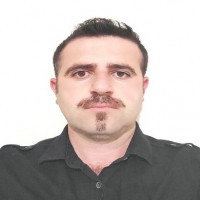
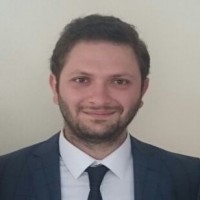
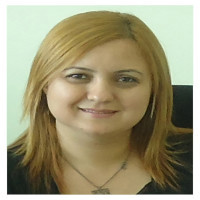
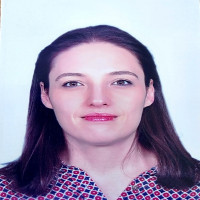
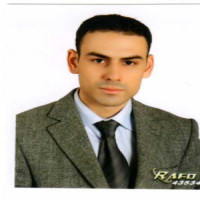
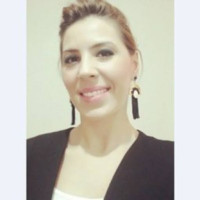
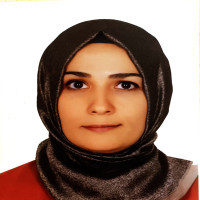
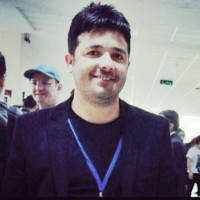
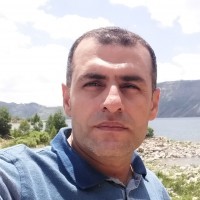
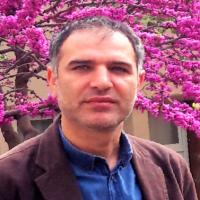
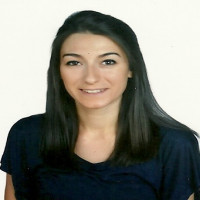
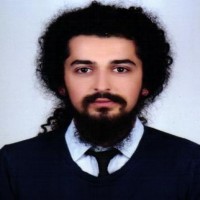
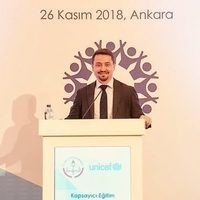
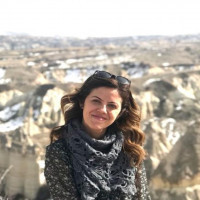
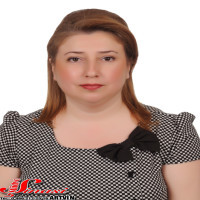
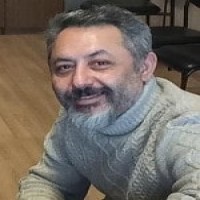
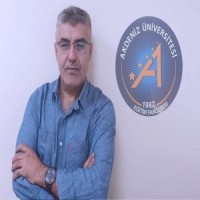
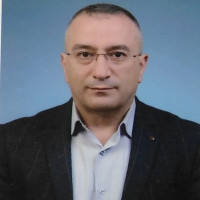
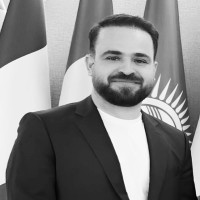
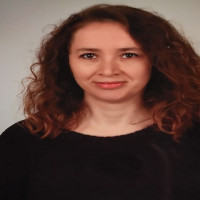
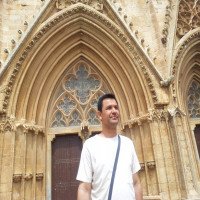
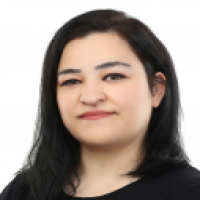
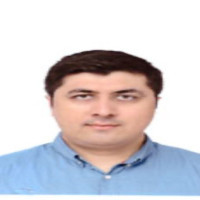
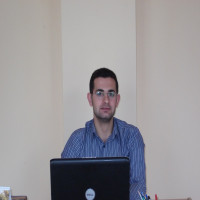
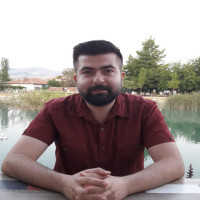
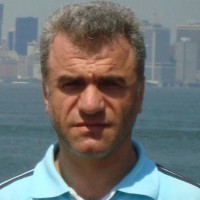
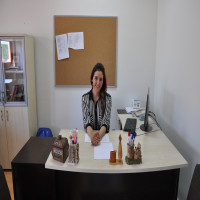
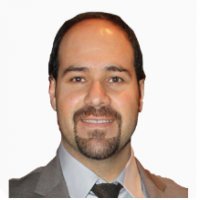
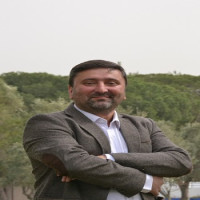
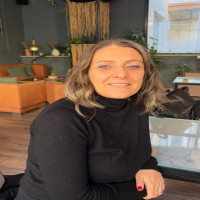
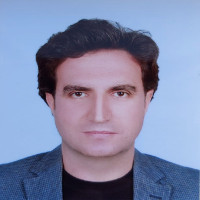
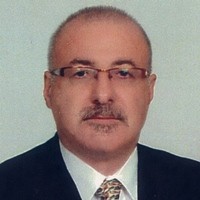
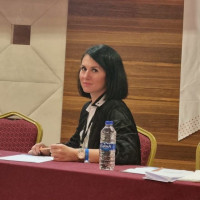
Dr. Barış Çavuş, yaklaşık 20 senedir akademik hayatını sürdürmekte olup lisans ve önlisans düzeyinde çeşitli seviyelerde İngilizce dersleri vermektedir. Eğitim Yönetimi, Teftişi, Planlaması ve Ekonomisi Anabilim Dalında yüksek lisans ve doktora eğitimini tamamlayan Dr. Çavuş, 20 yılı aşkın süredir akademik çeviri ile ilgilenmektedir ve çok iyi derecede İngilizce ve orta derecede Almanca bilmekle birlikte uluslararası düzeyde çeviriler ve tercümeler yapmaktadır. Akademik ilgi alanları arasında ulusal ve uluslararası projeler, eğitim yönetimi ve politikası, eğitim planlaması, eğitim denetimi, yabancı dil eğitimi vb. konular yer almakta ve ilgili alanlarda kitap bölümleri, akademik makaleleri ve ulusal/uluslararası kongre/konferanslarda yayımlanmış bildirileri bulunmaktadır. Bununla birlikte, Türkiye Bilardo Federasyonu’nda lisanslı bir üç bant bilardo oyuncusu olan Dr. Çavuş, evli ve bir kız çocuğu babasıdır.
Web
ÖZGEÇMİŞ
1. Adı Soyadı: Başak Gorgoretti
2. Doğum Tarihi: 04 Kasım 1976
3. Ünvanı: Doçent Doktor
4. Öğrenim Durumu
Derece Alan Üniversite Yıl
Lisans Müzik Öğretmenliği Gazi Üniversitesi 1999
Yüksek Lisans Müzik Eğitimi Gazi Üniversitesi 2002
Doktora Müzik Eğitimi Gazi Üniversitesi 2007
5. Akademik Ünvanlar
• Öğretim Görevlisi Doktor: Eylül 2008-2014
• Yardımcı Doçent Doktor : Nisan 2014-Ağustos 2020
• Doçent Doktor: Ağustos 2020 devam ediyor
6. Yönetilen Yüksek Lisans ve Doktora Tezleri
Soykunt, N. (2015). 8. Sınıf Müzik Dersi Kapsamında Uygulanan Psiko-Motor Beceri Geliştirici Etkinlikler ile İlgili Öğretmen ve Öğrenci Görüşlerinin İncelenmesi, Doğu Akdeniz Üniversitesi, Gazi Mağusa.
7. Yayınlar
7.1 Uluslararası hakemli dergilerde yayınlanan makaleler
• Gorgoretti̇, B . (2020). Milli Kimliğin Biçimlenmesinde Müzik Eğitiminin Rolü . Anadolu University Journal of Education Faculty , 4 (2) , 143-162 . DOI: 10.34056/aujef.621120.
• Gorgoretti, B. (2019) The use of technology in music education in North Cyprus according to student music teachers. South African Journal of Education, Volume, 39,(1).
• Müezzinoğlu, A., Gorgoretti, B. (2019). The New Music Curriculum with a New Music Education Concept. Fine Arts, Volume 14 (3).
• Soykunt, N. & Gorgoretti, B. (2019) Views of Music Teachers on Psycho-motor Activities. Tarih, Kültür ve Sanat Araştırmaları Dergisi. 6, (8).
• Gorgoretti, Başak. (2013) The Technical Analyse of Violoncello Etudes. Eurasian Journal of Educational Research, Issue, 53/A,257-274
• Berki, T., Güler, B. & Tunca, O. (2008). An "Etude Analysis Model" Related To Cello Education. Turkish Journal of Music Education, Electronic Article-1 (2)
7.2 Ulusal hakemli dergilerde yayınlanan makaleler
7.3 Uluslararası/ulusal bilimsel toplantılarda sunulan ve bildiri kitabında basılan bildiriler
• Müezzinoğlu, A., Gorgoretti, B. (2019). Besteci Kamran Aziz’in Eserleri Üzerine İnceleme. ISME Legacy Conference Bildiriler Kitabı. 4-7 Eylül 2019. İstanbul, Türkiye.
• Gorgoretti, B., Alpagut, U. (2017). Türk Müzik Kültürünü Günümüz Öğretim Yaklaşımlarıyla Aktarma. Proocedings of the 1st Musical Traditions in Globalizing World International Scientific and Practical Conference Proceedings Book. Bakü, Azerbaycan.
• Gorgoretti, B. (2016). Prospective Music Teachers' Perceptions on Musical Creativity. Proceedings of the 24th EAS Conference Vilnius, Lithuania.
• Gorgoretti, B., Pilli, O. (2012). Pre-Service Teachers Views on the Effectiveness of Teaching Practice Course. Cyprus International Conference on Educational Research, Middle East University, North Cyprus.
• Gorgoretti, B., Akın, Ö. (2010). Müzik Öğretmenlerinin Orff ve Kodaly Yaklaşımlarını Kullanma Durumları (Denizli ve KKTC Örneği). 9. Ulusal Müzik Eğitimi Sempozyumu, Marmara Üniversitesi, İstanbul.
• Güler, B., Nalbantoğlu, E. (2009). K.K.T.C. ve T.C. Müzik Eğitimi Sorunlarına Karşılaştırmalı Bir Bakış, 8. Ulusal Müzik Eğitimi Sempozyumu, Samsun.
• Güler, B., Pilli, O. (2009). Eğitim Fakültelerinde Bit Kullanımı: KKTC Örneği. 9th International Educational Technology Conference, Hacettepe Üniversitesi, Ankara.
• Berki, T., Çilden, Ş., & Güler, B. (2006) Ülkemiz Müzik Eğitimi Anabilim Dallarında Kullanılan Viyolonsel Etüdleri Üzerine Bir İnceleme. 7. Ulusal Müzik Eğitimi Sempozyumu, Pamukkale Üniversitesi, Denizli.
7.4 Özetler
• Güler, B., Pilli, O. (2009). Student-Teachers’ Attitudes and Beliefs About Using Technology In Teaching. I. Uluslararası Yaşayan Kuramcılar Konferansı: Howard Gardner, Mehmet Akif Ersoy Üniversitesi, Burdur.
• Gorgoretti, B.(2011). İlköğretim Müzik Dersi Öğretim Programı Müziksel Yaratıcılık Alanı Boyutlarının Analizi. I. Uluslararası Eğitim Programları ve Öğretim Kongresi, Anadolu Üniversitesi, Eskişehir.
7.5 Diğer Yayınlar
• Gorgoretti, Başak. “Notalar Rüyama Girdi” (2021) basım aşamasında Eğitenkitap Yayınevi
• Müzik 1 Ders kitabı (2017) KKTC Milli Eğitim ve Kültür Bakanlığı
• Müzik 1 Öğretmen El Kitabı (2017) KKTC Milli Eğitim ve Kültür Bakanlığı
• Müzik 2 Ders kitabı (2017) KKTC Milli Eğitim ve Kültür Bakanlığı
• Müzik 2 Öğretmen El Kitabı (2017) KKTC Milli Eğitim ve Kültür Bakanlığı
• Temel Eğitim Programı Müzik Dersi Öğretim Programı 1.-8. Sınıflar (2017). KKTC Milli Eğitim ve Kültür Bakanlığı
• Müzik 3 Ders kitabı (2018) KKTC Milli Eğitim ve Kültür Bakanlığı
• Müzik 3 Öğretmen El Kitabı (2018) KKTC Milli Eğitim ve Kültür Bakanlığı
• Müzik 4 Ders kitabı (2017) KKTC Milli Eğitim ve Kültür Bakanlığı
• Müzik 4 Öğretmen El Kitabı (2017) KKTC Milli Eğitim ve Kültür Bakanlığı
• Müzik 5 Ders kitabı (2017) KKTC Milli Eğitim ve Kültür Bakanlığı
• Müzik 5 Öğretmen El Kitabı (2017) KKTC Milli Eğitim ve Kültür Bakanlığı
• Müzik 6 Ders kitabı (2017) KKTC Milli Eğitim ve Kültür Bakanlığı
• Müzik 6 Öğretmen El Kitabı (2017) KKTC Milli Eğitim ve Kültür Bakanlığı
• Müzik 7 Ders kitabı (2017) KKTC Milli Eğitim ve Kültür Bakanlığı
• Müzik 7 Öğretmen El Kitabı (2017) KKTC Milli Eğitim ve Kültür Bakanlığı
• Müzik 8 Ders kitabı (2018) KKTC Milli Eğitim ve Kültür Bakanlığı
• Müzik 8 Öğretmen El Kitabı (2018) KKTC Milli Eğitim ve Kültür Bakanlığı
8. Projeler
KKTC Milli eğitim Bakanlığı Temel Eğitim Program Geliştirme Projesi
9. A) İdari Görevler
• Doğu Akdeniz Üniversitesi Eğitim Fakültesi Güzel Sanatlar Eğitimi Bölüm Başkanlığı (Şubat 2012-Haziran 2015)
B) Komisyon Görevleri
C) Kurul Üyelikleri
• Fakülte Kurulu Üyesi (2012-2015)
• Bölüm Kurulu Üyesi (Eylül 2008-devam ediyor)
D) Üniversite içi diğer faaliyetler
• Fakülte Tanıtım Temsilcisi (2011-2012)
E) Üniversite dışına yapılan faaliyetler
• SOS kreşi müzik eğitimi danışmanlığı (2016)
• KKTC Milli Eğitim Bakanlığı Kamu Hizmet Komisyonu Öğretmen Sınavı müzik sorularının hazırlanması (2013)
10. Bilimsel Kuruluşlara Üyelikler
• European Association for Music in Schools (2015-2016)
• International Society for Music Education (2017 devam ediyor)
Assoc. Prof. Dr. Didem Çetin is a faculty member in the Department of Turkish Language Education at the Faculty of Education, Muğla Sıtkı Koçman University. She completed her undergraduate and master’s studies in the same department at Muğla Sıtkı Koçman University. In 2013, she earned her Ph.D. from Gazi University, Institute of Educational Sciences, Department of Turkish Language Education, with her dissertation titled “The Effect of Computer-Assisted Prosody Training on the Skills of Perceiving and Reflecting Stress, Intonation, and Emotion.” Dr. Çetin was awarded the title of Associate Professor in 2021. She successfully completed the five stages of the Creative Drama Instructor/Leadership Program organized by the Contemporary Drama Association and approved by the Turkish Ministry of National Education (MoNE). She has also provided diction and voice training for teachers and pre-service teachers. Her research interests include: prosody training speech education, prosodic reading, creative drama voice training and diction.
Donald Staub is the Director of the School of Foreign Languages at Izmir University of Economics (since 2018). He is deeply involved in language program quality assurance and accreditation, serving as an inspector for CEA (US), DEDAK (Türkiye), and Eaquals (Europe). Donald is also immersed in the field of micro-credentials and digital badges – especially concerning employability and student retention – having spent the last 15 years researching and applying micro-credentials in higher education, as well as fostering a sustainable eco-system for this undeniable future of education. Dr. Staub is the Director of the Office of Micro-Credentials at Izmir University of Economics.
1981 yılında Bursa’da doğdu. Ortaokul ve liseyi Karşıyaka Anadolu Lisesinde tamamladı. 2004 senesinde Ege Üniversitesi Rehberlik ve Psikolojik Danışmanlık Lisans programından birincilikle mezun oldu. 2004 yılında Ege Üniversitesi Rehberlik ve Psikolojik Danışmanlık Anabilim Dalı’nda araştırma görevlisi olarak çalışmaya başladı. 2007 yılında yüksek lisans ve 2011 yılında doktora öğretimini aynı bölümde tamamladı. 2014 senesinde Ege Üniversitesi Rehberlik ve Psikolojik Danışmanlık Anabilim Dalı’nda doktor öğretim üyesi olarak atandı. 2022 yılında Doçent ünvanını aldı. Halen aynı bölümde görev yapmaktadır. Ayrıca Ege Üniversitesi Özel Eğitim Uygulama ve Araştırma Merkezi müdür yardımcısı olarak görev yapmaktadır. Uluslararası ve ulusal hakemli dergilerde yayımlanmış makaleleri, ulusal ve uluslararası bilimsel toplantılarda sunulan çok sayıda bildirisi bulunmaktadır. Çalışma konuları kariyer psikolojik danışmanlığı, çocuk ve ergenlerle psikolojik danışma, evlilik ve aile psikolojik danışmanlığıdır. Kendisi EMDR terapisti, aile danışmanı ve bilişsel davranışçı psikoterapisttir.
Web
Dr. Bozkus is an associate professor working at Artvin Coruh University in Turkey. He completed a bachelor’s degree in science teaching and worked as a science teacher. He received a graduate education grant from the ministry of national education and a master’s degree in educational leadership from PennState University. He has got his Ph.D. degree in educational administration at Anadolu University in Turkey. His research interests are the professional development of teachers, school development, leadership, and organizational behavior.
Doktora/Sanatta Yeterlilik/Tıpta Uzmanlık, Türkiye, Gazi Üniversitesi, Eğitim Bilimleri Enstitüsü, Sınıf Eğitimi (Dr), 2015, 2021
Yüksek Lisans, İngiltere, The University Of Warwick, , 2011, 2013
Lisans, Türkiye, Erciyes Üniversitesi, Eğitim Fakültesi, Temel Eğitim Bölümü, 2005, 2009
Lisans, Türkiye, Anadolu Üniversitesi, Açıköğretim Fakültesi, Yönetim Bilişim Sistemleri Bölümü, 2020- Devam Ediyor
Lisans, Türkiye, Gaziosmanpaşa Üniversitesi, Fen-Edebiyat Fakültesi, Fizik Bölümü, 2003-2005
Web
Aydın Adnan Menderes Üniversitesi Eğitim Fakültesi Temel Eğitim Bölümü Okul Öncesi Öğretmenliği Anabilim Dalı
Dr. Osman SÖNER, rehberlik ve psikolojik danışmanlık alanında hem akademik hem de uygulamalı çalışmalarıyla öne çıkan bir araştırmacıdır. Lisans eğitimini İnönü Üniversitesi’nde, yüksek lisansını Ufuk Üniversitesi’nde, doktora derecesini ise Bursa Uludağ Üniversitesi’nde tamamlamıştır. Akademik kariyerine İstanbul Sabahattin Zaim Üniversitesi’nde Dr. Öğr. Üyesi olarak devam eden Söner, daha önce Arnavutköy Bilim ve Sanat Merkezi’nin kurucu müdürlüğünü yürütmüş ve farklı kamu kurumlarında psikolojik danışman olarak görev almıştır. Yüksek lisans tezinde ergenlerde sosyal medya beğenilmeme korkusuna yönelik özgün bir ölçek geliştirmiş ve doktora tez çalışmasında lise öğrencilerinin üniversiteye kariyer geçişlerine ilişkin gömülü teori temelli nitel bir araştırma gerçekleştirmiştir. Uluslararası ve SSCI indeksli dergilerde yayımlanmış çok sayıda makalesi bulunan Dr. Osman Söner, aynı zamanda proje yürütücüsü olarak İstanbul Kalkınma Ajansı, TÜBİTAK ve Avrupa Birliği gibi fonlardan destekli projelere liderlik etmiştir. Bilimsel üretkenliğinin yanı sıra, rehberlik hizmetlerinde yapay zekâ entegrasyonu, özel yetenekli bireylerin kariyer gelişimi, dijital çağda gençlerin iyi oluşu gibi yenilikçi temalara odaklanarak hem teorik bilgiye hem de saha uygulamalarına katkı sunmuştur. Ulusal kongrelerde düzenleme kurulu başkanlığı görevleri üstlenen ve çeşitli mesleki derneklere üye olan Dr. Osman SÖNER, halihazırda İstanbul Sabahattin Zaim Üniversitesi Rehberlik ve Psikolojik Danışmanlık Anabilim Dalı Başkanlığı görevini yürütmektedir.
Dr. Ergan is an assistant professor at Ordu University. Her research focuses on mathematical language, classroom culture, and epistemic injustice, with a particular emphasis on advancing the teaching of mathematics in primary education.
Web
İsmet ARICI 1985 yılında Marmara Üniversitesi, Atatürk Eğitim Fakültesi, Müzik Öğretmenliği bölümünden mezun olmuştur. 1993 yılında Marmara üniversitesinde göreve başlamıştır. Yüksek Lisans ve Doktorasını Marmara Üniversitesi Eğitim Bilimleri enstitüsünde tamamlamıştır. 2002 yılında Danimarka Odense Seminariumda misafir öğretim elemanı olarak görev yapmıştır. Bilgisayar destekli müzik eğitimi ve Müzik teknolojileri ile ilgili araştırmalar ve uygulamalar yaparak, Müzik Öğretmenliği Anabilim dalında bilgisayar destekli müzik laboratuvarının oluşturulması ve kayıt stüdyosu kurulması projelerini gerçekleştirmiştir. Halen Marmara Üniversitesi, Atatürk Eğitim Fakültesi, Güzel Sanatlar Eğitimi Bölümü, Müzik Öğretmenliği Anabilim Dalında Öğretim üyesi olarak görev yapmaktadır.
"The WESTERN ANATOLIA JOURNAL of EDUCATIONAL SCIENCES" managed by Dokuz Eylul University, Institute of Educational Sciences is an academic, open access scientific journal published in Turkish or English language three times in a year in April, August and December.
The WAJES publishes qualified studies evaluating practical or theoretical studies in the field of educational sciences with strong research designs. For this reason, it is aimed to publish experimental, correlational or theoretical studies that follow the current educational needs and produce solutions, especially those related to the past and present. In this way, it is expected to contribute to improve educational practices in the elementary, secondary, high school, higher education and lifelong learning stages.
WAJES accepts studies in the fields of education technology, teacher training, field education, guidance and psychological counseling, nature education, etc. The target audience is educators, students, teachers, and individuals and organizations that provide education and education services in the field of educational sciences.
In order to send an article to BAEBD you need to form your article according to the template below.
BAEBD article template
Important note: 1. For all research articles that will be sent to BAEBD, ethics commission acceptance must be taken and it must be attached to the article application.
2. On the condition of article acceptance please fill and upload the BAEBD author’s copyright form into the system.
BAEBD Author’s Copyright Transfer Form
Publication Ethics
WAJES has adopted the publication ethics and the rules below since 10.11.2017
1) The journal publishing is based on the obligations determined by the COPE-Code of Conduct for Journal Editors. Detailed information is provided below.
2) WAJES requests plagiarism report from the authors of the articles sent to the journal. Field editor and referee appointment are done to journals whose plagiarism report have been analysed and approved.
3) (Updated on 10.07.2019) WAJES, as from Volume 10. Issue 2 (December 2019) the article proposals which contain data collection such as survey, interview etc. Ethic committee approval will be required from the author before the application. Information related to Ethics Committee document will be presented in method part of the article.
CODE OF CONDUCT FOR JOURNAL EDITORS (COPE)
Responsibilities of the Editors
1. Objectivity and Publisher Freedom. The editors evaluate the submitted article proposals in accordance with the scope of the journal and the importance and originality of their work. Editors do not take into account the racial, gender, sexual orientation, ethnicity, nationality or political views of the authors who submitted the article proposal. Other institutions, other than the journal editor board, cannot influence the decision to correct or publish.
2. Confidentiality. Editors do not share information about an article with anyone other than the responsible author, referees and editorial board.
3. Disclosure and Disagreements. Editors and editorial board members do not use information that has not been published in a submitted article, for their own research purposes without the written permission of the authors.
4. Agreement of publishing. Editors ensure that all articles accepted for publication are reviewed by at least two reviewers who are experts in their fields. The editors are responsible for making decisions based on the articles submitted to the journal, the validity of the study in question, the importance of the researchers and readers, the comments of the referees and such legal conditions.
5. Ethical Concerns. Editors will take measures when ethical concerns arise regarding a submitted article or published article. Any unethical publishing behaviours reported will be examined, even if they occur years after publication. Editors follow COPE Flowcharts in case of ethical concerns. If ethical problems are important, correction, withdrawal can be applied or concerns about the subject can be published in the journal.
Responsibilities of the Editors
1. Contribution to the Editorial Decisions: Editor helps other editors in their editor decisions and helps authors to improve their articles through editorial communication.
2. Speed: Any referee who does not feel qualified to review the article proposal or who knows that the article review cannot be done on time should immediately inform the editors and reject the review invitation, thereby new referee appointment must be ensured.
3. Confidentiality: All article manuscripts are secret documents and they must be handled in this way. Unless authorized by the editor, they shouldn’t be shown to others or they shouldn’t be discussed with others. This is valid for the referees who have refused to review the article.
4. Objectivity Standards: Comments on the article proposal should be made objectively and suggestions should be made in a way that the authors can use to improve the article. Personal criticism of the authors is not appropriate.
5. Acceptance of Resources: Referees should identify relevant published works that have not been quoted by the authors. The referee should also notify the editor of any significant similarity of the article under review to any other article (published or unpublished).
6. Conflicts of interest: Conflicts of interest should be reported to the editor.
Author’s Responsibilities
1. Reporting Standards: The authors of the original research should ensure that the work and results are presented correctly and then the importance of the work is discussed objectively. The article proposal should contain sufficient details and references.
2. Data Access and Storage: Authors must keep the raw data of their work. If necessary, they should submit it for editorial review if requested by the journal.
3. Originality and Plagiarism: Authors should submit original works entirely, and if they have used the works or words of others, this should be properly quoted. Besides, it is important that the citations made by the authors' own thesis and article studies are similar in a minimum level, in other words, the citation is done properly.
Plagiarism from someone else or self in all its forms creates unethical publishing behavior, which is unacceptable. For this reason, a similarity report is requested from all authors who submit articles to the journal. The rate in the similarity report will be decisive in the evaluation process of the article. The articles whose similarity rate is high will be returned and the author will be asked for necessary corrections. In this context, besides the plagiarism made by the work of others, the authors should make an arrangement considering the plagiarism made by their own thesis or articles.
4. Multiple, duplicate, redundant, or simultaneous submission / publication: Authors should not submit an article previously published in another journal for consideration. Simultaneous submission of an article to multiple journals is unethical publishing behaviour and is unacceptable.
5. Authorship of the Article: Only those who meet the criteria of authorship should be listed as authors in the content of the article. These authorship criteria are as follows; (i) contributed to the stages of design, implementation, data collection or analysis; (ii) prepared the text, or made significant intellectual contribution or critically revised it; or (iii) read the final version of the article, approved it and agreed to submit it for publication. The responsible author should ensure that all authors (according to the definition above) are included in the list of authors and declare that the authors have seen the final version of the article and agreed to submit it for publication.
6. Declaration and Conflicts of Interest: Authors should reveal conflicts of interest as early as possible (usually by submitting a statement form during article submission and including a statement in the article). All sources of financial support must be declared for the study (including grant number or other reference number, if any).
7. Referee’s review: The authors are responsible for participating in the review process and are fully liable to respond promptly to editors' raw data requests, descriptions and evidence of ethical approval and copyright permissions. In the event that a "necessary revision" decision is made first, the authors should review and re-submit their articles until the deadline given systematically to the comments of the referees.
8. Basic Mistakes in the Published Works: When the authors find significant errors or inaccuracies in their published works, the authors are obliged to inform the editors or publishers immediately and to cooperate with them to correct them in the form of an erratum on paper or to remove the paper. If the editors or publisher find out from a third party that a published work contains an important error or inaccuracy, the author should take the obligation to promptly correct or withdraw the article or to provide the editors of the journal with evidence of the correctness of the paper.
Batı Anadolu Eğitim Bilimleri Dergisi makale başvurusu, değerlendirmesi ve yayımı için hiçbir ücret almamaktadır.